The long-standing debate between photographic "purists" and "artists" has reached a new inflection point in the digital age, as the boundaries between capturing a moment and constructing a narrative continue to blur. At the heart of this discourse is the practice of post-processing, specifically the act of cropping, which remains one of the most contentious topics within the global photography community. While purists argue that a photograph should remain a faithful witness to the moment of capture, allowing only for minimal adjustments to exposure and highlights, a growing contingency of creative photographers maintains that the final visual result is the only metric of success. This tension highlights a fundamental question regarding the nature of the medium: is a photograph a document of reality or a canvas for storytelling?
The discussion was recently revitalized by a series of compositional experiments conducted in Chieti, Italy, using the Ricoh GR IV Monochrome—a specialized tool favored by street photographers for its high-contrast output and discreet form factor. By examining the iterative process of refining a single image taken in the historic Piazza San Giustino, photographers and critics alike are weighing the ethical implications of radical cropping against the pursuit of aesthetic perfection.
The Chieti Case Study: A Chronology of the Image
The origin of the current debate stems from a single frame captured in the late afternoon in Piazza San Giustino. Chieti, an ancient city in the Abruzzo region, provides a significant backdrop; according to local tradition, the city’s foundations predate the settlement of Rome, offering a sense of architectural majesty that presents unique challenges for the modern lens.
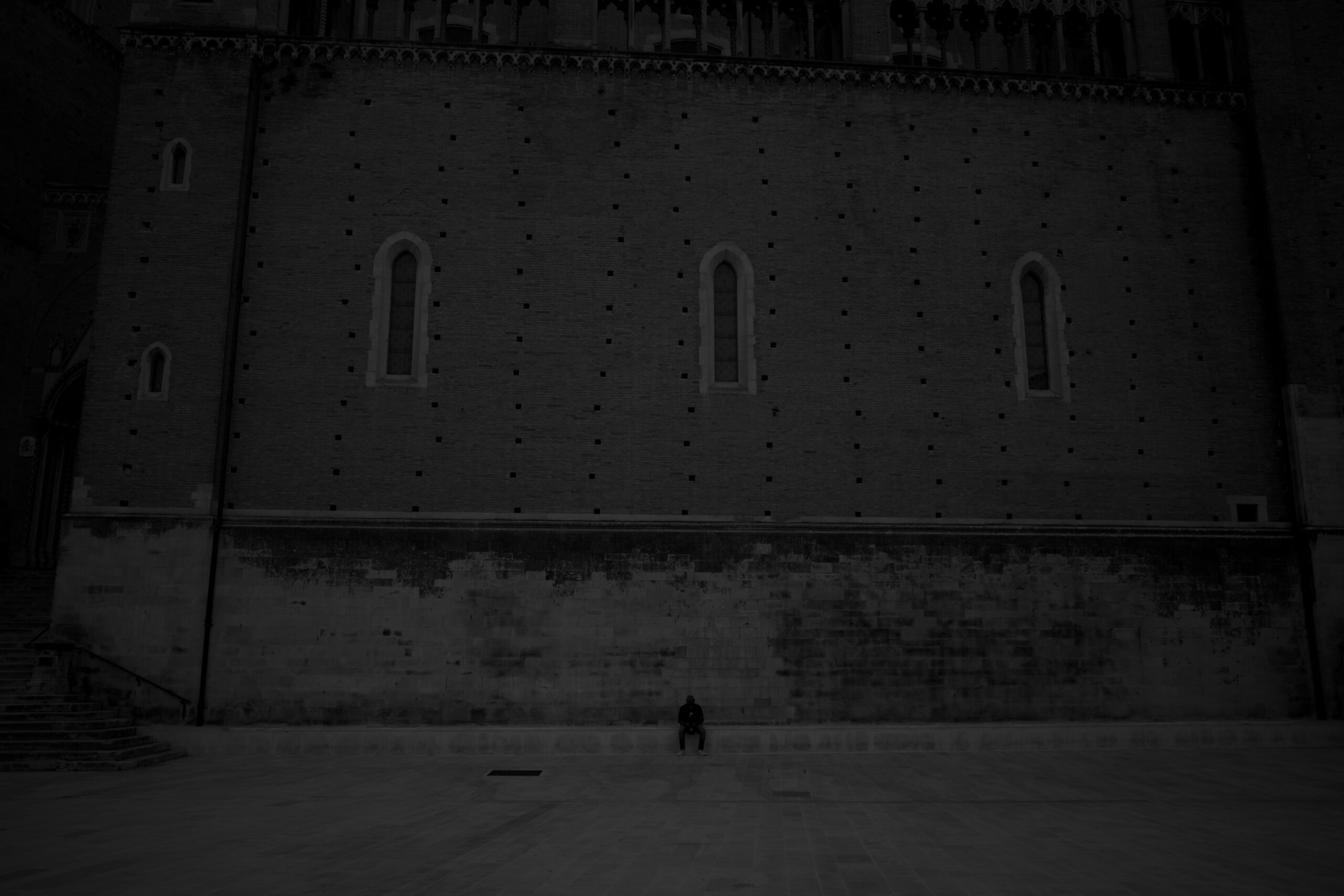
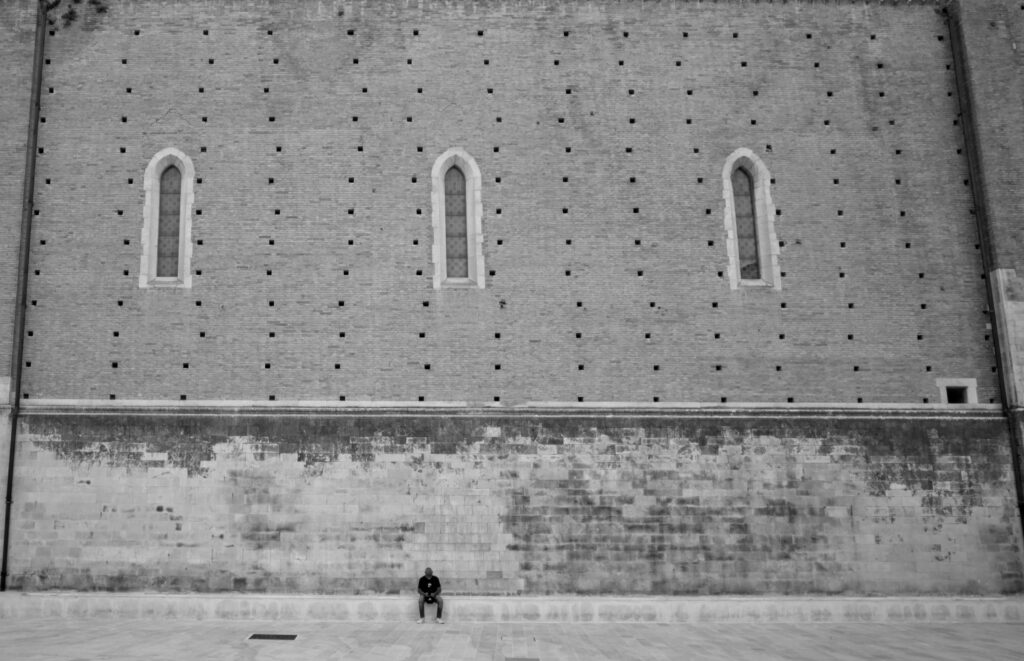
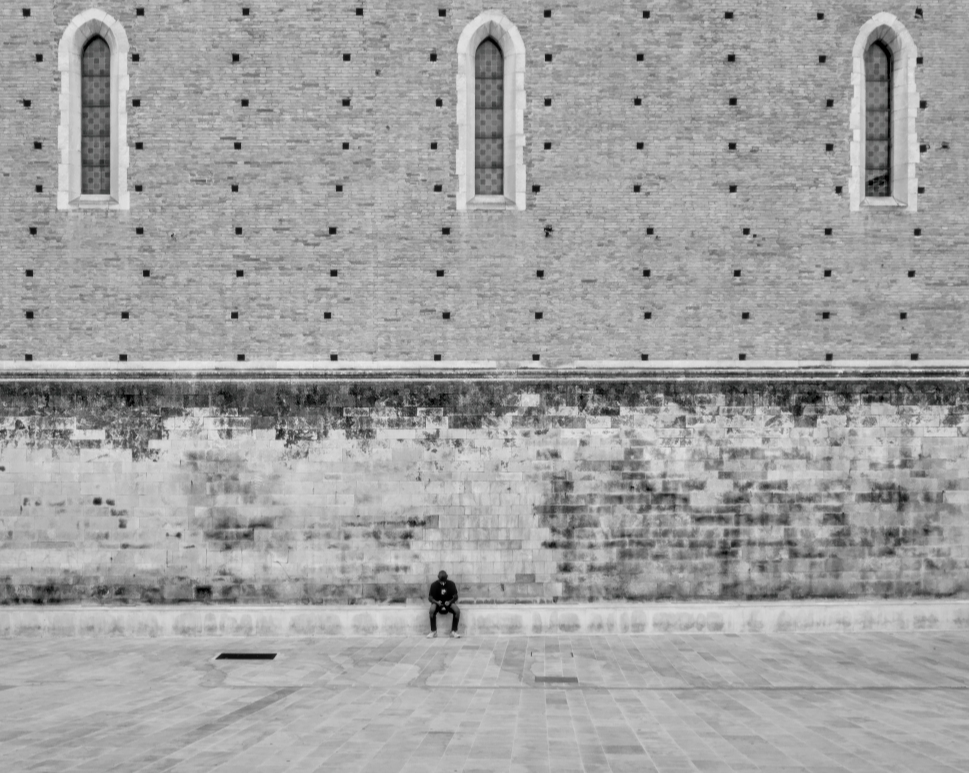
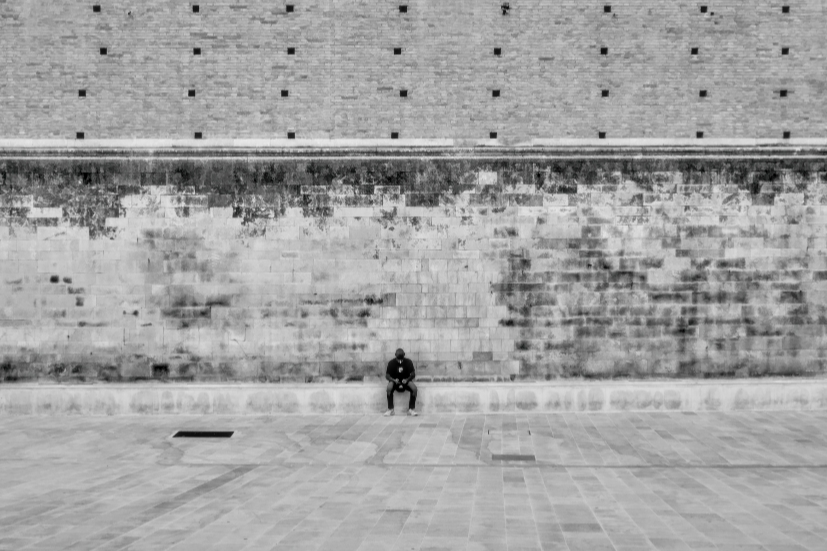
The photographer, Andrea Monti, documented a multi-stage transformation of an image featuring the Cathedral of San Giustino and a solitary human figure. The timeline of the image’s evolution reveals the cognitive process behind modern digital editing:
- The Raw Capture (Version 0): The initial image was a wide-angle shot capturing the sheer scale of the cathedral’s stone walls. While the exposure was adjusted to manage the late afternoon shadows, the composition remained true to the original camera angle.
- Perspective Correction: Upon review, the technical flaws of the original capture became apparent. The vertical orientation of the cathedral appeared distorted due to lens tilt, and the relationship between the human subject and the central window was asymmetrical. The first major intervention involved adjusting the vertical orientation to straighten the architectural lines.
- The Balanced Crop (Version 5): A further horizontal crop was applied to even out the spacing between the windows and the man. This version prioritized balance and formal symmetry, though it sacrificed the vastness of the cathedral walls to achieve a more "perfect" geometric arrangement.
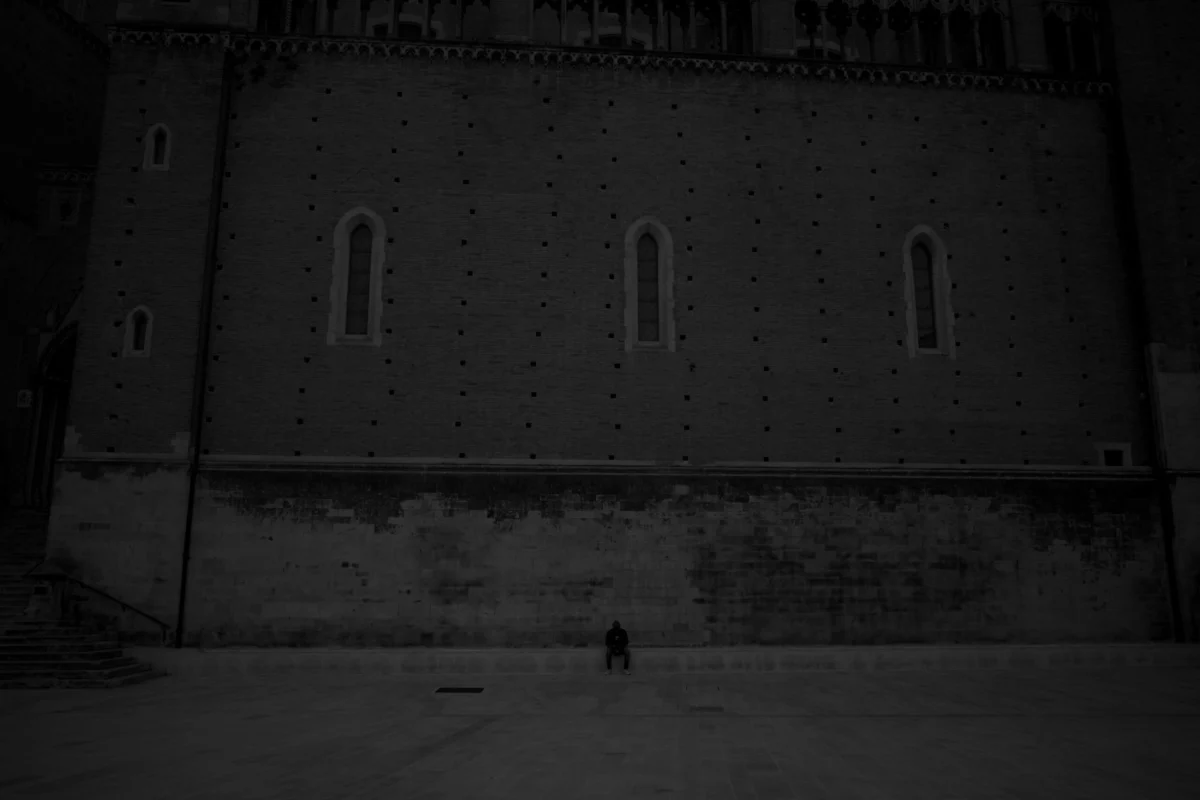
- The Radical Re-envisioning (Version 3): In a final departure from the original intent, the image was cropped into a portrait orientation. This drastic change restored the sense of scale—emphasizing the height of the wall relative to the man—but completely discarded the majority of the information present in the original raw file.
This progression raises the central philosophical dilemma: which of these iterations is the "true" photograph? If the final portrait-oriented image bears little resemblance to what the photographer saw through the viewfinder, does it retain its integrity as a photograph, or has it transitioned into the realm of digital illustration?
Historical Context: The Precedent for Manipulation
The debate over "straight photography" versus "pictorialism" is not a product of the digital era. In the early 20th century, the "Straight Photography" movement, led by figures such as Paul Strand and later Group f/64 (including Ansel Adams and Edward Weston), advocated for images that looked like photographs rather than paintings. They eschewed the heavy manipulation common in the pictorialist style of the time.
However, even the masters of "straight" photography were known for significant darkroom intervention. Ansel Adams famously described the negative as "the score" and the print as "the performance." His iconic "Moonrise, Hernandez, New Mexico" was the result of extensive dodging and burning in the darkroom to darken the sky and emphasize the light on the crosses. In this context, modern post-processing is simply a digital evolution of the chemical darkroom.
The primary difference today lies in the ease and scale of the intervention. With high-resolution sensors, such as the one found in the Ricoh GR IV Monochrome, a photographer can crop away 70% of an image and still have enough detail for a high-quality print. This "second chance" at composition is what purists find most objectionable, as it potentially diminishes the skill required to "get it right in the camera" at the moment of the shutter release.
Supporting Data: The Impact of High-Resolution Sensors
The shift toward aggressive cropping is supported by recent trends in camera technology. According to industry data from 2024 and 2025, the average resolution of premium compact and mirrorless cameras has stabilized between 40 and 60 megapixels. This "resolution surplus" has fundamentally changed the workflow of professional photographers.
- Crop Factor Flexibility: A 60-megapixel full-frame image can be cropped to a 15-megapixel file—still sufficient for a standard magazine spread—while effectively doubling the focal length of the lens used.
- The Rise of Fixed-Lens Photography: Cameras like the Ricoh GR series and the Leica Q series utilize fixed focal length lenses (typically 28mm). Manufacturers have integrated "digital crop modes" directly into the firmware, acknowledging that users treat the sensor as a canvas to be trimmed rather than a fixed frame.
- Journalistic Standards: Organizations like the World Press Photo (WPP) and the Associated Press (AP) maintain strict guidelines. The WPP, for instance, allows for cropping but prohibits the addition or removal of physical elements within the frame. In 2023, approximately 10% of entries in major photojournalism contests were disqualified for exceeding these manipulation boundaries, highlighting the thin line between "enhancement" and "deception."
Professional Reactions and Ethical Implications
The photography community remains divided on where to draw the line. Journalistic integrity requires a different standard than artistic expression, a distinction Monti emphasizes.
"A photo taken by a journalist should reflect reality," Monti noted, suggesting that the narrative must not be altered through composition. "By contrast, a photo whose goal is to tell a story should not be subject to such constraints."
This sentiment is echoed by many in the industry. Sarah Jenkins, a senior curator at the International Center of Photography (ICP), suggests that the "intent" of the photographer is the deciding factor. "If the goal is to document the architectural layout of Piazza San Giustino for an archaeological record, then Version 0 is the only acceptable image," Jenkins stated in a recent symposium on digital ethics. "But if the goal is to evoke the feeling of human insignificance against the weight of history, the portrait crop (Version 3) is arguably the more successful piece of art."
However, critics argue that the over-reliance on cropping leads to "lazy" photography. The "decisive moment," a term coined by Henri Cartier-Bresson, refers to the instinctive capture of a fleeting event where the elements are in perfect equilibrium. Purists argue that if a photographer relies on the "safety net" of a crop, they are no longer practicing the discipline of seeing, but rather the discipline of editing.
Broader Impact on Visual Literacy
The democratization of high-end editing tools has a broader impact on how the public consumes imagery. In an era of AI-generated content and sophisticated deepfakes, the "authenticity" of a photograph is under constant scrutiny. When a photographer radically alters a composition through cropping, they contribute to a culture where the viewer can no longer take the frame at face value.
The implications for the future of the medium are significant:
- The Death of the Focal Length: As sensor resolutions increase, the specific focal length of a lens becomes less relevant. The "28mm look" can be transformed into a "50mm look" or a "75mm look" in post-production, leading to a homogenization of visual styles.
- AI-Assisted Composition: Modern software now suggests "optimal crops" based on rule-of-thirds algorithms and eye-tracking data. This moves the creative decision-making process away from the human eye and toward an automated standard of "beauty."
- New Educational Paradigms: Photography schools are increasingly focusing on "post-capture intent," teaching students that the act of taking the photo is only the first step in a multi-part creative journey.
Conclusion: The Final Image as a Narrative Choice
Ultimately, the case of the Chieti cathedral photograph demonstrates that the digital frame is fluid. Whether one views the Ricoh GR IV Monochrome as a tool for capturing the "truth" or as a data-gathering device for future editing depends entirely on one’s philosophical approach to the medium.
As technology continues to evolve, the "purist" and "artist" schools may never find common ground. However, the dialogue between them is essential for the health of the medium. It forces photographers to be intentional about their choices and viewers to be critical of what they see. In the end, the question "Which photo did I shoot?" may have multiple correct answers, depending on whether one is looking for the reality of the piazza or the truth of the story.