Wildlife photography, a demanding yet immensely rewarding pursuit, often hinges on a delicate balance of meticulous planning, technical skill, environmental knowledge, and a fortunate alignment of circumstances. Even with optimal execution, the capabilities of photographic equipment significantly influence the final outcome. Recent decades have witnessed a profound transformation in camera technology, particularly impactful for specialized fields like wildlife imaging. This evolution has empowered photographers to capture moments previously deemed unachievable, pushing the boundaries of what is possible in challenging natural environments.
The Evolution of Photographic Technology for Wildlife
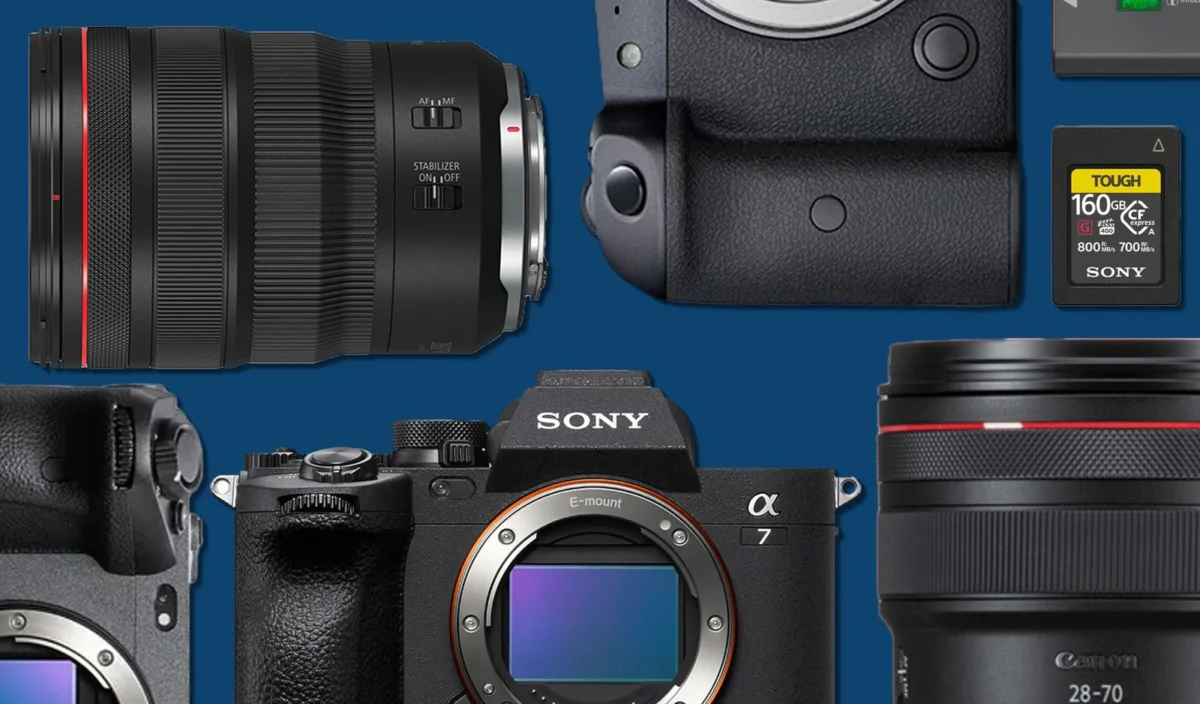
The landscape of professional photography has been dramatically reshaped by technological advancements. Over the past decade, the transition from traditional DSLR systems to mirrorless cameras has been a primary driver of innovation. These modern bodies, exemplified by Canon’s R-series, offer substantial improvements across critical performance metrics. For wildlife photographers, key enhancements include revolutionary autofocusing systems, significantly improved low-light performance allowing for higher ISO sensitivities with reduced noise, increased burst speeds for capturing fleeting action, and the introduction of advanced features such as pre-capture functionality and blackout-free electronic viewfinders (EVFs) powered by stacked sensors. These innovations collectively enable photographers to react faster, achieve sharper focus on moving subjects, and operate effectively in diverse and often unpredictable conditions. The disparity between contemporary setups and those of even a few years ago is, for many professionals, staggering, fundamentally altering workflow and creative potential.
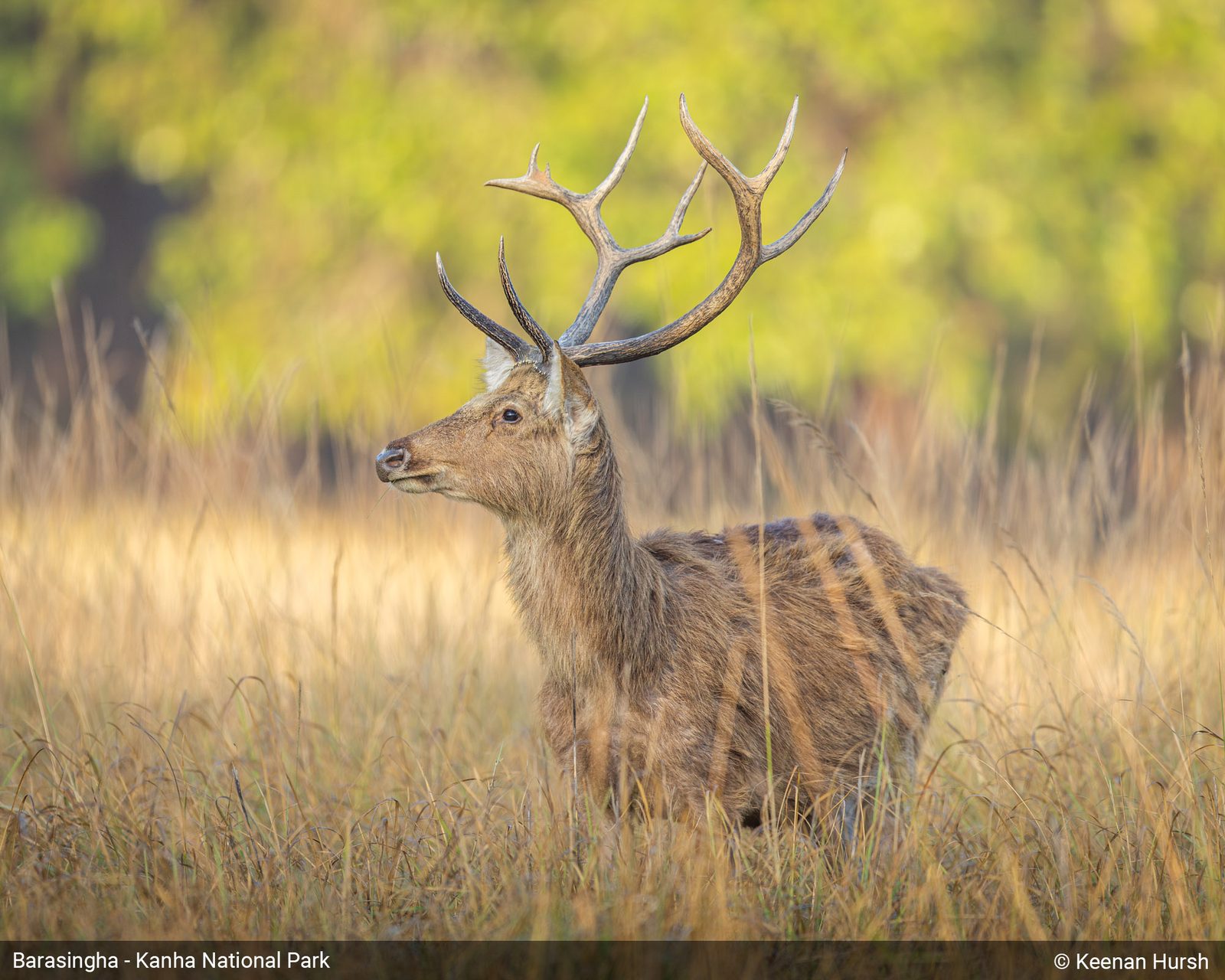
An Indian Odyssey: Testing Cutting-Edge Gear in Tiger Territory
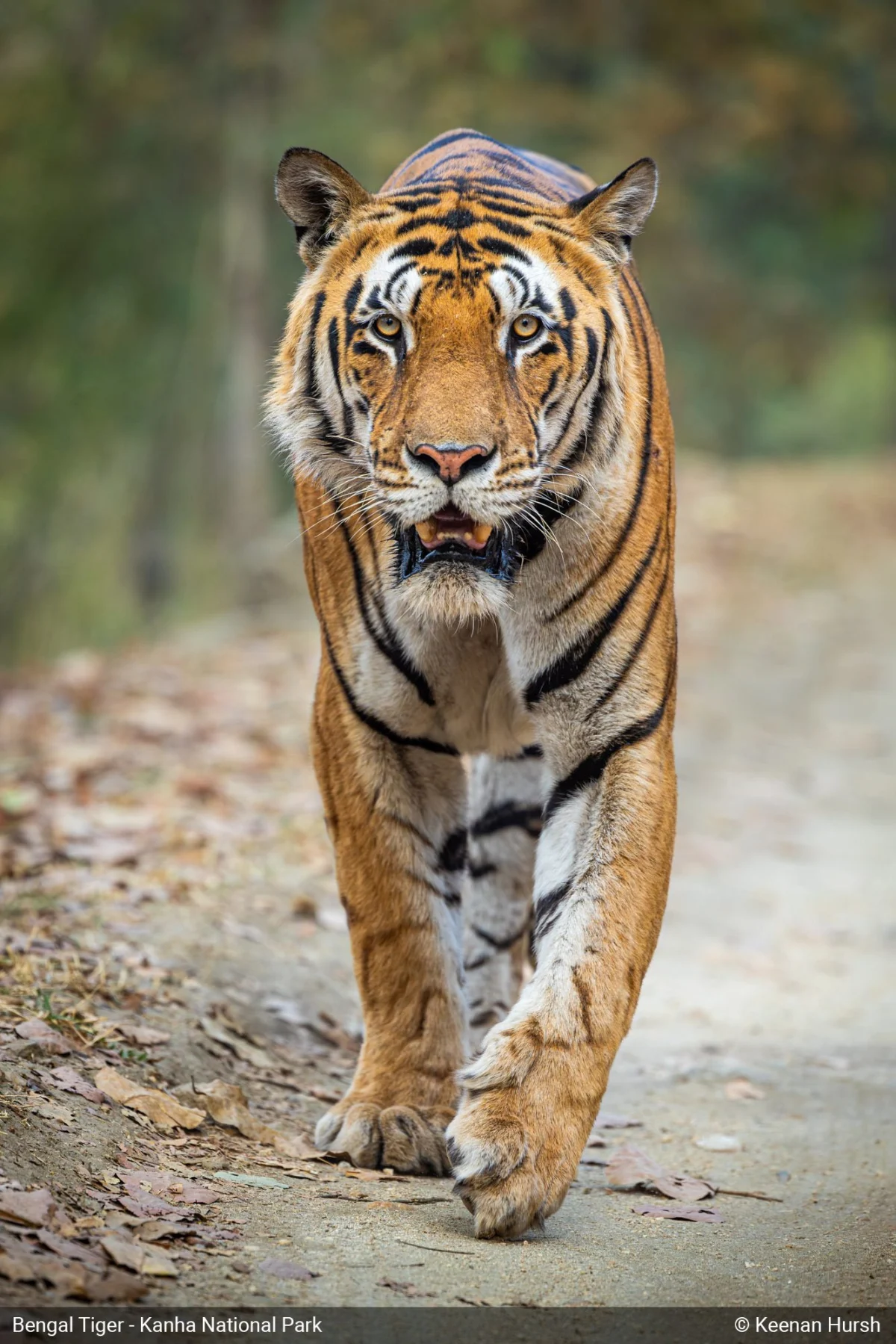
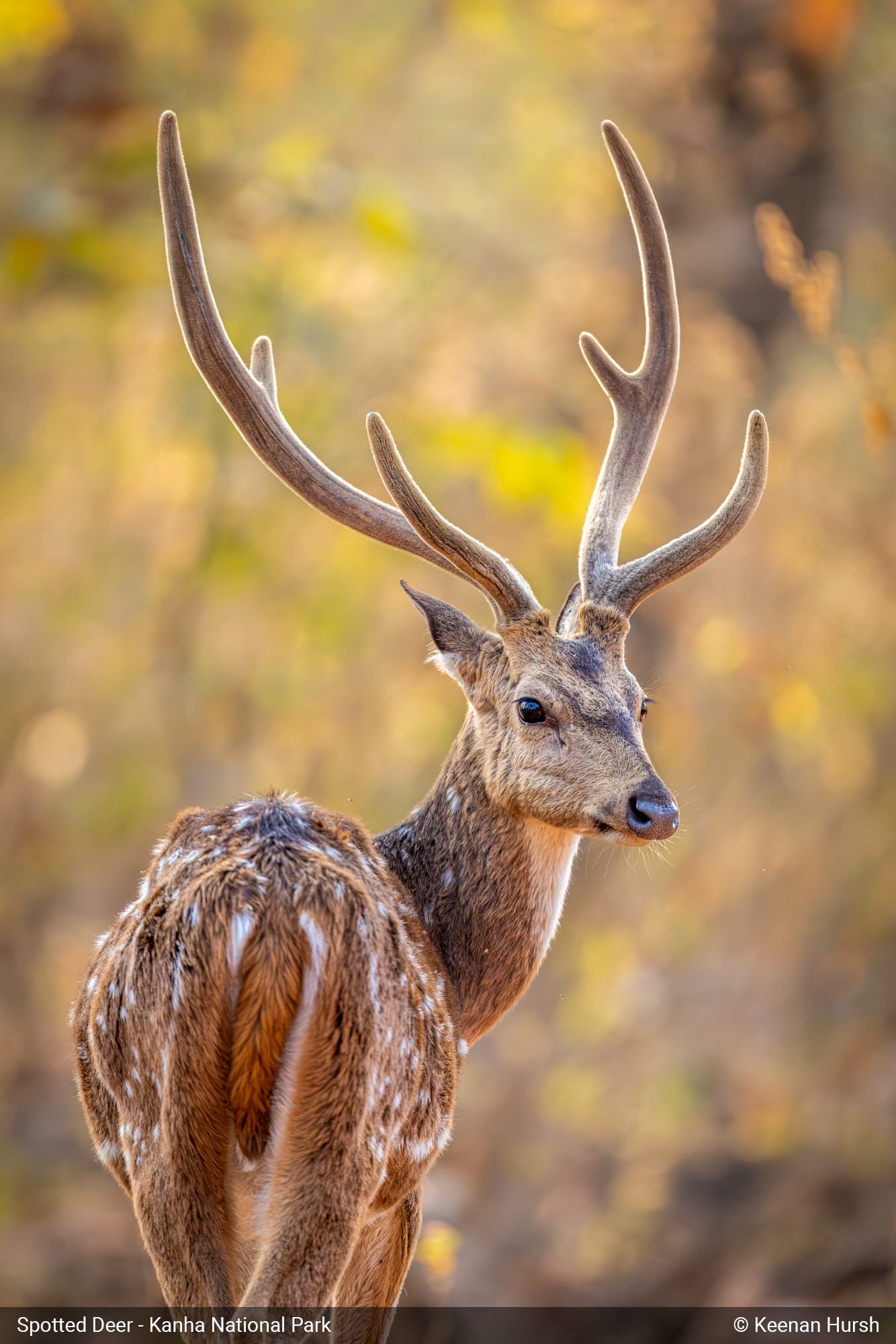
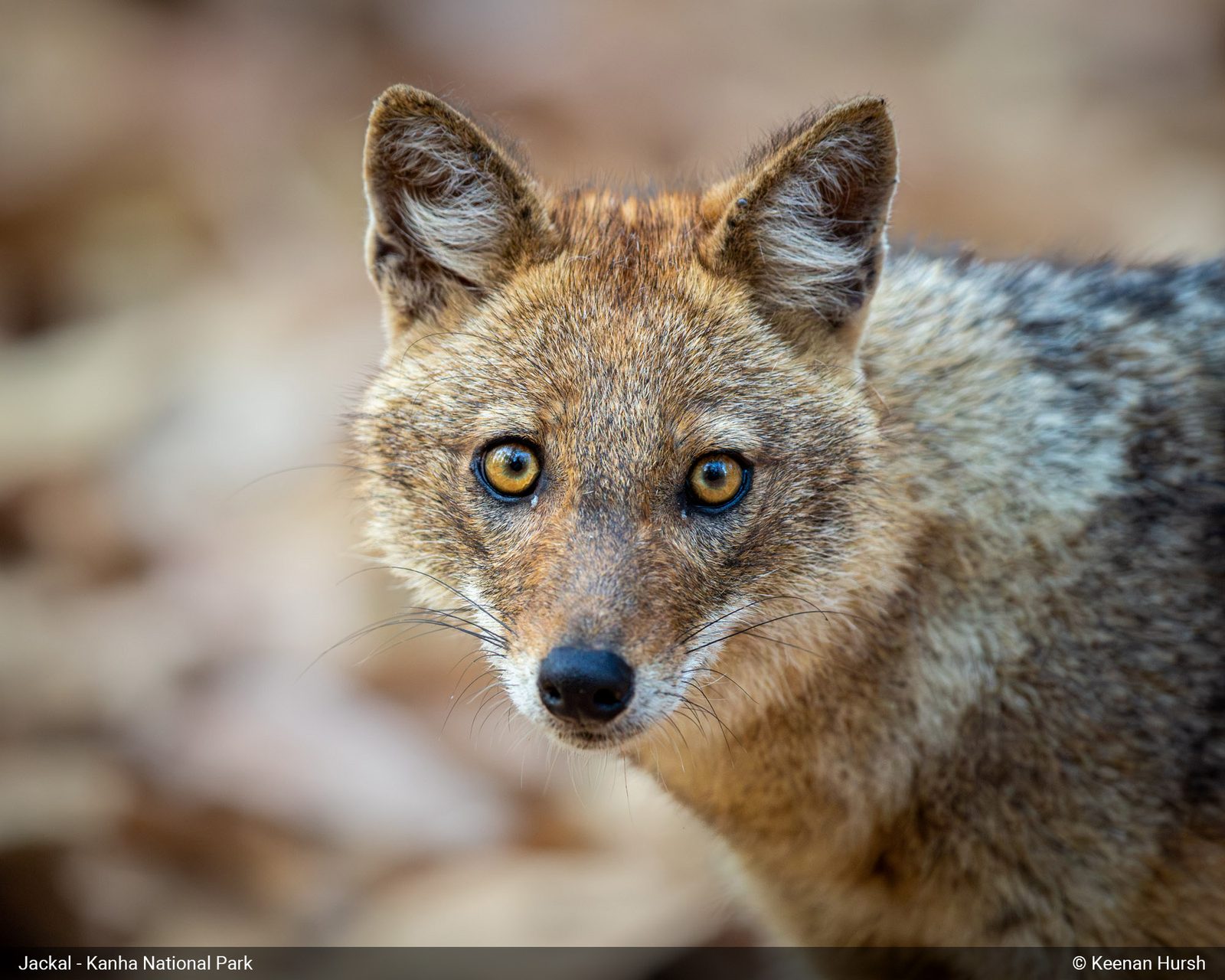
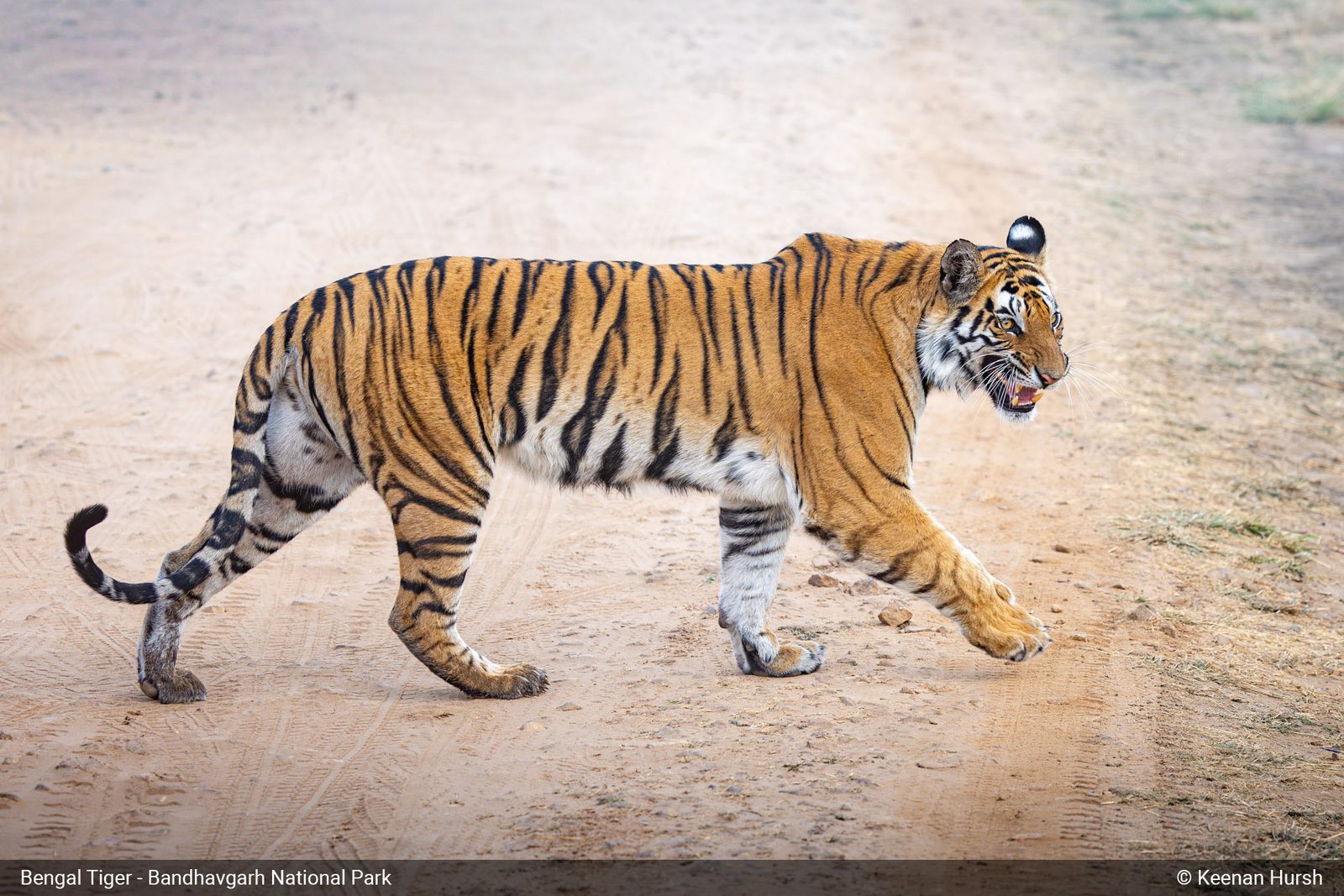
Keenan Hursh, a renowned professional nature photographer, guide, and writer, recently embarked on an intensive wildlife photography workshop in India, a journey that provided an unparalleled opportunity to conduct a real-world, side-by-side comparison of two significant camera bodies: the Canon EOS R5 and its successor, the Canon EOS R5 Mark II. As a trip leader for Backcountry Journeys, Hursh frequently guides small groups of photographers through some of the planet’s most iconic natural habitats. This particular expedition, a "Tiger Safari," focused on the pristine wilderness of Bandhavgarh and Kanha National Parks in Madhya Pradesh, central India – regions widely considered premier destinations for observing and photographing the majestic Bengal tiger.
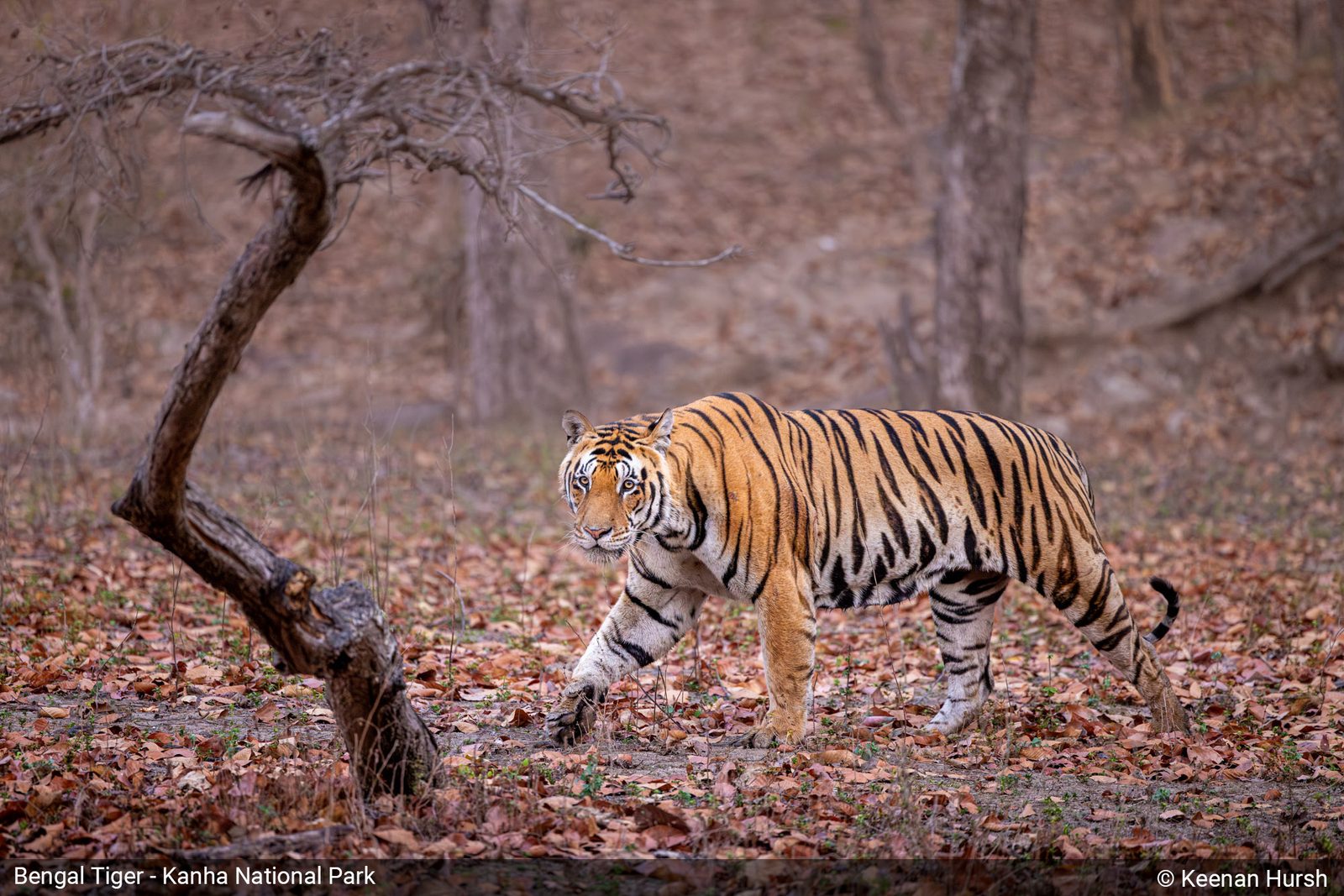
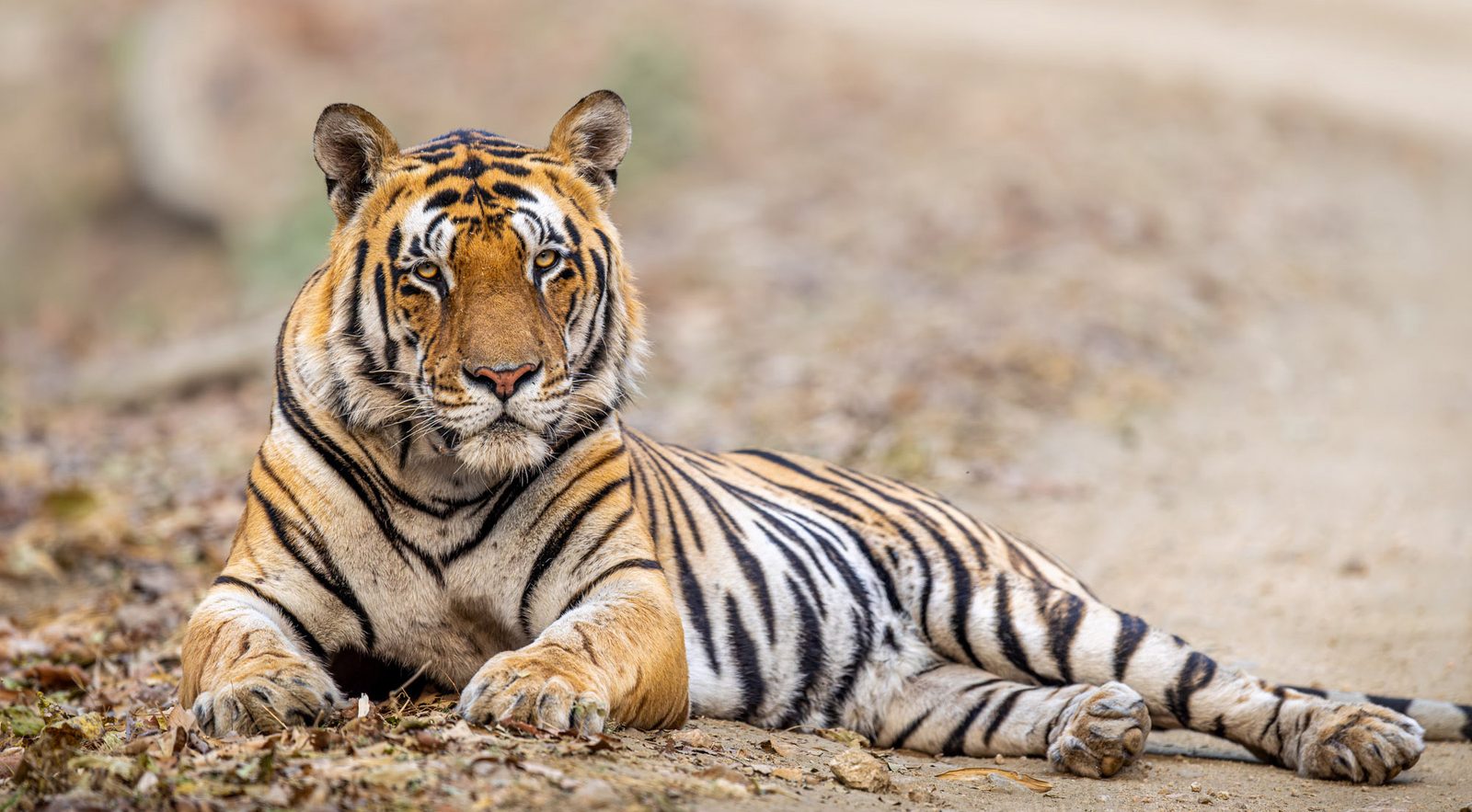
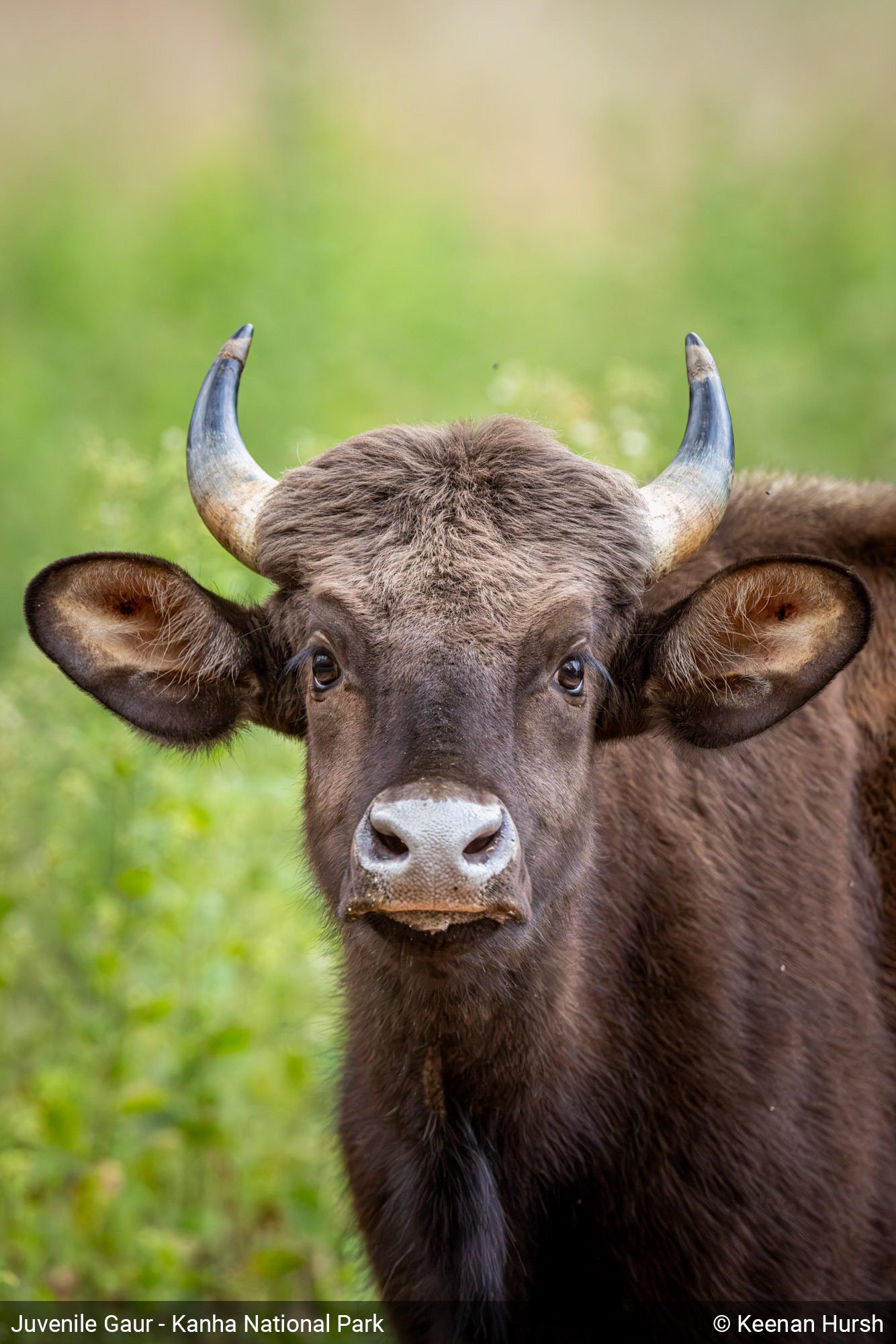
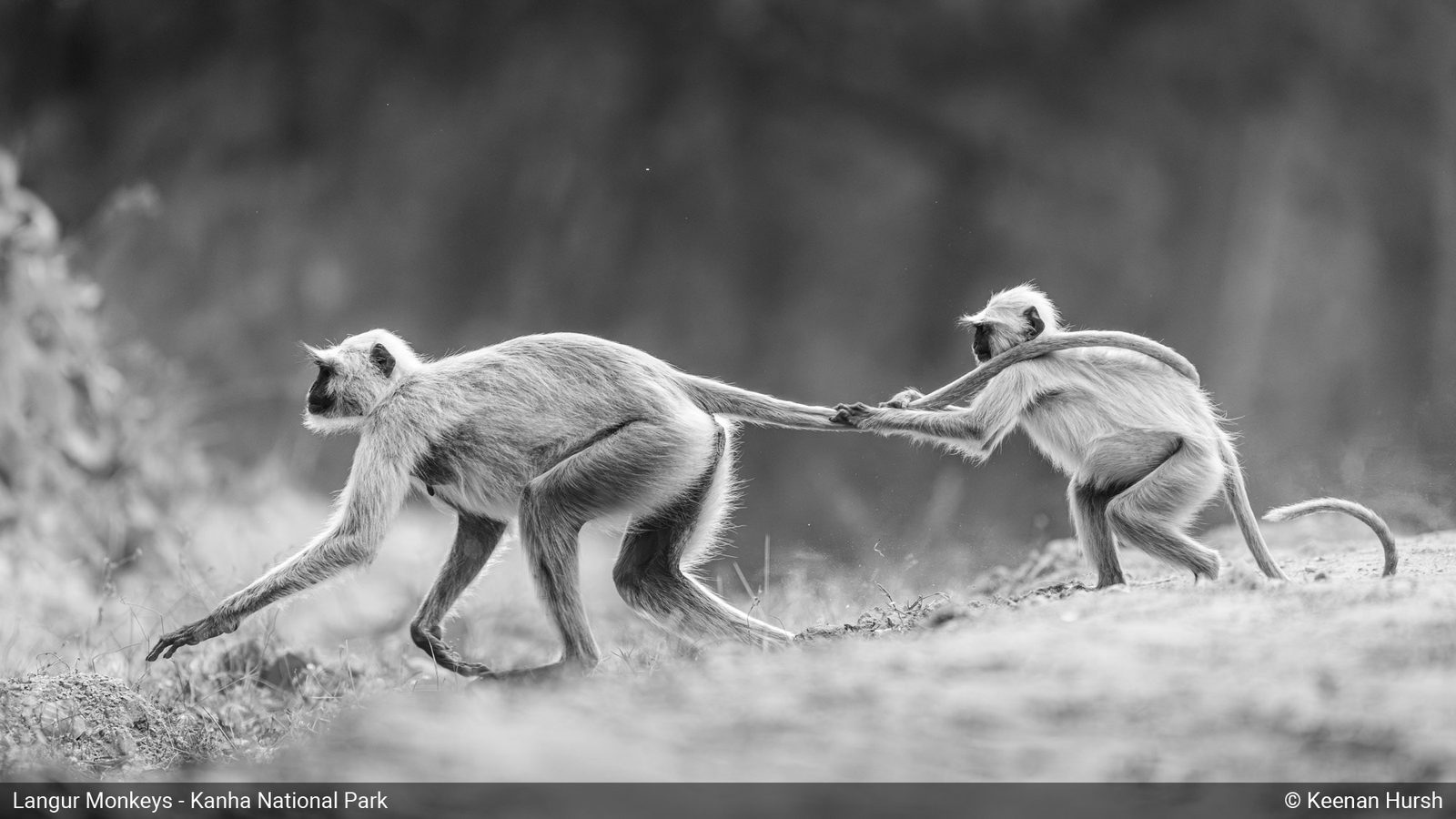
The 10-day workshop immersed participants in daily safari drives, navigating the distinct landscapes and wildlife populations of both parks. Bandhavgarh, known for its high tiger density and dramatic terrain, offered specific photographic challenges and opportunities. Following this, the group journeyed south to Kanha, a park celebrated for its vast grasslands and diverse ecosystem, providing a different backdrop for wildlife encounters. Throughout the expedition, the group recorded an impressive 15 individual tiger sightings, exceeding initial expectations, alongside numerous other mammal and bird species. This rich tapestry of wildlife encounters served as an ideal proving ground for the advanced camera equipment under review. For Hursh, who has long harbored a dream of photographing India’s wildlife, the trip was not only a professional endeavor but a deeply personal one, marking the observation of over 25 new species within the first day alone and delivering many memorable encounters.
Methodology: A Direct Field Comparison
The primary objective of Hursh’s equipment selection for the India trip was to ensure preparedness for any photographic scenario. This involved carefully choosing camera bodies with requisite capabilities, lenses with appropriate focal lengths for desired compositions, and essential accessories, all while adhering to the practical constraints of international and local flight weight restrictions. For this critical assessment, Hursh secured a Canon EOS R5 Mark II from Lensrentals.com, allowing for a direct comparison against his two personal Canon EOS R5 bodies, which he has utilized extensively for several years.
Having owned and praised the original R5 as an "exponential upgrade" from his previous DSLR systems, Hursh initially approached the R5 Mark II with a degree of skepticism. Upon its announcement, the perceived incremental improvements and the requirement for new battery types did not immediately justify the upgrade cost in his estimation. However, subsequent positive feedback from peers and a growing curiosity prompted him to undertake this rigorous field test. The India workshop offered the perfect high-stakes environment to evaluate whether the R5 Mark II’s advancements translated into a genuinely superior practical experience for demanding wildlife photography.
Canon EOS R5: The Established Benchmark
Introduced six years ago, the Canon EOS R5 quickly established itself as a formidable contender in the mirrorless market, setting a new benchmark for professional hybrid cameras. Hursh’s extensive experience with two R5 bodies across diverse environments – from extreme temperatures and varied climates to fast-paced action and long-exposure astrophotography – underscores its versatility and robust performance. For wildlife photography, its specifications are highly competitive: a 45-megapixel full-frame sensor delivers high-resolution images, a maximum burst rate of 20 frames per second (fps) captures dynamic sequences, and its AI-assisted autofocus (AF) system, with capable subject and eye detection, offers reliable tracking. Coupled with solid low-light performance, effective In-Body Image Stabilization (IBIS), and robust weather sealing, the R5 has consistently enabled the capture of high-quality images in challenging conditions. Despite its age relative to rapidly evolving technology, the R5 continues to hold its own as a highly capable professional tool.
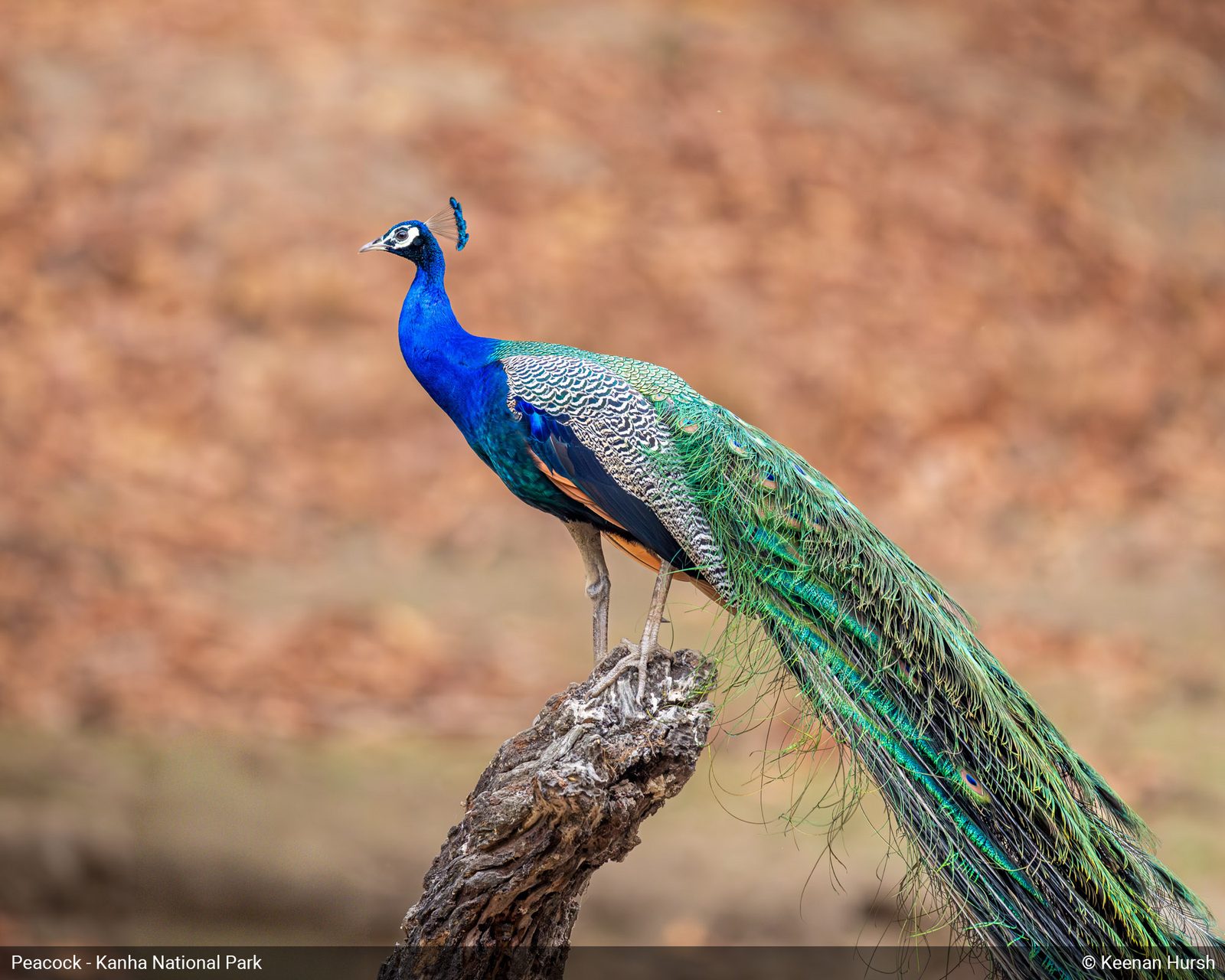
However, extended field use by professionals like Hursh has revealed a few areas for refinement. The default mechanism for switching between photo and video modes on the R5 is often described as cumbersome and inefficient, potentially leading to missed shots in time-sensitive wildlife scenarios. When utilizing the electronic shutter – a common practice in wildlife photography to avoid mechanical shutter noise and vibration – the R5 provides minimal auditory feedback, making it challenging for photographers to confirm image capture without diverting attention to the screen. Furthermore, the EVF experiences momentary blackouts during continuous electronic shutter firing, interrupting the continuous visual feed of the subject. While its AF system is generally effective, Hursh noted instances where it could be "jumpy" or occasionally fail to lock onto or maintain focus on subjects and eyes, indicating room for improvement in consistency and precision. These observations, while minor in isolation, contribute to the overall user experience in high-pressure environments.
Canon EOS R5 Mark II: An Iterative Leap Forward
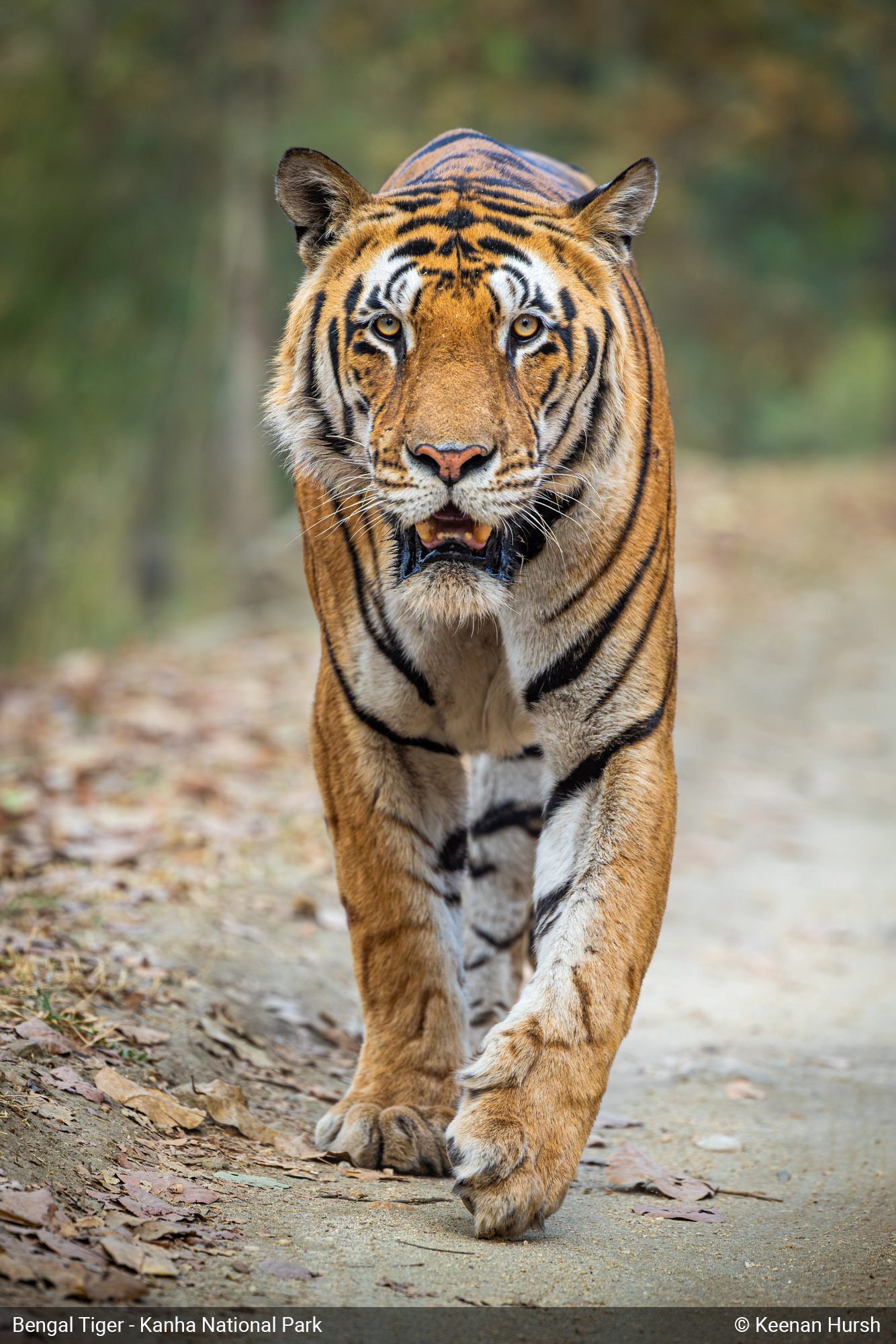
The Canon EOS R5 Mark II, while maintaining the core strengths of its predecessor, introduces a series of targeted enhancements that, in Hursh’s assessment, elevate its performance from "great" to "great plus," particularly in the context of wildlife photography. Crucially, the Mark II retains the R5’s lauded features, including the same 45MP resolution, exceptional IBIS, high-quality EVF and LCD, and durable magnesium alloy body with effective weather sealing. The significant improvements, however, lie in its refined technological core.
The most impactful upgrade, according to Hursh, is the dramatic advancement in autofocus capabilities. The R5 Mark II’s AF system demonstrates superior speed, accuracy, and reliability, with smoother subject and eye detection that significantly reduces the "jumpiness" observed in the original R5. Its ability to quickly acquire and tenaciously track subjects, even offering the flexibility to switch between multiple identified targets, represents a substantial advantage in capturing unpredictable wildlife behavior. This enhancement alone positions the Mark II as a formidable tool for action-oriented photography.
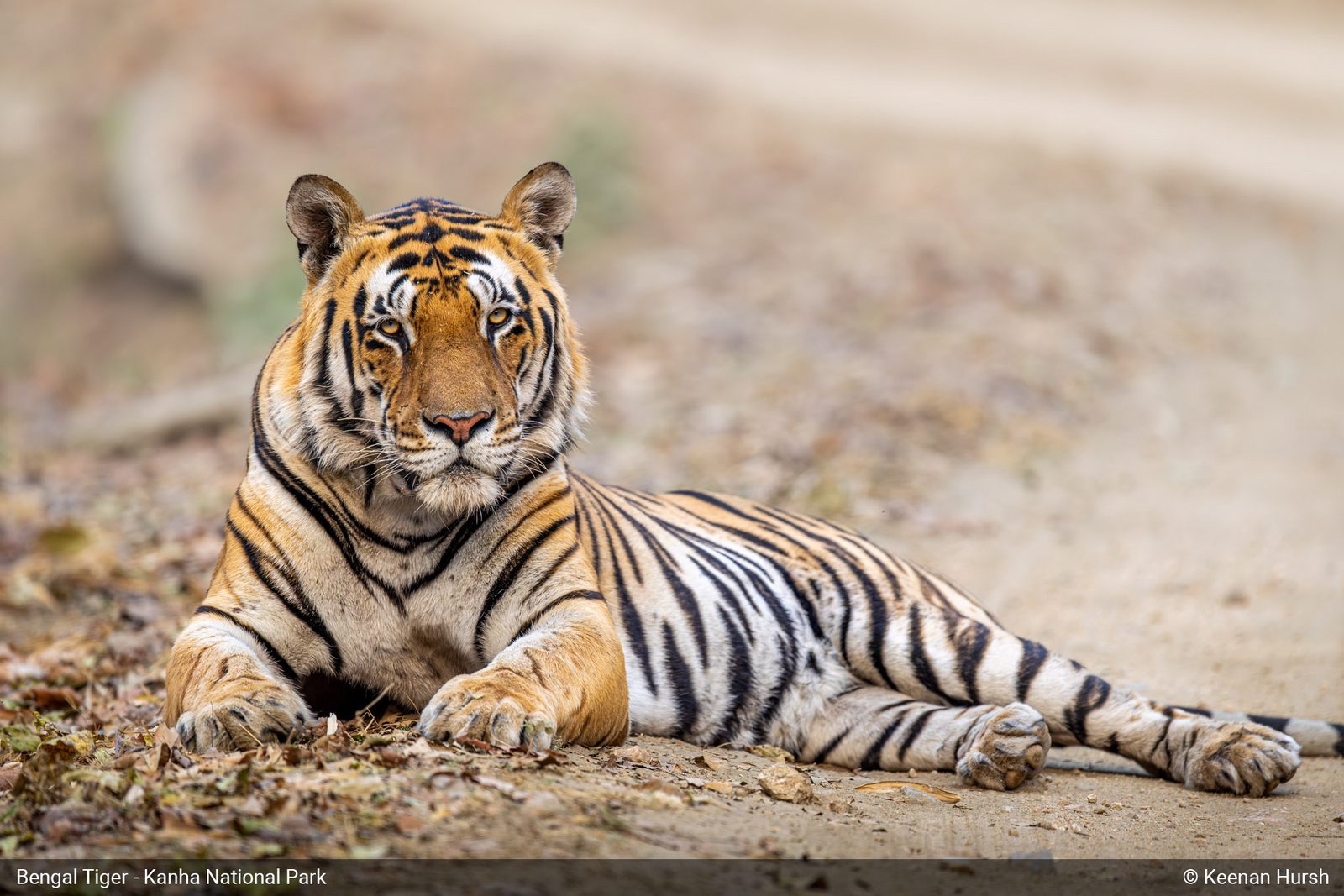
Another groundbreaking feature is the introduction of pre-capture functionality. Initially underestimated by Hursh, this capability proved to be a "game-changer" for specific scenarios, such as photographing small birds taking flight. By buffering images before the shutter button is fully pressed, pre-capture allows photographers to secure moments that would otherwise be impossible to anticipate and record, dramatically increasing the keeper rate for critical action sequences. The inclusion of a dedicated photo/video switch also streamlines the workflow for hybrid shooters, a more intuitive design addressing a previous ergonomic complaint.
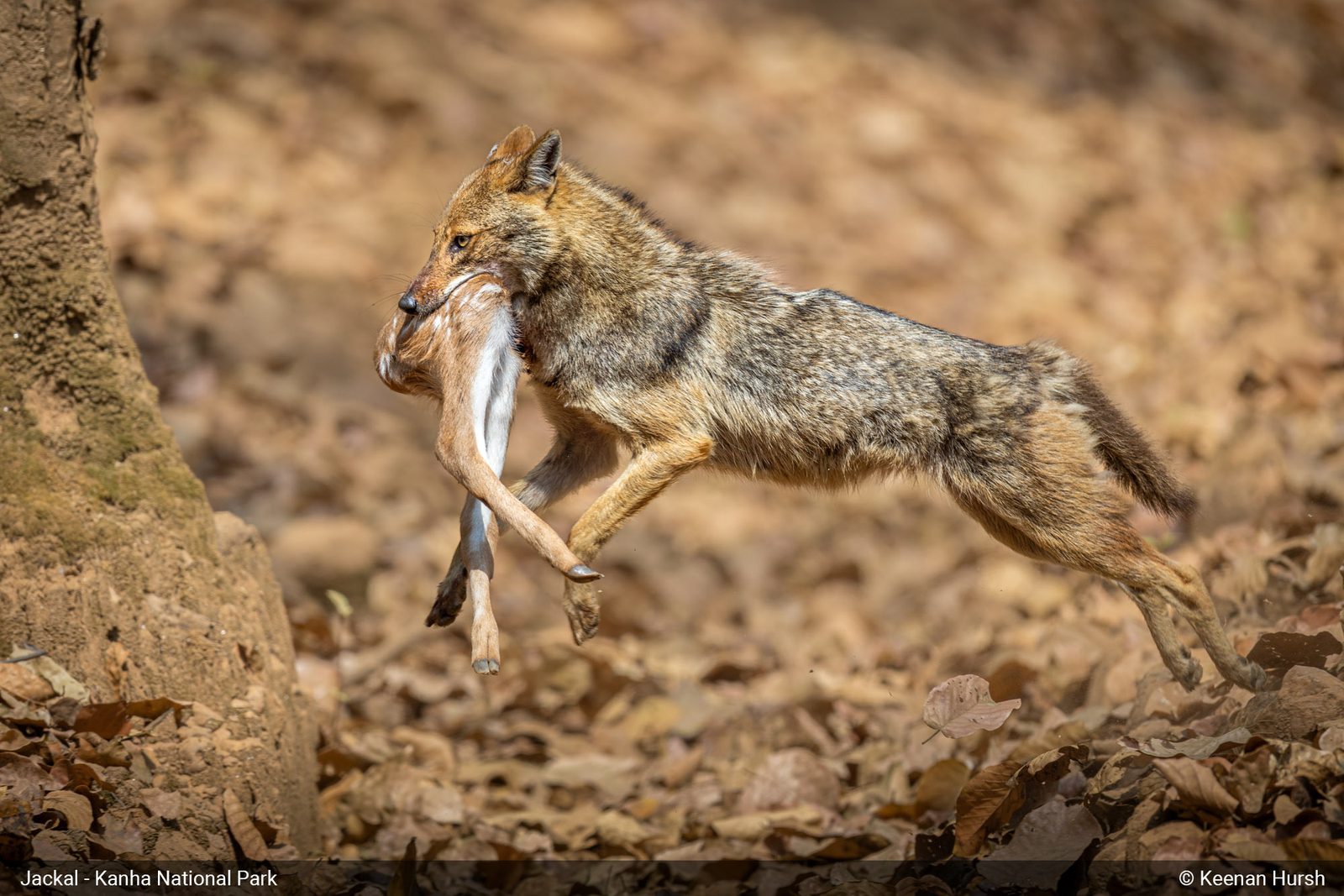
A pivotal technological leap in the R5 Mark II is its new stacked sensor. While maintaining the same resolution, this sensor unlocks several performance advantages crucial for wildlife photography. It boosts the electronic shutter burst rate from 20 fps to a rapid 30 fps, providing a denser capture of fast-moving subjects. Furthermore, it overcomes a limitation of the original R5 by allowing 14-bit RAW file capture even with the electronic shutter, preserving greater image data and dynamic range. The stacked sensor also delivers a blackout-free EVF experience, offering an uninterrupted view of the subject during high-speed shooting, which enhances tracking and overall user comfort. This design also contributes to a reduction in rolling shutter effects, improving image quality for subjects in motion. A minor but appreciated improvement is the option to enable an audible shutter sound for the electronic shutter, providing valuable feedback that was absent in the R5.
Navigating the Trade-offs: Minor Criticisms of the R5 Mark II
Despite its significant advancements, the R5 Mark II is not without minor points of contention. Hursh’s primary concern, echoed by many existing R5 users, is the requirement for new battery types to access the camera’s full capabilities. While understandable from a power consumption perspective for a more advanced camera, this necessitates an additional investment in new batteries for those upgrading, rendering existing R5 batteries incompatible for optimal performance.
A marginal trade-off for the stacked sensor technology is a slight increase in low-light noise compared to the original R5. While barely perceptible in most real-world scenarios and easily managed in post-processing, direct side-by-side comparisons at equivalent high ISO values reveal a subtle difference, with the R5 Mark II files exhibiting a minuscule amount more noise. Hursh, however, views this as a negligible price to pay for the substantial performance gains offered by the new sensor.
Finally, Hursh initially questioned whether the R5 Mark II offered a sufficiently compelling upgrade over its predecessor to justify the investment. While his field test unequivocally demonstrated its superiority for his specialized needs, he acknowledges that for many photographers, particularly those not primarily focused on fast-action wildlife or sports, the incremental improvements might not warrant the higher price point compared to the still-excellent R5.
Strategic Upgrade or Enduring Excellence: A Consensus for Photographers
The comprehensive field test in India’s tiger reserves provides clear takeaways regarding the Canon EOS R5 and R5 Mark II. The Mark II is definitively a superior camera, particularly for demanding applications like wildlife and sports photography. Its advancements in autofocus, the integration of pre-capture, and the benefits derived from its new stacked sensor collectively represent a significant performance leap. For professional photographers like Keenan Hursh, whose work frequently involves capturing unpredictable and fast-moving subjects, the cumulative impact of these improvements, especially the enhanced AF capabilities, justifies the additional cost, currently around $1,000 more than the original R5. The ability to acquire and track subjects more reliably and smoothly directly translates into a higher success rate for critical shots.
Conversely, for photographers whose primary focus is landscape, portraiture, or other genres less reliant on high-speed continuous shooting and cutting-edge autofocus, the original Canon EOS R5 remains an exceptionally capable and cost-effective solution. Its enduring performance, robust build, and now more accessible price point make it an attractive option for those operating within a tighter budget or without the specific demands of action photography.
Broader Implications: Technology, Conservation, and the Future of Wildlife Photography
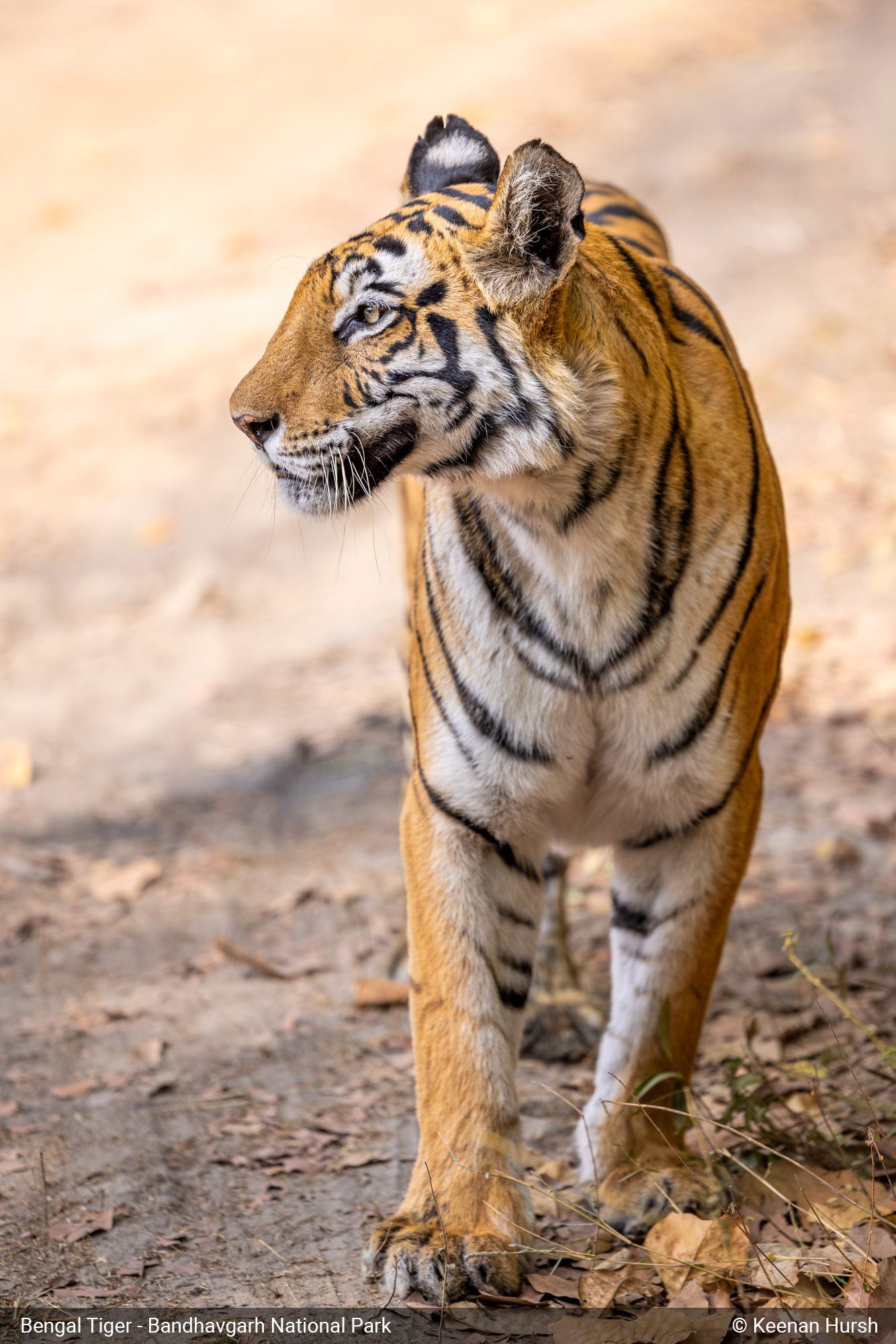
The continuous evolution of camera technology, exemplified by the Canon R5 series, carries broader implications beyond individual photographer preferences. These advanced tools enable the capture of increasingly compelling and intimate images of wildlife, playing a vital role in conservation efforts. High-quality photographs of endangered species like the Bengal tiger serve to raise public awareness, generate support for habitat protection, and contribute to scientific documentation. By making it easier to capture difficult shots, technology empowers more individuals to tell powerful visual stories about the natural world. This democratization of high-end imaging capability fosters a larger community of engaged nature enthusiasts and potential conservation advocates. The competitive drive among camera manufacturers to innovate further ensures a future where photographic tools will continue to push creative boundaries, offering unprecedented ways to connect with and document the planet’s diverse ecosystems.
Final Thoughts
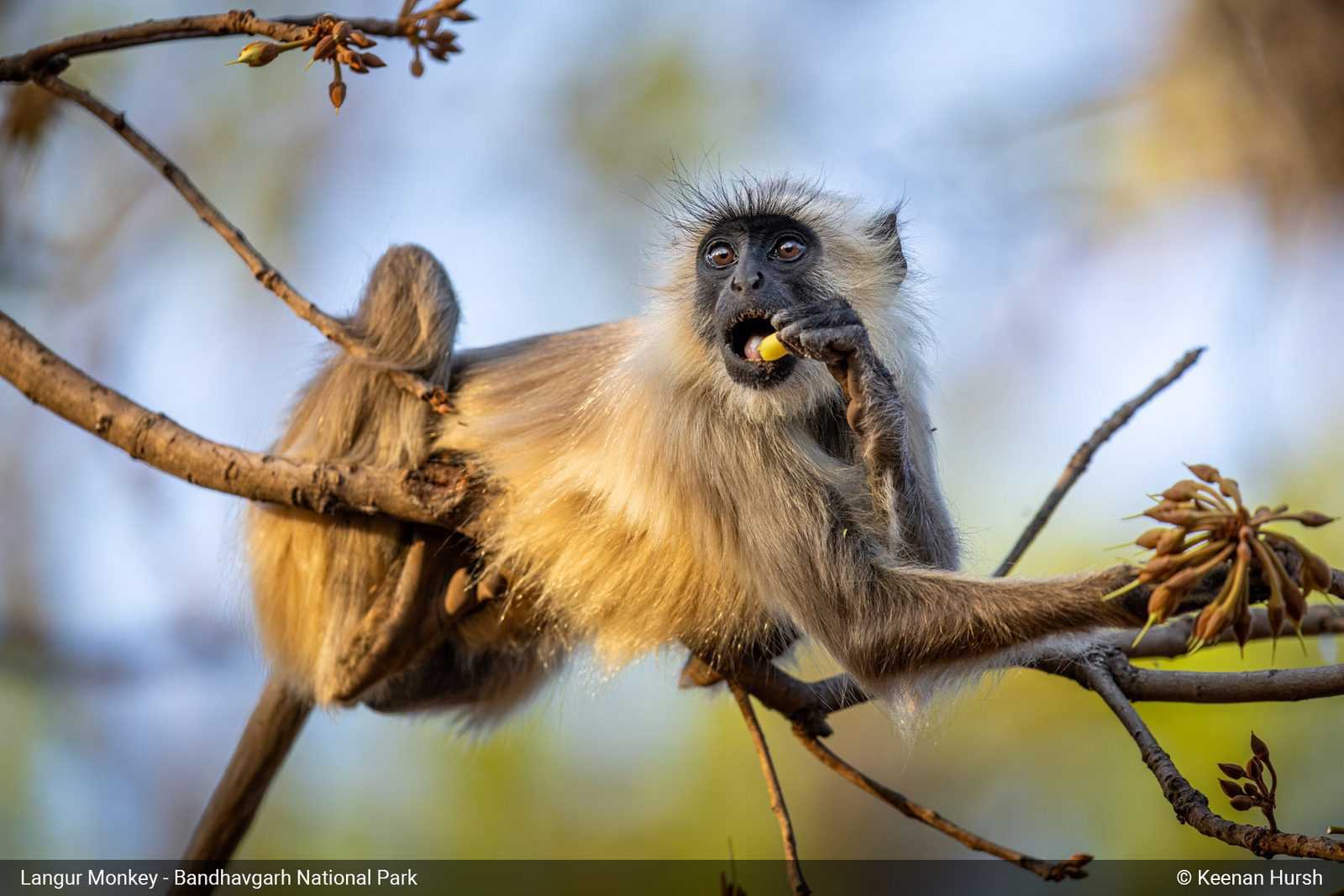
Keenan Hursh’s immersive wildlife photography expedition to Bandhavgarh and Kanha National Parks was a resounding success, yielding both exceptional images and invaluable insights into the performance of Canon’s latest mirrorless technology. The head-to-head comparison unequivocally demonstrated the R5 Mark II’s edge, particularly for the specialized demands of wildlife photography. However, the original R5 remains a highly capable and relevant camera, underscoring that the optimal choice ultimately depends on a photographer’s specific needs, shooting style, and budgetary considerations. The experience highlights the profound impact of technological progress on photographic artistry and the critical role of reliable equipment in capturing the ephemeral beauty of the natural world.