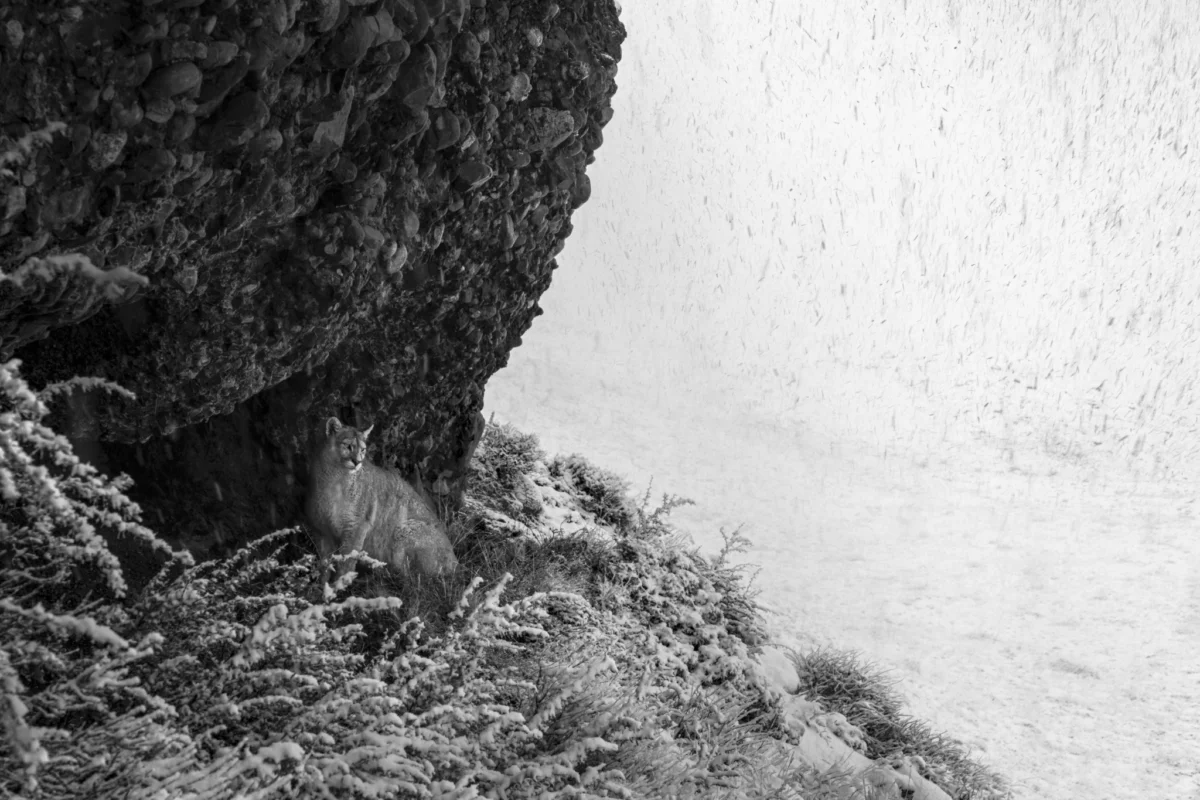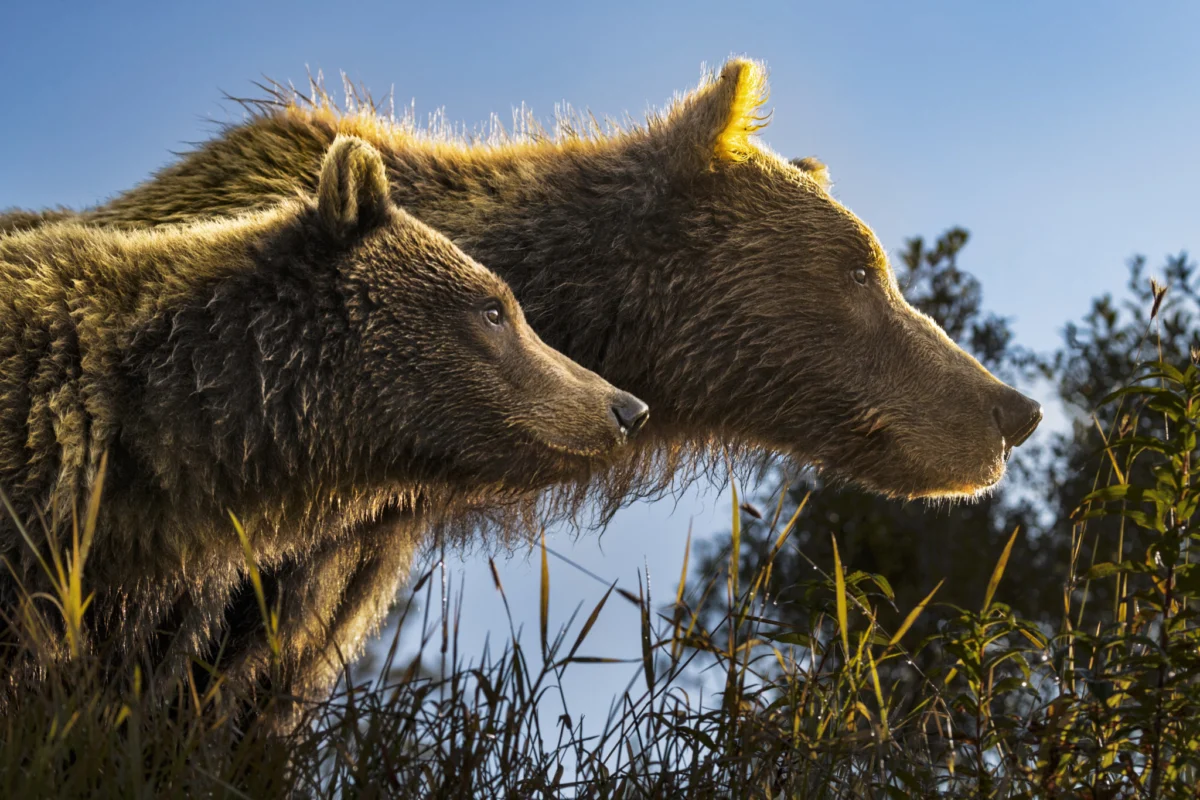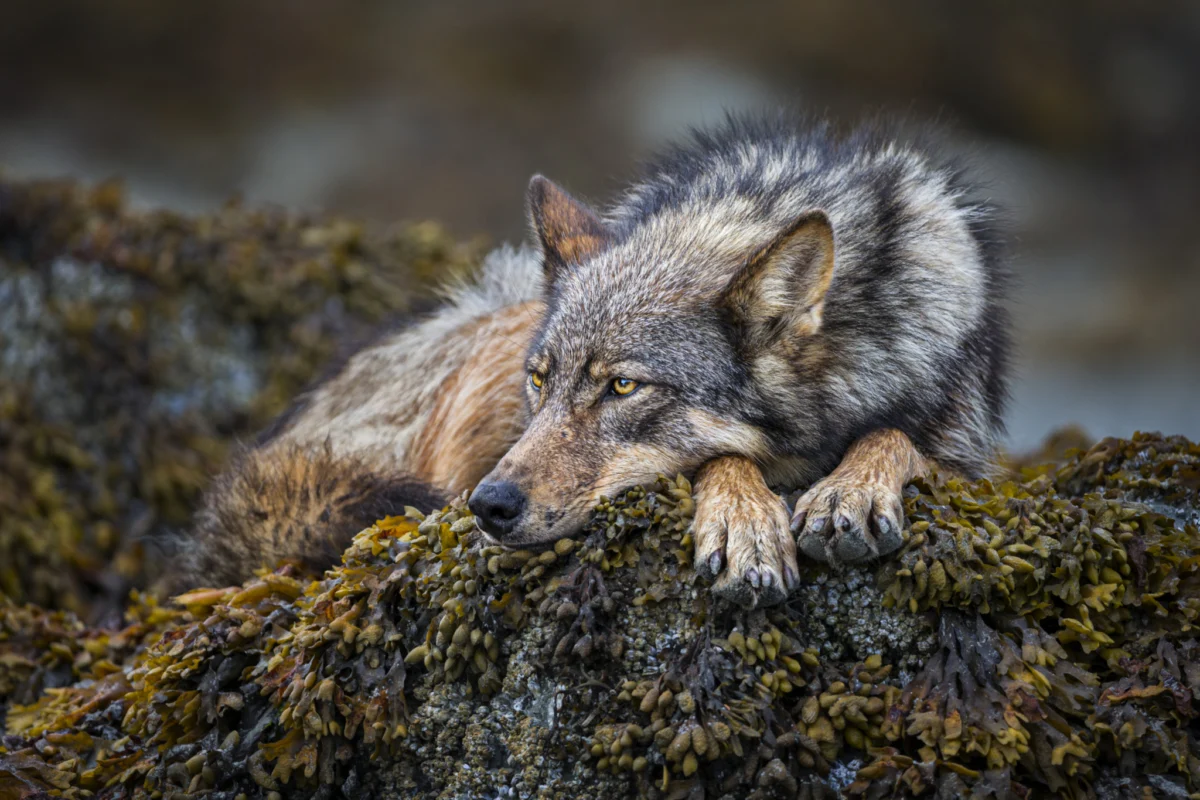
Thirty years ago, a solo expedition into the vast Canadian wilderness, a journey spanning over 600 miles on foot and 2,000 miles by canoe in the aptly named Barren Grounds, just 300 miles north of the Arctic Circle, served as a profound turning point for acclaimed wildlife photographer and conservationist Paul Nicklen. His initial objective was to test personal endurance and photographic prowess, specifically to capture images of tundra wolves. After weeks of patient observation, a fleeting glimpse of a lone wolf, its tawny eyes and perked ears visible through tangled willows, marked a significant encounter. This experience, born from an intense commitment to understanding the natural world on its own terms, has since evolved into a lifelong pursuit of demystifying the apex predator and challenging deeply ingrained, often harmful, perceptions.
A Legacy of Fear: The Archetype of the "Big Bad Wolf"
The persistent archetype of the "big bad wolf" in human culture, deeply embedded in folklore, literature, and film, continues to cast a long shadow over the wolf’s public image. Fairy tales like "Little Red Riding Hood," while seemingly innocuous, contribute to a subconscious fear that influences contemporary attitudes and wildlife management policies. This narrative, passed down through generations, often overshadows scientific understanding and ecological reality, creating a convenient scapegoat for broader environmental issues.
This deeply ingrained fear is not without historical precedent. For centuries, wolves have been perceived as a threat to livestock and human safety, leading to widespread hunting and eradication efforts across continents. While these historical conflicts are understandable in the context of early agricultural societies, they have fostered a perception that has proven remarkably resilient, even in the face of overwhelming evidence to the contrary.
Ecological Balance and the Wolf’s Role
Wolves have inhabited North America for an estimated 30,000 to 50,000 years, coexisting with a diverse array of flora and fauna long before the arrival of humans. As apex predators, they play a critical role in maintaining ecosystem health and biodiversity. Their presence influences the behavior and population dynamics of prey species, preventing overgrazing and promoting the regeneration of vegetation. This trophic cascade effect, where the removal or reintroduction of a top predator has far-reaching consequences throughout an ecosystem, is a well-documented phenomenon in ecological science.
For instance, the reintroduction of wolves to Yellowstone National Park in the mid-1990s led to a remarkable ecological recovery. Elk populations, previously unchecked, began to decline, allowing vegetation like aspen and willow to flourish. This, in turn, provided habitat for beavers and songbirds, demonstrating the profound interconnectedness of species within an ecosystem. The Yellowstone example serves as a powerful testament to the vital role wolves play in maintaining ecological balance.
The Unseen Scapegoat: Blaming Wolves for Declining Prey Populations
Despite their crucial ecological function, wolves are frequently the first to be blamed when populations of prey animals, such as deer, begin to decline. This tendency to point fingers at the predator, rather than investigating more complex and systemic causes, often leads to misguided and detrimental management decisions. The decline of prey species is rarely attributable to a single factor; it is typically a confluence of habitat loss, disease, climate change, and human activity that impacts these populations.
Data from wildlife agencies across North America often reveal that factors such as severe winters, habitat fragmentation due to development, and increased hunting pressure by humans have a more significant impact on prey populations than predation by wolves. However, the narrative of the wolf as the primary culprit persists, simplifying complex ecological challenges into a solvable problem of predator control.
The Devastating Impact of Human Development
The narrative surrounding wolves often conveniently overlooks the far more substantial environmental damage inflicted by human activities. Roads, deforestation, mining, and oil and gas extraction have fragmented habitats, disrupted wildlife corridors, and directly contributed to the decline of countless species. These industrial activities, driven by economic interests, have had a more profound and widespread negative impact on North American wildlife than wolves ever have.
Supporting Data on Habitat Loss and Industrial Impact:
- Deforestation Rates: According to the Food and Agriculture Organization of the United Nations, Canada loses an estimated 2.5 million acres of forest per year, largely due to logging and development. This loss directly impacts the habitats of wolves and their prey.
- Mining and Drilling: The expansion of mining operations and oil and gas drilling, particularly in sensitive Arctic and sub-Arctic regions, leads to habitat destruction, pollution, and increased human-wildlife conflict. Studies have shown that the presence of industrial infrastructure can displace wildlife and disrupt their breeding patterns.
- Infrastructure Development: The construction of roads and pipelines fragments landscapes, creating barriers to wildlife movement and increasing the risk of vehicle collisions. A 2019 study published in the journal Conservation Biology found that roads in western Canada were associated with increased wolf mortality and reduced pack sizes.
Government-Sanctioned Culls: A Flawed Approach to Wildlife Management
In many regions, government-sanctioned wolf culls continue to be implemented as a method of wildlife "management." These programs, often taxpayer-funded, aim to reduce wolf populations to purportedly protect livestock or boost game animal populations. The Canadian government, for instance, has been criticized for its role in leading an extermination of an estimated 4,000 wolves in British Columbia, a program purportedly aimed at protecting endangered caribou.
Timeline of Recent Wolf Culling Programs (Illustrative):
- 2000s – Present: Ongoing debates and policy shifts regarding wolf management in various U.S. states and Canadian provinces. Culling programs have been implemented and subsequently challenged or halted due to legal action and public outcry.
- 2013-2015: A controversial wolf kill program in Alberta, Canada, aimed at increasing woodland caribou populations, sparked widespread criticism from conservation groups.
- 2020 – Present: Reports emerge of government-backed wolf culling initiatives in British Columbia, Canada, to protect caribou herds, drawing significant international attention and condemnation.
These culling efforts are often based on the flawed premise that wolves are the primary drivers of prey decline and that their removal will automatically lead to recovery. However, ecological research increasingly suggests that such interventions can have unintended consequences, disrupting pack structures, increasing pup mortality, and potentially leading to an increase in conflict with livestock as displaced wolves seek new territories.
Shifting the Narrative: Towards a More Harmonious Relationship
The persistent demonization of wolves hinders our ability to address the true drivers of biodiversity loss. Until we acknowledge and hold ourselves accountable for the pervasive damage wrought by industrial development and unsustainable land use practices, we will continue to repeat the same mistakes. The focus on controlling and killing wildlife distracts from the urgent need to protect and restore habitats, mitigate climate change, and implement responsible land management strategies.
Paul Nicklen’s work and his evocative encounters with wolves serve as a powerful reminder of the inherent beauty and ecological importance of these animals. His plea is not for sentimentalism, but for a fundamental shift in our perspective – one that recognizes wolves not as villains, but as integral components of healthy ecosystems.
Statements and Reactions (Inferred):
- Conservation Organizations: Many environmental advocacy groups, such as the Sierra Club and the Natural Resources Defense Council, have consistently spoken out against wolf culling programs, advocating for science-based conservation strategies and the protection of natural habitats. They often cite the ecological benefits of apex predators and condemn the practice of lethal control as an outdated and ineffective approach.
- Indigenous Communities: Many Indigenous communities in North America have long held a deep respect for wolves, viewing them as spiritual beings and integral parts of the natural world. Their traditional ecological knowledge often emphasizes coexistence and balance, standing in contrast to the adversarial approach often adopted by government agencies.
- Scientific Community: A significant body of scientific research supports the crucial role of wolves in maintaining ecosystem health. Ecologists widely advocate for predator conservation and highlight the detrimental impacts of human activities on wildlife populations.
Broader Impact and Implications: A Call for Accountability
The continued persecution of wolves has far-reaching implications for biodiversity and ecosystem resilience. By scapegoating a single species, we divert attention and resources from the systemic threats that truly endanger our planet’s natural heritage. The cyclical nature of these misguided management practices underscores a fundamental disconnect between humanity and the natural world, a relationship that needs urgent reevaluation.
The quote by Robin Wall Kimmerer, "As we learn to listen to the land, we discover that we are not separate from it; we are part of it," encapsulates the essence of this necessary paradigm shift. True conservation requires us to move beyond fear-based narratives and embrace a holistic understanding of our place within the intricate web of life. This means holding industries accountable for their environmental footprint, prioritizing habitat preservation, and fostering a deep respect for all species, including those that have been historically misunderstood and feared. Ultimately, healing our fractured relationship with nature hinges on our willingness to confront uncomfortable truths and to champion the coexistence of all living beings.