The late 19th century witnessed a revolution in art, spurred by technological advancements that irrevocably altered the way artists perceived and depicted the world. Coinciding with this artistic upheaval, the dawn of photography presented a new medium with its own set of innovations. While seemingly disparate, the Impressionist movement in painting and the emergence of street photography share a surprising number of parallels, from their technological enablers and educational trajectories to their radical shifts in subject matter, critical reception, and profound engagement with light and color. This exploration delves into the shared DNA of these two influential artistic expressions, revealing how innovation, a departure from convention, and a keen observation of everyday life forged a common visual language.
The Catalysts of Change: Technological Innovations
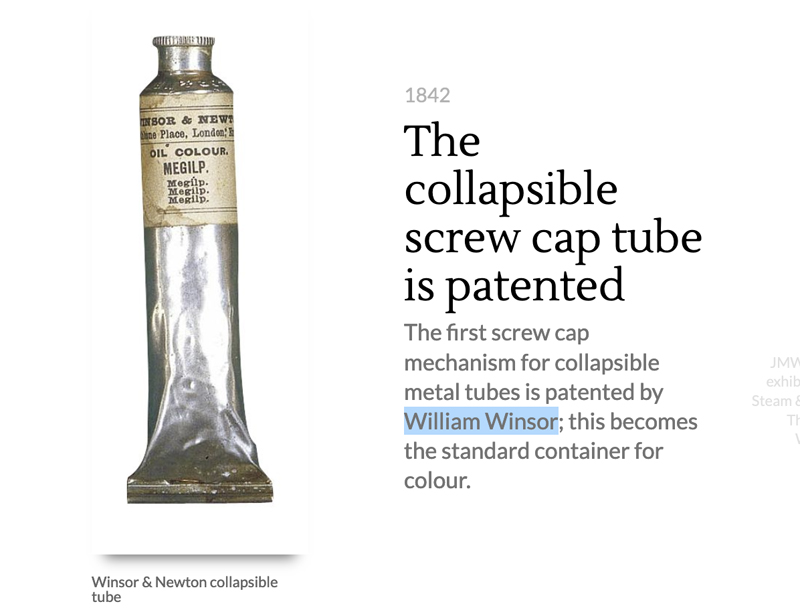
The genesis of Impressionism, and later street photography, was significantly influenced by crucial technological breakthroughs. For painters, the invention of the collapsible paint tube, patented by John Goffe Rand in 1841, was a watershed moment. Before this, artists were tethered to their studios, meticulously grinding pigments and mixing their own oil paints. This process was not only time-consuming but also limited by the availability of pigments. The paint tube, however, liberated artists from the confines of their studios. Coupled with the rise of companies like Winsor & Newton and Lefranc & Bourgeois, which began manufacturing ready-made paints, artists gained unprecedented mobility. This allowed them to venture outdoors, or "en plein air," to capture the transient effects of natural light and fleeting moments of everyday life. This shift from studio-bound production to on-site observation was a fundamental reorientation for painting.
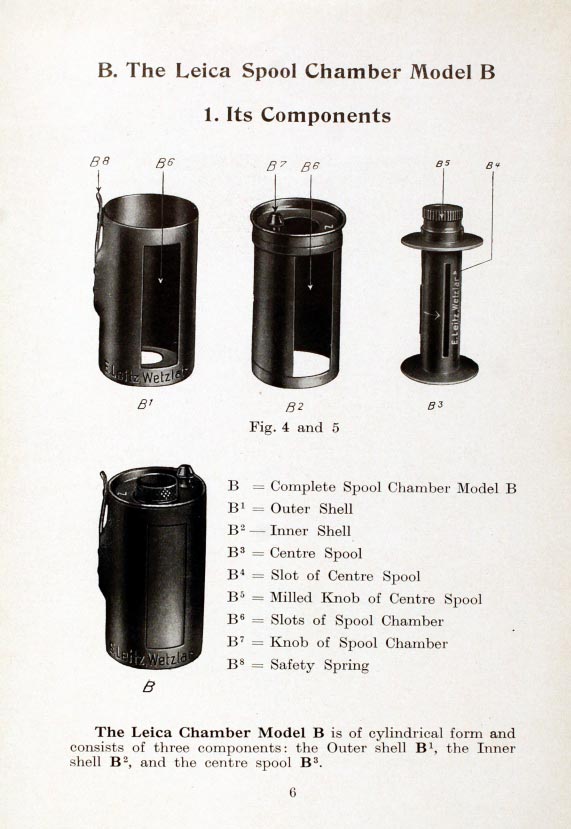
A similar transformative arc can be traced in the early history of photography. Initially, photographers grappled with cumbersome processes like the wet plate technique, which required immediate coating of glass plates with light-sensitive chemicals. This necessitated the presence of a darkroom near the shooting location, severely limiting photographic expeditions. The introduction of ready-made dry glass plates and, crucially, celluloid film, mirrored the impact of the paint tube. Photographers were no longer beholden to a nearby darkroom, enabling greater freedom and spontaneity. The year 1924 marked another pivotal moment with Leitz introducing the reloadable film cassette and the first practical 35mm camera. This combination democratized photography, making it more portable, efficient, and accessible, thereby laying the groundwork for a new genre of visual storytelling.
The Exodus from the Studio: Embracing the World
The newfound mobility afforded by these technological advancements led to a significant exodus from traditional workspaces. Impressionist painters, freed from their studios, began to observe and record the world directly. Landscapes, urban streets, bustling cafes, and ordinary individuals became their subjects. They could now respond to the dynamic interplay of weather, light, and movement as it unfolded, capturing life with an immediacy previously unattainable. This liberation of movement not only dictated where artists worked but fundamentally reshaped what they chose to depict and how they represented it.
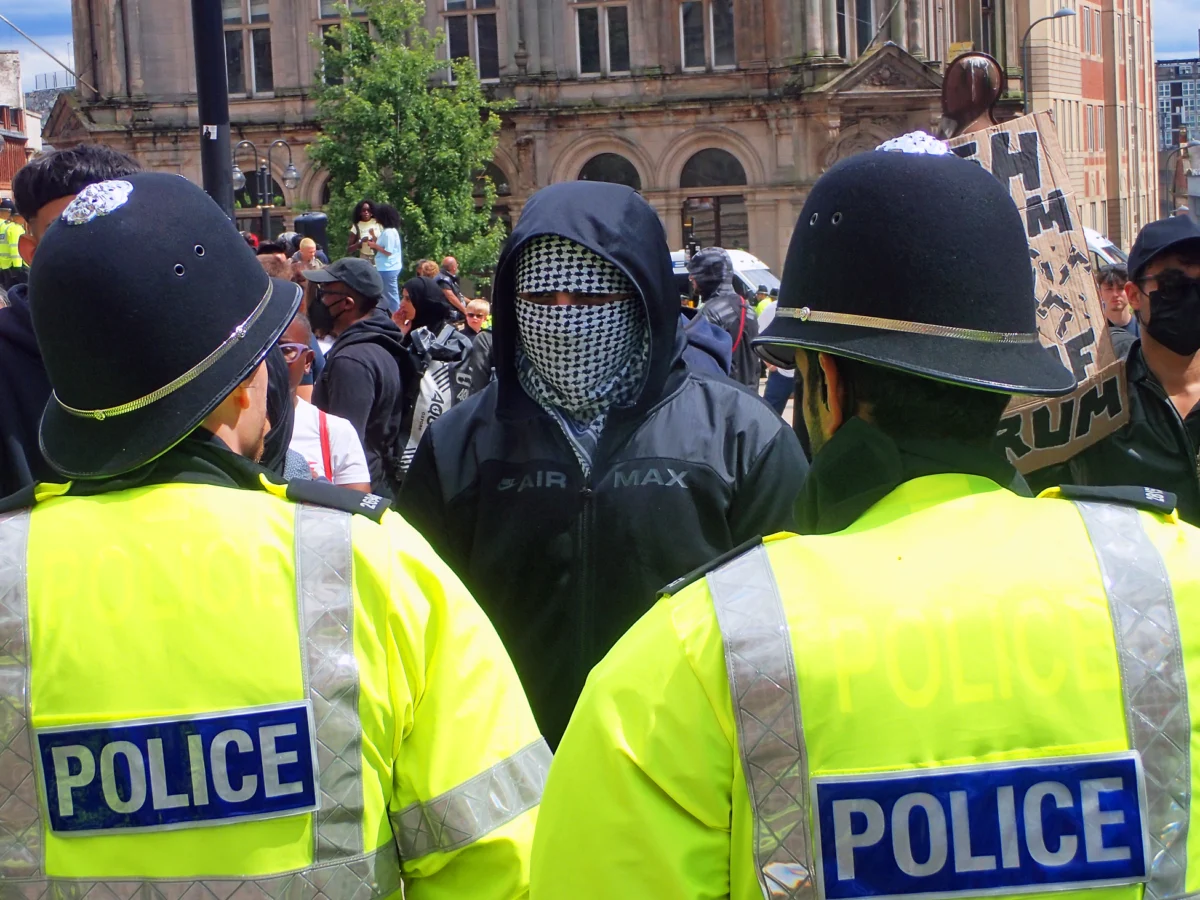
Street photographers, likewise, moved out of controlled environments and into the unscripted theater of public life. The pioneers of street photography, including Henri Cartier-Bresson, Helen Levitt, William Klein, Joel Meyerowitz, Garry Winogrand, Lee Friedlander, Saul Leiter, Fred Herzog, William Eggleston, and Vivian Maier, did not form a formal movement. Instead, they operated largely independently, across diverse geographic and cultural landscapes. Yet, their collective body of work established street photography as a distinct genre. Like the Impressionists, they elevated the ordinary – streets, anonymous passersby, fleeting moments, and the rhythms of daily existence – to the realm of serious artistic consideration. Their images demonstrated that profound artistic statements could emerge from the mundane, transforming how everyday life was perceived and represented.
Education Outside the Academy: The Self-Taught Visionaries
A striking parallel exists in the educational backgrounds of the pioneers of both Impressionism and street photography. Many of the leading Impressionist painters, including Claude Monet, Pierre-Auguste Renoir, and Camille Pissarro, consciously diverged from the rigid doctrines of academic art. While most received some form of artistic instruction through classes, private ateliers, or apprenticeships, they forged their distinctive styles largely outside the official academic system. Edgar Degas stands as a notable exception, having completed formal academic training. This departure from established educational pathways allowed them to experiment and develop unique visual languages.
Similarly, many influential street photographers were largely self-taught. Ed van der Elsken, a prominent Dutch photographer, attended various art and technical schools and even a correspondence course, yet never obtained a formal diploma. He honed his craft through practical experience, notably working in Magnum Photos’ photographic laboratory in Paris, learning from masters of the field. Research conducted by Michiel van Mens, author of "The Photographic Signature of the Street Photographer in Six Stylistic Characteristics," analyzed the work of fifteen renowned street photographers. His findings revealed that only two, Martin Parr and Philip-Lorca diCorcia, completed formal photographic education. While others like Henri Cartier-Bresson and William Klein attended art schools, their focus wasn’t exclusively on photography. This pattern underscores a recurring theme: groundbreaking artistic innovation often flourishes outside traditional institutional structures, driven by observation, experimentation, and the development of a personal visual vocabulary.
Redefining Subject Matter: The Beauty in the Everyday
The Impressionists revolutionized not only their working methods but also their choice of subject matter. Shifting away from historical, mythological, or aristocratic portraits, they embraced the vitality of everyday life. Streets, cafes, theaters, parks, and the burgeoning modern city became their preferred canvases. Their style, characterized by loose, rapid brushstrokes, aimed to capture the ephemeral nature of a moment, resulting in images that resembled visual snapshots of life in motion.
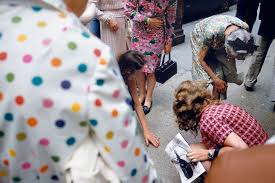
A comparable evolution occurred in street photography. Photographers like Helen Levitt, Ernst Haas, Fred Herzog, and Luigi Ghirri placed everyday street life at the forefront of their work. They documented children at play, cafes, parked cars, shop windows, neon signs, and countless other commonplace scenes. These themes resonated with the Impressionist focus on the familiar and the commonplace, finding beauty and meaning in the ordinary. Stephen Shore, for instance, pushed this concept further, transforming hotel rooms, bathrooms, television sets, and even meals into subjects worthy of artistic attention. Like the Impressionists, street photographers expanded the boundaries of artistic subject matter, demonstrating that profound images could arise from the small, often overlooked moments of daily life, rather than solely from grand events.
Navigating Criticism: From Ridicule to Reverence
New artistic movements often face initial skepticism and misunderstanding, with their true significance recognized only in retrospect. The Impressionists serve as a prime example. Art critic Louis Leroy, in 1874, derisively coined the term "Impressionist" to suggest that artists like Monet and Degas produced unfinished works, mere fleeting impressions. This intended insult was, however, embraced by the artists themselves, ultimately becoming the banner of one of art history’s most influential movements.
A similar trajectory unfolded for street photography. The work of many street photographers was initially dismissed or misunderstood. William Eggleston’s 1976 solo exhibition at the Museum of Modern Art (MoMA) was met with disbelief by many critics, who labeled his photographs as mere "snapshots," implying a lack of artistic intention. Eggleston was not alone; photographers working in color or focusing on everyday life often struggled for exhibition opportunities. They resorted to organizing their own slide shows and informal presentations to share their work. In hindsight, much of this criticism appears misplaced. Eggleston’s images, like Monet’s paintings, were meticulously composed and thoughtfully constructed, not accidental. The term "snapshot," intended to diminish, eventually became associated with the groundbreaking artistic achievements of street photography, mirroring how "Impressionist" evolved from a pejorative to a proud designation.
The Vibrant Palette: Embracing Color
The available palette for painters was historically constrained by accessible pigments. Seventeenth-century Dutch paintings often feature dark, earthy tones, reflecting local pigment availability, while Italian masters like Caravaggio utilized different pigments for brighter hues. The advent of the paint tube and industrial pigment production dramatically expanded artists’ options. The Impressionists enthusiastically embraced these new possibilities, notably their innovative use of violet. While sparingly found in nature, violet became a recurring element in their work, employed not just as a color but as a tool to depict light, atmosphere, and shadow, contributing to depth and luminosity. They understood color as an interpretative tool, not merely a descriptive one.
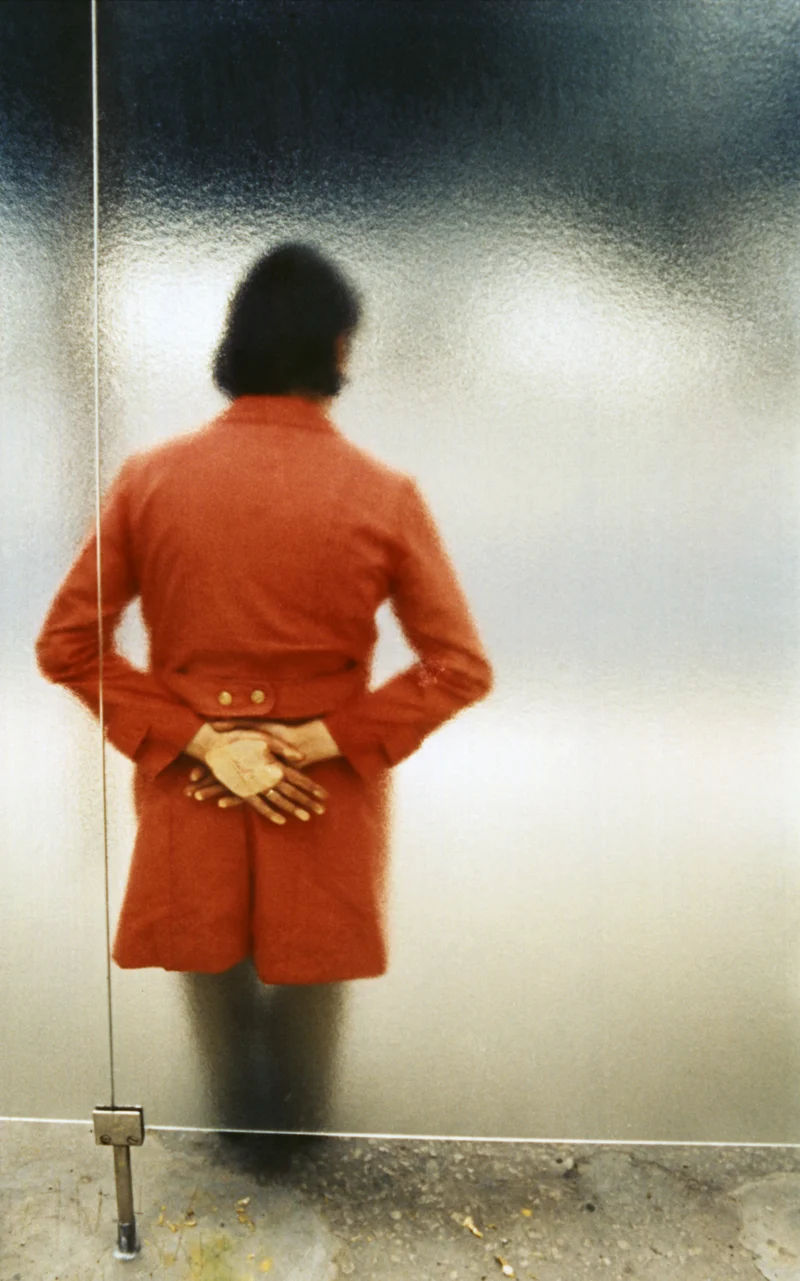
A compelling parallel emerges with the rise of color photography. Photographers such as Helen Levitt, Saul Leiter, Mitch Epstein, William Eggleston, and Fred Herzog deliberately embraced color at a time when black-and-white photography was considered the standard for serious art. William Eggleston’s extensive experimentation with the dye-transfer process, a technically demanding and expensive technique, yielded photographs with exceptionally rich and saturated colors. This echoed the Impressionists’ exploration of new pigments and technologies to develop a new way of seeing and representing reality. Advances in photographic technology, much like in painting, enabled photographers to move beyond mere recording, using color as an expressive visual language. The vibrant palettes of Eggleston, Epstein, Leiter, and Herzog, and later photographers like Vivian Maier and Martin Parr, demonstrate that color became an interpretative element, shaping mood and transforming ordinary scenes into compelling visual experiences.
Color vs. Monochrome: Challenging the Status Quo
The embrace of color photography was often met with resistance, mirroring the Impressionists’ struggle against academic conventions. Many influential street photographers continued to work primarily in black and white, partly due to practical considerations: newspapers and magazines, their primary outlets, were largely monochrome. However, photographers who operated more independently, like William Eggleston, Helen Levitt, Joel Meyerowitz, Saul Leiter, and Fred Herzog, consciously explored color photography long before it gained widespread acceptance.
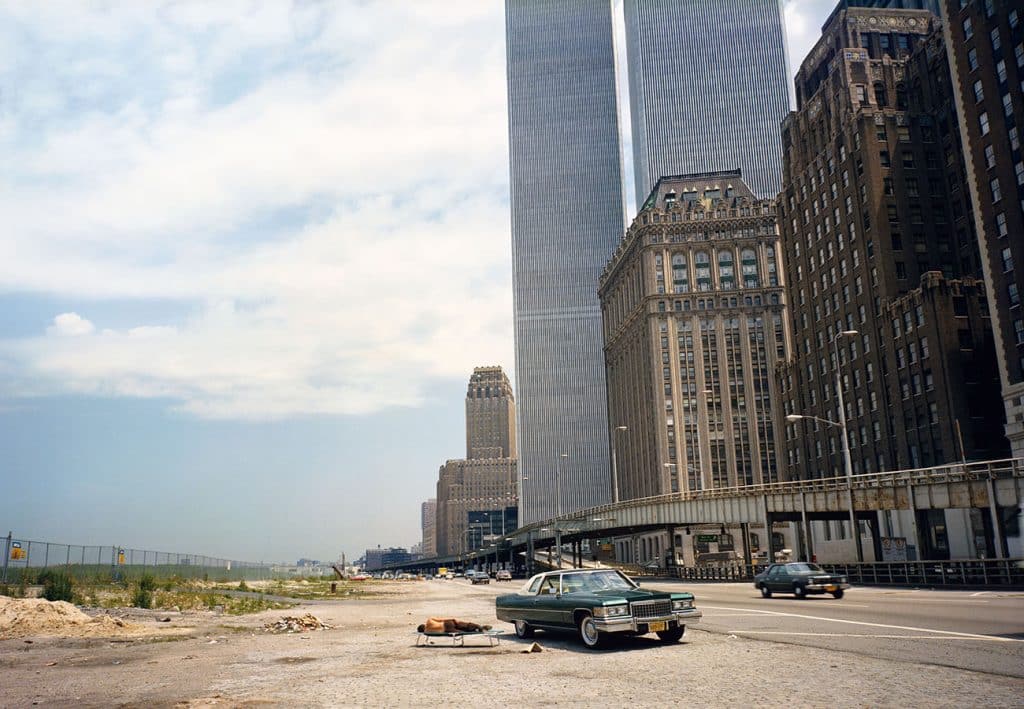
The photographic establishment often viewed black-and-white photography as the sole artistic medium, associating color with commercial applications. Consequently, color photographers faced criticism, their work often deemed less sophisticated or artistic. Yet, history vindicates their vision. Just as Impressionism redefined painting, these photographers transformed the perception of color in photography. What was once considered unsuitable for serious artistic expression evolved into a defining visual language of modern photography. Both movements challenged established norms, demonstrating how new technologies and perspectives could unlock novel avenues for artistic expression.
The Dance of Light and Shadow: Making the Invisible Visible
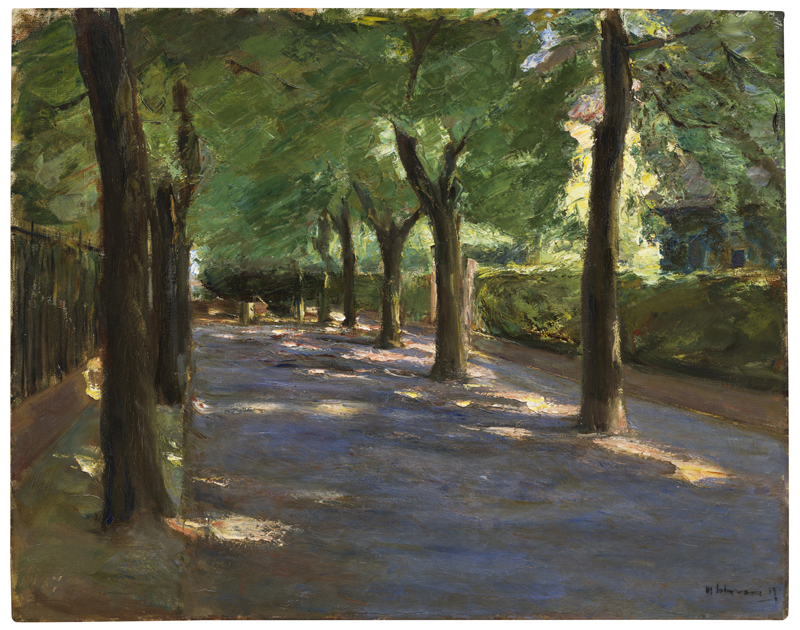
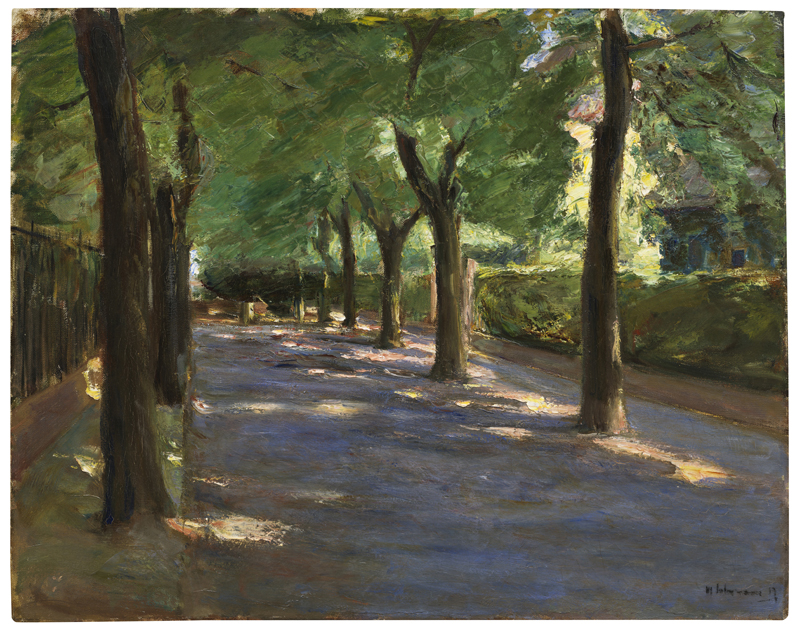
Light is fundamental to both painting and photography. However, the distinction lies in whether light is merely a tool or the subject itself. For the Impressionists, light often became the subject. Max Liebermann’s 1917 painting, "Die Colomierstraße in Wannsee," exemplifies this. While depicting a country road, the subtle brushstrokes of white and yellow, suggesting sunlight filtering through leaves, transform the scene. The viewer’s attention is drawn to the light, rendering an ordinary road poetic. The true subject is not the trees or the road, but the dancing sunlight.
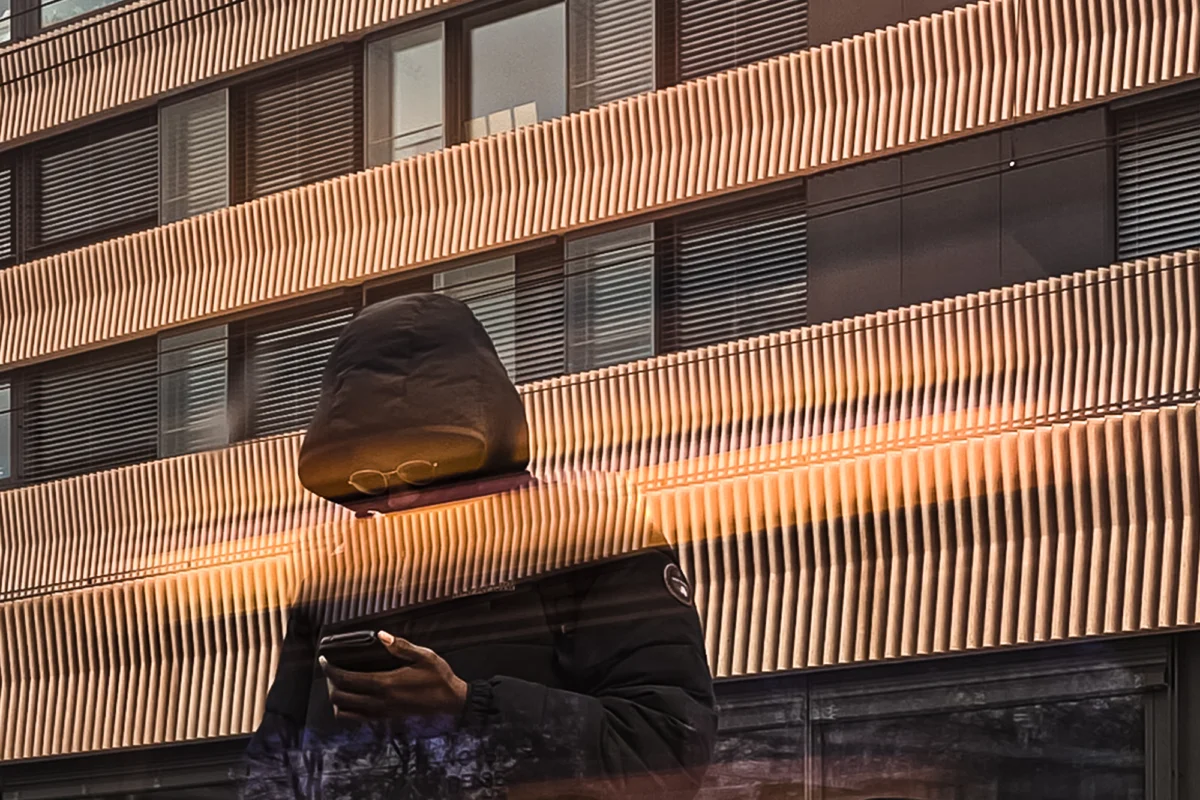
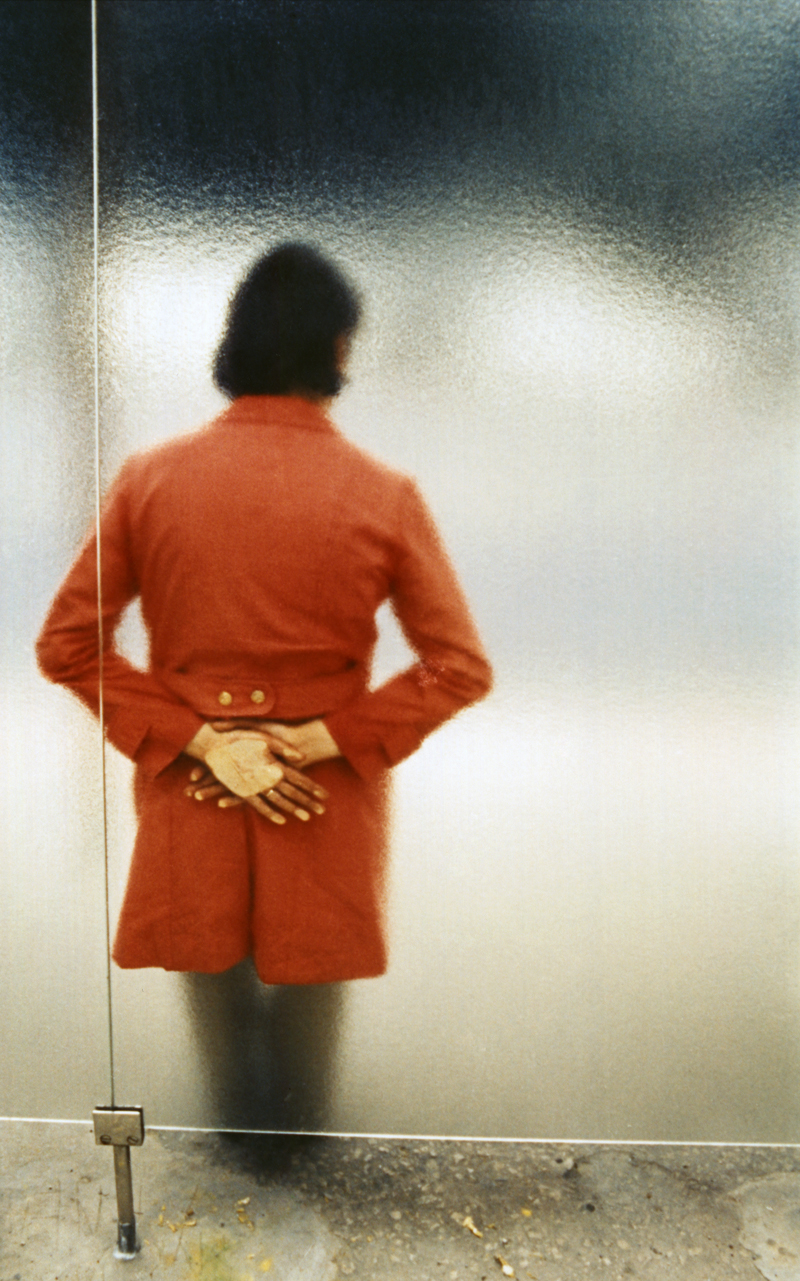
Paradoxically, light’s visibility is amplified by shadow and darkness. The contrast between light and shadow imbues light with presence, atmosphere, and emotional power. This fascination with light and contrast is equally evident in the work of early color street photographers. Helen Levitt, Mitch Epstein, Saul Leiter, William Eggleston, and Fred Herzog utilized color, shadow, and light not just to record but to create mood and evoke emotion. They understood that sunlight itself could be a subject, transforming ordinary street corners into compelling visual experiences. Photographers like Stephen Shore, Ed van der Elsken, and Alex Webb further explored this, with light often playing a leading role, demonstrating that even the most mundane subject can become extraordinary under exceptional illumination. For both Impressionists and street photographers, light transcends technical necessity, acting as a creative force shaping perception and interpretation.
A Legacy of Innovation: Technology, Vision, and Acceptance
The shared journey of Impressionism and street photography reveals a profound interconnectedness between technological innovation and artistic evolution. The paint tube and industrial pigments empowered Impressionists, while portable cameras and improved photographic materials enabled street photographers. The criticism leveled against these innovations often stemmed from a resistance to change, a desire to maintain established expertise.
Crucially, the pioneers of both movements often operated outside formal academic structures, fostering a willingness to challenge conventions and develop unique artistic voices. Their shared characteristics – subject matter, use of light, color, and contrast – focused on capturing the atmosphere of a moment, with light itself becoming an integral part of the subject. The Impressionists’ experimental use of color to convey mood, and the street photographers’ interpretive use of color to shape atmosphere, underscore a shared artistic philosophy. Technology provided the tools, but it was the artists’ vision that transformed them into a new visual language, demonstrating that artistic progress often arises from the convergence of curiosity and technological advancement.
The Contemporary Street Photographer: A Colorist of Everyday Life
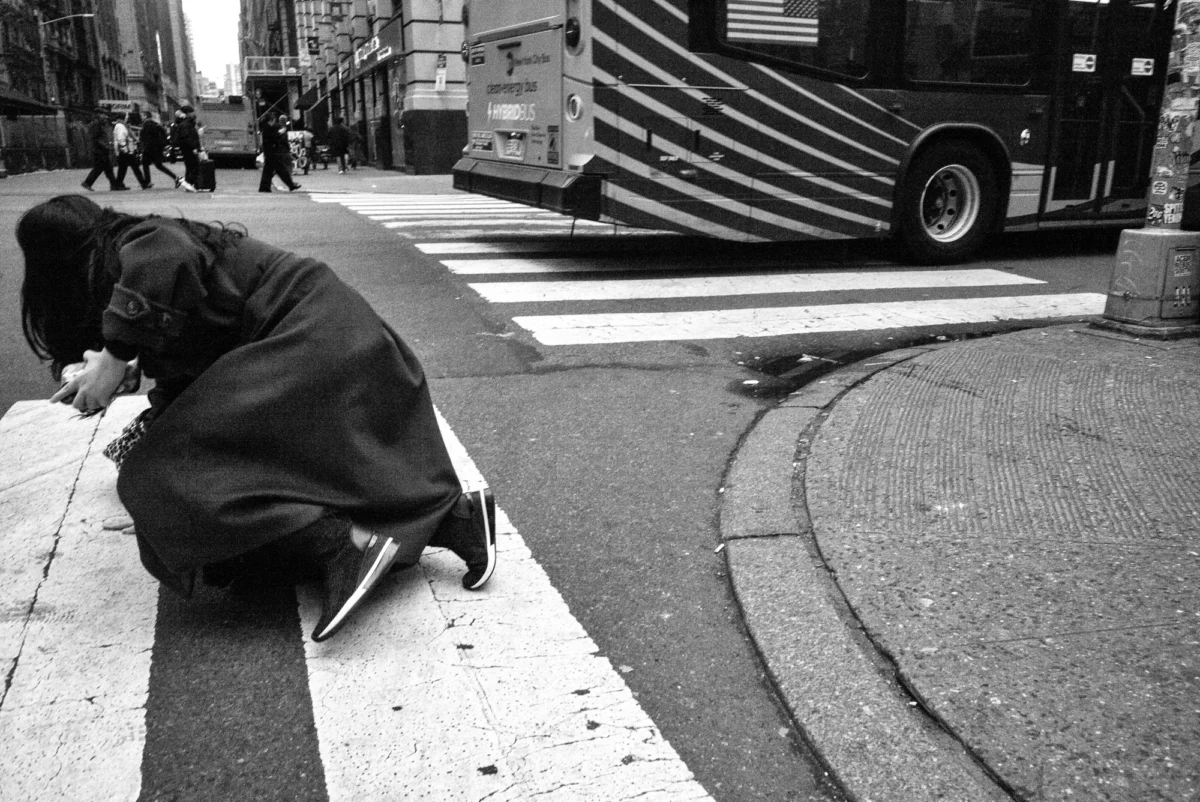
Today, contemporary street photographers function as colorists of everyday life. Through deliberate use of color palettes, they shape viewer experience. Street photography is not merely about documenting people and events but also about capturing light in public spaces. The interplay of light and shadow remains paramount, with darkness strengthening images and drawing attention to illuminated elements. The goal is not absolute realism; perception is influenced by fashion, culture, and technology. The distinctive colors of 1970s Polaroid photographs evoke a specific era, prompting reflection on how current smartphone imagery might be perceived in the future.
Post-processing, akin to the Impressionists’ experimentation with pigments, allows contemporary photographers to enhance expressive power. Adjusting contrast, brightening areas, or deepening shadows are digital equivalents of Impressionist techniques. Filters and color grading enable photographers to emphasize specific colors and cultivate particular moods. The profound influence of technology on art is undeniable. From the paint tube to digital algorithms, each innovation expands creative possibilities and challenges existing notions of art. Embracing new technologies, rather than rejecting them, leads to artistic progress. Projects exploring virtual realities and AI-generated imagery, such as Phil Toledano’s "Edward Trevor: Never Seen the Light," suggest the future trajectory of street photography, where artistic exploration meets emerging technologies.
Michiel van Mens, a street photographer with over thirty years of experience, emphasizes the importance of studying the masters to improve one’s craft. His research, detailed in "The Photographic Signature of the Street Photographer in Six Stylistic Characteristics," identified six stylistic categories that define a photographer’s visual signature. His findings suggest that influential photographers introduce novelty within these characteristics, thereby expanding the genre’s visual language. His work, along with related articles such as "The ‘Good’ Photographs of American Photography" and "Suggestion! No Answers, Please," delves into the stylistic elements that contribute to compelling street photography, highlighting the significance of visual opposition and suggestion in image-making.
The enduring legacy of Impressionism and street photography lies in their shared capacity to redefine artistic boundaries, proving that profound artistic expression can emerge from the most ordinary of circumstances, illuminated by a keen eye for light, color, and the human condition. Their stories are testaments to the transformative power of innovation, the courage to defy convention, and the enduring beauty found in the fabric of everyday life.