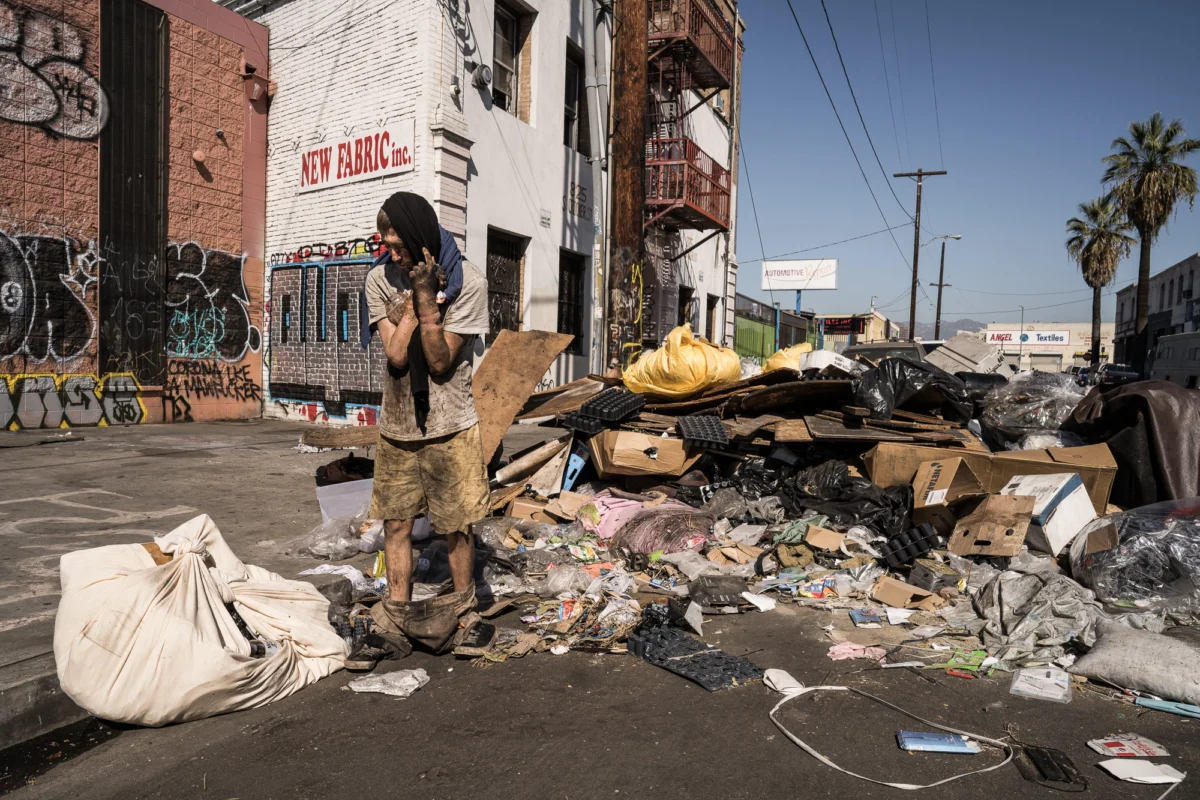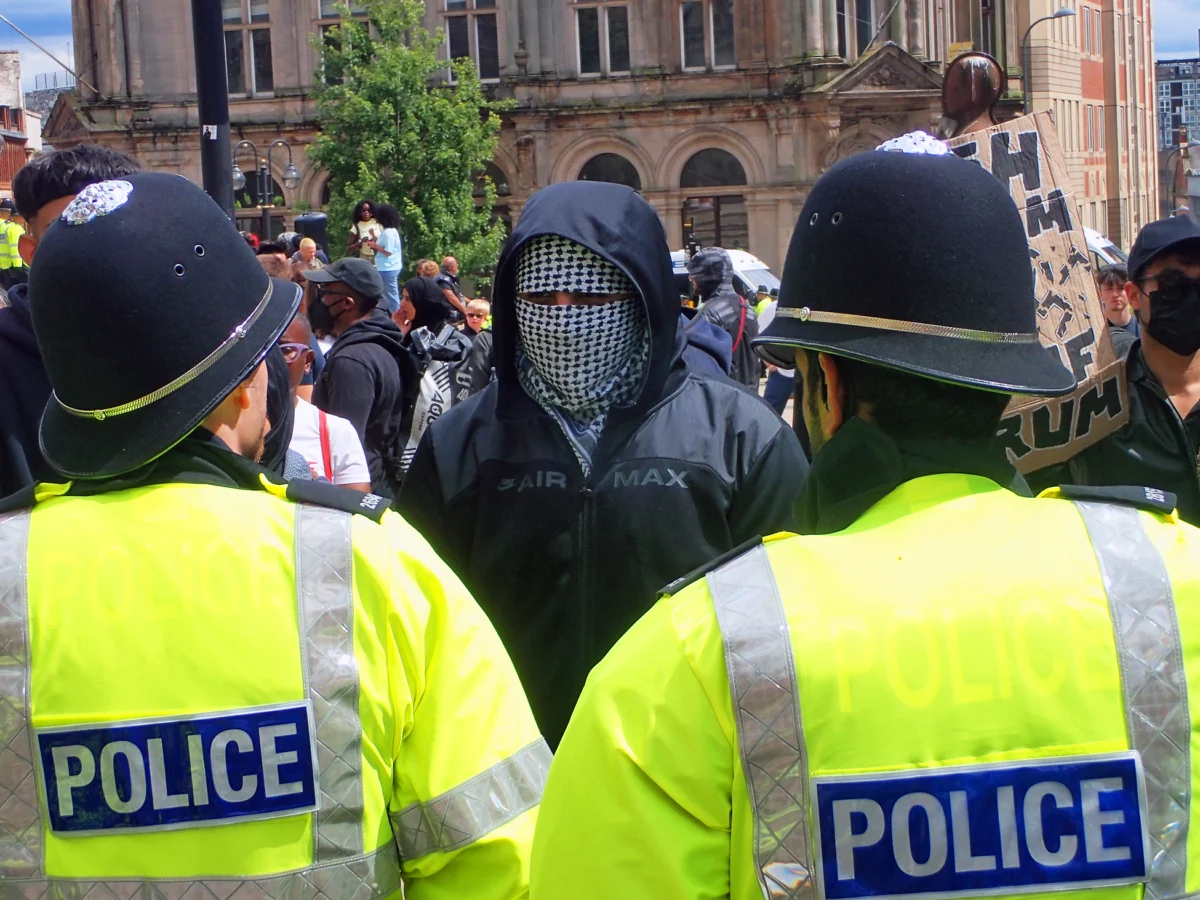
The realm of candid visual storytelling often blurs the lines between street photography and photojournalism, two genres that, while sharing common ground in their reliance on observational skill and decisive moments, diverge significantly in their core intent, ethical frameworks, and ultimate objectives. Photojournalism, at its heart, is dedicated to the accurate and contextualized documentation of news and events, a mission that occasionally unfolds in public spaces, thus overlapping with the territory of street photography. Its paramount duty is to convey factual narratives without ambiguity, primarily serving media outlets and adhering to stringent ethical standards concerning objectivity and the minimization of manipulation. In contrast, street photography delves into the candid capture of everyday life and urban scenes, prioritizing artistic expression, mood, composition, humor, and the spontaneous juxtaposition of elements, often embracing ambiguity and posing questions rather than providing definitive answers.
Both disciplines demand a keen eye for the ephemeral, a capacity for unobtrusive observation, and the ability to seize the "decisive moment," a concept famously articulated by Henri Cartier-Bresson. However, the divergence lies in their fundamental purpose. Photojournalists are driven by the imperative to inform audiences and to serve as a repository of evidence, contributing to the public record. Street photographers, on the other hand, are primarily motivated by a personal vision, seeking aesthetic expression, and often engaging in social commentary through their work, layering it with ingredients such as light or dark humor, conceptual ambiguity, and striking juxtapositions. This fundamental difference in intent shapes their respective approaches, responsibilities, and the expectations of their audiences.
Ethical Considerations and Legal Frameworks
The ethical and legal landscapes navigated by these two photographic genres also present distinct challenges and obligations. Photojournalists operate within established editorial guidelines and must navigate complex consent rules, particularly when dealing with sensitive stories or individuals. The integrity of their work is paramount, and adherence to journalistic ethics, which often include principles of truthfulness, fairness, and minimizing harm, is rigorously enforced by their employing institutions.
Street photographers, while not typically bound by institutional mandates, must exercise a heightened awareness of privacy norms and the delicate balance between artistic freedom and respect for their subjects. The legal ramifications of capturing images in public spaces can vary significantly by jurisdiction, and while generally permissible, the context and nature of the photograph can lead to complex situations. The ethical compass for street photographers is largely self-directed, requiring a personal commitment to responsible practice. This self-regulation, while allowing for greater creative latitude, places the onus on the individual artist to consider the impact of their imagery. The stark difference is that photojournalism has institutionalized, externally enforced ethical obligations, while street photography relies on individual conscience and a self-imposed ethical code.
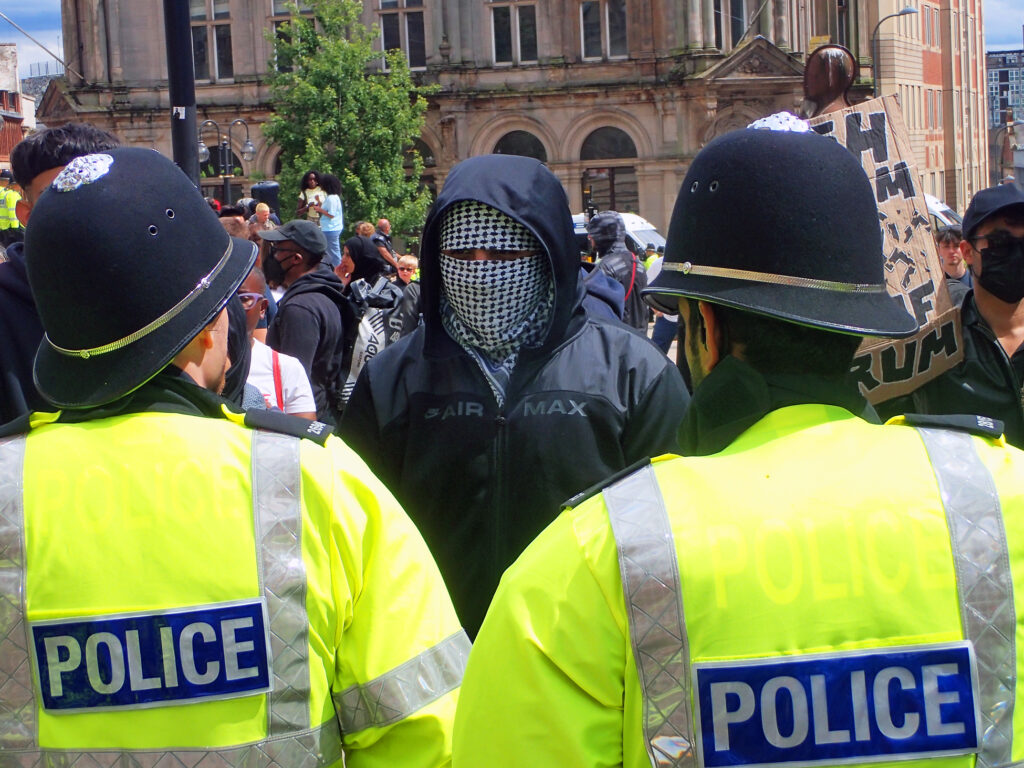
The Art of the Fleeting Moment: Serendipity vs. Scheduled Coverage
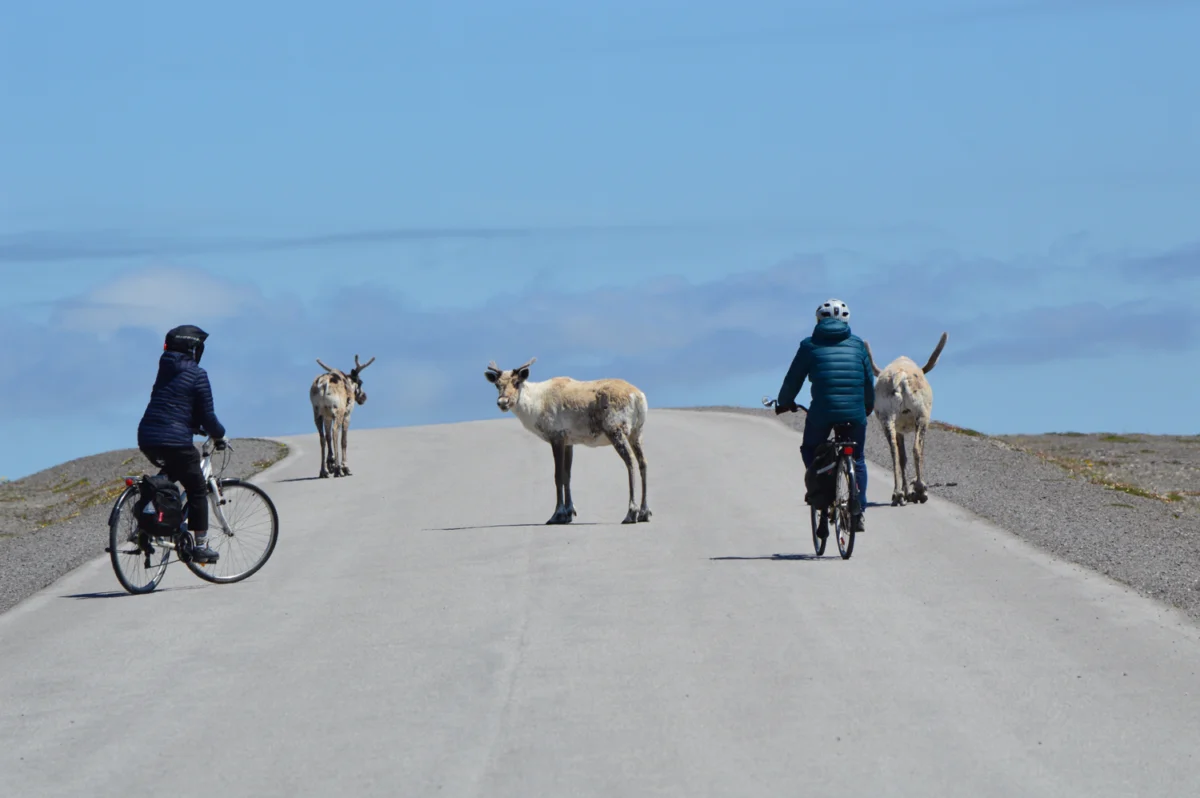
The very nature of capturing an image within these genres often hinges on different types of timing and opportunity. Great street photography is frequently a testament to serendipity and impeccable timing. It requires the ability to capture fleeting, unplanned moments, often characterized by perfect composition, evocative light, and telling expressions. This demands a photographer’s constant presence in public spaces, lightning-fast reflexes, and a degree of sheer luck to be in the right place at the right time. The unplanned nature of street encounters means that the photographer must often achieve narrative cohesion and strong visual design – including composition, contrast, and mood – within a single frame, implying a story without explicit explanation.
Photojournalism, conversely, often involves a more structured approach to coverage. While breaking news can be unpredictable, much of photojournalism is planned around known events, scheduled press conferences, and predictable news beats. This allows for a more deliberate and often sequential approach to storytelling. Photojournalists can build narratives across a series of images, augmented by captions that provide essential context, factual background, and direct quotes. This allows for a more comprehensive and explicit exposition of events, ensuring that the audience receives a clear and unambiguous understanding of what transpired. The reliance on sequences and explanatory text in photojournalism contrasts sharply with the often standalone, evocative nature of a powerful street photograph.
Defining Success: Subjectivity vs. Objectivity
The criteria by which the success of a photograph is judged also differ dramatically between the two genres. Street photography is heavily evaluated on its personal vision, originality, and emotional resonance. This inherent subjectivity means that what constitutes "great" street photography can be a matter of ongoing debate and falls into a realm of subjective standards. The ability to evoke a feeling, spark a thought, or offer a unique perspective on the mundane is highly valued.
Photojournalism, on the other hand, is guided by clearer, more objective, and editorial criteria. Accuracy, relevance, and the ability to effectively inform the audience are paramount. The success of a photojournalistic image is often measured by its contribution to the understanding of an event, its factual integrity, and its adherence to journalistic principles. While aesthetic qualities are appreciated, they are often secondary to the primary goal of conveying information truthfully and responsibly. This distinction in evaluation underscores the different roles each genre plays in our visual culture: street photography as a form of artistic and social exploration, and photojournalism as a critical tool for public information and accountability.
Intersections and Divergences
While street photography and photojournalism are distinct, their boundaries can and do intersect. A street photograph, captured without the intention of reporting on a specific event, might inadvertently document a moment of significant social or political importance, thereby acquiring a photojournalistic dimension. Conversely, a photojournalistic image, while aiming for factual accuracy, may possess a strong aesthetic sensibility and candid quality that aligns with the visual language of street photography. These intersections highlight the fluidity of visual communication.
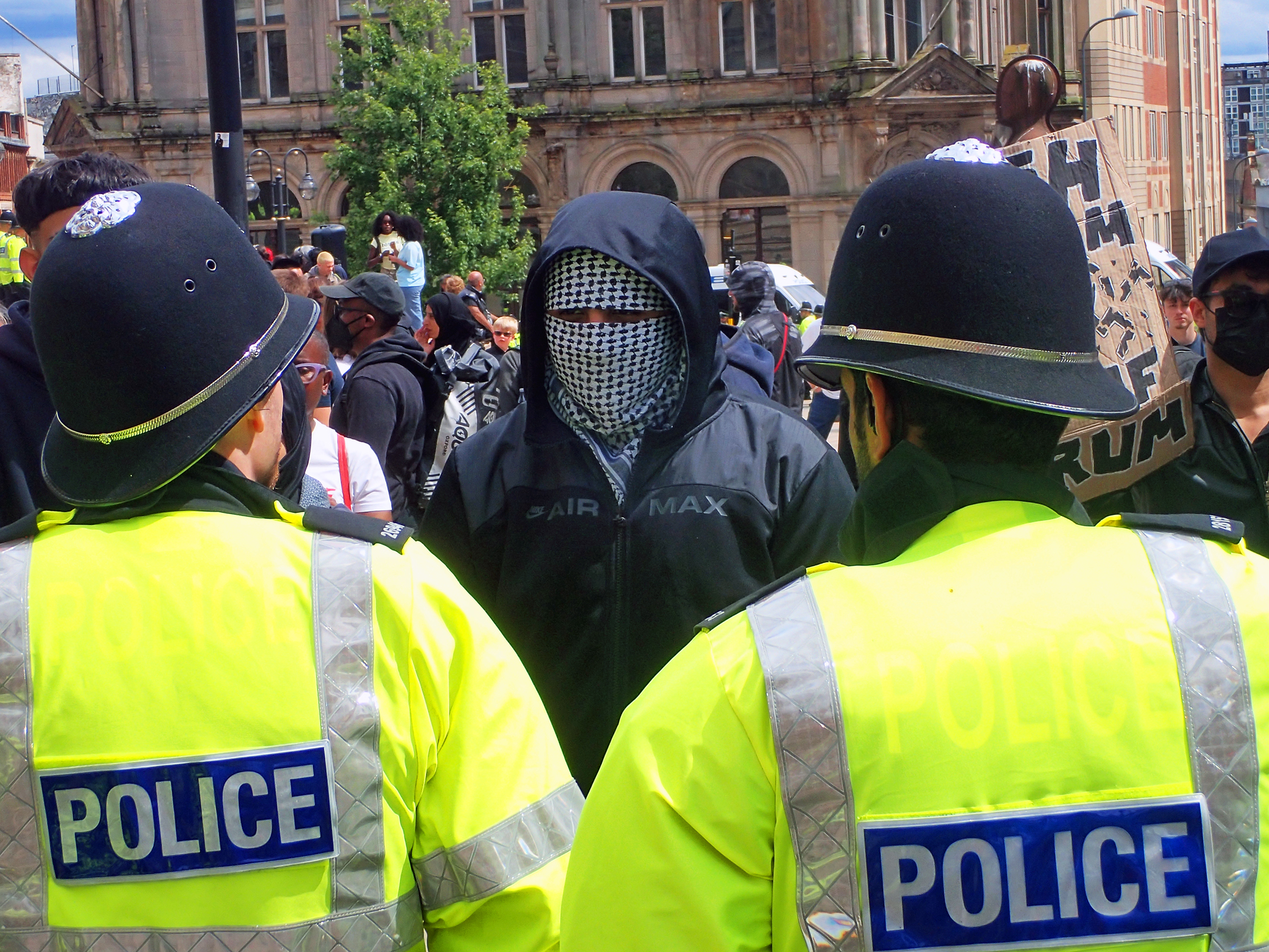
However, understanding the core goals of each genre is crucial for practitioners and audiences alike. It clarifies the photographer’s approach, the ethical responsibilities they undertake, and the expectations that viewers might have. For instance, a street photographer might intentionally employ ambiguity to provoke thought, while a photojournalist would strive to eliminate it to ensure clarity. The intent behind the lens profoundly shapes the resulting image and its place within the broader landscape of visual storytelling.
The Evolution of Visual Documentation
The practice of photography has evolved significantly since its inception. Early photography often served documentary purposes, capturing portraits, landscapes, and historical events with a straightforward, objective approach. As the medium matured, artistic aspirations began to emerge, leading to the development of genres like pictorialism and later, more abstract forms.
The rise of photojournalism in the early 20th century, particularly with the advent of smaller, more portable cameras and faster film, revolutionized news dissemination. Publications like Life magazine and Picture Post utilized powerful photographic essays to bring the world into people’s homes, shaping public opinion and providing a visual record of historical moments. This era cemented the role of the photojournalist as a visual witness to history, operating under strict journalistic ethics.
Street photography, while existing in various forms throughout photographic history, gained more distinct recognition as a genre in the mid-20th century. Photographers like Henri Cartier-Bresson, Robert Frank, and Garry Winogrand used public spaces as their canvas, exploring the human condition, the nuances of everyday life, and the urban environment with a critical and often poetic eye. Their work often challenged conventional notions of what constituted a "photograph," emphasizing personal perspective and artistic interpretation.
Supporting Data and Broader Context
The distinction between street photography and photojournalism is not merely academic; it has tangible implications for how images are perceived, used, and valued. For example, data from academic studies on media consumption consistently show that visual content significantly impacts audience engagement and comprehension. Images that are perceived as authentic and immediate, often a hallmark of both genres, tend to garner higher attention.
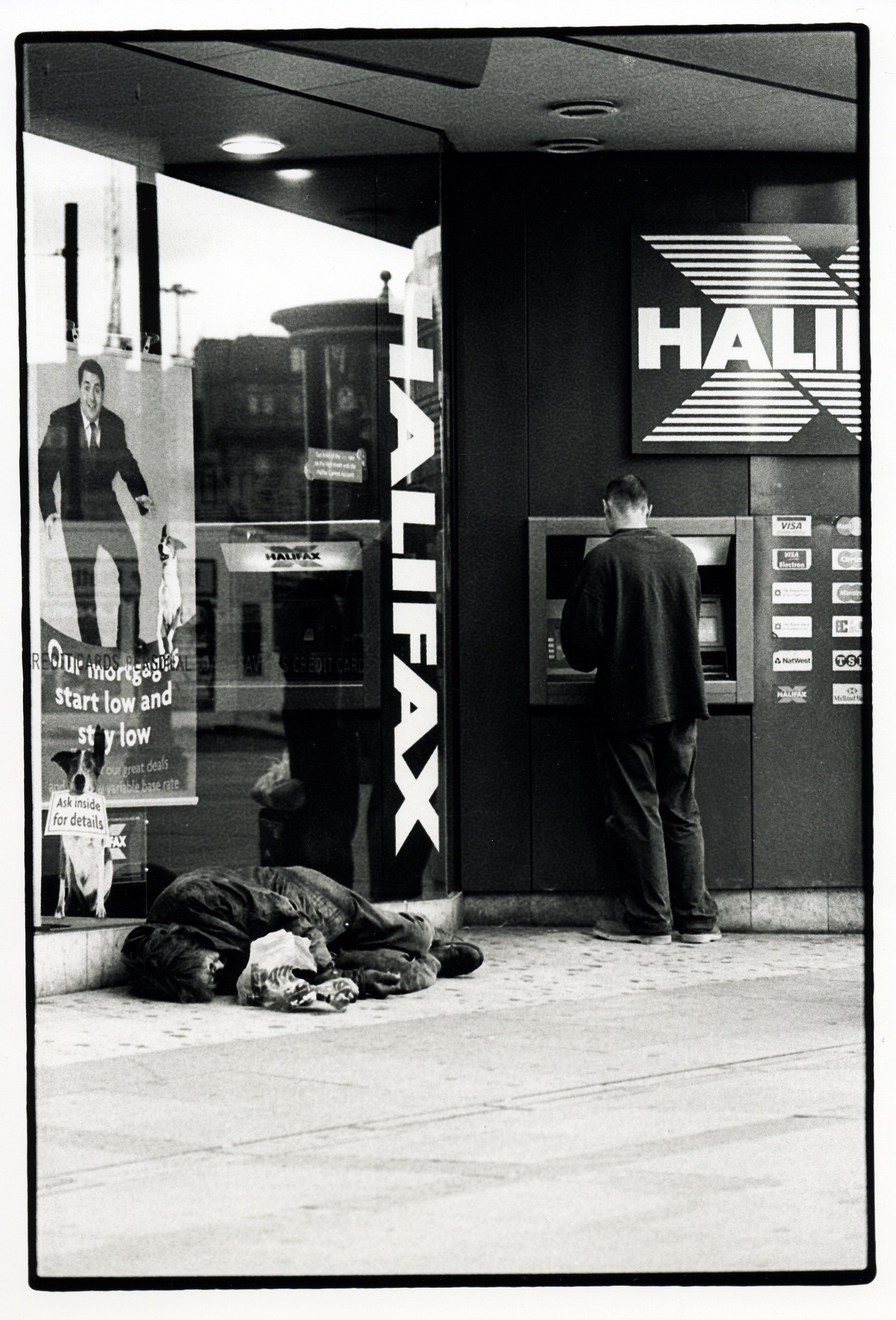
Consider the impact of iconic images. The "Migrant Mother" photograph by Dorothea Lange, a prime example of documentary photojournalism, became a symbol of the Great Depression, influencing public policy and fostering empathy. Its power lies in its factual representation of hardship, coupled with its profound emotional impact. In contrast, a street photograph like Robert Frank’s image of a funeral procession in "The Americans" might not convey a specific news event but rather a pervasive mood or a commentary on societal rituals, inviting a more personal and interpretive response from the viewer.
The Role of the Photographer
Ultimately, the photographer’s intention is the most significant differentiator. A photojournalist on assignment is tasked with reporting an event, adhering to editorial briefs, and ensuring accuracy. They are accountable to editors and a wider audience seeking information. Their work contributes to the collective understanding of current affairs.
A street photographer, on the other hand, is an independent observer, driven by personal curiosity and artistic impulse. Their "assignment" is self-imposed, their canvas is the world at large, and their success is measured by their ability to translate their unique vision into compelling imagery. They are accountable primarily to themselves and the discerning eye of their audience, who engage with their work for its aesthetic qualities, its social commentary, or its ability to evoke a shared human experience.
The ongoing dialogue between these two powerful visual disciplines enriches our understanding of the world. While photojournalism provides the factual bedrock of our shared reality, street photography offers a more intimate, often poetic, and sometimes provocative reflection of our collective existence. Both are indispensable in their own right, contributing to the complex tapestry of visual narratives that shape our perception and understanding.