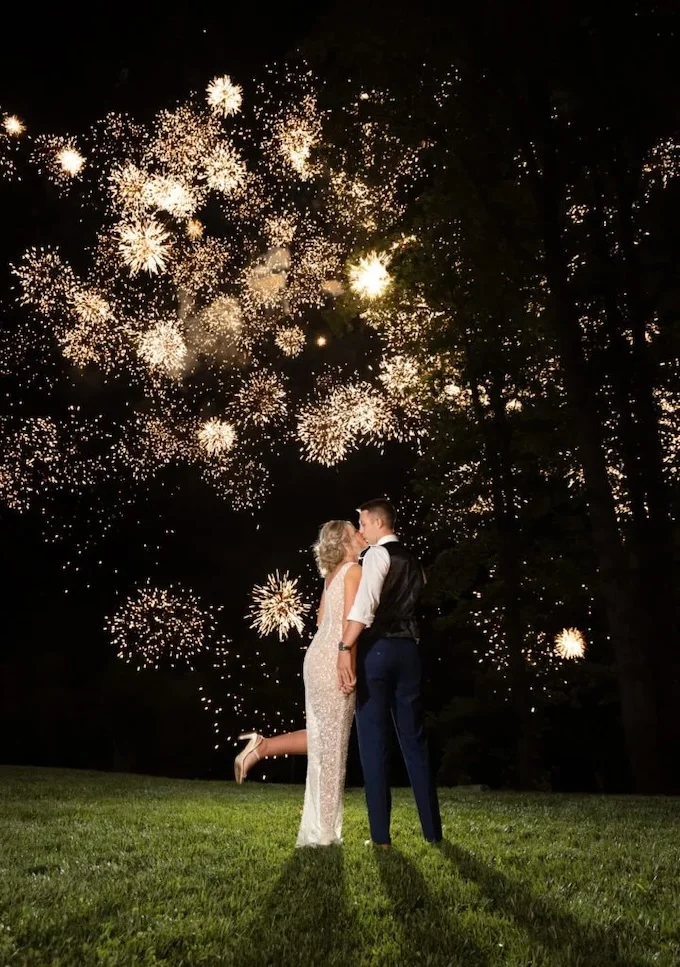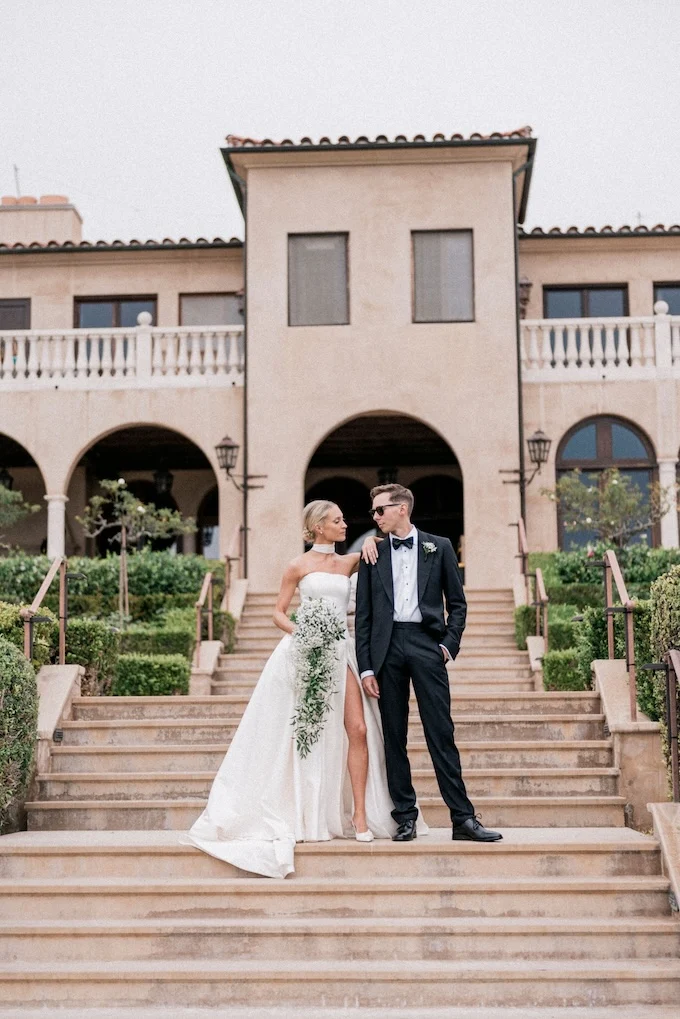
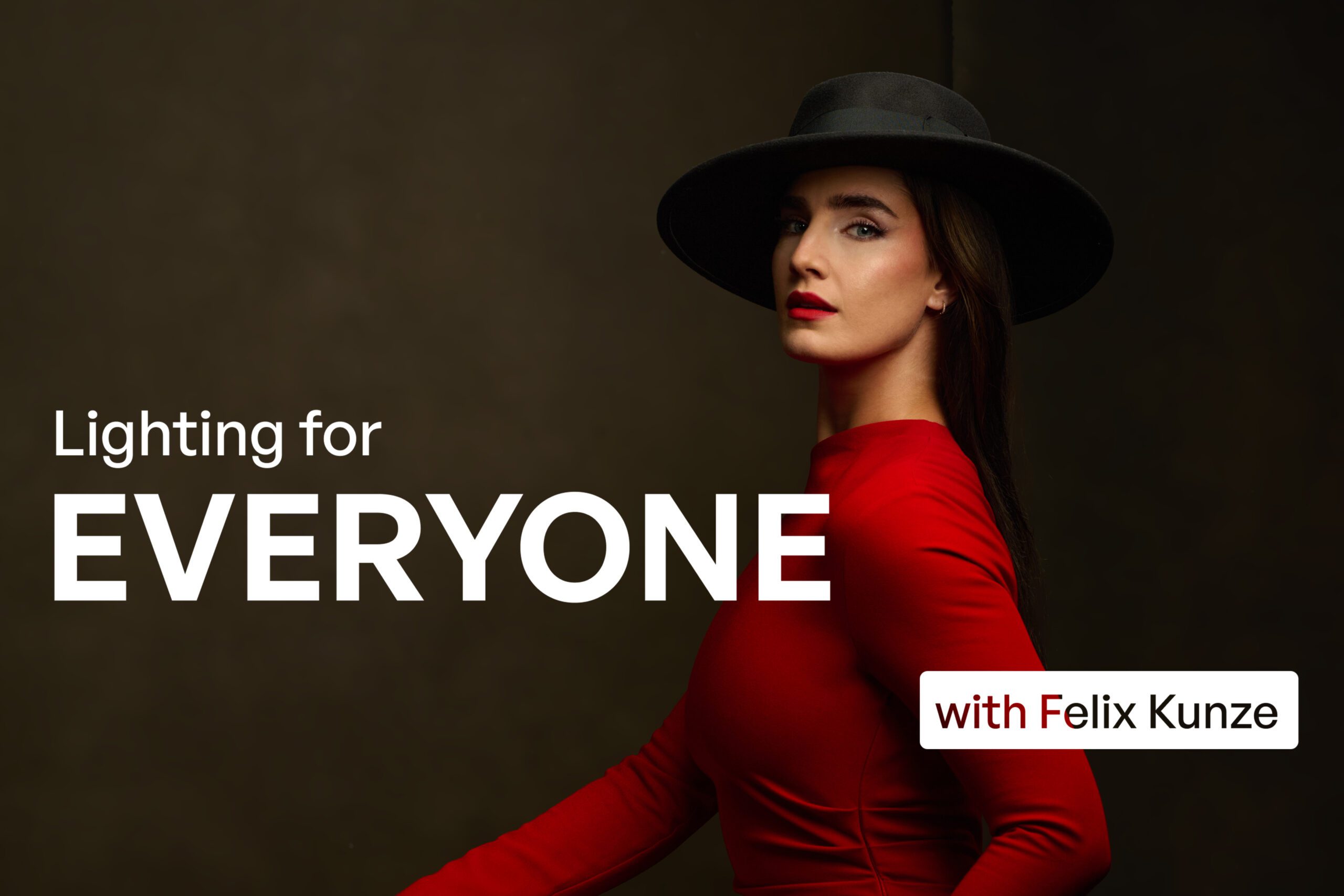
Acclaimed portrait photographer and educator Felix Kunze is set to revolutionize how photographers approach studio lighting with his highly anticipated new course, "Lighting for Everyone." Launching as his first major studio lighting class since the highly successful "Lighting Series" in 2017, this offering promises to demystify complex lighting techniques, making them accessible to photographers of all levels, regardless of their shooting environment or available equipment. Kunze, known for his work with a diverse clientele ranging from astronauts to Vogue covers, asserts that the key to striking portraiture lies not solely in soft, diffused light, but in a profound understanding and skillful application of hard light.
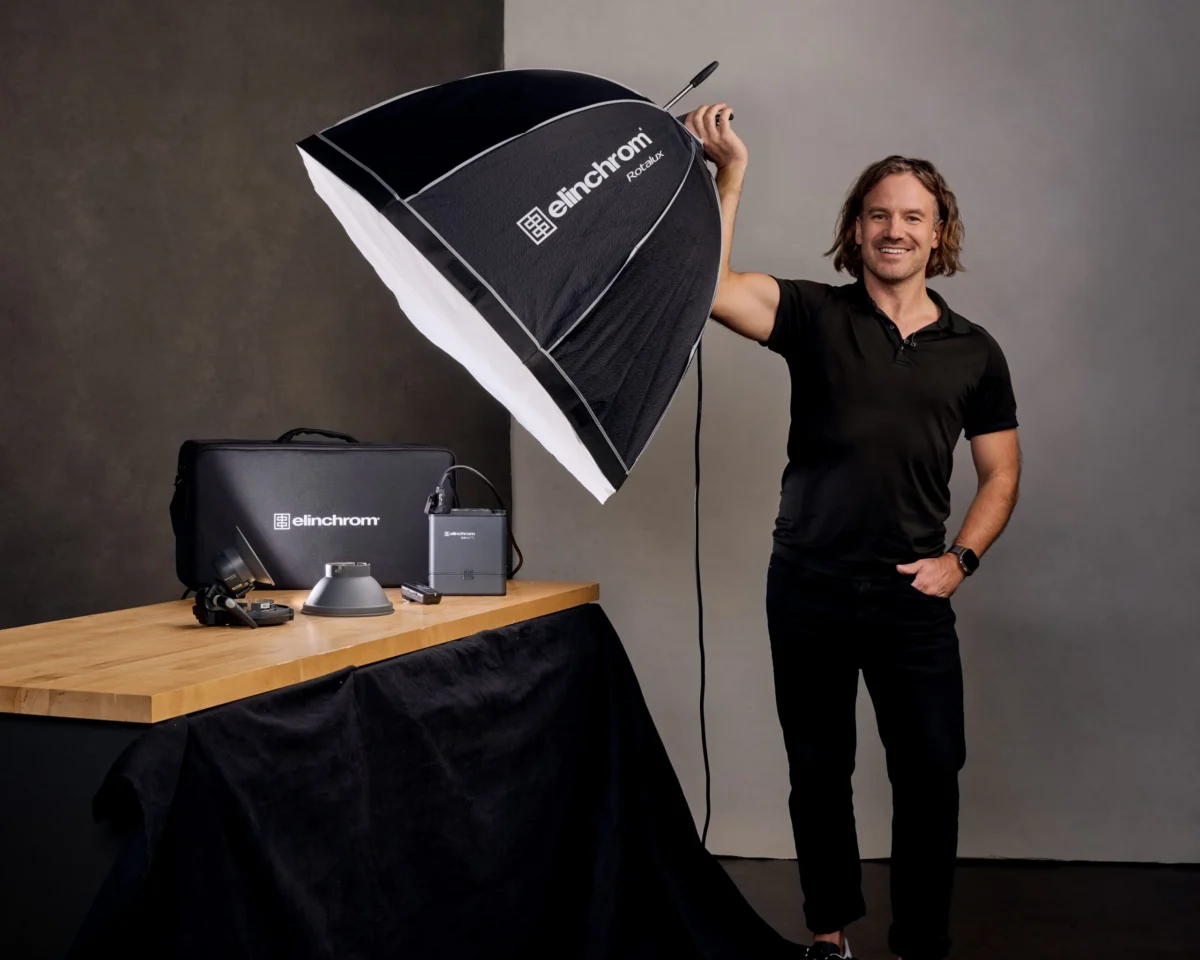
The impetus for "Lighting for Everyone" stems from the evolving demands of modern photography. "The world has changed," Kunze states. "Shoots move faster. Spaces are tighter. We don’t always get an hour and a softbox. So I built the class I wish I had at the beginning, something that helps you create world-class light with less gear, less stress, and way more confidence." This philosophy underpins the course’s core mission: to equip photographers with the knowledge and confidence to achieve exceptional results in real-world scenarios, often characterized by limited space, time, and resources.
Challenging the Norm: Embracing Hard Light
For decades, the prevailing wisdom in portrait photography has leaned heavily towards soft, flattering light. Techniques such as diffusion panels, large softboxes, and the utilization of overcast natural light have become standard practice. This approach is driven by the desire to minimize harsh shadows and skin imperfections, creating a smooth, often idealized, aesthetic. However, Kunze argues that this conventional approach can sometimes lead to predictable and less impactful imagery.
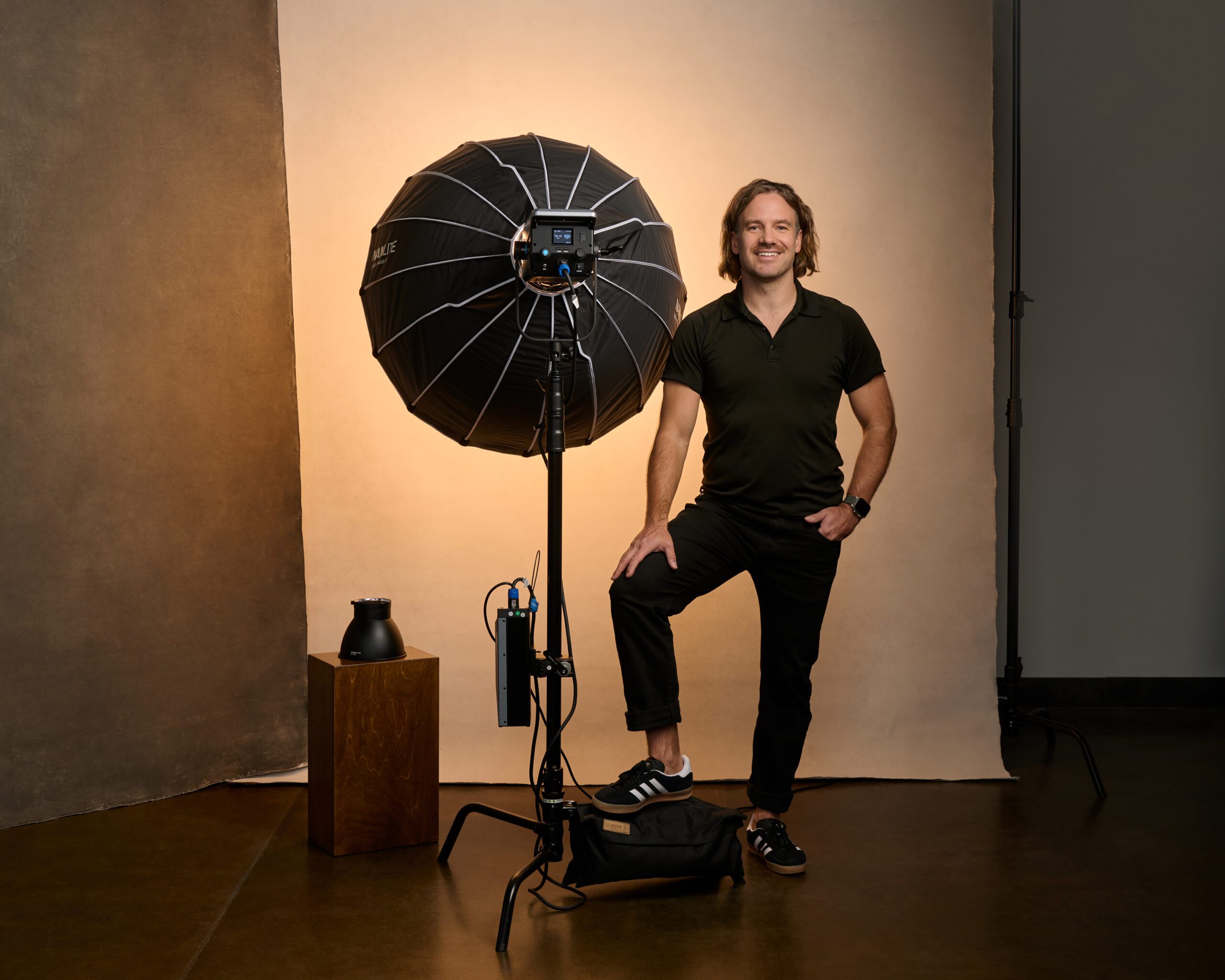
"Some of the most striking portraits actually come from embracing hard light," Kunze explains. This counterintuitive assertion is a cornerstone of his teaching methodology. Hard light, characterized by its sharp, defined shadows and high contrast, can be used to sculpt features, add drama, and create a powerful sense of dimensionality. Mastering its application, Kunze believes, unlocks a new level of creative control for photographers.
The course aims to dismantle the perception that sophisticated lighting requires extensive and expensive equipment. Kunze emphasizes that fundamental principles of light manipulation – direction, shape, and feel – are far more critical than the sheer number of lights or modifiers employed. "Lighting is about direction, shape, and feel," he reiterates. "You don’t need five lights to create drama. You just need to know what to do with one." This focus on foundational understanding over gear acquisition democratizes the art of lighting, making it attainable for photographers working with minimal budgets.

A Curriculum Rooted in Reality: On-Location Learning
"Lighting for Everyone" distinguishes itself by its practical, on-location filming approach. eschewing sterile studio environments, Kunze chose to shoot each segment in authentic settings that mirror the challenges faced by working photographers daily. This includes utilizing everyday objects as light modifiers, such as insulation foam boards for bounce cards, and conducting shoots in common spaces like living rooms rather than purpose-built studios.
This method allows Kunze to demonstrate lighting techniques in scenarios that closely resemble the unscripted moments encountered by wedding, portrait, and event photographers. The course content is designed to be immediately applicable, offering solutions to common shooting predicaments. For instance, the course addresses the all-too-familiar scenario of diminishing natural light, a situation that often forces photographers to quickly adapt their lighting setups.
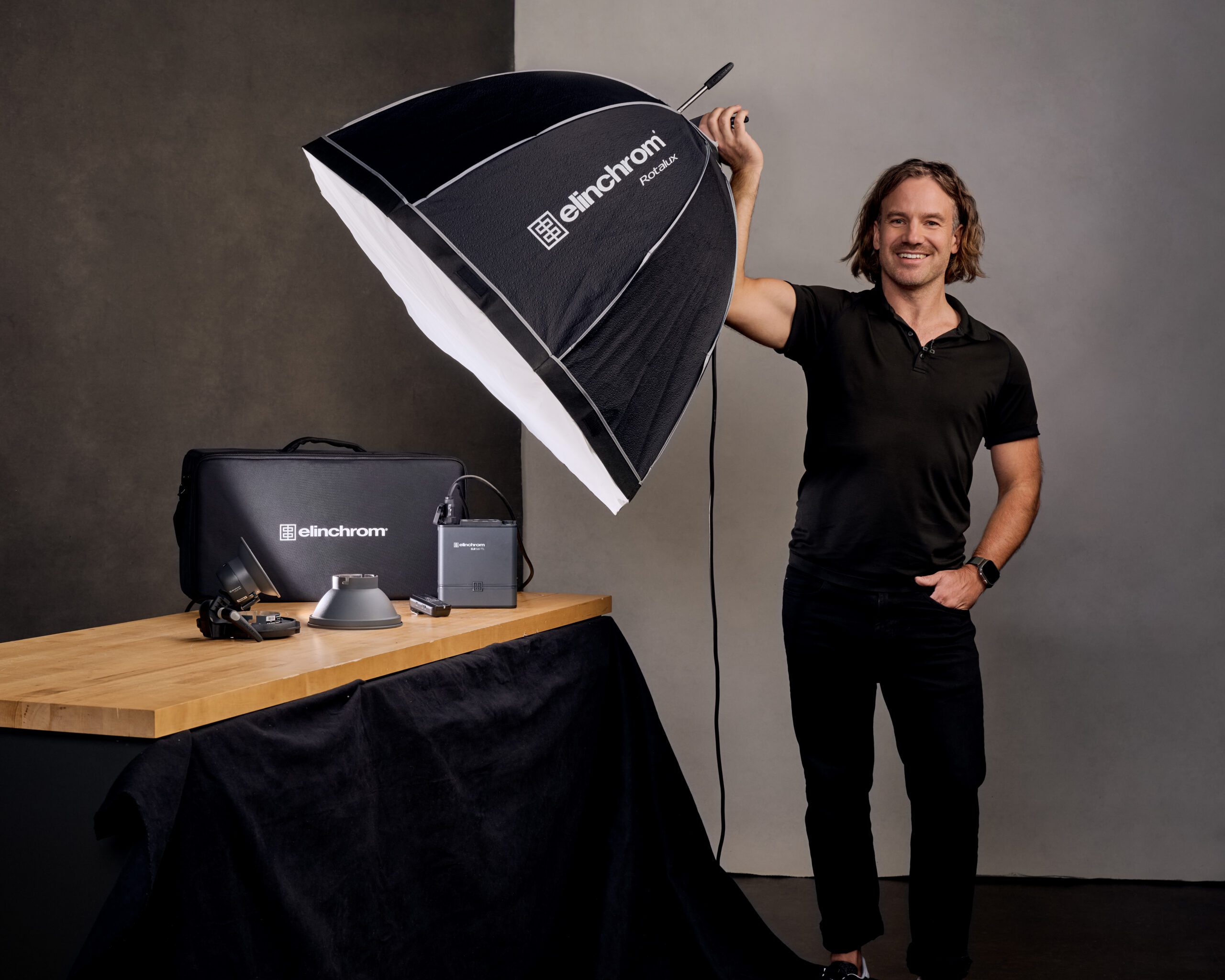
A key pedagogical element of "Lighting for Everyone" is Kunze’s deliberate inclusion of "failures." He intentionally demonstrates how to make mistakes on camera and, crucially, how to correct them. This transparency is invaluable, as it mirrors the iterative process of problem-solving that occurs during actual client shoots. "I mess things up on camera. That’s the point," Kunze shares. "You get to watch how I fix it. Because that’s what we do on real shoots." This approach fosters resilience and practical problem-solving skills, moving beyond theoretical perfection to real-world efficacy.
Addressing Contemporary Challenges in Photography
The contemporary photography landscape presents a unique set of pressures. The rise of AI-powered retouching tools, increasingly tight client budgets, and the demand for more authentic, "content-style" imagery all contribute to the need for photographers to deliver high-quality results efficiently. Many photographers find themselves intimidated by lighting, viewing it as either an insurmountable technical hurdle or a skill set outside their primary focus.
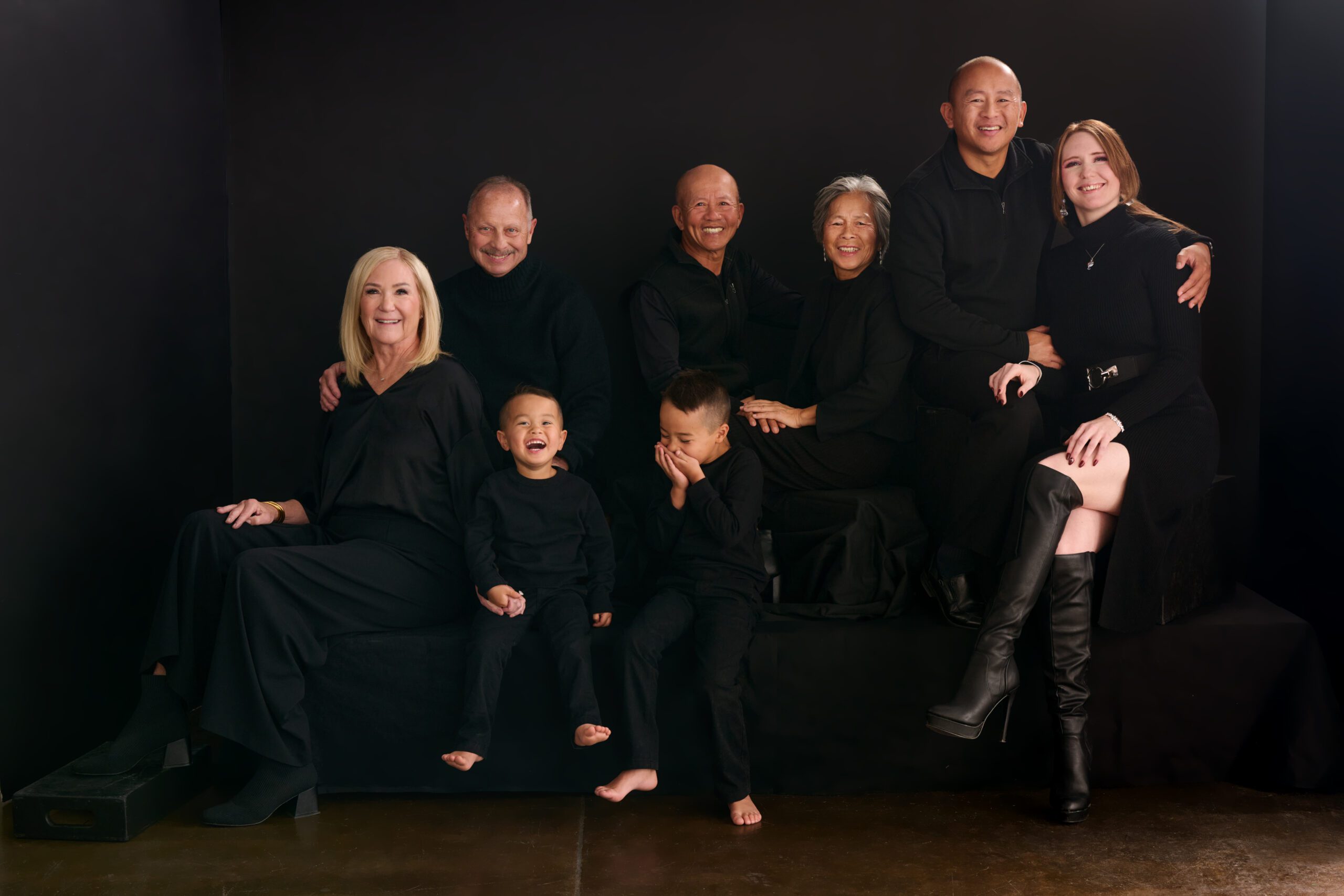
"Lighting for Everyone" aims to bridge this gap, reframing lighting as an empowering tool rather than a daunting obstacle. Kunze’s accessible approach is designed to instill confidence, particularly in newer photographers who may be hesitant to experiment with artificial lighting. For seasoned professionals, the course offers a refreshing perspective, reinforcing the power of simplicity and fundamental principles. Early feedback from course testers highlights the significant impact of specific techniques, with some reporting that a single method, such as the "wrap-around light setup," alone justified the course’s investment.
The curriculum is structured to be a departure from gear-centric tutorials. Instead, it prioritizes decision-making and creative intent. Kunze’s communication style is notably humanistic, integrating discussions about client experience and emotional resonance alongside technical aspects like exposure and light falloff. This holistic approach emphasizes that understanding light is not merely about manipulating equipment, but about developing a discerning eye and a clear artistic vision.
The "Lighting for Everyone" Curriculum: Key Takeaways
While specific module details are not fully enumerated in the initial announcement, the course’s emphasis on practical application suggests a curriculum that covers a range of essential lighting scenarios. Based on Kunze’s statements and the course’s stated goals, the content likely includes:
- Mastering Single Light Sources: Techniques for achieving impactful portraits using just one light, demonstrating how to control direction, intensity, and quality to create various moods and styles.
- Understanding Light Shaping: Practical methods for modifying light, from DIY solutions to strategic use of common modifiers, to sculpt the subject and control the environment.
- Working with Limited Space: Strategies for effective lighting in confined areas, a common challenge for event and small studio photographers.
- Adapting to Available Light: Techniques for augmenting or replacing challenging natural light conditions, ensuring consistent quality regardless of the environment.
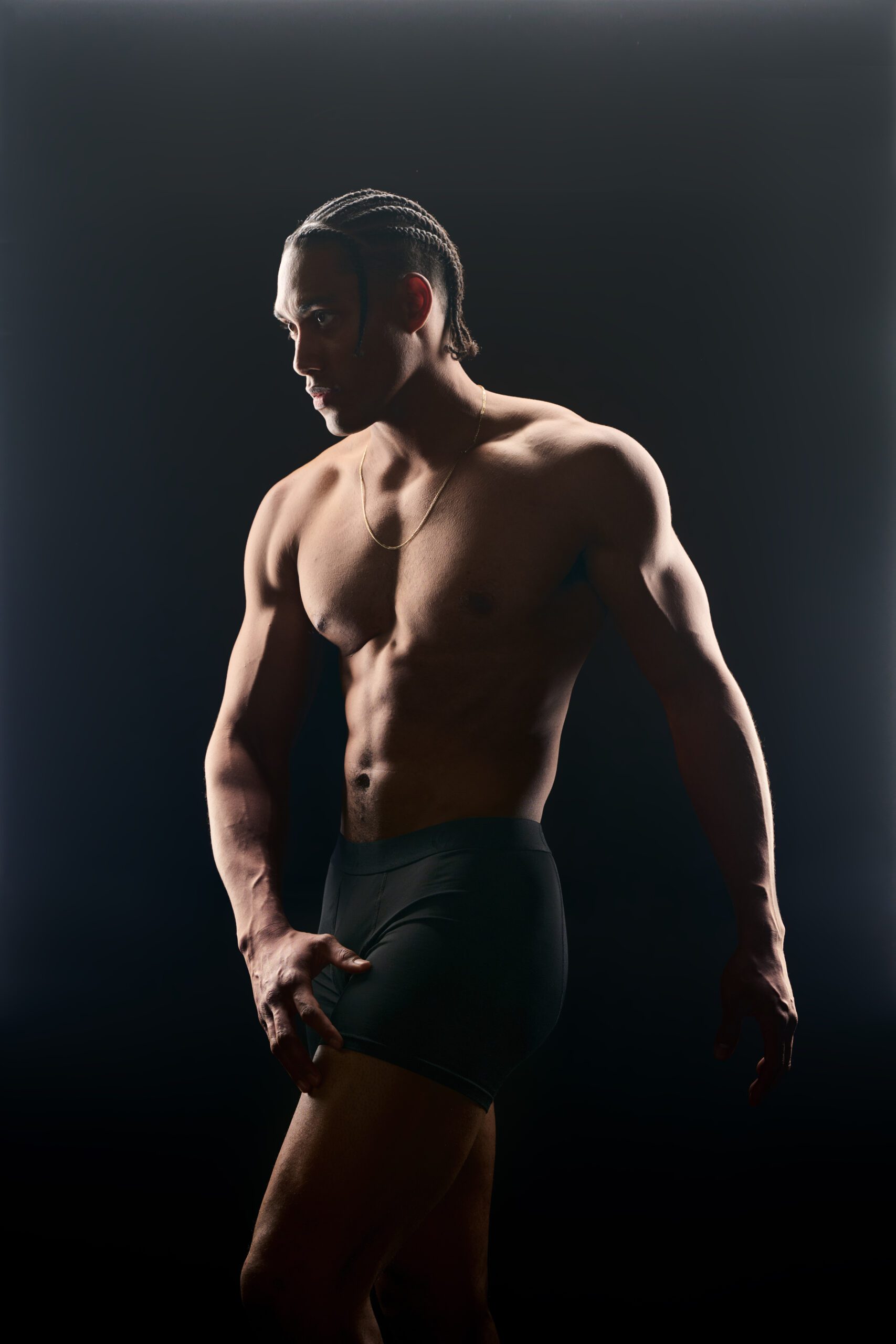
- The Power of Contrast and Shadow: Learning to use hard light to create dramatic effects, define features, and add depth to portraits.
- The "Wrap-Around Light Setup": A likely key technique that has already garnered significant praise from early testers, focusing on creating a flattering and dimensional light that wraps around the subject.
- On-Camera Problem Solving: Demonstrations of common lighting mistakes and practical, on-the-spot solutions, building confidence in handling unexpected challenges.
A Shift in Mindset: Seeing Light Differently
In an era where photographers are increasingly expected to be agile, intuitive, and capable of producing compelling images in diverse and often unpredictable settings, the ability to "see light differently" is paramount. "Lighting for Everyone" is positioned not just as a technical tutorial but as a transformative experience that alters a photographer’s perception and approach to light.

Kunze’s emphasis on "human terms" underscores his belief that lighting is an integral part of storytelling and emotional connection. By focusing on the intention behind the light and its impact on the subject and viewer, the course moves beyond mere technical instruction. It aims to cultivate a photographer’s innate ability to observe, interpret, and manipulate light to serve their creative vision. This philosophical shift is particularly relevant for photographers who may feel constrained by their current skill set or equipment.
Conclusion: Empowering Photographers in a Dynamic Industry
"Lighting for Everyone" represents a significant contribution to photographic education, offering a practical, accessible, and empowering approach to studio lighting. By demystifying complex techniques, championing the strategic use of hard light, and grounding instruction in real-world scenarios, Felix Kunze is equipping photographers with the confidence and skills needed to excel in today’s competitive and rapidly evolving industry.

The course’s core message resonates powerfully: creative freedom in photography is inextricably linked to a solid understanding of light. However, this understanding does not necessitate complication. As Kunze aptly puts it, "You don’t need to wait until you have the perfect space or gear. You just need to understand what the light is doing and how to shape it." This philosophy promises to unlock new creative possibilities for a broad spectrum of photographers, solidifying "Lighting for Everyone" as a vital resource for anyone looking to elevate their portraiture.
Felix Kunze’s work can be explored further at FelixKunze.com and on Instagram @felixkunze.