In an era saturated with ephemeral digital content, photographers are increasingly discovering the profound and lasting insights offered by physical photography books, particularly those published decades ago, which provide a depth and historical context often missing from contemporary online resources. While the rapid pace of technological innovation frequently directs attention toward the newest gear and software, a rich repository of foundational knowledge and artistic inspiration lies within the pages of historically significant photographic literature, offering enduring lessons that transcend fleeting trends. These volumes, often more comprehensive than even the most detailed internet articles, serve as indispensable tools for serious photographers seeking to deepen their understanding of the craft, its history, and its artistic principles.
The Enduring Allure of the Printed Page
The shift from analog to digital photography, and subsequently from print to screen-based learning, has fundamentally altered how photographers acquire knowledge. However, the unique advantages of a well-researched, meticulously produced book remain undeniable. Unlike the often fragmented and quickly updated nature of online content, books offer a cohesive, in-depth exploration of subjects, allowing for sustained engagement and a more holistic understanding. This format encourages a slower, more deliberate learning process, fostering critical thinking and a deeper appreciation for the nuances of photographic theory and practice. The tactile experience of holding a book, turning its pages, and absorbing high-quality reproductions contributes to a distinct learning modality that many find more effective and satisfying.
The Joy and Insight of Used Books
A significant aspect of building a comprehensive photographic library lies in the exploration of the second-hand market. Many invaluable titles, some decades old, can be acquired at reasonable prices, often arriving in conditions ranging from pristine to well-worn. The latter, frequently adorned with marginalia or penciled notes from previous owners, offers a unique connection to past learners, transforming the book into a shared educational artifact. These annotations, far from detracting from a book’s value, often add a layer of character and provide glimpses into the thought processes of other photographers grappling with the same concepts.
While it is true that older publications may contain outdated technical specifications or discussions of obsolete equipment, their core value often resides in timeless principles. A discerning reader can easily differentiate between ephemeral technical details and the enduring insights into light, composition, visual storytelling, and the philosophy of image-making. Indeed, a notable characteristic of photography books published in the last century is their often deeply technical nature. These volumes frequently delve into the physics of light, optics, and chemical processes with a rigor rarely seen in today’s more accessible, digitally focused guides. For instance, a 1962 text might feature intricate graphs illustrating the spectral energy distribution of natural light sources—information that, while perhaps not directly applicable to modern digital workflows, offers a foundational understanding of light that remains invaluable.
Moreover, older books provide a fascinating historical lens through which to observe shifts in photographic attitudes and terminology. A 1948 revision of "How to Make Good Pictures, the Kodak Manual for Amateur Photographers," for example, famously refers to 35mm cameras—now a standard "full-frame" format—as "miniature." This classification extended to any negatives 2¼" x 2¼" or smaller, encompassing many medium-format cameras of the era. Such historical nuances highlight the rapid evolution of photographic technology and nomenclature, offering context for contemporary practices. The availability of these historical treasures through online platforms like Awesomebooks.com, Worldofbooks.com, Thrift Books, BookFinder, and BetterWorldBooks, as well as local independent second-hand bookshops, makes curating such a library more accessible than ever.
Curated Photographic Libraries: A Deep Dive into Essential Titles
For photographers looking to expand their knowledge base, the following categories and specific titles offer a starting point for building a robust and inspiring collection.
I. Photographic History: Tracing the Evolution of the Art Form
Understanding the lineage of photography is crucial for any serious practitioner. These books offer panoramic views and intimate portraits of the medium’s development.

-
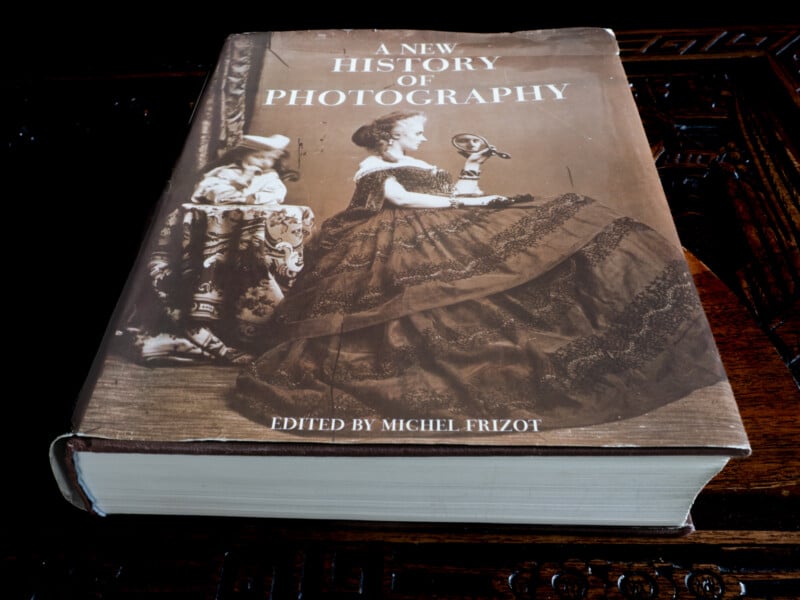
"A New History of Photography," edited by Michel Frizot (1998): This monumental 776-page volume stands as a cornerstone for anyone seeking a comprehensive understanding of photography’s evolution. Available for a modest price, it meticulously chronicles the styles, trends, and technological advancements that have shaped photography from its inception. From the pioneering efforts of Nicéphore Niépce and Louis Daguerre to the diverse works of late 20th-century artists like Mark Trivier and Sophie Calle, Frizot’s work provides an academically rigorous yet visually rich narrative. Published by Könemann (ISBN 3-8290-1328-0), its high-quality illustrations are as informative as its scholarly text.
-
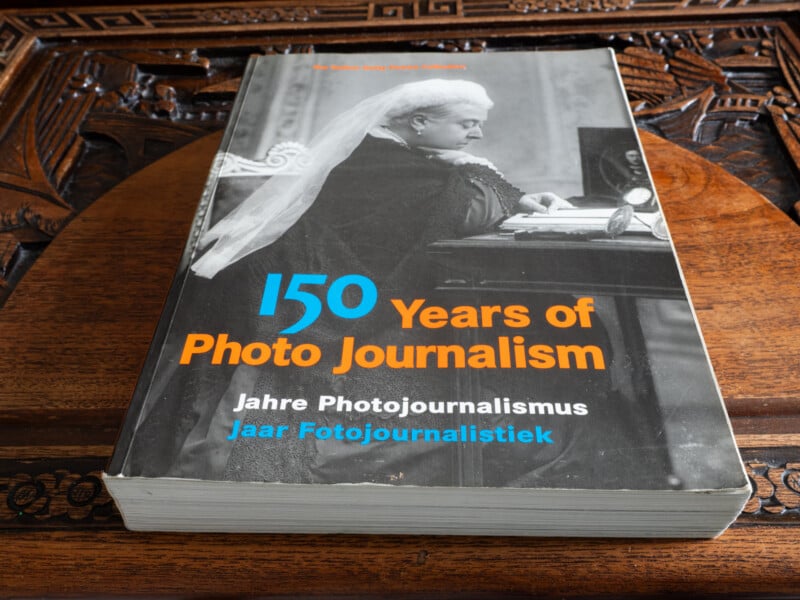
"150 Years of Photo Journalism," by Nick Yapp (Part 1) and Amanda Hopkinson (Part 2) (1995): This multi-volume (or single paperback compilation) work, also from Könemann (ISBN 3-9290-5032-1), offers a thematic exploration of photojournalism’s impact over a century and a half. Chapters delve into diverse subjects such as opera, the Olympics, transport, and the defining moments of the two World Wars. While it provides invaluable insights into the historical role of photojournalism, its omission of key figures like Lee Miller highlights the evolving nature of historical canonization and underscores the need for continuous critical engagement with historical narratives.
-
"The Lives of Lee Miller" and "Lee Miller’s War" by Antony Penrose: The resurgence of interest in Lee Miller, catalyzed by recent biographical films, underscores the enduring power of her work. Written by her son, Antony Penrose, these books (Thames and Hudson, ISBN 978-0-500-29428-4 and 978-0-500-29600-4) offer unparalleled insights into the life of a truly extraordinary photographer. Beyond her pivotal role as a war correspondent documenting the horrors of World War II, Miller’s biography reveals her profound connections to the surrealist art movement, her collaborations with Man Ray, and her wide-ranging artistic explorations. Her exceptional compositional eye and ability to capture both the mundane and the momentous ensure her place as a seminal figure in photographic history.
II. Instructional Manuals: Mastering the Craft and Theory
These instructional guides offer practical techniques, theoretical frameworks, and foundational knowledge essential for developing photographic proficiency.
-
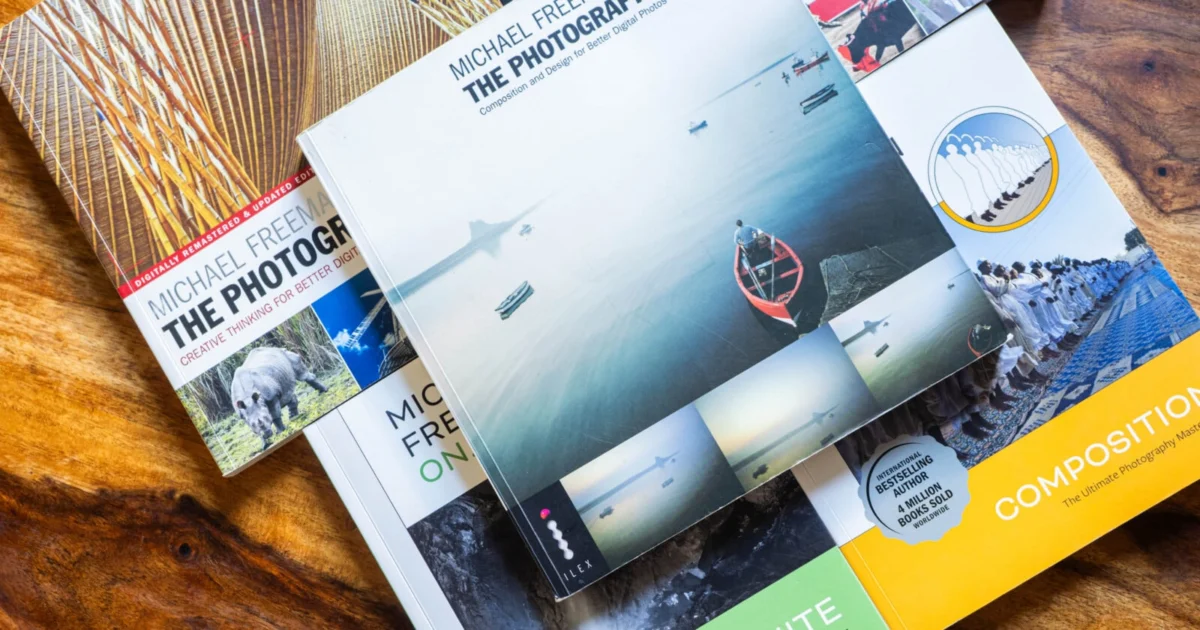
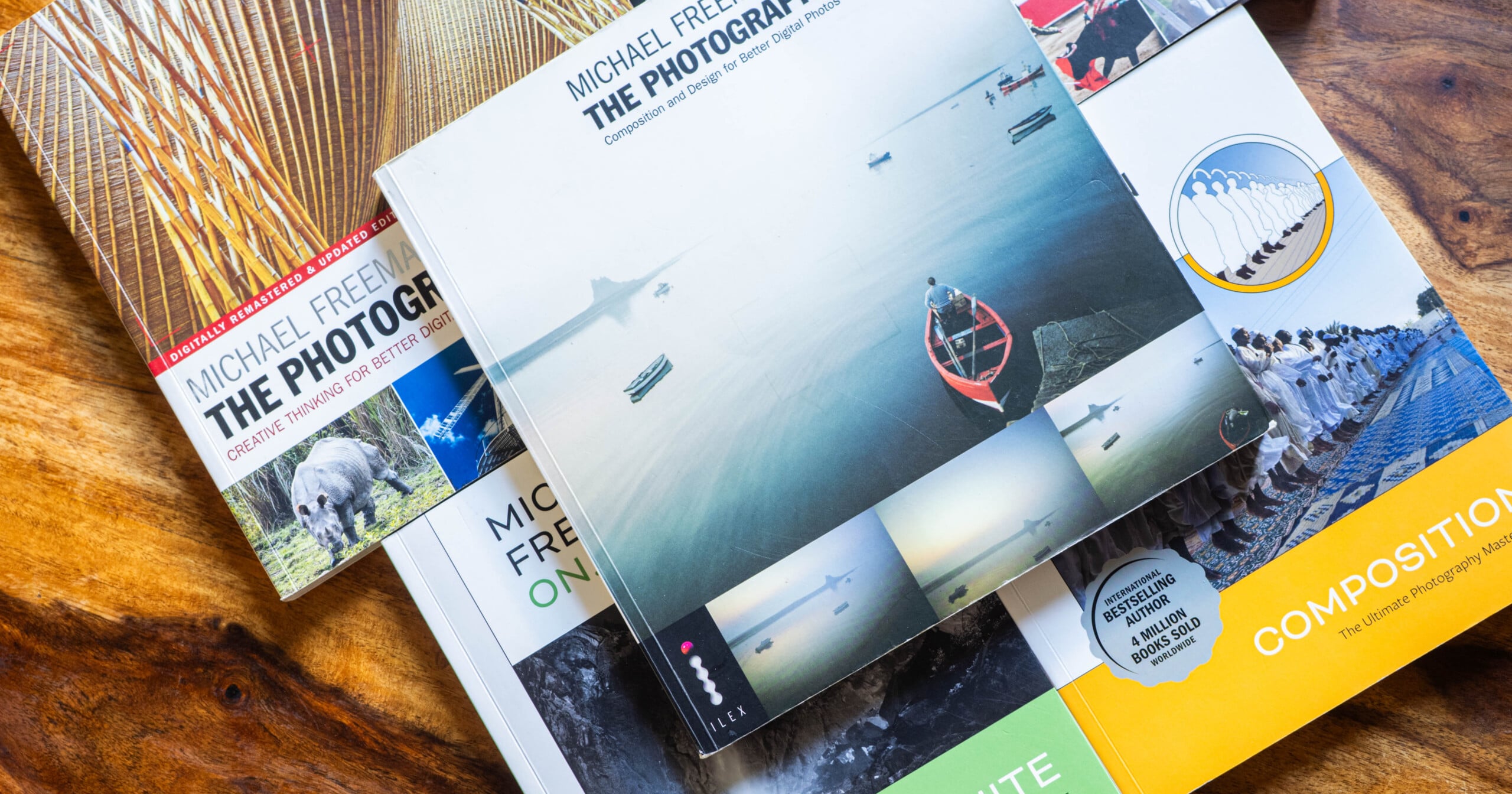
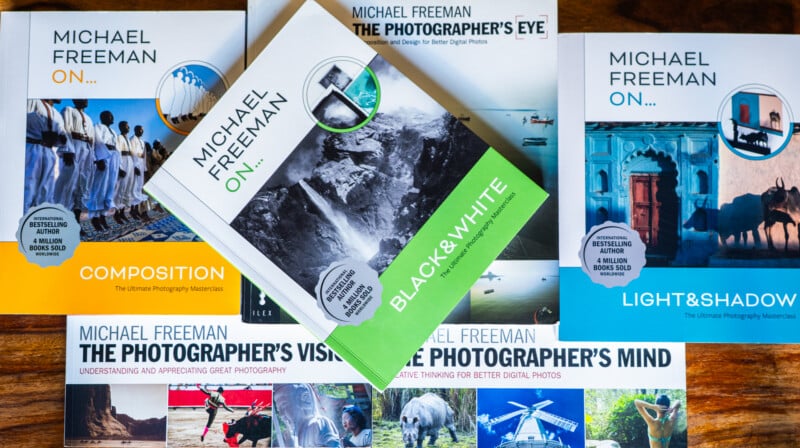
Michael Freeman’s Educational Canon: Michael Freeman is widely recognized as one of the foremost photographic educators globally, lauded for his meticulously researched, expertly illustrated, and clearly written books. His contributions are characterized by their ability to demystify complex topics and provide actionable insights.
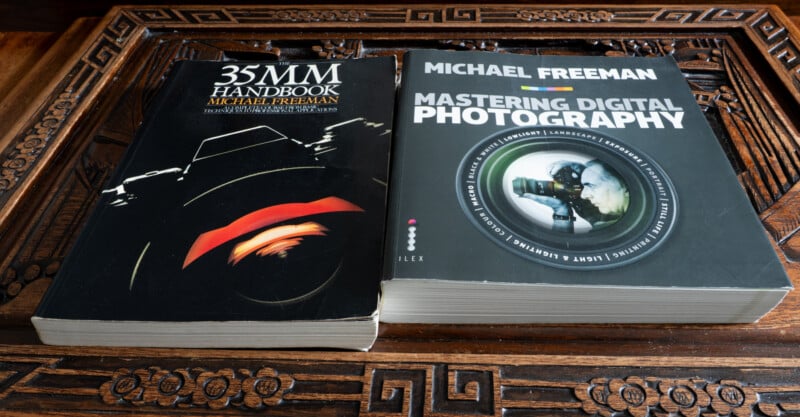
- "The 35mm Handbook" (1980): A foundational text for many, including this author, this Quarto Publishing Ltd (ISBN 0-711-2032-88) classic provides an impeccable introduction to film photography. While its sections on film and darkroom techniques are specific to analog, its lucid explanations of essential photographic principles—exposure, aperture, shutter speed, lenses, and composition—remain universally applicable to all forms of image-making.
- "Mastering Digital Photography" (Contemporary): An updated and expanded successor to his earlier works, this 640-page Ilex publication (ISBN 13: 978-907579-00-4) offers a comprehensive guide to modern digital photography, covering everything from camera settings and lighting to post-processing and workflow.
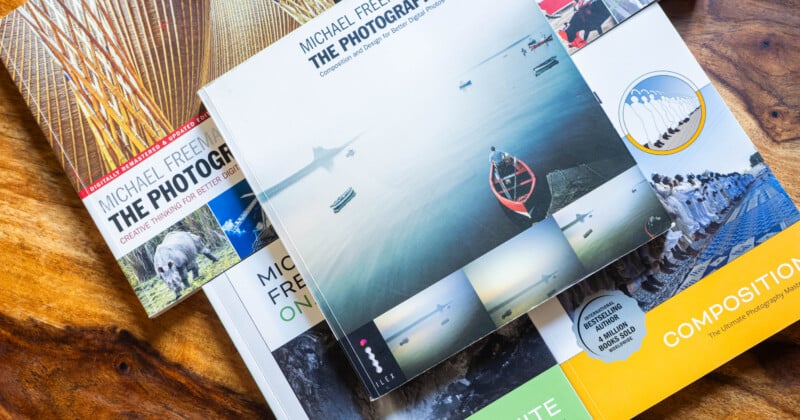
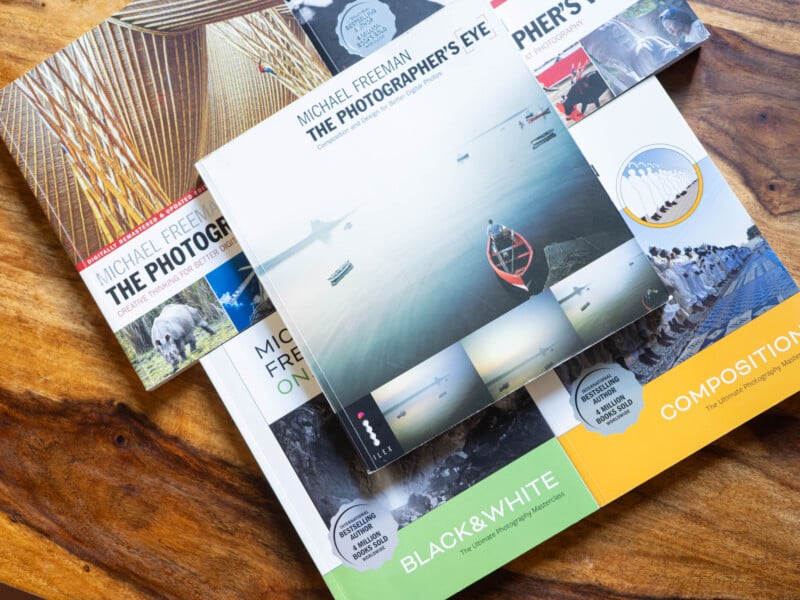
- "The Photographer’s Eye: Composition and Design for Better Digital Photos" (2007, revised recently): Published by Ilex (ISBN-10 1905814-04-6), this book transcends basic rules of composition. Freeman delves into the psychology of visual perception, exploring less commonly discussed aspects of design, visual weight, and the interplay of elements within the frame. It encourages photographers to think beyond rigid rules and develop a more intuitive and sophisticated understanding of visual aesthetics.
-
Wedding Photography Guides: The art of wedding photography demands a unique blend of technical skill, interpersonal finesse, and business acumen. These three titles, despite varying publication dates, offer complementary perspectives:
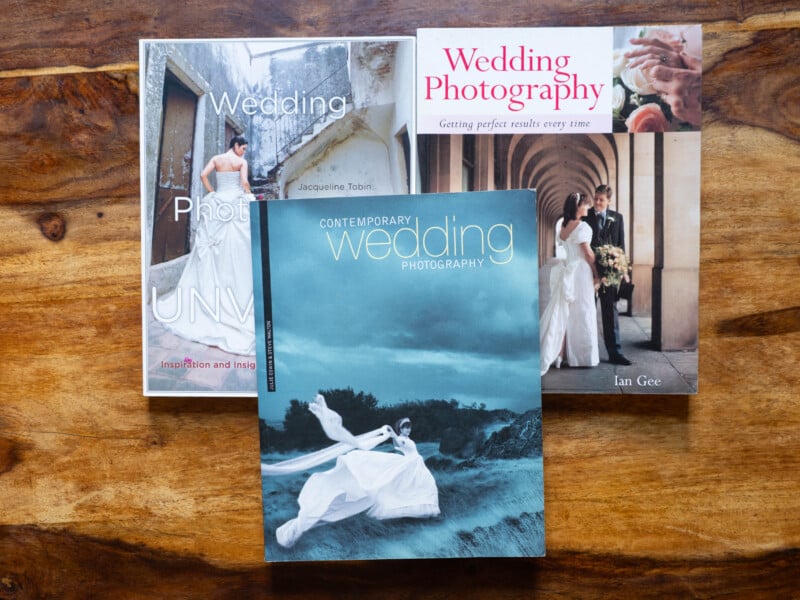
- "Wedding Photography" by Ian Gee (2001): Published by Collins and Brown (ISBN 1-85585-810-X), Gee’s book is a pragmatic guide covering not only shooting scenarios but also crucial business aspects like pricing strategies, copyright law, insurance, and even sample booking forms. Its holistic approach makes it valuable for aspiring and established wedding photographers alike.
- "Wedding Photography Unveiled" by Jacqueline Tobin (2009): This Amphoto Books publication (ISBN 9 780817 459109) features a collection of essays from 20 leading photographers, offering diverse insights into various wedding types, scenarios, and photographic styles. Its contemporary feel, even a decade after its release, speaks to the timelessness of the advice offered by these industry veterans.
- "Contemporary Wedding Photography" by Julie Oswin and Steve Walton (2006): While some aspects of this David & Charles title (ISBN 13: 978 0 7153 2461 5) may reflect the cultural contexts of its publication (primarily focusing on white, middle-class Christian weddings), it nonetheless provides solid guidance on capturing key moments, from pre-wedding preparations to ceremony and reception. Its value lies in its detailed breakdown of specific shooting scenarios, offering practical solutions for common challenges.
-
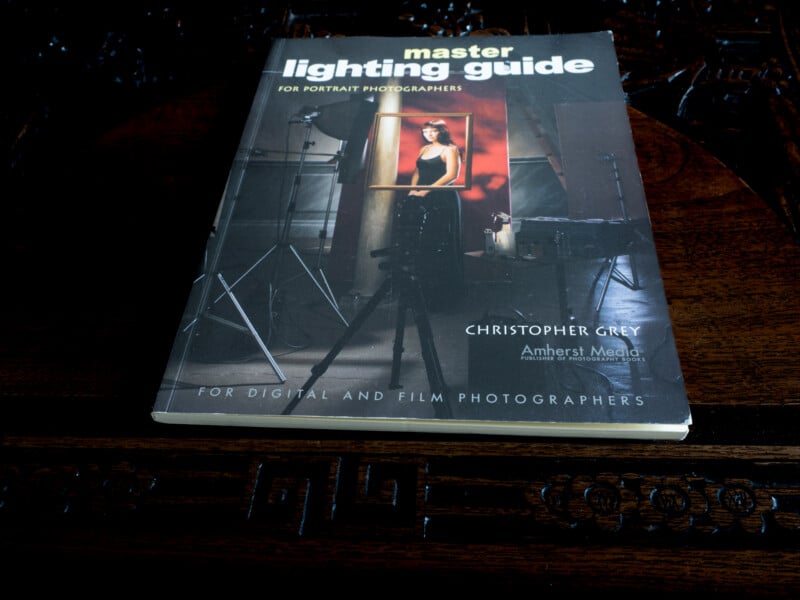
"Master Lighting Guide for Portrait Photographers" by Christopher Grey: An essential resource for anyone working with studio lighting, this Amherst Media publication (ISBN-13: 978-1-58428-125-2) provides a comprehensive education. Grey begins with the fundamental physics of light and a detailed overview of studio equipment before moving into the core of the book: dozens of meticulously explained lighting setups. Each setup is accompanied by illustrative photographs and clear diagrams, making it an invaluable reference for portrait photographers across all skill levels.
-
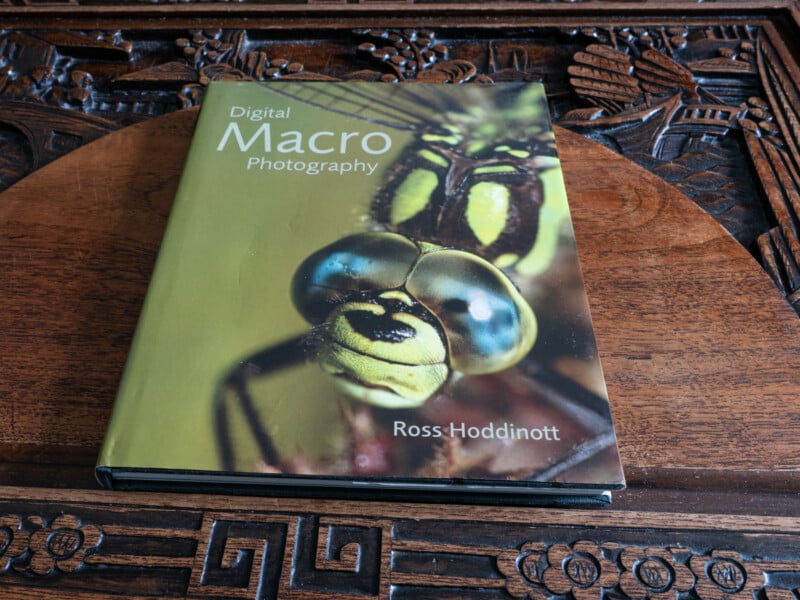
"Digital Macro Photography" by Ross Hoddinott: Despite featuring equipment from the early 2000s, this book from the Photographers’ Institute Press (ISBN 1 86108 452 8) remains a superb manual for macro techniques. Ross Hoddinott, a world-renowned macro photographer, distills complex concepts into accessible advice, covering subjects ranging from insects to flora. The principles of depth of field management, focus stacking, and careful subject approach discussed here are timeless and directly applicable to contemporary digital macro photography.
-
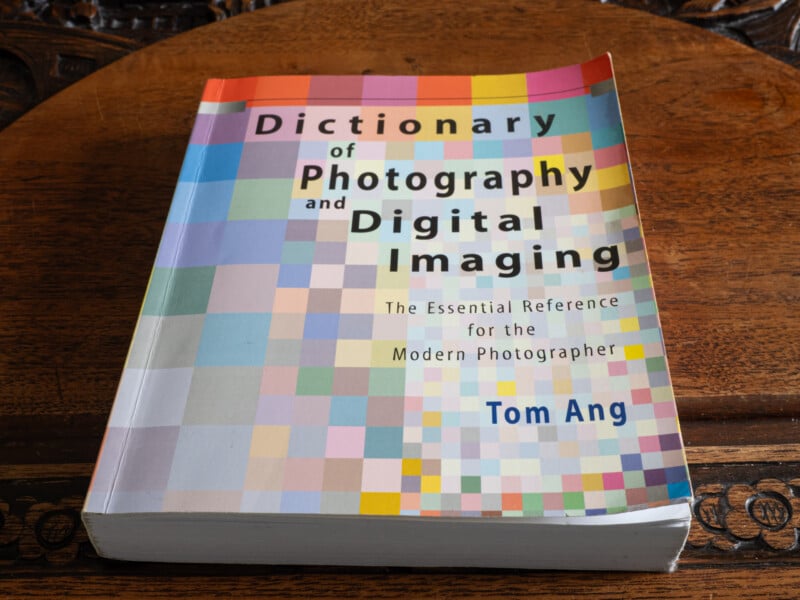
"Dictionary of Photography and Digital Imaging" by Tom Ang: In any technical field, precise terminology is paramount. Tom Ang’s dictionary (Argentum ISBN 1-209538-1-3-7) serves as an indispensable reference, clarifying everything from the intricacies of an Abbe Condenser to the functions of a Zone Plate. Its comprehensive coverage of optical, chemical, and digital terms ensures that photographers can confidently navigate the lexicon of their craft.
-
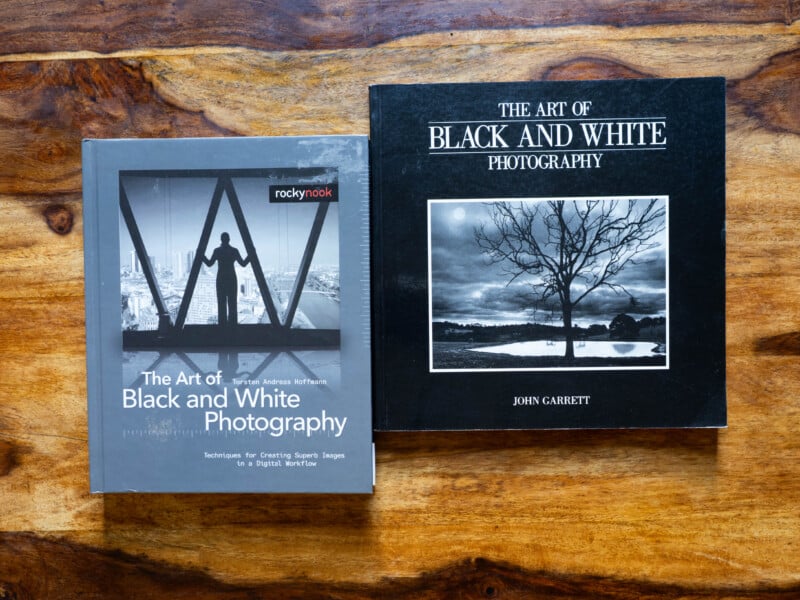
"The Art of Black and White Photography" (Two Editions): The enduring appeal of monochrome photography necessitates dedicated study.
- Torsten Andreas Hoffmann (Rocky Nook ISBN 078-1-933952-27-7): While its initial chapters on cameras and sensor sizes, and its concluding section on Photoshop CS3, are dated, the bulk of Hoffmann’s book offers profound insights into the aesthetics and craft of black-and-white photography. Its exploration of tonal range, contrast, and emotional impact remains highly relevant.
- John Garrett (Mitchel Beazley ISBN 1 85732 956 2): Published in 1990, Garrett’s book, while acknowledging film, primarily focuses on the artistic approach to different subjects in black and white. It delves into exposure and composition within the context of monochrome, providing a wide range of scenarios and fostering a deeper appreciation for the unique challenges and rewards of this classic medium.
III. Photo Books: Visual Inspiration from the Masters
Beyond instruction, visual inspiration from master photographers is crucial for artistic development. These books serve as galleries in print, offering lessons in composition, storytelling, and emotional resonance.
-
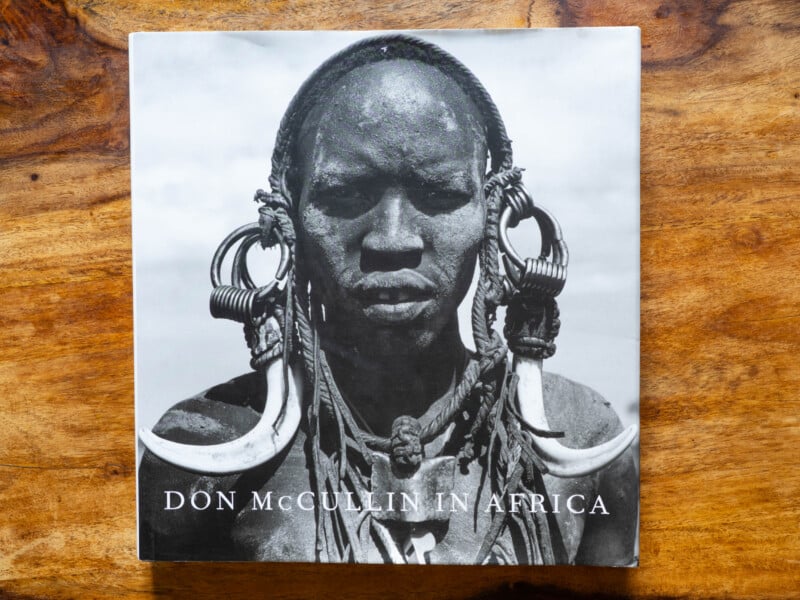
"Don McCullin in Africa" (Jonathan Cape ISBN 0-224-075144): Though best known for his harrowing war photography, Don McCullin’s work in Africa reveals another facet of his extraordinary talent. This book showcases his profound ability to connect with subjects, capturing compelling group shots, intimate portraits, and evocative scenes of daily life. McCullin’s impeccable eye for composition and his capacity to convey the dignity and resilience of people living vastly different lives offer powerful lessons in humanitarian documentary photography.
-
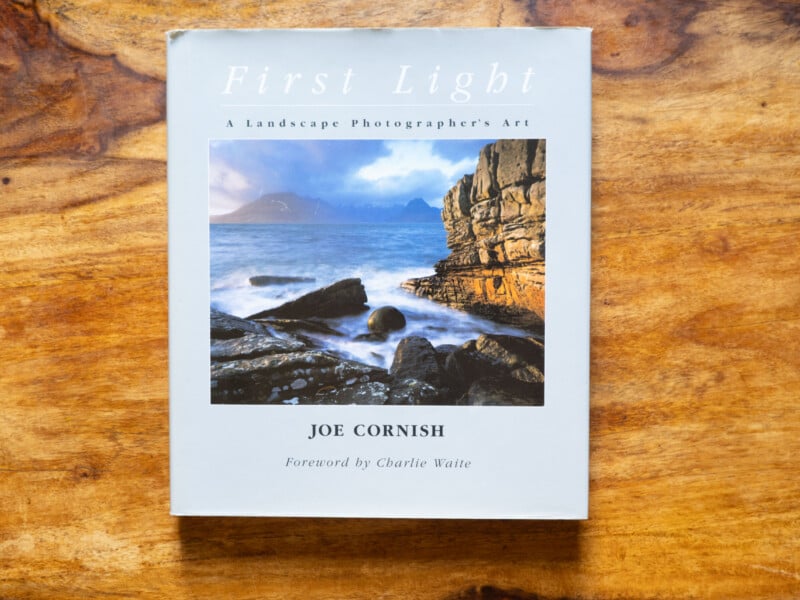
"First Light, A Landscape Photographer’s Art" by Joe Cornish (Jonathan Cape ISBN 0 224 075144): Joe Cornish is a titan in landscape photography, and this book is a testament to his mastery. His images, initially appearing digital due to their remarkable sharpness and vibrant colors, were actually captured on Fuji Velvia film using an Ebony 455 Field Camera. This detail underscores the meticulous craft and profound understanding of light, color, line, shape, and form that defines his work. For any aspiring or established landscape photographer, this book is a wellspring of inspiration, demonstrating the pinnacle of the genre.
-
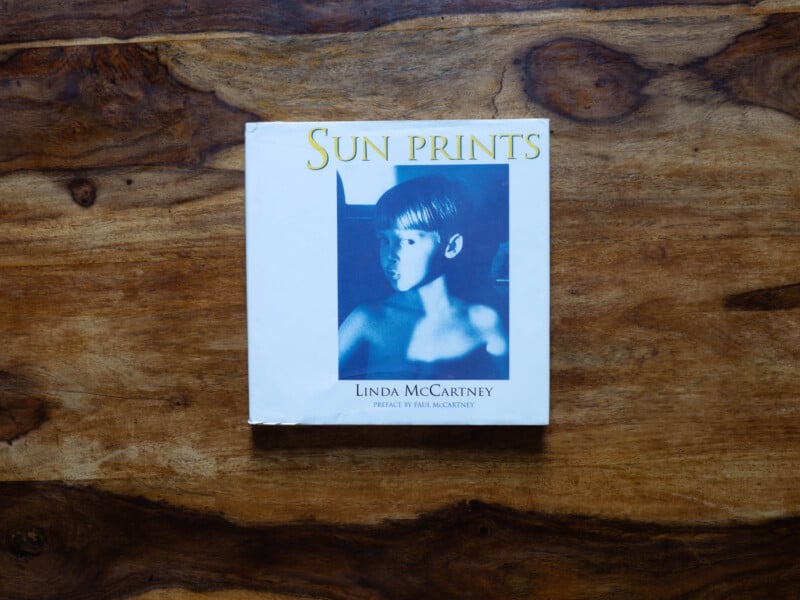
"Sun Print" by Linda McCartney (Bulfinch ISBN 0-8212-2737-8): The late Linda McCartney was a photographer of immense talent and experimental spirit. "Sun Print" is a fascinating collection of her cyanotypes and silver-salted paper prints, showcasing her exploration of alternative photographic processes. Pleasingly, the book includes "recipes" for recreating these historical techniques, offering both artistic inspiration and practical guidance for those interested in analog experimentation.
-
"Eye to Eye" by Frans Lanting (Taschen ISBN 3-8228-2830-0): Frans Lanting is globally acclaimed for his unparalleled wildlife photography. "Eye to Eye" presents a curated selection of his most iconic images, demonstrating his extraordinary ability to capture the essence of animals and their environments. The book offers profound lessons in patience, observation, and the ethical considerations inherent in photographing the natural world.
IV. Books to Inspire: Broadening Creative Horizons
Creativity extends beyond the technical confines of photography. These books, while not exclusively about photography, offer universal insights into the creative process, motivation, and critical thinking.
-
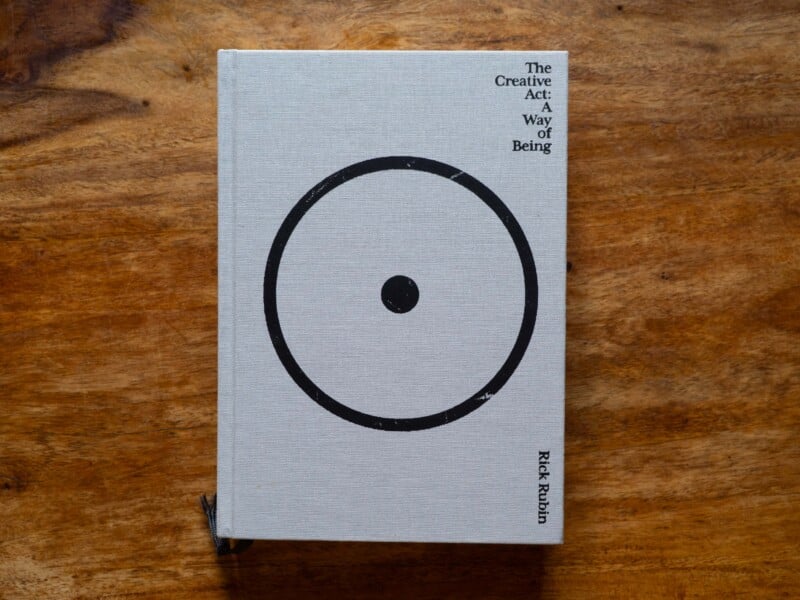
"The Creative Act: A Way of Being" by Rick Rubin and Neil Strauss (Canongate ISBN 978-1-83885-863-6): This remarkable book, co-authored by legendary music producer Rick Rubin, offers exceptionally good advice for fostering creativity in any field. Designed to be opened at random, its insights reinforce or challenge existing beliefs about the artistic process, providing guidance on intuition, originality, and overcoming creative blocks. Its universal applicability makes it a valuable companion for photographers seeking to deepen their artistic practice.
-
"Old Masters and Young Geniuses: The Two Life Cycles of Artistic Creativity" by David W. Galenson (Princeton University Press ISBN: 978-0-691-13380-5): Galenson’s fascinating volume explores two distinct trajectories of artistic creativity: the "conceptual innovators" who make early, radical breakthroughs, and the "experimental masters" who refine their vision over a lifetime. Understanding these different creative archetypes can provide photographers with valuable insights into their own artistic development and the diverse paths to mastery.
-
"Art and Fear: Observations On the Perils (and Rewards) of Artmaking)" by David Bayles and Ted Orland (Image Continuum, ISBN-13 978 0 9614547 3 9): This slim but profound volume addresses the universal struggles faced by all artists: self-doubt, perfectionism, the challenge of sustaining creative output amidst daily life, and the quest for a unique artistic voice. It offers solace and practical wisdom, reminding photographers that the difficulties of creation are an inherent part of the journey.

-
"Ways of Seeing" by John Berger (Penguin Classics ISBN 978-0-141-03579-6): John Berger’s seminal work revolutionized art criticism and visual literacy. It challenges readers to deconstruct how images are perceived and interpreted, influenced by cultural beliefs about beauty, truth, and civilization. For photographers, "Ways of Seeing" is essential reading, fostering a critical awareness of how images communicate, manipulate, and shape understanding, thereby enhancing their ability to create more impactful and meaningful work.
Conclusion
In an age dominated by fleeting digital content, the enduring value of physical photography books—especially those from past decades—cannot be overstated. They serve as invaluable repositories of knowledge, history, and artistic inspiration, offering depth and perspective that are often absent from the rapid-fire information streams of the internet. From foundational technical manuals to profound historical surveys and breathtaking visual portfolios, these books provide a tactile and intellectually enriching experience. Building a personal library of such resources is not merely an act of collecting; it is an investment in continuous learning, a connection to the rich lineage of photographic art, and a powerful catalyst for personal creative growth. Photographers at all stages of their journey are encouraged to explore these timeless volumes and discover the profound insights waiting within their pages.