The photography world is witnessing a significant shift in lens functionality, spearheaded by Tamron’s innovative Lens Utility App. This robust software, now dramatically expanded to include iOS compatibility and wireless connectivity via the new Tamron Link Bluetooth dongle, offers photographers unprecedented electronic control over their lenses. Features such as the ability to execute precise focus pulls during a timelapse sequence, customizable focus ring responses, and savable focus marks position Tamron as a frontrunner in integrating sophisticated software with optical hardware, directly addressing long-standing user frustrations with modern lens design.
The Evolution of Lens Control: From Mechanical Precision to Electronic Nuance
For decades, photographers relied on the tactile, mechanical control of their lenses. Focus rings, aperture rings, and focus limiters were directly linked to the physical movement of lens elements, providing immediate and predictable feedback. This mechanical lineage ensured a consistent user experience, where a specific turn of the focus ring always resulted in a precise and repeatable change in focus distance. However, the advent of mirrorless camera systems, driven by demands for smaller, lighter, faster, and sharper optics, necessitated a fundamental redesign of lens mechanics.
Over the past ten years, lens design has largely transitioned from direct mechanical control to electronic "focus-by-wire" systems. In this modern paradigm, rotating the focus ring no longer directly shifts lens elements; instead, it activates a motor that electronically adjusts the focus. While this electronic control facilitates more compact designs, faster autofocus speeds, and enhanced optical performance, it often introduces a perceived "disconnection" between the user’s input and the lens’s response. This feedback loop, or lack thereof, has been a contentious point among many photographers and videographers, leading to widespread discussions and even dedicated content exploring the perceived shortcomings of electronic focus systems. The trade-off was largely accepted as a necessary compromise for the benefits of mirrorless technology, with the expectation that this would be the prevailing standard moving forward.
Tamron’s Initial Foray: The Lens Utility App and USB-C Integration
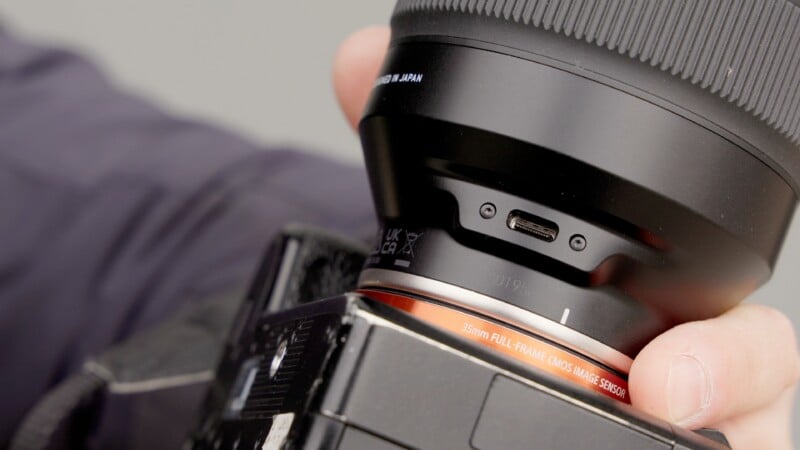
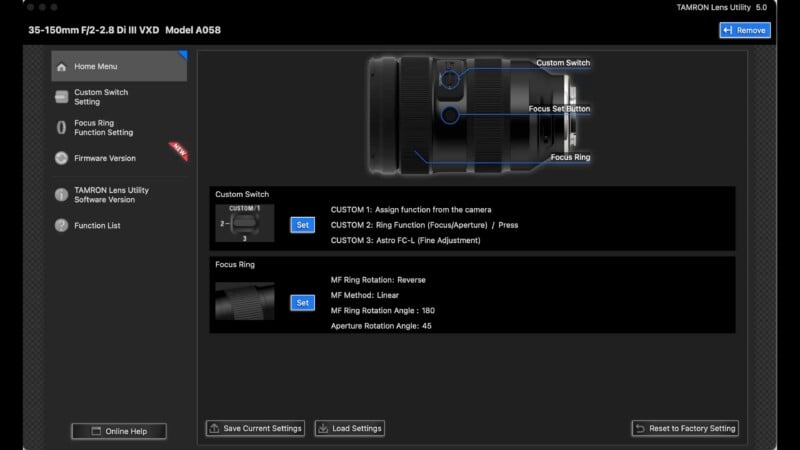
Tamron, a prominent third-party lens manufacturer, began to challenge this established norm with the introduction of its mirrorless lenses featuring a USB-C port located conveniently beside the lens mount. This port allowed direct connection to Tamron’s desktop Lens Utility App, initially offering a suite of customization options. While these early features were considered cool, their utility often remained limited to initial setup and minor adjustments, not fundamentally altering the shooting experience in real-time or on location. Users could adjust parameters, but the interaction largely remained tethered to a computer, limiting spontaneous creative application.
A New Chapter: Mobile Expansion and Wireless Connectivity
The true paradigm shift arrived with the dramatic expansion of the Lens Utility App to mobile platforms, now available for iOS and significantly enhanced for both desktop and Android. This mobile integration is a game-changer, moving lens customization and control from a static, pre-shoot activity to a dynamic, on-the-fly capability.
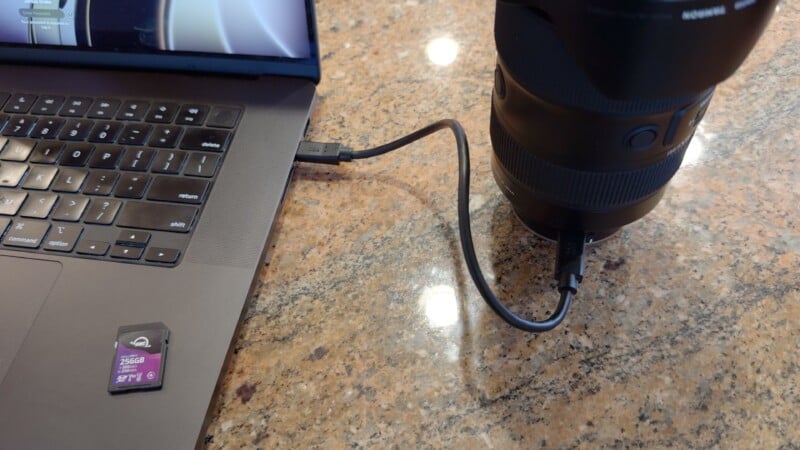
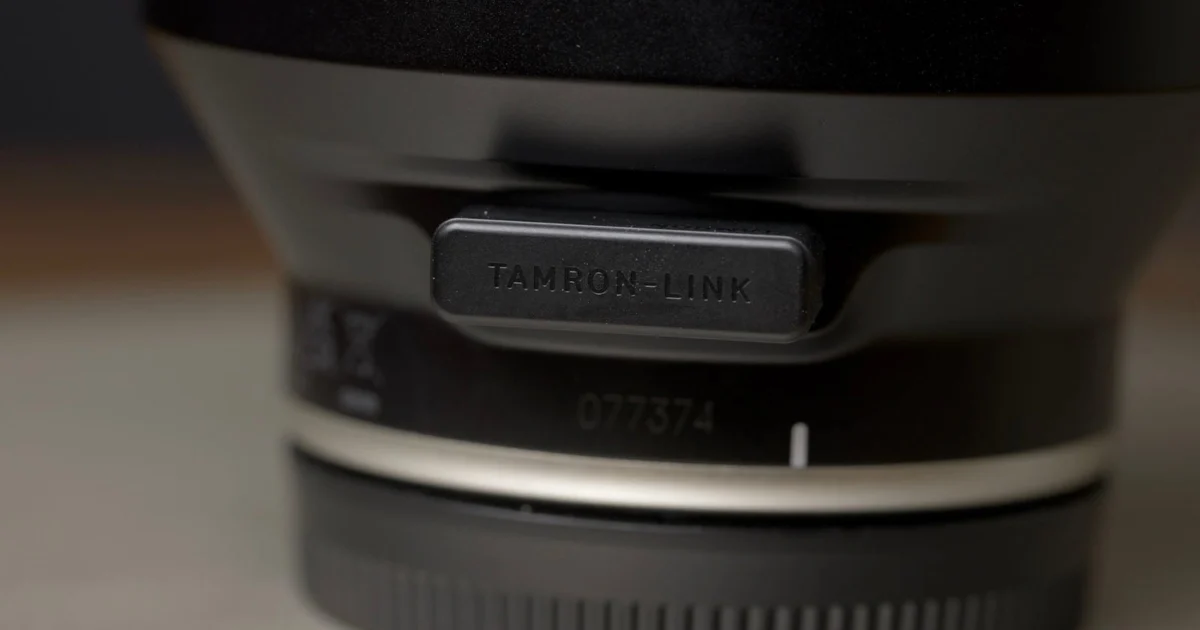
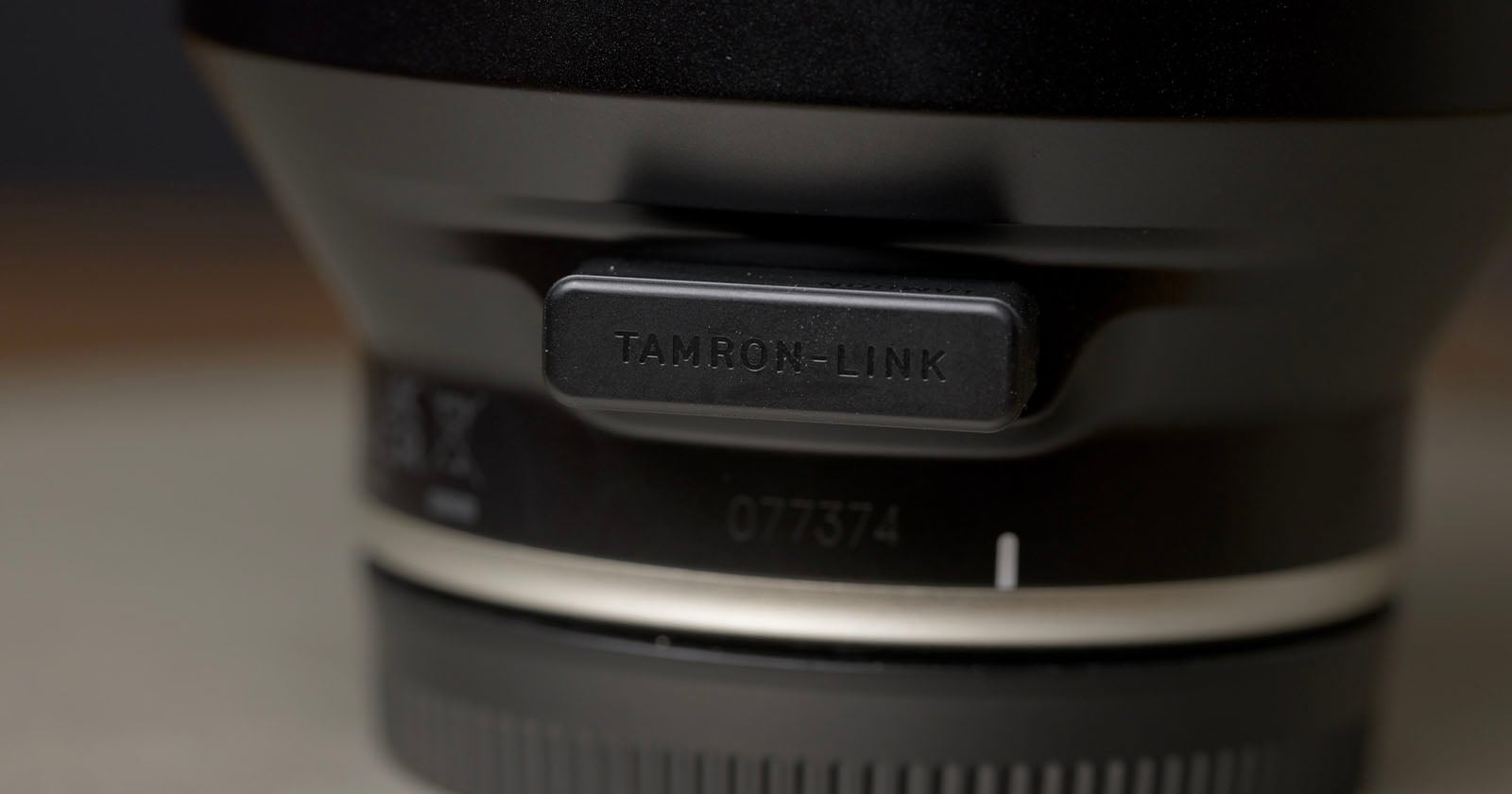
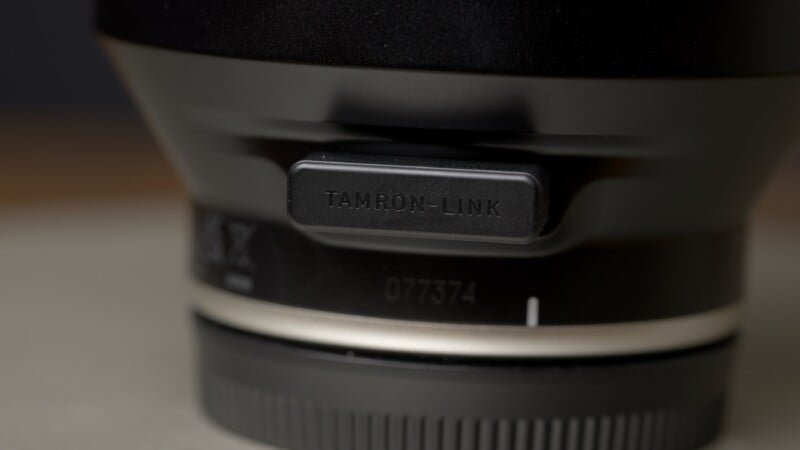
Crucially, Tamron recently released the Tamron Link, a dedicated $50 Bluetooth attachment. This compact dongle enables wireless connectivity between compatible Tamron lenses and the Lens Utility App on mobile devices, liberating photographers from cumbersome cables in the field. This wireless bridge is particularly noteworthy for iOS users, as it currently serves as the only method for connecting to Apple smartphones; a cabled connection to iOS devices is not supported. While the convenience of wireless control is undeniable, this iOS-specific limitation for cabled connections raises considerations for scenarios demanding absolute connection stability, such as long-duration timelapses where any interruption could compromise the entire sequence. Industry observers anticipate that Tamron may address this in future updates, potentially offering wired iOS support for critical applications.
Unlocking Creative Potential: A Deep Dive into App Features
The Tamron Lens Utility App, especially with its recent enhancements and wireless capabilities, offers an array of features that redefine lens interaction and unlock new creative avenues for photographers and videographers.
1. Comprehensive Lens Control Customization:
The app provides granular control over fundamental lens operations, allowing users to tailor their lenses to their specific preferences and shooting styles.
- Focus Ring Direction: Photographers can set the focus ring rotation direction to match their muscle memory, aligning it with either Canon/Sony camera conventions or Nikon camera conventions. This seemingly minor adjustment significantly enhances ergonomic comfort and reduces cognitive load during manual focusing.
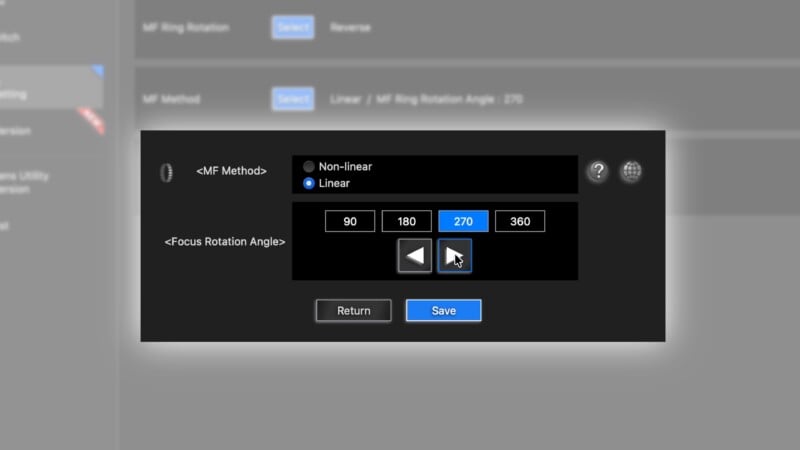
- Linear Focus Response: A standout feature for videographers and those requiring precise manual focus, the linear focus response ensures that a given degree of focus ring rotation consistently corresponds to a specific change in focus distance. This eliminates the often-criticized variable response of traditional focus-by-wire systems, making repeatable focus pulls (rack focusing) accurate and predictable – a critical requirement for professional video production.
- Adjustable Focus Throw: Users can customize the total degrees of rotation required to transition from minimum focus distance to infinity. Options range from a very short, rapid throw for quick adjustments to an extended, long throw (e.g., 360 degrees) for extremely fine and precise focus adjustments, catering to both stills photography and cinematic applications.
2. Enhanced Custom Button Functionality:
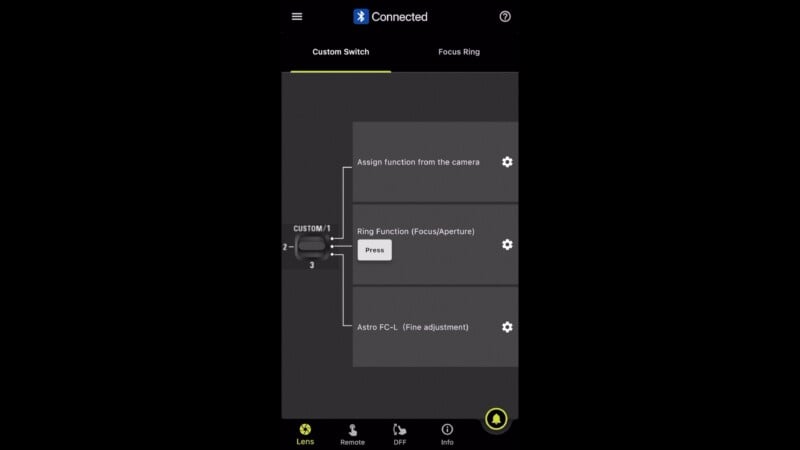
Beyond standard camera-assigned functions, the app allows Tamron’s custom lens buttons to access innovative new tricks.
- Astro Fine Tune: A particularly valuable feature for astrophotographers, "Astro Fine Tune" enables users to set and recall a perfect infinity focus mark with a single button press. Achieving critical focus on distant stars is notoriously challenging, and this feature streamlines the process, ensuring sharp celestial images without repeated manual adjustments in low light. This function is a testament to Tamron’s understanding of specialized photographic needs.
3. Advanced Focus and Aperture Controls:
The latest updates introduce a highly intuitive interface for focus and aperture control that mimics the tactile experience of traditional indexed lenses.
- Responsive Interface: The app’s interface provides impressive responsiveness, allowing users to control focus and aperture with precision directly from their mobile device.
- Programmable Focus/Aperture Marks (A, B, C): Users can set up to three distinct focus or aperture marks (A, B, C) by holding down the corresponding button in the app. Tapping these letters instantly jumps the lens to the predefined setting.
- Customizable Transition Speeds and Ramping: Making these programmable marks even more powerful, users can specify the duration of the focus transition between marks. Furthermore, the app allows for "ramping" during transitions, meaning the focus movement can smoothly accelerate and decelerate, mimicking professional cinematic focus pulls. This capability is exceptionally useful for product photography, where smooth, controlled focus transitions highlight product features, and also for advanced filmmaking techniques.
4. Revolutionary Timelapse Capabilities:
Perhaps the most exciting development is the app’s ability to execute extremely slow and controlled focus and exposure transitions while shooting a timelapse. Traditionally, achieving such effects required expensive, bulky mechanical follow focus systems and dedicated motion control rigs.
- Software-Driven Focus Pulls: The Tamron Utility App allows users to dial in a custom duration for focus pulls or engage pre-set durations, such as a 90-second pull, mid-timelapse. This means a photographer can capture a dramatic scene, gradually shifting focus from a foreground element to a distant landscape over the course of many minutes, all controlled digitally through the lens. This capability dramatically simplifies complex timelapse sequences, making them accessible to a broader range of creators without significant investment in additional hardware.
Limitations and the Vision for Industry Integration
Despite its groundbreaking features, the Tamron Lens Utility App currently operates with a key limitation: it can only control the lens, not the camera body itself. This means that while focus and aperture can be manipulated, the app cannot trigger the camera’s shutter for timelapses, nor can it provide a live video feed from the camera while pulling focus. Users must still configure camera intervals separately and rely on external monitors or wireless video transmitters for real-time visual feedback during dynamic focus operations.
This limitation highlights a broader opportunity for the photography industry. While apps like Panasonic’s Lumix Sync offer robust camera control and live feeds, they lack the deep lens-specific customization and advanced focus/aperture transition capabilities found in Tamron’s offering. The ideal solution, as many industry professionals suggest, would be an integrated ecosystem where camera manufacturers collaborate with or adopt similar technologies from lens makers, allowing seamless control over both camera functions and advanced lens features from a single, unified interface. Such integration would unlock unprecedented creative workflows and efficiencies.
Market Impact and Competitive Landscape
Tamron’s Lens Utility App represents a significant competitive advantage in the crowded mirrorless lens market. By offering advanced software-driven features that enhance creative control and streamline complex shooting techniques, Tamron is differentiating itself from both first-party manufacturers (Canon, Sony, Nikon) and other third-party competitors (Sigma, Viltrox, etc.).
- User Empowerment: For photographers and videographers, these features translate into enhanced creative possibilities, reduced need for specialized external gear (e.g., follow focus systems for timelapses), and more efficient workflows. The ability to program precise focus transitions, for instance, could save hours in post-production for product videographers.
- Tamron’s Strategic Positioning: This move positions Tamron not merely as a manufacturer of optically excellent lenses, but as an innovator in the burgeoning field of "smart lenses" – optics that leverage software to expand their functional capabilities beyond traditional hardware limitations. This could significantly influence purchasing decisions, particularly for hybrid shooters who demand both high-quality stills and advanced video features. Industry sales data from recent years indicates a growing demand for versatile equipment capable of meeting diverse creative needs, a trend Tamron is capitalizing on effectively.
- Pressure on Competitors: The introduction of such sophisticated software functionality places considerable pressure on other lens manufacturers. First-party brands, which often guard their proprietary communication protocols jealously, may be compelled to develop similar features or risk falling behind in user experience. Other third-party manufacturers might find it challenging to replicate Tamron’s integrated hardware-software approach without similar foresight in lens design (e.g., built-in USB-C ports). The cost-benefit analysis for competitors developing similar apps would need to weigh the significant R&D investment against potential market share gains.
- Industry Trends: This development underscores a broader trend in photographic technology: the increasing convergence of hardware and software. As cameras and lenses become more sophisticated, the role of accompanying software in unlocking their full potential is becoming paramount. Tamron’s approach suggests a future where lenses are not just optical instruments but intelligent, programmable tools.
Looking Ahead: The Future of Lens Technology
The implications of Tamron’s Lens Utility App extend beyond current capabilities. The modular nature of software updates means that new features can be rolled out periodically, potentially adding even more sophisticated control options in the future. The idea of a compatible Tamron power zoom lens, for example, could offer unprecedented creative flexibility for videographers, allowing for smooth, programmable zoom transitions in addition to focus and aperture control.
Tamron’s commitment to enhancing the user experience through integrated software solutions is a clear signal to the rest of the industry. It prompts a crucial question: why have other major manufacturers not pursued similar paths, especially given the electronic nature of modern lens controls? While the reasons may involve complex proprietary systems, development costs, or differing strategic priorities, Tamron has demonstrably proven the immense value and demand for such innovation. For many photographers and videographers, the ability to seamlessly rack focus during a timelapse or program nuanced aperture shifts is not just a novelty, but a powerful tool that transforms creative possibilities, offering a tangible sense of empowerment and satisfaction previously unattainable without significant investment in specialized gear. Tamron has, in essence, brought cinematic-level lens control to the fingertips of a wider audience, marking a significant milestone in photographic equipment evolution.