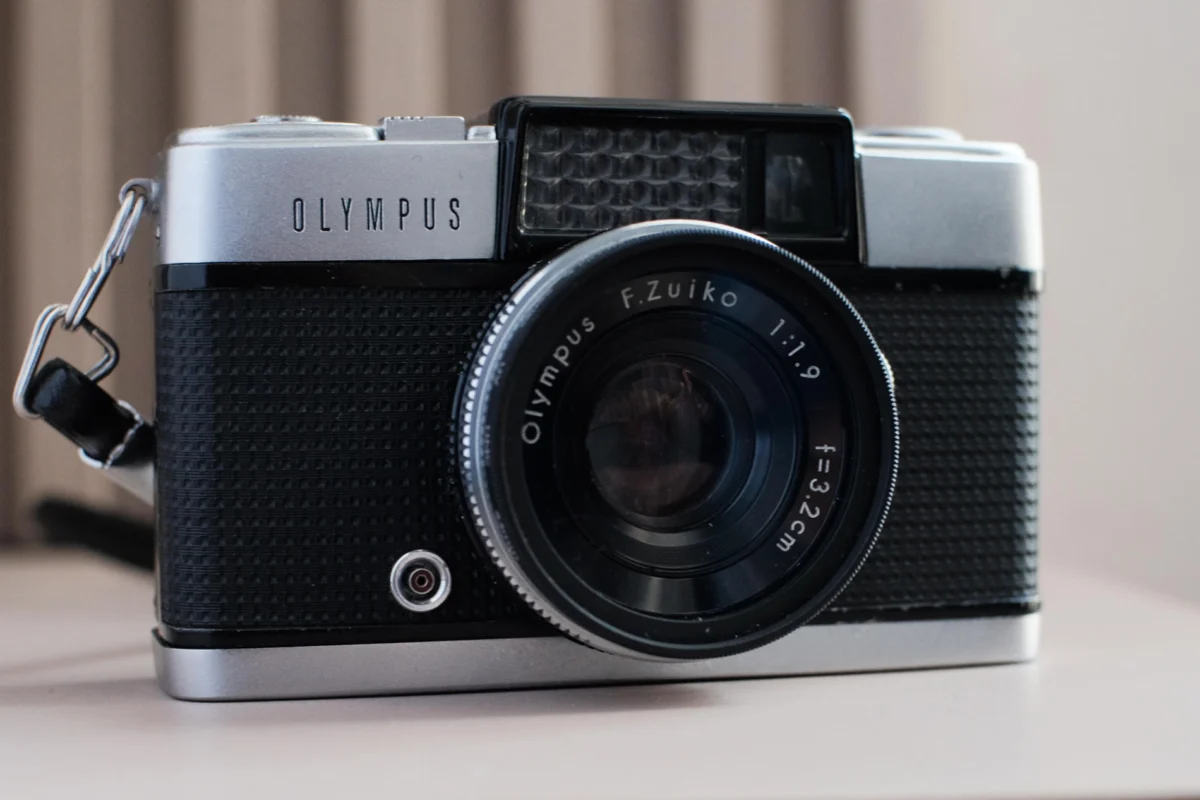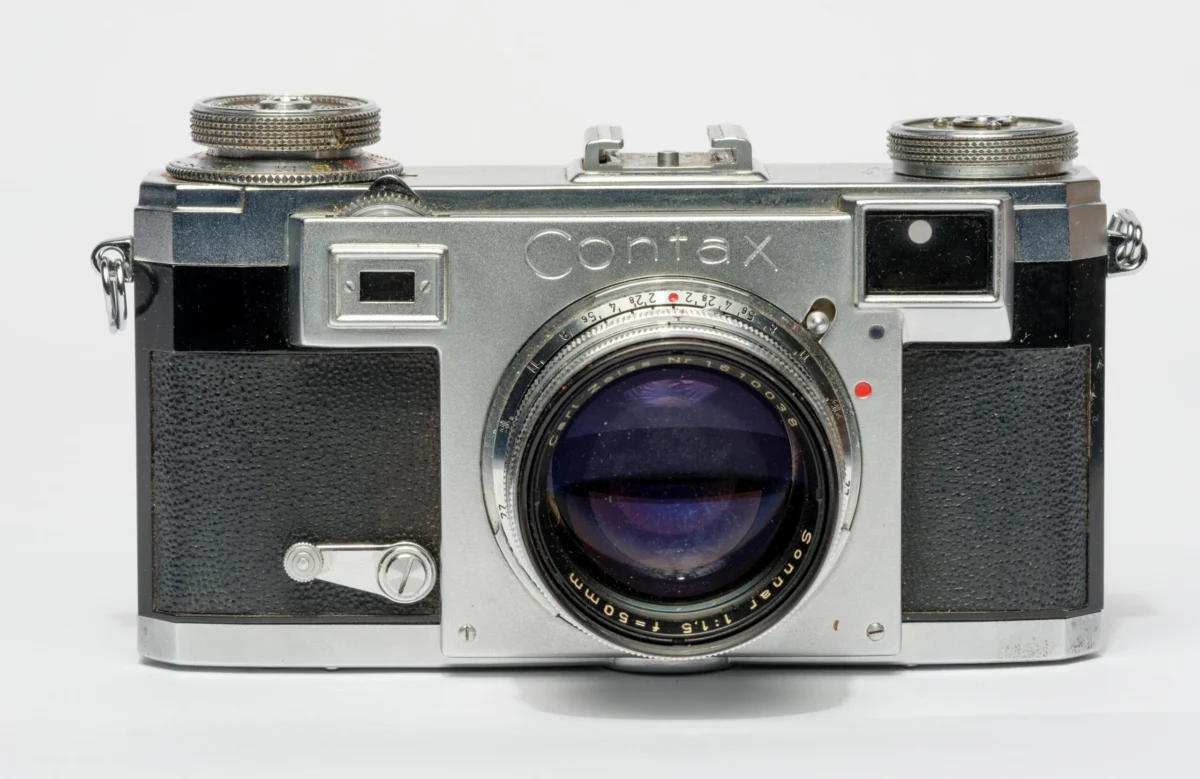
The resurgence of analog photography in the digital era has transformed from a niche hobby into a significant cultural movement, characterized by the restoration of mid-20th-century precision optics and mechanical camera systems. This trend was recently highlighted by the acquisition and subsequent field testing of a high-value vintage photographic kit, centered around a Contax Zeiss Ikon IIa, a camera widely regarded as a pinnacle of German engineering. The collection, which had remained in private storage for decades, was transferred from a private estate to a professional photographer and historian, marking the beginning of a comprehensive technical evaluation and restoration process that underscores the enduring viability of film-based imaging in a contemporary context.
Technical Inventory and Historical Significance of the Zeiss Ikon System
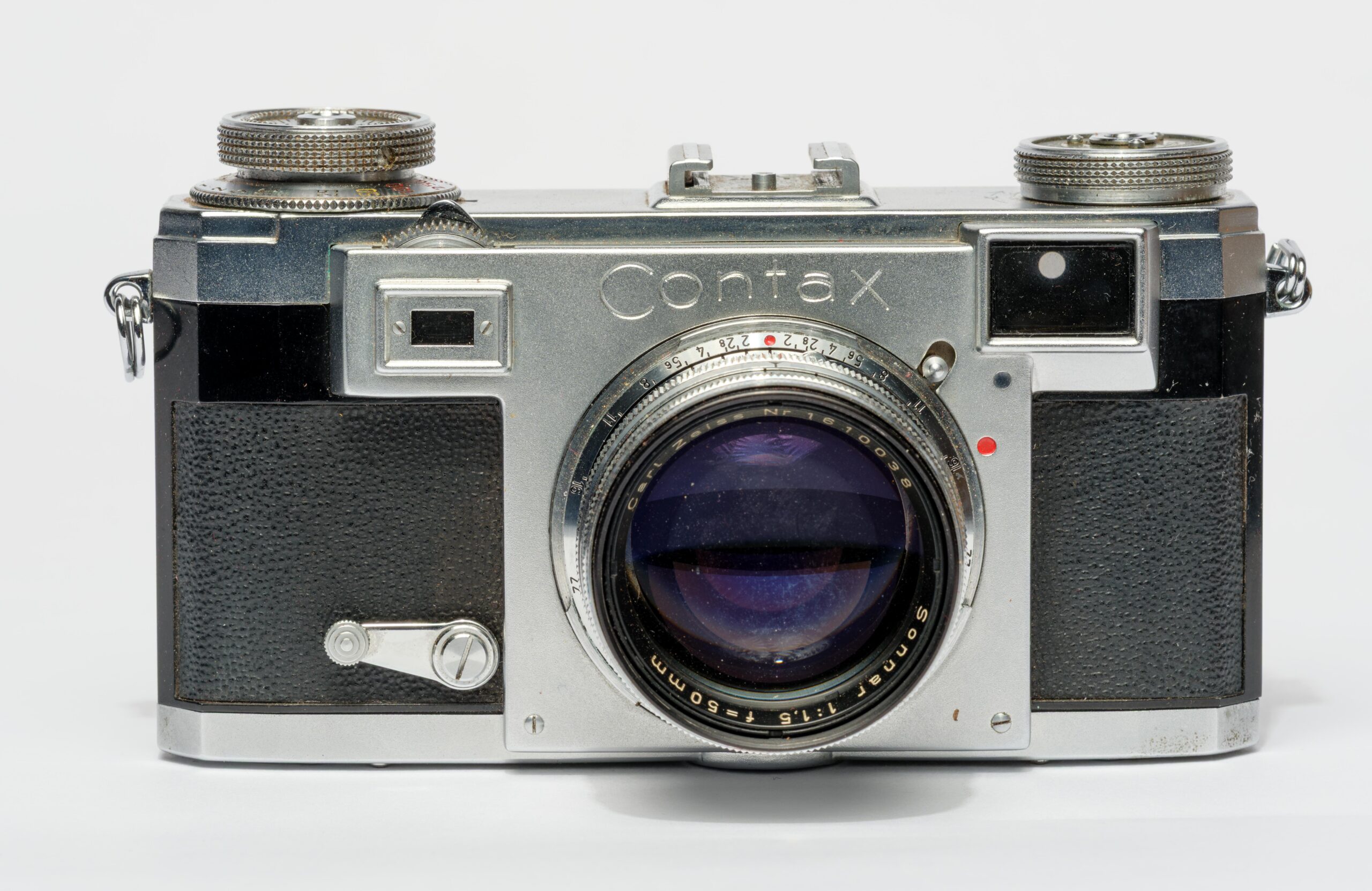
The primary component of the acquired kit is the Contax IIa, a rangefinder camera produced by Zeiss Ikon in Stuttgart, West Germany, between 1950 and 1961. This specific model represents the post-war refinement of the original Contax II, which gained international fame in the hands of photojournalists such as Robert Capa. Notably, the Contax system was the primary rival to Leica during the mid-20th century, offering several technical advantages that appealed to professional combat and news photographers.
Accompanying the Contax IIa was a Zeiss Opton Sonnar 50mm f/1.5 lens. The Sonnar design, pioneered by Ludwig Bertele in the early 1930s, is celebrated for its high speed, compact size, and distinctive rendering of out-of-focus elements, commonly referred to as "bokeh." In historical contexts, the combination of a Contax body and a fast Sonnar lens was the standard for low-light reportage before the advent of high-sensitivity digital sensors.
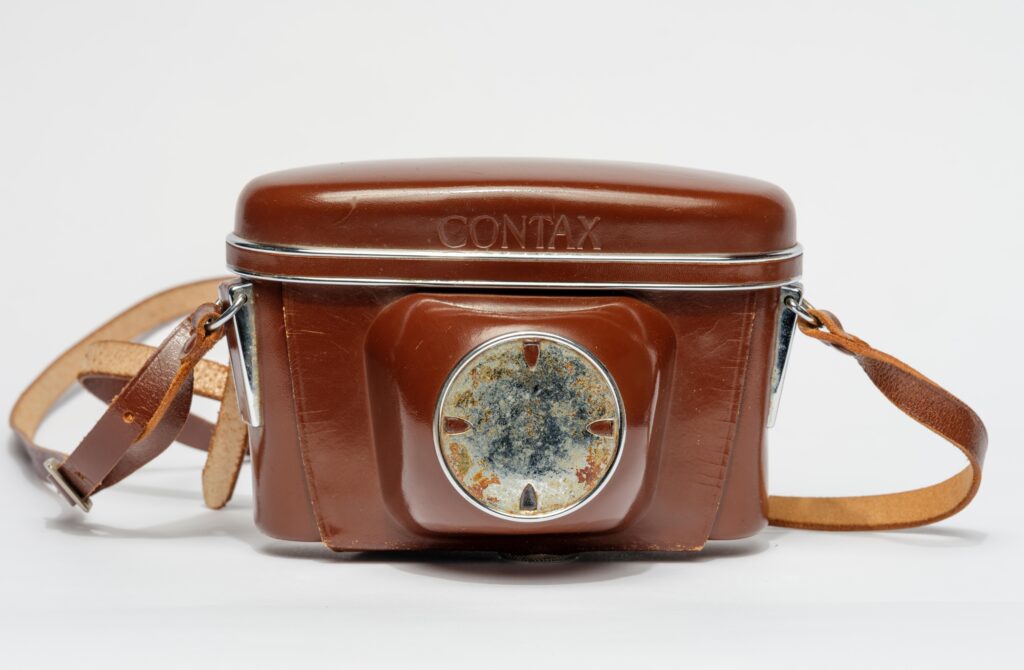
The broader inventory included several other significant pieces of photographic history:
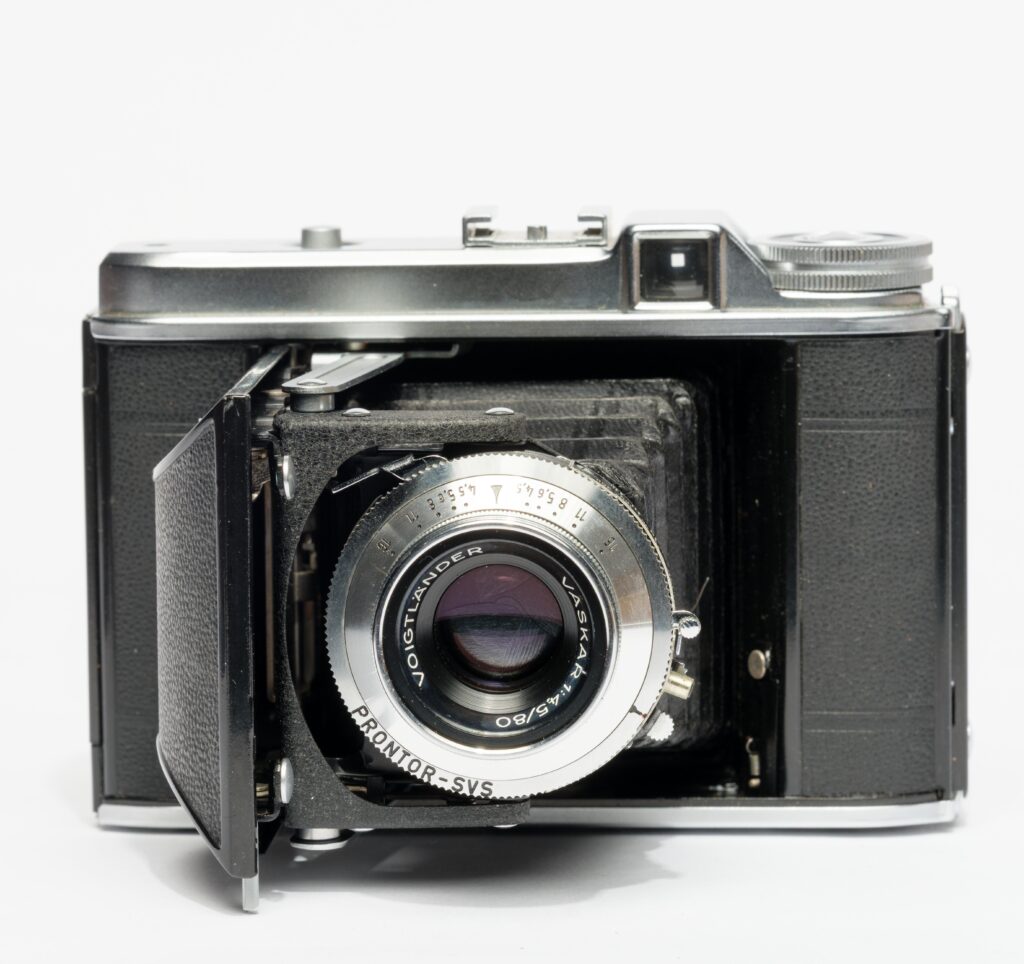
- Voigtländer Perkeo I: A compact medium-format folding camera designed for 6×6 exposures on 120-roll film. Produced in the early 1950s, the Perkeo series is renowned for being among the smallest medium-format cameras ever manufactured.
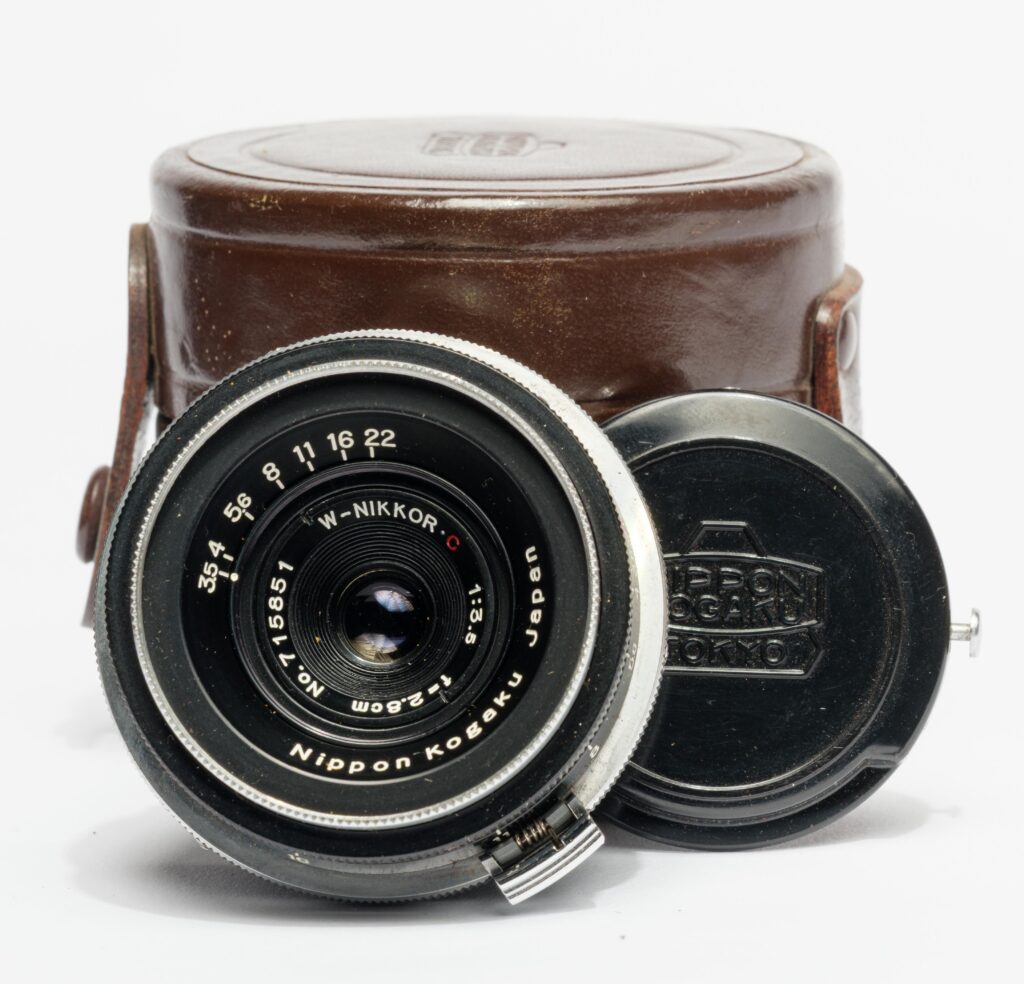
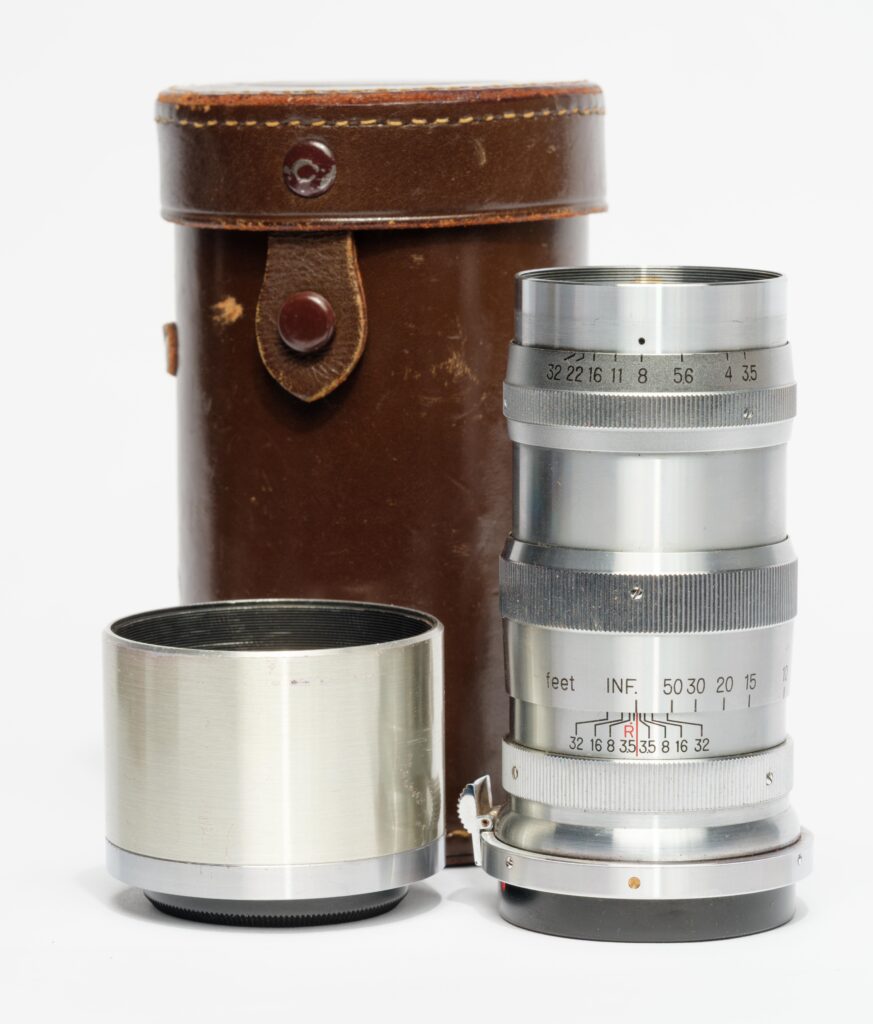
- Nikkor-S 135mm f/4 and 28mm f/3.5 Lenses: These lenses utilize the "S-mount" system, a bayonet mount compatible with Contax and Nikon rangefinders. The presence of these lenses indicates a sophisticated original owner who sought to expand the focal range of the system beyond the standard 50mm perspective.
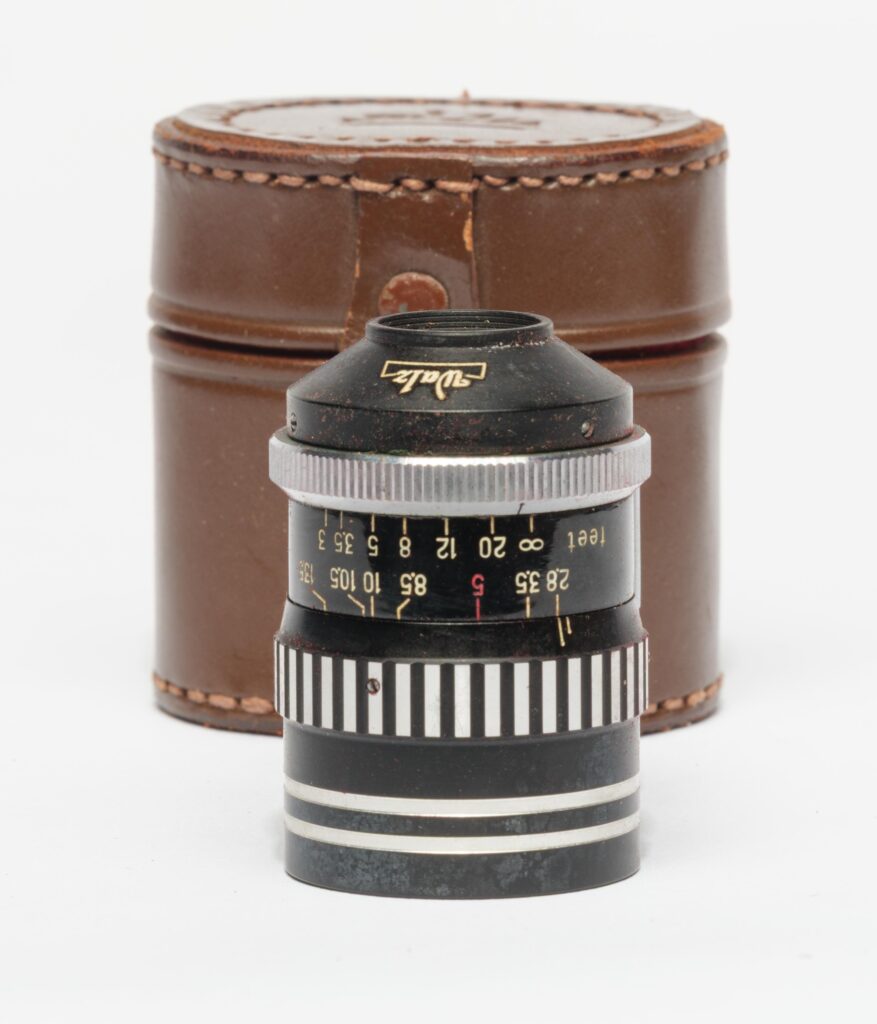
- Walz Universal Viewfinder: A specialized cold-shoe accessory that provides adjustable framing for focal lengths ranging from 28mm to 135mm, compensating for the fixed magnification of the camera’s internal viewfinder.
Chronology of Restoration and Mechanical Evaluation
Upon acquisition, the equipment underwent a rigorous diagnostic phase to determine the functionality of its mechanical components. While the lenses remained optically clear—a rare find for equipment of this age—the mechanical systems exhibited the expected effects of long-term storage, often referred to as "storage fatigue."
The Nikkor 135mm lens suffered from seized aperture blades, a common issue caused by the migration and subsequent hardening of internal lubricants. However, the most critical failure was identified in the Contax IIa’s shutter mechanism. Unlike the horizontal-travel cloth shutters found in contemporary Leica models, the Contax utilizes a vertical-travel metal focal-plane shutter. This design was marketed for its durability and resistance to "burn-through," a phenomenon where sunlight focused through the lens could incinerate a hole in a cloth shutter.
In early January, the Contax IIa and the 135mm Nikkor lens were transported to a specialized repair facility in Atlanta, Georgia. The restoration process involved a "Clean, Lubricate, and Adjust" (CLA) service, which is essential for vintage cameras to ensure shutter speed accuracy and mechanical reliability. The repair was completed within a two-week timeframe, restoring the camera to its original factory specifications.
Following the mechanical overhaul, a field test was scheduled to coincide with a public art event at a local botanical garden gallery. This environment provided a variety of lighting conditions—ranging from direct late-winter sunlight to the challenging, high-contrast interior lighting of an art gallery—to evaluate the system’s performance.
Field Performance and Optical Analysis
The field test was conducted using Kodak Tri-X 400, a high-speed panchromatic black-and-white film that has been a staple of professional photography since its introduction in 1954. The choice of film was intended to mirror the era-appropriate aesthetic of the Contax IIa.
Outdoor Performance and Flare Suppression
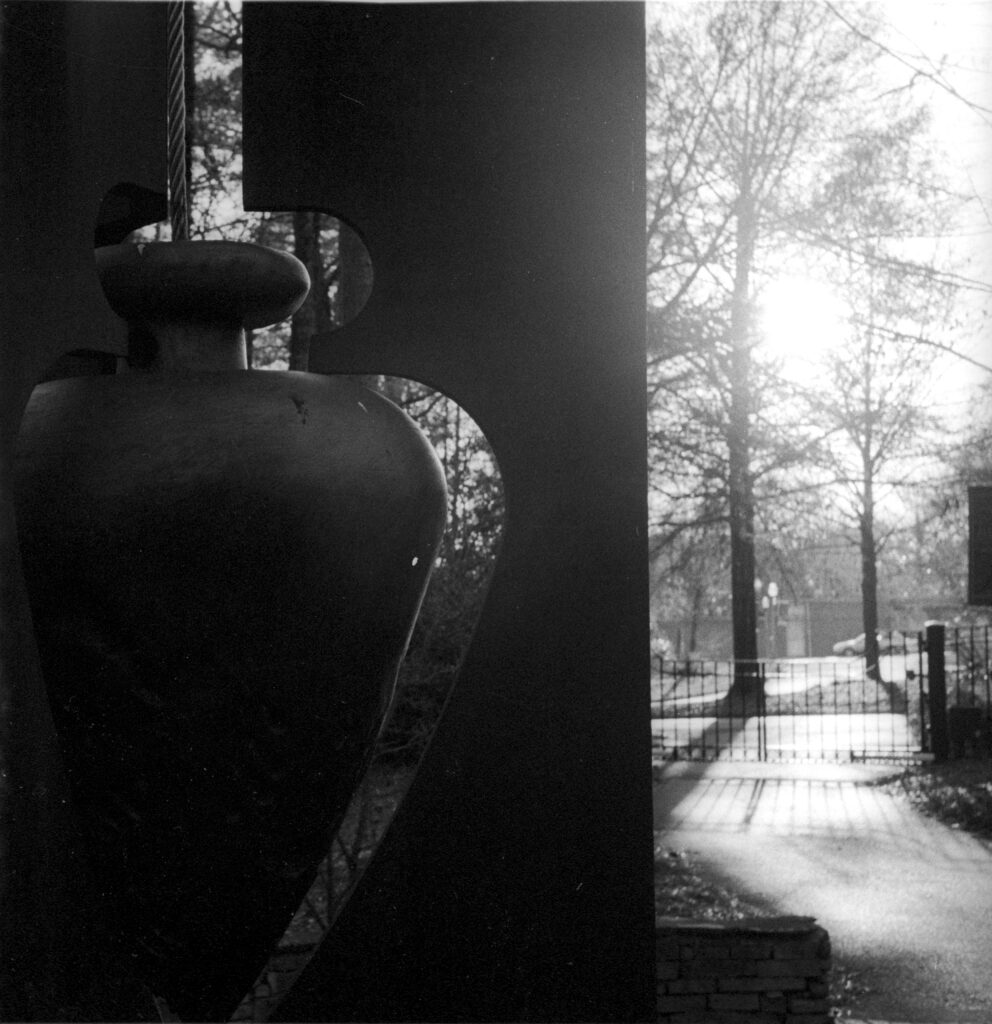
Initial exposures were made in the gardens during the "golden hour," the period shortly before sunset. A test frame of a garden sculpture was captured at 1/250th of a second with an aperture of f/8. This test was designed to evaluate the lens’s ability to handle "flare"—non-image-forming light that can degrade contrast. The Sonnar 50mm f/1.5, despite having older coating technologies compared to modern optics, demonstrated a resilient ability to maintain edge-to-edge sharpness while producing a classic, high-contrast image.
Interior Low-Light Capabilities
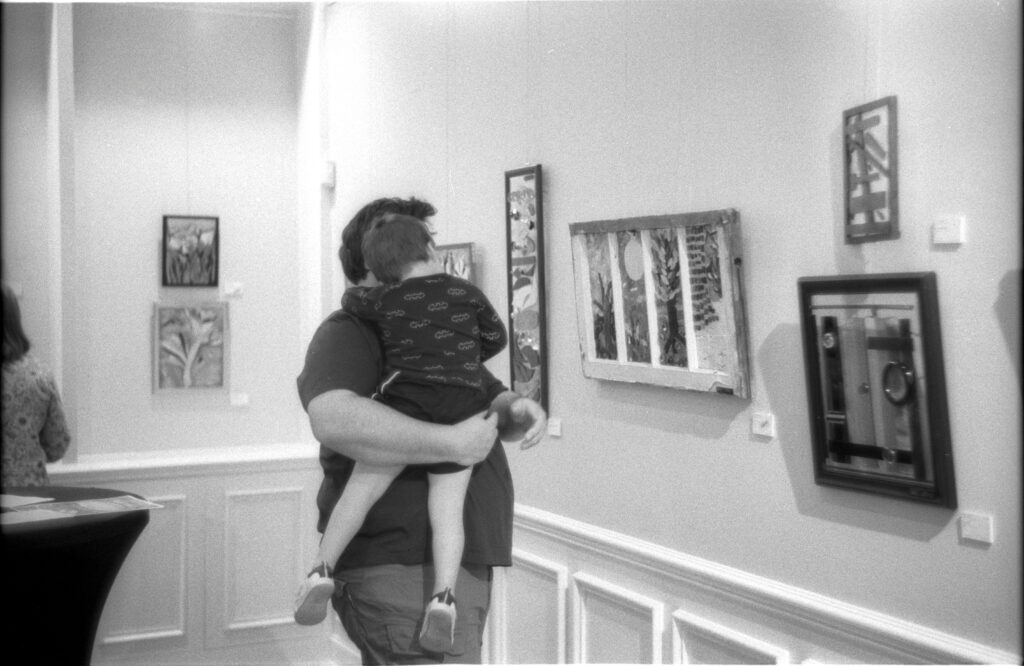
Inside the gallery, the Sonnar lens was utilized at its maximum aperture of f/1.5. In the context of 1950s optics, shooting "wide open" often results in a slight softening of the image and a characteristic "glow" around highlights, caused by spherical aberration. The field results confirmed this behavior; while the images retained sufficient detail for professional use, they exhibited a distinctive vintage character that modern, digitally-corrected lenses often lack.
The photographer reported that the Contax IIa’s rangefinder—the mechanism used to achieve focus—was highly effective. Despite the small size of the viewfinder window, which can be difficult for users wearing corrective eyewear, the focusing process was described as faster and more intuitive than that of many modern rangefinder systems.
Laboratory Processing and Digital Integration
The post-exposure workflow involved a blend of traditional chemical processing and modern digital scanning. The film was developed using Ilfotech DD-X, a fine-grain developer designed to maximize the tonal range of high-speed films. The development was managed by the Vintage Visual AGO processor, a modern automated device that ensures consistent agitation and temperature control, bridging the gap between historical chemistry and contemporary precision.
Digital conversion was performed using a Nikon Super Coolscan 5000, a high-resolution film scanner capable of capturing the granular detail of the Tri-X negative. During the scanning process, a technical anomaly was observed: light streaks appeared on the initial frames of the roll. A post-incident analysis suggested that this was not a mechanical failure of the camera’s light seals but rather a "handling leak" that occurred during the transfer of the film to the developing reel in a changing bag. This finding highlights the narrow margin for error inherent in manual film processing.
The Implications of Generative AI in Analog Restoration
A significant portion of the post-processing phase involved an experiment with Adobe Photoshop’s Generative Artificial Intelligence (AI) tools. The AI was used to "restore" images by sharpening details, increasing contrast, and artificially reducing film grain.
The analysis of the AI-enhanced images revealed a complex philosophical and technical trade-off:
- Clarity vs. Authenticity: The AI successfully eliminated the aesthetic "imperfections" of the film, such as grain and slight focus softening. However, in doing so, it removed the "analog honesty" that many photographers seek when using vintage equipment.
- Image Fidelity: While the AI-restored images were visually striking, they represented a digital approximation of the scene rather than a pure light-on-silver capture.
- Restoration Ethics: The use of generative tools to repair light leaks or physical damage to a negative raises questions regarding the integrity of the photographic record, particularly in journalistic or documentary contexts.
Broader Impact and the Future of Mechanical Preservation
The successful return of this Contax IIa to active service serves as a case study for the broader "film renaissance." As digital sensors become increasingly homogenized, a growing demographic of photographers is returning to mechanical systems for their tactile feedback and unique optical signatures.
From an economic perspective, the market for vintage German and Japanese rangefinders has seen a steady increase in valuation. Equipment that was once considered obsolete is now viewed as a "functional heirloom." However, this resurgence faces a critical bottleneck: the dwindling number of technicians capable of repairing complex mechanical shutters. The successful repair in Atlanta underscores the importance of maintaining these specialized skills to prevent vintage hardware from becoming "shelf queens"—non-functional decorative objects.
In conclusion, the Contax Zeiss Ikon IIa remains a formidable tool for photographic expression over seven decades after its release. Its ability to produce high-quality images in a modern gallery setting, when paired with contemporary processing and scanning technology, demonstrates that the "Golden Age" of camera design continues to offer relevant solutions for today’s visual storytellers. The integration of AI in the workflow represents the next frontier, where the challenge will be to balance technological enhancement with the preservation of the medium’s historical soul.