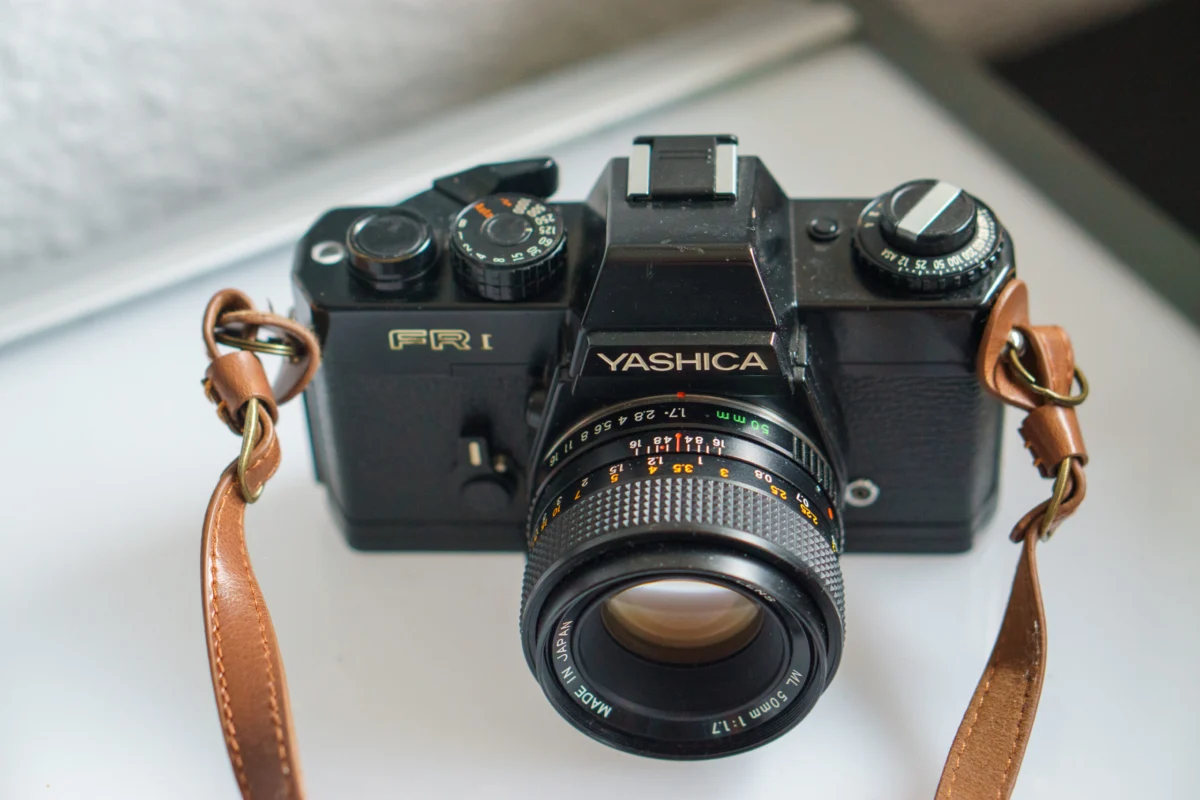
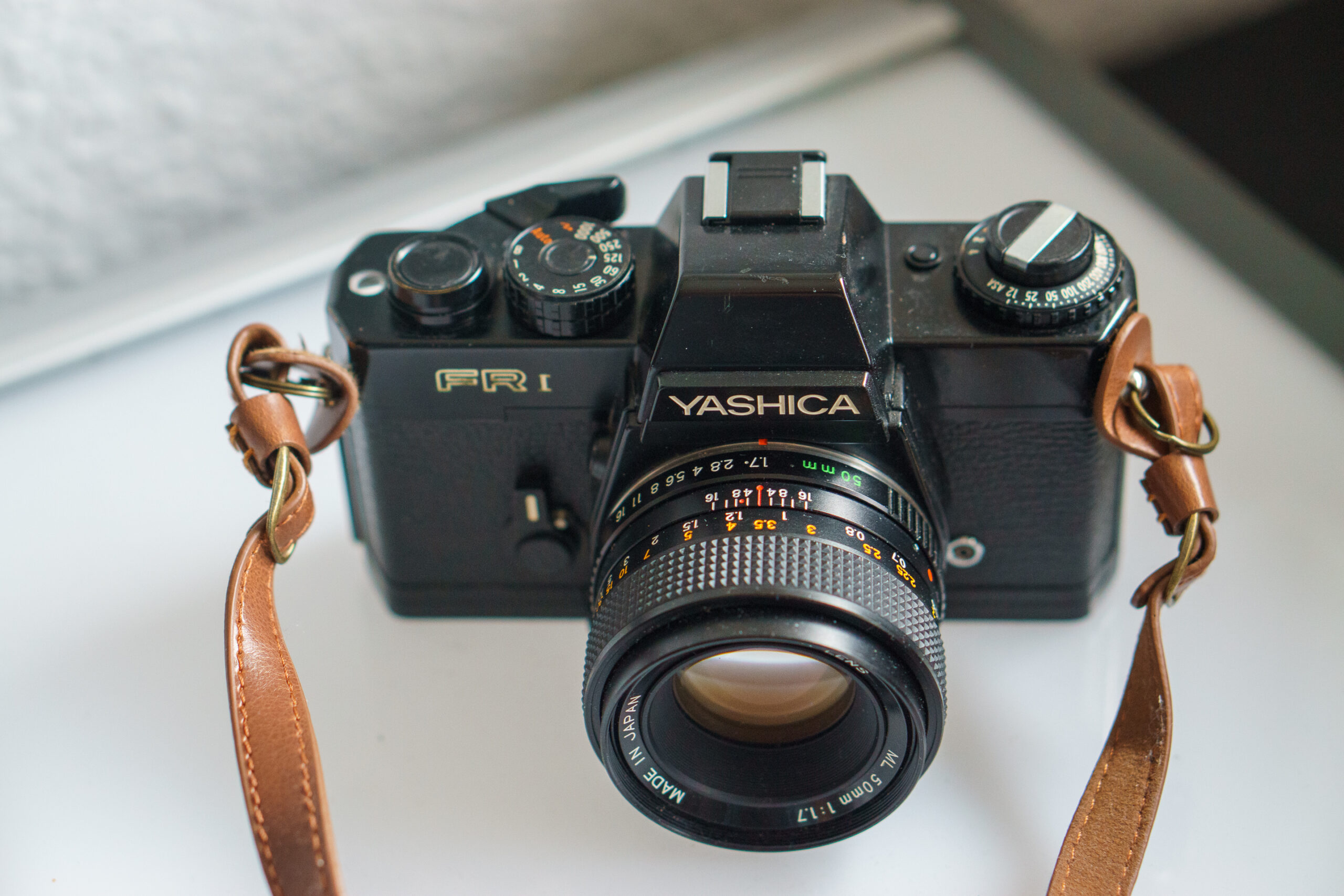
The Yashica FR-1 stands as a pivotal instrument in the history of 35mm single-lens reflex (SLR) photography, representing a significant era of collaboration between Japanese manufacturing prowess and German optical engineering. Released in the late 1970s, the FR-1 was designed as a sophisticated alternative to the professional-grade Contax RTS, offering advanced features such as aperture priority auto-exposure while maintaining compatibility with the prestigious Yashica/Contax (C/Y) lens mount. This model followed the original Yashica FR and served to bridge the gap between consumer-level equipment and the high-end professional market, utilizing many of the same internal mechanisms and chassis designs found in the more expensive Contax counterparts. By integrating electronic shutter controls and a robust build, the FR-1 solidified Yashica’s reputation as a manufacturer capable of meeting the rigorous standards set by Zeiss Oberkochen.
Historical Context: The Zeiss-Yashica Alliance
The genesis of the Yashica FR-1 cannot be understood without examining the landmark partnership formed between Carl Zeiss and Yashica in the early 1970s. Following the discontinuation of the Contarex line, Zeiss sought a Japanese partner to manufacture a new generation of Contax cameras that could compete with the rising dominance of Nikon and Canon. After evaluating several potential candidates, including Asahi Optical (Pentax), Zeiss ultimately selected Yashica in 1973. This decision was driven by Yashica’s advanced electronics manufacturing capabilities and their willingness to adhere to the strict quality control protocols required for Zeiss T* optics.
This collaboration, often referred to as "Project 130," resulted in the release of the Contax RTS in 1974. The RTS featured a body designed by the Porsche Design Group and optics engineered by Zeiss, but the internal mechanical and electronic assembly was performed by Yashica. To leverage the research and development costs associated with the RTS, Yashica developed its own line of cameras—the FR series—which utilized the same lens mount and many of the same internal components as the Contax models, albeit without the Porsche-designed exterior and the Zeiss branding.
Chronology of the Yashica FR Series
The development of the FR series followed a rapid timeline as Yashica sought to capture various segments of the enthusiast market.
- 1976: The Yashica FR: The first model in the series was essentially a mechanical and electronic sibling to the Contax RTS. It featured a manual-exposure-only system but utilized the same electromagnetic shutter release and film transport architecture as the RTS.
- 1977: The Yashica FR-I (FR-1): Recognizing the market’s shift toward automation, Yashica introduced the FR-1. This model added an aperture-priority auto-exposure mode, allowing photographers to select the desired f-stop while the camera automatically adjusted the shutter speed. This placed the FR-1 in direct competition with popular models like the Canon AE-1 and the Nikon FE.
- 1977: The Yashica FR-II: Launched simultaneously with or shortly after the FR-1, the FR-II was a simplified version that lacked manual shutter speed settings entirely, operating only in aperture-priority mode. This was aimed at entry-level users who desired the quality of the C/Y system without the complexity of manual controls.
Technical Specifications and Engineering
The Yashica FR-1 is characterized by its electronic focal-plane shutter, which offers speeds ranging from 1 second to 1/1000th of a second, plus a Bulb setting for long exposures. Unlike purely mechanical cameras of the previous decade, the FR-1 requires a 6V silver-oxide battery (such as the 4LR44) to operate. One of the most significant engineering carry-overs from the Contax RTS is the electromagnetic shutter release, which provides a very short and light trigger stroke, reducing the risk of camera shake during exposure.
The viewfinder of the FR-1 was highly advanced for its time, featuring a full information display. It utilizes a needle-based system to indicate the recommended shutter speed in manual mode or the selected speed in auto mode. Additionally, the aperture setting is visible through a small window at the top of the viewfinder, reflecting the numbers directly from the lens barrel. This "direct readout" system allowed photographers to maintain their eye on the subject while making exposure adjustments.
The camera’s build quality is frequently noted for its durability. While many contemporary cameras began incorporating plastic components to reduce weight and cost, the FR-1 maintained a heavy, metal-alloy chassis. This robust construction has contributed to the camera’s longevity, with many units remaining fully functional in the second decade of the 21st century.
The Yashica/Contax Lens Ecosystem
The primary appeal of the Yashica FR-1, both at the time of its release and for modern film enthusiasts, is the Yashica/Contax (C/Y) bayonet mount. This mount allowed users to interchange lenses between Yashica and Contax bodies seamlessly.

While the Contax brand was synonymous with Zeiss T* lenses—often regarded as the pinnacle of 35mm optics—Yashica produced its own line of high-quality lenses known as the "ML" (Multi-Layer) series. The Yashica ML 50mm f/1.7, often paired with the FR-1 as a kit lens, is frequently compared to the Zeiss Planar 50mm f/1.7. Optical analyses suggest that while the Zeiss variants may offer superior flare resistance and specific color rendering, the Yashica ML lenses provide exceptional sharpness and contrast that rival professional-grade glass of the era. This compatibility allowed photographers to invest in a more affordable Yashica body while gradually building a collection of Zeiss optics, or vice versa.
Market Positioning and Comparative Performance
In the competitive landscape of the late 1970s, the Yashica FR-1 occupied a unique "prosumer" niche. It offered nearly all the functionality of the Contax RTS—including the ability to attach an external power winder for motorized film advance—at a significantly lower price point.
Data from the era indicates that the FR-1 was marketed toward serious hobbyists who valued optical excellence over brand prestige. In contemporary testing and user reports, the FR-1 is often praised for its ergonomic layout. The placement of the exposure compensation dial and the ISO selector is intuitive, and the inclusion of a depth-of-field preview button and a self-timer added to its versatility in the field.
A notable aspect of the FR-1’s performance is its reliability in comparison to the early Contax RTS units. While the RTS was groundbreaking, some early production runs suffered from electronic "gremlins" or leatherette peeling. The FR-1, benefiting from being a slightly later iteration of the shared technology, often proved to be a more stable workhorse for daily use.
Broader Impact on the Photography Industry
The legacy of the Yashica FR-1 is inextricably linked to the democratization of high-end optical systems. By providing a high-quality, Japanese-made body that could host German-engineered lenses, Yashica helped break down the barriers between different tiers of photographic equipment.
Furthermore, the FR-1’s reliance on electronic systems marked the industry’s transition away from purely mechanical SLRs. While this shift was initially met with skepticism by traditionalists who feared that electronic cameras would be unrepairable, the survival rate of the FR-1 has proven that early electronic SLRs were built with a high degree of craftsmanship.

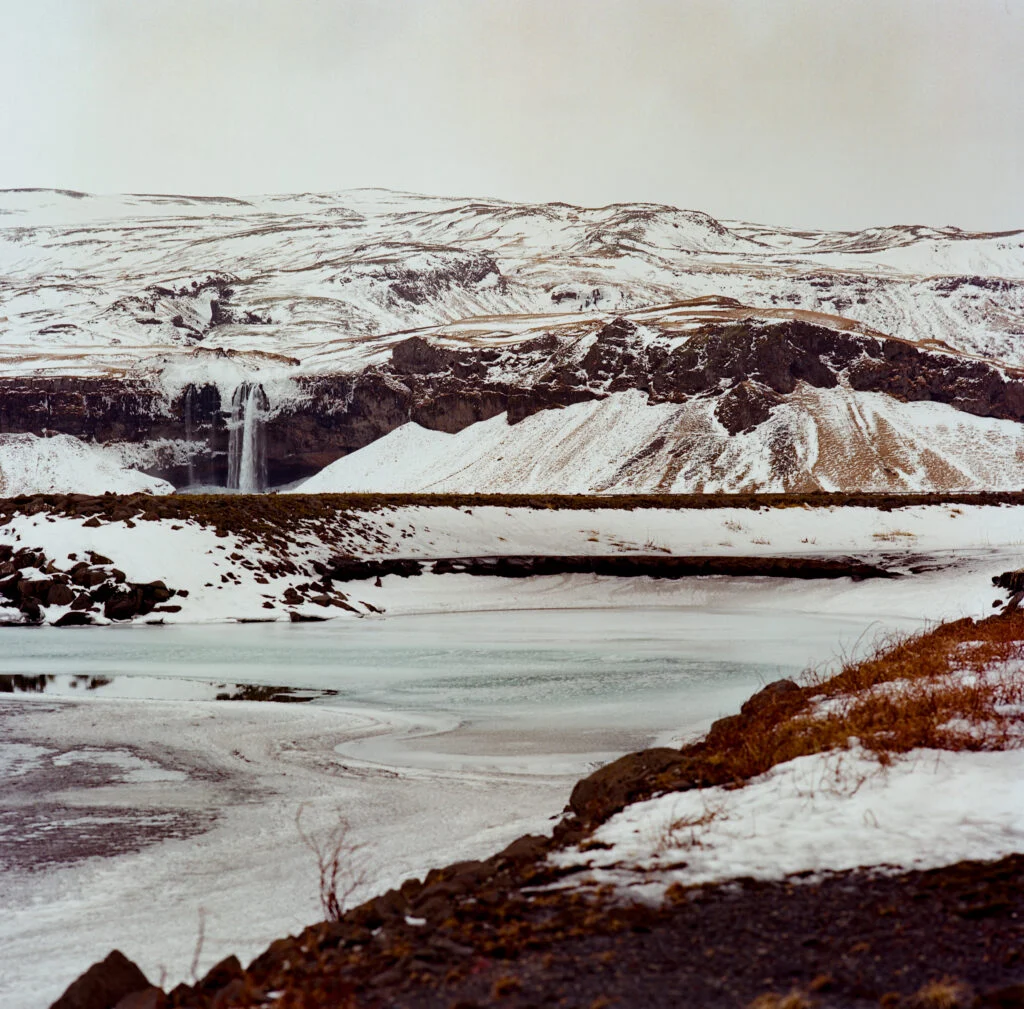
In the modern vintage camera market, the FR-1 has seen a resurgence in interest. As the prices of Contax-branded bodies have escalated due to their association with luxury design and famous photographers, the Yashica FR series has become a "sleeper" choice for those seeking the C/Y mount experience. The ability to use a Noritsu Koki or Frontier scanner to digitize film from an FR-1 reveals that the resolution and color fidelity produced by the ML and Zeiss lenses remain competitive with modern digital sensors when paired with high-quality film stocks like Fujicolor C200.
Conclusion and Future Implications
The Yashica FR-1 remains a testament to a unique period of international industrial cooperation. It represents a successful marriage of Japanese electronic innovation and a shared vision for optical excellence. For the contemporary photographer, it offers a tactile, mechanical experience supplemented by just enough electronic assistance to ensure accuracy.
As film photography continues to maintain its presence as a viable artistic medium, the FR-1 stands as a reliable entry point into one of the finest lens systems ever created. Its history serves as a reminder that the quality of an image is determined not by the prestige of the "red dot" or the brand name on the pentaprism, but by the precision of the optics and the reliability of the box that holds the film. The FR-1’s enduring functionality over fifty years after its inception highlights the peak of SLR engineering before the industry moved toward the more plastic-heavy, autofocus-driven designs of the 1980s and 1990s.