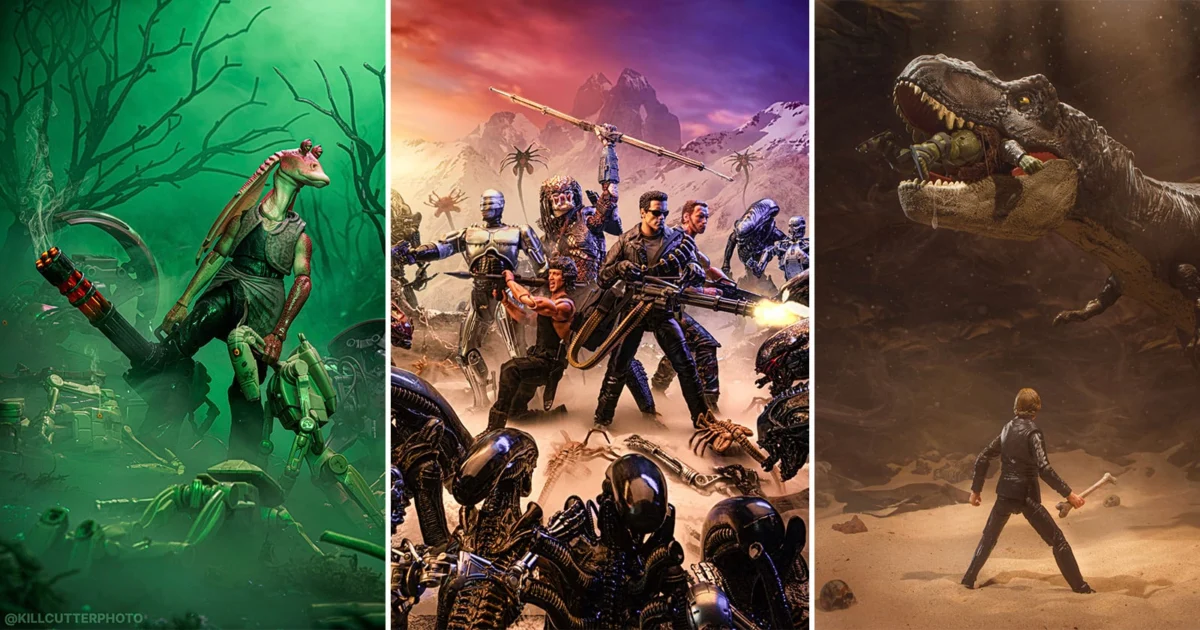
Chicago, IL – Chuck Eiler, a visionary photographer based in Chicago, is redefining the boundaries of toy photography, transforming mere action figures into breathtaking, cinematic miniature worlds that seamlessly blend the nostalgia of pop culture with the sophisticated artistry of film. Through a meticulous process involving handcrafted sets, expertly executed practical effects, and precise lighting, Eiler crafts immersive scenes that breathe life into beloved characters and transport viewers into compelling, story-driven narratives. His work, showcased under the brand Killcutter Toy Photography, transcends traditional hobbyism, establishing itself as a distinctive visual practice that garners widespread attention for its evocative power and technical mastery.
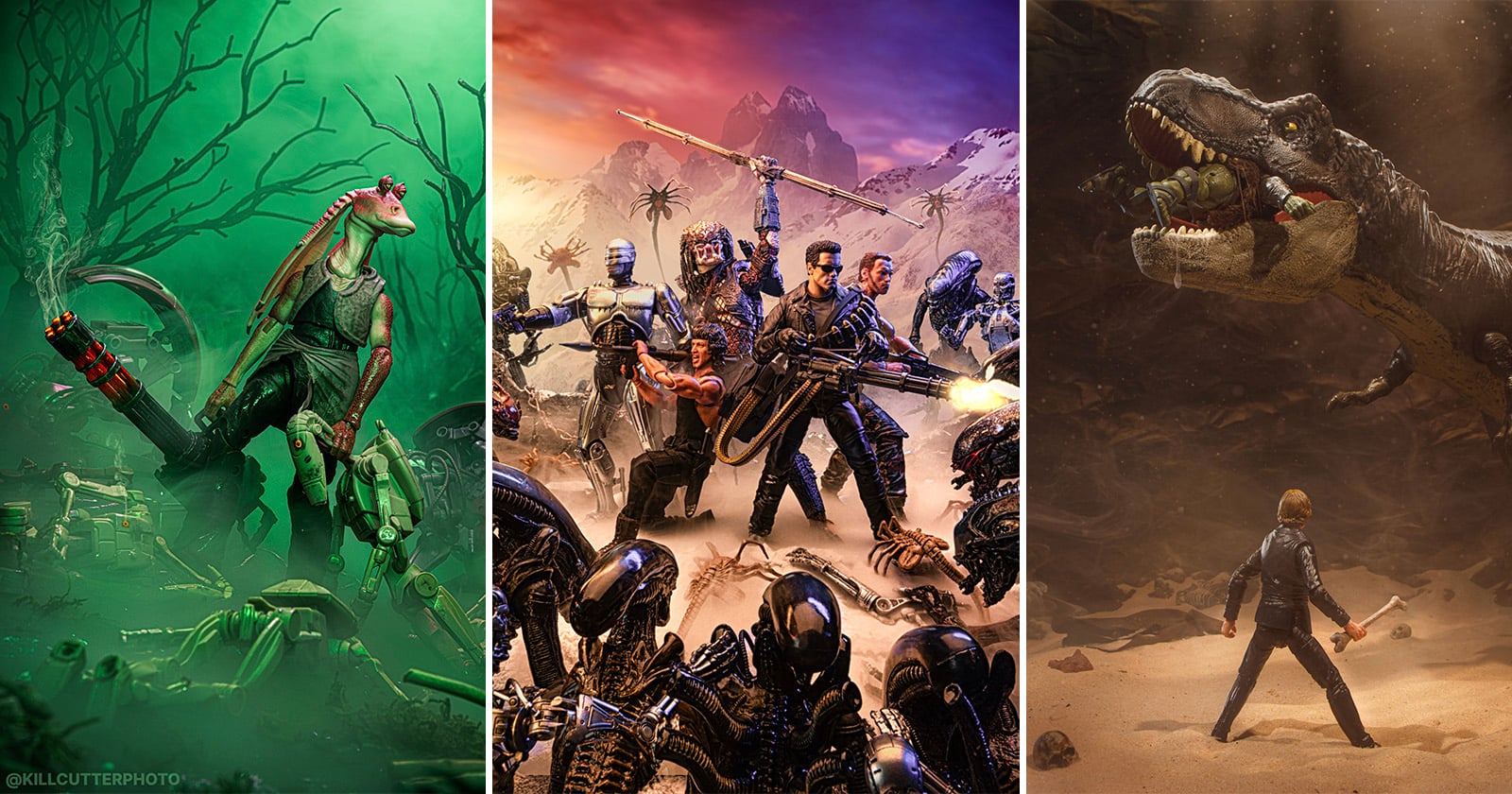
From Casual Lens to Creative Obsession: Eiler’s Photographic Journey
Eiler’s path to becoming a pioneering figure in cinematic toy photography began not with a grand ambition, but with a deeply ingrained passion for the photographic medium. His initial forays into photography trace back to his formative years in high school and college, where he engaged with traditional film photography, absorbing the foundational principles of composition, exposure, and darkroom techniques. Post-academia, photography remained a cherished aspect of his life, serving as a creative companion during his explorations of Chicago’s iconic architecture, bustling streetscapes, and diverse landscapes and wildlife encountered during his travels. While always a source of enjoyment, Eiler reflects that it was only recently that his artistic direction underwent a profound transformation.
The pivotal moment arrived serendipitously. "I had a creative spark: what if I photographed toys in a cinematic way, to look like realistic characters," Eiler recounts. This epiphany struck while observing his nephew engrossed in play with an action figure, crystallizing a synthesis of several of Eiler’s long-standing interests: photography, digital manipulation via Photoshop, the allure of cinema, and the rich tapestry of pop culture. Initially believing his concept to be entirely novel, Eiler soon discovered the vibrant and extensive global community of toy photographers. Far from deterring him, this revelation invigorated his commitment, transforming what began as a weekend experiment into a fully realized creative outlet. This burgeoning passion now encompasses every facet of visual storytelling, from conceptualizing narratives and constructing intricate sets to crafting bespoke props, orchestrating complex lighting schemes, and executing detailed post-production. Today, this multifaceted endeavor forms the bedrock of Killcutter Toy Photography, a brand synonymous with cinematic, story-driven miniature scenes that resonate with depth and realism.
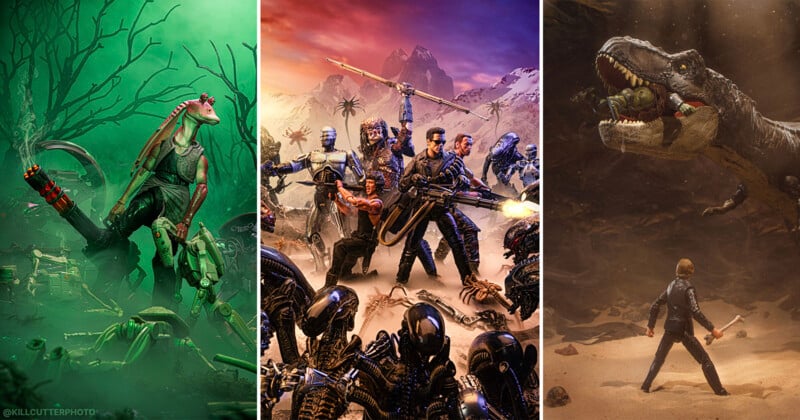
The emergence of toy photography as a recognized art form has paralleled advancements in digital photography and social media platforms. What was once a niche pursuit has grown exponentially, fueled by artists like Eiler who push the technical and conceptual boundaries. According to a 2023 market analysis by Statista, the global action figure market alone was valued at over $6 billion and is projected to continue growing, indicating a vast reservoir of source material and a receptive audience. This commercial backdrop provides a fertile ground for artists who seek to reinterpret these cultural artifacts, demonstrating how consumer products can be elevated into fine art through imaginative storytelling and meticulous execution.
A Tapestry of Pop Culture: Influences and Storytelling
Eiler’s distinctive photographic style is intrinsically cinematic, deeply rooted in the vast lexicon of films, comic books, and toys that shaped his formative years. Growing up in the 1980s, he was immersed in a golden age of pop culture, characterized by Saturday morning cartoons and iconic action figures such as G.I. Joe, He-Man, and, notably, Star Wars – franchises that continue to captivate generations. As he matured, his influences broadened to encompass the darker narratives of Stephen King novels and the visceral thrills of R-rated horror classics like Alien, The Thing, and Predator, which he would clandestinely watch. These early exposures to diverse storytelling modalities have profoundly informed and enriched his unique creative vision.
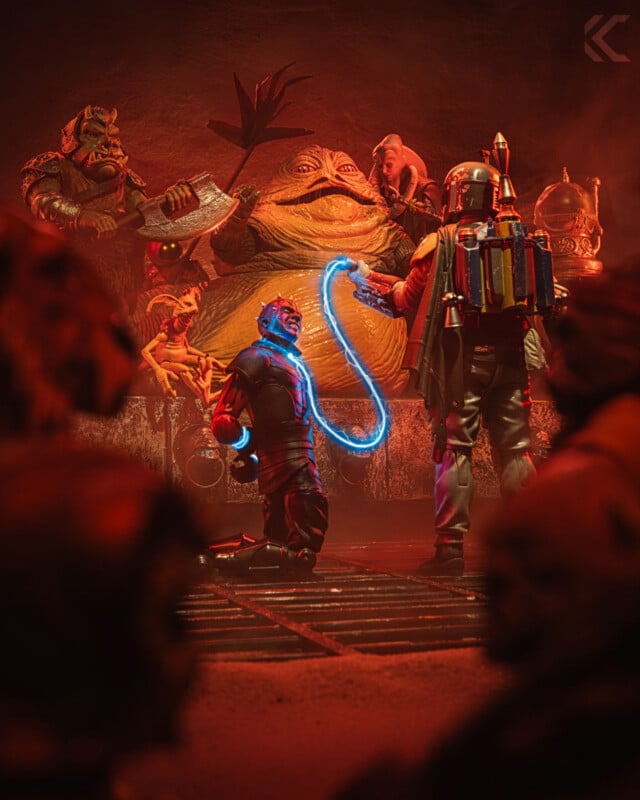
"My style is cinematic, story-driven, and heavily inspired by film and television," Eiler explains. He meticulously clarifies that his artistic objective is not merely to replicate past narratives but to reframe and reinterpret them. His photographs often take familiar characters and embed them within grounded, dramatic, and frequently darker contexts, imbuing them with new layers of meaning. The emphasis in his creative process is overwhelmingly on story, mood, and atmosphere. Nostalgia, rather than being an end in itself, becomes a potent tool for fostering deeper engagement and emotional connection with the viewer, inviting them to reconsider familiar characters in unforeseen situations. Eiler draws inspiration from a broad spectrum of artistic disciplines, including the dynamic compositions of comic book artists, the nuanced light of traditional painters, the imaginative world-building of video game and movie concept artists, the technical precision of CGI specialists, and the diverse approaches of photographers across various genres. Each image is a synthesis of these myriad influences, filtered through his singular vision for the story he intends to convey.
The Meticulous Craft: Bringing Miniature Scenes to Life
Eiler approaches every photographic endeavor with storytelling as his foremost priority. He firmly rejects improvisation, stating, "All of my photographs start with story first. If I haven’t locked down a strong storytelling idea, I don’t even start the process." This commitment to narrative rigor underpins his entire workflow, ensuring that each element serves the overarching story.
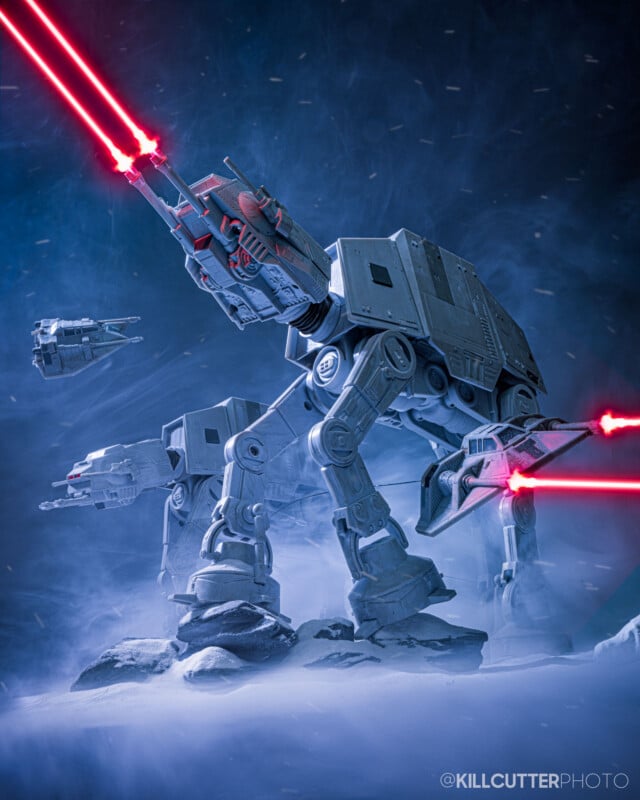
Pre-visualization and Concept Development: The initial phase involves extensive conceptualization, often beginning with sketches, mood boards, and detailed narrative outlines. This meticulous planning phase is crucial for establishing the emotional tone, compositional framework, and thematic elements of the final image. This pre-visualization prevents costly errors and ensures a cohesive artistic direction, a practice common in professional film production.
Set Construction and Prop Creation: Once the concept is solidified, Eiler embarks on the labor-intensive process of constructing miniature environments. Utilizing a diverse array of materials such as foam, paint, and repurposed found objects, he meticulously builds intricate sets. A critical aspect of this stage is the application of texture and weathering techniques, which are essential for imbuing the miniature worlds with a sense of history and realism, making them appear lived-in and authentic. Props, integral to enriching the narrative, are frequently scratch-built to ensure they are perfectly scaled and aligned with the scene’s specific narrative requirements. The precision required here is paramount, as any incongruity in scale or texture can shatter the illusion.

Figure Posing and Composition: Posing the action figures is another highly meticulous process, akin to directing actors on a film set. Even the slightest adjustment in a figure’s posture, limb angle, or head tilt can dramatically alter its perceived emotion, intent, and overall mood within the scene. Eiler dedicates considerable time to perfecting these subtle nuances, understanding that they are key to conveying the narrative effectively and eliciting an emotional response from the viewer.
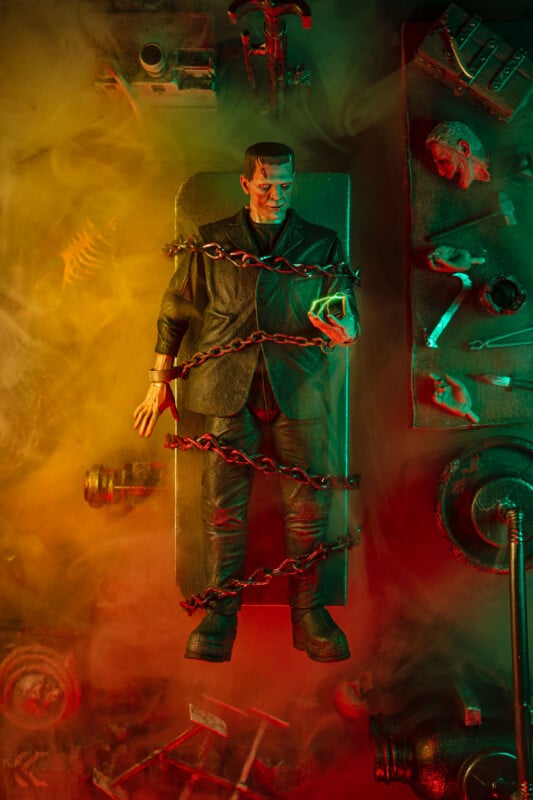
Mastering Light and Practical Effects: Eiler emphasizes the critical role of lighting, asserting, "I approach each setup like a full-scale mini movie scene and lighting is one of, if not the most, important part." His lighting philosophy is deeply rooted in cinematic principles, employing multiple light sources, gels, and diffusers to sculpt figures, define atmosphere, and guide the viewer’s eye. This sophisticated approach to illumination helps create depth and drama, transforming static figures into dynamic characters. Practical effects are equally vital in creating realism and cinematic drama. Elements such as smoke, water, snow, and fire are frequently captured in-camera, enhancing the sense of immersion and adding an authentic tactile quality to the scenes. These in-camera effects reduce the reliance on purely digital solutions, contributing to the tangible feel of his work.
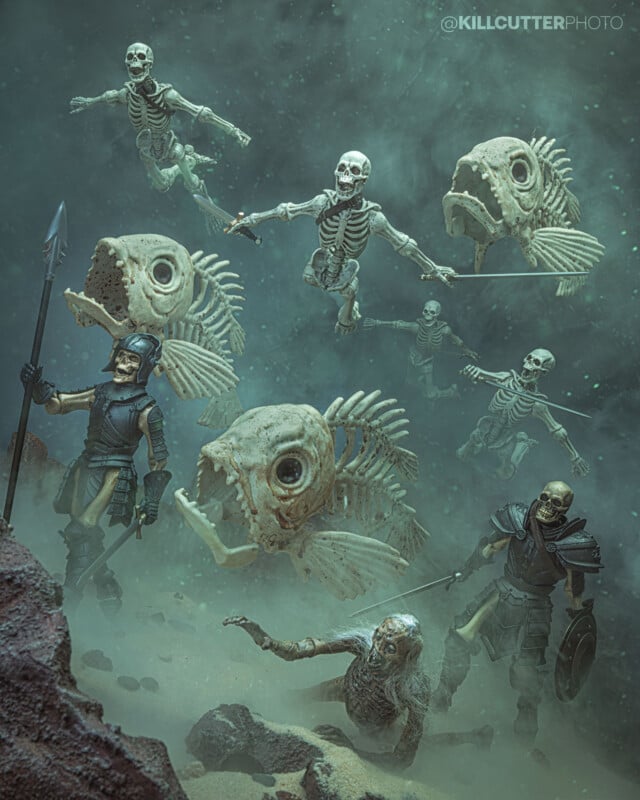
Post-Production Alchemy: While practical effects are prioritized, post-production remains an indispensable stage. It is utilized for essential tasks such as color correction, refining ambient and accent lighting, and adding sophisticated effects that are impossible to achieve practically. This includes iconic elements like glowing lightsabers, explosive blaster shots, or dramatic sky replacements. Each component, from the meticulously posed figure to the intricately detailed backdrop and the carefully orchestrated lighting, is harmoniously orchestrated to support the overarching narrative and imbue the scene with palpable life. This hybrid approach, blending practical effects with digital enhancement, is a hallmark of modern filmmaking, further blurring the lines between Eiler’s work and traditional cinema.
Navigating the Microcosm: Challenges and Solutions in Miniature Photography
Working at a miniature scale inherently presents a unique array of technical and logistical obstacles. The smallest inconsistencies can catastrophically undermine the illusion of reality, diverting the viewer’s attention from the intended narrative. Eiler highlights the delicate nature of his medium: "Everything is small, fragile, and ready to topple over with the slightest bump of the table." This fragility demands extraordinary patience, meticulous planning, and an unwavering willingness to iterate and refine constantly.
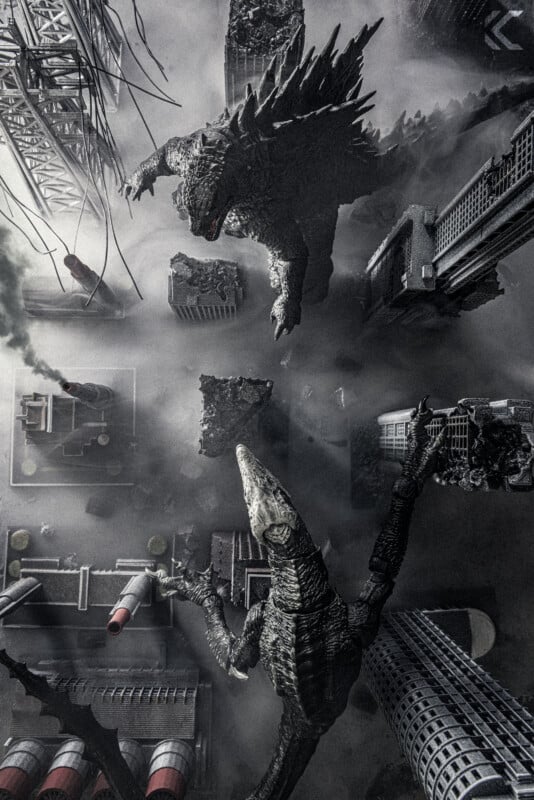
Scale-Specific Difficulties: The minute dimensions of action figures and their environments mean that every detail is magnified. A stray speck of dust, an improperly aligned prop, or a slight tremor in the setup can instantly break the carefully constructed illusion. Eiler’s process often involves working with tweezers, dental tools, and specialized clamps to achieve the necessary precision. The challenge of maintaining stability in such fragile setups is a constant battle, requiring innovative solutions for posing and securing figures and props.
Lighting Complexities: Lighting, while crucial for cinematic effect, also presents significant challenges in miniature photography. Shadows and highlights, which naturally occur in full-scale scenes, can appear exaggerated or artificial when applied to small subjects. Achieving a naturalistic fall-off of light and creating a sense of depth without over-lighting or under-lighting is a fine art. Eiler must skillfully manipulate light sources to simulate natural environments or dramatic cinematic moods, often using small LED lights, fiber optics, and carefully placed reflectors to achieve desired effects. The nuanced control required for these miniature setups is comparable to professional studio lighting for human subjects, albeit on a micro-scale.
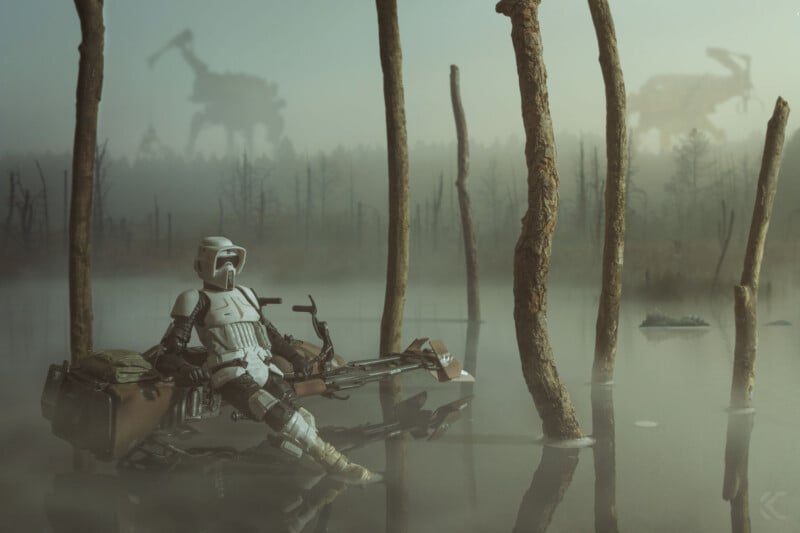
Eiler’s Approach to Obstacles: Rather than viewing these hurdles as deterrents, Eiler embraces them as integral components of his creative journey. "I try to embrace trial and error and treat every challenge as part of the creative journey," he explains. This philosophy underscores a resilience and adaptability that are vital in an art form demanding such precision. His iterative process involves countless adjustments, test shots, and problem-solving, each step contributing to the refinement of his technique and the overall quality of the final image. This continuous learning curve ensures that his work consistently pushes the boundaries of what is achievable in toy photography.
The Reward of Illusion: Despite these formidable challenges, the immense gratification Eiler experiences when the illusion holds is a powerful motivator. He finds particular satisfaction in crafting images that evoke genuine emotional engagement, prompting viewers to momentarily suspend disbelief and forget they are looking at mere toys. This success in bridging the gap between miniature reality and perceived grandeur is the ultimate testament to his skill and artistic vision, making his work resonate deeply with audiences who appreciate both the technical prowess and the imaginative storytelling.

The Broader Canvas: Impact and Future Directions
For Chuck Eiler, the most profoundly rewarding aspect of his intricate work is witnessing a concept materialize into a fully realized image. "The most rewarding part for me is when an image finally feels alive," Eiler states, describing the moment when all the diverse elements—lighting, composition, atmosphere, and narrative—harmoniously converge to imbue the scene with an undeniable vitality.
He also places significant value on the creative journey itself, finding deep fulfillment in the hands-on process of constructing elaborate miniature sets, the experimental phase of applying practical effects, and the meticulous refinement of each shot through post-production. "I’m also a big believer in enjoying the journey of creating an image," Eiler explains, highlighting a philosophy that emphasizes the process as much as the product. Beyond his personal artistic satisfaction, Eiler derives immense pleasure from sharing his work and observing the varied ways in which others connect with it. This engagement can manifest as technical appreciation for his craftsmanship, a wave of nostalgia for beloved characters, or a profound recognition of the intricate stories conveyed within his captivating images. The global community of toy photography, facilitated by platforms like Instagram and YouTube, provides a dynamic space for artists like Eiler to showcase their work, exchange ideas, and inspire a new generation of creators.
Looking to the future, Eiler remains steadfastly focused on expanding his creative horizons and pushing the technical limits of his chosen medium. He is actively exploring the integration of cutting-edge technologies such as 3D printing to create even more intricate and custom-designed elements for his scenes. He is also dedicated to sharpening his focus-stacking techniques, which allow for unparalleled depth of field and sharpness in his miniature worlds, a critical advantage when working with small subjects. Furthermore, Eiler is expanding his artistic repertoire into stop-motion animation, a natural progression that promises to bring his static narratives to dynamic life. All these endeavors are part of a broader commitment to continually elevate his craft. "I really just want to keep pushing myself creatively and taking on more ambitious, complex photoshoots," Eiler affirms.
What commenced as a casual pastime has blossomed into a distinctive and widely recognized visual practice that masterfully intertwines photography, miniature craftsmanship, and compelling storytelling. Through Killcutter Toy Photography, Chuck Eiler continues to expand the perceived boundaries of what toy photography can achieve, meticulously crafting cinematic worlds that resonate with emotional depth and technical brilliance, proving that grand narratives can indeed emerge from the smallest of scales. His work stands as a testament to the enduring power of imagination and the transformative potential of art to reinterpret and celebrate popular culture.
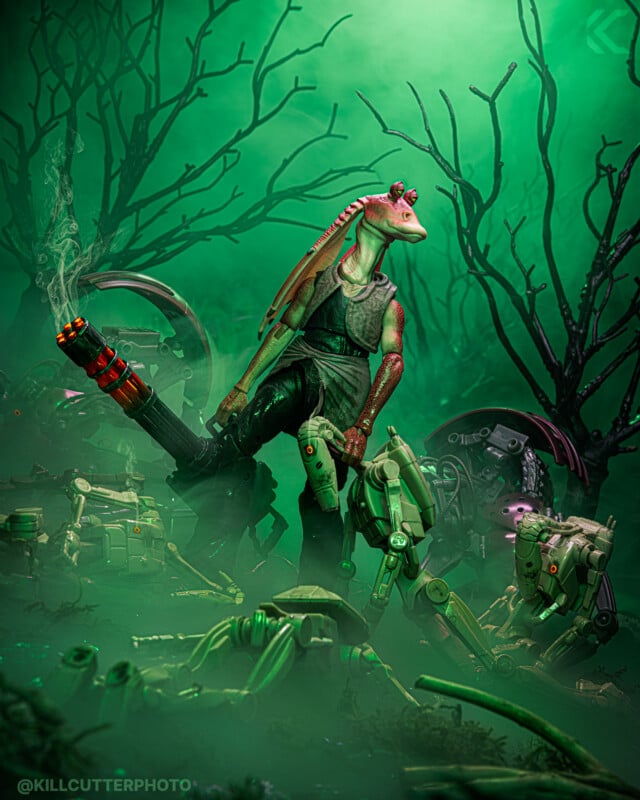
Image credits: Chuck Eiler (website, Instagram, YouTube, prints)