The recent visual documentation of "Mountain Layers," captured by photographer Trey Ratcliff, offers a compelling glimpse into the transitional phase of a mountainous landscape as it moves from winter towards spring. The image, characterized by its distinct stratification of mountain ranges, underscores the ephemeral nature of snow cover and the subtle yet profound shifts that herald the changing seasons. This photograph, shared from Ratcliff’s portfolio on StuckInCustoms.com, serves as a visual marker for a period of natural transformation, specifically highlighting the anticipated disappearance of snow as warmer weather approaches in regions experiencing reverse seasons. While the accompanying text provides a personal reflection on the imminent spring, a deeper dive into the context of such imagery and its broader implications reveals a rich tapestry of environmental, scientific, and even cultural significance.
The Visual Narrative of Seasonal Change
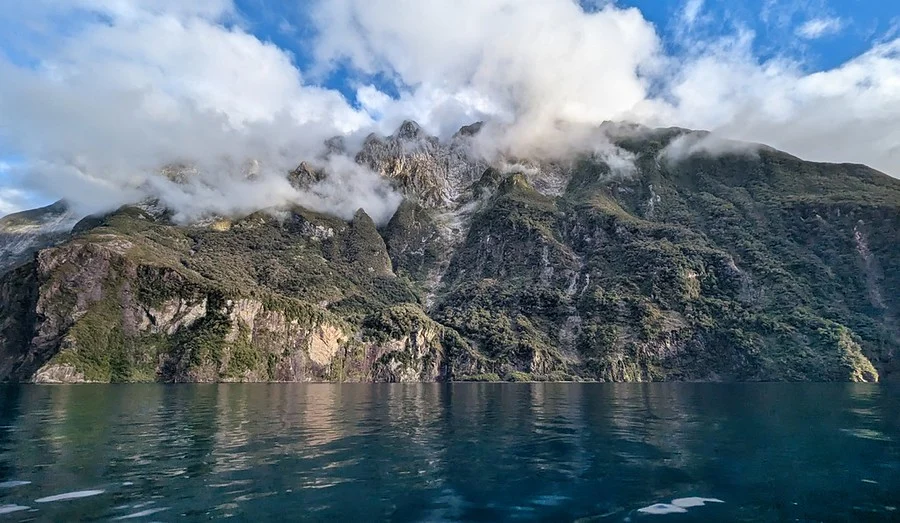
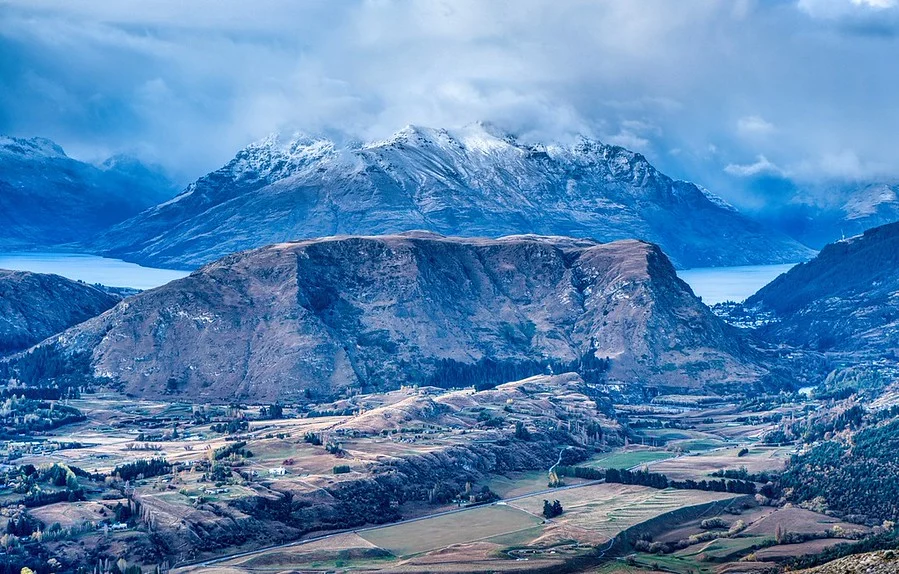
The photograph itself, titled "Mountain Layers," presents a scene where successive mountain ridges recede into the distance, each progressively veiled by atmospheric haze and the lingering remnants of winter snow. This visual layering is not merely an aesthetic choice; it is a direct manifestation of geological processes and meteorological conditions. The sharp contours of the foreground peaks, likely still bearing substantial snowpack, gradually soften into muted blues and grays in the background ranges. This atmospheric perspective, a phenomenon where distant objects appear less distinct and bluer due to the scattering of light by air molecules and particles, is amplified by the presence of snow. The reflective quality of snow enhances the brightness of the landscape, but as it begins to melt, the interplay of light and shadow on the exposed rock and vegetation creates new patterns and textures.
Ratcliff’s mention of "reverse season land" suggests a location in the Southern Hemisphere, where seasons are opposite to those in the Northern Hemisphere. This implies the photograph was taken during the transition from summer to autumn, or more likely, as indicated by the melting snow, from autumn to winter, or winter to spring in the Southern Hemisphere. Given the anticipation of snow disappearing, it is almost certainly depicting the end of winter and the onset of spring in a Southern Hemisphere locale. This temporal context is crucial, as it places the image within a specific climatological window.
Environmental Indicators and Scientific Significance
The visual evidence of diminishing snowpack is a potent indicator of rising temperatures. For climatologists and environmental scientists, such images, when part of a larger dataset or trend, can contribute to the understanding of climate change impacts. The rate at which snow cover melts, the duration of snow seasons, and the altitude at which snow persists are all critical metrics for assessing the health of mountain ecosystems and regional water resources.
Supporting Data and Trends:
Scientific studies have consistently documented a trend of decreasing snow cover extent and duration in many mountainous regions globally. For instance, reports from the Intergovernmental Panel on Climate Change (IPCC) have highlighted significant reductions in snow depth and water equivalent in various mountain ranges, including the Himalayas, the Alps, and the Rockies. The Arctic Council’s Arctic Climate Impact Assessment (ACIA) has also reported substantial changes in snow cover in polar and sub-polar regions. These changes have direct consequences for:
- Water Availability: Mountain snowpack acts as a natural reservoir, storing water during winter and releasing it gradually as meltwater in spring and summer. This meltwater is a vital source for agriculture, hydropower, and municipal water supplies for millions of people downstream. A shorter snow season and earlier melt can lead to water shortages during critical dry periods.
- Ecosystems: Many alpine plant and animal species are adapted to specific snow cover conditions. Changes in snow melt timing can disrupt flowering periods, breeding cycles, and migration patterns, potentially leading to species decline or shifts in community composition.
- Permafrost Thaw: In higher altitude regions, snow cover can insulate permafrost. As snow melts earlier, permafrost may be exposed to warmer air temperatures, accelerating thaw and releasing greenhouse gases like methane and carbon dioxide.
Timeline of Seasonal Transition:
The transition from winter to spring in mountainous regions is a dynamic process. Typically, this period is characterized by a gradual increase in daily temperatures, leading to increased snowmelt. In many temperate mountain environments, the snowline begins to recede upwards in spring. This is often accompanied by increased solar radiation, which further accelerates melting. The specific timing and intensity of this transition are influenced by a multitude of factors, including latitude, altitude, aspect (the direction a slope faces), and prevailing weather patterns.
In the Southern Hemisphere, where this photograph is likely situated, the end of winter and the beginning of spring occur around September and October. The image captures a moment within this transitional window, where the stark white of winter is giving way to the emerging greens and browns of the awakening landscape.
Broader Impact and Implications
Beyond its scientific value, imagery of mountain landscapes undergoing seasonal change holds significant cultural and recreational importance. Mountains are often revered for their grandeur and perceived permanence, yet photographs like "Mountain Layers" remind us of their inherent dynamism.
Recreational Impact:
The accessibility of mountain regions for activities like hiking, skiing, and climbing is directly tied to seasonal conditions. The melting of snow opens up hiking trails and climbing routes that are impassable during winter. Conversely, the diminishing snowpack signals the end of the ski season, impacting tourism and local economies dependent on winter sports.
Cultural Significance:
Across various cultures, mountains have held symbolic meaning, representing strength, spirituality, and the sublime. The changing appearance of mountains with the seasons can inspire art, literature, and philosophical reflection. The cyclical nature of snowmelt and regrowth mirrors broader themes of renewal and resilience.
Inferred Reactions and Perspectives:
While specific individuals or organizations are not named in the provided text, one can infer a range of potential reactions and perspectives related to this imagery.
- Environmental Advocates: Would likely see the photograph as a visual testament to the ongoing impacts of climate change, using it to emphasize the urgency of conservation efforts and policy changes.
- Local Communities: Depending on their reliance on natural resources, communities might express a mix of concern and anticipation. Concern over water scarcity due to reduced snowpack, coupled with anticipation for the opportunities that spring and summer bring for agriculture and tourism.
- Photographers and Art Enthusiasts: Would appreciate the aesthetic qualities of the image, recognizing its ability to evoke emotion and connect viewers to the natural world. They might discuss the technical aspects of capturing such a scene, including light, composition, and atmospheric conditions.
- Scientists and Researchers: Would be interested in the data that could potentially be extracted from the image, such as estimations of snow cover extent and elevation, and how it aligns with broader climate models and observations.
Analyzing the Visual Clues
The description "A familiar view from one range to another" suggests a panorama, where multiple mountain ranges are visible, creating a sense of depth and scale. The phrase "heading into spring here now (in reverse season land) so not long until all signs of snow are gone" is a direct indicator of the photographer’s location and the temporal context. This implies a region experiencing the end of its winter or late autumn, moving towards spring. The anticipation of snow disappearing is a key element, highlighting the transient nature of winter’s presence.
The visual composition, with its distinct layers, serves to illustrate the concept of atmospheric perspective and the gradual recession of terrain. Each layer of mountains represents a different distance from the viewer, and the subtle changes in color and clarity are indicative of the intervening atmosphere. The presence of snow on the closer ranges and its diminishing presence on the further ones underscores the altitudinal gradient and the varying microclimates within the mountainous terrain. As temperatures rise, snow melts at lower elevations first, revealing the underlying landscape. Higher elevations, or north-facing slopes, may retain snow for longer periods.
The fact that the image is part of a "Portfolio" on a website dedicated to photography suggests that this is not an isolated event but rather a collection of works intended to showcase a particular artistic vision or thematic interest. The inclusion of "Photo Information" and the absence of specific EXIF data (like aperture, shutter speed, focal length) in the provided snippet might indicate a focus on the artistic rather than the technical aspects of the photograph for the public viewing, or that the technical details are available elsewhere on the site.
Conclusion
"Mountain Layers" is more than just a beautiful photograph; it is a visual narrative that speaks to the profound and ongoing transformations within our natural world. As spring begins to assert its presence in the likely Southern Hemisphere location of its capture, the image serves as a poignant reminder of the delicate balance of ecosystems and the visible impacts of climatic shifts. The diminishing snowpack, a key feature of the photograph, is a critical environmental indicator, influencing water resources, biodiversity, and the very rhythm of life in mountainous regions. Through such visual documentation, photographers like Trey Ratcliff contribute to a broader public understanding and appreciation of the dynamic planet we inhabit, prompting reflection on both the ephemeral beauty of seasonal change and the long-term implications of a warming world. The layered mountains in the photograph, receding into the distance, can be seen as a metaphor for the layers of understanding we must build to comprehend and address the complex environmental challenges of our time.