Street photography has long been regarded as one of the most challenging and rewarding genres within the visual arts, requiring a keen eye for timing, composition, and human narrative. Traditionally the domain of heavy 35mm film cameras or high-end digital SLRs, the discipline has undergone a radical democratization with the advent of the smartphone. Today, the iPhone has emerged as a primary tool for documentary artists, but a persistent psychological barrier remains for many amateur and professional photographers: inclement weather. While rain, snow, and fog are often viewed as deterrents, industry experts and fine art street photographers, such as Philadelphia-based Andrew Gimblet, argue that these conditions provide the very atmospheric elements necessary to elevate a standard urban scene into a compelling work of art.
The technical evolution of the iPhone has played a pivotal role in this shift. Since the introduction of IP67 and subsequent IP68 water-resistance ratings—starting with the iPhone 7 and reaching current standards where devices can withstand submersion in up to six meters of water for 30 minutes—the hardware has become increasingly resilient to the elements. This technological safety net, combined with sophisticated computational photography and high-dynamic-range (HDR) processing, allows photographers to capture detail in low-light and low-contrast environments that were previously inaccessible.
The Narrative Power of Precipitation and Urban Shelter
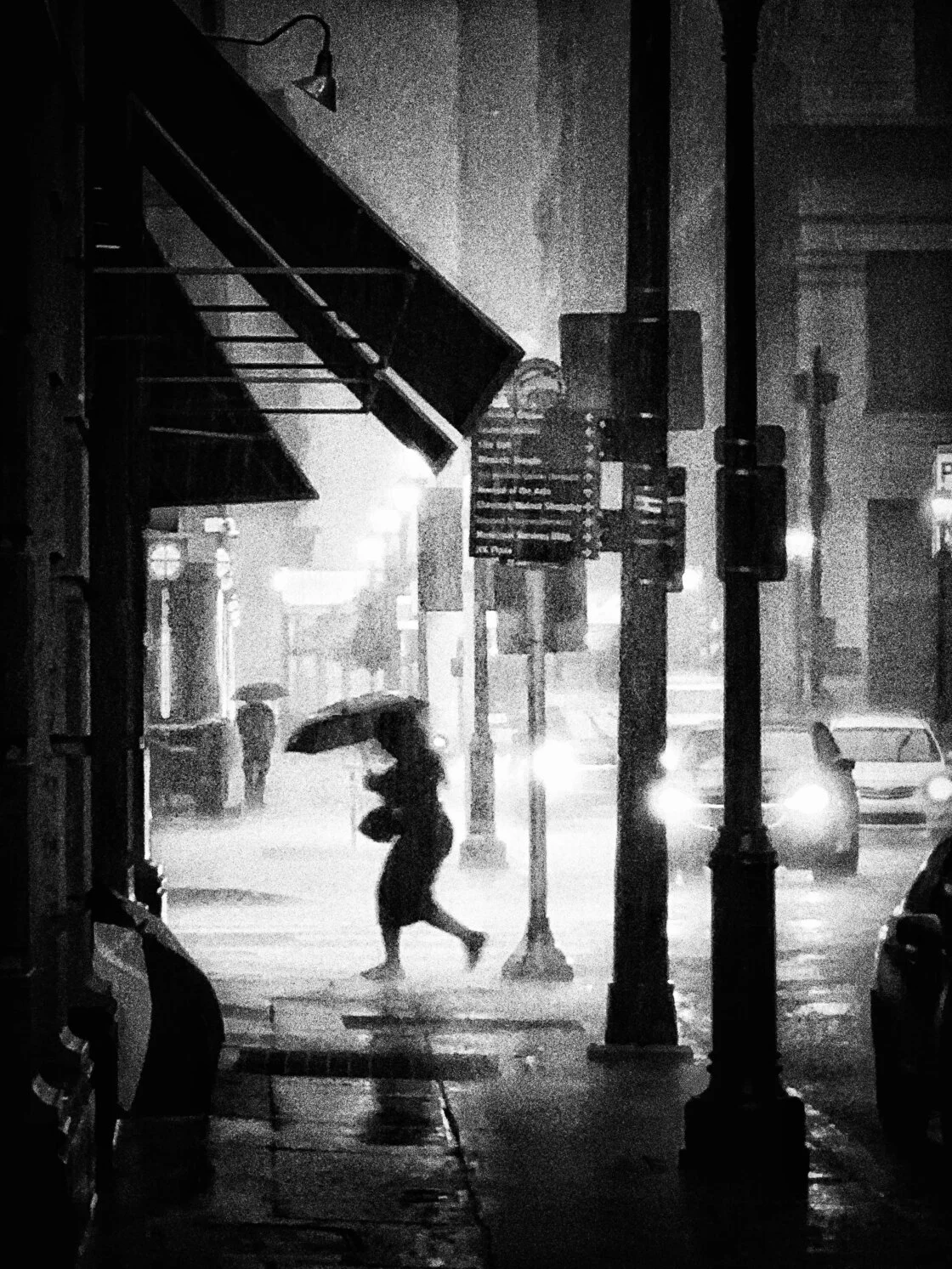
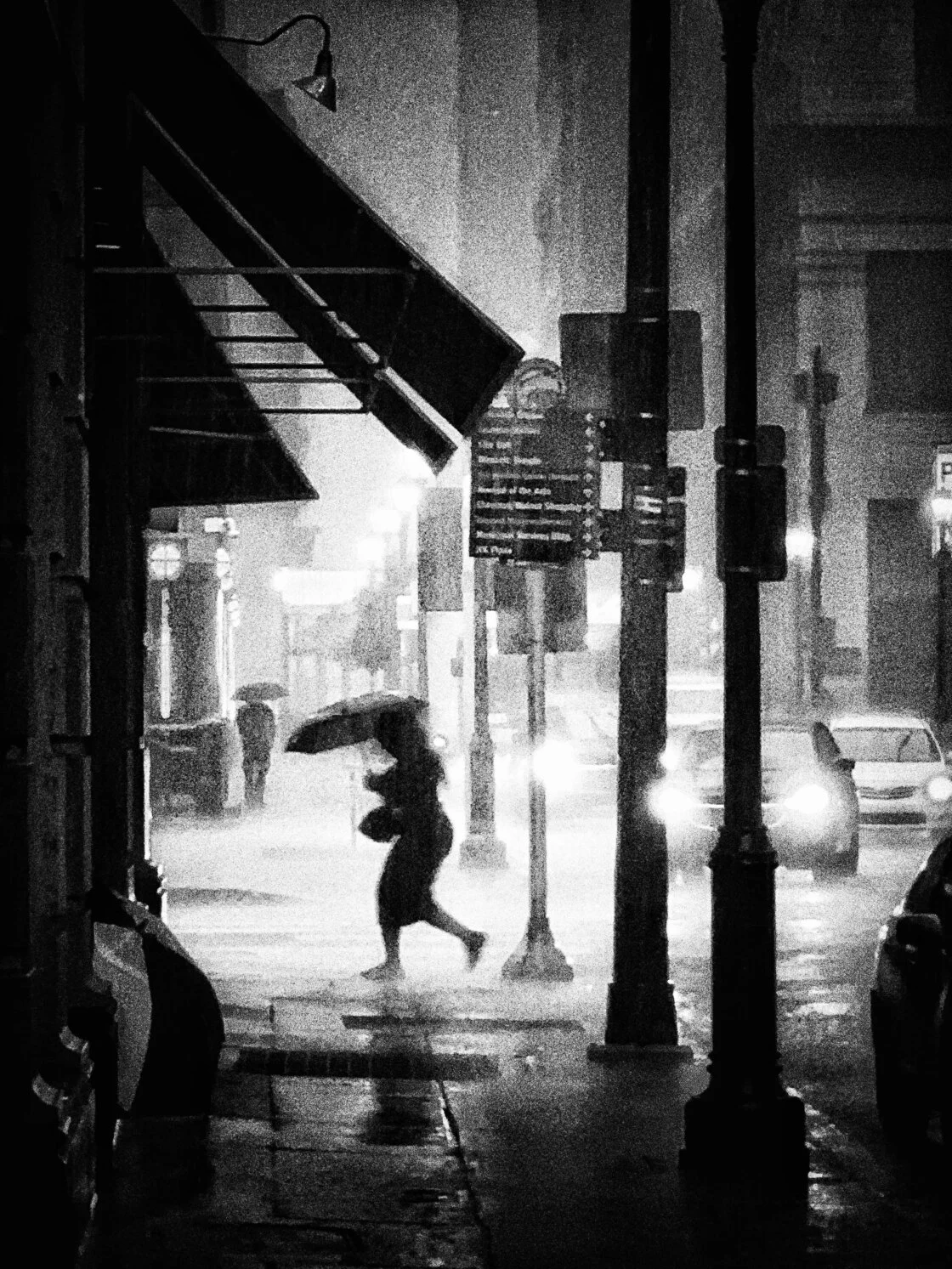
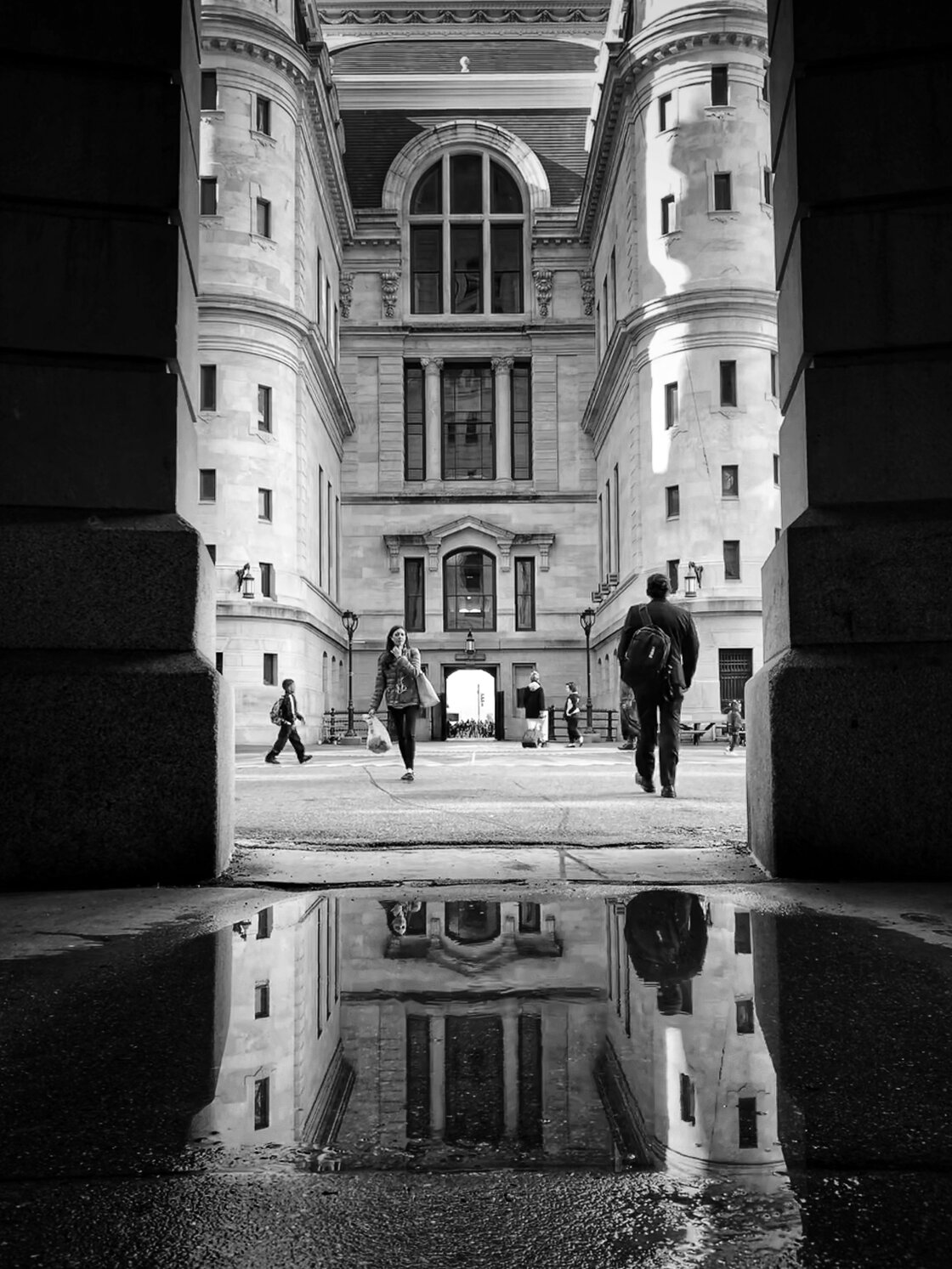
Rainfall transforms the texture of the city, creating a glossy, reflective veneer on surfaces that would otherwise appear matte and mundane. For the street photographer, rain serves as a narrative catalyst, altering the behavior of subjects and introducing new visual motifs. One of the most effective strategies for shooting in the rain is the utilization of urban "fishing holes"—semi-permanent locations such as bus stops, awnings, archways, and doorways. These structures provide a dry vantage point from which to observe the flow of the city without exposing the lens to excessive moisture.
The introduction of umbrellas into the frame offers more than just a seasonal accessory; they provide bold geometric shapes and vibrant color pops that serve as strong focal points. In a journalistic context, the umbrella becomes a symbol of the human struggle against the environment, adding a layer of storytelling to the image. By waiting for a subject with a particularly striking umbrella to enter a pre-composed frame, the photographer can create a balanced composition that contrasts human presence against the rigid lines of urban architecture.
Abstract Perspectives Through Transparent Barriers
Beyond direct observation, rain offers opportunities for abstraction through the use of transparent barriers. Shooting through windows—whether in a café, a bus, or a transit shelter—allows the photographer to use raindrops as a foreground element. This technique relies on the principle of shallow depth of field. By positioning the iPhone lens close to the glass and manually setting the focus on the water droplets, the background city scene is rendered into a soft, impressionistic blur.
This "bokeh" effect, enhanced by the iPhone’s internal image processing, draws the viewer into a more intimate, subjective experience of the city. It moves the photograph away from literal documentation and toward fine art. The technical challenge here lies in the iPhone’s autofocus system, which may struggle to lock onto clear droplets. Manual focus overrides, achieved by tapping and holding the screen to engage the AE/AF lock, are essential for maintaining the integrity of the foreground focus.
Reflection Dynamics and the Physics of Puddle Photography
Once the storm passes, the street photographer’s focus shifts from the sky to the ground. Puddles act as natural mirrors, offering a "world within a world" that can be exploited for symmetrical compositions. To maximize the impact of a reflection, the photographer must lower the camera’s perspective. A common professional technique involves flipping the iPhone upside down so that the lens—located at the top of the device—is as close to the water’s surface as possible.
This low-angle approach increases the visible area of the reflection, allowing architectural details and the sky to fill the frame. The use of "Burst Mode" is critical in these scenarios. By capturing a high-speed sequence of images as a subject walks through or past a puddle, the photographer can select the precise moment when the subject’s stride is most aesthetically pleasing. In modern iOS versions, this is achieved by dragging the shutter button to the left, or on older models, by holding the button down.
Chronology of the Winter Transformation: Snow as a Minimalist Canvas
Snowfall represents perhaps the most dramatic environmental shift a city can undergo. It acts as a natural "simplifier," covering distracting urban clutter with a uniform white layer and increasing the ambient light through high albedo (reflectivity). For the street photographer, snow provides a high-contrast canvas that emphasizes silhouettes and architectural skeletons.
The chronology of a snow shoot often begins with the search for a darker backdrop. Because snowflakes are white, they are only visible when captured against a dark background, such as a brick building, a shadowed alley, or a bridge. The narrative in snow photography often revolves around the theme of endurance. Subjects wrapped in heavy coats, battling wind, or engaged in the labor of clearing paths provide a rich source of human interest. Industry data suggests that winter-themed imagery often sees higher engagement in editorial markets due to the rare and fleeting nature of the conditions.
Technical Analysis: Exposure Compensation in High-Brightness Environments
One of the primary technical hurdles in snow photography is the camera’s internal light meter. Most digital sensors are calibrated to "18% gray." When a scene is dominated by bright white snow, the camera may mistakenly believe the environment is overexposed and will automatically darken the image, resulting in gray, "muddy" snow.
To counteract this, photographers must utilize exposure compensation. By tapping the screen and swiping up on the sun icon, the photographer can manually increase the exposure, ensuring the snow remains bright and white. This adjustment is a fundamental skill in snow-based street photography, allowing the artist to control the mood—ranging from bright and airy to dark and brooding—directly in the field rather than relying solely on post-processing.
Atmospheric Mystery and the Science of Fog
Fog offers a unique set of conditions characterized by the scattering of light by water droplets suspended in the air. This phenomenon, known as Mie scattering, reduces contrast and visibility, creating a natural sense of depth as objects further from the lens gradually fade into a gray void. In street photography, fog is used to evoke mystery, isolation, and a dream-like atmosphere.
The key to a successful fog photograph is the inclusion of a strong foreground subject to anchor the composition. A lone figure emerging from or receding into the mist provides a narrative hook. Furthermore, fog is an ideal environment for utilizing "leading lines"—roads, railway tracks, or bridge railings that disappear into the haze. This creates a powerful sense of three-dimensional space on a two-dimensional plane. To enhance the "moody" aesthetic, photographers often underexpose foggy scenes to emphasize silhouettes and the heavy, oppressive nature of the air.
The Aesthetic Shift: Transitioning to Monochromatic Narratives
A common critique of bad-weather photography is that the light can appear "flat" or the colors "dull." However, this lack of color saturation is precisely why many professionals, including Andrew Gimblet, opt to convert their work to black and white. By removing the distraction of color, the viewer is forced to focus on tone, texture, and contrast.
Black and white photography thrives in high-contrast situations. In rain or snow, the highlights of street lamps or car headlights against the dark, wet pavement create a dramatic chiaroscuro effect. Journalistic analysis of street photography trends indicates that monochromatic edits are often perceived as more "timeless" and "authoritative," making them a preferred choice for documentary projects that aim to capture the "soul" of a city rather than its surface-level appearance.
Digital Darkrooms: The Post-Processing Ecosystem
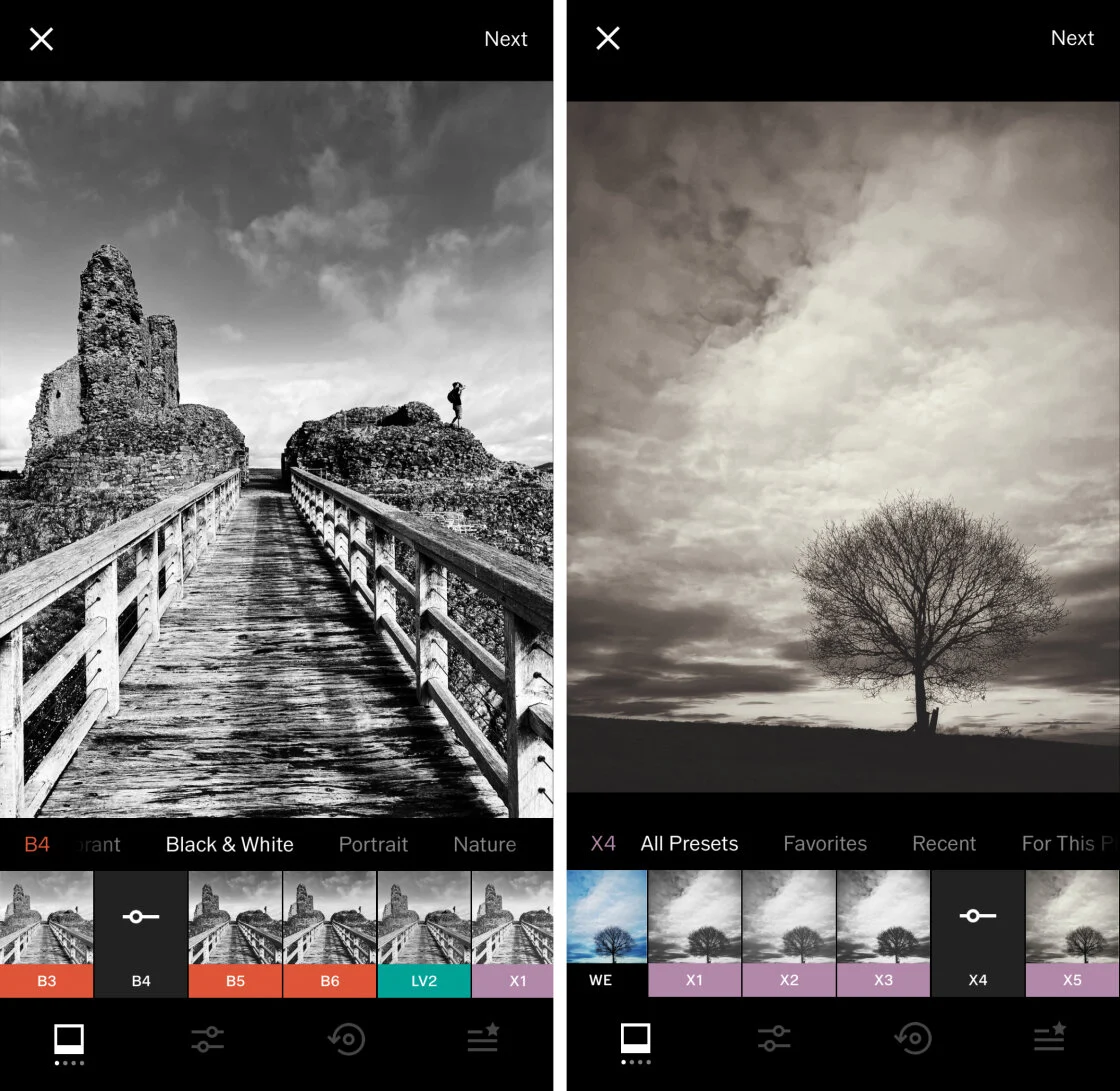
The final stage of iPhone street photography occurs in the digital darkroom. While the iPhone’s native "Photos" app offers robust editing tools and filters, many professionals migrate their images to specialized third-party applications for greater control.
- Adobe Lightroom Mobile: Offers professional-grade RAW editing, allowing for the recovery of details in highlights and shadows that might be lost in a standard JPEG.
- Snapseed: A Google-owned app known for its "Selective" tool, which allows photographers to adjust the brightness and contrast of specific areas of the image without affecting the entire frame.
- Blackie: A niche favorite for black-and-white enthusiasts, designed specifically to emulate the look and grain of classic film stocks.
The choice of app often depends on the desired final aesthetic. A "grainy" look might be used to evoke a sense of grit and realism, while a "high-contrast" edit might be used for more graphic, architectural compositions.
Broader Impact and Implications for Modern Photojournalism
The ability to capture high-quality imagery in adverse conditions using a device that fits in a pocket has profound implications for modern journalism and social documentation. We are currently in an era of "citizen journalism," where the first images of major weather events or urban shifts often come from iPhones rather than professional news crews.
By mastering these nine tips, photographers do more than just take "better photos"; they contribute to a more nuanced and comprehensive visual record of urban life. The democratization of these techniques ensures that the "bad weather" no longer silences the visual narrative of the city. Instead, it becomes a tool for creative expression, proving that the best time to take a photograph is often when everyone else is heading indoors. As the hardware continues to improve—with rumors of larger sensors and improved periscope lenses in future iterations—the boundary between the smartphone and the professional camera will continue to blur, further solidifying the iPhone’s place in the pantheon of great street photography tools.