The evolution of the smartphone from a simple communication device into a sophisticated tool for professional-grade imaging has fundamentally altered the landscape of modern photography. As Apple continues to iterate on its hardware, the transition from single-lens configurations to complex multi-lens arrays has introduced a new layer of technical decision-making for the average consumer. For users of modern iPhone models, the choice between Wide, Ultra Wide, and Telephoto lenses is no longer merely a matter of convenience but a critical creative decision that dictates the narrative and aesthetic quality of the final image. This shift has necessitated a surge in technical literacy among mobile users, leading to the proliferation of specialized educational resources like the iPhone Photo Academy, which aims to bridge the gap between hardware capability and user execution.
The Technical Architecture of the Modern iPhone Camera System
To understand the implications of multi-lens photography, one must first analyze the hardware that drives these devices. Modern iPhone Pro models typically feature a three-lens array, each designed with specific optical properties that serve distinct photographic purposes.
The "Wide" lens, often referred to as the Main camera, serves as the primary sensor for most users. It typically features the largest sensor and the fastest aperture (often f/1.78 or similar), allowing for superior low-light performance and a shallow depth of field. With focal lengths usually equivalent to 24mm or 26mm in full-frame terms, it offers a balance between a broad field of view and minimal distortion, making it the versatile choice for daily snapshots.
The "Ultra Wide" lens, generally featuring a 13mm equivalent focal length, provides a 120-degree field of view. This lens is engineered for expansive landscapes and architectural photography, though it introduces significant perspective distortion at the edges—a characteristic that photographers can use creatively to emphasize scale. Since the introduction of the iPhone 13 Pro, this lens has also doubled as a macro photography tool, utilizing advanced autofocus capabilities to capture subjects from as close as two centimeters.
The "Telephoto" lens represents the third pillar of the system, offering optical zoom capabilities that vary by model—typically 3x (77mm equivalent) or 5x (120mm equivalent on the iPhone 15 Pro Max and newer). By narrowing the field of view, the telephoto lens creates "background compression," a phenomenon where distant objects appear closer to the subject, making it the preferred choice for portraiture and wildlife photography.
A Chronology of Optical Innovation at Apple
The journey toward the current triple-lens standard has been marked by several key milestones in Apple’s hardware development cycle. This chronology highlights the rapid pace of mobile optical engineering over the last decade:
- 2007–2015: The Single-Lens Era. From the original iPhone to the iPhone 6s, users were limited to a single wide-angle lens. Innovation during this period focused primarily on megapixel count, sensor size, and the introduction of phase-detection autofocus.
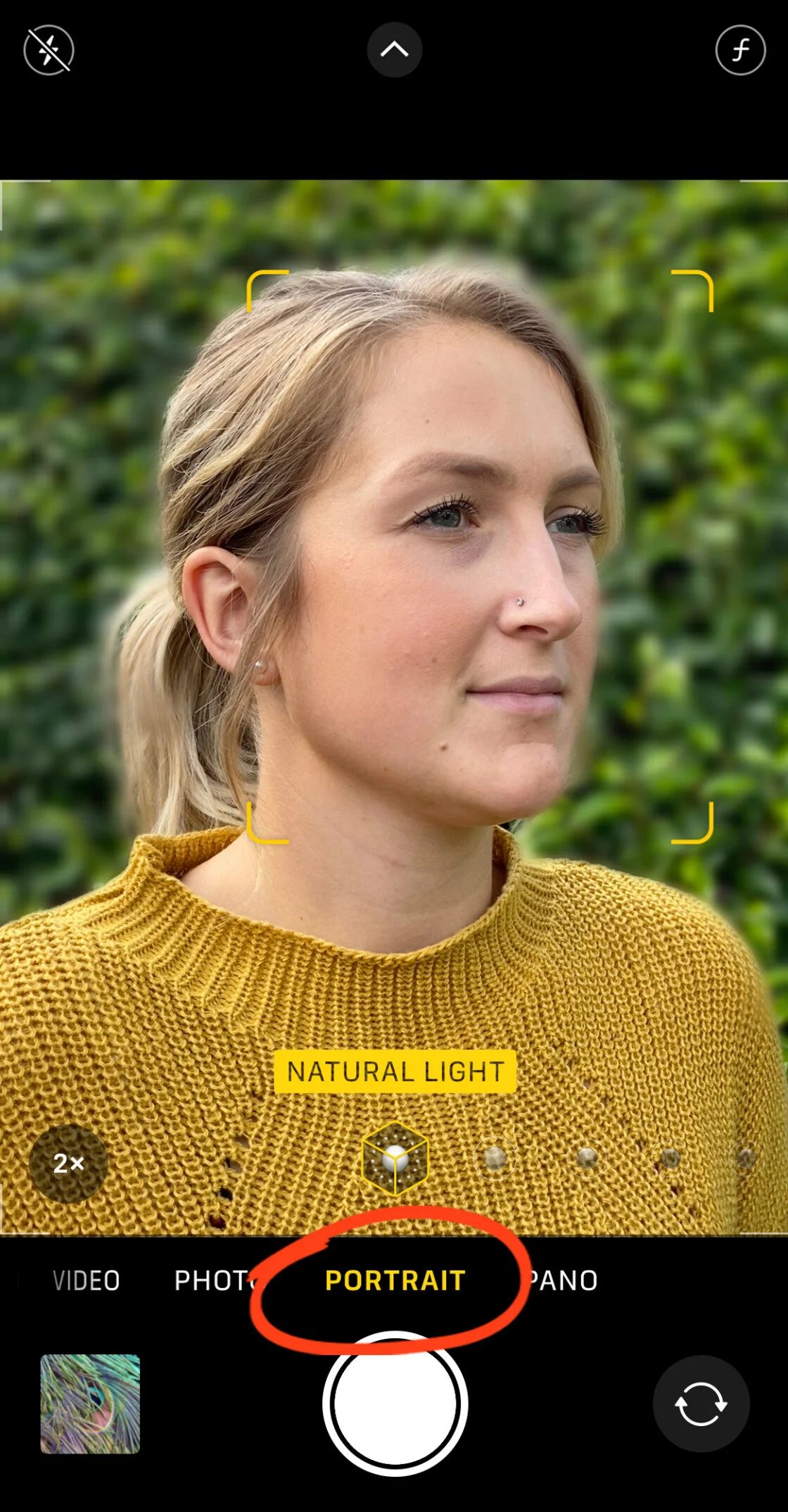
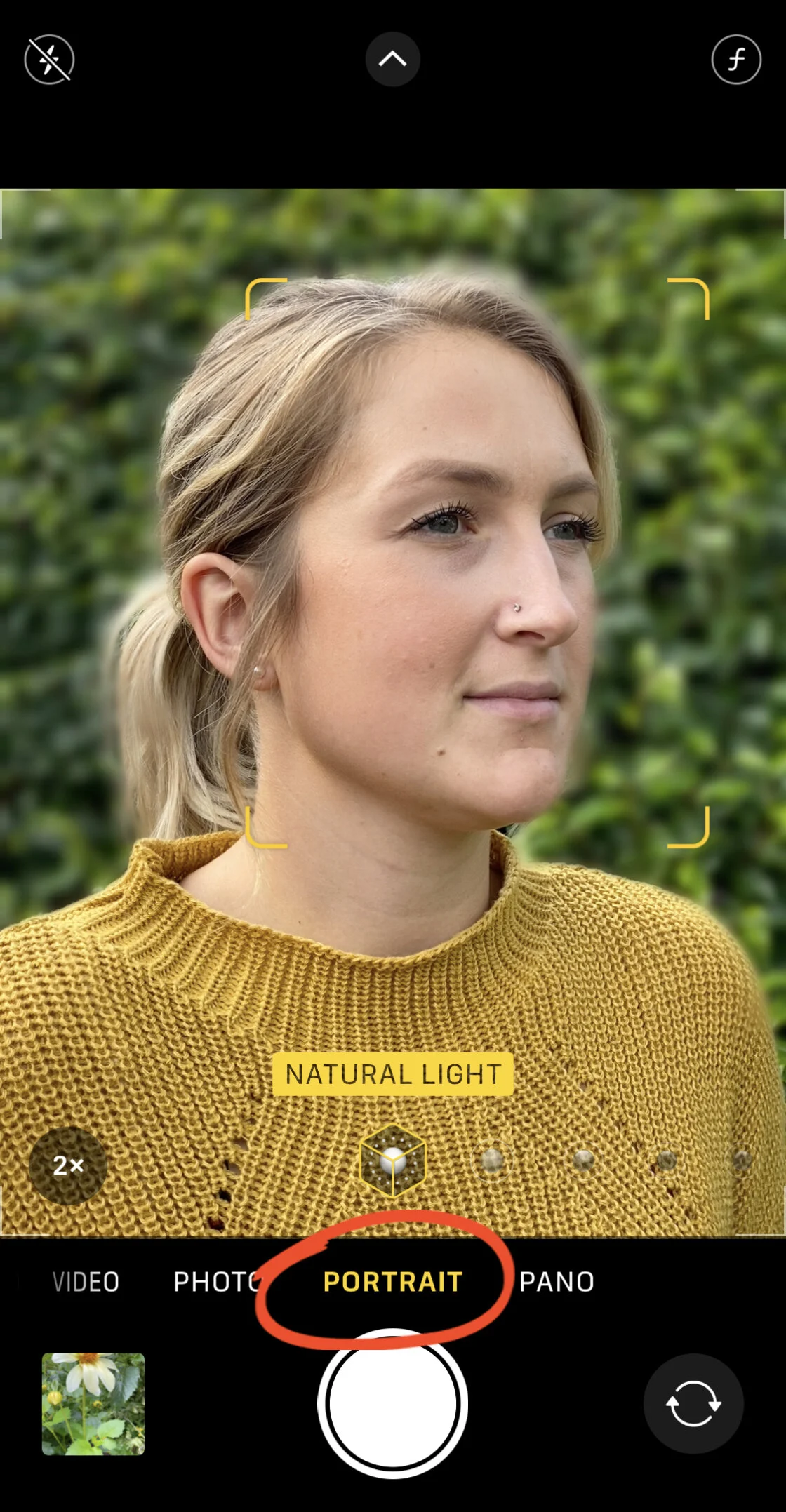
- 2016: The Introduction of Dual Lenses. The iPhone 7 Plus marked a significant turning point with the introduction of a second "Telephoto" lens. This allowed for the debut of Portrait Mode, which used disparity mapping between the two lenses to simulate "bokeh" or background blur.
- 2019: The Triple-Lens Revolution. With the launch of the iPhone 11 Pro, Apple introduced the Ultra Wide lens, completing the "Pro" trinity. This allowed users to toggle between 0.5x, 1x, and 2x zoom levels natively.
- 2020: LiDAR Integration. The iPhone 12 Pro added a LiDAR (Light Detection and Ranging) scanner, which, while not a lens itself, significantly improved the camera system’s ability to focus in low light and enhanced the accuracy of depth-sensing for AR and portraiture.
- 2023–2024: The Periscope Lens and Beyond. The introduction of the tetraprism design in the iPhone 15 Pro Max allowed for 5x optical zoom, a feat of engineering that folded light four times within the device’s slim chassis to achieve a longer focal length without increasing the phone’s thickness.
Market Data and the Decline of Traditional Cameras
The impact of these hardware advancements is reflected in global market trends. According to data from the Camera & Imaging Products Association (CIPA), global shipments of digital cameras have seen a staggering decline since the peak in 2010. Point-and-shoot digital cameras have been almost entirely replaced by smartphones.
Industry reports suggest that as of 2023, over 90% of all photos taken globally were captured on a mobile device. The "Pro" segment of the smartphone market, which features these multi-lens systems, has seen steady growth even as the overall smartphone market has matured. Consumers are increasingly willing to pay a premium for "Pro" models, citing camera quality as the primary driver for their purchase. This trend has forced traditional manufacturers like Sony, Nikon, and Canon to pivot away from the entry-level market, focusing instead on high-end mirrorless systems for enthusiasts and professionals.
The Role of Computational Photography
A critical component of the iPhone’s success is not just the glass and sensors, but the silicon that processes the data. Apple’s "Photonic Engine" and "Deep Fusion" technologies represent the intersection of optics and artificial intelligence. When a user presses the shutter button, the device does not take just one photo; it captures a series of frames at different exposures.
The Image Signal Processor (ISP) within the A-series chips analyzes these frames pixel by pixel, selecting the best details from each to create a composite image with high dynamic range (HDR) and reduced noise. This computational overhead is what allows a small smartphone sensor to compete with much larger dedicated cameras. The ability of the software to seamlessly transition between the Wide, Ultra Wide, and Telephoto lenses—maintaining consistent color science and exposure across all three—is a technical feat that remains a benchmark in the industry.
Industry Perspectives and Expert Analysis
Photography experts and industry analysts suggest that the complexity of these systems has created a new "knowledge gap" for consumers. "The hardware is now so capable that the limiting factor is no longer the device, but the user’s understanding of focal lengths and composition," says mobile imaging analyst Marcus Thorne. "We are seeing a massive demand for educational content because people realize they have a $1,000 professional tool in their pocket, but they are only using 10% of its potential."
Educational platforms like the iPhone Photo Academy have responded to this by shifting focus from "how to take a photo" to "how to think like a photographer using mobile constraints." Their curriculum emphasizes the physics of light and the psychological impact of different perspectives—concepts that were once reserved for film school students but are now relevant to anyone posting on social media or documenting family life.
Broader Implications for Media and Society
The democratization of high-quality imaging tools has profound implications for journalism, social activism, and the creative arts. The "best camera is the one you have with you" mantra has been validated by the rise of "iPhoneography" in professional circles. Major news outlets now frequently publish photos and videos captured on iPhones, and several high-profile feature films have been shot entirely on mobile devices using the multi-lens system to achieve cinematic variety.
Furthermore, the integration of these lenses has changed how we document history. The Ultra Wide lens allows for a more immersive "first-person" perspective in citizen journalism, capturing the scale of protests or natural disasters in ways a standard lens cannot. Conversely, the Telephoto lens allows for discreet documentation from a distance, providing safety for journalists in volatile environments.
Future Outlook: The Convergence of AI and Optics
Looking ahead, the trajectory of iPhone camera technology suggests a move toward even greater integration of Artificial Intelligence. Future iterations are expected to utilize AI not just for processing, but for "generative fill" and advanced object removal natively within the camera app. There are also persistent rumors regarding the implementation of larger 1-inch sensors, which would bring smartphone image quality even closer to that of professional DSLR cameras.
As the hardware continues to evolve, the distinction between a "smartphone user" and a "photographer" will continue to blur. The multi-lens system is the catalyst for this change, turning every iPhone owner into a potential visual storyteller. However, as Kate Wesson and other educators point out, the technology remains a tool. The true power of the Wide, Ultra Wide, and Telephoto lenses lies in the user’s ability to understand their unique characteristics and apply them to the right moment, ensuring that the technology serves the vision, rather than the other way around.
In conclusion, the iPhone camera is no longer a singular entity but a sophisticated suite of optical tools. For the millions of users worldwide, mastering these lenses is the key to unlocking a new era of personal and professional expression, driven by the most significant advancement in accessible photography since the invention of the digital sensor.