October 22, 2024
By Heather Woolery

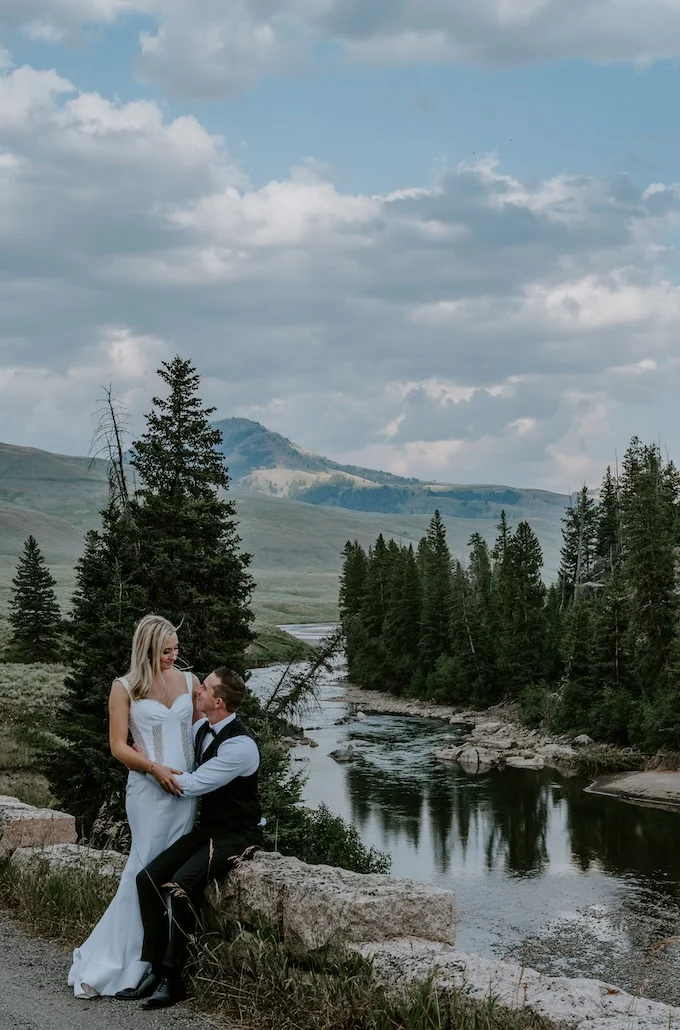
In recent years, national parks, particularly Yellowstone, have experienced a significant surge in popularity for wedding and elopement photography. This trend, observed over the last five years, is likely influenced by a confluence of factors, including the cultural impact of popular media like the hit television show "Yellowstone," the centennial celebration of the National Park Service in 2016, and the post-pandemic travel boom that saw record-breaking tourist numbers in parks like Yellowstone once they reopened. The allure of a national park wedding is undeniable, offering couples a choice from 63 distinct parks across the United States, each providing unique landscapes, breathtaking views, and accessible amenities, including paved pathways, ensuring guest comfort while immersing in natural beauty. For photographers considering expanding their services to include national park wedding and elopement photography, understanding the inherent challenges and rewards is crucial.
The Rise of National Park Elopements: A Photographer’s Perspective
The journey into national park wedding and elopement photography for Heather Woolery, the author of this piece, began in 2018 with a micro-wedding in Joshua Tree National Park for an Oregon-based couple. Since then, Woolery has documented over a dozen weddings and elopements across 11 national parks, with Yellowstone emerging as the most frequented and sought-after location. Her personal connection to Yellowstone, dating back to childhood, has provided a unique perspective, transforming her experience from that of a tourist to an intimate understanding of the park’s most beautiful and enigmatic locations, ideal for capturing wedding moments.

Following her first Yellowstone elopement in 2020, Woolery initiated a meticulous process of mapping out potential photography locations within the park. This detailed approach involved noting critical variables such as the optimal time of day for photography at specific sites, the typical visitor density, and the seasonal variations. This in-depth research allowed her to develop a nuanced understanding of Yellowstone not just as a tourist destination, but as a viable and breathtaking venue for weddings and elopements, enabling her to offer an elevated level of service to her Yellowstone-based clients.
Navigating the Nuances of National Park Weddings
Unlike conventional wedding venues that often provide comprehensive planning services, officiants, and curated vendor lists, national parks operate under a different framework. Most national parks do not offer in-house officiants or pre-approved vendor directories. While some couples may engage professional wedding planners specializing in destination events or national park logistics, a significant portion opt to hire only a photographer. In such scenarios, the photographer often assumes a de facto planning advisory role, leveraging their intimate knowledge of the park or their research capabilities to help couples craft a bespoke, feasible, and regulation-compliant wedding experience.

This advisory role is particularly critical given the intricate permitting processes and logistical considerations unique to national parks. Couples planning their nuptials in these protected areas must navigate requirements for Special Use Permits (SUPs), understand transportation limitations, and coordinate unique experiences, all while adhering to park regulations designed to preserve the natural environment. Photographers who can effectively guide couples through these complexities add significant value to their services, moving beyond mere documentation to become essential collaborators in realizing the couple’s vision.
Yellowstone’s Evolving Permit Landscape
Historically, photographers operating commercially within Yellowstone National Park were required to obtain a Commercial Use Authorization (CUA). This process was often extensive and involved significant fees. However, recent policy adjustments have streamlined the requirements for elopements and small weddings. Currently, Yellowstone primarily requires couples to obtain a Special Use Permit (SUP) for elopements, which also serves as the photographer’s permit for the event. This simplification has made it more accessible for photographers to offer services in the park.

However, the park’s immense popularity, as one of the most visited national parks in the United States, presents ongoing challenges. High visitor traffic, especially at iconic locations like Old Faithful, Grand Prismatic Spring, and Mammoth Hot Springs, necessitates careful planning to ensure a private and intimate experience for the couple. Photographers and couples must be acutely aware of the time of year and consider alternative, less crowded locations within the park to avoid being surrounded by large groups of tourists during the ceremony and photo sessions. Strategic timing, often involving early morning or late afternoon, and knowledge of lesser-known scenic spots are paramount to a successful national park elopement.
The Pros and Cons of National Park Wedding Photography
The decision to specialize in national park wedding and elopement photography involves weighing significant advantages against potential drawbacks.

Advantages:
- Unparalleled Backdrops: National parks offer a diverse array of stunning natural landscapes, from majestic mountains and serene lakes to vast deserts and geothermal wonders. These provide unique and breathtaking settings that are difficult to replicate in traditional venues. The inherent beauty of these locations often minimizes the need for extensive décor, allowing the natural environment to be the focal point.
- Unique Couple Experiences: Eloping or having a micro-wedding in a national park offers couples an intimate and adventurous experience. Activities like hiking to a ceremony site, encountering wildlife (from a safe distance, of course), or stargazing in pristine dark skies can create deeply personal and memorable moments that go beyond a typical wedding day.
- Growing Market Demand: As evidenced by the increasing popularity of parks like Yellowstone, there is a growing segment of couples seeking unconventional, nature-centric wedding experiences. Photographers who can cater to this demand can tap into a niche market with significant growth potential.
- Creative Opportunities: The dynamic natural light, varied terrain, and inherent drama of national park settings provide photographers with abundant creative opportunities. Capturing moments against a backdrop of geothermal activity, ancient forests, or sweeping vistas allows for truly distinctive and artistic imagery.
- Potential for Reduced Competition (in certain niches): While popular parks are seeing more activity, there are still many national parks that remain relatively underexplored for wedding photography. Photographers willing to research and establish a presence in these less-common locations might find less competition.
Challenges:

- Logistical Complexity: Planning a wedding in a national park involves significant logistical hurdles. This includes securing the correct permits, understanding park regulations regarding group sizes, alcohol consumption, and decorations, and coordinating transportation for the couple and any guests. Photographers often find themselves deeply involved in assisting with these aspects.
- Permit Costs and Regulations: While some parks have simplified their permit processes, costs can still be a factor. Furthermore, regulations can vary significantly between parks and are subject to change, requiring photographers to stay consistently informed. Some parks may have restrictions on specific activities or locations.
- Weather Variability: National parks are subject to unpredictable weather patterns. Photographers must be prepared for a wide range of conditions, including extreme heat, cold, snow, rain, and wind, and have strategies to adapt their shooting plan accordingly. This often requires specialized gear and a flexible mindset.
- Accessibility and Guest Considerations: While many parks have paved pathways, some prime photography locations may require hiking or navigating uneven terrain. Photographers must consider the physical capabilities of the couple and any potential guests when selecting ceremony and photo locations.
- Visitor Crowds: As mentioned, popular parks can be extremely crowded, especially during peak tourist seasons. Managing these crowds to create an intimate atmosphere for the couple requires advanced planning, scouting of less-visited areas, and potentially working around peak hours.
- Limited Infrastructure: Unlike traditional venues, national parks often have limited facilities. This means dealing with a lack of restrooms, changing areas, or power sources, which can add complexity to the day’s logistics for both the couple and the photographer.
- Wildlife Encounters: While exciting, wildlife encounters can also pose a risk. Photographers must be aware of wildlife safety protocols and ensure the safety of their clients and themselves while capturing images.
Essential Preparations for National Park Photography
For photographers aspiring to excel in national park wedding and elopement photography, a strategic approach to preparation is vital. This goes beyond standard photography skills and delves into an understanding of the unique environment and its operational requirements.
- Deep Park Knowledge: Thoroughly research the specific park where the wedding or elopement will take place. This includes understanding its geography, climate, seasonal variations, flora and fauna, and most importantly, its regulations and permitting processes. Familiarity with the park’s layout, popular spots, and hidden gems is invaluable.
- Permit Acquisition: Always ensure all necessary permits are secured in advance. Understand who is responsible for obtaining which permit (couple vs. photographer) and maintain copies of all documentation.
- Contingency Planning: Develop comprehensive backup plans for various scenarios, including adverse weather, unexpected road closures, or changes in park accessibility. This might involve identifying alternative ceremony sites, timing adjustments, or even backup date options.
- Gear Preparedness: Invest in robust and versatile photography gear suitable for outdoor environments. This includes weather-sealed camera bodies, lenses that can handle various lighting conditions, and durable tripods. For challenging terrains or weather, consider specialized equipment like waterproof bags, extra batteries, and appropriate footwear.
- Client Communication: Maintain open and frequent communication with clients about the realities of a national park wedding. Clearly outline what is feasible, what to expect regarding crowds and weather, and the logistical steps involved. Managing client expectations is key to a successful and stress-free experience.
- Building a Network: Connect with park rangers, local vendors who specialize in national park events, and other photographers in the field. This network can provide valuable insights, support, and potential referrals.
- Physical Fitness: Be prepared for the physical demands of shooting in national parks. This may involve hiking long distances, carrying heavy equipment, and working in varied environmental conditions.
The Enduring Appeal of a National Park Nuptial
Despite the inherent complexities, the appeal of a national park wedding remains strong, offering couples an unparalleled opportunity to forge a deeply personal and profoundly beautiful beginning to their married life. The sheer majesty of these protected landscapes provides a backdrop that transcends fleeting trends, imbuing the celebration with a sense of timelessness and grandeur. For photographers, the challenge of navigating these environments and capturing these intimate moments presents a rewarding avenue for professional growth and creative expression. The ability to assist couples in realizing their dream of a wedding surrounded by the raw, untamed beauty of nature is a testament to the enduring power of love and the captivating allure of the great outdoors. As more couples seek authentic and experiential celebrations, the role of photographers well-versed in the intricacies of national park weddings is set to become even more significant.

Heather Woolery is a Northwest-based photojournalist recognized for her evocative and nostalgic style in capturing weddings and elopements globally, utilizing both digital and analog film formats. She is currently developing a series of digital guides for engaged couples, slated for release in early 2025. Her work can be followed on Instagram, YouTube, Patreon, and Pinterest.