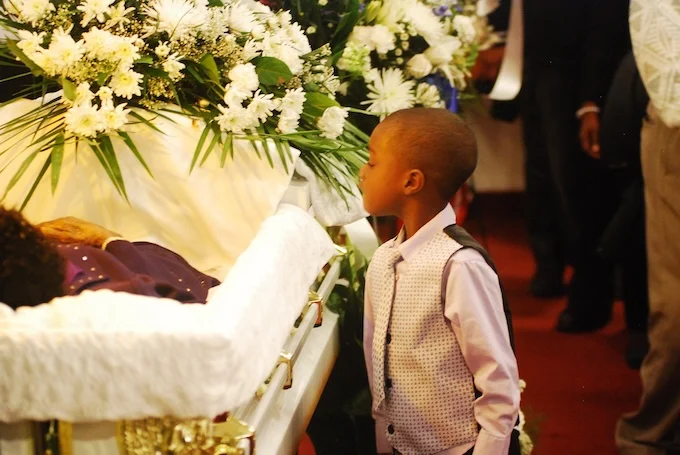
Funeral photography, a practice that once held a prominent place in Victorian society before fading into a modern-day taboo, is experiencing a quiet revival. Photographer Duane Knight, proprietor of Your Legacy Photography, champions this often-overlooked genre, asserting its profound significance as a therapeutic tool for navigating grief through the art of visual storytelling. Knight estimates that only a handful of dedicated funeral photographers currently operate globally, a stark contrast to the practice’s historical prevalence. Driven by a mission to broaden the acceptance and accessibility of funeral photography, he is actively educating fellow photographers on integrating this sensitive yet vital service into their portfolios.

Echoes of Remembrance: Capturing the Ineffable
The emotional resonance of photography in commemorating lost loved ones is a sentiment familiar to many professional photographers. Clients often express profound gratitude for portraits that capture a deceased relative, with some revealing these images were the only cherished photographs available for display during funeral services. However, the broader potential of funeral photography – its capacity to actively aid families in processing their grief – remains less understood.
Knight, who has spent approximately a decade documenting funerals and has curated over 150 Legacy Funeral Albums, observes a recurring pattern: families converge from across the nation and sometimes the globe to honor a departed individual. The sheer emotional intensity of such gatherings, however, can often blur the details, leaving attendees with hazy recollections of who was present. Funerals, much like weddings, birthdays, and christenings, serve as rare junctures where extended family and friends convene, creating fleeting moments of connection. A meticulously crafted funeral album can thus become an invaluable memento, preserving not only the memory of the deceased but also the presence of those who came to pay their respects. For those unable to attend, these albums can serve as a vital link, fostering a sense of inclusion and shared remembrance.

The genesis of formal funeral photography can be traced back to the Victorian era, a period characterized by a fascination with mortality and the meticulous preservation of memory. Post-mortem photography, often featuring elaborate settings and garments, was a common practice, intended to capture a final image of a loved one, particularly for families who could not afford formal portraits during their lifetime. This tradition, while steeped in sentimentality, gradually waned with advancements in technology and shifting cultural attitudes towards death and remembrance. The advent of more accessible personal photography and a societal inclination to shield individuals from the stark realities of death contributed to its decline.
Navigating the Taboo: From Forbidden to Cherished
Knight acknowledges the cultural complexities surrounding funeral photography. "Funerals being photographed is definitely a cultural thing," he states. "Some cultures don’t want any photos, and to them, it’s taboo. In a group of ten people you might get two or three who want funeral photography." Despite these reservations, Knight, through Your Legacy Photography, is dedicated to serving those who desire this unique form of commemoration. His core belief is rooted in the fundamental human need to preserve memories, and he firmly advocates that "all families who want funeral photography should have the opportunity to get it."

The contemporary perception of funeral photography is often shaped by a misunderstanding of its purpose. Rather than intruding upon solemnity, proponents like Knight view it as a sensitive and respectful documentation of a significant life event. The goal is not to capture moments of overt distress, but rather to document the quiet dignity, the shared tears, the supportive embraces, and the collective presence of those gathered to honor a life. This visual record provides a tangible anchor for memories that can otherwise become fragmented by grief.
Cultivating a New Tradition: Education and Advocacy
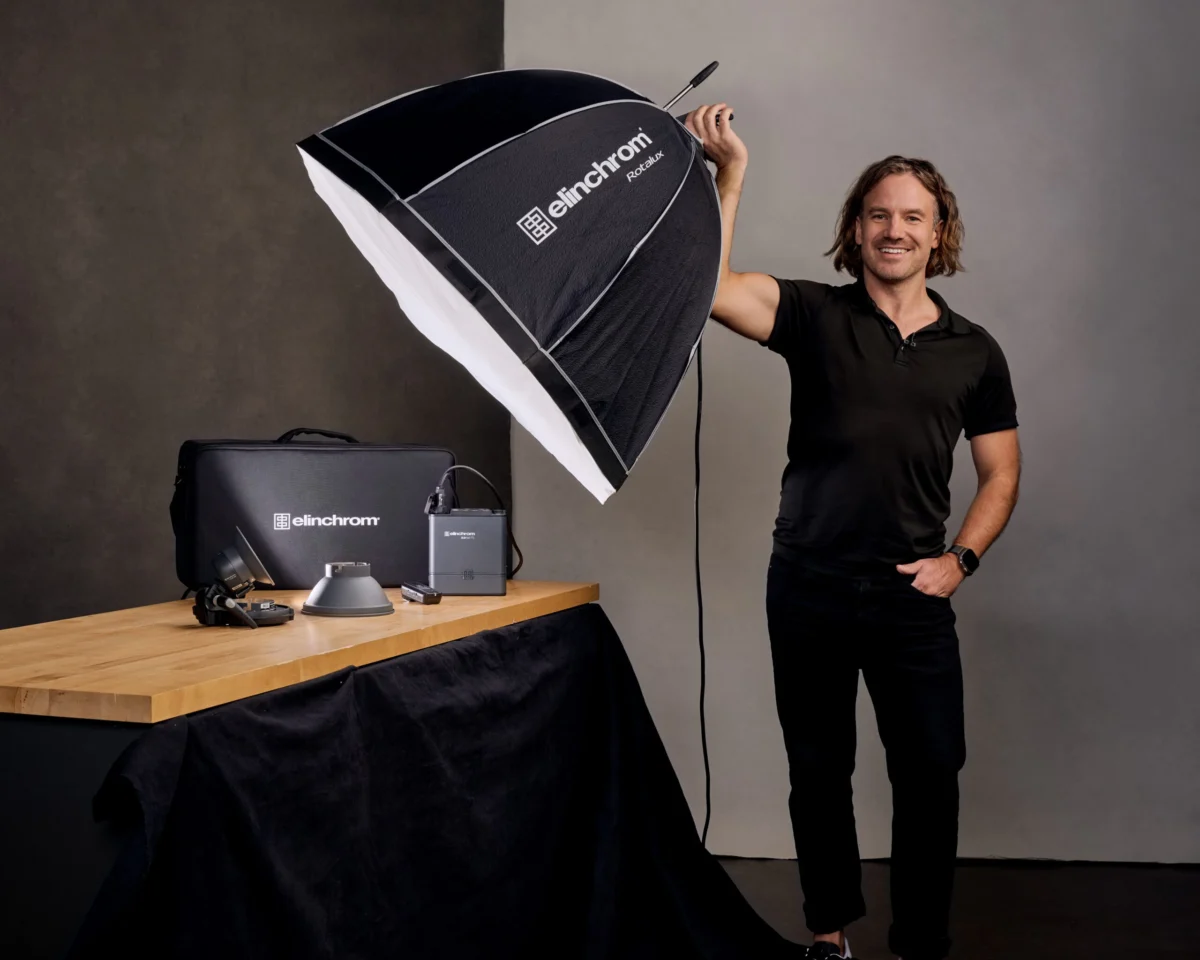
In his endeavor to normalize and expand the practice of funeral photography, Knight is actively engaged in educating other photographers. He believes that by sharing his expertise, he can empower more professionals to offer this sensitive service. His efforts extend to prominent industry events, such as WPPI (Wedding & Portrait Photographers International) in Las Vegas, where he disseminates information and advocates for the art of funeral photography.

Knight’s commitment to education is evident in his distinctive approach at conferences. Attendees can easily identify him by his hat, emblazoned with "I Love Funeral Photography," and a vest featuring the slogan, "Ask Me about the Art of Funeral Photography." This outward display serves as a conversation starter, inviting dialogue and demystifying a genre that many photographers may have previously considered off-limits. His presence at these events signifies a deliberate strategy to integrate funeral photography into the broader landscape of professional photography services, fostering awareness and understanding.
The Broader Landscape of Grief Documentation
The emergence of specialized services catering to grief and remembrance is a growing trend. Beyond funeral photography, there are now photographers who focus on "grief photography," capturing the raw emotions and intimate moments of families navigating loss in the immediate aftermath of a death. This can include sessions in the hospital room, at home, or during memorial services, offering a deeply personal and cathartic visual narrative.

Furthermore, the increasing acceptance of documenting life’s significant transitions, from birth to aging, naturally extends to acknowledging and commemorating the end of life. This cultural shift suggests a growing societal comfort with confronting mortality and finding solace in visual representations of the human experience, in its entirety. The digital age, while sometimes accused of fostering superficiality, also provides unprecedented tools for sharing and preserving memories, making the concept of digital funeral albums and online memorials increasingly relevant.
Data and Impact: Quantifying the Need
While precise global statistics on the demand for funeral photography are scarce, anecdotal evidence and the experiences of practitioners like Knight suggest a latent but significant need. Families often report a lack of adequate visual documentation from funeral services, underscoring the void that funeral photographers aim to fill. The economic implications, while secondary to the emotional impact, are also noteworthy. As a specialized niche, funeral photography can represent a stable and meaningful revenue stream for photographers willing to embrace its challenges and rewards.

The growth of Your Legacy Photography, with its extensive portfolio of Legacy Funeral Albums, serves as a testament to the demand. Knight’s experience of delivering 150 albums over a decade indicates a consistent, albeit unpublicized, market. This suggests that for every family that actively seeks out funeral photography, there are likely many more who would benefit from its availability but are unaware of the service or deterred by societal stigma.
Analysis and Implications: A Future of Compassionate Documentation
The rise of funeral photography, spearheaded by advocates like Duane Knight, signals a potential paradigm shift in how society approaches death and remembrance. By reframing funeral photography not as an intrusion but as an act of compassionate documentation, practitioners can help families preserve invaluable memories and find a visual language for their grief.

The implications of this movement are multifaceted:
- Therapeutic Value: Funeral photography offers a tangible means for individuals to process loss, providing a visual anchor for memories that can be revisited and cherished. The act of creating and reviewing these albums can be a cathartic experience, facilitating healing over time.
- Preservation of Family History: In an era where personal histories are increasingly fragmented, funeral photography ensures that the final chapter of a loved one’s life is visually recorded, contributing to a comprehensive family narrative.
- Democratization of Remembrance: By educating more photographers, Knight’s initiative aims to make funeral photography accessible to a wider range of families, regardless of their cultural background or geographical location.
- Challenging Societal Norms: The advocacy for funeral photography inherently challenges societal taboos surrounding death and grief, encouraging a more open and honest dialogue about mortality.
As Duane Knight continues his mission, his efforts at conferences and through his online presence are likely to inspire a new generation of photographers to consider this deeply meaningful, albeit sensitive, art form. The journey from Victorian solemnity to modern-day acceptance is ongoing, but with dedicated individuals like Knight leading the way, the art of capturing the final farewell is poised to become a more recognized and treasured aspect of human experience. His dedication to training and his visible presence at industry events are crucial steps in shifting perceptions and ensuring that those who wish to memorialize their loved ones through photography have that opportunity. The future of funeral photography, guided by empathy and artistic integrity, promises to offer solace and preserve legacies for generations to come.