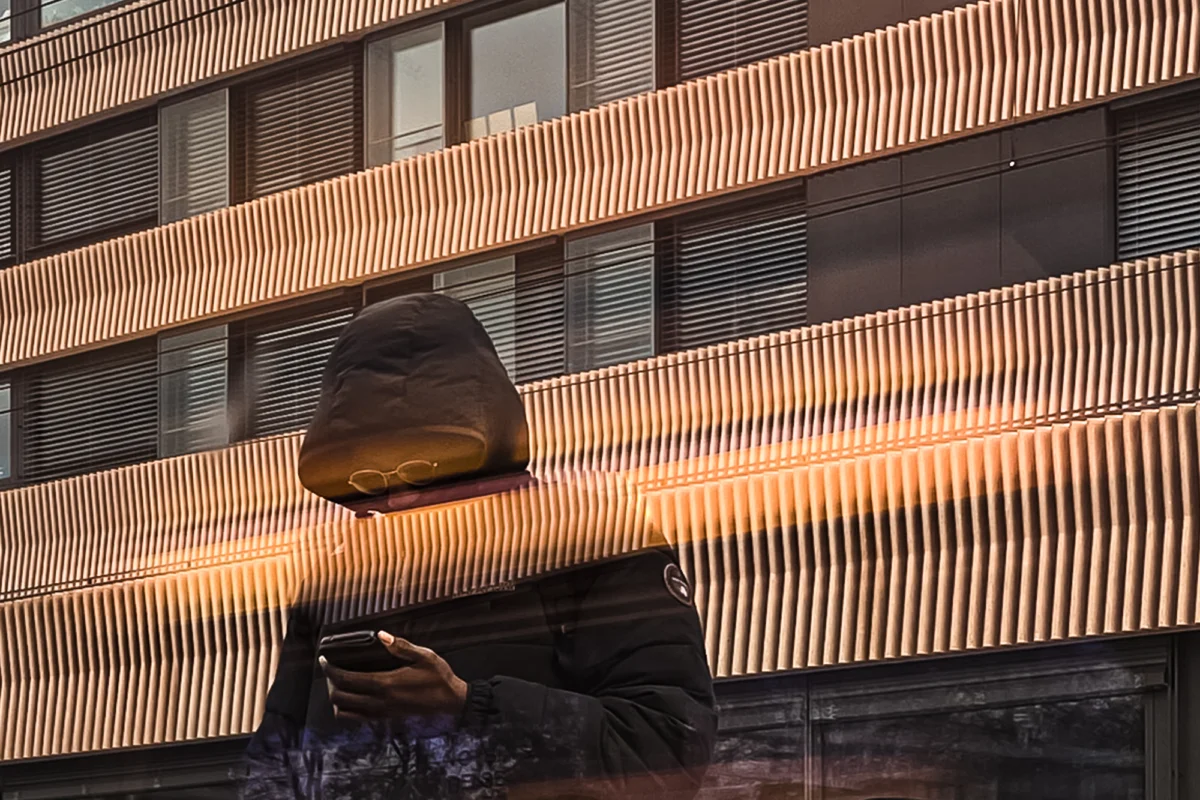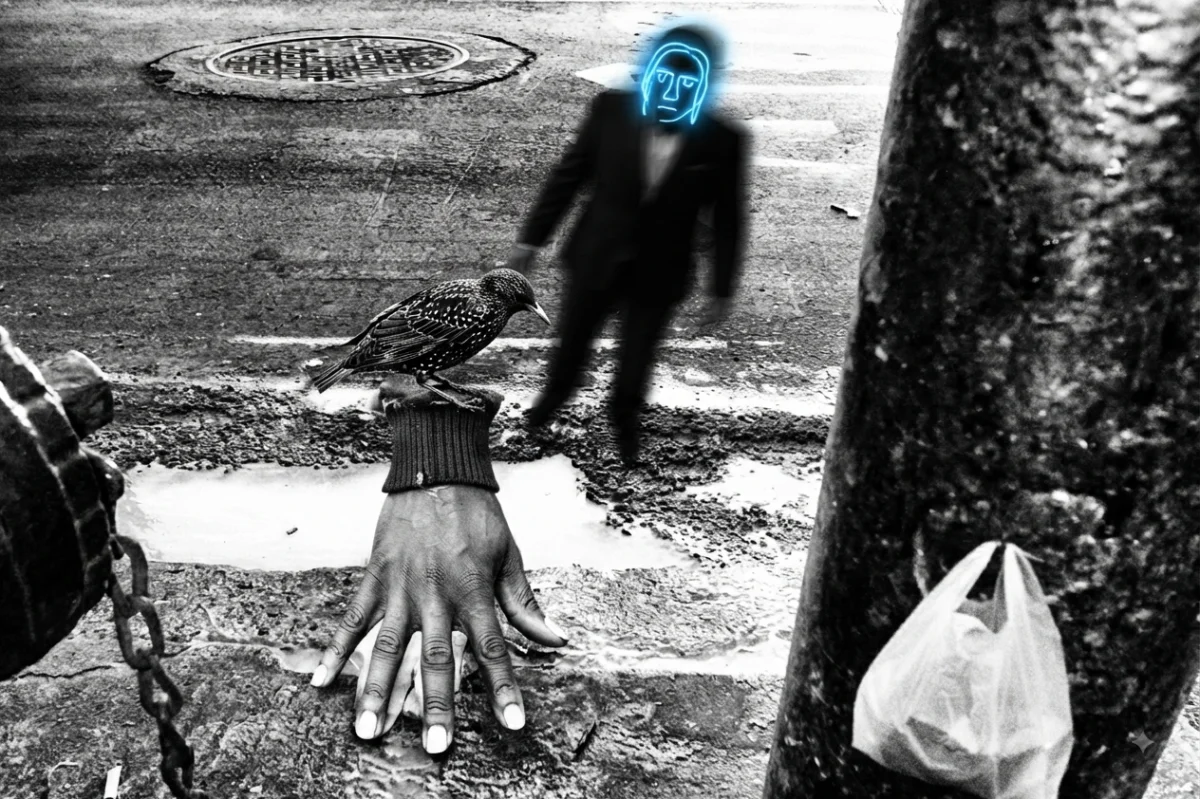
The integration of artificial intelligence (AI) into creative workflows is no longer a nascent trend but a pervasive force, reshaping industries and professions across the globe. Photography, a medium deeply rooted in capturing moments of reality, is now at a critical juncture, facing profound questions about the role of AI in its practice, particularly within the venerable genre of street photography. This evolution has sparked significant debate, prompting a re-evaluation of authenticity, authorship, and the very definition of photographic art. The line between human creation and machine-assisted output is becoming increasingly blurred, raising concerns about the integrity and distinctiveness of street photography as a documentary tradition.
The Street Photography Dilemma: Authenticity Versus Augmentation
Street photography, by its very nature, is intrinsically linked to the documentary tradition. It relies on an authentic, unmediated connection to a specific time and place, a direct observation of life unfolding before the lens. The introduction of AI tools into this process challenges this fundamental principle. When AI assists in image selection, metadata tagging, or even generative retouching and editing, the question arises: where does the human photographer’s contribution end and the machine’s begin? This has led to a conceptual schism, with some advocating for distinct categories like "promptography" for AI-generated works, while others seek to understand how AI can be integrated without compromising the core tenets of the genre.
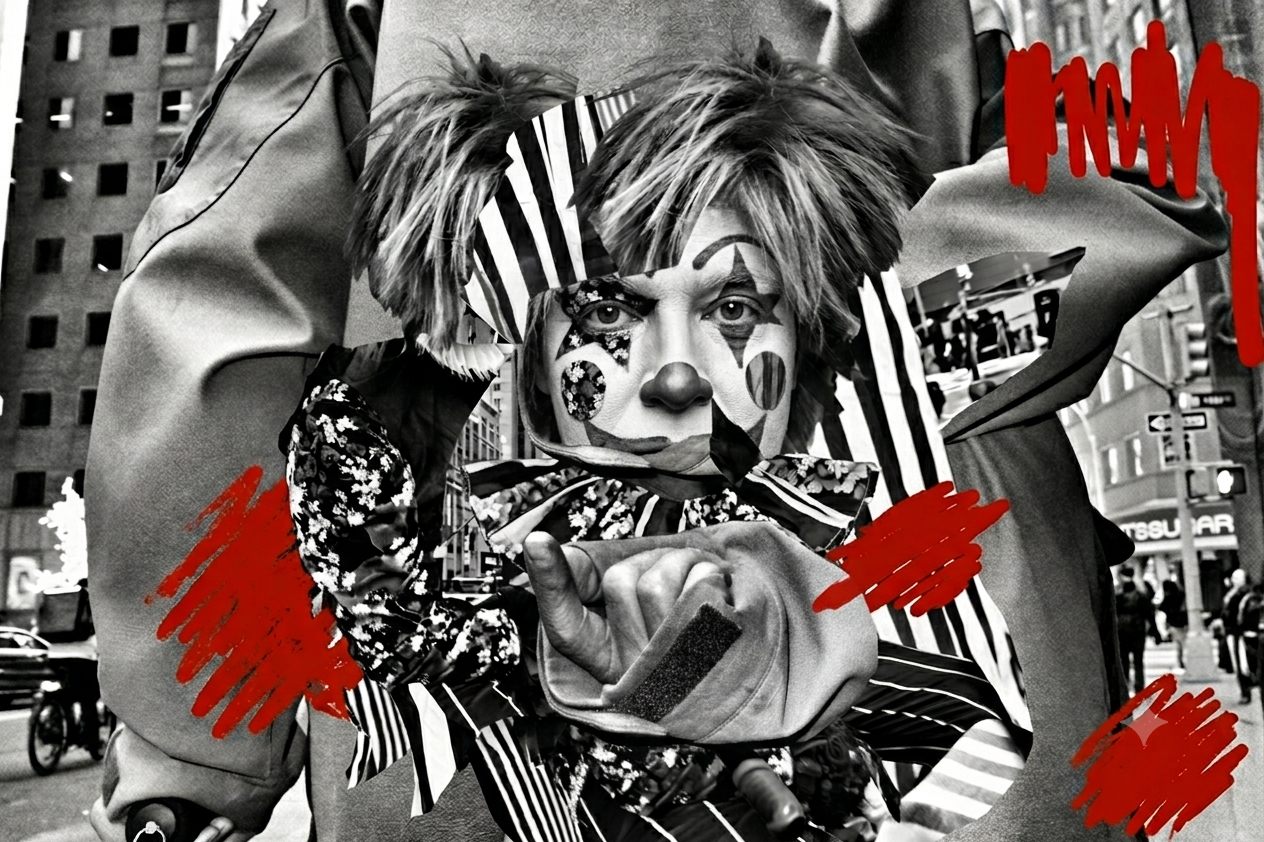
The current debate echoes historical technological shifts in art and media. The advent of the printing press, the invention of the camera, and the widespread adoption of digital editing software each met with initial skepticism and resistance. In the realm of writing, for instance, many literary publications have begun to reject submissions that show any evidence of AI assistance. However, this stance invites further examination. Should dictionaries, grammar checkers, or even the vast repository of the internet, from which writers draw information and inspiration, also be proscribed? The argument for banning AI in photography often centers on preserving the "human element." Yet, even in the most traditional forms of photography, human intent is often augmented by technological processes. Modern digital cameras employ sophisticated algorithms for autofocus, exposure metering, and image stabilization, all forms of computational intelligence. Automated metadata tagging, a standard practice for organizing large volumes of images, is also a function of machine intelligence. Therefore, the notion of a "pure" photographic act, entirely devoid of artificial intelligence, becomes increasingly elusive.
Historical Precedents and Evolving Tools
The history of photography is replete with examples of technological advancements that initially disrupted and were later embraced by practitioners. The introduction of roll film and portable cameras in the late 19th century democratized photography, moving it from the studio to the streets. Similarly, the transition from analog to digital photography brought about seismic changes, altering workflows, editing practices, and the very economics of the medium. Each innovation, while met with apprehension by some, ultimately expanded creative possibilities and accessibility.
In the early days of digital photography, software like Adobe Photoshop became indispensable for image manipulation. Initially, the extent of digital retouching was a subject of debate, with concerns about altering reality. However, over time, sophisticated editing techniques became standard practice, and the creative use of these tools became an accepted aspect of photographic artistry. AI-powered tools can be viewed as an evolution of these digital editing capabilities, offering more advanced and automated functionalities. For example, AI-driven tools can now perform complex tasks such as background replacement, subject isolation, and even stylistic transformations with remarkable speed and precision. This mirrors the progression from manual darkroom techniques to automated digital processes.
The Spectrum of AI Integration in Photography
The integration of AI in photography spans a wide spectrum, from subtle enhancements to complete generative processes. At one end, AI can serve as an intelligent assistant, optimizing workflows and improving efficiency. This includes:
- Image Culling and Selection: AI algorithms can analyze vast libraries of images, identifying the strongest compositions, sharpest focus, and most compelling moments, thereby saving photographers significant time in post-production. Platforms like Adobe Lightroom and Luminar employ AI for these tasks.
- Metadata Tagging and Organization: AI can automatically generate descriptive tags for images based on their content, making it easier to search and manage large archives. This is particularly beneficial for professional photographers dealing with thousands of images.
- Personalized Editing Profiles: AI can learn a photographer’s aesthetic preferences and apply consistent editing styles across a series of images, ensuring a cohesive visual output.
At the other end of the spectrum lie generative AI tools, which can create entirely new images from textual prompts or manipulate existing images in ways that significantly alter reality. This is where the most significant ethical and artistic questions arise, particularly for genres like street photography that emphasize documentary integrity.
Addressing the "Ban or Not to Ban" Fallacy
The current discourse often frames the issue as a binary choice: either ban AI entirely from street photography or embrace it without reservation. This dichotomy is unproductive. As AI continues to evolve and integrate into our daily lives, attempting to outright ban it from a creative discipline is likely an untenable and ultimately futile endeavor. Instead, the focus needs to shift towards establishing clear guidelines and fostering a more nuanced understanding of AI’s role.
The author’s analogy to writing tools is pertinent. While AI-generated prose may be rejected by some publications, standard editing software like Grammarly, which uses AI to suggest improvements, is widely accepted. Similarly, the internet, a vast source of information and inspiration, is a tool that writers have long utilized. The crucial distinction lies in the degree of human intent and authorship. When AI becomes the primary creative force, the nature of the artwork fundamentally changes.
The Imperative of Transparency and Disclosure
The core of the ongoing debate revolves around authenticity and the artist’s intent. In an era where AI can convincingly mimic human creativity, establishing clear boundaries and promoting transparency becomes paramount. The author suggests that instead of outright bans, the street photography community should consider demanding radical transparency regarding an image’s creation process. This means going beyond just disclosing AI use and potentially revealing the entire workflow.
This call for transparency echoes historical practices. In the analog era, contact sheets offered a glimpse into a photographer’s process, revealing the number of shots taken to achieve a single iconic image. While many photographers chose not to share these sheets, preferring to present a curated final product, the underlying context of their work was implicitly understood. In the digital age, where burst modes can capture hundreds of frames in seconds, and AI can refine these into a seemingly perfect image, the gap between the raw capture and the final presentation has widened.
If the community is to demand transparency regarding AI, then it logically follows that other aspects of the photographic process should also be subject to scrutiny. For instance, a photographer who exclusively shoots single frames, prioritizing a "decisive moment," has a different approach than one who utilizes continuous burst mode to capture a multitude of possibilities. Understanding this distinction is crucial for a complete evaluation of the artwork and the photographer’s skill.
Implications for the Future of Street Photography
The pervasive integration of AI into creative fields necessitates a proactive approach from artistic communities. For street photography, this means grappling with the following:
- Redefining Authorship: How do we attribute authorship when AI plays a significant role in image creation? Is it the person who writes the prompt, the AI model itself, or a collaborative effort?
- Maintaining Documentary Integrity: For street photography rooted in documentary principles, how can AI be used without compromising the authenticity of the captured moment?
- Establishing Ethical Frameworks: Developing clear ethical guidelines for the use of AI in street photography, ensuring responsible and transparent practices.
- Educating the Audience: Informing the public about the evolving nature of photography and the role of AI, fostering critical engagement with images.
The author’s assertion that attempting to ban AI is a "fool’s errand" is a pragmatic observation. Artificial intelligence is an irreversible technological advancement that will continue to influence how images are created and consumed. The true challenge lies in navigating this new terrain with integrity and foresight. The street photography community, like many other artistic disciplines, must engage in this critical dialogue to define its future, ensuring that innovation serves to enrich, rather than dilute, the essence of the art form. The question is not whether AI will be part of street photography, but how it will be integrated, and what standards of practice will emerge from this ongoing evolution. The path forward requires a commitment to thoughtful discussion, adaptive frameworks, and a dedication to preserving the core values that define street photography as a powerful and meaningful artistic pursuit.