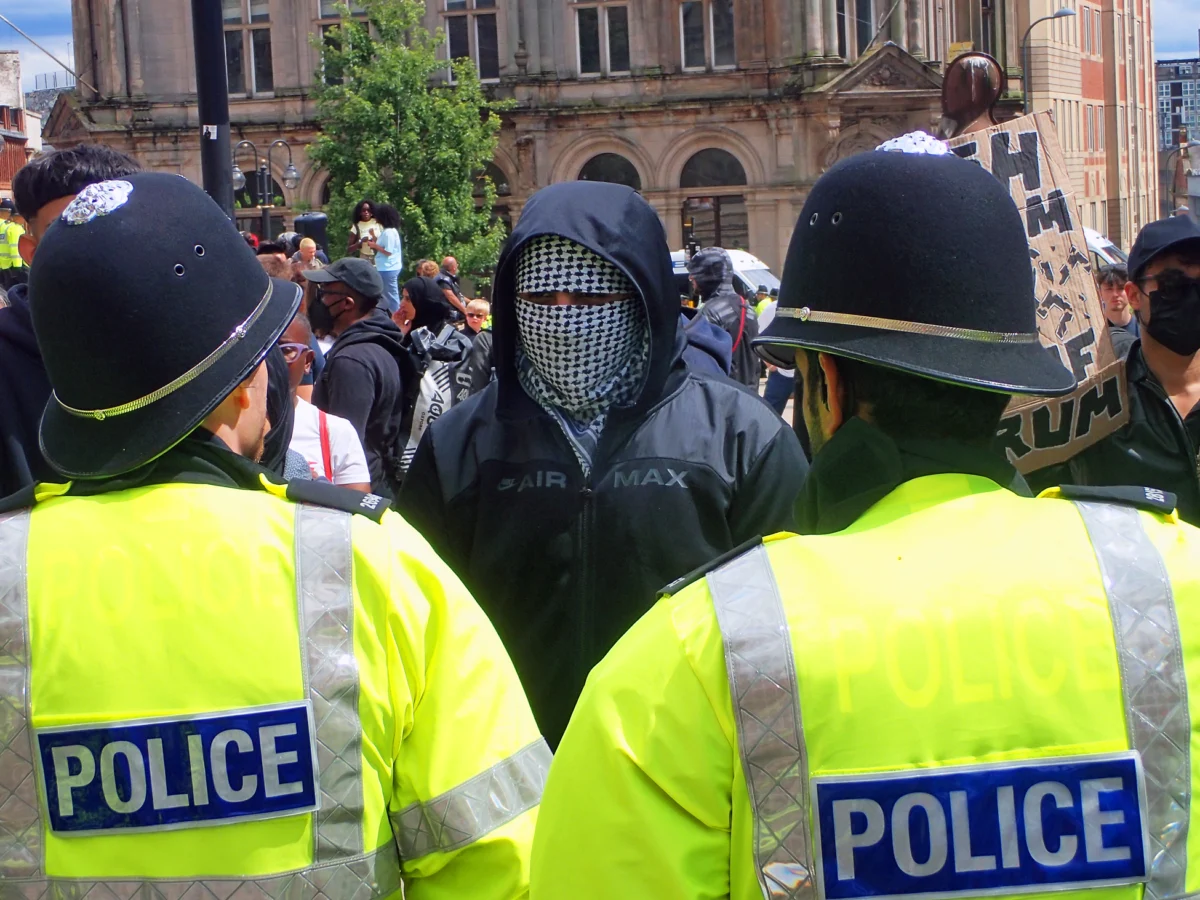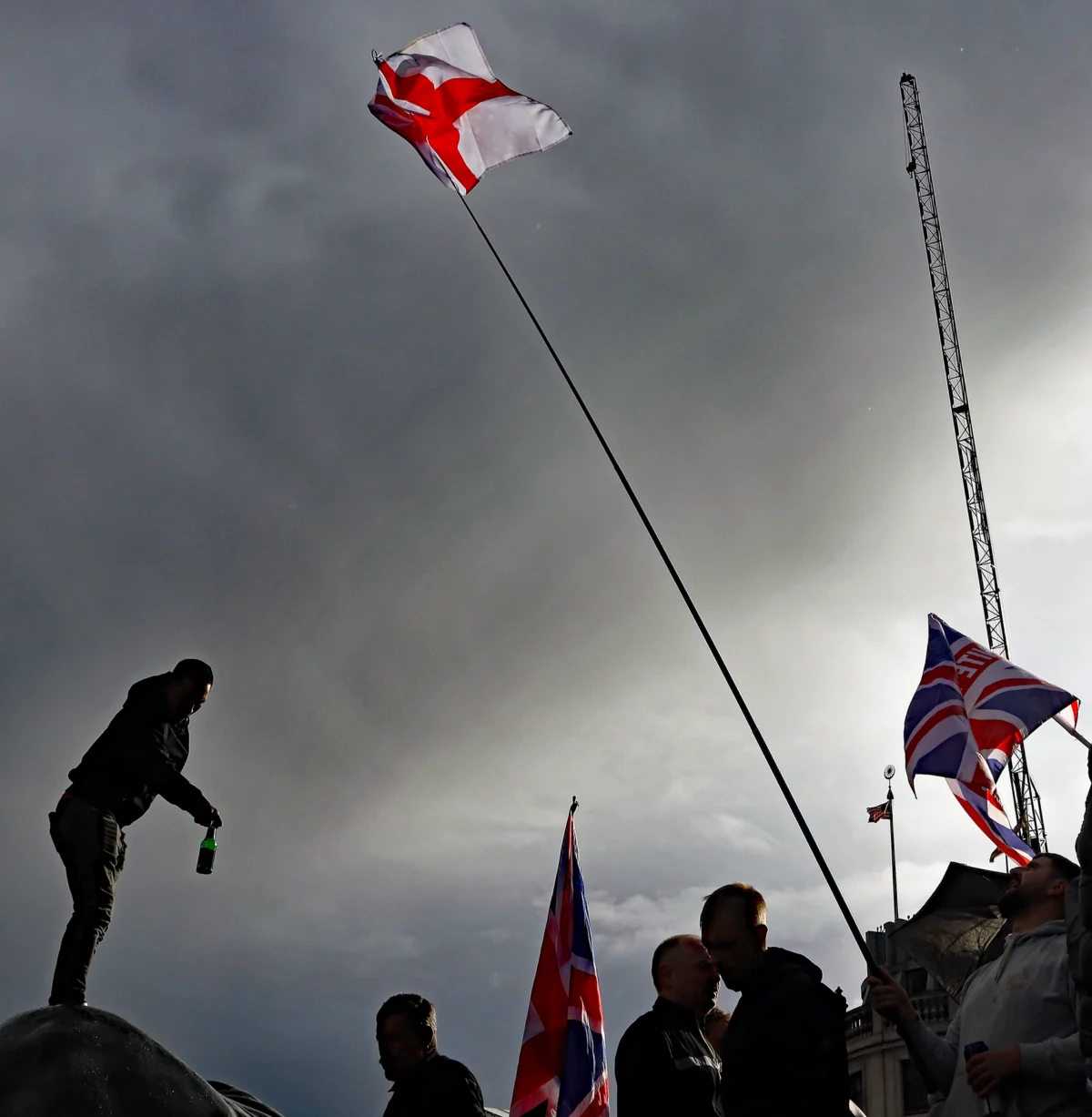
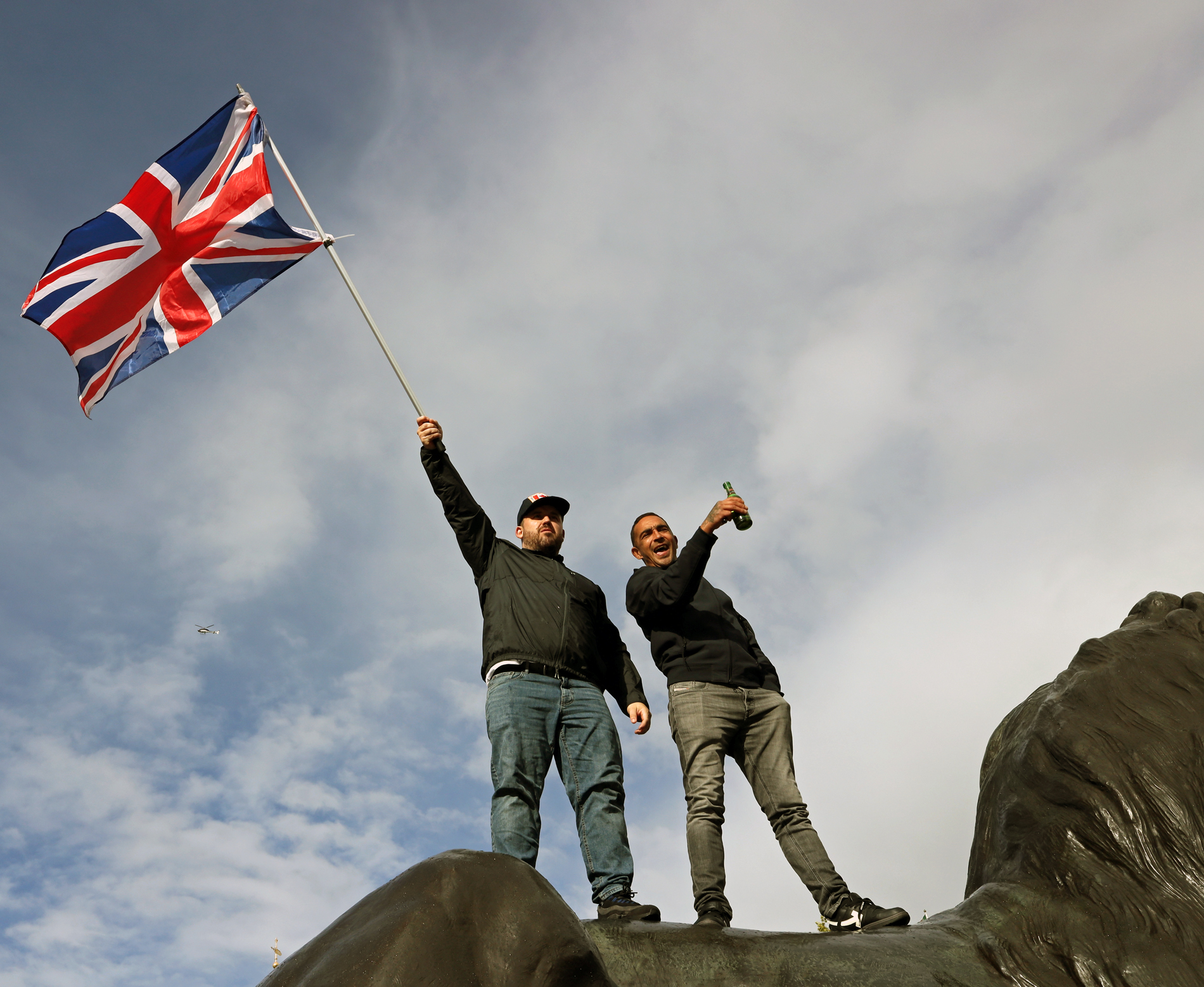
The Unite The Kingdom rally, held in London on September 13, 2025, drew a diverse array of participants united by a shared sense of national identity and a desire to express their views on the prevailing political and social landscape. The event, captured through a series of evocative street photography images by Johnny Mobasher, offered a visual testament to the sentiments present on that day, showcasing a spectrum of national pride, individual expression, and the symbolic use of national emblems.
The Context of the Unite The Kingdom Rally
The Unite The Kingdom rally emerged within a broader context of significant socio-political discourse in the United Kingdom during 2025. The nation had been navigating complex challenges including ongoing debates surrounding national sovereignty, economic policies, and evolving cultural identities. Such rallies often serve as a barometer for public sentiment, providing a platform for citizens to voice their concerns and aspirations directly. The specific motivations behind the Unite The Kingdom rally likely encompassed a range of issues, from economic anxieties and international relations to domestic social policies and the perceived direction of the nation. Historically, rallies of this nature have been pivotal in shaping public opinion and influencing political agendas, acting as a crucial element of democratic expression. The year 2025, in particular, was marked by a heightened sense of introspection and a desire for national unity among various segments of the population, fueling the impetus for gatherings like the one documented.
A Chronology of the Day’s Events
While the provided content focuses on photographic documentation, a typical rally unfolds over several hours, often beginning with a designated meeting point, followed by a march or gathering at a prominent location, and concluding with speeches or organized activities. On September 13, 2025, the Unite The Kingdom rally likely commenced in the late morning, with participants converging from various parts of London and beyond. The imagery suggests a dynamic event, with individuals displaying national flags—the Union Jack and St. George’s Cross—prominently. The presence of diverse symbols, including those often associated with LGBTQ+ pride, as seen in one of the photographs, hints at a multifaceted demonstration that may have sought to bridge or highlight various aspects of British identity. Speeches from organizers and prominent figures are customary at such events, aiming to articulate the rally’s objectives and galvanize attendees. The duration of the rally would have spanned several hours, allowing for a sustained public presence and engagement with the surrounding city. The photographic evidence, dated to September 13, 2025, captures moments from this period, offering a visual narrative of the day’s atmosphere and the participants’ engagement.
Visual Narrative: Symbols of Identity and Expression
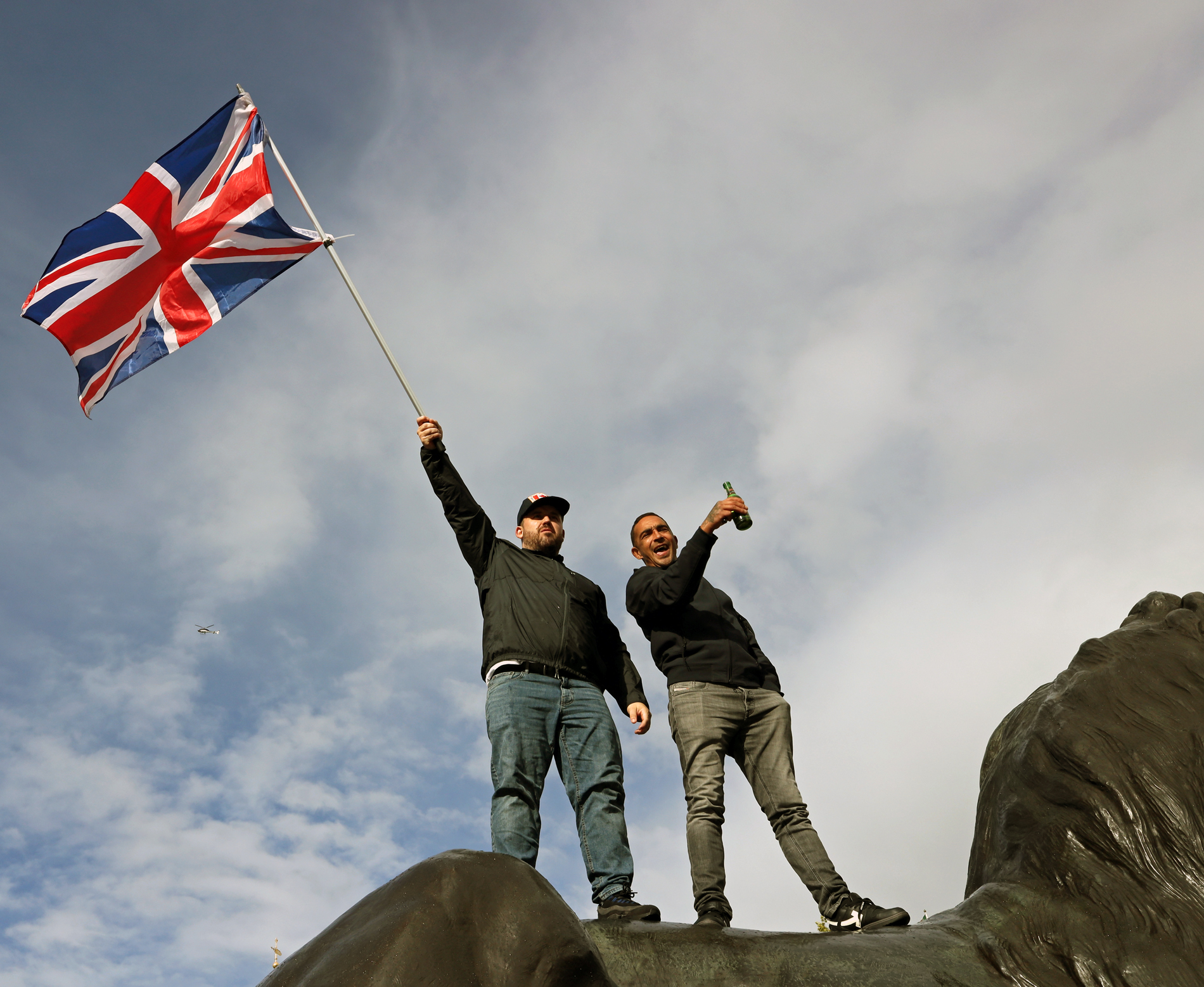
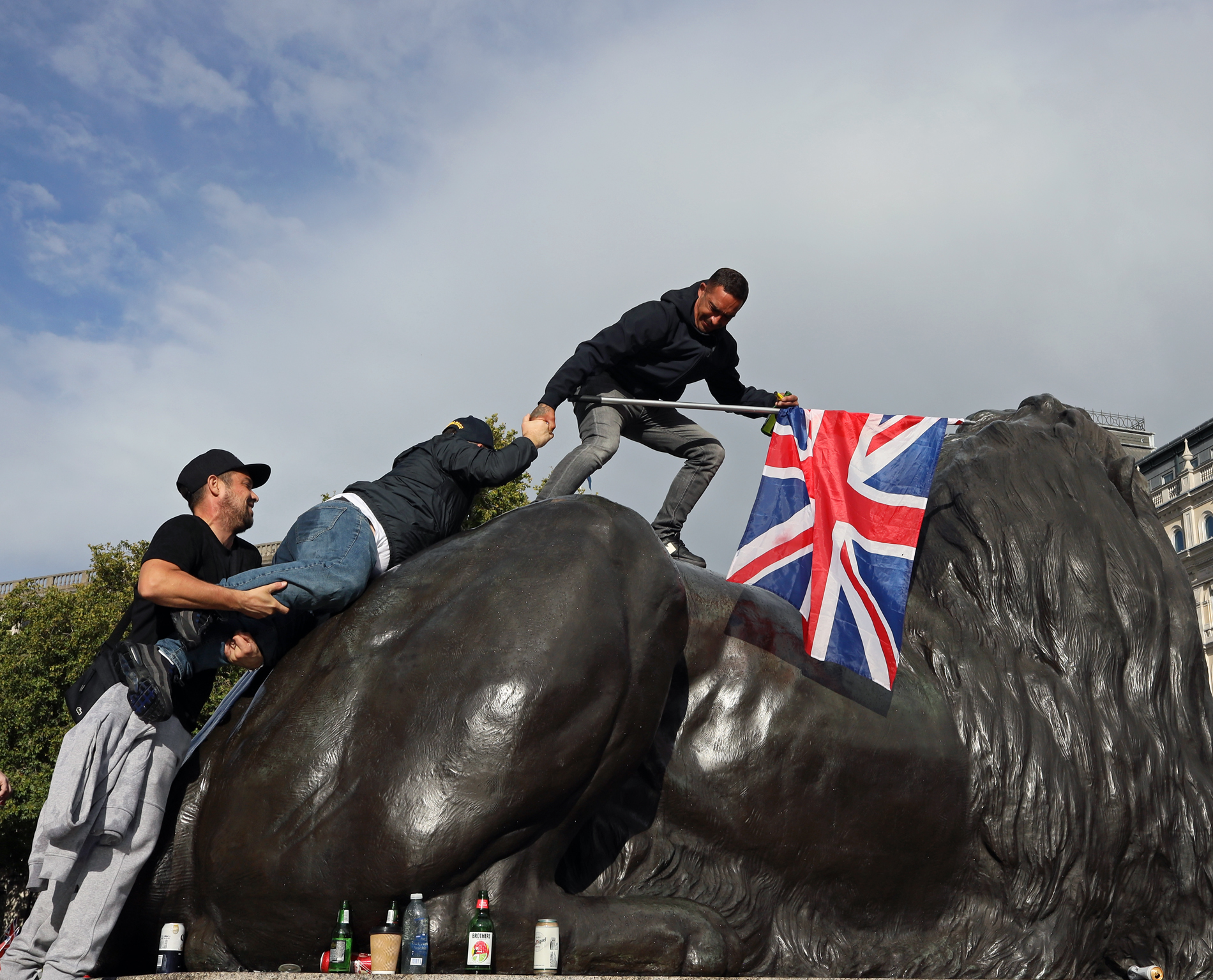
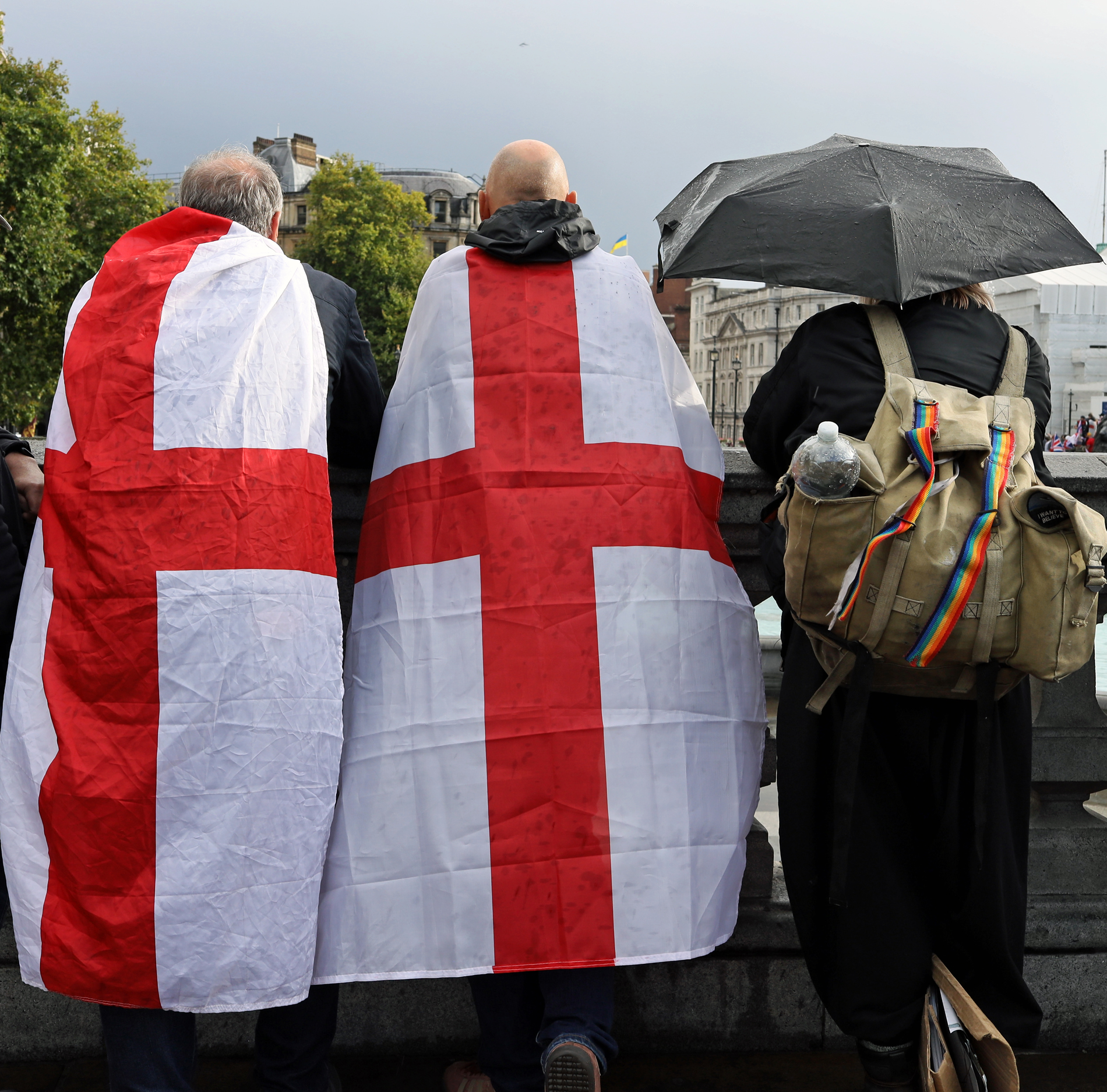
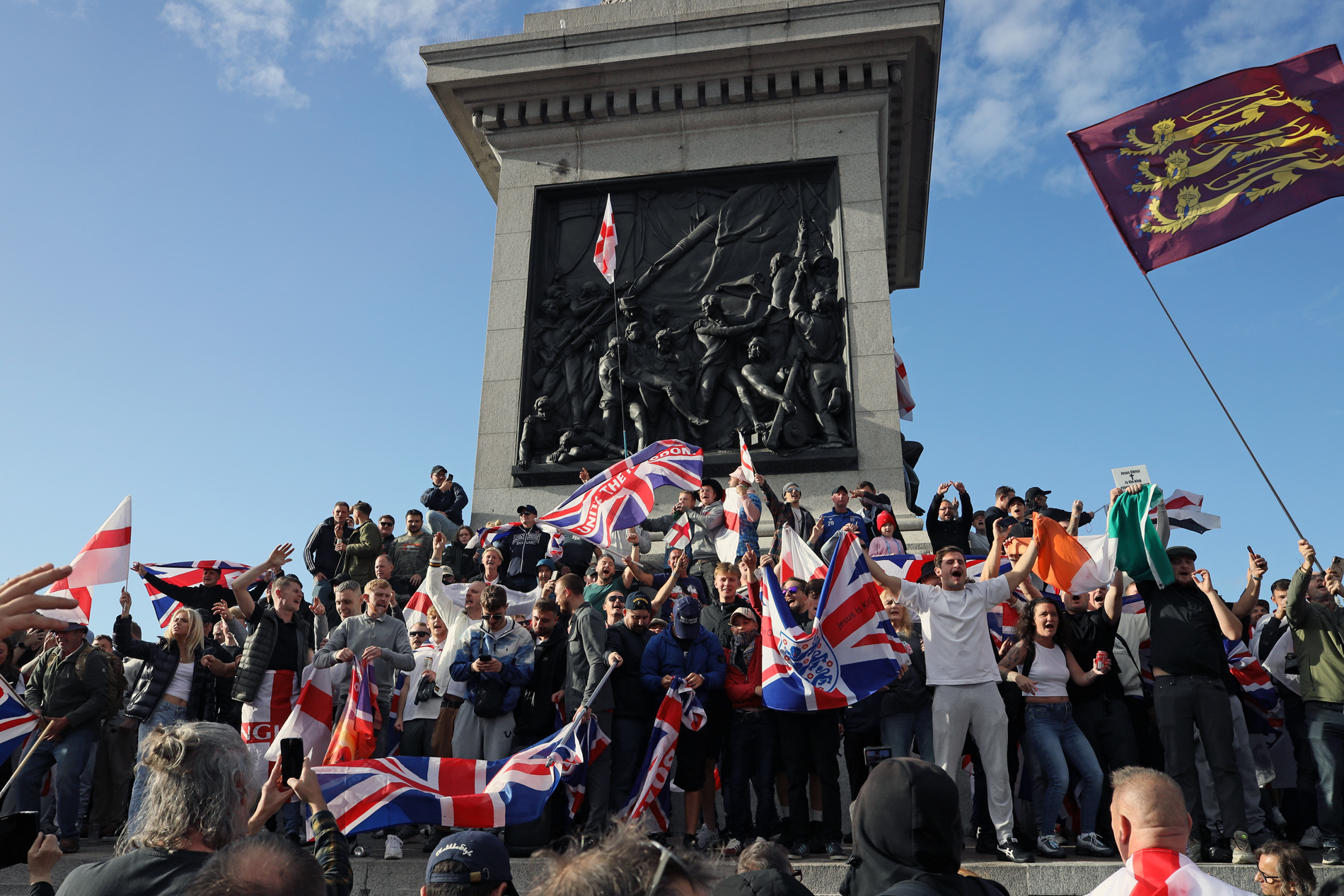
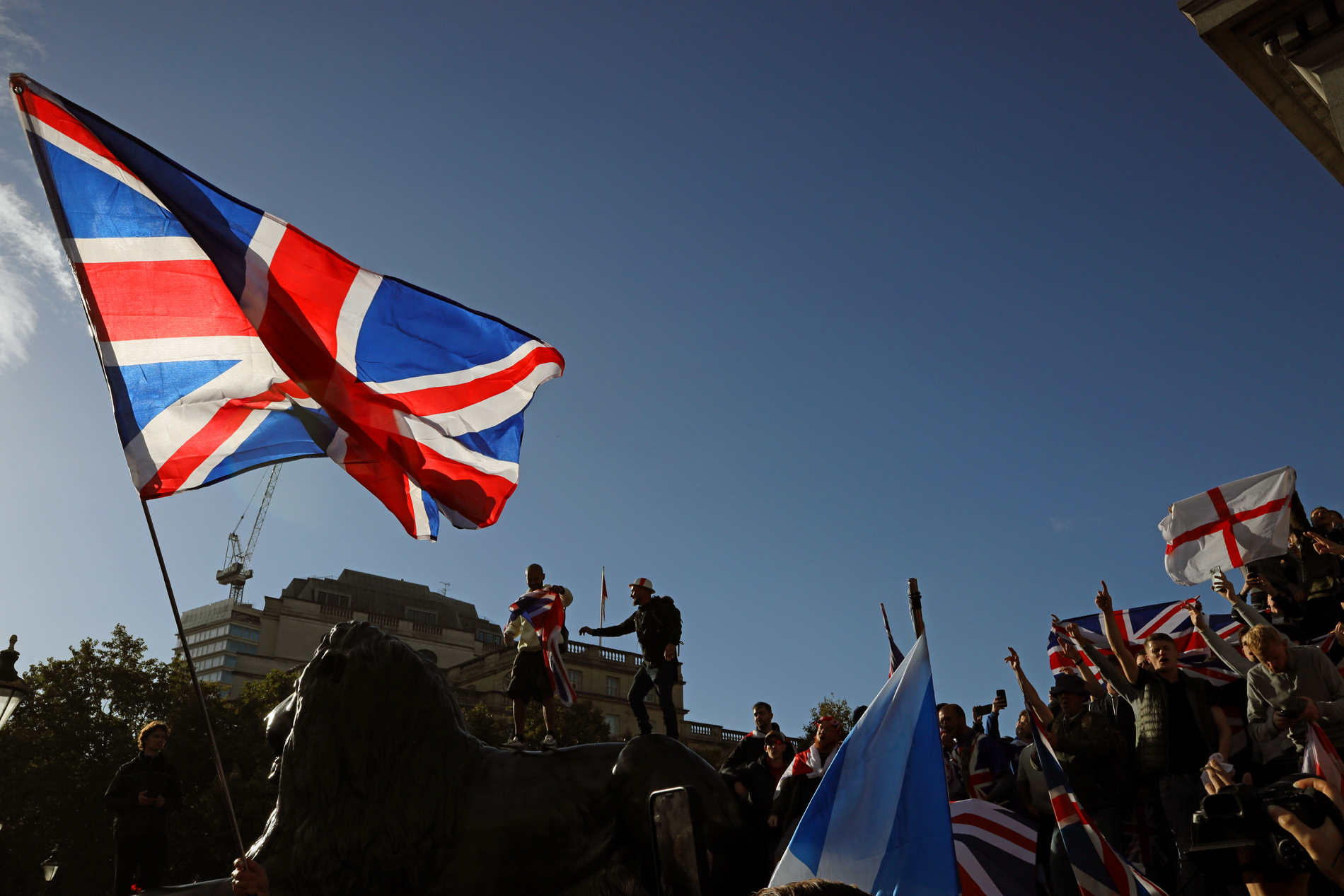
The photographic collection by Johnny Mobasher provides a powerful, albeit curated, glimpse into the Unite The Kingdom rally. The recurring motif of the Union Jack and the St. George’s Cross immediately signifies a strong emphasis on British national identity. These symbols, deeply ingrained in the nation’s history and culture, were clearly central to the rally’s message. The images depict individuals holding flags, some waving them enthusiastically, others draped around their shoulders, underscoring a visual declaration of patriotism.
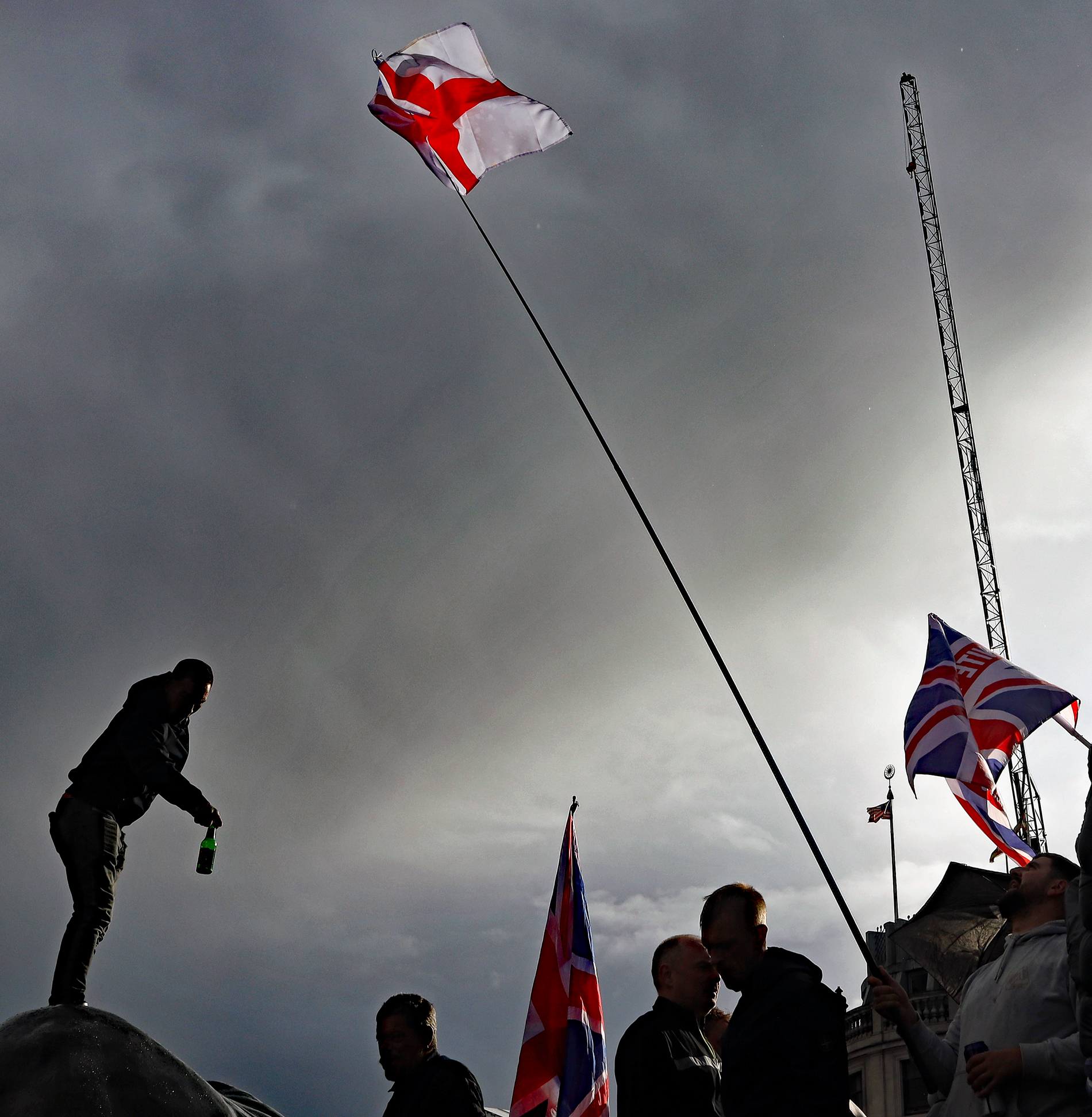
The presence of the St. George’s Cross, often associated with English identity, alongside the Union Jack, which represents the United Kingdom as a whole, suggests an intention to unite distinct national identities under a broader British umbrella. This duality can be interpreted as an effort to foster a sense of shared belonging across different constituent nations of the UK.
Intriguingly, one photograph features a St. George’s Cross intertwined with LGBTQ+ symbols. This juxtaposition is particularly noteworthy, indicating a potential message of inclusivity and a desire to demonstrate that national pride and diverse identities can coexist. It suggests that the rally may have sought to represent a broad spectrum of British society, challenging perceptions that patriotism is exclusive to any single group. This visual element is crucial in understanding the nuanced messaging of the event, moving beyond simplistic interpretations of nationalistic fervor.
The overall composition of the photographs, focusing on individuals and their expressions, captures a sense of collective energy and personal commitment. The street photography style, characterized by its candid and observational approach, offers an authentic portrayal of the rally’s atmosphere, free from staged posing.
Supporting Data and Public Sentiment
To contextualize the Unite The Kingdom rally, it is beneficial to examine relevant public opinion data and demographic trends from the period. While specific polls directly related to this particular rally may not be publicly available, broader trends in national sentiment can provide insight. For instance, surveys conducted in late 2024 and early 2025 might have indicated shifts in public attitudes towards national identity, immigration, or the economy, which could have served as underlying motivators for such a demonstration.
According to YouGov polls from the period, for example, discussions around national identity and pride often feature prominently in public discourse. A significant portion of the UK population consistently expresses pride in their country, with varying degrees of emphasis on different aspects of national heritage. Economic factors, such as inflation rates and employment figures, also play a crucial role in shaping public mood and can influence the propensity for public protest. In 2025, the UK economy was navigating post-pandemic recovery and global economic uncertainties, which could have fueled a desire for strong national leadership and a clear vision for the future.
Furthermore, the rise of online platforms and social media in the preceding years has amplified public voices and facilitated the organization of large-scale events. Groups advocating for various political and social causes have leveraged these tools to mobilize supporters, underscoring the interconnectedness of digital activism and real-world demonstrations. The Unite The Kingdom rally, like many others, likely benefited from such organizational efforts, drawing participants who felt their views were underrepresented in mainstream discourse.
Potential Reactions and Official Responses
While no specific official statements or reactions from political parties or governmental bodies were provided in the original content, it is standard practice for authorities to monitor and, at times, respond to significant public gatherings. Depending on the scale, nature, and any reported incidents during the Unite The Kingdom rally, various entities might have issued statements.
Local authorities, such as the Metropolitan Police, would have been responsible for ensuring public order and managing any potential disruptions. Their involvement would typically involve coordinating traffic, managing crowds, and responding to any breaches of the peace. Post-event, police reports would often detail any arrests or notable incidents.
Political parties, particularly those whose platforms align with or oppose the sentiments expressed at the rally, might have offered commentary. Parties emphasizing national sovereignty or traditional values might have acknowledged the rally as a reflection of their supporters’ concerns. Conversely, parties focused on international cooperation or progressive social policies might have offered a more critical perspective or highlighted the diversity of opinions within the UK.
Opposition parties often use such events as an opportunity to critique the government’s policies, especially if the rally’s grievances are perceived to stem from current governmental actions or inactions. Statements from opposition leaders could have focused on addressing the underlying issues raised by the protesters, offering alternative solutions, or calling for greater accountability from the ruling party.
In the absence of specific reports of disorder, official responses often remain measured, acknowledging the right to peaceful protest while reiterating the importance of maintaining public safety and order. The presence of diverse symbols, as noted, could also lead to varied interpretations and responses from different interest groups and political factions.

Broader Impact and Implications
The Unite The Kingdom rally, as captured through Johnny Mobasher’s lens, serves as a poignant reminder of the enduring power of collective expression and the multifaceted nature of national identity in contemporary Britain. The visual documentation offers a valuable historical record, providing a snapshot of public sentiment at a specific moment in time.
The implications of such rallies extend beyond the immediate event. They can contribute to the ongoing national dialogue, prompting discussions about what it means to be British in the 21st century. The juxtaposition of traditional national symbols with modern social identifiers, such as LGBTQ+ emblems, suggests a desire for a more inclusive definition of national belonging, one that embraces diversity within the framework of shared identity. This aspect is particularly significant, as it can challenge preconceived notions and encourage a more nuanced understanding of patriotism.

Furthermore, rallies like these can influence political discourse and policy-making. By bringing together a significant number of citizens who feel compelled to voice their concerns, they can draw the attention of politicians and policymakers to specific issues that resonate with a segment of the electorate. This can lead to increased focus on topics such as national identity, economic security, or social cohesion.
The photographic evidence itself has a lasting impact. Street photography, by its very nature, captures the unvarnished reality of public life. Mobasher’s work, by documenting the Unite The Kingdom rally, contributes to the visual archive of British society, offering future generations a tangible connection to the aspirations and expressions of those who participated. The images serve as a testament to the ongoing evolution of national identity and the dynamic nature of public assembly as a cornerstone of democratic engagement. The rally, therefore, represents not just a single event, but a moment in the continuous narrative of a nation grappling with its past, present, and future.