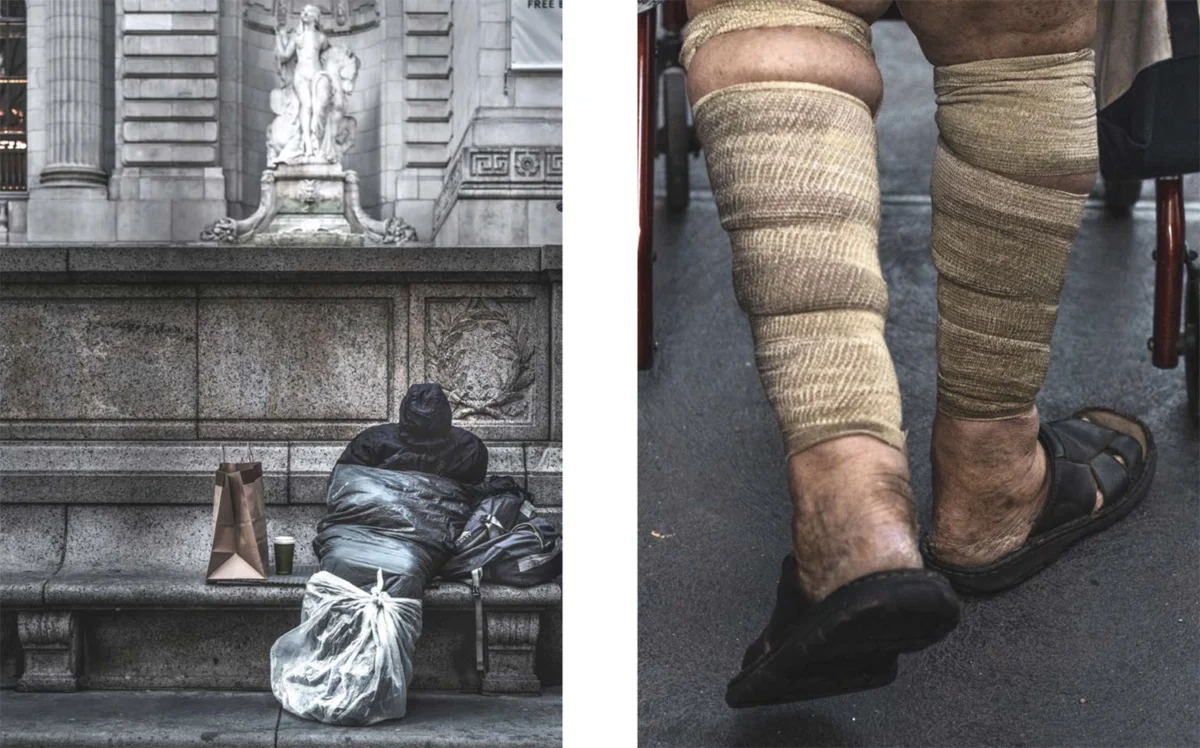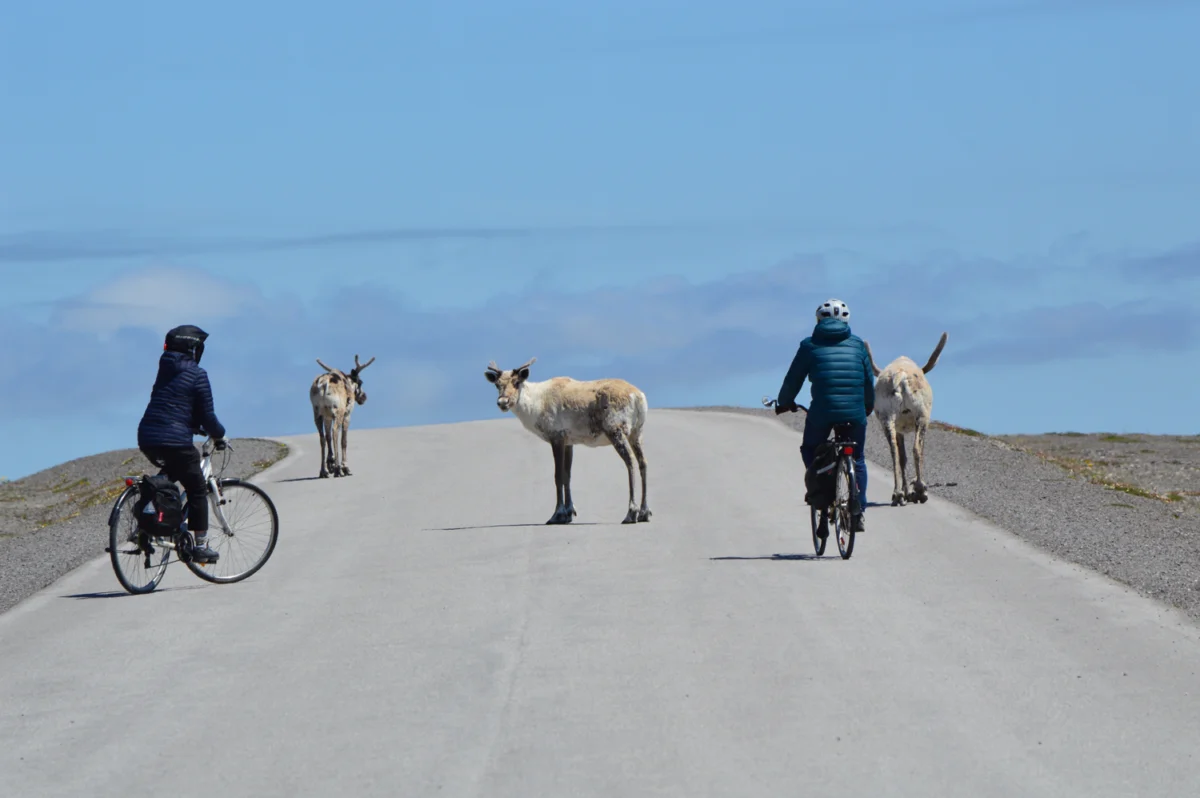
The world of photography, while often viewed through a singular lens, encompasses a diverse array of genres, each with its own purpose, methodology, and ethical considerations. Among the most frequently discussed and often conflated are street photography and photojournalism. While both disciplines rely on candid observation, a keen eye for decisive moments, and the ability to capture life as it unfolds, their fundamental intentions and the expectations placed upon them diverge significantly. Understanding these distinctions is crucial for both creators and consumers of photographic work, clarifying not only the approach and responsibility of the photographer but also the audience’s interpretation and expectation of the image.
At its core, photojournalism is dedicated to the factual documentation of news and current events. Its primary mandate is to inform, to tell a story with accuracy and context, often serving as the visual arm of media outlets. This necessitates adherence to rigorous ethical standards, emphasizing objectivity and minimizing any manipulation that could distort the truth. Photojournalists are tasked with preserving evidence, acting as impartial witnesses to history in the making. Their work is frequently commissioned, requiring them to cover specific events, assignments, or ongoing narratives for publication. The inherent nature of their role demands a commitment to clarity and an absence of ambiguity, ensuring that the viewer receives a straightforward and truthful account of what transpired.
In contrast, street photography embraces the candid, often artistic, portrayal of everyday life, focusing on urban scenes and the spontaneous interactions within them. The emphasis here shifts from factual reporting to the evocation of mood, the exploration of composition, the appreciation of humor—whether subtle or overt—and the celebration of unexpected juxtapositions. Street photographers are less concerned with conveying specific factual information and more invested in capturing fleeting moments that offer insight into the human condition, social commentary, or simply the aesthetic beauty of the mundane. Ambiguity is often a welcomed element, inviting the viewer to contemplate, question, and draw their own interpretations from the visual narrative presented.
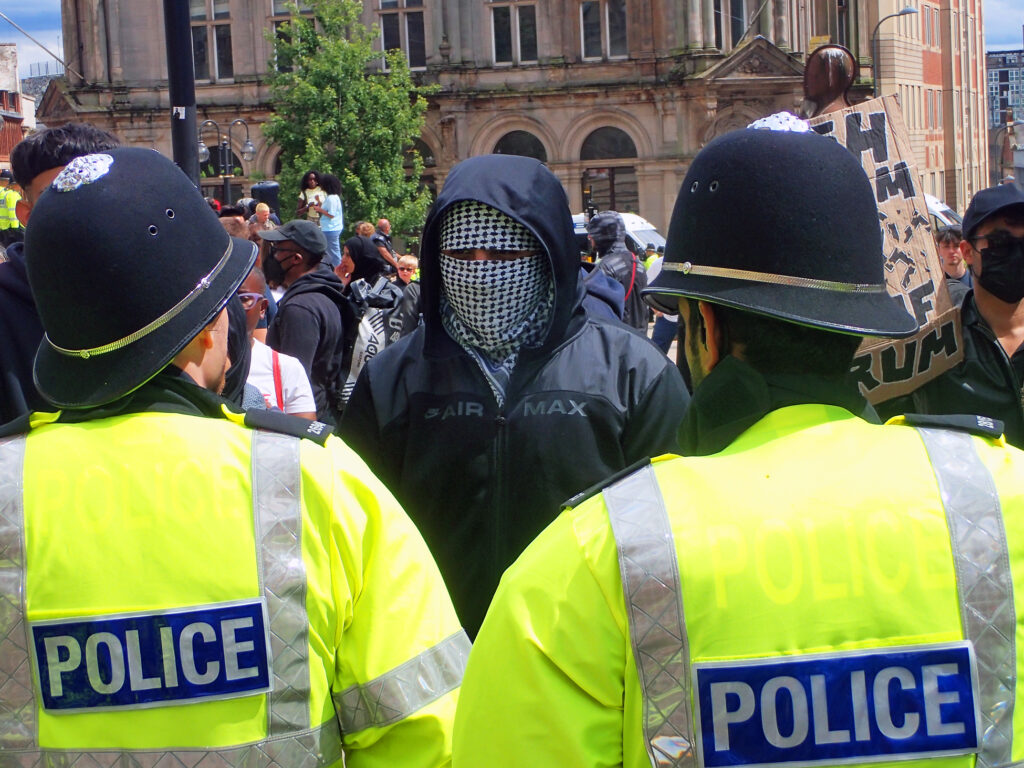
The shared reliance on candid shooting and observational skills forms a common ground between these two genres. Both street photographers and photojournalists must possess the ability to anticipate moments, to blend into their environment, and to react with speed and precision when an opportunity arises. The concept of the "decisive moment," famously articulated by Henri Cartier-Bresson, is paramount in both fields, referring to that precise instant when all visual elements—subject, action, composition, light—align to create a compelling and meaningful photograph. However, the intent behind capturing that moment is what truly separates them.
Photojournalists prioritize informing their audience and creating a verifiable record. Their success is often measured by the impact of their story, its accuracy, and its contribution to public understanding of an event. Ethical considerations in photojournalism are deeply ingrained and often dictated by institutional guidelines, journalistic codes of conduct, and legal frameworks surrounding defamation and privacy. Consent, particularly in sensitive stories involving trauma or vulnerability, is a critical aspect of their practice, and manipulation of images is strictly prohibited, with digital alterations often flagged or disallowed entirely.
Street photographers, on the other hand, are driven by personal vision, aesthetic expression, and a desire for social commentary. While they may capture moments of profound human experience, their ultimate goal is often to create a work of art that resonates on an emotional or intellectual level. Their practice is largely self-regulated, demanding a careful balance between artistic freedom and respect for the individuals they photograph. The legal and ethical landscape for street photographers can be more nuanced, navigating privacy norms that vary by jurisdiction and the artist’s right to capture public spaces.
The practical intersection of street photography and photojournalism is undeniable. A compelling street photograph can, at times, capture a newsworthy event or offer a unique perspective on a societal issue that warrants journalistic attention. Conversely, photojournalistic images may possess a striking aesthetic quality, incorporating elements of composition, mood, and spontaneity that are hallmarks of street photography. However, recognizing the distinct goals of each genre is essential for appreciating the photographer’s approach, understanding their responsibilities, and setting appropriate audience expectations.
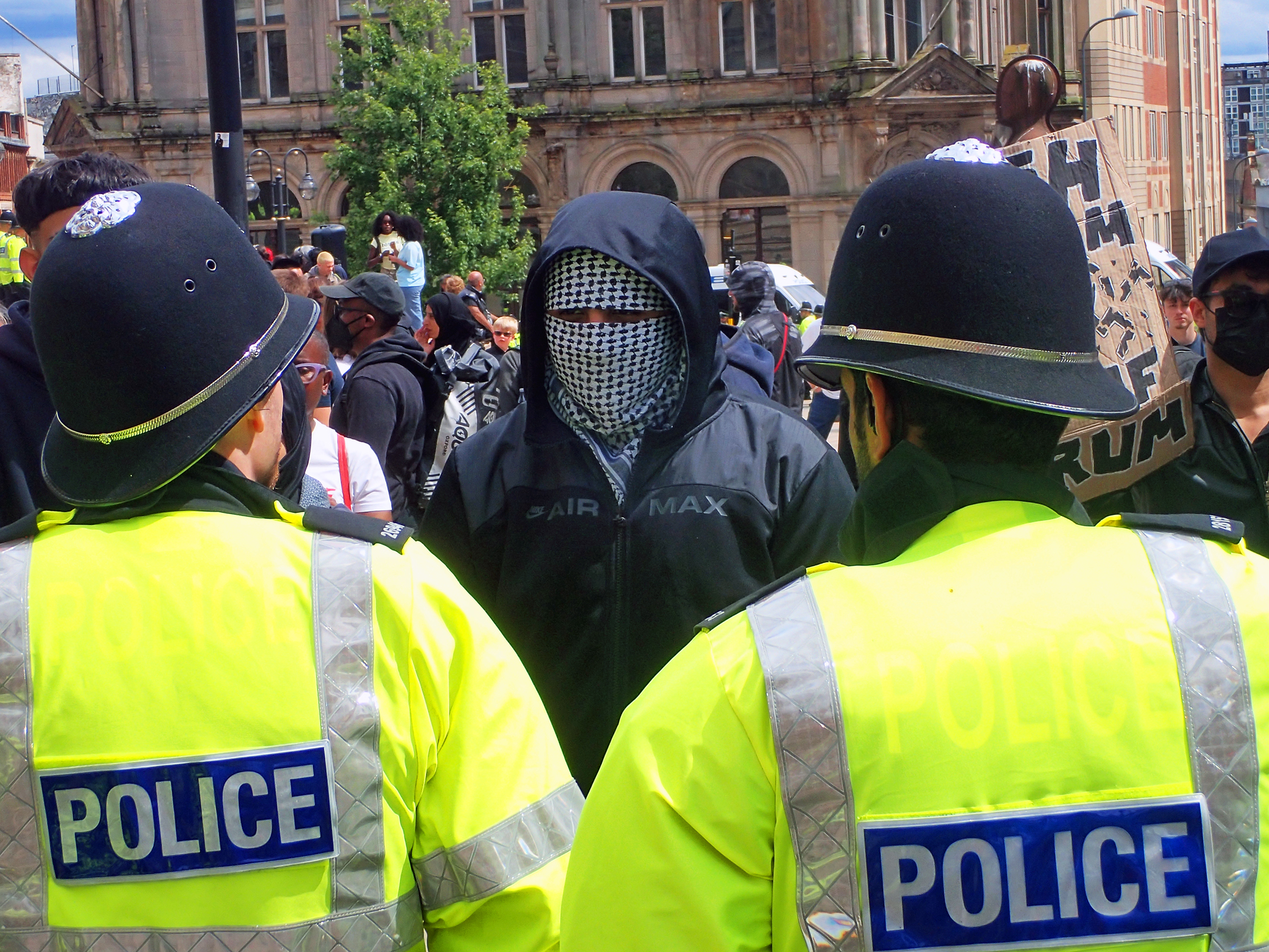
The pursuit of "great" street photography is often reliant on serendipity and impeccable timing. It involves capturing fleeting, unplanned moments with perfect composition, light, and expression. This demands constant presence in public spaces, quick reflexes, and a degree of luck. The photographer must be attuned to the rhythm of the street, ready to seize the opportune instant before it vanishes. This is in stark contrast to much of photojournalism, which often involves covering known events and predictable beats, allowing for more planned coverage and anticipation.
Furthermore, street photographers are tasked with achieving narrative cohesion and strong visual design within a single frame. They must imbue their images with implied storytelling, relying on composition, contrast, and mood to convey meaning. Photojournalists, however, have the advantage of building narratives across sequences of images and through accompanying captions, providing explicit context and factual details that street photographers typically forgo. This allows photojournalists to present a more comprehensive and factual account, while street photographers aim for evocative impact through individual frames.
The evaluation of street photography is inherently subjective, heavily reliant on personal vision, originality, and emotional resonance. This makes it challenging to establish universal standards of "greatness." Consensus is difficult to achieve, and judgments often fall into the realm of subjective appreciation. Photojournalism, conversely, has clearer, more objective criteria for success, rooted in factual accuracy, relevance to current events, and adherence to editorial standards. This provides a more defined framework for assessing the quality and impact of photojournalistic work.
The ethical considerations surrounding both genres are paramount, though their application differs. Photojournalism carries stricter, institutionally enforced obligations to truth and the avoidance of harm. This includes rigorous fact-checking, a commitment to impartiality, and a duty to protect vulnerable subjects from exploitation or undue distress. The potential for widespread dissemination of photojournalistic images means that ethical breaches can have significant public repercussions.
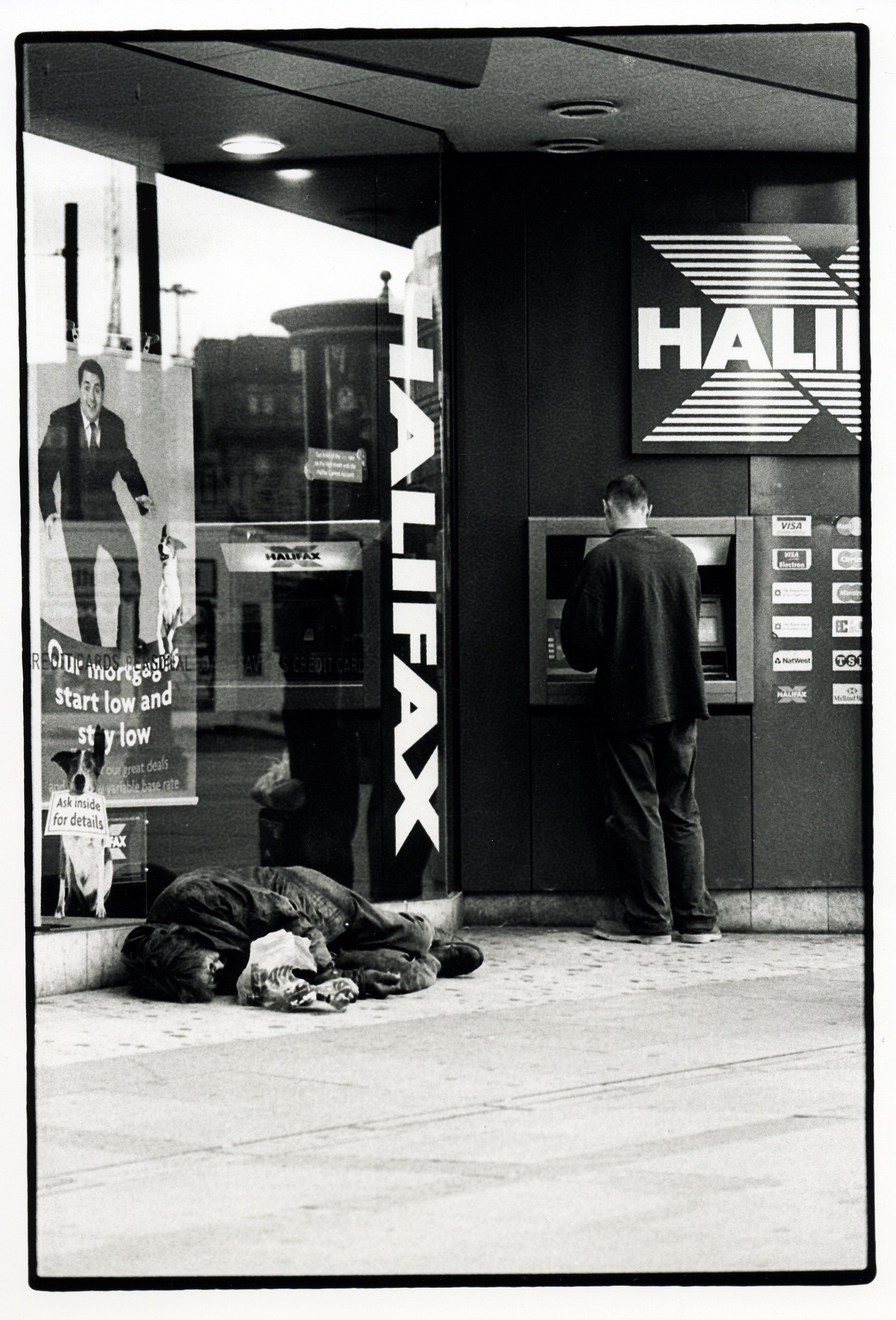
Street photography, while requiring ethical awareness, operates under a system of self-regulation. Photographers must engage in a continuous, self-directed balancing act between their artistic freedom and their respect for the privacy and dignity of their subjects. This often involves making on-the-spot judgments about what constitutes an appropriate subject and how to photograph them without causing offense or distress. The absence of institutional oversight places a greater onus on the individual photographer to uphold ethical standards and consider the potential impact of their work.
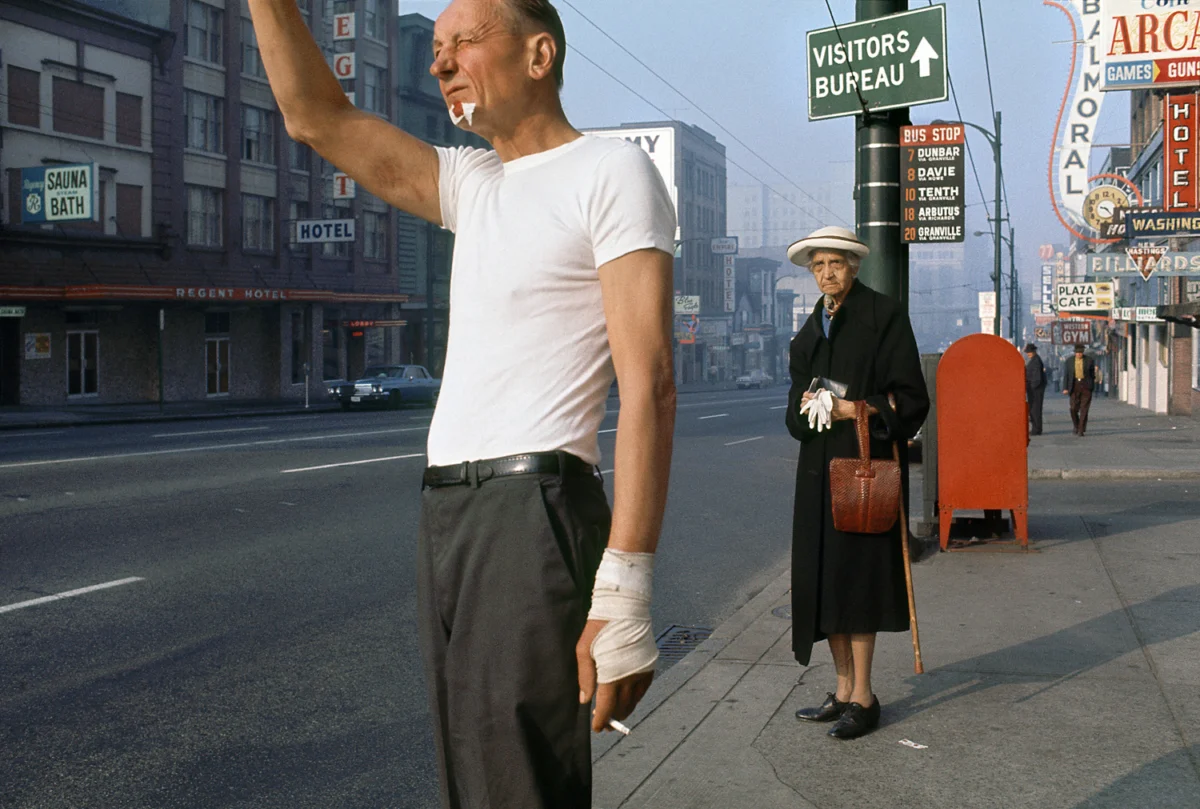
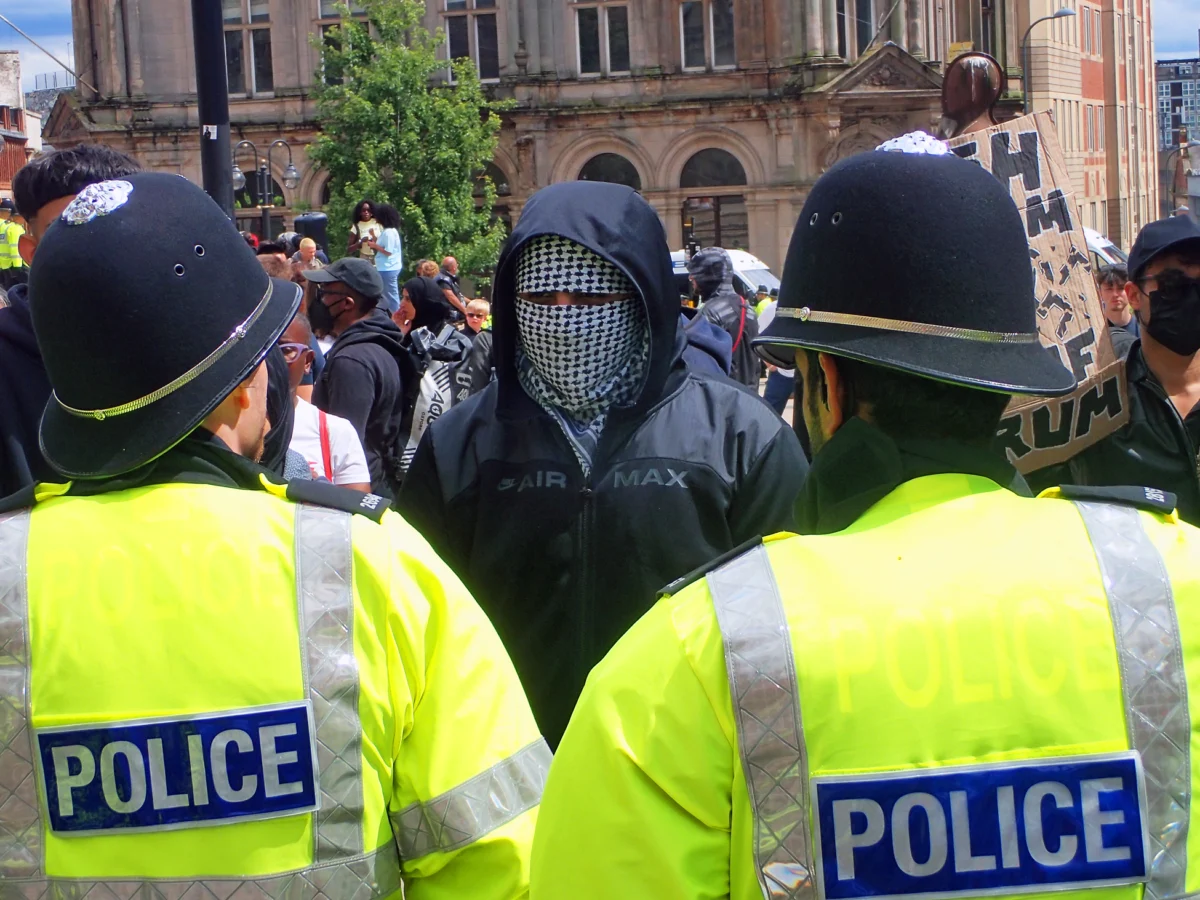
In conclusion, while the visual language of street photography and photojournalism may share certain characteristics, their underlying purposes, methodologies, and ethical frameworks are distinct. Photojournalism serves as a critical tool for informing the public and documenting history, bound by stringent standards of accuracy and objectivity. Street photography, on the other hand, functions as a form of artistic expression and social commentary, prioritizing personal vision and evocative storytelling. Recognizing these differences allows for a deeper appreciation of the unique contributions each genre makes to our understanding of the world and the human experience. The image above, capturing a moment of protest, could potentially serve both journalistic and street photographic purposes, highlighting the complex interplay between these disciplines and the photographer’s intent in its creation. The second image, with its focus on candid urban life, leans more towards the artistic and observational nature of street photography, inviting viewers to engage with its composition and implied narrative. Both images, in their own way, underscore the power of photography to document, to interpret, and to provoke thought, albeit through different lenses and with distinct objectives.