The enduring debate surrounding the definition of street photography, a recurring theme within photographic communities, has reached a critical juncture. Photographers globally engage in frequent discussions, often online, to delineate the boundaries of what constitutes "street photography" versus other genres. However, the current focus on rigid definitions may be misdirecting creative energy and hindering the evolution of the art form. This article explores the ramifications of overly prescriptive rules and advocates for a broader, more inclusive approach that prioritizes photographic quality and individual interpretation.
The Proliferation of Digital Photography and the Rise of Genre Debates
The advent of digital photography has fundamentally altered the landscape of image creation and dissemination. With an estimated over five billion photographs being produced daily, the sheer volume necessitates some form of categorization. This explosion of visual content has, in turn, fueled a desire to define and differentiate various photographic genres, including street photography, landscape, and portraiture. While the impulse to clarify and understand can be beneficial, an overemphasis on defining what street photography is can paradoxically lead to its stagnation.
The Perils of Prescriptive Definitions: Stifled Creativity and Repetitive Imagery
One of the most significant drawbacks of rigidly defining street photography lies in its potential to foster a "recipe-following" mentality among practitioners. This approach can result in the creation of repetitive, predictable, and ultimately uninspired images. Photographers, in their quest to adhere to perceived genre conventions, may inadvertently produce work that lacks originality and distinctiveness. This phenomenon is particularly evident when observing popular trends on social media platforms.
The visual discourse surrounding street photography on platforms like Instagram frequently showcases a recurring set of tropes. Common subjects include individuals holding umbrellas in puddles, silhouetted elderly men in fedoras juxtaposed with light and shadow, and young people posing against graffiti backdrops. The "decisive moment," a concept popularized by Henri Cartier-Bresson, is often emulated to the point of becoming a formula, leading to thousands of similar renditions. This ironic predictability within a genre ostensibly dedicated to capturing the spontaneous and unexpected highlights a critical issue: the adherence to established formulas can undermine the very essence of street photography.
This situation draws parallels to the phenomenon observed with the Oprah Book Club, where a perceived formula for success inadvertently led to a proliferation of formulaic novels. Similarly, when rigid rules are imposed on street photography, the creative process can become reversed. Instead of creating compelling photographs and allowing the work to define itself, photographers may begin to prioritize fulfilling an external checklist of genre requirements. This can significantly stifle individual creativity and lead to a homogenized output. The author’s personal anecdote of finding street photography competitions more tedious than a dental appointment underscores the pervasive sense of repetition and lack of novelty.
Questioning the Fundamentals: What Truly Defines a Street Photograph?
The debate often centers on fundamental questions: Does a street photograph necessitate the presence of a person? Must it feature an urban landscape? While these inquiries are valid and contribute to a deeper understanding of the genre, they may be more productively viewed as rhetorical devices, prompting contemplation rather than demanding definitive, universally applicable answers. The pursuit of definitive answers often leads to a cascade of exceptions, complicating the very definitions being sought.
Consider the criterion that a street photograph requires an urban landscape. This immediately raises questions about photographers working in rural or remote settings. Are their images automatically excluded from the genre? This exclusion seems counterintuitive and restrictive. For instance, the seaside resort photographs by Martin Parr, while not always strictly urban, are widely recognized within the street photography canon. Similarly, William Eggleston’s iconic photograph of a tricycle, devoid of human figures and an obvious urban backdrop, is a celebrated work often discussed in the context of street photography. These examples demonstrate how attempts to rigidly fence in the genre with specific requirements quickly become untenable.
A Case Study: Susan N. Sweet’s Newfoundland Photograph
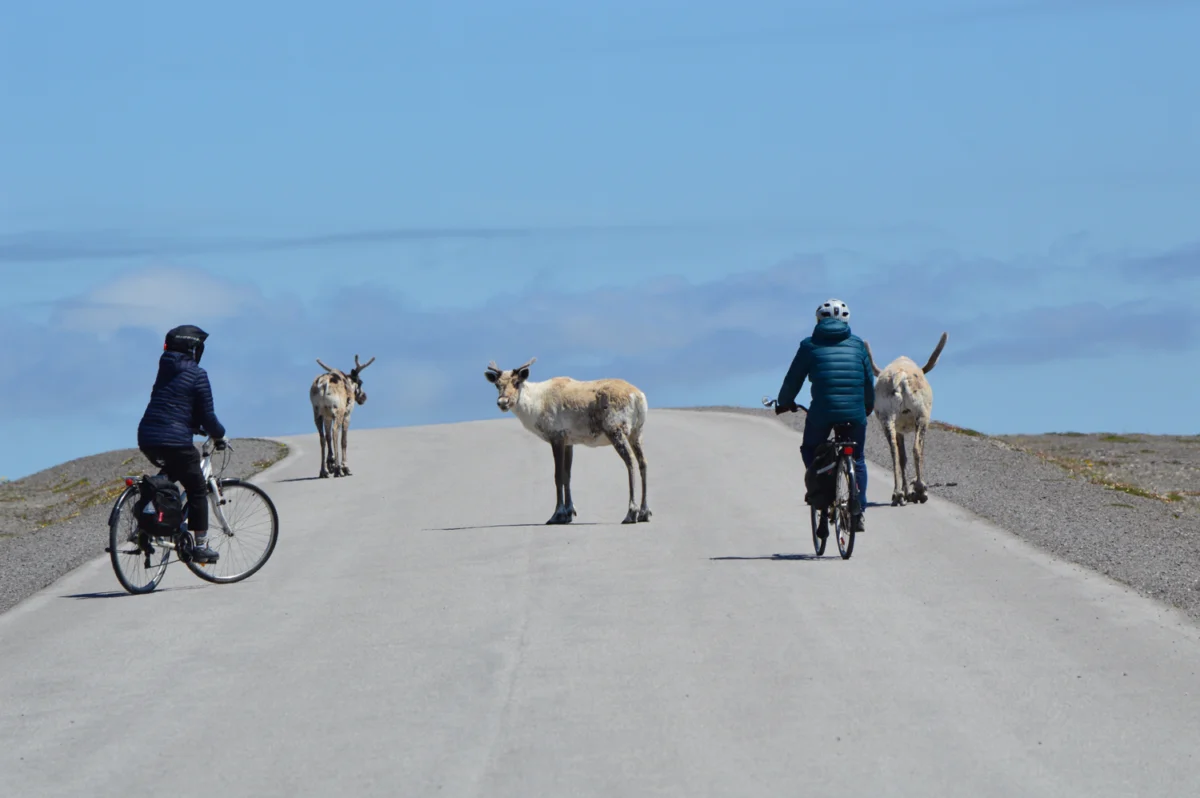
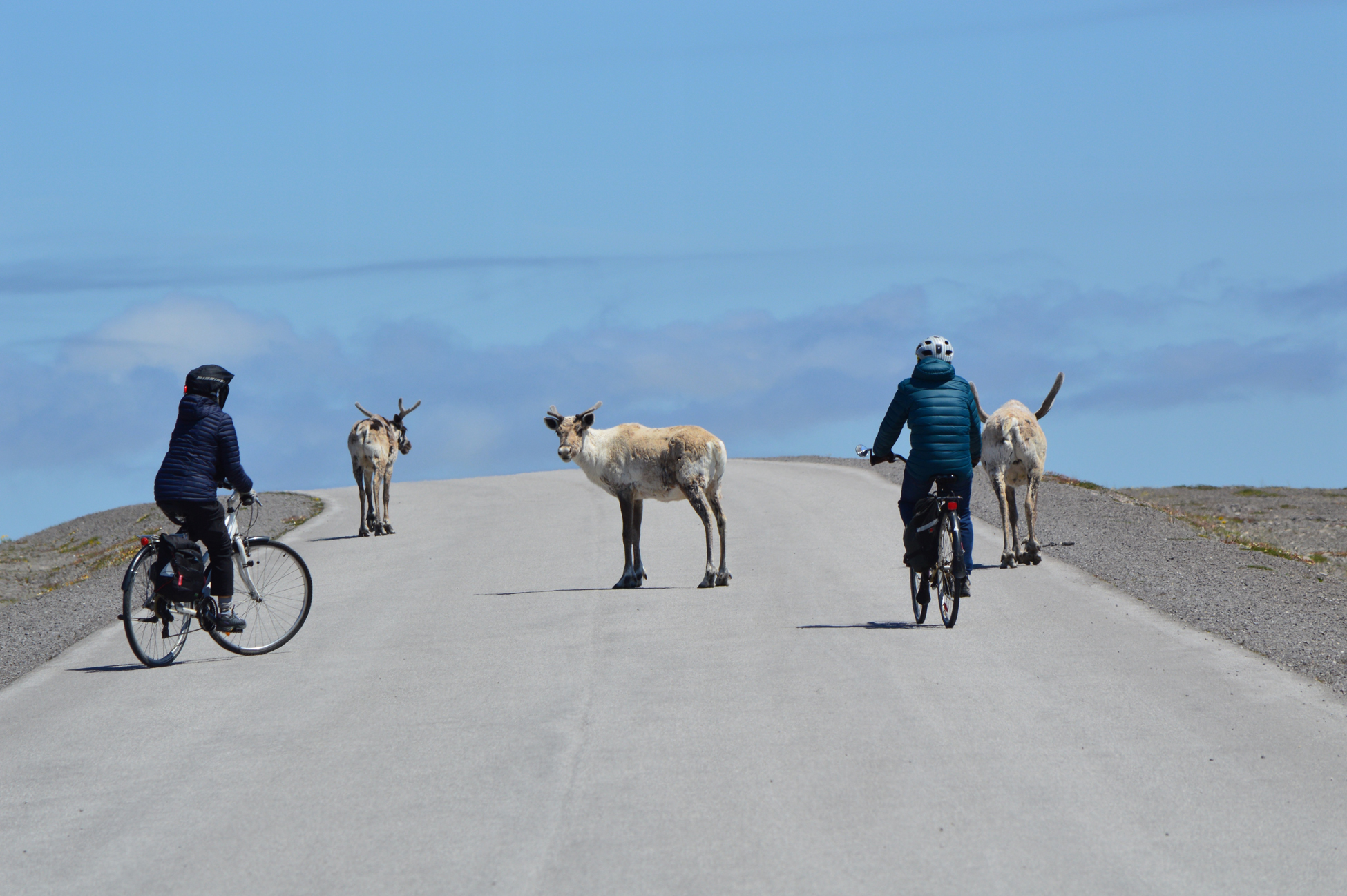
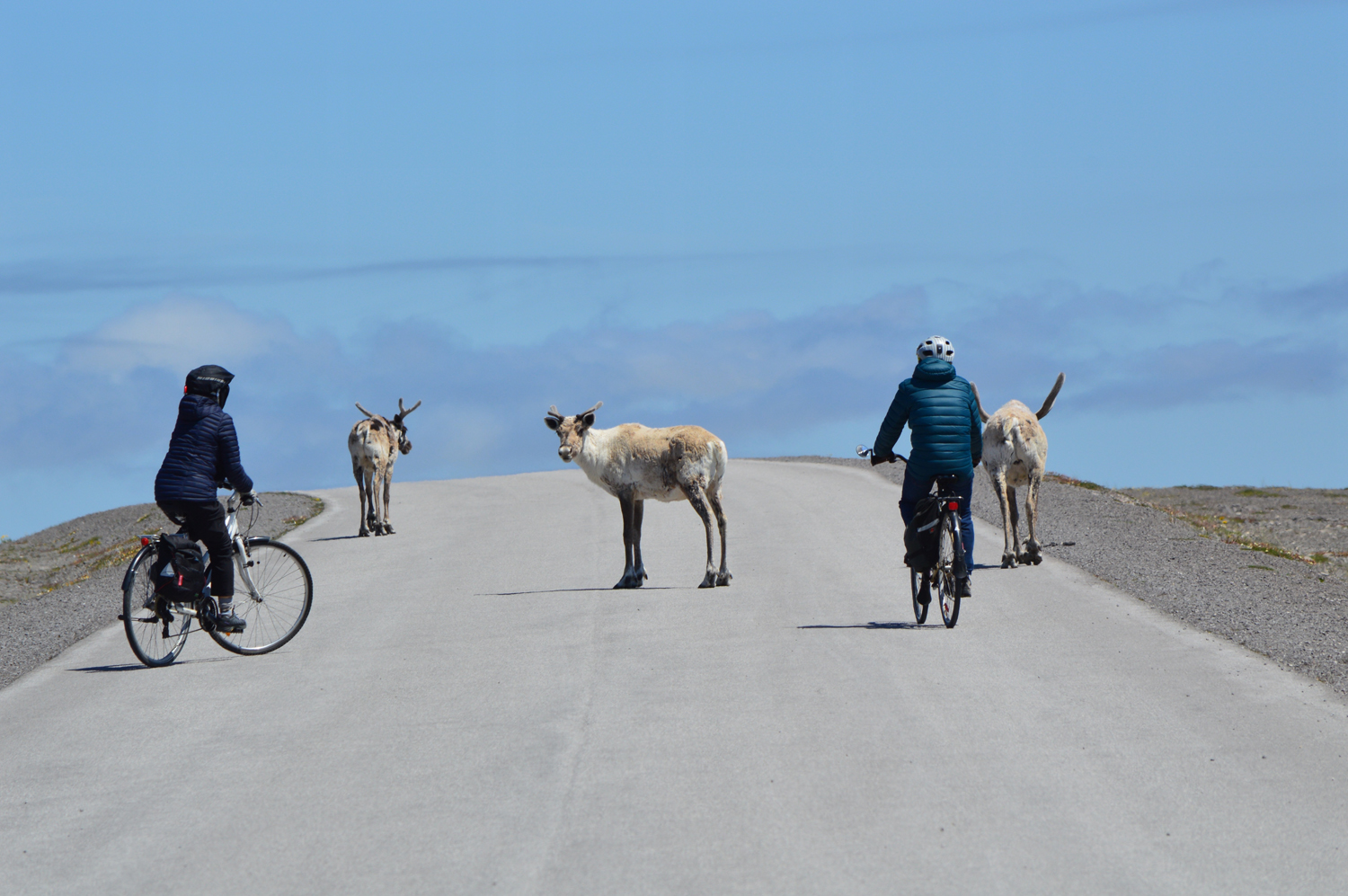
The photograph taken by Susan N. Sweet in Newfoundland, a Canadian painter and the author’s aunt, serves as a compelling example in this discussion. This image, captured in the summer, prompts a reevaluation of what can be considered a street photograph. Whether one classifies it as such or not, the photograph’s inherent visual impact and evocative nature served as a catalyst for the author’s contemplation on the genre’s boundaries. The question then arises: Does street photography truly need to be confined to a specific genre?
The author expresses a long-held appreciation for allowing photographs to communicate directly, without the need for extensive verbal interpretation. This principle extends to a growing comfort with permitting photographs to exist simply as photographs, open to individual perception and interpretation. The assertion that "great photographs create genres, and genres have never created great photographs" encapsulates this perspective.
The Enduring Role of Genres and the Call for Expanded Perspectives
While acknowledging that genres will continue to exist across artistic disciplines, including photography, music, cinema, and painting, the author does not advocate for their complete abandonment. Instead, the proposal is to adopt a more expansive view when assessing what might fall under the umbrella of street photography. The emphasis should shift from the dictates of social media algorithms and the labels they promote, towards a deeper engagement with the visual content itself – what is captured by the lens.
The argument posits that photographers should be granted the freedom to create before they are pressured to categorize their work. A photograph that captivates, challenges, or alters one’s perspective is, by definition, a powerful image. For the viewer, the discovery of such a photograph is often sufficient, irrespective of its genre classification.
The Unintended Consequences of Definition-Driven Photography
The moment a definition transforms into a prescriptive checklist, creativity begins to diminish. When communities dedicate excessive time to debating definitions, less energy is available for the production of memorable work. Historical accounts rarely celebrate artists who meticulously followed established rules; rather, they honor those who redefined them. Ultimately, genres typically emerge in the wake of groundbreaking artistic achievements, not as precursors to them. This evolution suggests that the focus for street photographers should be on cultivating their unique vision and producing impactful images, rather than adhering to narrowly defined conventions. The pursuit of photographic excellence, it is argued, will naturally lead to the evolution and redefinition of genres, rather than the other way around.
The proliferation of digital tools has democratized photography, allowing billions of images to be created daily. This accessibility, while empowering, has also led to a dilution of impact when visual content becomes overly homogenized. The statistical reality of this daily deluge of imagery necessitates a critical examination of how we engage with and categorize photographs. By shifting the focus from rigid definitions to the intrinsic quality and communicative power of individual photographs, the street photography community can foster a more vibrant, innovative, and ultimately more rewarding creative environment. The author’s perspective, rooted in a career as an award-winning photographer and writer, suggests that the future of compelling street photography lies in embracing ambiguity and prioritizing artistic merit over adherence to potentially stifling genre constraints. This approach not only liberates individual artists but also enriches the visual culture for all observers.