By Heather Woolery
October 22, 2024

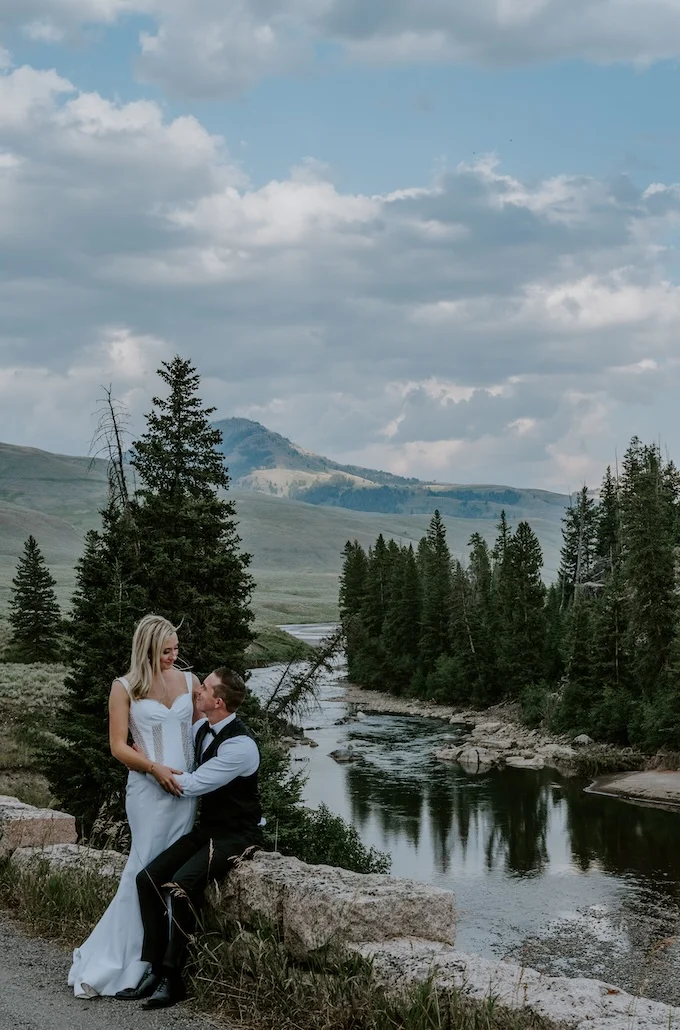
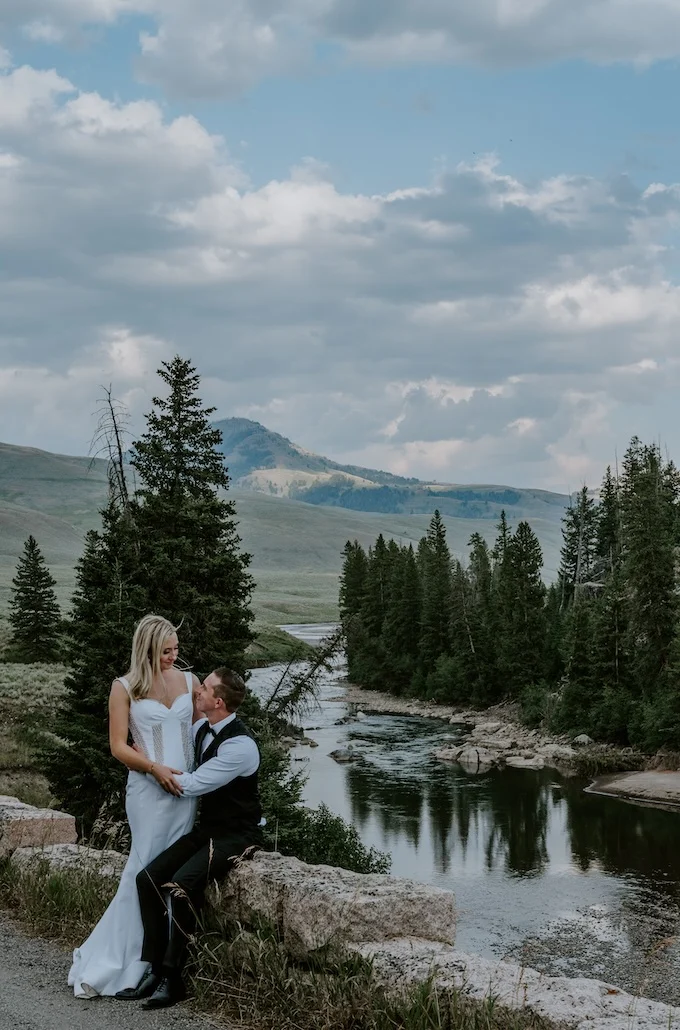
National parks across the United States are experiencing a significant surge in popularity for wedding and elopement photography, a trend that has intensified over the past five years. While the exact catalysts remain multifaceted, factors such as the widespread appeal of television series like "Yellowstone," the centennial celebrations of many park systems, and the post-pandemic rebound in tourism, which saw record visitor numbers in places like Yellowstone National Park, are all believed to contribute. This growing interest presents both opportunities and challenges for photographers looking to expand their services into this unique niche.
The allure of a national park wedding is undeniable. With 63 diverse parks offering a vast array of landscapes, from majestic mountain vistas to serene coastal areas, couples are drawn to the natural beauty and dramatic backdrops. These locations provide an inherently romantic and memorable setting, often complemented by accessible paved pathways and amenities that can accommodate guests, thereby blending the grandeur of nature with practical considerations for event planning. For photographers, understanding the nuances of capturing these special moments within protected natural environments is becoming increasingly crucial.

The Rise of National Park Elopements and Weddings
The trend towards national park weddings is not a new phenomenon, but its acceleration in recent years is notable. Photographer Heather Woolery, whose expertise in this area is highlighted in her work, recounts her first national park elopement in Joshua Tree National Park in 2018. Since then, she has documented weddings and elopements in eleven different national parks, with Yellowstone National Park emerging as a particularly sought-after destination. This firsthand experience underscores the increasing demand and the specialized knowledge required to navigate these unique venues.
Woolery’s journey with Yellowstone, a park she has frequented since childhood, took on a new dimension when she began photographing elopements there in 2020. Her approach involves meticulous planning, including the creation of detailed maps of the park that log optimal times of day, crowd levels, and seasonal considerations for various locations. This in-depth understanding allows her to serve couples more effectively, moving beyond a tourist’s perspective to one of a seasoned professional intimately familiar with the park’s logistical and aesthetic potential for wedding photography.

Navigating the Complexities of Park Permits and Planning
A significant aspect of national park wedding and elopement photography is the essential role photographers often play in assisting couples with planning, even when not formally hired as wedding planners or day-of coordinators. Unlike conventional wedding venues that may offer officiant services or curated vendor lists, national parks operate under a different framework. The process of securing necessary permits, arranging transportation, and coordinating experiences within park regulations requires a level of diligence and expertise that many couples, especially those unfamiliar with these environments, may lack.
The Special Use Permit (SUP) system is central to conducting any organized event, including weddings, within national parks. While specific requirements can vary by park and the nature of the event, obtaining an SUP is a mandatory step. For photographers, this often means ensuring their services are covered under the couple’s permit or obtaining their own Commercial Use Authorization (CUA) if their activities extend beyond simple photography and involve commercial services. Yellowstone, for instance, has streamlined its permit process for elopements, now requiring couples to obtain an SUP that also serves as the photographer’s permit, simplifying what was once a more extensive and costly CUA process.

Strategic Planning for Photography in High-Traffic Parks
The popularity of parks like Yellowstone, with its high visitor volume, necessitates strategic planning to ensure a successful and aesthetically pleasing photographic experience. Photographers must be adept at identifying less crowded locations and understanding the optimal times of year and day to avoid overwhelming tourist presence. Iconic sites such as Old Faithful, Grand Prismatic Spring, and Mammoth Hot Springs, while visually stunning, can become impractical for intimate wedding photography due to the sheer number of visitors. This often requires photographers to scout and recommend alternative, equally beautiful, yet more secluded spots within the park.
Pros and Cons of National Park Wedding Photography
The decision to specialize in national park wedding and elopement photography involves weighing several advantages and disadvantages.

Pros:
- Unparalleled Natural Beauty: National parks offer breathtaking and diverse landscapes that serve as stunning backdrops for wedding photography, providing unique and memorable settings unmatched by traditional venues. The grandeur of mountains, the serenity of forests, and the dramatic formations of geysers create an extraordinary visual narrative for couples.
- Growing Market Demand: The increasing popularity of elopements and destination weddings in natural settings, fueled by social media and a desire for unique experiences, creates a growing market for photographers specializing in these locations. Couples are actively seeking professionals with experience in these environments.
- Bespoke Couple Experiences: National parks allow for highly personalized wedding experiences. Couples can tailor their day to their interests, whether it’s a hike to a remote waterfall, a ceremony overlooking a vast canyon, or an intimate gathering by a serene lake. This level of customization is a significant draw.
- Potential for Creative Storytelling: The wild and often untamed nature of national parks offers photographers opportunities for dramatic and adventurous storytelling. Capturing moments against a backdrop of raw natural beauty can lead to truly iconic and artistic imagery.
- Environmental Connection: For couples who value nature and conservation, a national park wedding aligns with their personal ethos, offering a meaningful way to celebrate their union in a place they hold dear.
Cons:

- Permitting and Regulations: Navigating the complex and often evolving permitting processes of national parks can be time-consuming and requires thorough research. Understanding and adhering to park regulations regarding group sizes, drone usage, vehicle access, and the preservation of natural resources is paramount.
- Logistical Challenges: National parks are vast and can present significant logistical hurdles, including limited accessibility, unpredictable weather conditions, the need for specialized transportation (e.g., four-wheel-drive vehicles), and the absence of standard venue amenities like restrooms or power.
- Crowd Management: Popular national parks attract millions of visitors annually. Photographers must be skilled in managing crowds and finding secluded spots for ceremonies and portraits, which can be challenging during peak seasons and at well-known attractions.
- Weather Volatility: Weather in national parks can be unpredictable and change rapidly. Photographers must be prepared for a wide range of conditions, from intense sun and heat to snow, rain, and wind, and have contingency plans in place.
- Limited Vendor Networks: Unlike traditional wedding destinations, national parks typically do not have established networks of local vendors such as florists, caterers, or officiants readily available. Couples and photographers often need to source these services from nearby towns, adding complexity to the planning.
- Physical Demands: Many of the most scenic locations in national parks require hiking or significant walking, sometimes over uneven terrain. Photographers need to be physically fit and equipped to handle the demands of shooting in such environments for extended periods.
- Cost Considerations: While some parks may have relatively low permit fees, the overall cost of a national park wedding can escalate with travel, accommodation, and the need for specialized services. For photographers, the investment in gear suitable for outdoor and potentially remote conditions is also a factor.
The Evolving Landscape of Park Wedding Photography
The increasing demand for national park weddings reflects a broader societal shift towards valuing experiences and natural environments. As more couples opt for intimate ceremonies and elopements that prioritize personal connection and stunning backdrops over elaborate traditional weddings, national parks offer an accessible yet extraordinary canvas.
The role of the photographer in this context is evolving beyond that of a mere documentarian. They are becoming trusted advisors, local guides, and logistical partners, instrumental in helping couples realize their vision while respecting the integrity of these protected landscapes. The ability to offer informed advice on permit applications, location scouting, vendor recommendations, and contingency planning is what distinguishes a successful national park wedding photographer.

Broader Implications and Future Trends
The trend of national park weddings has several implications. It can provide economic benefits to gateway communities surrounding these parks through increased tourism and service demand. However, it also necessitates careful management by park authorities to balance visitor access with preservation goals and to ensure that organized events do not negatively impact the natural environment or the visitor experience.
Looking ahead, it is likely that national parks will continue to be a significant draw for couples seeking a unique and meaningful wedding experience. As awareness of the planning complexities grows, there will be an increased demand for photographers who possess specialized knowledge and a genuine passion for these natural wonders. The development of more streamlined permitting processes and clearer guidelines from park services could further facilitate this trend, while emphasizing sustainable practices and responsible tourism will remain critical.

Ultimately, the decision to host a wedding or elopement in a national park is a deeply personal one. For those who are drawn to the majesty of nature and the allure of an unforgettable adventure, the effort involved in planning a national park wedding is often deemed worthwhile, offering a once-in-a-lifetime experience set against some of the most spectacular landscapes the United States has to offer.
Heather Woolery is a Northwest-based photojournalist known for her earthy, nostalgic approach to documenting weddings and elopements around the world with both digital and analog film. She is currently creating a series of digital guides for engaged couples launching in early 2025. Follow her on Instagram, YouTube, Patreon, and Pinterest.