In the realm of photographic portraiture, a prevailing orthodoxy often dictates the preference for soft, diffused light. Photographers commonly employ techniques such as softening flash output, utilizing large modifiers like umbrellas, and actively seeking out overcast conditions to achieve a gentle and flattering illumination. However, a paradigm shift is being championed by renowned photographer Roberto Valenzuela, whose innovative approach challenges this conventional wisdom. Valenzuela’s "Dynamic Lighting Masterclass," now accessible through WPPI On Demand, introduces a powerful framework for harnessing the dramatic potential of hard light, promising to fundamentally transform how portrait photographers approach their craft. This masterclass argues that the very qualities that make hard light challenging—its intensity and sharp definition—are precisely what can elevate portraits from merely pleasing to exceptionally striking and memorable.
The Underrated Power of Hard Light in Portraiture
Roberto Valenzuela posits that the apprehension surrounding hard light stems from a misunderstanding of its capabilities and a perceived difficulty in its application. "Hard light gets a bad reputation because it’s more difficult to use," Valenzuela states. "But it’s not really difficult. If you have some control over your subjects, hard light is going to look ten times more dynamic, ten times more amazing." This assertion is grounded in the inherent characteristics of hard light, which, when expertly managed, can imbue images with a distinct visual energy.
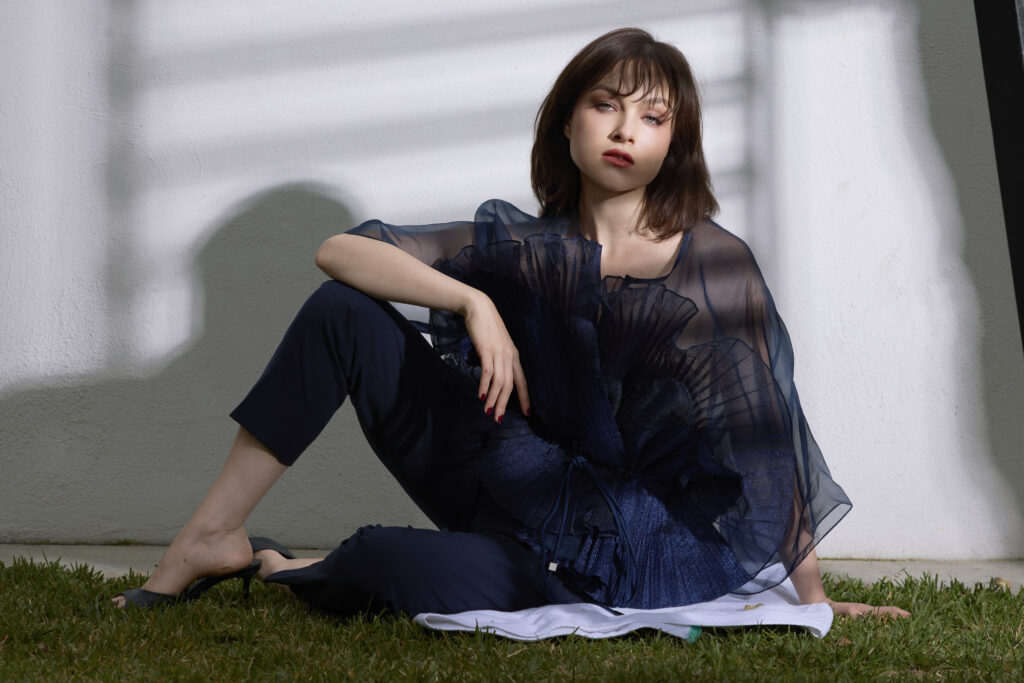
The core of Valenzuela’s argument lies in the impact of intense lighting on visual perception. Hard light, by its nature, creates starker contrasts, well-defined shadows, and crisp highlights. This can translate into portraits that possess a heightened sense of three-dimensionality and depth. The dramatic interplay of light and shadow sculpts the subject’s features, accentuating bone structure and adding a palpable sense of volume. Furthermore, the sharp definition inherent in hard light can lend a sophisticated and almost painterly quality to the final image, drawing the viewer’s eye and holding their attention. Valenzuela elaborates on this phenomenon, noting, "People are going to look at the photo, and they can’t stop looking at it. There’s something beautiful about it because it’s not normal to see lighting like that." This "unusual" quality of hard light, when executed with skill, can create a powerful psychological connection with the audience, making the portrait feel more alive and engaging.
The visual impact of hard light can be quantified in its ability to create:
- Enhanced Dimensionality: The sharp delineation between light and shadow creates a pronounced sense of depth and form, making subjects appear more solid and present.
- Dramatic Contrast: Hard light naturally produces high-contrast imagery, which can evoke strong emotions and add a powerful aesthetic appeal.
- Sculptural Qualities: It carves out facial features and body contours, emphasizing texture and form in a way that soft light often smooths over.
- Striking Visual Interest: The unconventional nature of well-executed hard light photography inherently captures attention, setting it apart from more commonplace lighting styles.
Essential Equipment Considerations: The Grid Modifier
A crucial piece of advice from Valenzuela, which could potentially save photographers significant investment, centers on the judicious selection of lighting modifiers. He strongly advocates for never purchasing a hard light modifier without simultaneously acquiring its accompanying grid. "Hard modifiers without a grid is like a car without a steering wheel," he warns emphatically. "If you can’t afford the grid, then don’t buy the modifier at all because it’s a waste of your money."

The rationale behind this advice is rooted in the fundamental need for control. Hard light modifiers, such as bare strobes or small reflectors, are inherently prone to scattering light in multiple directions. Without a grid, this light can spill indiscriminately onto the background, diluting the intended effect and compromising the separation between the subject and their environment. A grid acts as a directional cone, focusing the light beam and preventing it from spreading outwards. This precision is paramount for achieving the desired dramatic effect of hard light, ensuring that the light falls precisely where intended—illuminating the subject while allowing shadows to recede and backgrounds to remain darker, thereby enhancing the subject’s prominence. This controlled application is key to achieving the dynamic and impactful portraits Valenzuela champions.
The "Batman and Robin" Technique: A Dual-Light Strategy
Beyond the fundamental understanding of hard light, Valenzuela introduces a signature technique that he playfully terms the "Batman and Robin" approach. This method involves the strategic combination of two distinct light sources to achieve a balanced yet dramatic portrait.
The core of this technique involves:

- The "Batman" Light (Key Light): This is typically a hard, directional light source. Its role is to act as the primary illuminator, casting strong shadows and defining the subject’s form with dramatic intensity. This light is the powerhouse, much like Batman himself, dictating the mood and structure of the portrait.
- The "Robin" Light (Fill Light): This is a secondary light source, which can be either a medium or soft light. Its purpose is to gently lift the shadows created by the "Batman" light. This fill light is crucial for maintaining detail in the darker areas of the subject’s face and body, preventing the image from becoming too contrasty and losing essential information. It acts as a supportive element, ensuring the overall image is balanced and aesthetically pleasing, much like Robin supports Batman.
Valenzuela acknowledges that while this dual-light setup is not strictly mandatory for every hard light scenario, it proves remarkably effective. "You don’t have to," Roberto admits, "but it works quite well to do it with two sources of light, a hard one and a medium or soft one." This combination allows photographers to harness the dramatic impact of hard light while retaining a sophisticated level of control over the overall exposure and tonal range. The hard light injects drama and definition, while the strategically placed fill light ensures that critical details are not lost in the shadows, resulting in portraits that are both visually arresting and technically sound.
Expanding the Horizons of Dynamic Lighting
The principles of hard light and the "Batman and Robin" technique represent just a fraction of the comprehensive knowledge imparted within Roberto Valenzuela’s "Dynamic Lighting Masterclass." The course delves into a much broader spectrum of lighting strategies, offering photographers a complete toolkit for mastering the art of illumination.
The masterclass explores advanced concepts such as:

- Understanding Light Quality: Differentiating between various light sources and their inherent characteristics.
- Light Placement Mastery: Precisely positioning lights to achieve specific effects on facial features and body contours.
- Color Theory in Lighting: Utilizing color temperature and gels to evoke specific moods and enhance visual storytelling.
- Advanced Shadow Manipulation: Controlling the shape, depth, and direction of shadows to add artistic intent.
- Working with Natural Light: Integrating hard and soft natural light sources effectively.
- Post-Processing Techniques: Enhancing and refining lighting effects in digital editing.
This comprehensive curriculum aims to equip photographers with the confidence and technical acumen to not only replicate Valenzuela’s dramatic style but also to innovate and develop their own unique lighting signatures. The masterclass emphasizes that true mastery of lighting involves understanding how to shape, control, and manipulate light to serve a specific creative vision.
Transforming Photographic Vision
Roberto Valenzuela’s "Dynamic Lighting Masterclass" offers a compelling invitation to photographers seeking to elevate their work beyond conventional aesthetics. By challenging the widespread aversion to hard light and providing practical, actionable techniques, Valenzuela empowers artists to explore new creative frontiers. The course is more than just a collection of lighting tips; it is a philosophy that encourages photographers to embrace the unconventional and to find beauty in the dramatic interplay of light and shadow.
The availability of this masterclass through WPPI On Demand provides a flexible and accessible platform for photographers worldwide to learn from one of the industry’s leading experts. It represents an opportunity to move from simply using light to truly mastering it, enabling the creation of portraits that are not only technically proficient but also emotionally resonant and artistically profound. As Valenzuela demonstrates, the most captivating images often arise from a willingness to experiment and to push the boundaries of established photographic norms, transforming the way both the photographer and the viewer perceive the power of light.

Background and Context
The "Dynamic Lighting Masterclass" by Roberto Valenzuela is presented through WPPI On Demand, a platform dedicated to providing professional photography education. WPPI (Wedding & Portrait Photographers International) is a well-established organization that hosts annual conventions and offers a wealth of resources for photographic professionals. The launch of Valenzuela’s masterclass signifies a continuation of WPPI’s commitment to offering cutting-edge educational content from industry leaders. The timing of such a course is particularly relevant in an era where photographers are constantly seeking to differentiate their work and capture attention in a crowded digital landscape. The emphasis on hard light comes at a time when many photographers are exploring more stylized and dramatic visual approaches, moving away from universally soft and often homogeneous aesthetics. This masterclass serves as a direct response to a growing demand for advanced lighting techniques that can produce distinctive and memorable imagery.
Broader Implications for the Photography Industry
The dissemination of Valenzuela’s teachings on hard light has significant implications for the broader photography industry. Firstly, it has the potential to democratize the use of dramatic lighting. Historically, achieving such effects might have been perceived as requiring specialized, expensive equipment or an innate talent inaccessible to many. By breaking down the process into manageable techniques, Valenzuela makes these powerful visual tools available to a wider range of photographers.
Secondly, this approach encourages a more critical and informed engagement with light. Instead of defaulting to soft light as a safe option, photographers are prompted to consider the intentional effects of light quality and direction. This can lead to a richer, more nuanced understanding of how light contributes to the narrative and emotional impact of a photograph.

Finally, the success and adoption of such masterclasses through platforms like WPPI On Demand highlight the evolving landscape of professional development in photography. The shift towards accessible, high-quality online education allows photographers to continuously upskill and adapt to new trends and techniques without the constraints of traditional in-person workshops, fostering a more dynamic and continuously learning professional community.
Learn more about Roberto Valenzuela’s work at RobertoValenzuela.com and follow him on Instagram at @roberto_photo.
Explore the complete "Dynamic Lighting Masterclass" and other educational resources at the WPPI On Demand Store.