The journey from an enthusiast capturing fleeting moments to an acclaimed professional shaping narratives through imagery is often one marked by dedication, perseverance, and a profound connection to the subject matter. In an illuminating exploration of this transformative path, NatureTTL’s interview series, "From Amateur to Professional," delves into the careers of established nature photographers. This installment spotlights Victor Soares, a South African-born wildlife photographer whose nearly two-decade-long immersion in nature’s wonders has culminated in a distinguished professional career, now based in the UK, leading tours across Europe and Africa. His work, celebrated for its evocative power, has garnered significant recognition, awards, and publication in leading global outlets, offering valuable insights into the evolution of photographic practice and the transition from passion to profession.
Early Roots: A Passion Ignited in the South African Wild
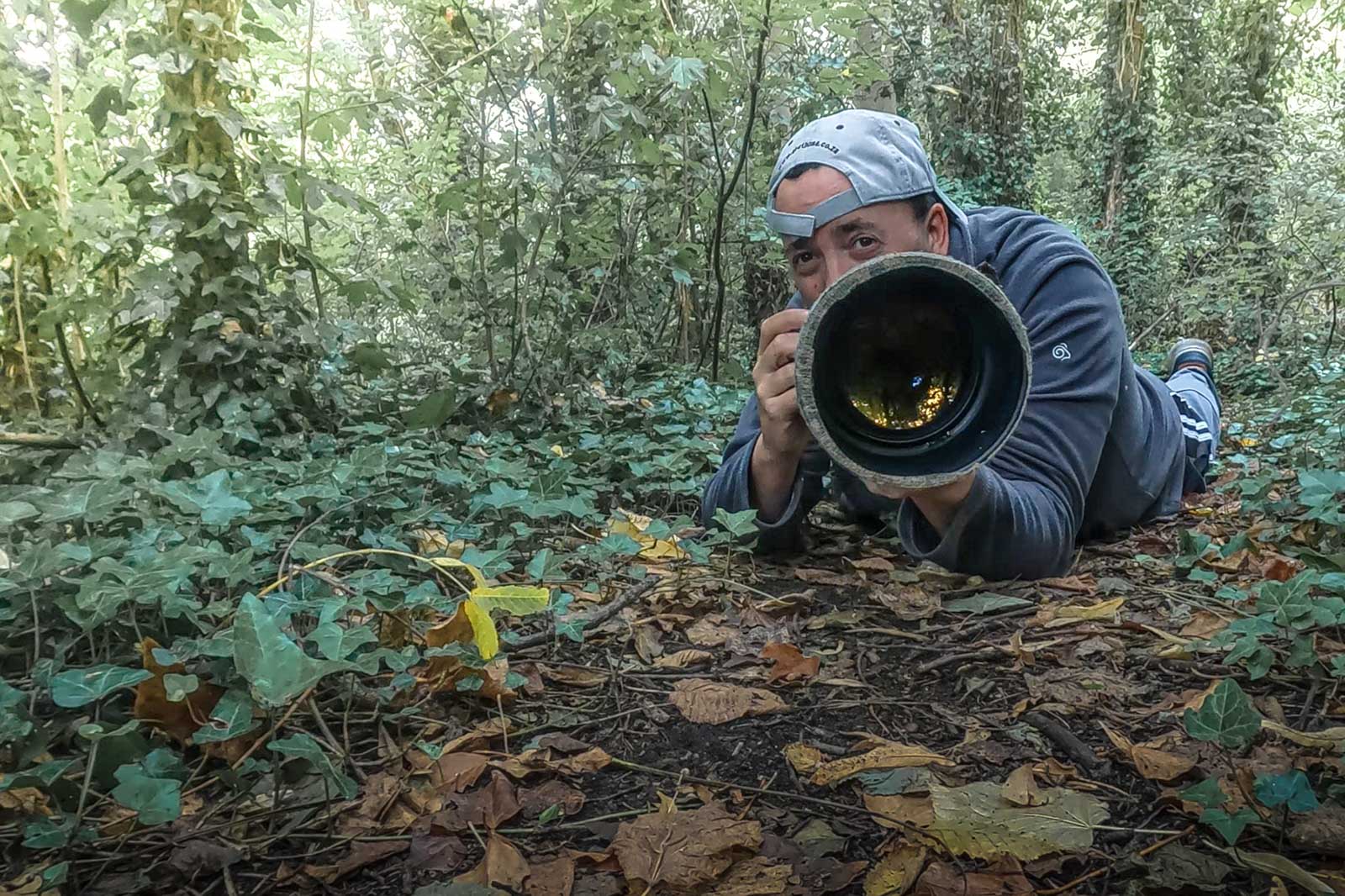
Victor Soares’s deep-seated affinity for nature and wildlife was nurtured from his earliest days in South Africa, a nation renowned for its unparalleled biodiversity. Growing up amidst this natural abundance, the wild became a sanctuary, an escape from the complexities of the world. Birds, in particular, captivated his imagination, their myriad species providing endless hours of fascination, often observed through binoculars or sought out for closer encounters. This inherent connection to the natural world laid the groundwork for a photographic journey that would begin almost by chance.
The advent of digital photography in the early 2000s marked a pivotal moment for aspiring photographers globally, democratizing access to image-making. For Soares, this coincided with his purchase of a Canon 300D in 2004, his first DSLR, primarily intended for documenting holiday memories. The Canon EOS 300D, also known as the Digital Rebel in North America, was a groundbreaking camera at the time. It was Canon’s first consumer-level DSLR, making professional-grade imaging technology accessible to a broader audience. Its relatively affordable price point and advanced technical capabilities, including a 6.3-megapixel CMOS sensor, made it an attractive choice for many entering the digital age of photography.
Following a trip to the iconic Kruger National Park—a sprawling wildlife sanctuary in South Africa known for its ‘Big Five’ and vast avian diversity—Soares visited a local photo lab to process his images. This seemingly routine errand became a turning point. The lab owner, Johan Combrink, himself a wildlife photography enthusiast whose shop displayed striking images of various species, casually remarked on Soares’s holiday snaps. Soares, driven by an unarticulated ambition, blurted out his desire to capture images akin to Combrink’s captivating photograph of a Cattle Egret. Unexpectedly, Combrink offered to share his knowledge, inviting Soares to return the next day. This impromptu mentorship proved invaluable, providing Soares with foundational camera techniques, post-processing skills, and crucial motivational support through the inevitable "dark times" of photographic learning. Combrink’s selfless guidance, offered without remuneration, became the bedrock of Soares’s burgeoning career.

The Evolution of a Craft: From Initial Blurs to Refined Visions
Soares vividly recalls his very first attempt at wildlife photography with the 300D: a blurry, distant image of a Cormorant in terrible light—an ambitious but ultimately flawed effort that he no longer possesses. The early stages of any artistic pursuit are often characterized by trial and error, a necessary phase of learning and refinement. In 2007, armed with a new Canon Rebel XT (an updated version of the 300D), a Christmas gift from the previous year, Soares decided on a fresh start, purging his previous attempts. This new camera, the Canon EOS 350D (Rebel XT), offered incremental improvements in sensor resolution (8 megapixels), processing speed, and overall performance, further enhancing the capabilities available to amateur photographers.
His subsequent visit to Kruger Park with his girlfriend (now wife) yielded one of the first images he genuinely appreciated: a Steenbok. While acknowledging its technical shortcomings—cropped feet, a suboptimal f/8 aperture in Aperture Priority mode (Av), and a conservative ISO 400 due to concerns about digital noise, which was a significant limitation of early DSLRs—he recognized its merit. The animal was in focus, and the light was decent. This image, a clear improvement over his initial attempts, served as a crucial motivator, signaling progress and sustaining his interest. It underscored a fundamental shift in his approach, moving towards a more deliberate and technically informed methodology.

Soares’s photographic journey demonstrates a clear progression from basic capture to sophisticated artistry, exemplified by his enduring favorite image: a yawning fox. His relocation to the UK in 2016 and then London in 2018 sparked a new fascination with the urban fox, a creature often relegated to folklore in his native South Africa. After hearing about a group of foxes in a small Sutton park, he seized the opportunity. One particularly affable fox allowed for close proximity. It was on this occasion, after the fox gracefully leapt over a hedge and settled into a bed of autumn leaves, that Soares captured the remarkable moment of a full, wide yawn. The immediate gratification of seeing the image on his camera’s screen intensified upon reviewing it on a larger display, revealing exquisite details: the visible mist of the fox’s cold breath, the vibrant autumn hues, and the intricate structure of its teeth. The shallow depth of field effectively isolated the subject, rendering a beautifully blurred background that accentuated the fox’s pose, position, and inherent grace. This photograph not only embodied all the qualities he aspired to in an image but also transformed a childhood fantasy into a tangible, breathtaking reality.
Revisiting Habitats: A Deeper Understanding and Evolving Technique
The act of revisiting familiar environments is a cornerstone of growth for many nature photographers, offering new perspectives and deeper insights. For Soares, his return to South African game parks, though less frequent since his move to the UK, has become even more cherished. These parks were his initial training ground, where he learned the nuances of shooting from a vehicle, anticipating animal behavior, and identifying optimal photographic moments.

Wildlife photography, more than many other genres, demands a keen understanding of animal behavior, environmental factors, and technical precision. His re-engagement with African safaris is now characterized by a heightened awareness of elements he once took for granted: the direction and quality of light, the potential distractions in the background or foreground, and the most advantageous shooting angles. Each safari becomes a renewed learning experience, deepening his comprehension of animal interactions and their implications for compelling imagery. This iterative process of observation and reflection is critical for moving beyond mere documentation to capturing the essence of the wild.
In the UK, Soares finds similar inspiration in recurring events like the annual deer rut. Initially drawn to the sheer spectacle of bellowing stags and dramatic clashes, his approach has matured. He now actively seeks out specific atmospheric conditions, such as cold mornings that produce visible "bellow steam," or the ethereal quality of autumn light filtering through trees. Interactions between hinds, though less overtly dramatic than the stags’ battles, also capture his attention, adding layers to his narrative. Furthermore, he dedicates time to photographing the often-overlooked fallow deer, whose intense fights provide equally compelling photographic opportunities. This demonstrates a progression from broad observation to a more targeted, nuanced pursuit of specific moments and aesthetic qualities.
The Leap to Professionalism: A Calculated Risk and New Horizons

The idea of transitioning from a passionate amateur to a professional photographer had long simmered in Soares’s mind, but the leap was fraught with considerations. The widely acknowledged economic realities of the photography industry—where many struggle to earn a substantial living, often supplementing their income through other means—presented a formidable challenge. As an engineer by profession, Soares enjoyed a stable and financially rewarding career, a stark contrast to the often precarious income streams of a full-time photographer. Despite his varied successes in competitions, his primary focus remained elsewhere, preventing a full commitment to his photographic aspirations.
The year 2023 saw Soares tentatively step into the professional realm, leading trips and teaching photography in his spare time. While this generated some income, it remained incomparable to his engineering salary. However, a significant external event in early 2024 served as an unexpected catalyst. A company-wide decision to reduce staff led to Soares’s position being made redundant. While initially a difficult blow, this unforeseen circumstance presented a unique opportunity to fully commit to wildlife photography. His wife’s unwavering support proved instrumental in this pivotal decision, providing the emotional and practical foundation for him to embark on a full-time professional career in wildlife photography earlier this year. This transition underscores a common theme in creative professions: sometimes, external forces, coupled with internal resolve and strong support systems, can turn a long-held dream into a tangible reality.
Milestones and Motivation: The Natural History Museum Recognition

Soares reflects that his journey wasn’t marked by a single "eureka moment" but rather by a series of significant turning points. Growing up in South Africa provided him with unparalleled access to wildlife, an experience many in Europe could only dream of. The thrill of photographing a leopard, for instance, remains a magical experience every time he encounters one through his lens.
However, a particularly potent validation arrived in 2012 when one of his images reached the final round of the Natural History Museum’s Photography Awards. At the time, this prestigious competition was known as the Veolia Environmental Awards, attracting over 48,000 entries globally. Reaching the final stages of such a renowned competition was a profound affirmation of his talent and dedication. It was a moment where he felt, "Maybe I am good enough… maybe." This external recognition, a significant "feather in his cap," provided a powerful psychological boost, solidifying his belief in his abilities. Although the image did not progress to be displayed at the NHM, the memory of that achievement remains a cherished and proud turning point in his photographic career. The initial excitement upon receiving the email, followed by a frantic call to his wife and an eager email to the organizers, underscores the emotional weight of such milestones in a creative journey.
Refining the Art: Process, Technique, and Emotional Depth

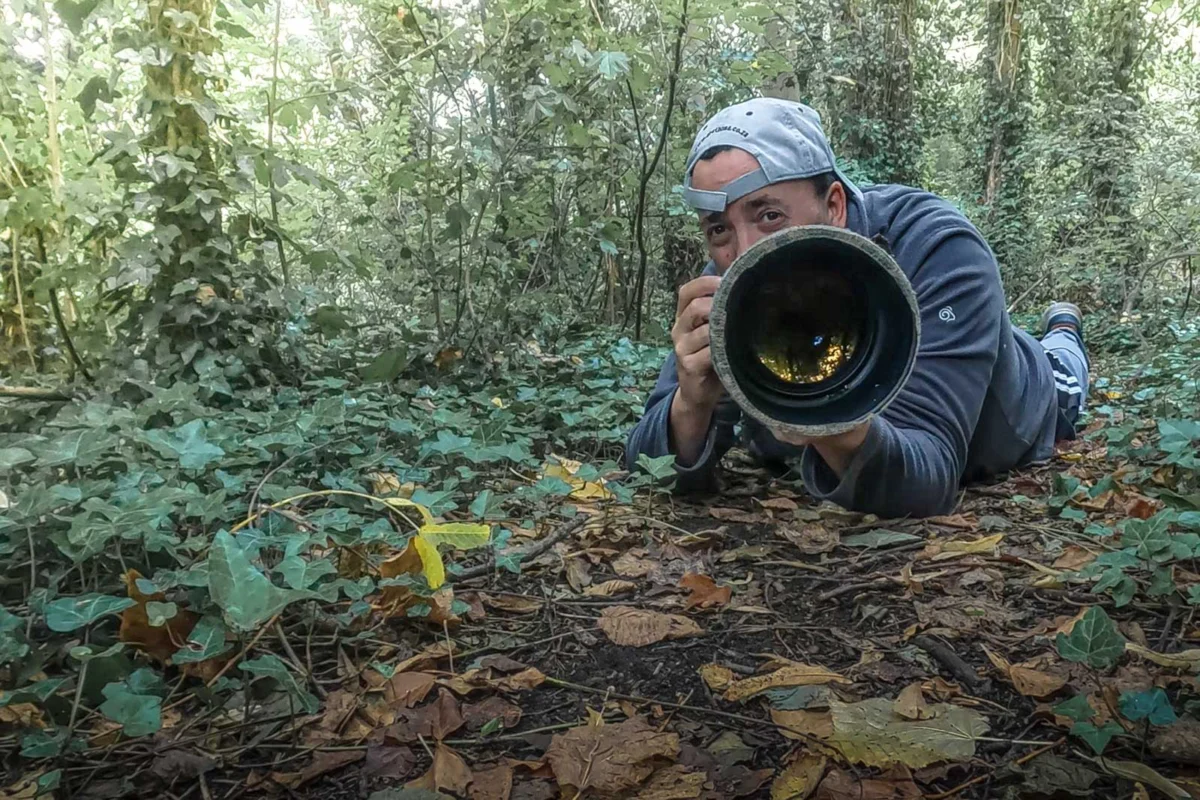
Soares’s photographic process has undergone considerable evolution over the years, driven by a spirit of experimentation and a continuous desire to learn from others and adapt to contemporary techniques and styles. His most significant changes have occurred in how he captures and processes images. He has developed a particular fondness for low-angle photography, aiming to get as close to the ground as possible, combined with a very shallow depth of field. This technique, often requiring investment in high-quality, expensive lenses like his favorite 300mm f/2.8, yields phenomenal results by isolating the subject and creating a compelling sense of intimacy.
This approach prioritizes the point of interest, ensuring it is sharply in focus while the background melts into a pleasing blur. Beyond technical precision, Soares strives to portray the emotion of his subjects. While easier with mammals, he enjoys creating images that convey a creature’s inner state—be it calm, anger, fear, cunning, eagerness, desperation, or resolve. This focus on emotional storytelling adds a layer of reality and connection, elevating his photographs beyond mere scientific documentation to profound artistic expressions.
Overcoming Challenges: Perseverance in a Competitive Field

The path to photographic excellence is rarely smooth. Soares identifies his biggest initial challenge as finding the motivation to persevere amidst the overwhelming quality of work produced by others. It is easy for aspiring artists to feel inadequate when surrounded by the impressive portfolios of their heroes and role models. He acknowledges the truth in this sentiment—that these figures are placed on pedestals for a reason, and one may never surpass them in one’s own estimation. However, he emphasizes the critical lesson learned: the important thing is to keep going, to persevere.
In a world saturated with imagery and the constant pressure of family, work, and societal expectations, maintaining motivation and resilience can be incredibly difficult. Soares’s advice is clear: embrace comments and criticism as opportunities for growth. Both positive and negative feedback offer valuable insights for reflection and development. This mindset of continuous learning, coupled with unwavering dedication, is essential for navigating the highly competitive landscape of professional photography.
Timeless Wisdom: Patience and Continuous Growth

When asked for a single piece of advice he would offer his younger self, Soares unequivocally points to "be patient." In an age that demands instant gratification and rapid results, there is a tendency to rush through foundational learning, measuring progress by technological advancements rather than fundamental skill acquisition. He admits to falling into this trap, mistaking a camera’s higher frames-per-second rate for his own speed, or more focus points for improved accuracy. He rightly points out that these features only become advantageous when one already possesses the underlying skills to utilize them effectively.
This emphasis on patience extends beyond mastering technical basics. It is a critical virtue in wildlife photography itself. Many of the most breathtaking images are not captured through luck but are the direct result of hours, days, or even weeks spent observing and waiting. The action-filled, impressive shots often stem from profound patience, allowing the photographer to anticipate and capture those fleeting, perfect moments.
Soares’s journey, spanning nearly two decades, continues to be one of constant learning. He actively engages with camera clubs, drawing insights from peers, and remains an avid reader of photography articles and magazines, which are rich sources of news, tips, and techniques. Collaborative shooting experiences with other photographers provide both enjoyable company and fresh perspectives. His overarching advice for aspiring photographers is to "put yourself out there." Share your work, embrace criticism, and view all feedback—positive and negative—as invaluable opportunities for growth. In a field that demands both technical mastery and artistic vision, Soares’s story is a testament to the enduring power of passion, perseverance, and the timeless pursuit of knowledge. His transition from a dedicated amateur to a respected professional underscores the profound impact that a deep connection to nature, coupled with relentless self-improvement and a supportive network, can have on forging a remarkable career.