Macro wildlife photography stands as one of the most enthralling and scientifically significant disciplines within the photographic arts, offering a unique portal into the intricate details of the natural world often invisible to the naked eye. By deliberately shifting focus to diminutive subjects, photographers are not merely capturing images; they are unearthing an entire universe of overlooked textures, behaviors, and anatomical wonders. This specialized field, increasingly popular among both amateur enthusiasts and professional naturalists, produces truly captivating imagery that not only enchants viewers but also contributes valuable data to biological research and conservation efforts.
The Allure of the Microcosm: Defining Macro Wildlife Photography
At its core, macro wildlife photography involves capturing extreme close-up photographs of small subjects, typically achieving a magnification ratio of 1:1 or greater, meaning the subject is rendered life-size or larger on the camera’s sensor. This discipline transcends simple close-up shots, delving into a realm where the ordinary becomes extraordinary. Historically, naturalists relied on hand lenses and early microscopes to observe these minute details. The advent of specialized photographic lenses and digital imaging technology has democratized this exploration, allowing photographers to document these miniature worlds with unprecedented clarity and detail. The appeal lies in the revelation – transforming a common garden insect or a tiny dewdrop into a landscape of alien beauty, exposing patterns, colors, and forms that challenge conventional perception of wildlife.

Expanding the Lens: Beyond Conventional Macro Subjects
For many years, the spotlight in macro photography has predominantly shone on insects and flowers. These subjects, with their intricate anatomies, vibrant color palettes, and relatively static nature (especially flowers), offer readily accessible and visually rewarding opportunities. Jumping spiders, with their surprisingly expressive eyes and complex behaviors, and the delicate, often abstract beauty of flower petals, have become iconic examples of what macro photography can achieve. The sheer diversity of insect species, estimated to be several million worldwide, ensures an almost endless supply of novel subjects, making them a natural starting point for many aspiring macro photographers.

However, the discipline is evolving, with a growing number of practitioners venturing beyond these traditional frontiers. This expansion reflects a deeper appreciation for the hidden beauty across the biological spectrum and the technical advancements that facilitate capturing more challenging subjects. This article encourages photographers to look beyond the most popular and conventional macro subjects, revealing a wealth of alternatives that are often closer than one might imagine and equally deserving of microscopic investigation. From the scaled complexities of reptiles and amphibians to the textural nuances of mammals, the vibrant ecosystems of marine life, and the abstract forms of fungi, these overlooked subjects present fresh artistic and scientific opportunities.
Overlooked Wonders: A Deeper Dive into Alternative Subjects

The great advantage of macro wildlife photography is its pervasive availability; photo-worthy subjects exist everywhere, demanding only a keen eye and the right approach. While insects and flowers remain invaluable for their accessibility and visual impact, the broader "macro subject library" is vast and largely untapped.
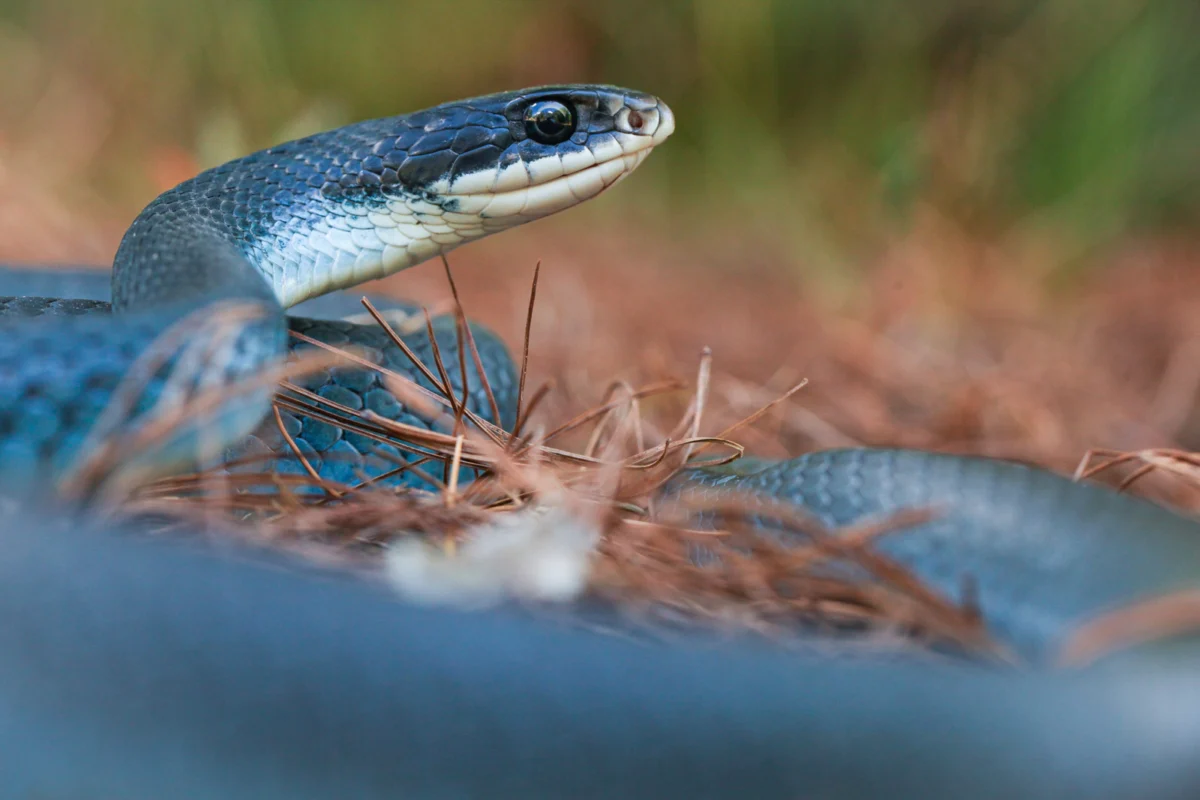
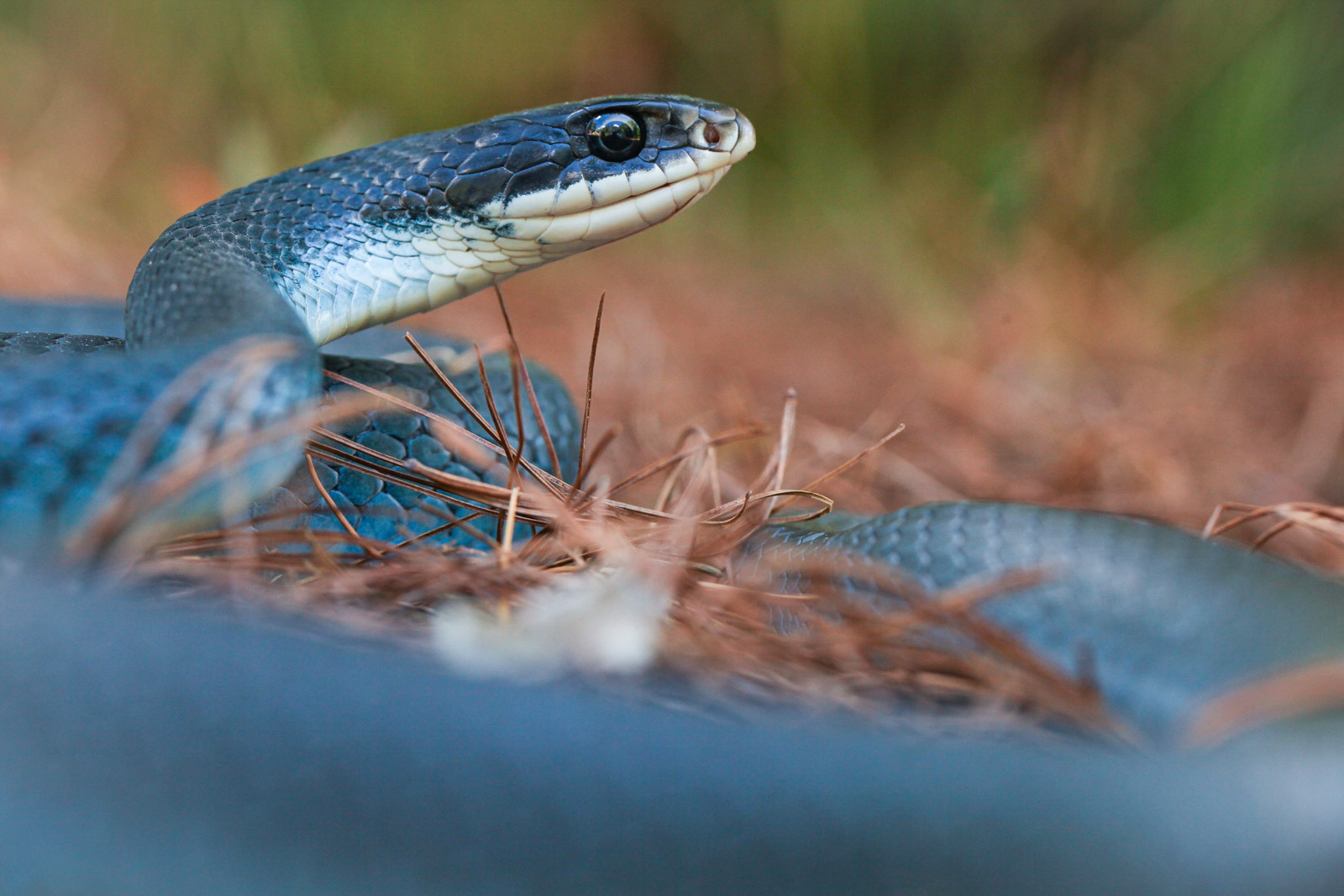
- Reptiles and Amphibians: These cold-blooded creatures, often characterized by their striking scales, patterns, and skin textures, are prime candidates for macro exploration. Snakes and lizards, in particular, offer a kaleidoscope of iridescent colors and geometric designs that become profoundly captivating when magnified. A frog’s translucent skin, revealing underlying musculature or blood vessels, or the intricate patterns on a chameleon’s skin, transform into stunning abstract art through a macro lens. Their often slow movements, especially when basking, can provide windows of opportunity for detailed shots.
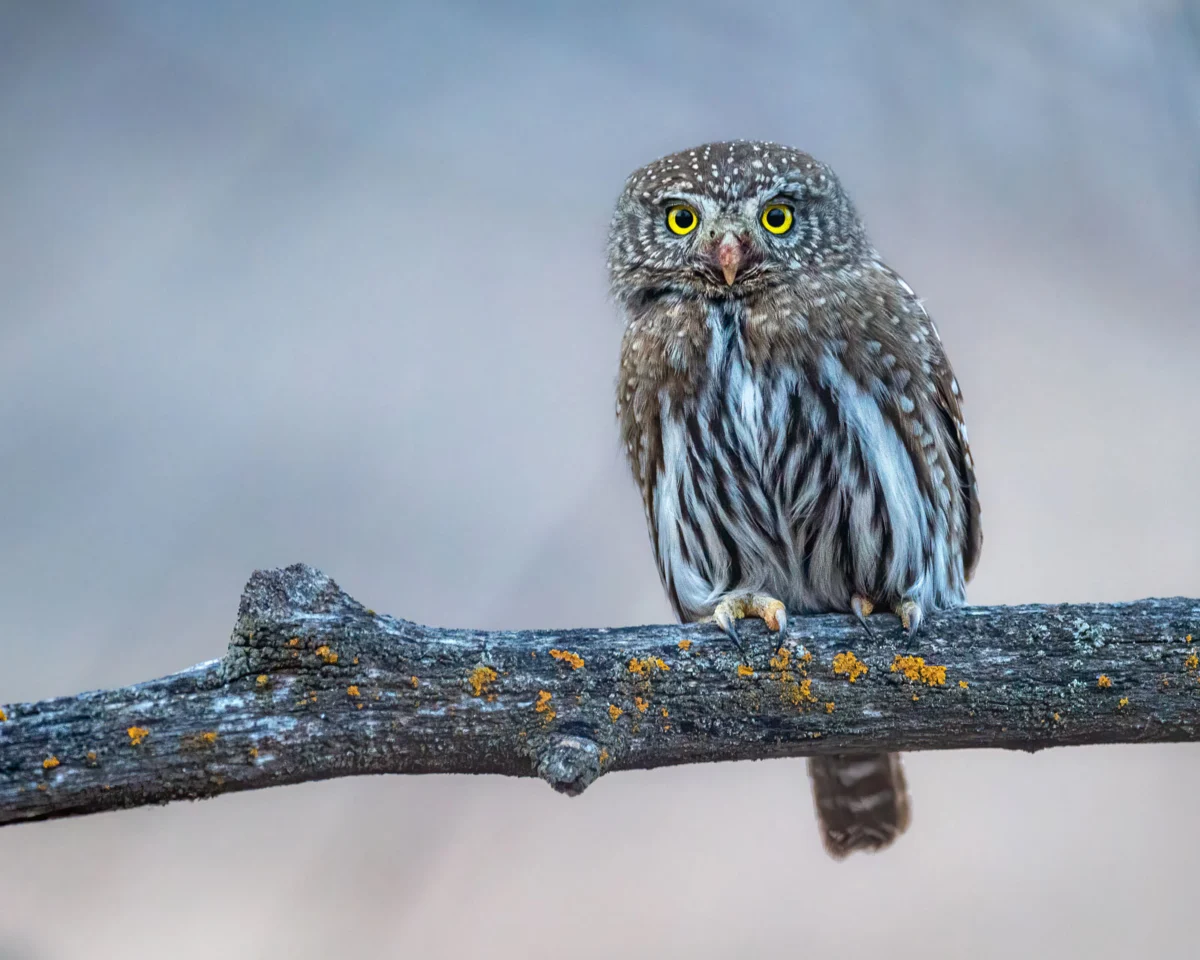
- Birds: While most bird photography focuses on capturing them in flight or at a distance, macro opportunities exist in their finer details. Individual feathers, with their complex barbules and iridescence, or the intricate textures of a bird’s talon or beak, offer unique perspectives. Finding discarded feathers or observing birds closely at a feeder can present chances to capture these often-ignored elements, revealing the engineering marvels of avian anatomy.
- Mammals: Photographing mammalian subjects up close is often more challenging due to their wariness and speed. However, with patience and the right technique, macro shots of fur, whiskers, eyes, and even the pads of their paws can be achieved. The fine hairs and expressive eyes of a squirrel, the velvety texture of a deer’s antler in velvet, or the intricate dermal patterns on a bat’s wing, all offer compelling macro narratives. These images provide intimate glimpses into creatures we usually observe from afar.
- Marine Life: The underwater realm is a veritable treasure trove of macro subjects. With specialized waterproof camera housings and lighting, a new universe of potential unfolds. Fish, nudibranchs (sea slugs), and various crustaceans exhibit an astonishing array of colors, forms, and unique features rarely documented in detail due to their size and aquatic habitat. The delicate gills of a nudibranch or the intricate exoskeleton of a small crab become subjects of profound beauty and scientific interest, often revealing symbiotic relationships or defensive mechanisms.
- Fungi: Perhaps one of the most accessible yet overlooked subjects, fungi offer an endless canvas of textures, shapes, and colors. Unlike most wildlife, they are stationary, allowing for meticulous composition and lighting. The intricate gills beneath a mushroom cap, the velvety surface of bracket fungi, or the delicate structures of slime molds, when magnified, transform into abstract landscapes. Their ephemeral nature and seasonal appearance add to their mystique and photographic challenge.
Ultimately, whether one is traversing a dense rainforest, exploring a arid desert, or simply observing a backyard garden, a worthy macro wildlife photography subject is never far away. It requires a shift in perspective, training the eye to see the grand in the miniature.

The Photographer’s Arsenal: Essential Gear for Macro Wildlife
Successful macro wildlife photography demands a specialized toolkit. Beyond the camera body, specific lenses and lighting equipment are paramount to revealing the hidden beauty of small subjects.

- Macro-Capable Lenses: The cornerstone of macro photography is a dedicated macro lens, designed to achieve high magnification ratios (typically 1:1 or greater) with excellent sharpness and minimal distortion at close focusing distances. These lenses come in various focal lengths (e.g., 50mm, 100mm, 180mm). Longer focal lengths (100mm-180mm) are often preferred for wildlife macro as they allow for a greater working distance, reducing the likelihood of disturbing sensitive subjects while still achieving high magnification. For beginners or those on a budget, extension tubes or close-up filters offer cost-effective alternatives to a dedicated macro lens, allowing standard lenses to focus closer, though often with some compromise on image quality or working distance.
- Lighting Solutions: Proper illumination is as critical as the lens itself. Due to the extremely close working distances and often small apertures used in macro photography, natural light is frequently insufficient or too harsh.
- Flash: An external flash unit is often indispensable. While a camera’s built-in flash can sometimes be used, it offers limited control over light direction and quality, often resulting in harsh, flat illumination. Off-camera flashes or ring flashes provide superior flexibility. Ring flashes, mounted around the lens, offer even, shadowless illumination, ideal for revealing fine details. Traditional speedlights, used off-camera, allow for directional lighting, which can sculpt subjects and add dramatic shadows, enhancing texture and depth.
- Diffusers: A diffuser is arguably as important as the flash itself. Direct flash can create harsh highlights and deep shadows, obliterating detail. Diffusers, ranging from simple homemade solutions to professional softboxes and foldable diffusers, soften the light, creating a more even and flattering illumination. This softening effect is crucial for revealing the subtle textures and delicate structures of macro subjects, preventing blown highlights and blocked shadows. For body-mounted flashes, small, foldable diffusers are effective, while larger softboxes are ideal for off-camera setups, offering more control over light spread.
With a macro lens mounted and an effective lighting setup, photographers are equipped to embark on their journey into the micro-world.
Mastering the Craft: Techniques for Unveiling the Unseen

Beyond gear, several key techniques coalesce to produce compelling macro wildlife photographs.
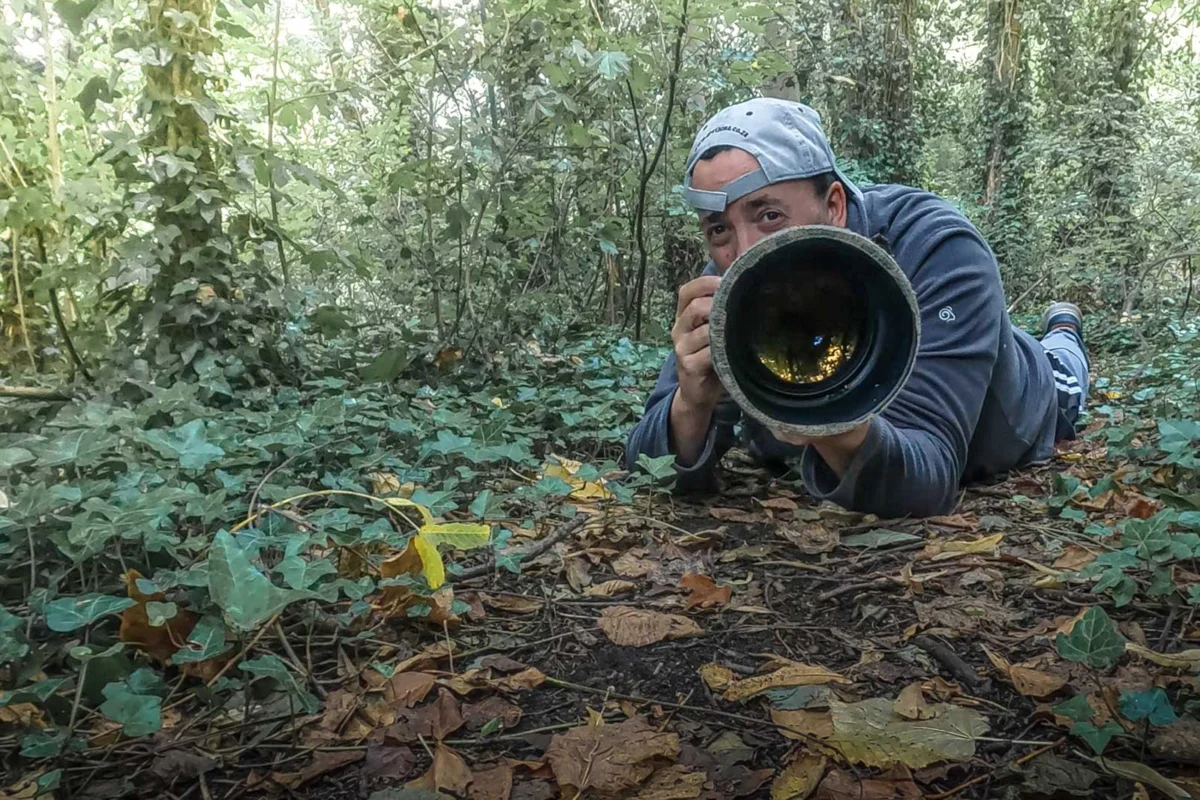
- Camera Stabilization: Unlike landscape photography where a tripod is often essential, macro wildlife photography, particularly with mobile subjects, frequently demands flexibility. Handheld shooting is common, necessitating steady hands and good posture. For ground-dwelling subjects, beanbags or even a rolled-up towel can offer a versatile stabilization alternative, allowing for low-angle shots and steadying the camera rig without the bulk of a tripod. The goal is to minimize camera shake, which is greatly amplified at high magnifications.
- Creative Lighting: Beginning with the flash mounted to the camera body is a practical starting point to understand its output. However, true artistry often emerges when experimenting with off-camera flash. Lighting subjects from the side can highlight textures and create a sense of three-dimensionality. Backlighting can create dramatic rim light effects, separating the subject from the background and emphasizing its outline, often leading to evocative, low-key images. Understanding how light interacts with the subject’s form is paramount.
- Precise Focusing and Aperture Control: Achieving critical focus is challenging in macro photography due to the extremely shallow depth of field. Photographers often use single-point autofocus or manual focus for ultimate precision, placing the focus exactly where desired, typically on a prominent feature like an eye, a delicate feather barb, or a scale. Regarding aperture, a starting point of f/11 is often recommended for small-subject macro to ensure sufficient depth of field to render key details sharp, while still allowing for a pleasingly blurred background. Experimentation is key, as the ideal aperture will vary depending on the subject’s size, desired depth of field, and available light.
- Shooting in RAW: Adopting RAW format for image capture is a non-negotiable best practice in professional photography, and particularly crucial in macro wildlife. RAW files retain significantly more image data than JPEGs, offering greater flexibility and latitude for adjustments in post-processing. In the dynamic and often fleeting moments of wildlife encounters, RAW provides a safety net, allowing for comprehensive correction of exposure, white balance, and other parameters that might have been less than perfect in the field, thus salvaging potentially lost images.
- Patience and Field Craft: Perhaps the most undervalued "technique" is patience. Wildlife photography, especially at the macro level, is inherently challenging. Subjects move unpredictably, lighting conditions shift, and perfect moments are rare. Frustration is inevitable. The ability to remain calm, observe, and wait for the opportune moment is what distinguishes successful macro photographers. Practicing techniques at home with static models can refine skills, allowing for quicker and more efficient execution when faced with live, unpredictable subjects in the field.
Ethical Imperatives in Miniature Worlds

Beyond technical prowess, an unwavering commitment to ethical practices is paramount in macro wildlife photography. The welfare of the subject—be it plant or animal—must always supersede the desire for a photograph. Leading conservation organizations and wildlife photography associations, such as the North American Nature Photography Association (NANPA) and the British Ecological Society, consistently advocate for a strict code of conduct.
- Minimizing Disturbance: The hallmark of a responsible photographer is the ability to capture outstanding imagery without causing any stress or harm to the subject. This includes avoiding habitat destruction, not altering the environment for a shot, and maintaining a respectful distance. Thorough preparation and practiced skills reduce the time spent in proximity to a subject, thereby minimizing potential disturbance.
- Species Knowledge: Entering the field equipped with knowledge about potential subjects is crucial. Understanding whether a species is protected, venomous, particularly sensitive to human presence, or part of a fragile ecosystem, informs safe and ethical interaction. Consulting local field guides, conservation websites, and expert blogs before an outing is a smart strategy.
- Setting a Positive Example: By prioritizing animal welfare, photographers set a positive precedent for peers and the public. This collective responsibility helps ensure that the delicate ecosystems and diverse species we cherish remain vibrant and accessible for future generations.
Scientific Contributions and Broader Implications

Macro wildlife photography is not merely an artistic pursuit; it serves as a powerful tool for scientific research and public engagement. These detailed images often reveal previously undocumented behaviors, morphological features, or interactions between species. They contribute to citizen science initiatives, allowing the public to upload observations that can aid researchers in tracking species distribution, phenology, and population health. For instance, detailed macro photographs can help in identifying new insect species, documenting parasitic relationships, or illustrating the complex pollination mechanisms of plants.
Furthermore, the evocative nature of macro photographs plays a crucial role in conservation. By presenting the miniature world in an accessible and awe-inspiring manner, these images foster a deeper appreciation for biodiversity and highlight the fragility of ecosystems. They transform abstract concepts of conservation into tangible, emotionally resonant visuals, galvanizing public support for environmental protection. Experts suggest that the visual impact of macro photography is particularly effective in engaging younger audiences, sparking curiosity and a lifelong interest in natural sciences.

Conclusion: A New Perspective on Nature’s Grandeur
The enduring popularity of macro photography, especially on platforms like social media, is readily understood. Its unique ability to capture and reveal the hidden qualities of often-overlooked subjects is transformative. For both the photographer and the viewer, it shifts perception, fostering a newfound appreciation for the intricate beauty that surrounds us. From the iridescent scales of a beetle to the delicate structures of a fungal spore, or the expressive eyes of a tiny jumping spider, macro investigation is an endlessly rewarding endeavor.

As technology continues to advance and photographers refine their techniques and ethical approaches, the boundaries of what can be captured in the miniature wilderness will undoubtedly expand. By embracing this discipline, photographers not only create stunning visual art but also contribute significantly to our collective understanding and conservation of the natural world. The journey into macro wildlife photography is an invitation to truly see the world anew, one magnificent detail at a time.