Macro wildlife photography stands as a uniquely compelling discipline within the broader photographic arts, offering a gateway to discovering intricate details of the natural world often overlooked by the naked eye. By meticulously focusing on subjects ranging from the minuscule to the subtly small, photographers can produce truly captivating imagery that reveals the hidden complexities and aesthetic marvels of life. This specialized field is not merely an artistic pursuit; it increasingly serves as a vital tool for scientific documentation, educational outreach, and inspiring environmental conservation efforts. As technology advances and global awareness of biodiversity grows, macro wildlife photography is experiencing a surge in popularity, challenging enthusiasts and professionals alike to explore beyond conventional subjects and deepen their engagement with the environment.
A Lens to the Unseen: The Allure of Macro Photography
At its core, macro photography is about magnifying the small to reveal its grandeur. Unlike traditional wildlife photography, which often seeks to capture large animals in their expansive habitats, macro focuses on the miniature ecosystems and organisms that exist all around us, from the urban backyard to the remote rainforest. This shift in perspective uncovers a universe teeming with life, where a single leaf can host a dramatic scene, or the texture of a rock becomes a landscape of its own. The reward for the photographer is immense: a profound sense of discovery, an enhanced appreciation for biodiversity, and the satisfaction of sharing visually stunning narratives that broaden public perception. The discipline’s growth is evident in online communities and nature publications, where intricately detailed images consistently draw significant attention, reflecting a widespread human fascination with uncovering the unseen.

Beyond the Familiar: Expanding the Macro Subject Palette
Historically, macro photographers have gravitated towards readily accessible and visually striking subjects such as insects and flowers. These choices are logical; insects, with their complex exoskeletons, iridescent wings, and multifaceted eyes, offer an endless array of textures and forms, while flowers provide a canvas of vibrant colors, delicate petals, and intricate structures. From the character-filled gaze of a jumping spider to the artistic perfection of a dew-kissed orchid petal, these subjects have long dominated the macro spotlight, providing rich opportunities for eye-catching visuals.

However, the field is evolving, with a growing movement to explore a much broader spectrum of subjects, many of which are closer and more diverse than commonly perceived. This expansion not only challenges photographers artistically but also significantly increases the scientific and educational value of their work. Beyond the ubiquitous bugs and blossoms, a wealth of overlooked macro subjects awaits discovery:
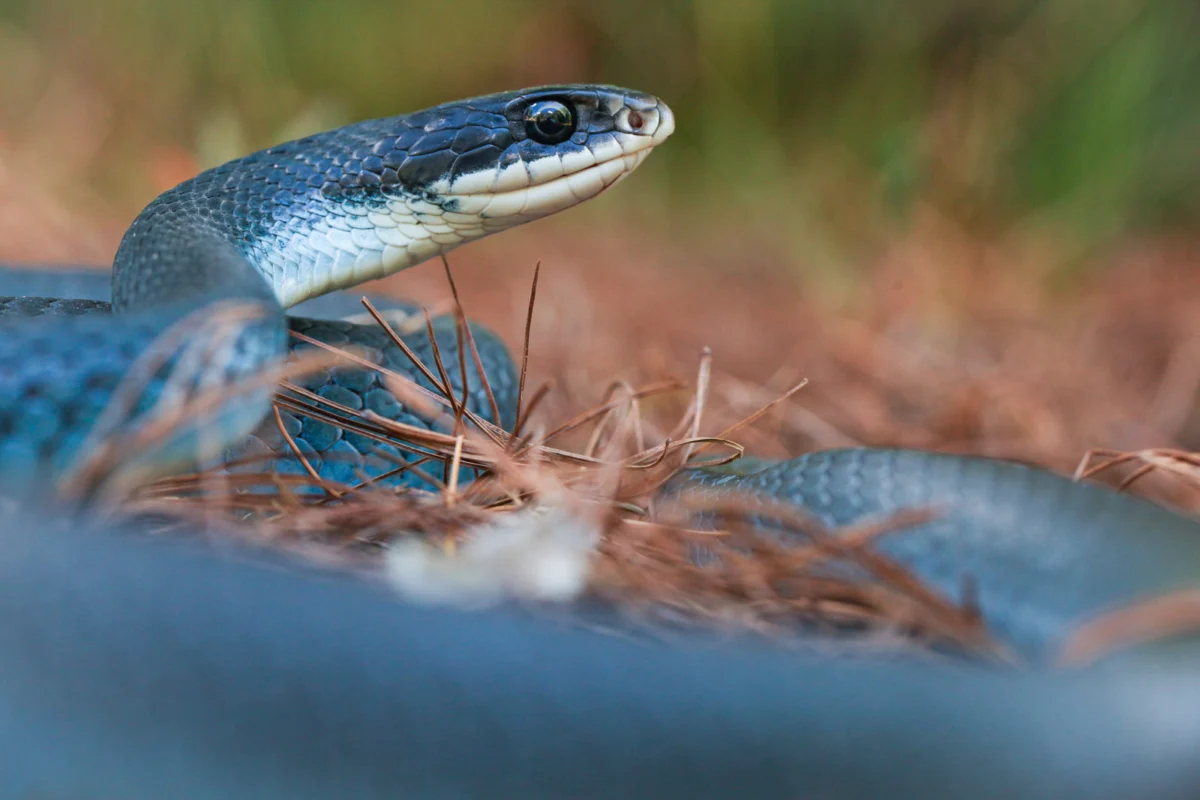
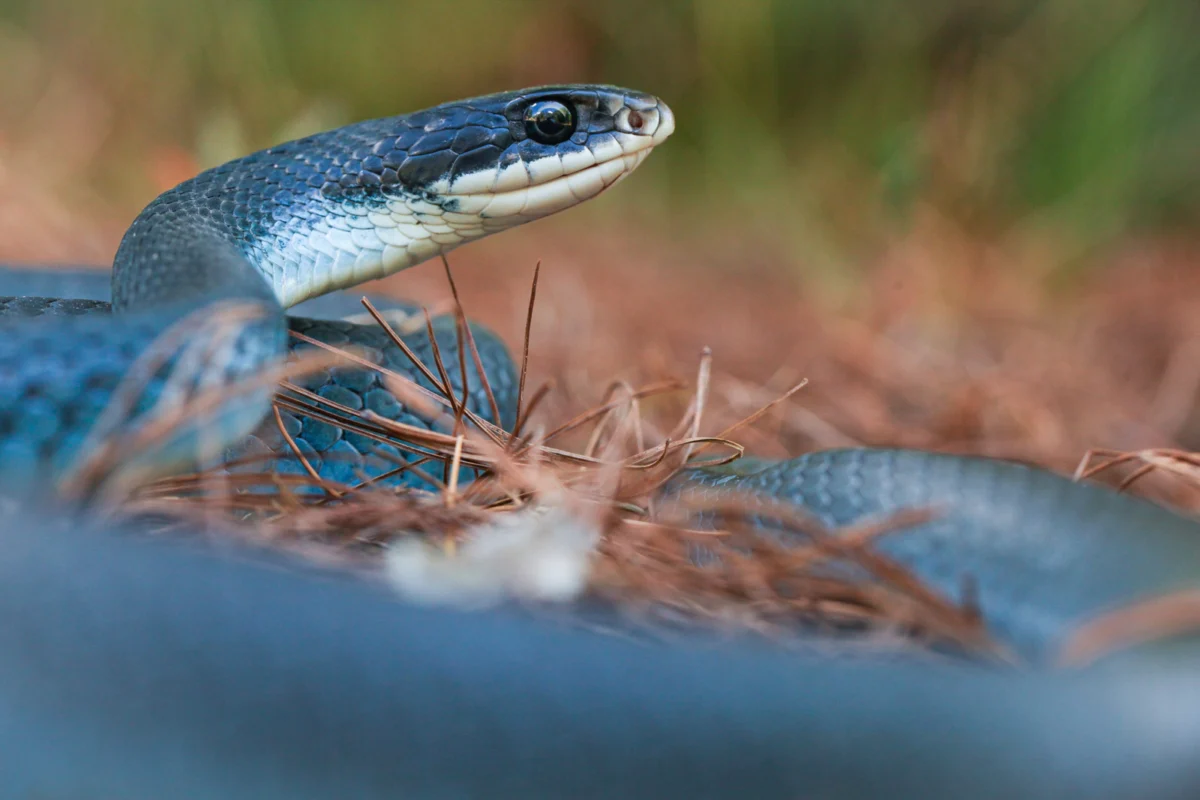
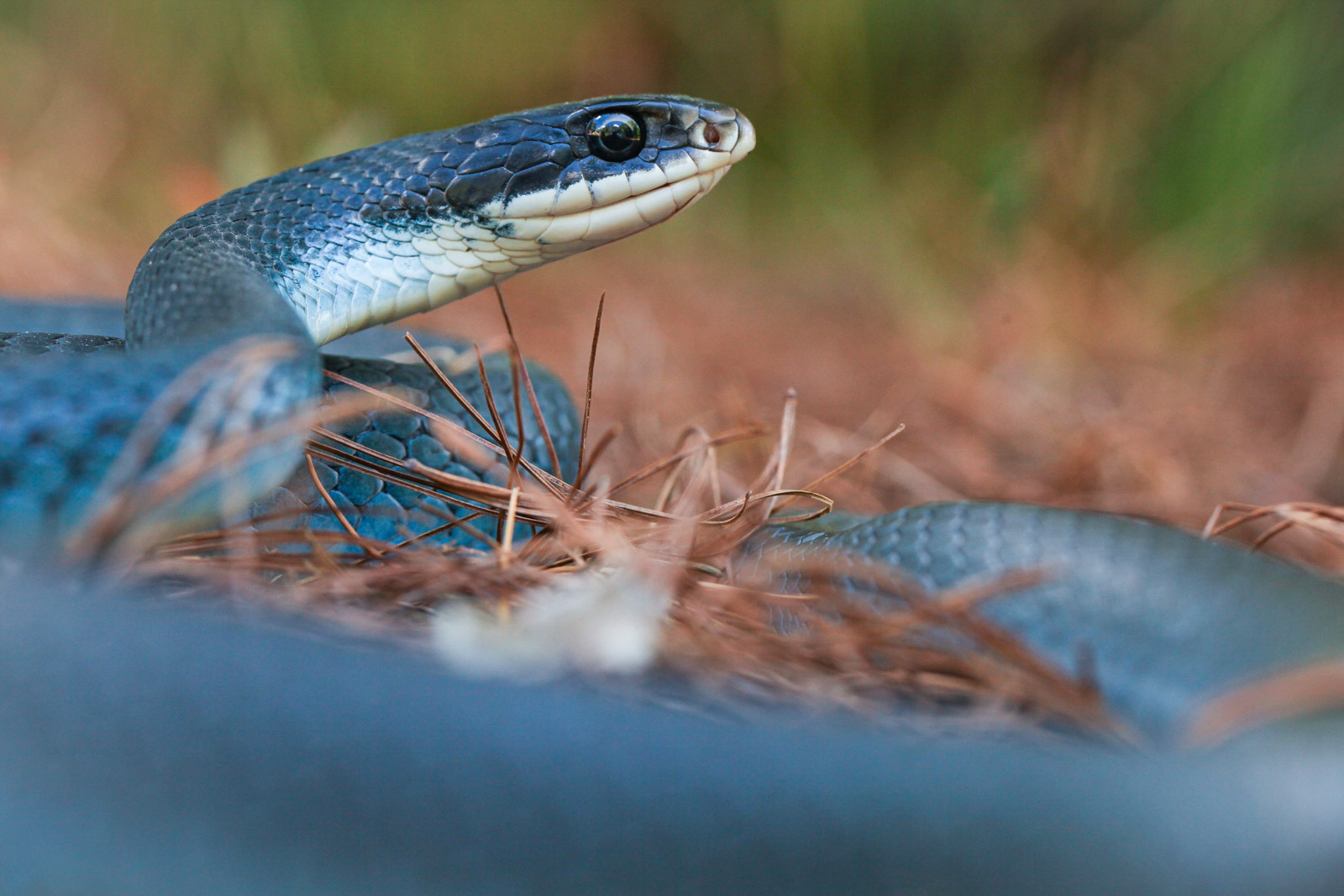
- Reptiles and Amphibians: Snakes, lizards, frogs, and salamanders are cold-blooded marvels whose skin is a tapestry of scales, patterns, and often iridescent colors. A macro lens can highlight the minute details of a snake’s scales, the texture of a frog’s skin, or the reflective quality of a lizard’s eye, transforming these creatures into subjects of remarkable visual complexity. Their often stationary or slow-moving nature in certain contexts can also make them more approachable for detailed close-ups.
- Birds (Feathers and Features): While bird photography typically involves telephoto lenses, macro opportunities arise when focusing on specific anatomical features. A single feather, captured in extreme close-up, reveals an astonishing structure of barbs and barbules. Talons, beaks, and even the intricate patterns of a bird’s eye can offer unique, abstract perspectives rarely seen, requiring patience and opportunistic encounters.
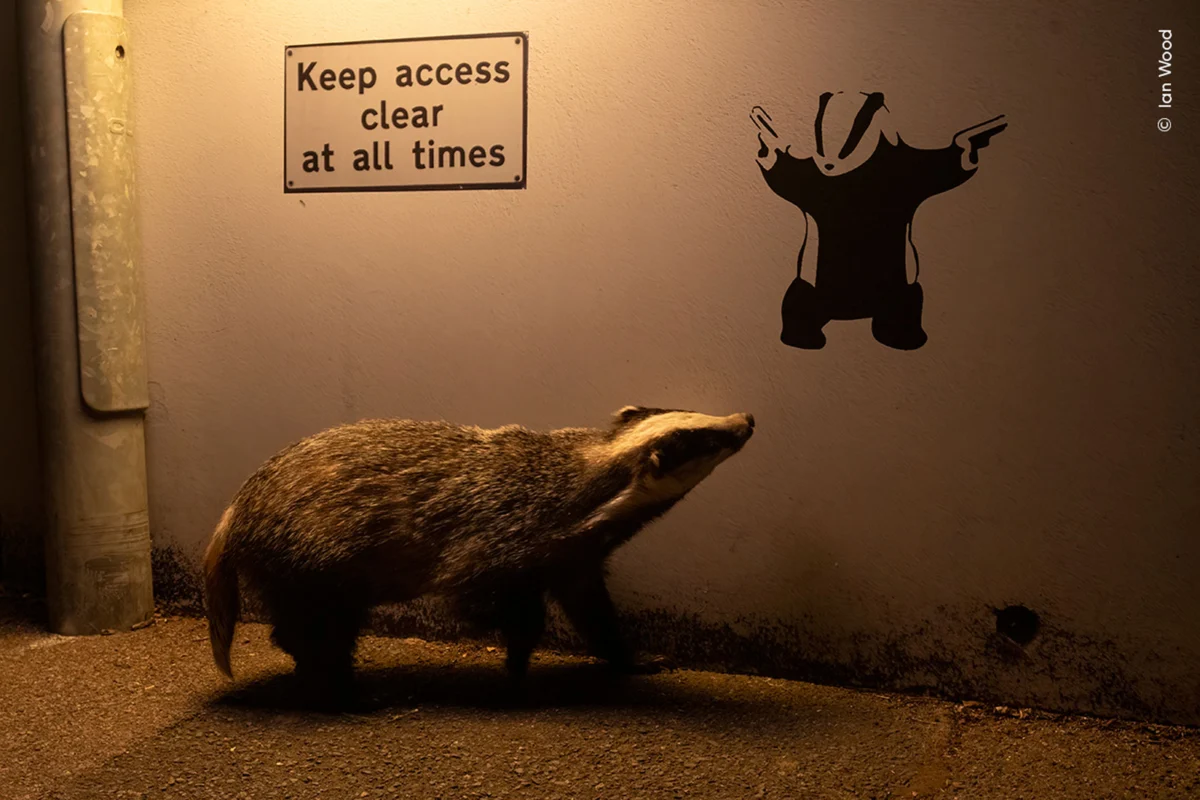
- Mammals (Fur, Whiskers, Eyes): Capturing mammals in a macro setting presents unique challenges due to their mobility and often larger size. Yet, close-up details such as the fine texture of fur, the delicate structure of whiskers, or the intense gaze within an eye can yield powerful and intimate portraits. Small mammals like mice, shrews, or even domestic pets can provide excellent practice subjects, revealing surprising details about their physiology.
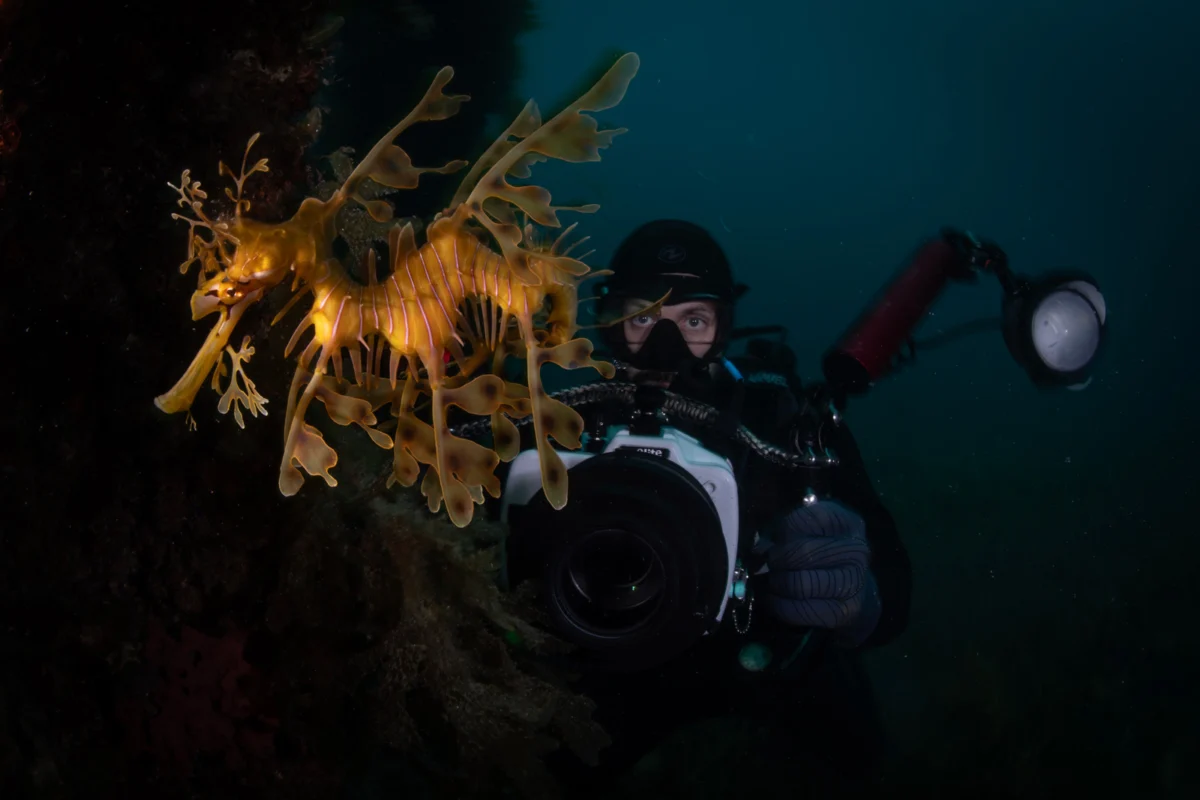
- Marine Life: The underwater world is a treasure trove of macro subjects. With the right submersible equipment, photographers can unveil the extraordinary forms, colors, and behaviors of fish, nudibranchs (sea slugs), crustaceans, and coral polyps. These creatures, often camouflaged or too small to appreciate fully from a distance, present a vibrant, alien world of unparalleled photographic potential. The unique conditions of underwater photography add a layer of technical complexity but promise truly unique images.
- Fungi: Perhaps one of the most accessible yet overlooked subjects, fungi are static and boast an incredible array of forms, textures, and colors. From the intricate gills of a mushroom to the velvety surface of a bracket fungus, these organisms offer abstract and exciting imagery, particularly after rainfall when their colors are most vivid and details are enhanced by moisture. Their prevalence in woodlands and even urban green spaces makes them a consistently available subject.
Experts in the field increasingly advocate for this diversified approach, recognizing that broadening the subject base not only enriches the photographer’s portfolio but also highlights the immense, often-ignored biodiversity present in every habitat. This shift moves beyond purely aesthetic appeal, positioning macro photography as a critical tool for documenting and appreciating the full spectrum of life.

The Tools of Discovery: Essential Macro Photography Gear
Achieving compelling macro wildlife photographs demands specialized equipment designed to render minute details with clarity and precision. The right gear, combined with a deep understanding of its application, transforms potential into captivating imagery.

- Macro-Capable Lenses: The cornerstone of macro photography is a lens capable of achieving a magnification ratio of at least 1:1, meaning the subject is projected onto the camera sensor at life-size. True macro lenses are optically designed for close focusing, delivering exceptional sharpness and detail. Focal lengths typically range from 50mm to 200mm, with longer focal lengths offering greater working distance—crucial for photographing skittish wildlife without disturbance. For budget-conscious beginners, extension tubes (which increase the lens-to-sensor distance) or close-up filters (which act like magnifying glasses) can provide an affordable entry point, though with some optical compromises. The choice of lens often depends on the subject; longer lenses are preferred for active insects or reptiles, while shorter ones might suffice for stationary fungi or flowers.
- Illumination Mastery: Beyond the lens, lighting is arguably the most critical element in macro photography. Due to the extremely shallow depth of field inherent in close-up shots and the often dim conditions of small habitats, additional light sources are almost always necessary.
- Flash: A dedicated external flash unit is highly recommended over a camera’s built-in flash, which often provides harsh, flat light. Off-camera flashes, ring flashes (which mount around the lens for even illumination), or twin flashes (mounted on either side of the lens) offer superior control over light direction and intensity. Flash duration can also effectively freeze motion, essential for capturing active subjects like insects in flight or a reptile mid-movement.
- Diffusers: Raw flash can be harsh, creating unflattering specular highlights and deep shadows. Diffusers are indispensable for softening and spreading the light, creating more natural, pleasing illumination. Options range from simple DIY solutions (like white plastic or fabric) to specialized softboxes and collapsible diffusers. The right diffuser can transform a good photo into a great one by subtly enhancing textures and reducing harsh contrasts. The photography industry has seen significant innovation in portable, weather-sealed macro lighting solutions, making it easier for photographers to achieve professional results in diverse field conditions.
Precision and Patience: Key Techniques for Capturing the Microcosm
Beyond the gear, successful macro wildlife photography relies on a combination of refined techniques and a strong mental approach.

- Camera Stabilization: While tripods are invaluable for static subjects like fungi or flowers, the dynamic nature of wildlife often necessitates a more mobile approach. Handholding is common, requiring photographers to master steady stances and breath control. For ground-dwelling subjects, beanbags or even a rolled-up towel can provide versatile stabilization, allowing for low-angle shots without the bulk of a tripod. Maintaining a steady camera is paramount for sharp images at such high magnifications, where even minimal camera shake can blur critical details.
- Strategic Lighting: Experimenting with flash angles is crucial for adding dimension and mood. While a body-mounted flash with a diffuser provides a good starting point, taking the flash off-camera allows for creative control. Lighting from the side can emphasize textures, while backlighting can create dramatic rim light and reveal translucency, especially in subjects like a frog’s skin or an insect’s wing. This manipulation of light can evoke emotion and highlight unique features, moving beyond mere documentation to artistic interpretation.
- Focusing with Finesse: At macro magnifications, depth of field is exceptionally shallow, making precise focus critical. Many photographers utilize their camera’s AI servo or "one-shot" autofocus modes for initial acquisition, quickly switching to manual focus for fine-tuning. The key is to decide on the most important detail – typically an eye for animals, or a specific anther for flowers – and ensure it is tack-sharp. Aperture choice is equally important; f/11 is often a recommended starting point for small-subject macro shots, offering a balance between sufficient depth of field to render key features and avoiding excessive diffraction that can soften the image at very high f-numbers.
- The RAW Advantage: Always shooting in RAW format is a fundamental practice in macro wildlife photography. RAW files capture the maximum amount of image data from the sensor, providing unparalleled flexibility in post-processing. This is particularly vital in dynamic wildlife encounters where lighting conditions might be suboptimal or the subject’s fleeting presence allows for only quick captures. The ability to comprehensively adjust exposure, white balance, and recover highlight/shadow detail in post-processing can salvage images that might otherwise be unusable, ensuring the best possible outcome from precious field opportunities.
- The Human Element: Patience and Practice: Beyond technical skills, patience is an undeniable virtue in macro wildlife photography. Wildlife is unpredictable, and many attempts will yield no usable images. Frustration can be a significant hurdle. Cultivating a calm, persistent mindset, learning to observe and anticipate animal behavior, and accepting that perfect shots are rare are essential for long-term success. Practicing techniques at home with models or stationary subjects allows photographers to refine their craft in a controlled environment, preparing them for the challenges of the field.
Ethical Imperatives in Macro Wildlife Photography
In all forms of wildlife photography, but especially when working in close proximity to subjects in macro, ethical considerations are paramount. The welfare of the plant or animal must always supersede the desire for a photograph. Professional organizations and conservation groups consistently emphasize a strict code of conduct to ensure minimal disturbance and promote responsible practices.

- Minimize Disturbance: A cardinal rule is to avoid stressing, harming, or altering the natural behavior of the subject. This means maintaining a respectful distance where possible, moving slowly and quietly, and never manipulating the environment (e.g., moving branches, disturbing nests) to achieve a shot. Efficient technique, honed through practice, allows photographers to work quickly and minimize their presence.
- Knowledge and Preparation: Understanding the species being photographed is crucial. Is it protected? Is it venomous or poisonous? Is it particularly sensitive to human presence? Consulting local field guides, conservation resources, and wildlife blogs before entering a habitat provides essential knowledge, ensuring both the photographer’s safety and the animal’s well-being.
- Setting a Precedent: Adhering to strict ethical guidelines sets a positive example for fellow photographers and the public. It fosters a culture of respect for wildlife and contributes directly to conservation efforts by demonstrating that breathtaking imagery can be achieved without exploitation. Organizations like the North American Nature Photography Association (NANPA) publish comprehensive ethical guidelines that serve as benchmarks for responsible practice. The long-term impact of such principles ensures that future generations can also appreciate these fragile micro-ecosystems.
Broader Implications: Science, Art, and Conservation
Macro wildlife photography’s impact extends far beyond the individual photographer’s artistic satisfaction. It plays a significant role in science, education, and conservation.

- Scientific Contribution: Macro images provide invaluable data for entomologists, botanists, herpetologists, and marine biologists. They can aid in species identification, document subtle morphological differences, record intricate behavioral patterns (e.g., feeding, mating, camouflage), and highlight the complexity of micro-habitats. Citizen science initiatives increasingly leverage macro photography, allowing amateur photographers to contribute to biodiversity monitoring and discovery efforts. The detail captured can be crucial for understanding ecological relationships and the health of ecosystems.
- Educational Impact: By unveiling the hidden beauty and complexity of small organisms, macro photography fosters a deeper public appreciation for the natural world. These images can be powerful educational tools, engaging audiences of all ages and inspiring curiosity about the intricate web of life. They transform abstract concepts of biodiversity into tangible, stunning visuals, making conservation issues more relatable and urgent.
- Artistic Expression: From an artistic standpoint, macro photography pushes creative boundaries. It challenges photographers to find compelling compositions, master lighting, and convey emotion within incredibly small frames. The resulting images are often abstract, surreal, and visually arresting, providing new aesthetic perspectives that enrich the broader art world.
- Economic Impact: The growing interest in macro photography also fuels a niche segment of the photography industry, driving demand for specialized lenses, lighting equipment, and accessories. It supports workshops, tours, and educational programs, creating economic opportunities for skilled photographers and educators.
In Conclusion
Macro wildlife photography is a discipline that offers endless opportunities for discovery, artistic expression, and meaningful contribution. The ability to capture often-overlooked subjects at a level that reveals their hidden qualities is profoundly unique and rewarding. It transforms not only how audiences perceive the natural world but also how photographers themselves engage with it. From the delicate iridescence of a butterfly’s wing to the ancient patterns on a snake’s scales, or the surprisingly human-like dexterity of a small monkey’s hands, a macro investigation is rarely a dull experience. By embracing a diverse range of subjects, mastering specialized gear and techniques, and upholding stringent ethical standards, photographers in this field continue to unveil a magnificent microcosm, fostering a deeper connection to our planet and inspiring a collective commitment to its preservation. For those ready to peer into the unseen, the macro world awaits its explorers.