Macro wildlife photography stands as a captivating and increasingly vital discipline within the broader photographic arts, offering a unique portal into the minute intricacies of the natural world. While often associated with the vibrant details of insects and flowers, this specialized field is undergoing an exciting evolution, with photographers increasingly turning their lenses to a diverse array of often-overlooked subjects. This shift not only enriches the visual landscape of nature photography but also contributes to a deeper public understanding and appreciation of biodiversity at a microscopic scale.
The inherent appeal of macro photography lies in its ability to magnify the unseen, transforming tiny organisms and structures into captivating visual narratives. By bringing subjects into sharp, detailed focus that are typically invisible or merely peripheral to the naked eye, macro photographers reveal a universe teeming with unexpected beauty, complex patterns, and intricate behaviors. This artistic pursuit transcends mere aesthetic pleasure, serving as a powerful tool for scientific documentation, environmental education, and fostering a profound connection between humans and the natural world. Data from photographic communities and equipment manufacturers indicate a steady rise in interest in macro photography, with sales of specialized lenses and accessories seeing consistent growth, reflecting a growing desire among hobbyists and professionals alike to explore these hidden realms.
Expanding the Macro Universe: Beyond Insects and Flora
For many years, the quintessential subjects of macro photography have been insects and botanical elements. The iridescent wings of a dragonfly, the intricate eyes of a jumping spider, or the delicate unfurling of a flower petal have provided endless inspiration, largely due to their accessibility and striking visual characteristics. These subjects offer a relatively static or predictably moving target, making them ideal for developing fundamental macro techniques. However, the true potential of macro wildlife photography extends far beyond these traditional mainstays, inviting photographers to discover beauty in unexpected places and among a wider spectrum of life forms.
A recent trend sees photographers deliberately seeking out less conventional subjects, proving that compelling macro opportunities exist in virtually every ecosystem. This expanded focus not only challenges photographers creatively but also shines a light on creatures and textures that rarely receive such detailed attention.

-
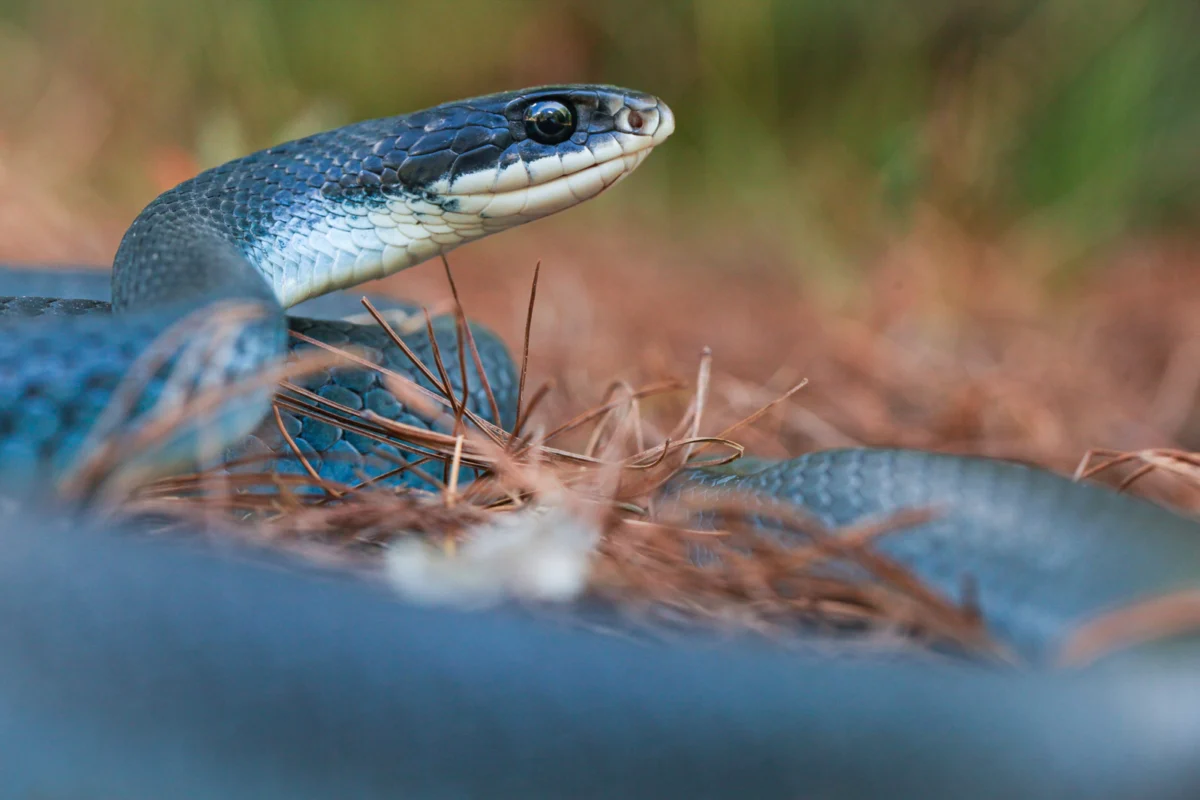
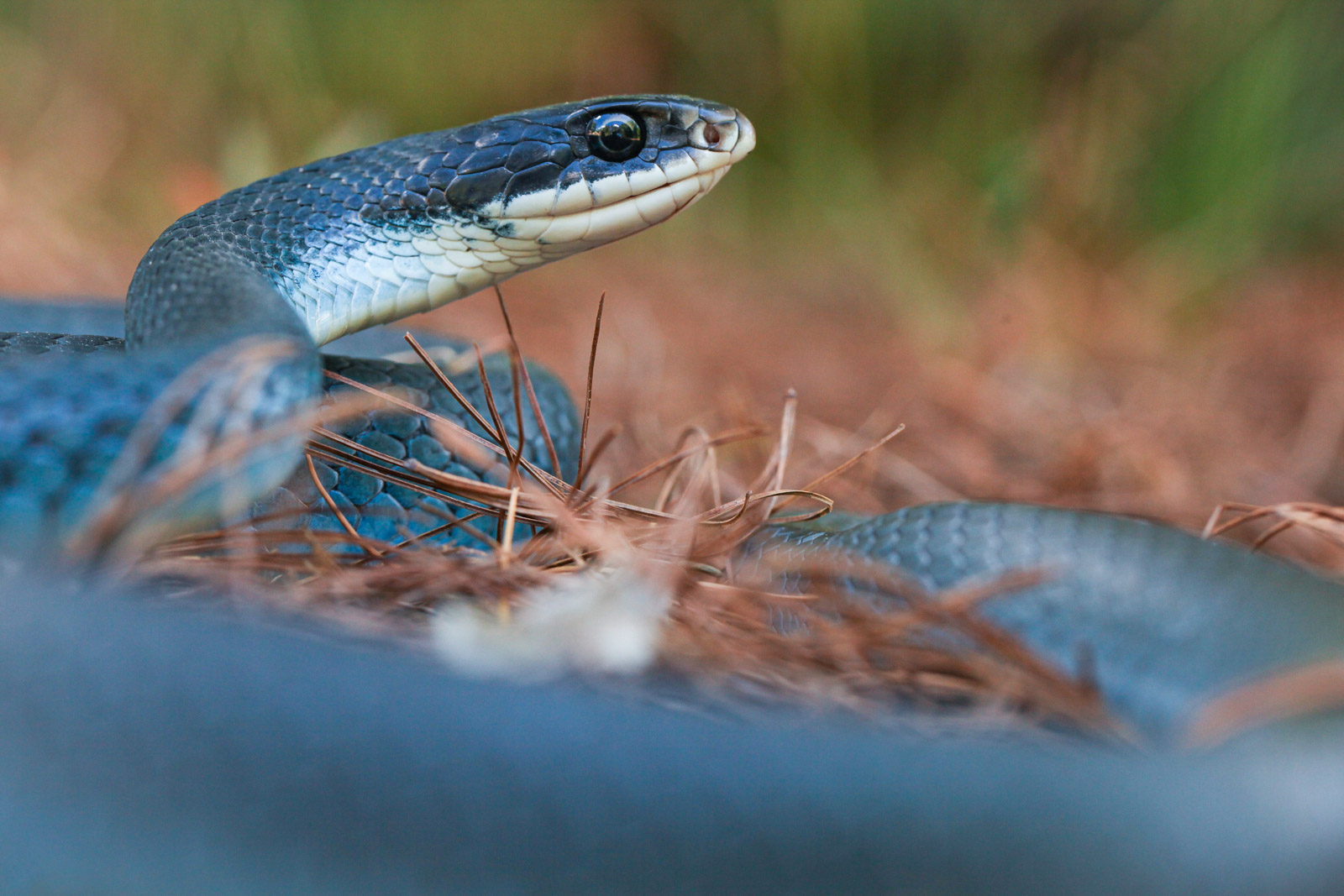
Reptiles and Amphibians: These cold-blooded creatures, often characterized by their remarkable textures and patterns, present a fascinating challenge. The scales of a snake, the rough skin of a toad, or the vibrant irises of a lizard’s eye become canvases of intricate detail under a macro lens. The iridescent sheen on some reptilian scales, or the translucent skin of certain frogs, offers unique opportunities for light play and revealing internal structures. Documenting these animals at a macro level can highlight their delicate features, often dispelling common misconceptions and fostering a greater appreciation for their ecological roles. According to conservationists, detailed imagery of lesser-known species can significantly aid in public engagement and fundraising for habitat protection.
-
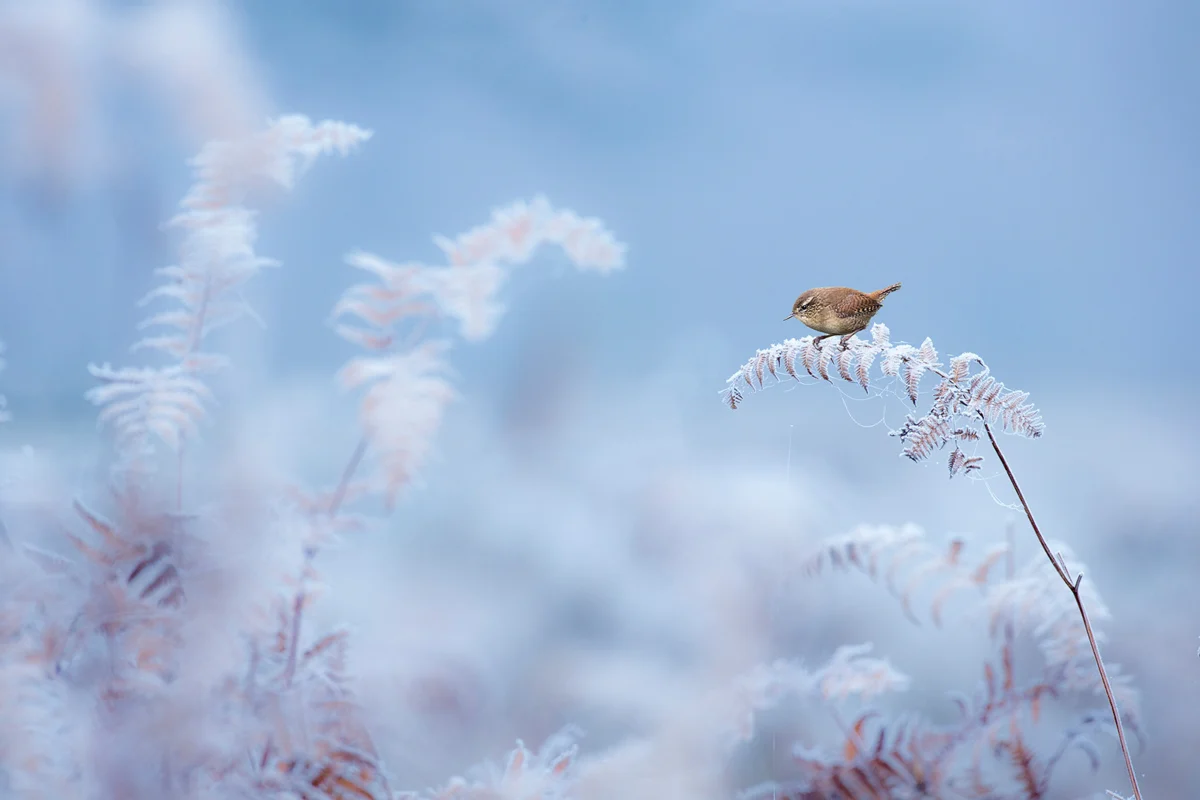
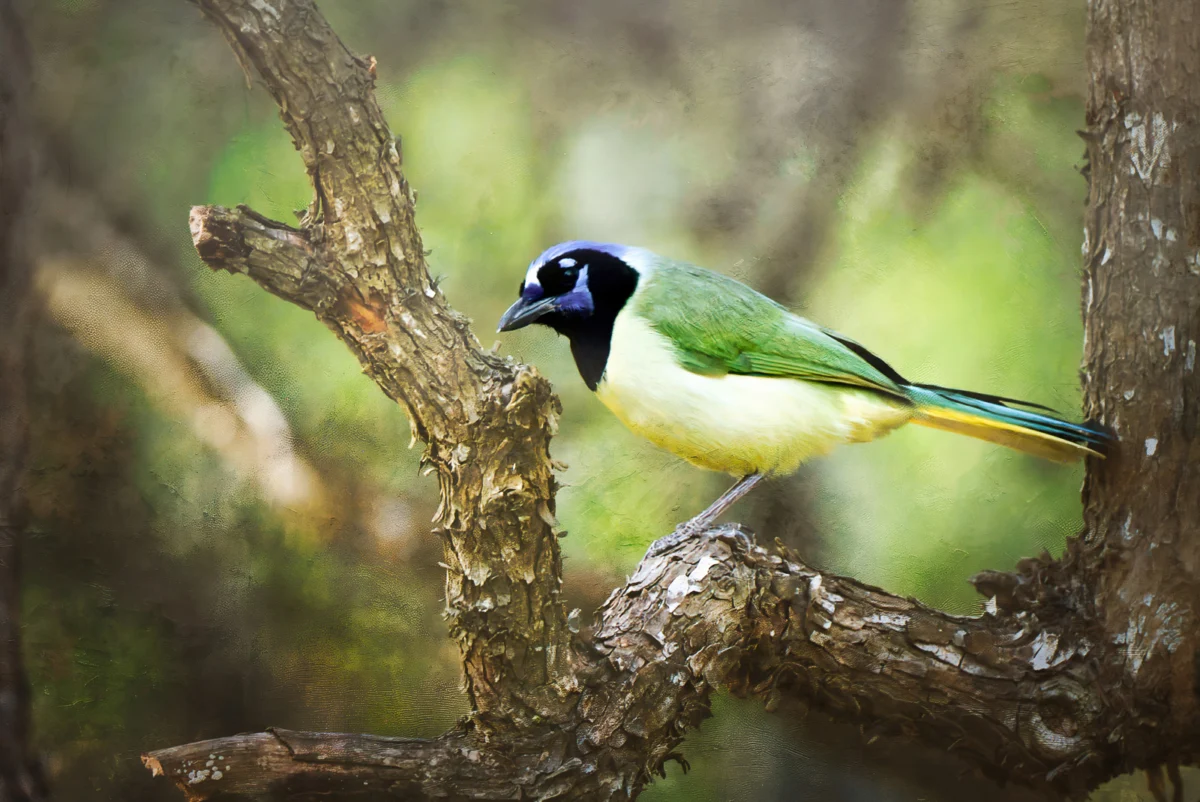
Birds: While typically subjects of long-range telephoto lenses, birds offer surprising macro potential in their individual components. Feathers, often overlooked, are marvels of engineering, showcasing complex barb and barbule structures that contribute to flight and insulation. The sharp curvature of a raptor’s talon, the texture of a bird’s beak, or the intricate plumage patterns can all be transformed into abstract, compelling macro images. These close-ups can reveal evolutionary adaptations and the sheer diversity of avian forms, serving as educational tools in ornithology.
-
Mammals: Capturing mammals at a macro scale presents considerable challenges due to their often skittish nature and larger size. However, opportunities arise with patience and strategic positioning. The fine hairs and expressive whiskers of a rodent, the intricate patterns of a deer’s fur, or the surprising detail in a small mammal’s eye can yield powerful portraits. The subtle reflections in an animal’s pupil, or the delicate texture of a paw pad, can convey emotion and connection that broader shots might miss. Such images are particularly potent in conveying the vulnerability and unique characteristics of individual animals.

-
Marine Life: The underwater world is a treasure trove of macro subjects, largely inaccessible without specialized equipment. From the kaleidoscopic colors of nudibranchs – often referred to as sea slugs – to the complex structures of coral polyps, the underwater environment teems with miniature wonders. The delicate tentacles of anemones, the intricate camouflage of small fish, or the exoskeletons of crustaceans offer endless possibilities for close-up exploration. Underwater macro photography not only produces stunning visuals but also plays a crucial role in marine biology, helping researchers identify species, document behaviors, and monitor ecosystem health. The challenges of water distortion, limited light, and the subjects’ movements make this a highly specialized and rewarding niche.
-
Fungi: Perhaps one of the most accessible yet overlooked macro subjects, fungi offer an astounding variety of forms, textures, and colors. Unlike most wildlife, they remain stationary, allowing for meticulous composition and lighting. The velvety texture of a mushroom cap, the intricate gills beneath, or the delicate spores emerging from a puffball can create abstract and otherworldly images. Fungi play critical roles in ecosystems as decomposers, and macro photography can highlight their often-hidden beauty and structural complexity, encouraging a closer look at the forest floor.
Whether in a bustling rainforest, a arid desert, or the quiet confines of a backyard garden, the world of macro wildlife photography continuously reveals that photo-worthy subjects are ubiquitous, provided one knows where and how to look.

Essential Equipment for the Macro Explorer
Achieving success in macro wildlife photography hinges significantly on possessing the right tools. Beyond a keen eye and a steady hand, specialized gear is often indispensable for rendering tiny subjects with clarity and impact.
-
Macro-Capable Lens: The cornerstone of any macro setup is a lens designed for close-up magnification. True macro lenses offer a 1:1 reproduction ratio (or greater), meaning the subject is projected onto the camera’s sensor at its actual size. These lenses come in various focal lengths, with longer focal lengths (e.g., 100mm, 150mm) being popular for wildlife, as they allow for a greater working distance from the subject, minimizing disturbance and providing more room for lighting. For photographers new to the discipline or operating on a budget, accessories like extension tubes (which increase the lens-to-sensor distance, thus increasing magnification) or close-up filters (which act like magnifying glasses on the front of a lens) offer economical entry points, though often with some compromise in image quality or working distance.

-
Lighting Solutions: Proper illumination is arguably as critical as the lens itself in macro photography. Due to the extremely shallow depth of field and often low light conditions encountered when shooting close-up, supplemental lighting is frequently necessary to freeze motion, enhance detail, and create desired artistic effects.
- Flash: While a camera’s built-in flash can offer basic illumination, it often results in harsh, unflattering light due and limited control. Dedicated external flashes are preferred, offering greater power, flexibility, and the ability to be positioned off-camera. Ring flashes, which mount around the lens, provide even, shadowless illumination, ideal for revealing fine details. Twin flashes, mounted on articulated arms, offer more directional control, allowing for nuanced lighting and the creation of shadows to add dimension.
- Diffuser: A flash, even an external one, can produce harsh light that washes out detail and creates stark reflections. Diffusers are crucial for softening and spreading the light, creating more pleasing, natural-looking results. Materials range from simple homemade solutions (e.g., translucent plastic, white fabric) to purpose-built softboxes or foldable diffusers. The choice of diffuser often depends on the photographer’s preferred style and the specific lighting challenge posed by the subject and environment. A larger diffuser generally produces softer light.
-
Camera Body: While many modern interchangeable lens cameras can be adapted for macro photography, a camera with good high-ISO performance and a robust autofocus system (especially for moving subjects) is beneficial. Mirrorless cameras, with their advanced autofocus capabilities and often lighter weight, are increasingly popular among macro enthusiasts.
Mastering the Macro Art: Techniques for Success

Beyond gear, several key techniques are paramount for consistently producing high-quality macro wildlife images. These practices address the inherent challenges of working with tiny, often moving subjects and extremely shallow depths of field.
-
Camera Stabilization: Unlike landscape photography, where a tripod is almost always recommended, macro wildlife photography often demands agility and a handheld approach, especially for mobile subjects. Holding the camera body with two hands, bracing elbows, and maintaining a low center of gravity can provide sufficient stability. For ground-dwelling subjects, a beanbag or a rolled-up towel can offer a versatile and stable platform, allowing the photographer to get down to the subject’s level without the bulk of a tripod. For stationary subjects or in controlled environments, a sturdy tripod remains invaluable for precise focus stacking and composition.
-
Advanced Lighting Control: Experimentation with flash positioning is key to elevating macro images. Starting with an on-camera flash (with a diffuser) is a good baseline. However, detaching the flash and firing it from different angles – from the side to create dramatic shadows and reveal texture, from above for more even illumination, or even from behind for backlighting effects – can profoundly alter the mood and visual impact of a photograph. Backlighting, in particular, can create stunning rim lighting around the subject, separating it from the background and adding an ethereal glow.

-
Precision Focusing and Aperture Selection: Focusing in macro photography is critically precise due to the extremely shallow depth of field. Many photographers opt for manual focus for ultimate control, meticulously adjusting the focus ring to ensure the most critical part of the subject (often the eyes) is tack sharp. Cameras with focus peaking or magnified live view aids can significantly assist manual focusing. For autofocus, "one-shot" or single-point AF modes are generally preferred over continuous tracking, as they allow for precise placement of the focus point. Regarding aperture, a common starting point for small-subject macro is f/11. This aperture provides a reasonable depth of field to keep enough of the subject in focus while still creating a pleasingly blurred background. However, photographers will often experiment, using wider apertures (e.g., f/5.6-f/8) for more isolation and shallower depth, or narrower apertures (e.g., f/16-f/22) for increased overall sharpness, often necessitating techniques like focus stacking to overcome diffraction effects at very small apertures.
-
Shooting in RAW: Always shooting in RAW format is a fundamental best practice for any serious photographer, but especially so in macro wildlife. RAW files retain significantly more image data than JPEGs, offering immense flexibility during post-processing. In fast-paced wildlife encounters where optimal settings might be missed, RAW files provide a larger canvas for correcting exposure, white balance, and recovering highlight and shadow detail, ensuring that fleeting moments can still be salvaged and refined to their full potential.
-
Patience and Persistence: Beyond technical prowess, patience is perhaps the most crucial "technique" in macro wildlife photography. Subjects are often skittish, conditions can change rapidly, and the perfect moment might be elusive. The ability to remain calm, observe, and wait for the right light, composition, or behavior is paramount. Embracing mistakes as learning opportunities and maintaining a positive outlook are essential for sustained success and enjoyment in this challenging yet rewarding genre.

Practicing these techniques at home with static models or in a controlled garden environment allows photographers to build muscle memory and understand their gear before venturing into dynamic wild settings. This preparation hones their ability to react quickly and effectively when genuine wildlife opportunities arise.
Ethical Imperatives in Wildlife Macro Photography
As with all forms of wildlife photography, ethical considerations are paramount in macro work. The welfare of the subject must always take precedence over the pursuit of a photograph. Given the close proximity often required in macro photography, the potential for disturbance is heightened.

-
Minimize Disturbance: Responsible photographers strive to capture images without altering the natural behavior or environment of their subjects. This means approaching animals slowly and quietly, using appropriate focal lengths to maintain a respectful distance where possible, and avoiding sudden movements or loud noises. For highly sensitive species, it may mean observing from a distance with binoculars and only moving closer if the animal shows no signs of stress. Pre-field research on subject behavior can inform best practices. Ethical guidelines from organizations like the National Audubon Society and the North American Nature Photography Association (NANPA) emphasize avoiding baiting, nest disturbance, and habitat alteration.
-
Know Your Subject: Understanding the biology and behavior of potential subjects is crucial. This includes knowing if a species is protected, venomous, poisonous, or particularly susceptible to human presence. Local field guides, scientific databases, and reputable wildlife blogs are invaluable resources. This knowledge not only ensures the photographer’s safety but, more importantly, prevents harm to the animal and avoids violating conservation laws. For example, some insects are nocturnal, and disturbing them during the day for a photograph could expose them to predators.
-
Habitat Protection: Photographers should be mindful of their own impact on the environment. This means sticking to designated paths, avoiding trampling vegetation, and leaving no trace behind. The delicate micro-habitats where many macro subjects reside are easily damaged, and every effort must be made to preserve them.

By prioritizing animal welfare and adhering to ethical guidelines, macro wildlife photographers set a positive example for their peers and contribute directly to the broader conservation effort. Their images, captured responsibly, can inspire others to connect with and protect the natural world.
The Enduring Impact of Macro Vision
Macro photography is more than just a hobby; it’s a profound way of seeing. The ability to reveal the hidden qualities of often-overlooked subjects offers a unique perspective that can transform how individuals interpret the world around them. From the intricate veins of a butterfly’s wing to the complex patterns on a snake’s scales or the surprisingly human-like digits of a small primate, macro investigation is rarely a dull experience.

This intimate perspective fosters a heightened awareness of biodiversity and the interconnectedness of ecosystems. Macro images can serve as powerful educational tools, illustrating scientific concepts and sparking curiosity in younger generations. They can also contribute to citizen science initiatives, aiding in species identification and monitoring. Furthermore, the artistic expression inherent in macro photography allows for creative interpretations of nature, bridging the gap between science and art. As photographers continue to push the boundaries of this discipline, exploring new subjects and refining their techniques, they will undoubtedly continue to unveil astonishing details, enriching our collective understanding and appreciation for the miniature marvels that populate our planet. For those eager to discover the intricate beauty that lies just beyond the realm of normal perception, the world of macro wildlife photography awaits.