The landscape of modern conflict is undergoing a fundamental transformation as Ukraine aggressively scales its domestic manufacturing of First-Person View (FPV) drones, positioning itself as a global leader in unmanned aerial systems (UAS). Driven by the exigencies of a high-intensity war of attrition, the Ukrainian government has transitioned from a reliance on international military aid to a robust, decentralized industrial strategy. By the end of 2025, the nation aims to produce more than 4.5 million FPV drones, supported by a state allocation exceeding $2.6 billion. This massive industrial pivot is not merely a response to immediate tactical needs but represents a strategic shift toward technology-centric defense that minimizes human risk while maximizing precision and cost-effectiveness.
The Strategic Evolution of Ukraine’s Drone Doctrine
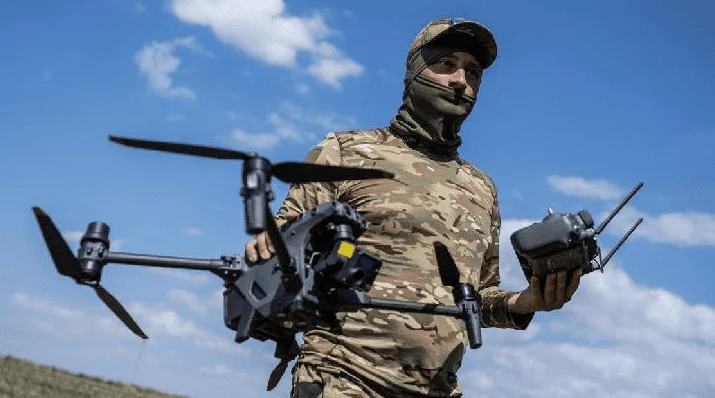
Since the onset of the full-scale invasion in 2022, the role of unmanned systems has evolved from auxiliary reconnaissance tools to the primary instrument of offensive and defensive operations. In the early stages of the conflict, the Ukrainian Armed Forces relied heavily on commercial, off-the-shelf drones modified for military use. However, as the front lines stabilized and electronic warfare (EW) became more sophisticated, the need for specialized, high-performance FPV drones became apparent.
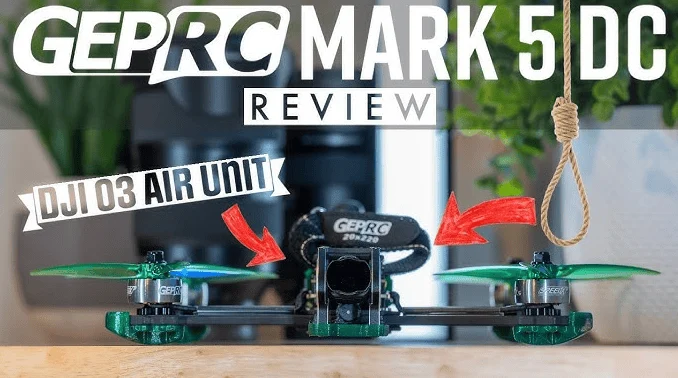
FPV drones, characterized by their low cost—often ranging from $400 to $600 per unit—and their ability to deliver high-explosive payloads with surgical precision, have become the "asymmetric equalizer" against a numerically superior adversary. These systems allow pilots, wearing virtual reality goggles, to navigate the aircraft into the most vulnerable parts of armored vehicles, such as the engine compartments or turret rings of tanks, effectively neutralizing multi-million dollar assets with a fraction of the investment.
Chronology of the Industrial Surge (2022–2025)
The journey toward the 4.5 million unit goal has been marked by several critical milestones:
- Early 2022: Initial utilization of hobbyist drones for artillery spotting. The "Army of Drones" initiative was launched by the Ministry of Digital Transformation, primarily focusing on fundraising and procurement from international markets.
- Mid-2023: The emergence of the "Brave1" defense tech cluster. This government-led platform began bridging the gap between private innovators and the military, providing grants and streamlining the certification process for locally produced drones.
- February 2024: President Volodymyr Zelenskyy signed a decree creating the Unmanned Systems Forces as a separate branch of the military, the first of its kind in the world. This institutionalized the role of drone pilots and formalized training and procurement pipelines.
- Late 2024: Production capacity crossed the threshold of 100,000 units per month. The government began focusing on localizing the supply chain for flight controllers, motors, and communication modules to reduce dependence on foreign components.
- 2025 Projections: With a budget of $2.6 billion, the target has been set at 4.5 million units for the year, necessitating a production rate of approximately 375,000 drones per month.
Battlefield Efficacy and Supporting Data
Recent operational data underscores the increasing reliance on FPV technology. In February 2025, reports indicated a 22% surge in successful FPV drone strikes compared to the previous month. This uptick is attributed to both the increased volume of available hardware and the refinement of piloting tactics.
The economic rationale for this surge is compelling. A standard FPV drone equipped with a PG-7V anti-tank grenade can destroy a main battle tank costing upwards of $4 million. Even with a success rate of 20%, the cost-to-kill ratio remains overwhelmingly in favor of the drone operator. Furthermore, the use of FPV drones reduces the need for expensive and increasingly scarce 155mm artillery shells, which have been the traditional backbone of land combat.
The Domestic Industrial Ecosystem
The Ukrainian drone industry is unique in its structure, characterized by a "horizontal" manufacturing model. Unlike traditional defense contractors that operate in massive, centralized factories—which are vulnerable to long-range missile strikes—Ukraine’s drone production is distributed across hundreds of small-to-medium-sized enterprises (SMEs) and clandestine workshops.
These producers range from garage-based startups to sophisticated engineering firms. The Ministry of Digital Transformation has played a pivotal role in deregulating the sector, removing import duties on drone components and allowing manufacturers to operate with a 25% profit margin, which has incentivized private investment. This ecosystem has fostered rapid iteration; new designs can be tested on the battlefield and modified in the workshop within a matter of days, a development cycle that traditional defense giants cannot match.
Addressing the Challenges: Electronic Warfare and Supply Chains
Despite the rapid growth, the industry faces significant hurdles. The most prominent is the "radio-frequency battle" involving Electronic Warfare (EW). As Russian forces deploy more sophisticated jamming systems, standard FPV drones often lose connection with their operators. In response, Ukrainian engineers are integrating "machine vision" and AI-driven terminal guidance. These technologies allow a drone to lock onto a target and complete its terminal dive autonomously, even if the manual control link is severed by jamming.
Supply chain security remains another critical concern. Currently, a significant portion of the components—including batteries and microchips—originates from East Asian markets. To mitigate the risk of supply disruptions or export restrictions, Ukraine is investing in the domestic production of carbon fiber frames, propellers, and specialized communication protocols that are resistant to EW.
Official Responses and Political Will
The scale of this ambition is reflected in the statements of top officials. Mykhailo Fedorov, the Minister of Digital Transformation, has frequently emphasized that Ukraine must become the most technologically advanced military in the world to survive. "We are not just making drones; we are creating a new doctrine of war," Fedorov noted in a recent briefing. He highlighted that the goal is to saturate the front line to the point where every individual squad has access to its own aerial reconnaissance and strike capabilities.
President Zelenskyy has also consistently advocated for the "Army of Drones," framing it as a national priority that transcends the current conflict. The government views the drone industry as a future pillar of the national economy, with the potential for Ukraine to become a major exporter of combat-proven UAS technology to NATO and other allies once hostilities conclude.
Broader Implications for Global Defense Strategy
The Ukrainian experience is being closely watched by military planners globally. The success of large-scale FPV deployment has several long-term implications for international defense:
- Obsolescence of Traditional Armor: The vulnerability of heavy tanks to cheap drones is forcing a rethink of armored vehicle design, with an emphasis on integrated active protection systems (APS) and "drone cages."
- Democratization of Air Power: High-tech air superiority is no longer the exclusive domain of wealthy nations with expensive fighter jets. Small, agile drone fleets can provide significant aerial influence at a fraction of the cost.
- Personnel Safety: As drones take over high-risk missions, the threshold for human casualties may decrease, changing the political calculus of military engagement.
- AI Integration: The necessity of overcoming EW is accelerating the deployment of autonomous lethal systems, raising significant ethical and regulatory questions for the international community.
Future Outlook: AI and Swarm Technology
Looking toward the latter half of 2025, the focus of Ukrainian production is expected to shift from sheer volume to technological sophistication. The next frontier is "swarm intelligence," where multiple drones coordinate their movements to overwhelm enemy defenses. By using AI to manage flight paths and target prioritization, a single operator could potentially control a dozen or more drones simultaneously.
Furthermore, the integration of thermal imaging and night-vision capabilities into standard FPV models is becoming more common, negating the traditional safety of darkness for ground troops. The 4.5 million drones planned for 2025 will likely include a diverse mix of these high-spec variants alongside the standard "kamikaze" models.
Conclusion
Ukraine’s commitment to producing over 4.5 million FPV drones by 2025 marks a watershed moment in the history of warfare. By leveraging a decentralized industrial base, aggressive government funding, and rapid battlefield innovation, the nation is setting a new standard for how modern wars are fought and won. While challenges in electronic warfare and component sourcing persist, the momentum of the Ukrainian drone industry appears unstoppable. This technological surge not only provides a vital lifeline for the country’s immediate defense but also establishes a blueprint for the future of global security, where the microchip and the propeller are as decisive as the shell and the bayonet. Through this massive investment, Ukraine is not only defending its territory but is also authoring the first chapter of a new era in military history.