The landscape of modern conflict has been fundamentally altered by the emergence of low-cost, high-impact technologies, with Ukraine currently serving as the global epicenter for the development and mass production of First-Person View (FPV) drones. Since the onset of the full-scale invasion in early 2022, the Ukrainian defense sector has undergone a radical transformation, pivoting from a reliance on heavy Soviet-era conventional weaponry to a decentralized, high-tech manufacturing model. This shift is not merely a tactical adjustment but a strategic necessity born from the exigencies of asymmetric warfare. By 2025, the Ukrainian government aims to produce over 4.5 million FPV units annually, supported by a staggering $2.6 billion budget allocation specifically designated for unmanned systems. This industrial mobilization represents one of the most rapid escalations of military production in recent history, reflecting a broader trend where technological innovation dictates the tempo and outcome of territorial defense.
The Strategic Necessity: Why FPV Drones Have Become Paramount
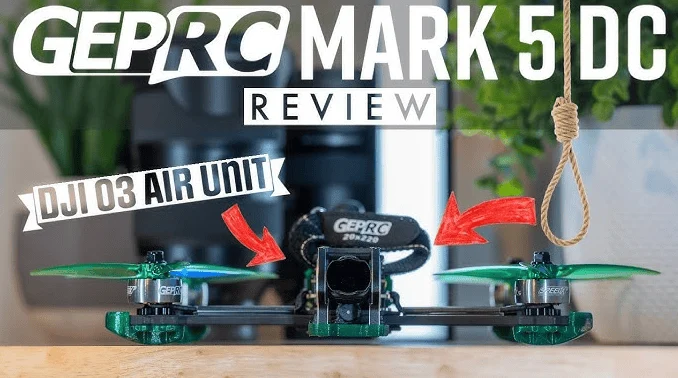
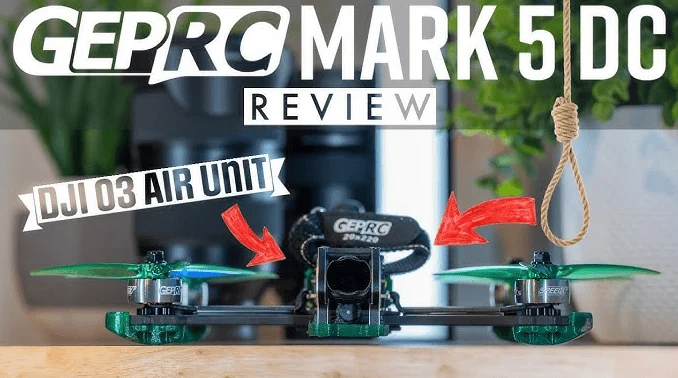
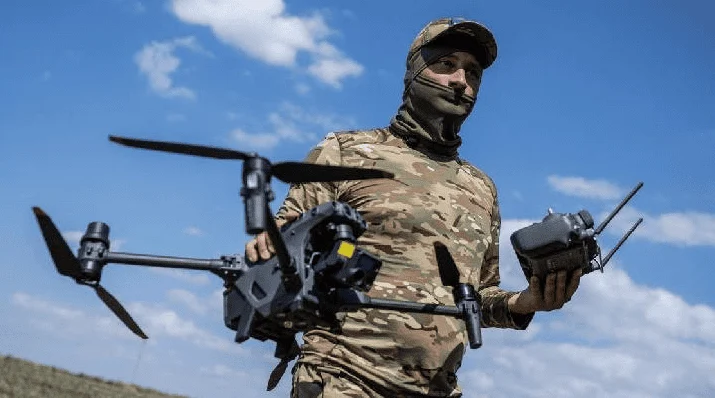
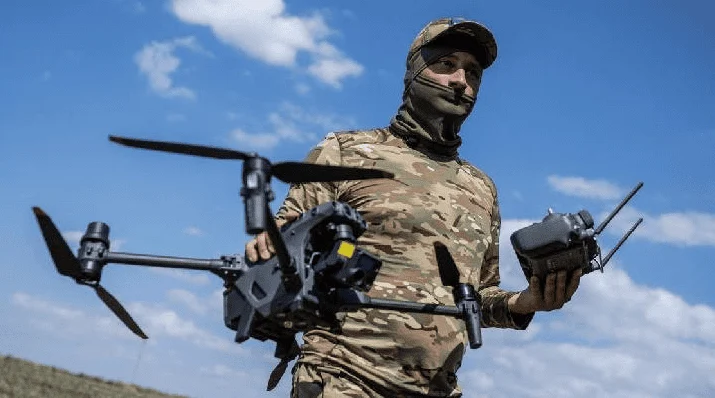
The prioritization of FPV drone production in Ukraine is a direct response to the specific challenges of the current theater of operations. In the early stages of the conflict, the Ukrainian Armed Forces (AFU) relied heavily on traditional artillery and foreign-supplied missile systems. However, as the front lines stabilized into a war of attrition characterized by deep trench networks and extensive minefields, the need for precision-guided, low-cost munitions became critical. FPV drones—maneuverable quadcopters equipped with explosives and controlled by pilots wearing virtual reality goggles—provided a solution to the "shell hunger" experienced by frontline units during periods of limited ammunition supply.
Unlike traditional loitering munitions or large-scale UAVs (Unmanned Aerial Vehicles) like the Bayraktar TB2, FPV drones are highly expendable and difficult to intercept. They offer a unique "human-in-the-loop" capability, allowing pilots to adjust their trajectory in real-time to strike moving vehicles or enter open hatches of armored tanks. The economic math of this engagement is revolutionary: a drone costing between $400 and $600 can successfully neutralize a Main Battle Tank (MBT) or an electronic warfare (EW) system worth millions of dollars. This cost-to-kill ratio has forced military theorists worldwide to re-evaluate the survivability of heavy armor in the modern age.
Chronology of the Ukrainian Drone Revolution
The evolution of FPV production in Ukraine can be categorized into four distinct phases, each marked by increasing sophistication and state involvement.
Phase 1: The Volunteer and Hobbyist Era (Early 2022)
In the immediate aftermath of the invasion, drone use was largely ad hoc. Enthusiasts and civilian hobbyists repurposed racing drones for reconnaissance. Production was decentralized, taking place in garages and small workshops, funded primarily through grassroots crowdfunding and international donations.
Phase 2: The "Army of Drones" Initiative (Late 2022 – Early 2023)
Recognizing the potential of these systems, the Ukrainian government, through the Ministry of Digital Transformation and the United24 platform, launched the "Army of Drones" project. This initiative sought to standardize procurement, provide training for pilots, and bridge the gap between civilian tech startups and the military.
Phase 3: Industrialization and the Brave1 Cluster (2023 – 2024)
By mid-2023, the government established "Brave1," a defense-tech cluster designed to accelerate the development of military technology. This period saw the transition from small-scale assembly to industrial manufacturing. Hundreds of local companies emerged, specializing in everything from carbon fiber frames to flight controllers and specialized munitions.
Phase 4: Mass Scaling and AI Integration (2025 and Beyond)
The current phase is defined by massive state investment and the integration of advanced features such as autonomous terminal guidance. With a target of 4.5 million units for 2025, the focus has shifted toward securing supply chains and developing "swarm" capabilities, where multiple drones can coordinate attacks with minimal human intervention.
The Economic and Industrial Ecosystem
The surge in production is underpinned by a robust domestic ecosystem that includes over 500 companies currently working in the unmanned systems sector. The Ukrainian government has streamlined the bureaucratic process for military contracts, reducing the time it takes for a new drone model to move from testing to frontline deployment from months to weeks.
Significant financial incentives have been provided to local manufacturers to scale their operations. By allocating $2.6 billion for drone procurement, the state has provided the "demand signal" necessary for private investors to fund large-scale manufacturing facilities. This has not only bolstered national defense but has also stimulated the domestic tech economy, creating thousands of high-skilled jobs in engineering, software development, and logistics. Furthermore, the collaboration with international allies has expanded, with Western tech firms providing critical components and software expertise, while Ukraine provides the "battle-tested" data required to refine these systems.
Technical Superiority and Battlefield Dynamics
The effectiveness of Ukrainian FPV drones is reflected in recent operational data. Reports from February 2025 indicate a 22% increase in successful FPV strikes compared to the previous month. This upward trajectory is attributed to several technical advancements:
- Enhanced Signal Resilience: To counter Russian electronic warfare (EW) and jamming, Ukrainian developers are implementing frequency-hopping technology and transitioning to different radio bands that are harder to disrupt.
- Night Operations: The integration of thermal imaging and low-light cameras has extended the operational window of FPV drones to 24 hours, preventing enemy forces from moving or resupplying under the cover of darkness.
- Specialized Munitions: Instead of using improvised explosives, manufacturers are now producing standardized "drop munitions" and "kamikaze warheads" specifically designed for FPV frames, including EFP (Explosively Formed Penetrator) charges capable of piercing heavy armor.
- Artificial Intelligence (AI): The most significant recent development is the use of AI for target recognition. When a drone enters a zone of heavy EW interference and loses its link to the pilot, onboard AI can take over, identifying the target and completing the strike autonomously.
Challenges to Sustained Production
Despite the remarkable growth, the Ukrainian drone industry faces significant headwinds. The most pressing challenge is the reliance on imported components. A large majority of the motors, flight controllers, and microchips used in FPV drones are sourced from China. As geopolitical tensions fluctuate and export restrictions are tightened, Ukraine faces the constant risk of supply chain disruptions. In response, there is a growing movement toward "technological sovereignty," with efforts to manufacture motors and electronics domestically.
Security is another critical concern. Large manufacturing plants are high-priority targets for long-range missile strikes. To mitigate this, Ukraine has adopted a "distributed manufacturing" strategy, where components are produced in hundreds of small, undisclosed locations across the country and assembled in hardened or underground facilities. Additionally, the cyber-security of the drone software is under constant threat from state-sponsored hacking attempts aimed at hijacking drone feeds or disabling control systems.
Global Implications and the Future of Defense
The Ukrainian experience is being closely monitored by military observers worldwide. The success of FPV drones has demonstrated that quantity has a quality of its own in the digital age. NATO members and other global powers are now revising their procurement strategies to include large fleets of low-cost attritable drones alongside their traditional high-end assets.
Furthermore, the "democratization" of precision-guided munitions through FPV technology means that smaller nations or even non-state actors can now project power in ways previously reserved for the world’s most advanced militaries. This shift suggests that the future of warfare will be increasingly characterized by "algorithmic attrition," where the side that can produce more intelligent, autonomous machines at a lower cost gains the upper hand.
Conclusion
The rapid expansion of FPV drone production in Ukraine is a testament to the country’s resilience and its ability to innovate under extreme pressure. By merging civilian technology with military necessity, Ukraine has created a new paradigm for defense industrialization. The projected production of 4.5 million drones in 2025 signifies a commitment to maintaining a technological edge in a conflict that shows no signs of immediate resolution.
While challenges in the supply chain and electronic warfare persist, the integration of AI and the decentralization of manufacturing provide a roadmap for other nations to follow. Ultimately, the Ukrainian drone program is more than a stop-gap measure for artillery shortages; it is the blueprint for the next generation of warfare, where the sky is populated by thousands of small, intelligent, and lethal machines that have redefined the meaning of territorial sovereignty. Through state support, private innovation, and international cooperation, Ukraine is not just fighting a war; it is leading a global technological revolution in the defense sector.