The intersection of legal restrictions in photography and the physical challenges of extreme climate environments presents a unique set of obstacles for visual documentarians. A retrospective analysis of photographic archives from 2004 to 2006 reveals a narrative of transition, beginning with a failed commercial endeavor at a sensitive Cold War-era site in Berlin and culminating in an extensive documentation of the hazardous yet visually compelling winter landscapes of Hokkaido, Japan. This period highlights the shift from urban, controlled environments to the unpredictable, sub-zero conditions of Northern Japan, where meteorological phenomena and geological activity dictate the creative process.

The Berlin Precursor: Legal Constraints in Sensitive Environments
Before the transition to the Japanese archipelago, the photographic efforts were centered in Berlin, Germany. A commercial project intended to market leather goods utilized a former electronic spying site as a backdrop. While not explicitly named in the original accounts, the description corresponds with Teufelsberg, a prominent Cold War-style listening station situated on a man-made hill in the Grunewald forest.
The project faced immediate termination following the realization that photographing the site for commercial purposes was prohibited. In Germany, "Panoramafreiheit" (Freedom of Panorama) allows for the photography of buildings from public spaces, but this does not necessarily extend to the interior or specific sensitive historical sites under private or state-restricted management. The legal ramifications of using images from such locations often involve copyright infringement or trespassing violations, rendering the resulting media unusable for commercial distribution. This event served as a definitive conclusion to a brief foray into fashion and product modeling, prompting a relocation to the Far East.
Migration to Hokkaido: A Meteorological Shift
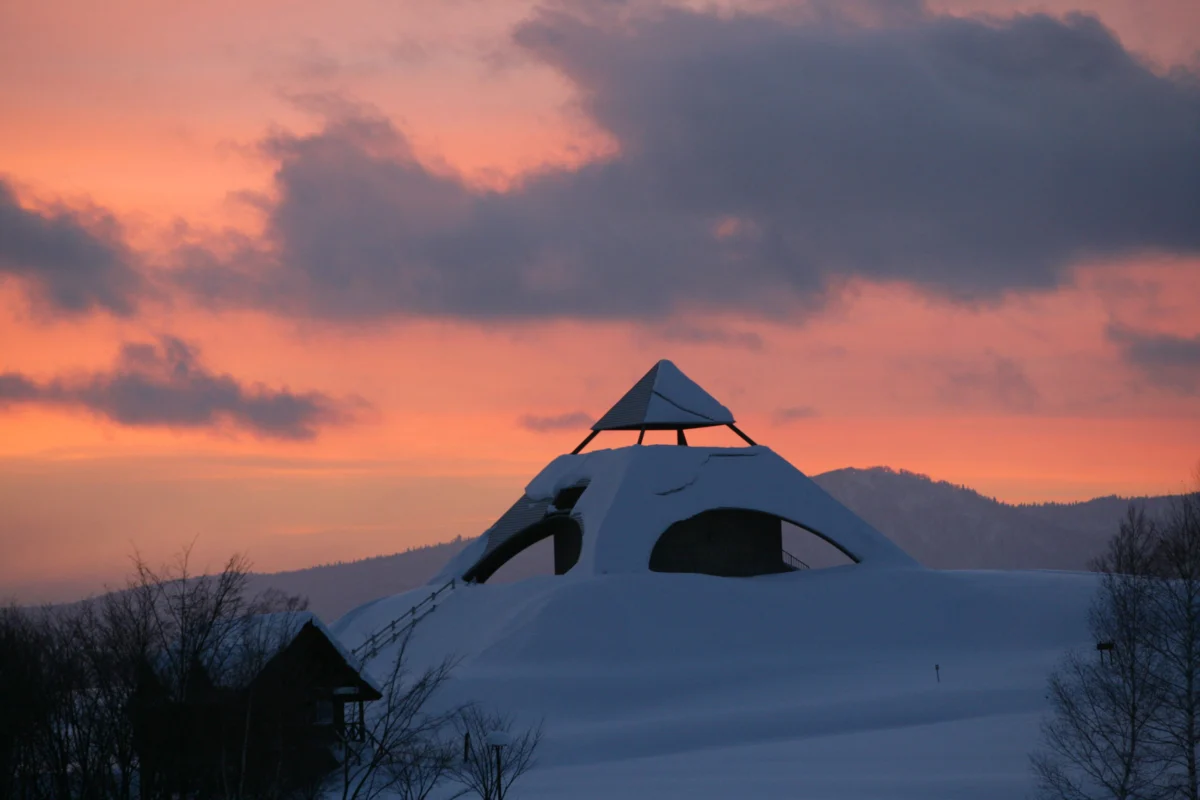
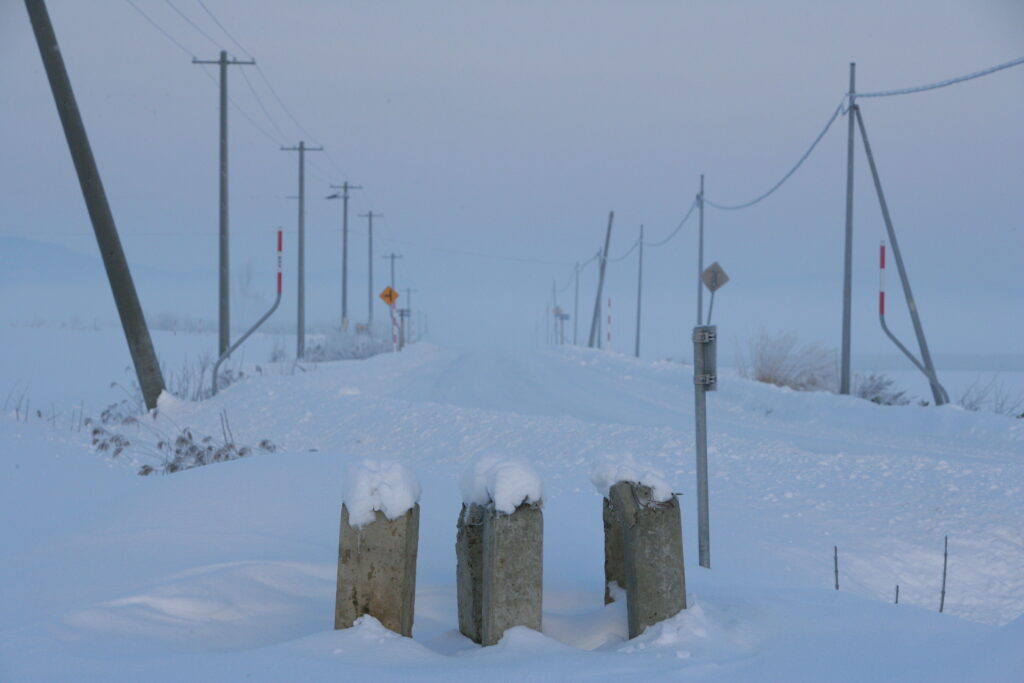
In February 2006, the focus of the photographic archive shifted to Hokkaido, Japan’s northernmost prefecture. Known for its severe winters and "powder snow," Hokkaido represents one of the most challenging environments for both human habitation and electronic equipment. Data from the Japan Meteorological Agency (JMA) indicates that during the month of February, average temperatures in central Hokkaido frequently drop below -10°C (14°F), with extreme lows reaching -20°C (-4°F) or lower in inland regions.
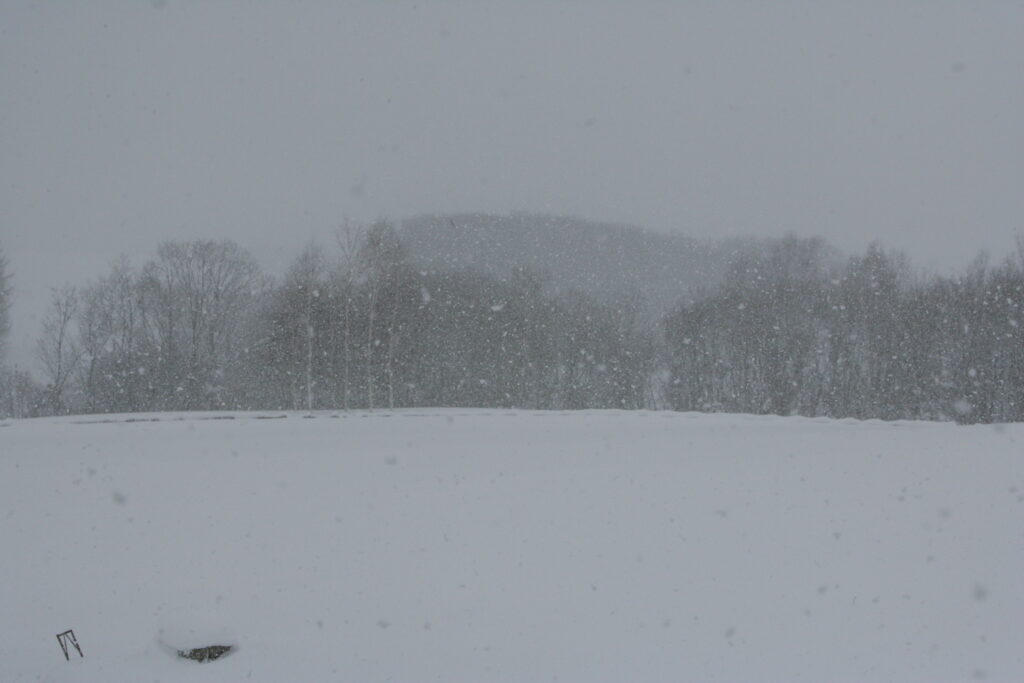
The transition from a temperate European climate to the Siberian-influenced weather of Hokkaido required significant adaptation. The region is characterized by "heavy snow zones," where annual snowfall can exceed 10 meters in certain mountainous areas. This environment creates a landscape that is 90% dominated by overcast skies, high-velocity winds, and "whiteout" conditions. A whiteout is a weather condition in which visibility and contrast are severely reduced by snow or sand, making it nearly impossible to distinguish the horizon or the road ahead. Such conditions are a primary cause of vehicular accidents in the region, including incidents where drivers unintentionally veer into roadside ditches due to the total loss of depth perception.
Geological and Botanical Documentation in the Tokachi Region
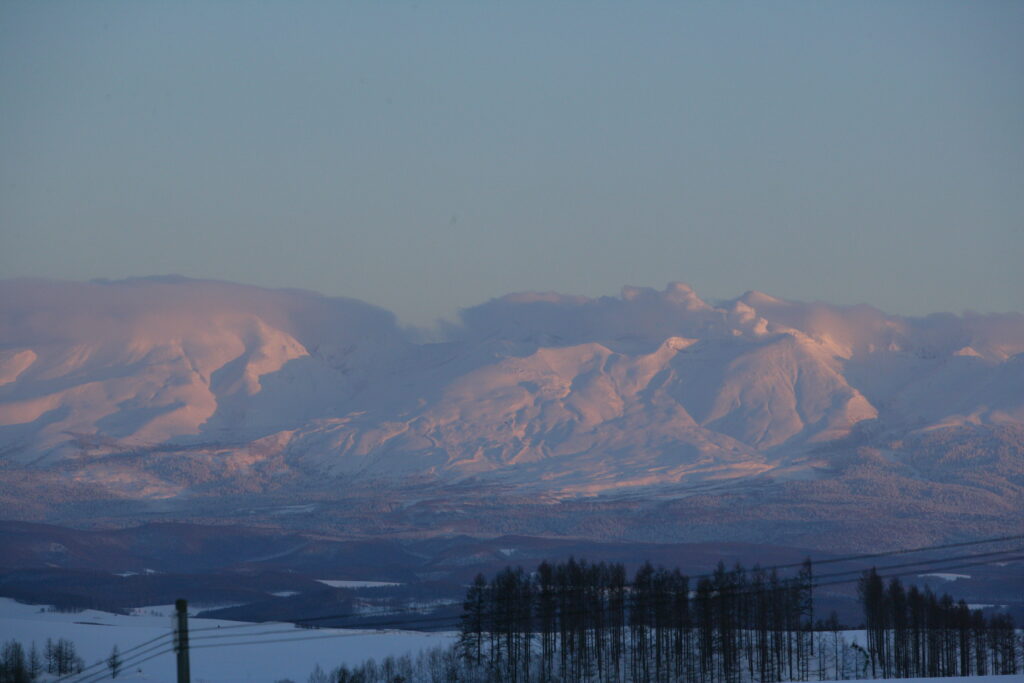
The photographic series captured during this period provides a detailed look at the Tokachi District, an area known for its fertile plains and the looming presence of the Daisetsuzan National Park. Central to this landscape is Tokachi-dake, an active volcano rising to 2,077 meters.
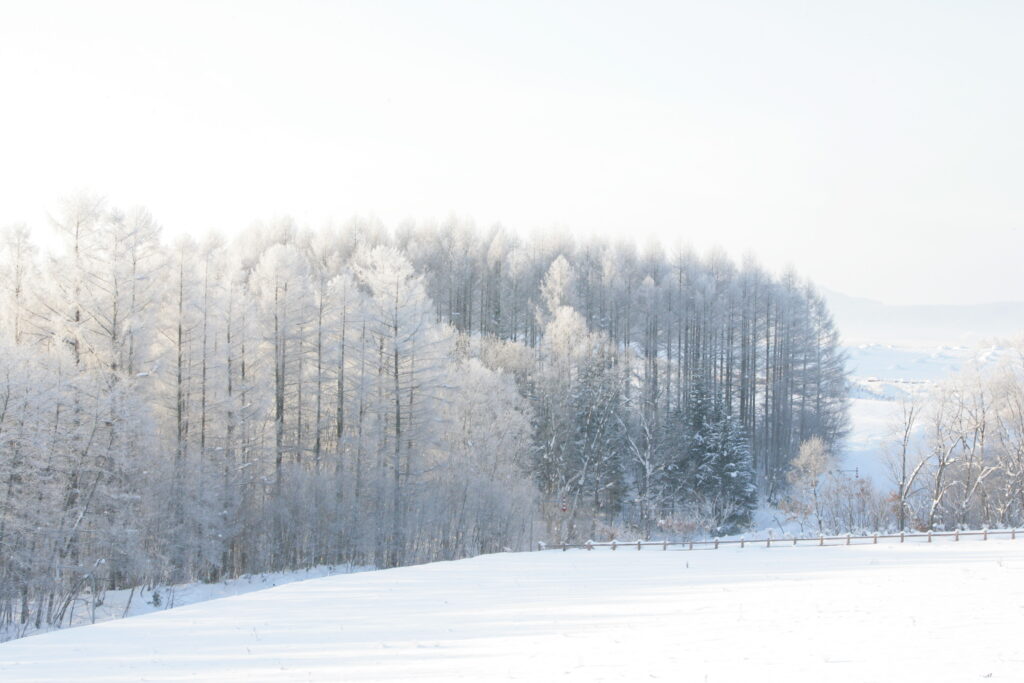
Geological records indicate that Tokachi-dake is one of the most active volcanoes in Hokkaido, with its last major eruption occurring in 1989. The photographs captured in 2006 document the volcano "belching smoke," a persistent reminder of the geothermal activity beneath the frozen surface. The interaction between volcanic heat and the frigid atmosphere creates unique microclimates, where frost accumulation on flora—specifically trees and twigs—reaches a level of structural complexity rarely seen in warmer climates.
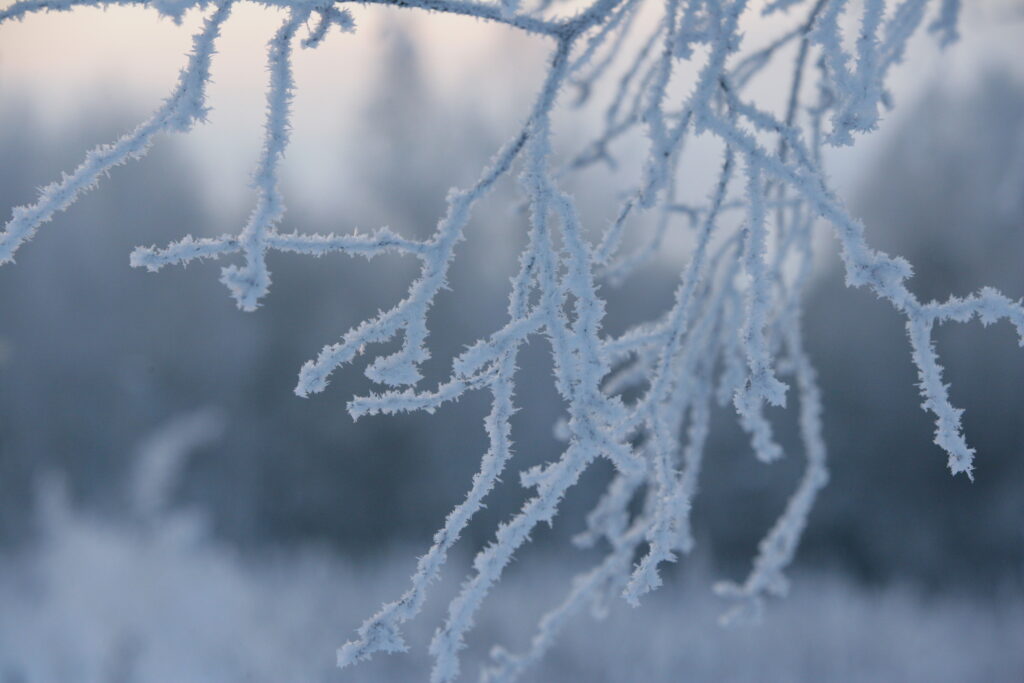
The botanical photography within the archive emphasizes the "frosted tree" phenomenon, known locally as juhyo or "ice monsters" in more extreme forms. This occurs when supercooled water droplets in the air freeze upon contact with branches, building up layers of rime ice. From a journalistic perspective, these images serve as data points for the environmental conditions of the mid-2000s, documenting a winter season that was particularly robust in its ice formation.
Socio-Cultural Observations: Ice Fishing and Survivalism
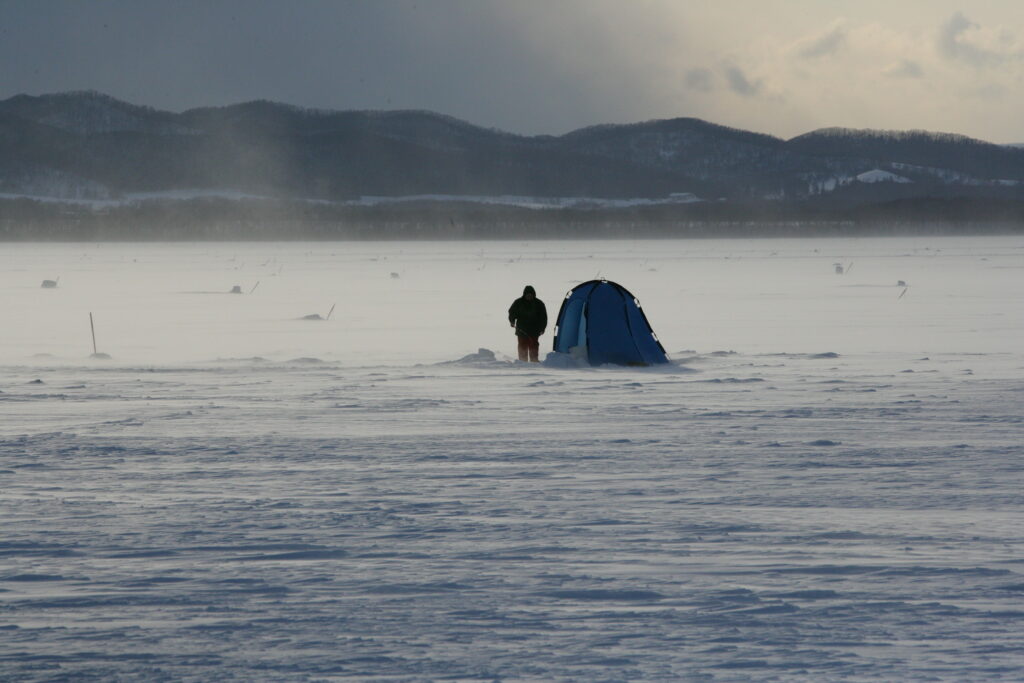
A significant portion of the Hokkaido documentation focuses on the human response to extreme cold. A notable local practice is wakasagi (Japanese pond smelt) fishing. This activity involves traveling to frozen lakes, such as Lake Akan or Lake Shikaribetsu, drilling holes through ice that can be several feet thick, and setting up temporary shelters.
Despite the inherent risks—including the potential for ice fractures and the onset of hypothermia—ice fishing remains a staple of Hokkaido’s winter culture and tourism industry. From an objective standpoint, the practice is a testament to the "subtle and elegant" aesthetic valued in Japanese culture, where the pursuit of a "tasteless" or "delicate" fish justifies hours of exposure to sub-freezing temperatures. The social structure surrounding this activity often includes the consumption of spirits, such as Japanese whisky, to mitigate the physical toll of the cold.
The Okhotsk Drift Ice: A Trans-Siberian Phenomenon
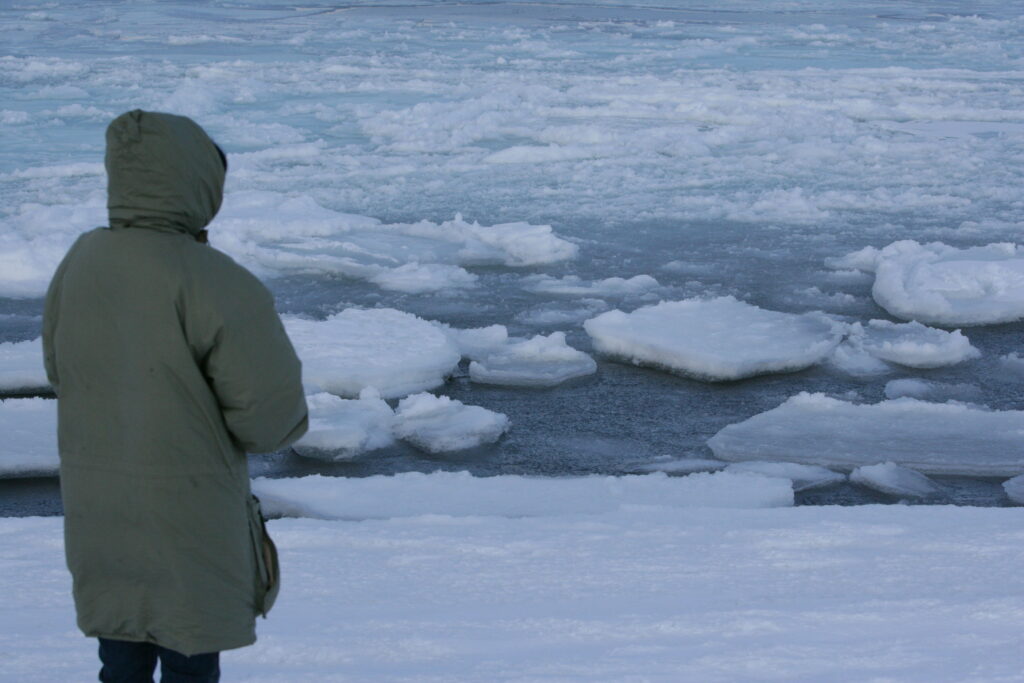
The most geographically significant event documented in the 2006 archive is the arrival of the ryuhyo, or drift ice, in Mombetsu. Located on the northeast coast of Hokkaido, Mombetsu is one of the southernmost points in the Northern Hemisphere where sea ice can be observed.
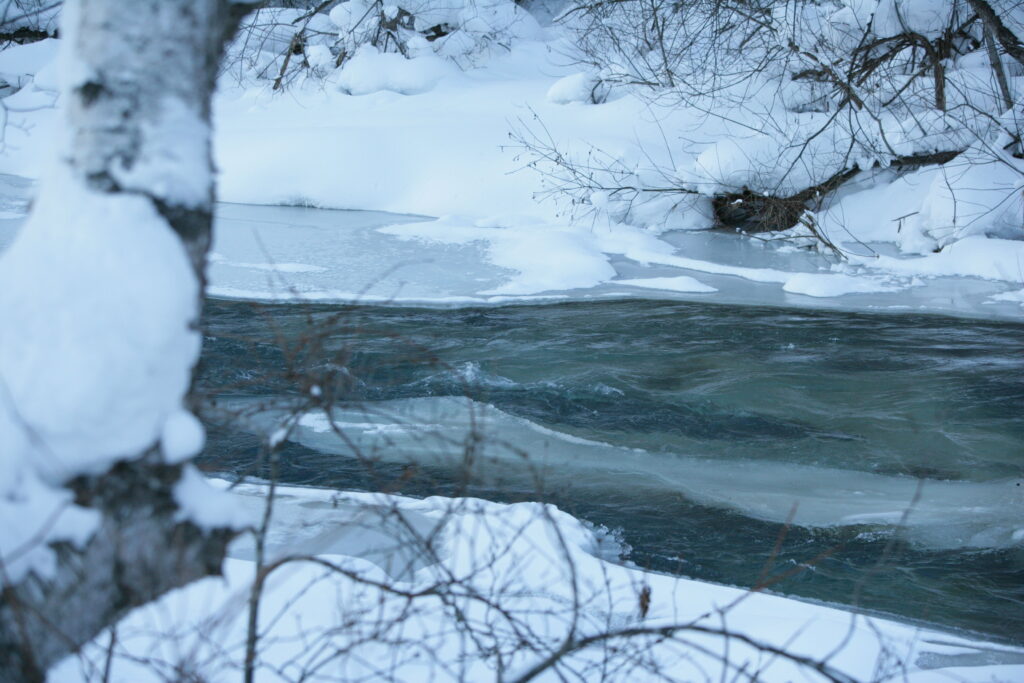
The drift ice originates in the Amur River in Russia. As the river’s fresh water flows into the Sea of Okhotsk, it freezes and is carried southward by the East Sakhalin Current. The arrival of the ice usually occurs in late January or early February. The ecological impact of this ice is profound; it brings with it a wealth of nutrients and phytoplankton, supporting a complex food web that includes clione (sea angels), seals, and various fish species.
The archival images from the Mombetsu ice-breaker tours illustrate the scale of these floes. Tourists on vessels such as the Garinko II observe seagulls following the ships to scavenge from the churned-up water. This phenomenon is a major economic driver for the Okhotsk subprefecture, though climate data suggests that the duration and thickness of the drift ice have been on a downward trend over the last several decades due to rising sea temperatures.
Technical Analysis of Digital Imaging in 2006
The technical metadata of the images provides insight into the state of digital photography during this era. The primary equipment used was the Canon EOS 1Ds Mark II, equipped with a 70-200mm lens. Released in late 2004, the 1Ds Mark II was a flagship full-frame DSLR featuring a 16.7-megapixel CMOS sensor. At the time, it represented the pinnacle of digital resolution and was favored by professional landscape and studio photographers.
Operating such equipment in -20°C temperatures presents significant logistical hurdles:
- Battery Depletion: Lithium-ion batteries experience a rapid drop in voltage in cold weather, significantly reducing the number of shots per charge.
- LCD Lag: Liquid crystal displays become sluggish and may lose contrast in sub-zero conditions.
- Condensation: Moving a camera from the freezing outdoors to a heated indoor environment causes immediate moisture buildup on internal components, risking short circuits and fungal growth on lenses.
The use of "in-camera JPEGs" suggests a reliance on the camera’s internal processing algorithms rather than the post-processing flexibility of RAW files, which was a common workflow for high-volume documentary work in the mid-2000s. Additionally, the inclusion of images from a Sony Cybershot T3—a compact "point-and-shoot" camera—demonstrates the early 2000s trend toward ultra-portable digital devices for supplementary documentation.
Broader Impact and Environmental Implications
The transition from the restricted urban environments of Berlin to the vast, frozen expanses of Hokkaido serves as a case study in the adaptability of the photographer. While the Berlin project was halted by legalities, the Hokkaido series was shaped by the laws of nature.
The documentation of Hokkaido’s winter in 2006 now serves as a historical baseline. As global climate patterns shift, the frequency of whiteouts, the stability of the drift ice, and the patterns of volcanic activity are under constant observation by the scientific community. For instance, the "Sea of Okhotsk" is warming at a rate faster than the global average, which directly threatens the ryuhyo phenomenon documented in Mombetsu.
Furthermore, the legal landscape for photography continues to evolve. The difficulties faced in Berlin 20 years ago have only intensified with the advent of stricter privacy laws (such as GDPR in Europe) and more rigorous enforcement of intellectual property rights at historical landmarks.
In conclusion, this retrospective look at a 2006 photographic archive underscores the dual challenges of the modern photographer: navigating the complex legal frameworks of the built environment and surviving the physical rigors of the natural world. The resulting images are more than mere personal mementos; they are records of a specific meteorological and technological moment in time, capturing the harsh beauty of a region defined by its relationship with ice and fire.