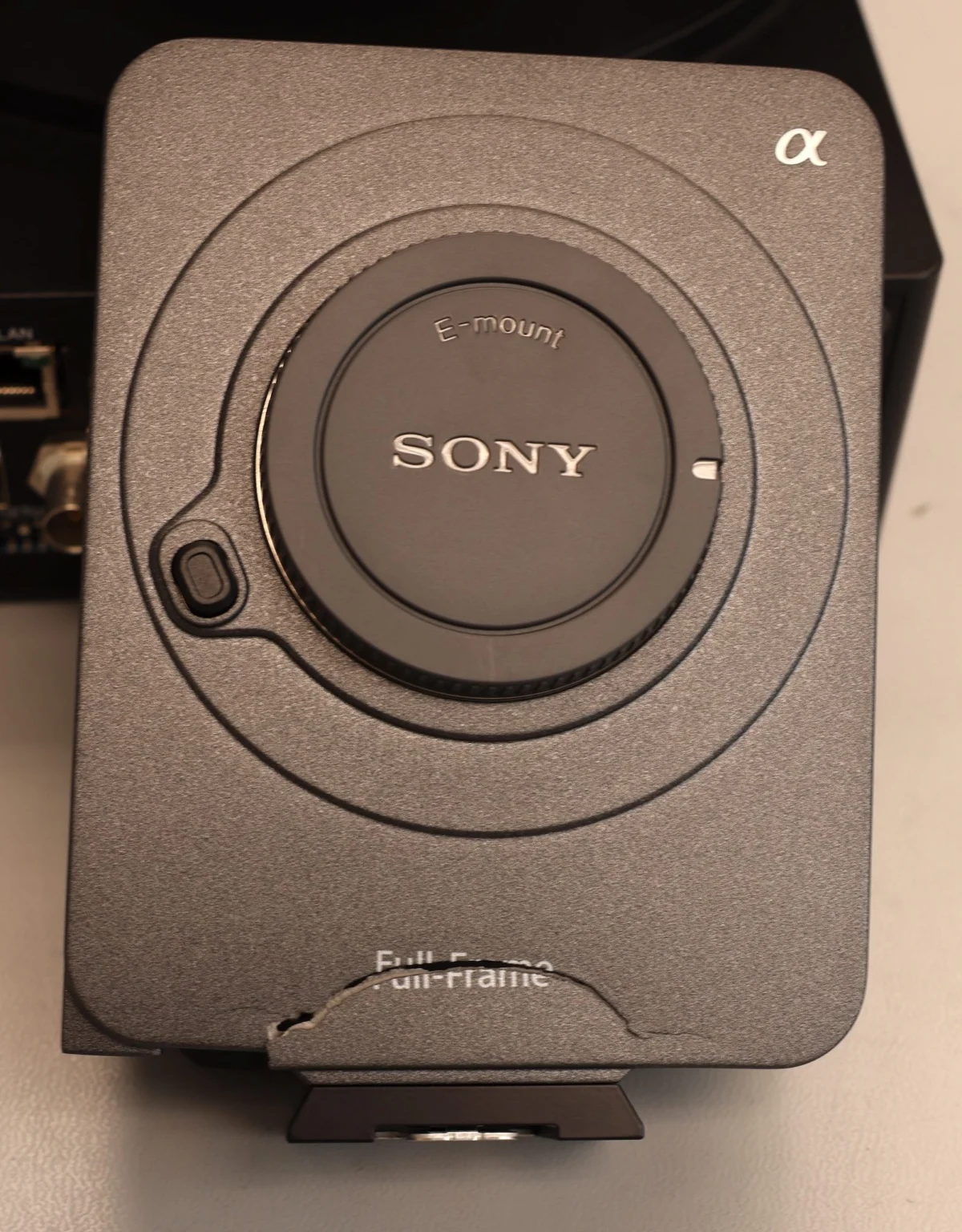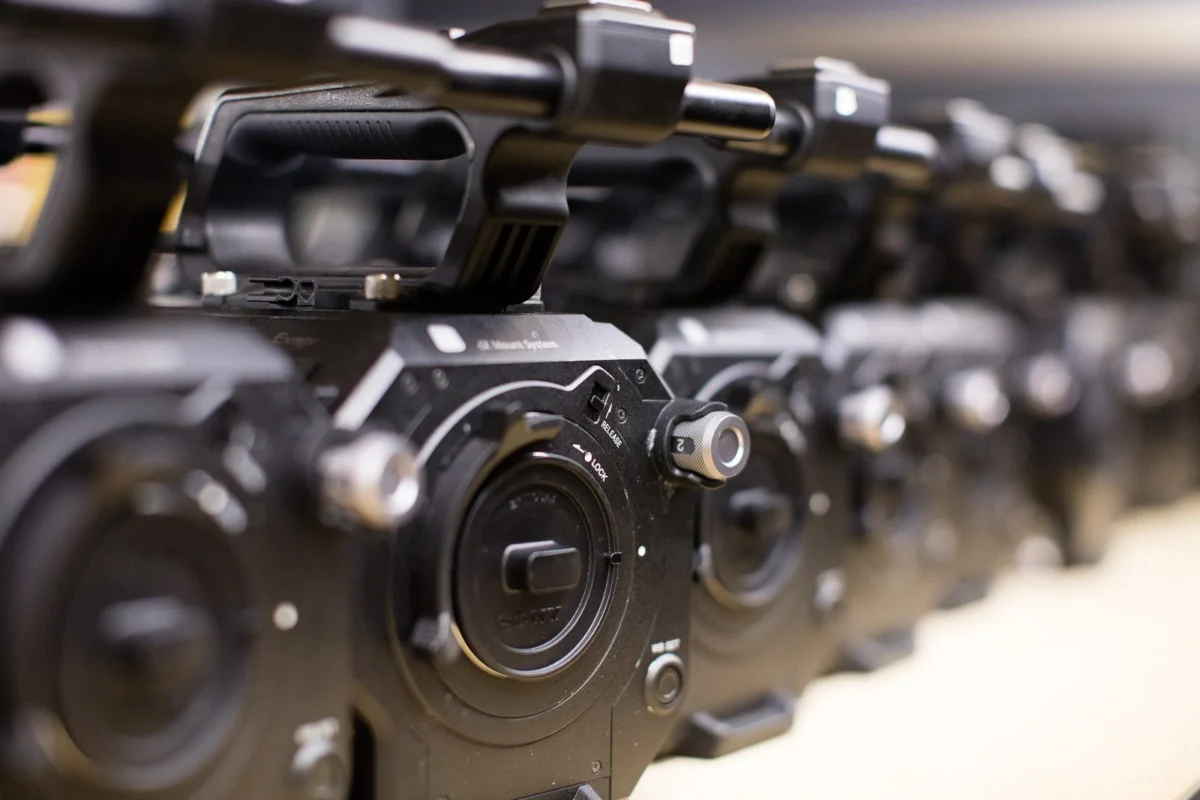
For over a century, the art of motion pictures has evolved from silent black-and-white reels to immersive digital experiences. This rich history has yielded an expansive array of cinematic tools and techniques, yet the proliferation of diverse capture methods often leads to inconsistent output. In an era dominated by high-definition displays and sophisticated streaming platforms, ensuring visual fidelity across myriad devices has become paramount. Recognizing this challenge, Netflix, a global leader in streaming entertainment, has implemented a comprehensive set of technical specifications for content creation, mandating that all original productions adhere to seven stringent camera capture standards to earn the coveted "Netflix Approved" designation. These guidelines are designed not merely to dictate creative choices but to establish a baseline of image quality that guarantees a superior and consistent viewing experience for audiences worldwide, transcending the potential pitfalls of fragmented technical approaches. While some in the creative community might express concerns regarding potential limitations on artistic expression or budgetary constraints for independent filmmakers, Netflix maintains that these standards are well-intentioned, aiming to safeguard against suboptimal visual quality, such as content filmed in resolutions as low as 480p, which is increasingly unacceptable on modern screens. This initiative reflects a broader industry shift towards standardization in content delivery, pushing the boundaries of what is considered professional-grade production in the digital age.
The Evolution of Content Standards in the Streaming Era
The journey from film to digital and from broadcast television to global streaming has been marked by a continuous push for higher quality and greater accessibility. Historically, broadcast television networks operated under their own sets of technical requirements, primarily driven by transmission limitations and the capabilities of consumer televisions. The advent of high-definition (HD) broadcasting in the early 2000s marked a significant leap, establishing 1080p as a widely accepted benchmark. However, the rise of streaming services like Netflix, particularly from the late 2000s onwards, introduced a new paradigm. Untethered by traditional broadcast infrastructure, these platforms could push for even higher resolutions and more robust image characteristics, directly impacting viewer expectations. As Netflix transitioned from merely licensing third-party content to producing its own original programming, starting notably in 2013 with "House of Cards," the need for consistent, high-quality technical standards became critically apparent. To maintain its brand reputation for premium content and to future-proof its extensive library for evolving display technologies, the company began formalizing its "Image Capture Requirements and Best Practices." While the exact chronology of publicizing these specific seven standards is iterative, their comprehensive application has become a defining characteristic of Netflix’s production ethos over the past half-decade, influencing not just its own productions but also setting a de facto benchmark for the wider streaming industry. This move signals a departure from a more laissez-faire approach to acquisition, prioritizing technical excellence alongside artistic merit.
Pillar One: Resolution – The Foundation of Visual Detail
The most immediately discernible standard concerns resolution, with Netflix mandating a "minimum of 3840 photosite capture width (Spherical)." For content shot with standard spherical lenses and intended for a common 16:9 aspect ratio, this translates directly to 3840 x 2160 pixels, universally recognized as Ultra High Definition (UHD) 4K. This resolution has solidified its position as the industry floor for premium content, reflecting the widespread adoption of 4K televisions and monitors in consumer homes. While many high-end productions routinely opt for even higher resolutions, such as 6K or 8K, to allow for greater flexibility in post-production (e.g., reframing, digital stabilization, or creating visually lossless zooms), 4K remains the critical entry point for Netflix approval. This baseline is comfortably met by most professional and even many prosumer cinema cameras manufactured in the last five to seven years, including popular models from ARRI, RED, Sony, Canon, Panasonic, and Blackmagic Design.
A crucial nuance arises when productions choose anamorphic lenses. These specialized lenses compress a wider image horizontally onto the camera sensor, which is then "desqueezed" in post-production to achieve a broader, more cinematic aspect ratio, often 2.39:1. Because the horizontal compression reduces the effective pixel density, anamorphic projects necessitate a higher initial horizontal resolution to maintain equivalent image clarity and detail upon desqueezing. Consequently, not all cameras capable of standard 4K spherical capture are approved for anamorphic work. Netflix provides a specific, regularly updated guide detailing cameras that meet the more demanding horizontal resolution requirements for anamorphic capture, ensuring that the unique aesthetic of anamorphic lensing does not compromise the overall image quality. This distinction underscores Netflix’s commitment not just to resolution numbers, but to the perceived resolution and sharpness delivered to the viewer, regardless of the optical tools employed.
Pillar Two: Codec – The Language of Digital Image Storage
Codec requirements, while seemingly technical, are fundamental to preserving the quality of captured footage throughout the post-production workflow. Netflix specifies either "lightly compressed or uncompressed RAW" or an "intra-frame based codec with 4:2:2 chroma subsampling or greater." These options represent a spectrum of data handling designed to retain maximum image information.
RAW formats capture the unprocessed, unfiltered data directly from the camera sensor. This provides unparalleled flexibility in post-production for color grading, exposure adjustments, and white balance correction, as it bypasses many in-camera processing steps. "True" uncompressed RAW, however, generates massive file sizes, demanding significant storage and processing power. To mitigate this, most camera manufacturers offer proprietary compressed RAW formats (e.g., REDCODE RAW, Canon Cinema RAW Light, ProRes RAW, Blackmagic RAW). These intelligent compression schemes reduce file sizes while largely retaining the critical advantages of a RAW workflow, offering a balance between data efficiency and creative control.
The alternative, an intra-frame-based codec with 4:2:2 chroma subsampling or greater, refers to video compression where each frame is encoded independently (unlike inter-frame codecs, which compress by referencing changes between frames). This ensures that every frame holds robust image data, crucial for precise editing and visual effects. The "4:2:2 chroma subsampling" specification is particularly important. It refers to how much color information is sampled compared to luminance (brightness) information. In 4:2:2, for every four pixels of luminance data, two pixels of chrominance (color) data are sampled for each of the two color difference channels. This retains significantly more color detail than the more common 4:2:0 found in many consumer formats, which often leads to visible color artifacts, especially when footage is heavily graded or keyed. The increased color information in 4:2:2 is essential for professional color grading, ensuring smooth tonal gradations, accurate color reproduction, and robust performance for effects like greenscreen keying. These codec standards collectively guarantee that the captured footage possesses sufficient depth and flexibility for the demanding post-production pipelines of high-end content.
Pillar Three: Bit Depth – The Spectrum of Color
Complementing the codec requirements, Netflix mandates a "Bit depth: 10-bit or greater." Bit depth refers to the number of bits used to describe the color and tonal information for each pixel’s red, green, and blue channels. In a 10-bit system, each color channel can represent 1,024 distinct shades (2^10). When combined, this allows for over 1.07 billion possible colors (1024 x 1024 x 1024). This stands in stark contrast to 8-bit color, which offers only 256 shades per channel, totaling approximately 16.7 million colors.
The jump from 8-bit to 10-bit is visually significant, particularly in scenes with subtle color gradations, such as skies, shadows, or skin tones. Lower bit depths often result in "banding," where smooth gradients appear as distinct, stair-stepped blocks of color. 10-bit color depth virtually eliminates banding, providing much smoother transitions and a more natural, lifelike image. Furthermore, 10-bit color is absolutely essential for High Dynamic Range (HDR) content. HDR requires a much wider range of luminance and color information to achieve its expanded contrast, brighter highlights, and deeper shadows. Without at least 10-bit color depth, HDR content would suffer from severe banding and a diminished sense of realism. By enforcing this standard, Netflix ensures its content is not only visually pleasing today but also fully capable of delivering the immersive experience promised by cutting-edge HDR display technologies.
Pillar Four: Data Rate – The Flow of Information
Netflix’s data rate requirement specifies a "Minimum 240Mbps at 24FPS." This standard, expressed in megabits per second (Mbps) at a common frame rate, dictates the minimum amount of data recorded per second. While seemingly a separate criterion, it is intrinsically linked to resolution, codec, and bit depth. Higher resolutions, less compressed codecs (like RAW), and greater bit depths inherently generate higher data rates.
Therefore, if a production is already meeting the minimum 4K resolution, using a suitable RAW or intra-frame 4:2:2 codec, and capturing at 10-bit or higher, it is highly probable that the resulting data rate will naturally exceed 240Mbps. This standard serves as a failsafe, ensuring that even if a camera system technically meets the other requirements, it is not achieving them through excessively aggressive compression that would degrade image quality. A sufficient data rate guarantees that the rich visual information captured by the sensor is adequately preserved, preventing artifacting, loss of detail, and other compression-related issues that could compromise the final image, especially during the intensive processes of color grading and visual effects.
Pillar Five & Six: Color Space & Transfer Function – The Canvas and Its Interpretation
These two requirements are fundamental to capturing and preserving the full dynamic range and color fidelity of a scene. Netflix mandates "Scene-referred Color Space (S.Gamut3, ALEXA Wide Gamut, REDWideGamut etc.)" and "Scene-referred Transfer Function (Slog3, Log C, Log3G10, VLog etc.)."
A Scene-referred Color Space defines the full range of colors that a camera can capture. Modern professional cinema cameras are designed to record a much wider gamut of colors than standard display technologies (like Rec. 709 for SDR). Color spaces like ARRI’s ALEXA Wide Gamut, Sony’s S.Gamut3, or RED’s REDWideGamut are proprietary containers for these expanded color volumes. Capturing in such a wide gamut ensures that all the subtle hues and saturations present in a real-world scene are recorded, providing the colorist with the broadest possible palette during grading. This is crucial for creating vibrant, accurate, and nuanced images, especially for HDR delivery, which leverages a significantly wider color space (e.g., Rec. 2020) than traditional SDR.
A Scene-referred Transfer Function, often referred to as "log gamma" or simply "log," is a non-linear curve applied to the sensor’s raw data. Instead of recording a "baked-in" image that looks good on a standard display, log formats (like S-Log3, Log C, Log3G10, V-Log) compress the camera’s massive dynamic range into a manageable file format, preserving significantly more highlight and shadow detail than a standard video gamma curve. This results in a "flat" looking image straight out of the camera, which is precisely what professional colorists desire. This flat image retains maximum information, allowing for extensive manipulation in post-production to craft the desired look, map the image to various display standards (SDR, HDR), and extract the full potential of the captured dynamic range. Together, these standards ensure that the footage entering post-production is a rich, flexible digital negative, ready for professional artistic interpretation.
Pillar Seven: Timecode – The Backbone of Organization
The final technical requirement focuses on workflow efficiency: "System is capable of jamming to an external source" and "Timecode should be written as metadata." Timecode is a sequence of numerical codes generated at regular intervals by a timing system, used to identify individual frames of video or audio. It is absolutely indispensable for large-scale productions, particularly those involving multiple cameras, external audio recorders, and extensive post-production.
The ability to "jam sync" to an external source means the camera’s internal timecode generator can be synchronized precisely with other devices (e.g., other cameras, sound recorders) using a master clock. This ensures that all captured media shares the exact same time reference, making the process of syncing audio to video, lining up multiple camera angles, and managing vast amounts of footage infinitely simpler and more accurate in the editing suite. Without precise timecode, post-production becomes a tedious, time-consuming, and error-prone manual process. While Netflix acknowledges a degree of leniency for certain non-fiction or documentary projects where the complexities of timecode might be less critical or practical to implement on location, for narrative features and series, it is a non-negotiable tool for maintaining organizational integrity and streamlining the entire workflow. For cameras lacking built-in timecode capabilities, external devices like Tentacle Sync offer a reliable solution for achieving this crucial synchronization.
Industry Reactions and Broader Implications
Netflix’s comprehensive camera approval standards have elicited a range of reactions across the film and television industry. From the perspective of Netflix itself, and indeed many major studios and high-end production houses, these standards are a logical and necessary evolution. They provide a clear framework, reduce ambiguity, and ultimately guarantee a consistent, high-quality product that meets the expectations of a global audience accustomed to premium visuals. Camera manufacturers have largely embraced these standards, often designing new models or updating existing firmware to ensure compliance, as "Netflix Approved" has become a powerful marketing differentiator. This has, in turn, driven innovation in camera technology, pushing the industry towards higher resolutions, better codecs, and more robust color science.
However, the standards are not without their critics. Some independent filmmakers, particularly those operating on tighter budgets or pursuing niche artistic styles, voice concerns about the potential for creative limitations. A director wanting to intentionally shoot on Super 16mm film for a specific vintage aesthetic, for instance, might find their project ineligible for Netflix distribution, despite its artistic merit. The cost of acquiring or renting Netflix-approved cameras and associated high-end post-production workflows can also be prohibitive for emerging creators or smaller production companies. This raises questions about whether such stringent technical requirements could inadvertently gatekeep access to a major distribution platform, potentially stifling diverse voices and experimental filmmaking.
Despite these valid points, the overarching implication is a clear push towards a new baseline of technical excellence in content creation. Other streaming services have begun to implement similar, albeit sometimes less stringent, requirements, indicating a broader industry trend. For viewers, these standards translate directly into a more consistent and visually stunning experience, free from the jarring quality discrepancies that once plagued digital content. The move by Netflix underscores a commitment to future-proofing its library, ensuring that content created today will look exceptional on the advanced display technologies of tomorrow, from 8K TVs to augmented reality devices. Ultimately, Netflix’s camera approval standards serve as a powerful testament to the company’s influence, shaping not only what we watch but also how it is made, elevating the technical bar for cinematic storytelling in the digital age.