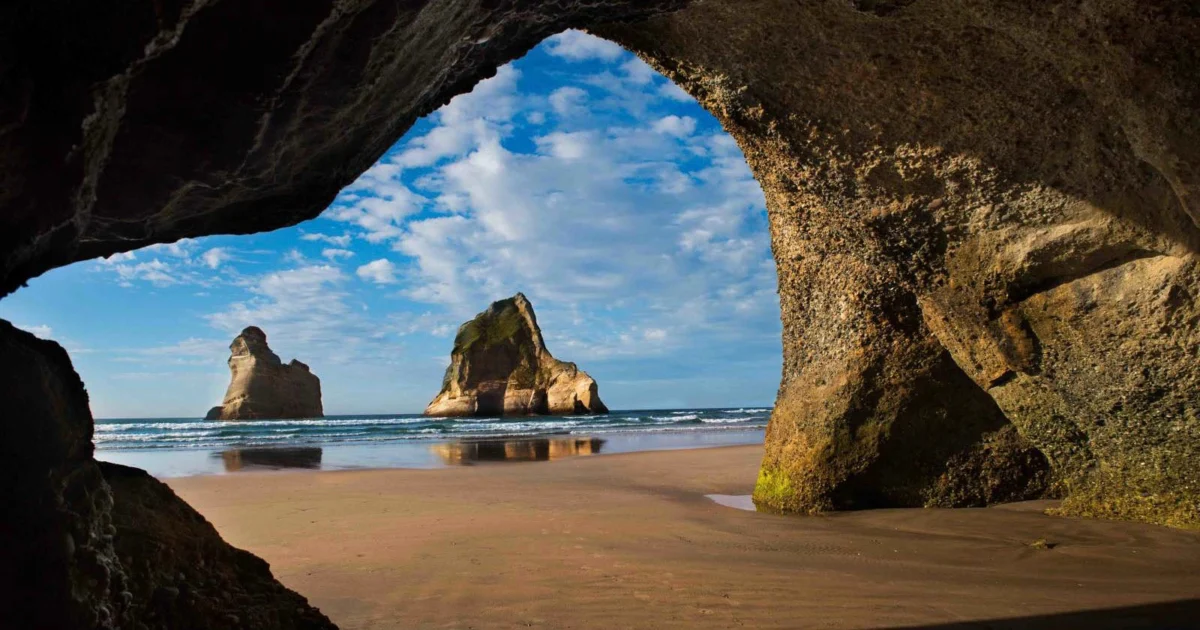
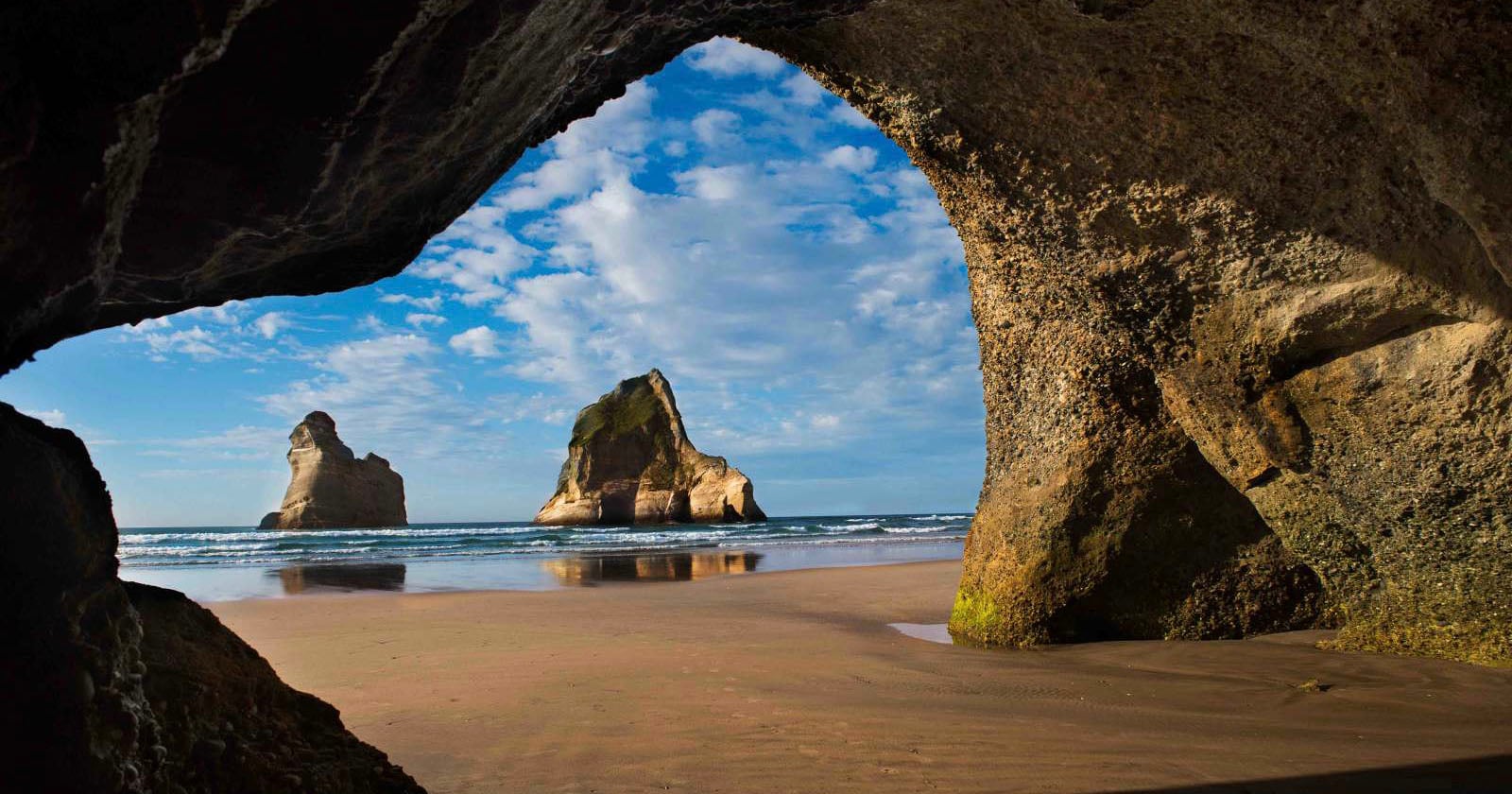
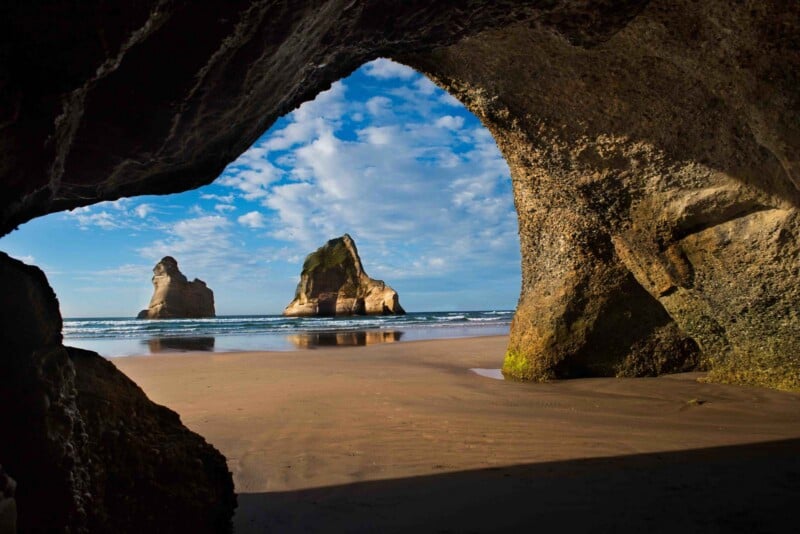
The iconic image that has graced over a billion computer screens worldwide as the default lock screen for Windows 10 has recently become the subject of renewed fascination, drawing digital pilgrims to its real-world location: the stunning Wharariki Beach at the northernmost tip of New Zealand’s South Island. Captured by legendary photojournalist Steve McCurry, the photograph depicts a breathtaking view from within a dark rock cave looking out onto a sandy beach adorned with majestic sea arches and rock formations rising from the ocean. Its recent rediscovery and subsequent viral spread, spearheaded by travel content creators, highlight the enduring power of digital imagery to inspire real-world exploration and underscore the subtle yet profound influence of ubiquitous digital aesthetics.
The Ubiquity of a Digital Icon
Since its release in 2015, Windows 10 has been installed on an estimated 1.4 billion active devices globally as of early 2024. For a significant portion of these users, the first visual interaction with their operating system has been McCurry’s evocative shot of Wharariki Beach. This makes it one of the most widely viewed photographs in contemporary history, quietly embedding itself into the collective digital consciousness. The image’s serene beauty, characterized by dramatic natural elements and a sense of tranquil grandeur, has transcended its functional role as a lock screen to become a recognizable cultural artifact, even spawning internet memes that playfully acknowledge its omnipresence. The sheer scale of its dissemination means that billions of fleeting glances have cumulatively etched this particular New Zealand landscape into the minds of a global audience, often without conscious recognition of its specific origin.
Wharariki Beach: A Remote Paradise Comes to Light
Wharariki Beach, nestled within the picturesque Golden Bay region of New Zealand, is a testament to the country’s unparalleled natural beauty. Its remote location, accessible primarily via a walk across farmland, has historically preserved its pristine and wild character. The beach is famous for its towering sea stacks, known as the Archway Islands, sculpted over millennia by the relentless forces of the Tasman Sea. Expansive sand dunes, intricate sea caves, and a rugged coastline define its landscape, creating an otherworldly atmosphere that captivated McCurry and now enthralls digital explorers. The recent surge in public interest was ignited by a video from travel creators Sagar and Ami, renowned for documenting their explorations of New Zealand’s scenic wonders. Their Instagram Reel, which quickly garnered millions of views, captured Ami’s genuine astonishment upon realizing she had stumbled upon the fabled location. "We thought the photos of Wharariki Beach were edited," Ami recounted, expressing the common perception of such hyper-perfect digital imagery. "Until we saw it in person. Giant sea arches, wild dunes, and sea caves, it genuinely feels like another planet. We came back twice in one day just to catch the sunset." This sentiment resonated deeply with a global audience, many of whom had unknowingly harbored the image in their daily digital lives for years. The video served as a powerful bridge between the digital and physical realms, transforming a passive background image into an active travel aspiration for countless viewers.
Steve McCurry: The Master Behind the Lens
The selection of Steve McCurry to capture imagery for Windows 10 was a deliberate choice by Microsoft, leveraging his global reputation for evocative and powerful photography. McCurry, a world-renowned photojournalist, is perhaps most famous for his iconic 1984 National Geographic cover photograph, "Afghan Girl" (Sharbat Gula), a striking portrait of a young refugee with piercing green eyes that has become one of the most recognized images in photographic history. Born in 1950, McCurry’s career has been defined by his ability to capture the human condition amidst conflict and cultural diversity, often employing natural light and a vivid color palette to imbue his images with profound emotional depth. His work for Windows 10, commissioned around 2015, saw him apply his signature style to landscapes, translating the raw majesty of Wharariki Beach into an image that felt both grand and intimately accessible. While McCurry is credited as the primary photographer, the collaborative nature of such large-scale commercial projects often involves a team. Photographer Chad Copeland was also commissioned for the Windows 10 project, contributing to the visual library. Furthermore, the meticulous process of refining the final image for global distribution included post-production work by Ekaterina Savtsova for retouching and creative director Chris Raykovich for additional editing, ensuring the image met Microsoft’s precise aesthetic and technical specifications. This blend of artistic vision and corporate precision resulted in a photograph that was both visually stunning and universally appealing.
A Legacy of Iconic Wallpapers: Microsoft’s Visual Identity
Microsoft has a long-standing history of featuring iconic default wallpapers that have become cultural touchstones. The most celebrated example is undoubtedly Windows XP’s "Bliss," captured by photographer Charles O’Rear in 1996 in Sonoma County, California. Depicting rolling green hills under a bright blue sky with wispy white clouds, "Bliss" is widely considered the most-viewed photograph of all time, estimated to have been seen by over one billion people since Windows XP’s release in 2001. Its serene, almost idyllic quality perfectly encapsulated the optimistic spirit of the early 2000s digital era. The success of "Bliss" established a precedent for Microsoft: a default wallpaper wasn’t just a background; it was a statement, a mood-setter, and a subliminal piece of branding. Following "Bliss," subsequent Windows versions continued this tradition, albeit with varying degrees of recognition. Windows Vista introduced "Aurora," a stylized green landscape, while Windows 7 often featured abstract light effects or subtle natural scenes. The choice of Wharariki Beach for Windows 10 marked a return to a more direct, yet still artistically rendered, natural landscape, echoing the universal appeal of "Bliss" but with a more dramatic, adventurous feel. This commitment to visual excellence was further underscored in 2024 when Microsoft organized a global competition, inviting seven photographers from around the world to capture images that could become the next iconic wallpaper for Microsoft Surface devices, demonstrating an ongoing dedication to curating compelling visual experiences for its users and engaging the photographic community.
The Viral Effect: Tourism and Economic Implications
The recent viral attention generated by Sagar and Ami’s video has significant implications for Wharariki Beach and the broader Golden Bay region. New Zealand’s tourism industry is a vital component of its economy, attracting millions of international visitors annually who are drawn by its stunning landscapes and adventure opportunities. In 2019, prior to the global pandemic, tourism contributed approximately NZ$16.2 billion to New Zealand’s GDP. While specific figures for Wharariki Beach are not readily available, the Golden Bay area, known for its pristine beaches, national parks, and artisan communities, already attracts a steady stream of domestic and international tourists. The sudden influx of digital recognition for Wharariki Beach is likely to translate into a tangible increase in visitor numbers. Local tourism boards and businesses, such as accommodation providers, tour operators, and cafes, would undoubtedly welcome this organic, far-reaching publicity. Inferred statements from tourism officials might highlight the "immense value of such global exposure" and express excitement about "sharing New Zealand’s hidden gems with a wider audience." However, increased visitor traffic to a remote, ecologically sensitive area like Wharariki Beach also presents challenges. Local authorities and conservation groups would need to balance the economic benefits of tourism with the imperative to protect the natural environment, potentially leading to discussions about infrastructure development, visitor management strategies, and sustainable tourism practices to preserve the very beauty that draws people there.
Beyond the Screen: Broader Implications of Digital Influence
The phenomenon surrounding the Windows 10 wallpaper extends beyond mere travel inspiration; it speaks to the broader implications of digital imagery in contemporary culture. In an increasingly interconnected world, a photograph, initially commissioned for a commercial product, can transcend its intended purpose and become a catalyst for real-world interaction and discovery. This incident highlights:
- The Power of Subliminal Branding: The consistent exposure to high-quality, aspirational imagery on digital devices subtly shapes user perceptions and desires, often without conscious awareness. Microsoft’s choice of such a captivating image reinforces a brand identity associated with beauty, exploration, and sophisticated design.
- The Democratization of Discovery: Social media platforms and travel content creators play a crucial role in demystifying and popularizing previously obscure locations. What was once a niche destination known only to intrepid travelers becomes accessible to a global audience through viral content.
- The Enduring Value of Photography: In an age dominated by video and ephemeral content, a single, compelling static image, particularly one by a master like Steve McCurry, can still capture imaginations and drive significant real-world impact years after its creation. It reaffirms the art form’s power to create lasting impressions.
- The Interconnectedness of Digital and Physical Worlds: The story of Wharariki Beach exemplifies how digital experiences—from a desktop wallpaper to a viral video—are increasingly intertwined with physical travel and exploration, blurring the lines between virtual engagement and tangible adventure.
- Recognition for Artists: The renewed interest brings deserved recognition to McCurry and the creative team involved, showcasing how their work, even in commercial contexts, can achieve iconic status and have a profound cultural footprint.
Conclusion: A Lasting Impression
The journey of the Windows 10 lock screen image from a commercial commission to a global digital icon, and now to a real-world pilgrimage site, is a compelling narrative of our digital age. It underscores the profound and often understated impact that ubiquitous digital assets have on our collective imagination and our propensity for exploration. Steve McCurry’s photograph of Wharariki Beach, a testament to New Zealand’s raw natural grandeur, has quietly inspired billions of individuals for nearly a decade. Its recent viral re-discovery serves as a powerful reminder that the landscapes we encounter on our screens can, and often do, ignite a desire to experience their beauty firsthand, forging an ever-stronger connection between the digital realms we inhabit daily and the breathtaking physical world that awaits discovery.