For three decades, the author has resided on Vancouver Island, an area renowned for its high cougar population, yet has only managed a fleeting glimpse of these elusive felines. This profound rarity underscores the inherent challenge and thrill of observing apex predators in their natural habitats. The quote, "The tiger will see you a hundred times before you see him once," from John Vaillant, aptly captures this dynamic, highlighting the extraordinary stealth and sensory acuity of large cats. These creatures, with their powerful, supple musculature, padded paws, and meticulously calculated movements, are nature’s ultimate hunters, masters of camouflage that move unseen through their environments. This constant, subtle presence, the feeling of being observed, fuels a deep-seated desire in many to finally encounter these magnificent animals.
The opportunity to photograph the famed pumas of Chilean Patagonia presented such a chance, though tempered with reserved expectations despite a building sense of anticipation. The journey itself was not without its initial hurdles. A lost passport necessitated a critical detour to a Brazilian embassy, a stressful prelude that ultimately concluded with the author’s arrival in Chile. The chosen accommodation was a converted estancia, a traditional South American ranch, situated on the fringes of Torres del Paine National Park. This establishment retained its functional farming and livestock equipment, a testament to its historical roots.
The Rise of Ecotourism in Torres del Paine
The region surrounding Torres del Paine National Park has witnessed a significant surge in visitor numbers, drawn by the park’s iconic, pristine peaks. This influx has propelled ecotourism into a booming industry. The owners of the estancia are emblematic of this shift, having adapted their operations to coexist harmoniously with the very wildlife that was once perceived as a threat to their livestock. This transition reflects a broader trend in conservation and land management, where economic sustainability is increasingly intertwined with ecological preservation. The staff at the estancia, a vibrant team of locals, continue to embody the enduring values of gaucho culture – a heritage steeped in honesty, diligent work, and genuine generosity. This cultural bedrock provides a crucial human element to the narrative of conservation in the region.
In Pursuit of the Puma: Encounters in the Pampas
It was under the guidance of Rodrigo, a guide with a formidable reputation as a puma expert, that the author embarked on the quest into the heart of puma territory. Rodrigo’s intimate knowledge of the local cat population, often described as knowing them "like family," was instrumental. The landscape transformed as they ventured deeper, the cultivated lands yielding to dramatic rock formations, glacial lakes fed by snowmelt, and vast expanses of grassland known as pampas. Towering granite peaks of the Andes loomed larger with every step, creating a breathtaking backdrop to their pursuit. It was within this majestic, rugged terrain, in the stark shadows of the mountains, that their first significant encounter occurred: a female puma, known by the moniker Petaka, accompanied by her two kittens.
Petaka’s presence was remarkable. She exuded a calm, commanding aura, and her complete indifference to the human observers was striking. This characteristic has cemented her status as something of a legend among visitors to Torres del Paine and its environs. This remarkable tolerance of human presence is not accidental. In Chile, unlike in some neighboring countries such as Argentina, pumas are designated as a protected species, and hunting them is largely prohibited. This protective status has allowed certain populations within the park and its surrounding areas to habituate to the presence of people, largely ignoring them as they go about their natural behaviors. For an observer, witnessing such an interaction – a wild animal at ease, unperturbed by human proximity – is profoundly moving.
A Mother’s Devotion and the Photographer’s Privilege
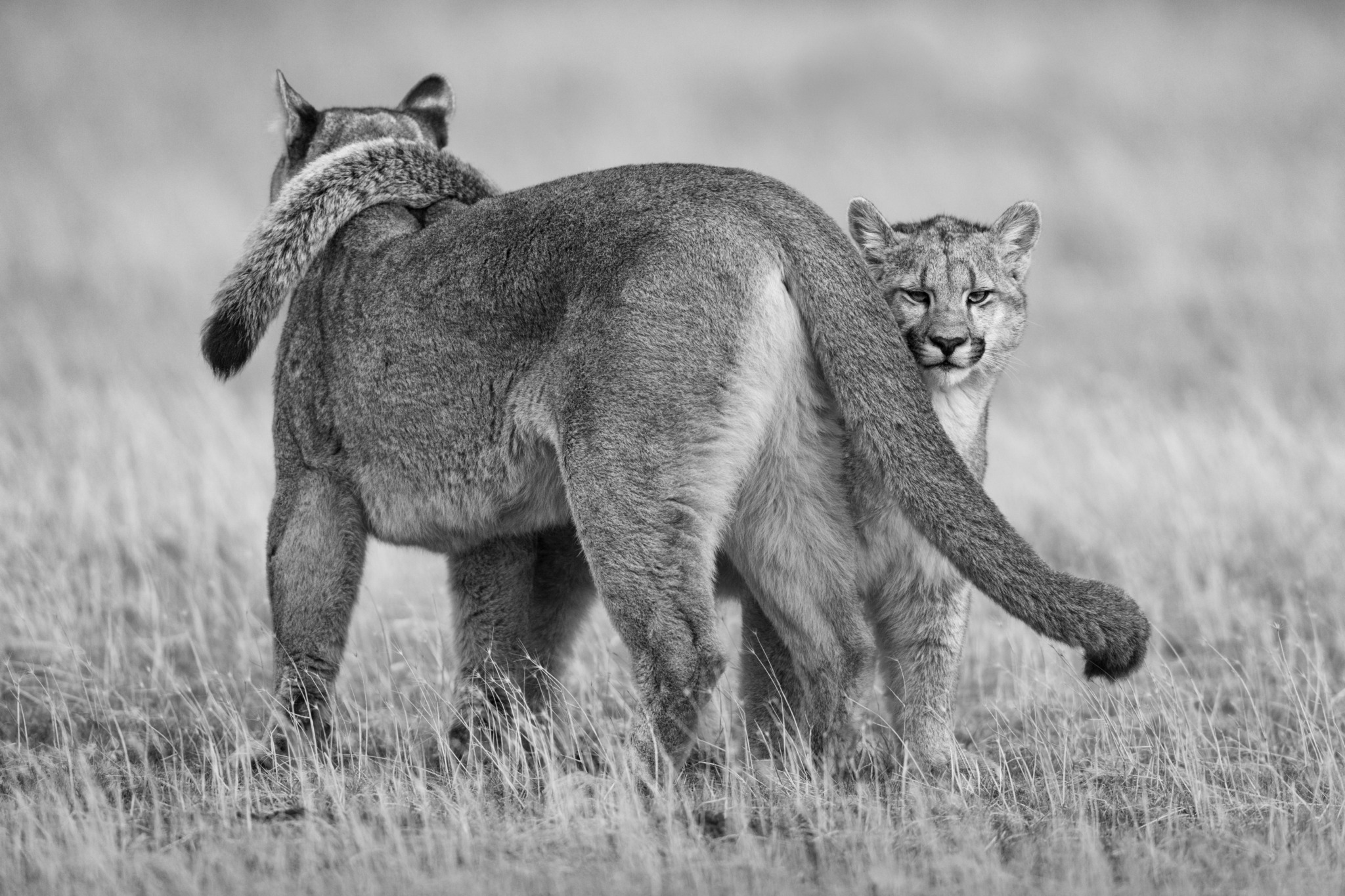
The privilege of observing Petaka’s maternal instincts unfold was an unforgettable experience. The author recounted sitting quietly, a silent witness to the tender interactions between the mother and her offspring. The kittens, full of youthful exuberance, tumbled and played in the grass under Petaka’s watchful gaze. The photographer described being "silently overcome with emotion" during these moments, a testament to the raw beauty and inherent power of observing family bonds in the wild. These quiet hours spent in the company of a wild creature, exhibiting such a state of calm, relaxation, and contentment, represent a profound connection with nature.
The Fury of the Andes: A Blizzard’s Embrace
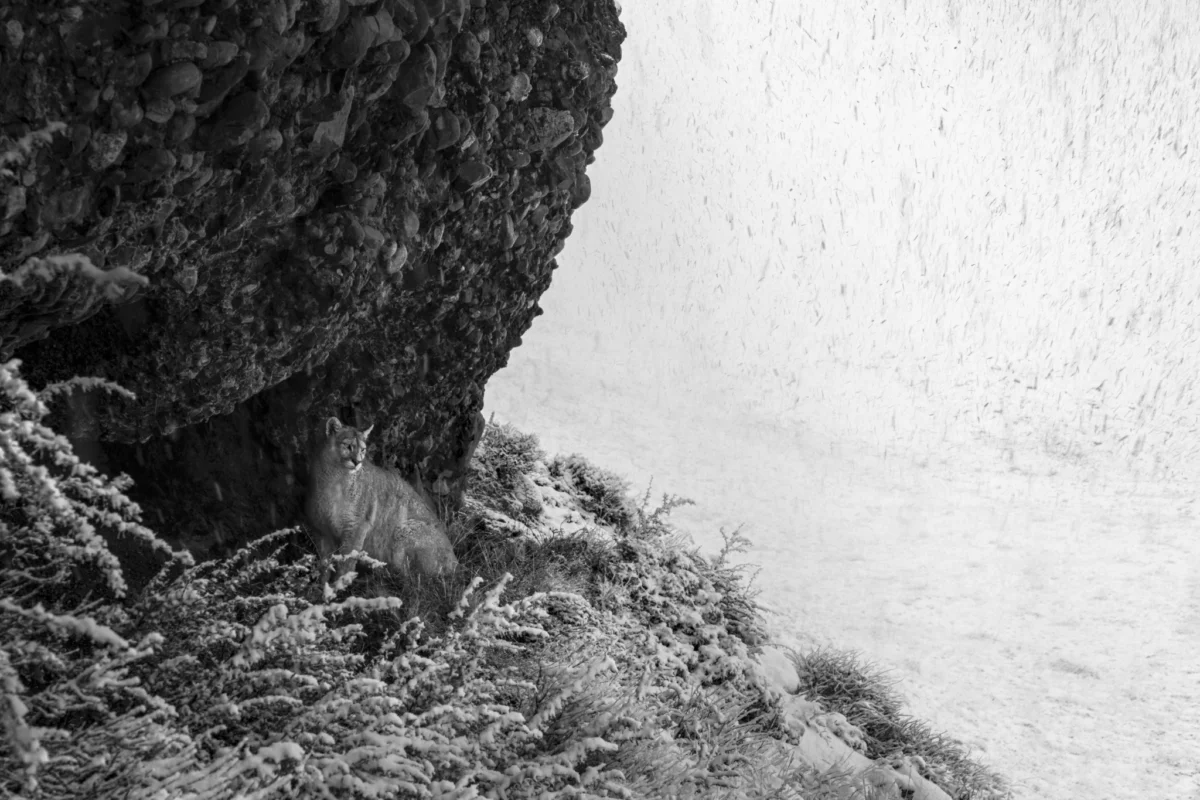
Shortly after these initial encounters with Petaka and other resident pumas within the park, the notoriously capricious mountain weather took a dramatic turn. Winds intensified, and the first delicate flakes of snow began to fall, rapidly escalating into a full-blown blizzard. The storm descended with a ferocity that enveloped the land, muffling all sound and drawing the world into a close, intimate embrace. Seeking refuge from the elements, the author found shelter in the natural caves dotting the mountainside. It was within one of these rocky sanctuaries that an extraordinary event unfolded.
A large puma, emerging seemingly from the swirling snow, appeared and settled a mere few feet away, seeking the same protection from the blizzard. In that moment, an instinctual hush fell over the author. Breath was held, the camera lens held steady, all while an intense excitement coursed through the chest. The scene was one of profound stillness: two beings, an apex predator and a human observer, sharing a moment of unexpected camaraderie, trapped together by the raw power of nature. Snowdrifts accumulated, blanketing the willow thickets below, transforming the landscape into a serene, white canvas. The puma remained entirely unperturbed by the author’s presence, its gaze fixed outward, keenly observing its environment.
A Moment of Wild Connection and the Broader Implications
It was only when the storm finally abated and the weather cleared, allowing the cat to melt away over the freshly fallen snow, that the author allowed the pent-up emotions to surface. This fleeting, silent communion underscored a vital ecological principle. When nature is afforded the space and respect to recover and thrive, humanity is granted the extraordinary privilege of witnessing life in its most authentic, unadulterated form. The experience served as a powerful reminder that the Earth’s ecosystems, when allowed to function as intended, reveal a depth of life that is "wild, raw, and beyond all imagination."
The encounter was described as "the greatest gift" – a moment of shared existence with a wild creature in one of the planet’s most awe-inspiring natural settings. This profound experience carries significant implications for conservation efforts. The habituation of pumas in Torres del Paine, while beneficial for wildlife tourism, is a direct result of protective legislation and a shift in local attitudes towards coexistence.
Supporting Data and Conservation Context
- Puma Population Estimates: While precise numbers are difficult to ascertain due to their elusive nature, estimates suggest that the puma population in Chilean Patagonia is relatively stable, benefiting from the protected status within national parks and reserves. Torres del Paine National Park alone supports a significant number of individuals.
- Threats to Pumas: Historically, pumas have faced threats from human persecution, primarily due to livestock predation. However, in regions like Torres del Paine, ecotourism provides an economic incentive for conservation, reducing conflict. Other threats include habitat loss and fragmentation, although this is less of a concern within the park’s protected boundaries.
- Ecotourism’s Economic Impact: Ecotourism in Patagonia is a multi-million dollar industry. In Chile, it contributes significantly to local economies, providing employment and supporting businesses in areas adjacent to national parks. The revenue generated often directly funds conservation initiatives and park management. According to government reports, tourism in Chile, with a significant portion attributed to its natural attractions like Torres del Paine, has been a consistent contributor to GDP, employing hundreds of thousands of people.
- Conservation Policies: Chile’s commitment to wildlife protection, particularly for species like the puma, is codified in its national environmental laws. The designation of protected areas and strict regulations against hunting are cornerstones of these policies. The success of these policies is evident in the relatively bold behavior of some wildlife populations within these zones.
Broader Impact and Future Outlook
The narrative of the pumas in Patagonia offers a compelling case study in the efficacy of protective legislation and the evolving human relationship with wildlife. The transformation from viewing pumas as threats to recognizing them as integral components of a vibrant ecosystem, and indeed as economic assets through ecotourism, is a crucial development. This shift in perspective is vital for the long-term survival of such magnificent predators.
The continued success of ecotourism in regions like Torres del Paine hinges on responsible practices that prioritize the well-being of wildlife and their habitats. Visitors play a critical role by adhering to park regulations, maintaining safe distances from animals, and supporting operators who demonstrate a commitment to ethical wildlife viewing. The author’s experience, marked by patience, respect, and a deep appreciation for the wild, encapsulates the essence of responsible engagement with nature.
The future of these elusive cats depends on the sustained commitment to conservation, the continued enforcement of protective laws, and the ongoing education of both local communities and international visitors. As the world grapples with biodiversity loss, stories like this offer a beacon of hope, illustrating that with concerted effort and a profound respect for the natural world, coexistence and thriving wild populations are indeed achievable. The quiet, powerful presence of the Patagonian puma serves as a potent reminder of the wildness that still exists and the imperative to protect it for generations to come.