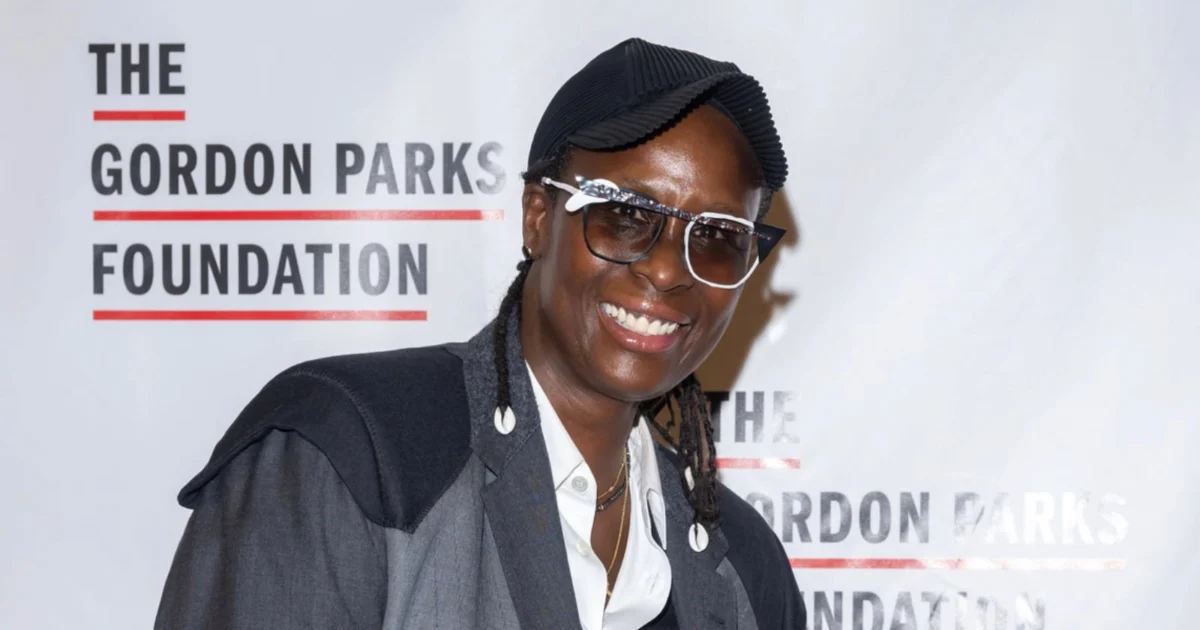
A significant legal challenge has emerged in the art world, with acclaimed photo collage artist Mickalene Thomas facing a lawsuit from photographer Barbara Karant. Karant alleges that Thomas appropriated more than a dozen of her copyrighted images, particularly from her acclaimed 820 Ebony/Jet series, without consent or proper attribution, incorporating them into various installations and collages. The lawsuit, filed in an Illinois federal district court, centers on claims of wholesale copying and has sparked renewed debate surrounding intellectual property rights, fair use, and the boundaries of appropriation art.
The Genesis of the Dispute: Karant’s 820 Ebony/Jet Series
At the heart of the legal confrontation is Barbara Karant’s meticulously documented photographic series, 820 Ebony/Jet (2013–2015). This extensive body of work comprises 250 images captured within the now-vacant interiors of the historic Johnson Publishing Company (JPC) headquarters in Chicago. Until its decline and the sale of its iconic publications Ebony and Jet in 2016, JPC stood as one of the United States’ largest and most influential African-American media companies. Its headquarters, located at 820 South Michigan Avenue, was a hub of Black culture, commerce, and creativity, designed by pioneering Black architect John Moutoussamy. Karant’s series serves as a poignant visual archive, preserving the memory and aesthetic of a space that was instrumental in shaping Black identity and media representation for decades. Her photographs capture the building’s distinctive mid-century modern design, its vibrant, patterned walls, unique light fixtures, and the ghosts of its former grandeur, including the very dressing rooms used for the Ebony Fashion Fair. Karant completed this series in 2015, long before the building’s contents were auctioned off and its future redeveloped.
Karant, whose photographic works are held in the collections of esteemed institutions such as the Art Institute of Chicago, asserts in her complaint that Thomas has engaged in "wholesale copying of copyrighted works from a fellow artist" across multiple installations and collages. This accusation suggests a direct and substantial reproduction of Karant’s original photographic compositions, rather than a merely referential or inspiration-based approach.
Allegations of Infringement: Specific Works in Question
The lawsuit specifically highlights several instances of alleged infringement. A central piece cited is an installation featured in Mickalene Thomas’s 2024 exhibition, All About Love. Karant claims this installation directly incorporated her copyrighted photos without due attribution. Among the images allegedly used are one depicting an Ebony Fashion Fair dressing room and two others showcasing distinct patterned walls within the JPC headquarters. The complaint meticulously details these alleged appropriations, stating, "The vibrant, patterned shapes, the ceiling lights, and the patterned wallpaper… were all lifted from Karant’s photographs of the JPC interiors." This precision in identifying specific elements suggests a direct visual correlation between Karant’s original photographs and Thomas’s exhibition pieces.
Furthermore, Karant’s legal team contends that Thomas drew upon additional photographs from Karant’s extensive archive for other works. An example provided is Nus Exotiques #10 (2025), a collage featuring a nude Black woman alongside a partial view of a window. The lawsuit alleges that this window element was directly sourced from another photograph within Karant’s 820 Ebony/Jet series. These specific allegations underscore the argument that Thomas’s use went beyond mere inspiration, delving into direct reproduction of visual elements.
Mickalene Thomas: A Force in Contemporary Art
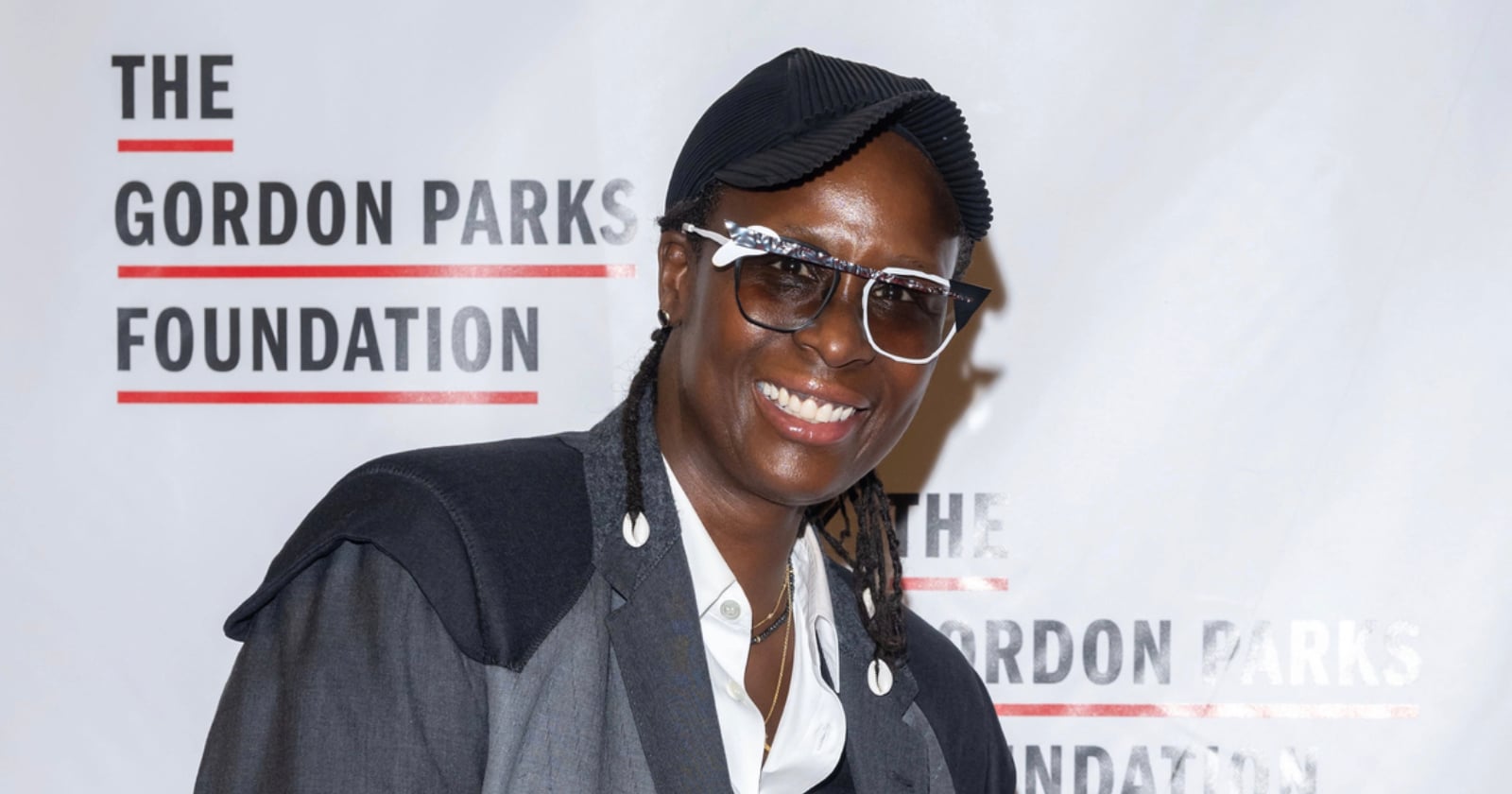
Mickalene Thomas is widely recognized as a pivotal figure in contemporary art, celebrated for her vibrant, multi-textured paintings, collages, and installations that explore themes of Black female identity, sexuality, beauty, and domesticity. Her distinctive style often incorporates rhinestones, glitter, and bold patterns, creating visually rich and layered works that challenge conventional representations of women of color. Thomas frequently recontextualizes historical and contemporary images, drawing from art history, pop culture, and personal archives to construct powerful narratives. Her work is featured in major museum collections globally, and she has had numerous solo exhibitions at prestigious venues. Given her prominence and her practice of drawing from various visual sources, the current lawsuit places her artistic methodology under intense scrutiny, particularly concerning the line between homage, inspiration, and copyright infringement.
Barbara Karant: A Legacy of Documentation
Barbara Karant is a distinguished photographer known for her architectural and interior photography, with a career spanning several decades. Her work often focuses on documenting significant spaces and structures, capturing their essence and historical resonance. The 820 Ebony/Jet series exemplifies her dedication to this practice, not just as an aesthetic pursuit but as an act of cultural preservation. Her photographs of the JPC building are particularly significant because they offer a rare glimpse into a space that was once a vibrant symbol of Black aspiration and achievement, now transformed by time and ownership changes. The series is lauded for its historical importance and artistic merit, documenting a crucial chapter in American and African-American history through the lens of its physical environment.
The Historical Context: The Johnson Publishing Company Legacy
The Johnson Publishing Company’s history is integral to understanding the significance of Karant’s work and, by extension, the current legal dispute. Founded by John H. Johnson in 1942, JPC became a media powerhouse, publishing Ebony and Jet magazines, which were indispensable resources for African Americans for generations. These publications celebrated Black life, culture, achievements, and challenged racial stereotypes, playing a crucial role in the Civil Rights Movement and beyond. The JPC headquarters, designed by Moutoussamy, was itself an architectural marvel and a symbol of Black excellence. Karant’s 820 Ebony/Jet series captures this legacy in its dormant state, offering a powerful visual elegy to a bygone era of Black media dominance. Any alleged unauthorized use of these images, therefore, touches upon not only intellectual property but also the cultural memory embedded within those visuals.
Legal Framework: Copyright, Appropriation, and Fair Use
The lawsuit against Mickalene Thomas thrusts the complex legal doctrines of copyright infringement and fair use back into the spotlight within the art world. In the United States, copyright law grants creators exclusive rights to reproduce, distribute, display, and create derivative works from their original creations. Infringement occurs when someone exercises these rights without permission from the copyright holder.
However, copyright law also includes the doctrine of "fair use," which allows limited use of copyrighted material without permission for purposes such as criticism, comment, news reporting, teaching, scholarship, or research. The determination of fair use involves a four-factor test:
- Purpose and character of the use: Is it commercial or non-profit educational? Is the new work "transformative," meaning it adds new expression, meaning, or message to the original?
- Nature of the copyrighted work: Is it factual or creative? Unpublished or published?
- Amount and substantiality of the portion used: How much of the original work was used, and was it the "heart" of the work?
- Effect of the use upon the potential market for or value of the copyrighted work: Does the new work harm the market for the original?
The concept of "transformative use" is particularly crucial in cases involving appropriation art, where artists intentionally incorporate pre-existing images or objects into their new works. Courts often weigh whether the new work significantly alters the original’s meaning or purpose.
The Precedent: Cariou v. Prince
The current case bears a striking resemblance to the landmark copyright dispute of Cariou v. Prince, a precedent that significantly shaped the discourse around fair use in appropriation art. In 2008, photographer Patrick Cariou sued artist Richard Prince for copyright infringement. Prince had incorporated dozens of Cariou’s photographs of Rastafarians in Jamaica into his own series of paintings and collages, often adding painted elements, alterations, and sometimes obscuring parts of the original images.
A lower court initially ruled in favor of Cariou, finding Prince liable for copyright infringement. However, this decision was largely overturned by the Second Circuit Court of Appeals in 2013. The appeals court ruled that most of Prince’s works were "sufficiently transformative" to qualify as fair use. The court reasoned that if a new work "adds something new, with a further purpose or different character, altering the first with new expression, meaning, or message," it could be considered transformative, even if it copied the entirety of the original.
The Cariou v. Prince decision became one of the most significant fair use rulings in the art world, providing a broader interpretation of transformative use than many copyright holders had anticipated. While celebrated by appropriation artists and some art critics, it also sparked considerable concern among photographers and original content creators, who feared it weakened protections for their work and made it more challenging to defend against unauthorized use. The decision essentially shifted the focus from the quantity of the original work used to the qualitative change—the new meaning or aesthetic imparted by the appropriating artist.
Implications for Karant’s Forthcoming Publication
The timing of Karant’s lawsuit is particularly critical, as it precedes the imminent publication of her book, 820 Ebony/Jet: Visions of the Johnson Publishing Company, an American Icon, which is slated for release in the coming months. According to the complaint, Karant asserts that Thomas’s alleged copyright infringement has already undermined her ability to license and sell her photographs, and now directly threatens the commercial prospects and critical reception of her forthcoming publication.
For an artist, a book publication often represents a culmination of years of work, a significant moment for establishing or solidifying their artistic legacy, and a crucial revenue stream through sales and licensing opportunities. The alleged pre-emptive use of her images by a high-profile artist like Thomas could dilute the uniqueness and market value of Karant’s original work, making it harder for her to control its narrative and commercial exploitation. This aspect of the lawsuit emphasizes the economic damage that copyright infringement can inflict, beyond mere aesthetic concerns.
Potential Arguments and Outcomes
In this current case, Thomas’s legal team will likely argue that her use of Karant’s photographs is transformative, fitting within the parameters of fair use established by cases like Cariou v. Prince. They might contend that Thomas’s distinct artistic style—her use of collage, rhinestones, paint, and her overarching thematic concerns with Black female identity—fundamentally alters the original context and meaning of Karant’s documentary architectural photographs. They could argue that by integrating Karant’s images into her larger artistic vision, Thomas creates new expressions that are distinct from Karant’s original intent to document the JPC interiors.
Conversely, Karant’s legal team will need to demonstrate that Thomas’s appropriation constitutes "wholesale copying" without sufficient transformation. They will likely argue that the essence of Karant’s original compositions, including specific details and overall aesthetic, remains recognizable and central to Thomas’s works, thus failing the transformative test. They will also emphasize the commercial harm to Karant’s market, particularly with her upcoming book.
The outcome of this lawsuit could have significant ramifications. A ruling in Karant’s favor might signal a potential tightening of the interpretation of "transformative use," offering stronger protections for original photographers and content creators against appropriation by other artists. Conversely, if Thomas successfully argues fair use, it could further reinforce the broad allowances for appropriation art, potentially increasing the concerns of artists who feel their work is vulnerable to unauthorized recontextualization.
Broader Implications for the Art World
This lawsuit reignites a perennial debate within the art world about originality, authorship, and the ethics of appropriation. While appropriation has been a legitimate artistic strategy for over a century, the digital age has made image sharing and re-use ubiquitous, blurring the lines between inspiration, homage, and outright infringement.
For photographers, especially those who meticulously document spaces and subjects, such cases highlight the fragility of their intellectual property in an environment where images are easily accessible and manipulable. The commercial viability of their archives and the ability to control the narrative around their work are directly impacted. For artists like Thomas, the challenge lies in navigating the fine line between artistic freedom and legal obligations, ensuring that their transformative practice respects existing copyrights.
This case also underscores the ongoing tension between artistic expression and legal frameworks designed to protect creators. As art continues to evolve, incorporating diverse media and challenging traditional notions of creation, the legal system faces the complex task of adapting to these changes while upholding fundamental principles of intellectual property. The resolution of Karant v. Thomas will undoubtedly contribute another important chapter to the evolving jurisprudence of art and copyright.
Chronology of Key Events:
- 2013–2015: Barbara Karant photographs the vacant interiors of the Johnson Publishing Company headquarters, creating her 820 Ebony/Jet series.
- 2016: Johnson Publishing Company sells its flagship magazines, Ebony and Jet.
- 2019: Johnson Publishing Company officially ceases operations.
- 2024: Mickalene Thomas’s exhibition All About Love features installations allegedly incorporating Karant’s copyrighted photographs.
- 2025: Thomas’s collage Nus Exotiques #10 is created, allegedly featuring elements from Karant’s series.
- Early July (this month): Barbara Karant files a lawsuit against Mickalene Thomas in Illinois federal district court, alleging copyright infringement.
- Coming Months: Barbara Karant’s book, 820 Ebony/Jet: Visions of the Johnson Publishing Company, an American Icon, is scheduled for release.
As the legal proceedings unfold, the art community will be closely watching, as the outcome could further define the delicate balance between artistic innovation and the protection of creative rights in the digital age.