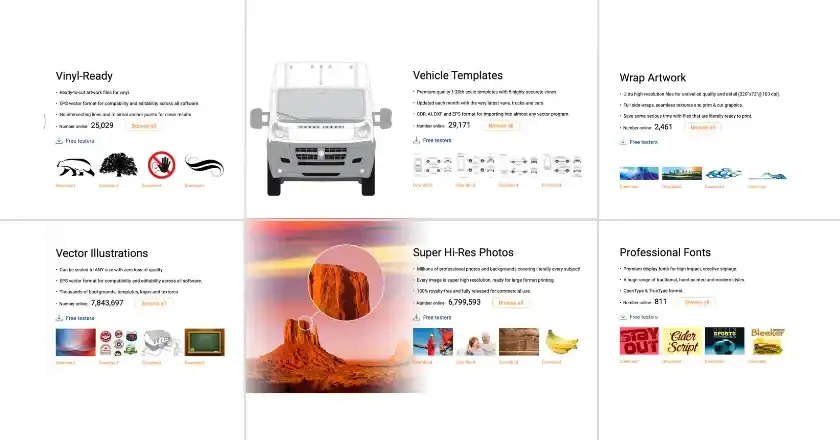
The global stock photography market, currently valued at approximately $4 billion and projected to grow steadily through the end of the decade, has become the backbone of modern digital marketing, publishing, and software development. However, as the volume of available content increases, so does the complexity of the legal frameworks governing its use. To address a growing knowledge gap that leaves many businesses vulnerable to litigation, Stock Photo Secrets has launched a comprehensive video guide series specifically designed to demystify the nuances of Extended Licenses. This initiative arrives at a critical juncture when the line between digital consumption and commercial merchandising has become increasingly blurred, necessitating a clearer understanding of the contractual obligations between creators and end-users.
The Landscape of Modern Stock Licensing
In the early days of stock photography, licensing was primarily divided between Rights-Managed (RM) and Royalty-Free (RF) models. The shift toward the microstock model in the early 2000s popularized the Standard Royalty-Free license, which offered an affordable, "one-size-fits-all" solution for small-scale digital use. However, as the creator economy expanded into physical merchandising and high-volume publishing, the limitations of standard licenses became a significant point of legal friction.
Standard licenses are generally restricted to what the industry calls "editorial" or "promotional" use. This includes blog posts, social media content, and internal business presentations where the image itself is not the product being sold. The newly released video series highlights that the transition to an Extended License is not merely a pricing tier but a legal necessity triggered by specific commercial milestones. These milestones include exceeding print run limits, using images on products intended for resale, and integrating images into redistributable software templates.
A Chronology of Licensing Evolution and Risk
The need for this educational series is underscored by a decade of increasing copyright enforcement. In the mid-2010s, stock photo agencies began utilizing sophisticated reverse-image search algorithms and automated legal "bots" to identify unlicensed or improperly licensed imagery across the web. This technological shift meant that accidental infringement, which previously might have gone unnoticed, began resulting in immediate demand letters and statutory damages that could reach up to $150,000 per infringement under U.S. copyright law.
As businesses moved from simple websites to complex e-commerce platforms and mobile applications, the "standard" usage of an image evolved. A company might download an image for a blog post (Standard License) but later decide to print that same image on a limited-run promotional t-shirt. Without an upgrade to an Extended License, that t-shirt becomes a liability. The Stock Photo Secrets video series provides a chronological look at how a project’s lifecycle can inadvertently cross these legal boundaries, offering a roadmap for compliance at each stage of business growth.
Module 1: The Standard vs. Extended Divide
The first installment of the guide establishes the baseline. Industry data suggests that nearly 70% of copyright disputes in the stock industry arise from a misunderstanding of the "Merchandise for Resale" clause. A standard license typically permits the use of an image in an advertisement (where the image helps sell a service), but it strictly prohibits the use of an image on a product where the image is the primary reason for the purchase (such as a poster or a greeting card).

The video guide explains that an Extended License "extends" the permissions of the original Royalty-Free agreement. While it does not grant ownership—the original photographer or agency retains the copyright—it removes the most restrictive barriers regarding how the image contributes to a company’s revenue stream.
Module 2: Digital Infrastructure, Apps, and Templates
A significant portion of the new series is dedicated to developers and UI/UX designers. In the modern software-as-a-service (SaaS) environment, the use of stock imagery in website templates or mobile app themes is common. However, standard licenses explicitly forbid the "redistribution" of the image file.
If a designer creates a WordPress theme that includes a stock photo and sells that theme to 1,000 customers, they are essentially "selling" the image 1,000 times. This is a direct violation of standard terms. The video guide details how the Extended License serves as a bridge, allowing developers to legally embed high-quality imagery into products that are subsequently used by third parties. This module is particularly relevant as the global template market continues to expand, driven by platforms like Envato and Creative Market.
Module 3: The Mechanics of Physical Resale
The most frequent trigger for an Extended License is the creation of physical goods. The series provides a granular analysis of what constitutes "merchandise." This includes:
- Apparel: T-shirts, hoodies, and hats where the image is a central design element.
- Homeware: Mugs, pillows, and wall art.
- Packaging: Commercial product packaging that will be distributed at scale.
The guide clarifies a common misconception: the "Limited Run" myth. Many creators believe that if they only sell 50 t-shirts, a standard license is sufficient. The video series corrects this, noting that for most major agencies, the intent to sell a product makes the license type mandatory, regardless of the quantity sold.
Module 4: High-Volume Publishing and Print Caps
For the publishing industry, the Extended License is often triggered by the "500,000 rule." Most standard licenses across major agencies like Getty Images, Shutterstock, and Adobe Stock place a hard cap on physical reproductions. Once a book, magazine, or brochure exceeds 500,000 copies, the standard license is exhausted.
The Stock Photo Secrets series provides data-backed advice for authors and indie publishers who may start with a small print run but find unexpected success. The guide explains the "proactive upgrade" strategy, where businesses monitor sales milestones to ensure they acquire an Extended License before crossing the half-million mark, thereby avoiding a breach of contract that could lead to a forced recall of printed materials.

Analysis of Economic Implications and Compliance
From a business perspective, the cost of an Extended License—which can range from $50 to $100 per image—is often viewed as a hurdle. However, the video series argues that this should be viewed as "compliance insurance." When compared to the cost of a legal settlement or the rebranding of a product line, the investment in proper licensing is marginal.
Furthermore, the series highlights an emerging trend in the stock industry: the "Multi-Seat" license. As remote teams become the norm, an Extended License often includes provisions for multiple users within an organization to access and edit the file, a feature that is increasingly necessary for global marketing departments.
Industry Responses and Expert Perspectives
While the video series is a production of Stock Photo Secrets, it reflects a broader industry push toward transparency. Legal consultants in the intellectual property space have long called for clearer documentation from stock agencies. Inferred reactions from industry experts suggest that the complexity of EULAs (End User License Agreements) has been a leading cause of "copyright trolling," where entities buy up copyrights specifically to sue small businesses for minor licensing errors.
By providing a visual and easy-to-digest format, the guide series empowers creators to take control of their legal standing. "The goal is not to scare creators," the series suggests, "but to provide them with the armor they need to scale their businesses without the fear of a sudden legal shut-down."
Broader Impact and the Future of Imagery
As Artificial Intelligence (AI) begins to generate imagery, the conversation around licensing is shifting again. However, the foundational principles of the Extended License remain relevant. Even AI-generated images often come with tiered usage rights depending on the platform’s terms of service. The Stock Photo Secrets video series establishes a framework of thinking about "image utility" that will likely apply to the next generation of visual media.
In conclusion, the "Understanding Extended Licenses for Images" series serves as an essential resource for the modern digital economy. By breaking down complex legal jargon into actionable business intelligence, it ensures that creativity and commerce can coexist without the looming threat of litigation. For businesses looking to protect their brand equity and for creators aiming to build sustainable products, these guides offer a definitive path toward full legal compliance in an increasingly litigious digital world.