The Landscape of Vehicle Branding and Design
Vehicle wrapping has evolved from simple door decals to full-body transformations that serve as mobile billboards. According to industry market research, the vehicle wrap market is projected to expand at a compound annual growth rate (CAGR) of over 13% through 2030. This growth is driven by the high return on investment (ROI) offered by mobile advertising; a single wrapped vehicle can generate between 30,000 and 70,000 impressions daily depending on the region.
Adobe Illustrator remains the industry-standard software for these designs due to its vector-based environment. Unlike raster images, vector graphics can be scaled to the size of a commercial van or a semi-trailer without losing resolution. This technical necessity makes the availability of accurate ".ai" or ".eps" templates the foundation of any wrap project. For beginners, the allure of "free" is significant, providing a low-risk environment to learn the nuances of compound curves, door handles, and fuel ports.
The Technical Reality of Free Assets
The search for free templates often leads designers to community forums, legacy design blogs, or scattered repositories. While these files can be useful for conceptual practice, they present several operational risks for commercial sign shops:
- Accuracy and Model Variance: Vehicle manufacturers frequently update body styles. A template for a 2021 Ford Transit may not account for subtle changes in the 2024 model’s trim or sensor placement. In the wrap industry, a discrepancy of even a few millimeters can lead to "ghosting" or misaligned graphics, potentially wasting thousands of dollars in high-performance vinyl.
- File Integrity: Free downloads are often user-submitted and may lack the standardized layering required for professional production. Professional templates typically include separate layers for body lines, dimensions, and safety zones, which are essential for a clean "print-to-cut" workflow.
- Licensing Ambiguity: Commercial wrap projects require clear usage rights. Many free templates exist in a legal gray area, lacking the explicit commercial licenses needed to protect a sign shop if a legal dispute regarding intellectual property arises.
The Role of Professional Libraries: SignSilo as a Case Study
As design firms scale, the "cost" of free templates—measured in time spent verifying accuracy and fixing file errors—often exceeds the price of a professional subscription. This is where platforms like SignSilo have positioned themselves as essential infrastructure for the sign and graphics industry.
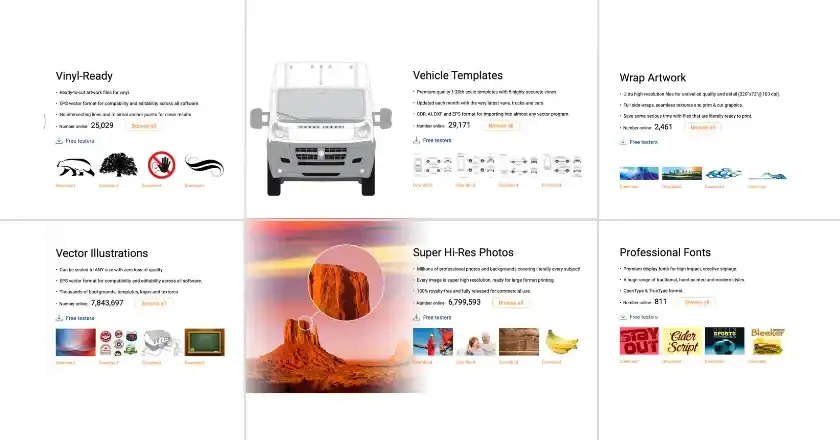
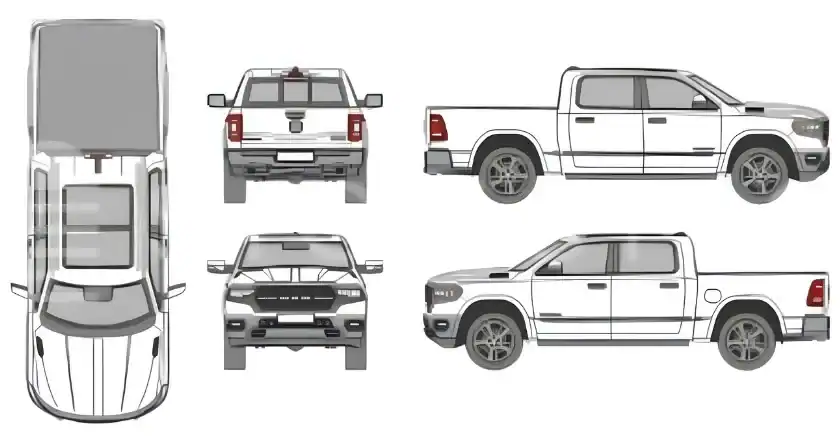
SignSilo provides a centrally managed catalog of vehicle templates designed specifically for vector software like Adobe Illustrator, CorelDRAW, and various CAD programs (DXF/EPS). Unlike scattered free resources, professional libraries are characterized by their currency. When a manufacturer releases a new vehicle model, these platforms prioritize the creation of a corresponding template, ensuring that designers have access to the latest geometries before the vehicles even hit the showroom floor.

Beyond simple outlines, these professional services offer a "total asset" approach. A membership often includes access to high-resolution stock photography, vinyl-ready vector illustrations, and specialized fonts. This consolidation allows a designer to move from a blank template to a client-ready proof within a single ecosystem, significantly reducing the "discovery time" associated with free resources.
Chronology of a Professional Wrap Workflow
To understand why the industry is moving toward professional subscriptions, one must examine the chronology of a typical wrap project:
- Phase 1: Client Consultation and Model Identification: The designer identifies the exact make, model, year, and trim of the vehicle.
- Phase 2: Template Acquisition: While a beginner might spend 45 minutes searching for a free version of a 2023 Sprinter van template, a professional subscriber downloads a verified file in seconds.
- Phase 3: Design and Layout: Using Illustrator, the designer overlays graphics on the template. Professional templates include "bleed" areas and "no-go" zones (like door handles or deep recesses) that are rarely present in free files.
- Phase 4: Client Approval and Mockup: High-quality templates allow for realistic 2D or 3D mockups, which are essential for closing sales with high-value clients.
- Phase 5: Production and Installation: The vector file is sent to a large-format printer. Because the template is accurate, the installer finds that the printed panels line up perfectly with the physical vehicle’s features.
Economic Analysis: The ROI of Precision
The shift from free to professional tools is supported by clear economic data. A standard full-vehicle wrap for a commercial van can cost between $2,500 and $5,000. The cost of the vinyl material alone—premium brands like 3M or Avery Dennison—can range from $500 to $1,000 per vehicle.
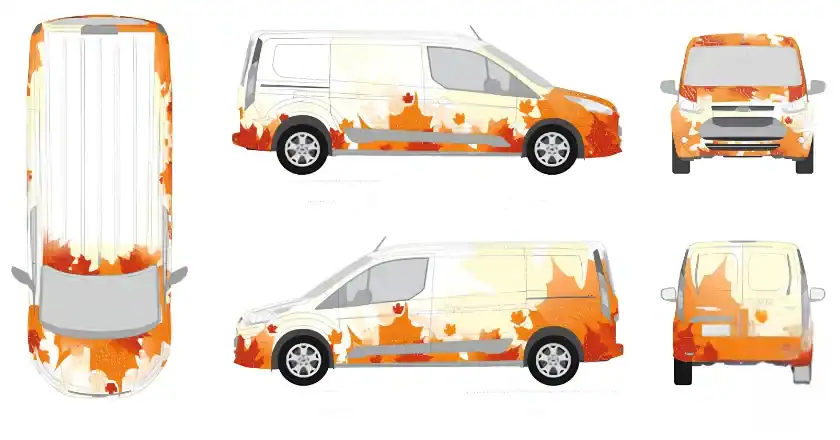
If a designer uses an inaccurate free template and the print does not fit the vehicle, the "re-do" costs include not only the wasted material but also the labor hours for removal and re-installation. Industry observers note that a professional template subscription, which might cost a few hundred dollars a year, pays for itself the moment it prevents a single misprint. For a shop producing 50 wraps a year, the time saved in asset searching alone can equate to dozens of billable hours returned to the business.
Industry Reactions and Expert Perspectives
Designers who have transitioned to professional libraries often cite "peace of mind" as the primary benefit. Lead designers in the sign industry suggest that the "professionalization" of a shop’s toolkit is a signal to clients of reliability.
"When we were using free files, we were always nervous during the first hour of installation," notes one independent shop owner. "Switching to a maintained library like SignSilo changed the culture of our prepress department. We stopped ‘hoping’ it would fit and started ‘knowing’ it would."
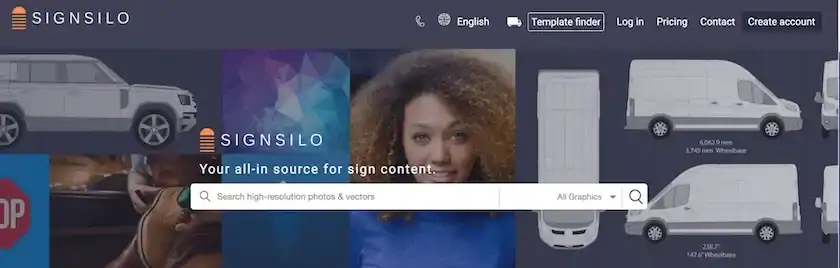
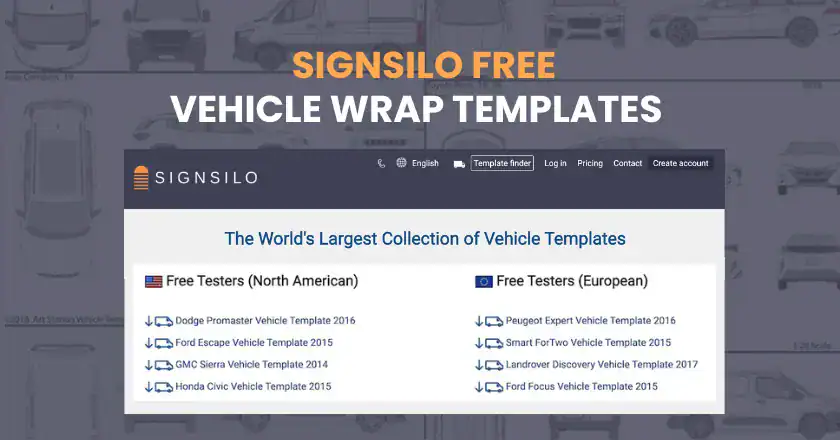
Furthermore, platforms like SignSilo offer "free testers" or sample templates. This strategy allows designers to bridge the gap between free and professional by testing the quality of a premium file without an upfront financial commitment. This "freemium" model has been credited with raising the overall quality of work in the freelance design community.
Broader Implications and Legal Compliance
The move toward licensed libraries also reflects a broader trend in the creative industries toward legal compliance and brand integrity. In an era of strict copyright enforcement, businesses cannot afford to use assets with questionable origins. Professional libraries provide a "paper trail" of licensing that protects both the designer and the end client.
Moreover, as vehicle technology advances—incorporating more external sensors, cameras, and aerodynamic features—the complexity of wrap design will only increase. This suggests that the era of the "amateur-created free template" may be drawing to a close, replaced by a sophisticated industry of technical illustrators who provide the precision blueprints required for modern automotive branding.
Conclusion: The Path to Scalability
The narrative of "starting free and going professional" is a microcosm of the wider digital economy. Free resources serve as the democratization layer, allowing anyone with a copy of Adobe Illustrator to experiment with vehicle branding. However, as these experiments turn into commercial contracts, the requirements of accuracy, speed, and legal security necessitate a move toward professional services.
Platforms like SignSilo are not merely selling files; they are selling a reduction in risk. In a high-margin, high-visibility industry like vehicle wrapping, the reliability of a template is the difference between a successful mobile marketing campaign and a costly production failure. As the industry continues to grow, the reliance on verified, professional-grade vector assets will remain the hallmark of the professional wrap designer.