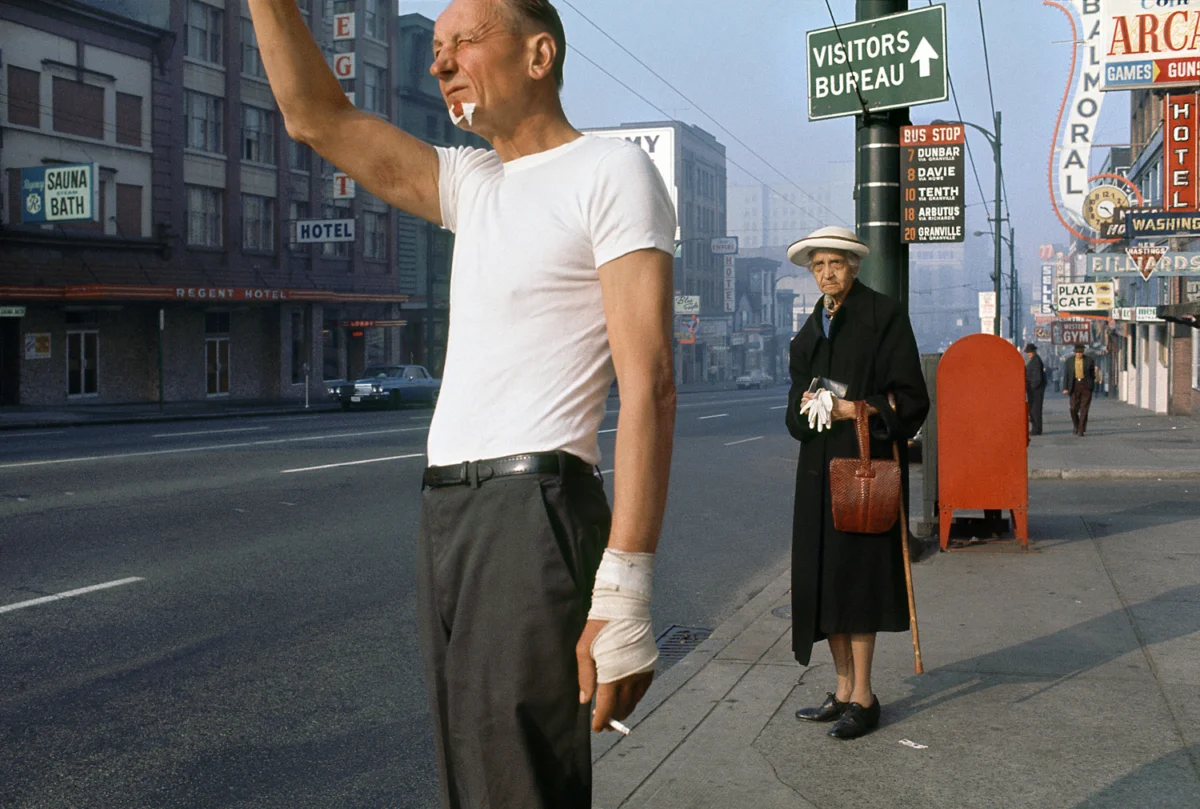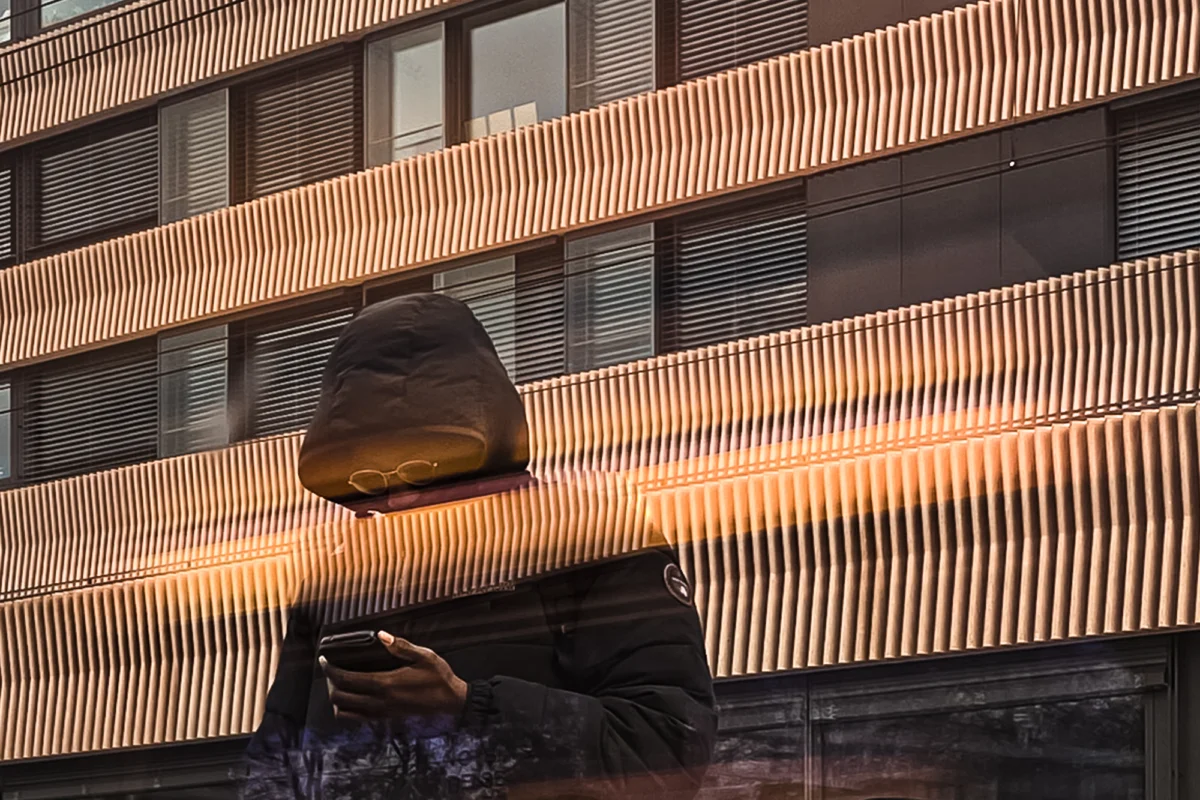
The digital age has ushered in a transformative era for photography, particularly for the dynamic and often fleeting genre of street photography. In recent years, a prominent trend has emerged on social media platforms, most notably Instagram, where photographers are increasingly augmenting their still images with accompanying music. This practice has sparked a nuanced debate within the photography community: does the addition of music enhance or detract from the inherent power and intended meaning of a photograph, especially within the context of street photography?
The Rise of the Augmented Image: Music as an Emotional Amplifier
The practice of pairing still images with audio, while not entirely novel in broader media, has been significantly popularized by the immersive, short-form content ecosystem of platforms like Instagram. This trend appears to have originated or at least gained significant traction with the platform’s introduction of music features, allowing users to select tracks from a vast library to accompany their photo and video posts.
Proponents of this approach argue that music serves as a potent tool for immediate engagement and emotional resonance. In the fast-paced digital landscape, where attention spans are increasingly fragmented, music can act as a powerful magnet, compelling viewers to pause and absorb the content. The choice of music—whether upbeat, nostalgic, dramatic, or serene—instantly sets a mood, fostering an emotional connection that visuals alone might take longer to establish. This echoes the long-standing cinematic practice where carefully curated soundtracks have been instrumental in shaping audience perception and emotional response for decades.
Furthermore, music can significantly amplify the narrative potential of a street photograph. A simple still image, when paired with a resonant melody, can convey a depth of feeling and meaning that transcends its visual components. This is particularly valuable for creators aiming to communicate complex emotions or evoke a specific atmosphere. For brands and influencers, the strategic use of music can reinforce brand identity and tone, making content more memorable and recognizable. The integration of trending audio also offers a potential boost in discoverability, as platform algorithms often prioritize content that utilizes popular or viral tracks, thereby increasing reach and engagement.
Beyond algorithmic advantages, the addition of music can also contribute to a more human and relatable presentation of street photography. It offers a glimpse into the photographer’s personal taste, cultural influences, and emotional state at the moment of capture or curation. This subjective layer can foster stronger connections between creators and their audiences, transforming passive viewing into a more interactive and personalized experience. Whether it’s a beloved personal anthem, a trending soundbite, or a subtle instrumental piece, music can imbue posts with added depth, energy, and a distinct personality, making the content feel more alive and engaging. Ultimately, this transformation shifts the viewing experience from a purely visual encounter to one that is felt, making digital platforms more dynamic and emotionally resonant. The hypothesis is even posited that a strong affinity for the accompanying music might subconsciously influence a viewer’s inclination to "like" the accompanying image.

The Enduring Power of the Unadorned Image: Visual Purity in Street Photography
Conversely, a significant segment of the photography community maintains that a truly compelling photograph possesses an intrinsic power that requires no external embellishment. The strength of a great street photograph, they argue, lies in its stillness, its self-contained narrative, and its ability to communicate profound meaning through visual elements alone. Strong composition, masterful use of light and shadow, vibrant color palettes, and the capture of candid human emotion, humor, or ambiguity can speak volumes without the need for added auditory layers.
When a street photograph is exceptionally potent, it invites viewers to pause, interpret, and connect with its essence on their own terms. The introduction of music, in this view, can sometimes dilute this quiet impact, potentially steering the viewer’s emotional response in a direction that the photograph was not intended to convey. Music, by dictating a specific emotional tone, can inadvertently narrow the interpretive possibilities that a photograph offers.
The absence of sound in photography is often seen as a deliberate invitation to the viewer’s imagination. Without explicit auditory cues, individuals project their own memories, moods, and personal interpretations onto the image, fostering a more intimate and unique viewing experience. Silence, in this context, becomes an integral part of the storytelling, allowing for a deeper, more personal engagement.
Furthermore, a strong photograph possesses a timeless quality that transcends fleeting trends and platform-specific features. While music trends can evolve rapidly and potentially date an image, a visually powerful photograph can retain its impact across different contexts, platforms, and generations. Relying on visual integrity alone demonstrates a profound confidence in the photographic craft and a respect for the viewer’s ability to engage with and interpret visual information independently. In essence, music should serve to enhance content, not to compensate for any perceived shortcomings. When a photograph is already rich in emotional content and visually complete, the addition of music becomes an optional stylistic choice rather than a necessity.
The Subjective Impact: How Music Alters Perception
The question of whether viewing a street photograph with and without music enhances or diminishes its meaning and context is a complex one, largely dependent on the photographer’s intent and the viewer’s receptiveness. Music acts as a powerful emotional guide, capable of intensifying specific feelings, suggesting a narrative, or framing the image within a particular interpretive lens. When a photograph is accompanied by music, it can indeed feel more cinematic or dramatic, subtly directing the viewer toward a predetermined emotional response. This can heighten the immediate emotional impact, but it also risks curtailing the breadth of meanings that a viewer might otherwise discover.
Conversely, a photograph presented without music relies entirely on its visual components: composition, subject matter, lighting, and the captured human expression. This unadorned presentation allows for a greater degree of openness and individual interpretation. Viewers are encouraged to bring their own emotional baggage, personal memories, and existing assumptions to the viewing experience, leading to a potentially more varied and deeply personal connection with the artwork. The meaning, in this scenario, becomes less prescribed and more reflective, often evolving into a quiet, contemplative understanding.

The ultimate impact of music on a photograph’s meaning is contingent upon the specific artistic goals. If the primary objective is to craft a specific narrative or evoke a particular mood with immediacy, then music can undoubtedly enhance the context and engagement. However, if the photographer’s aim is to preserve ambiguity, achieve timelessness, or champion the purity of the visual composition, then music might indeed dilute the photograph’s independent voice and inherent power.
It is also pertinent to consider the historical context of street photography. Masters of the genre such as Joel Meyerowitz, Martin Parr, Robert Frank, Vivian Maier, Bruce Gilden, Henri Cartier-Bresson, and Elliott Erwitt, whose works are celebrated for their profound visual storytelling, have historically presented their images without any accompanying music. Their photographs have resonated with audiences for decades, demonstrating the enduring power of visual narrative in its purest form. A cursory examination of their extensive bodies of work and exhibitions reveals a consistent adherence to the silent, unadorned photograph.
The prevalence of music in contemporary social media presentations raises questions about its necessity in formal exhibitions. Typically, photography galleries and museums present their exhibitions in silence, allowing the visual art to command the viewer’s sole attention. This practice underscores a long-held tradition that emphasizes the standalone power of the photographic image.
A Personal Choice in a Digital Landscape
Ultimately, the decision to incorporate music into the presentation of street photography or any visual art form is a personal one, deeply rooted in subjective artistic intent and platform utilization. The digital landscape, particularly social media, has introduced new possibilities for creative expression, and the integration of music is a significant development within this evolving paradigm.
While the arguments for and against adding music are compelling on both sides, the debate highlights a fundamental divergence in artistic philosophy. One perspective champions the enhancement of emotional resonance and narrative through multi-sensory engagement, while the other champions the enduring power of visual storytelling in its most distilled and independent form.
For many established and critically acclaimed photographers, the intrinsic visual merit of their work has historically been sufficient to convey meaning and evoke emotion. However, for contemporary creators navigating the demands of digital platforms and seeking to capture fleeting online attention, music offers a readily accessible tool to amplify their message and connect with a wider audience. The ongoing dialogue surrounding this practice reflects the dynamic nature of art in the digital age and the continuous exploration of new avenues for creative expression and viewer engagement. The question of whether music enhances or diminishes a photograph’s impact remains a subjective one, dependent on individual artistic goals and the specific context of its presentation. The evolving landscape of digital media suggests that this debate will continue as creators seek innovative ways to tell their stories.