The traditional understanding of photography often prioritizes the moment of exposure—the "decisive moment" popularized by Henri Cartier-Bresson—yet a growing movement of analog practitioners argues that a photograph is not truly realized until it undergoes what is termed a "second birth." This concept, which posits that the development and subsequent interpretation of film are more significant than the initial capture, has recently been highlighted through a documentary project at the Royal Hobart Hospital. By utilizing vintage analog equipment to record the first seven days of a newborn’s life, photographers are challenging the immediacy of digital media and exploring the emotional weight of delayed gratification.
The Dual-Phase Evolution of Analog Imagery
In the context of film photography, the "first birth" occurs at the moment the shutter is fired. Light reflected from physical objects passes through the lens elements and an aperture, chemically engraving an image onto a light-sensitive emulsion. While this stage is foundational, it remains incomplete. The "second birth" occurs during the development and scanning process, which may take place days, weeks, or even months after the initial event.
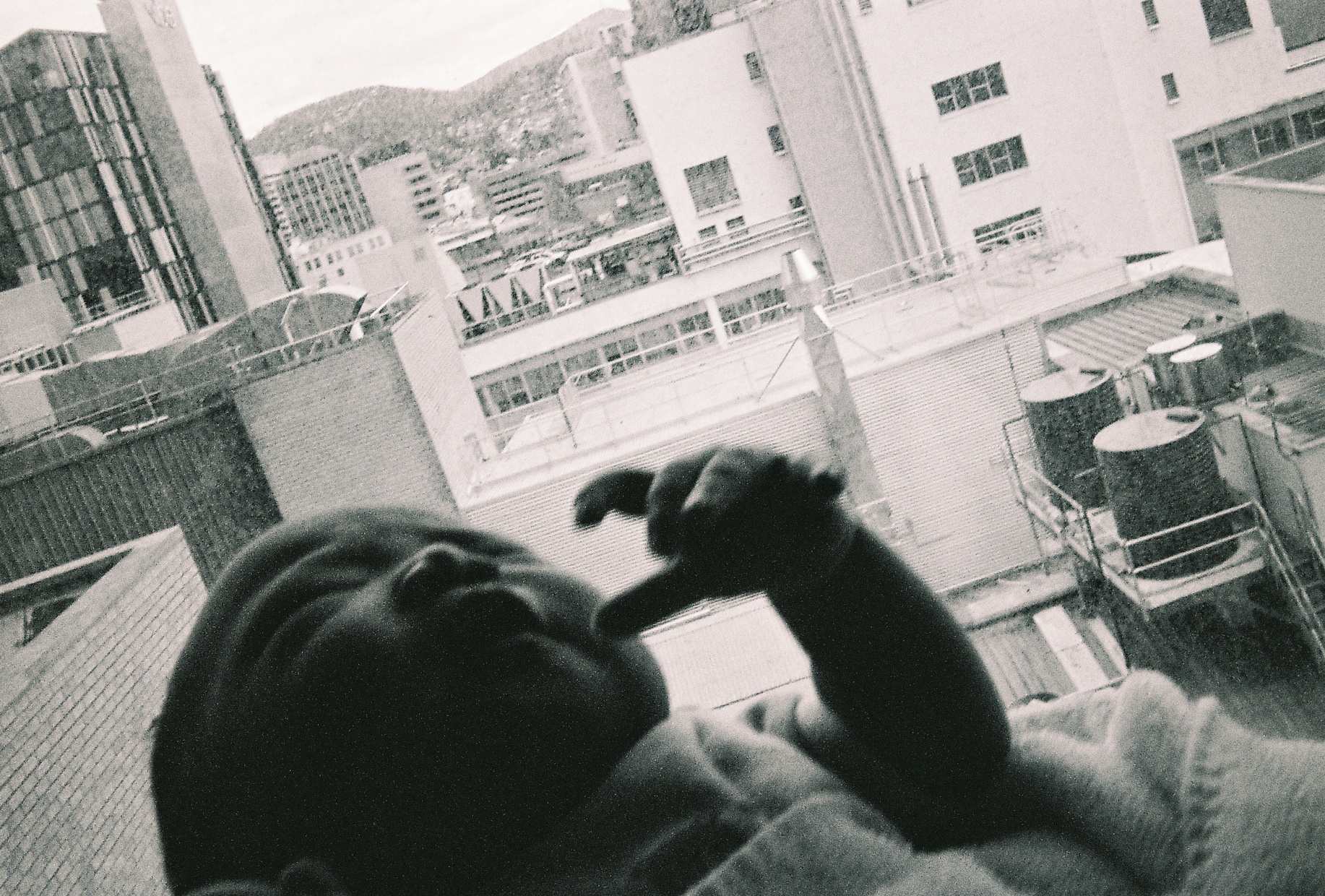
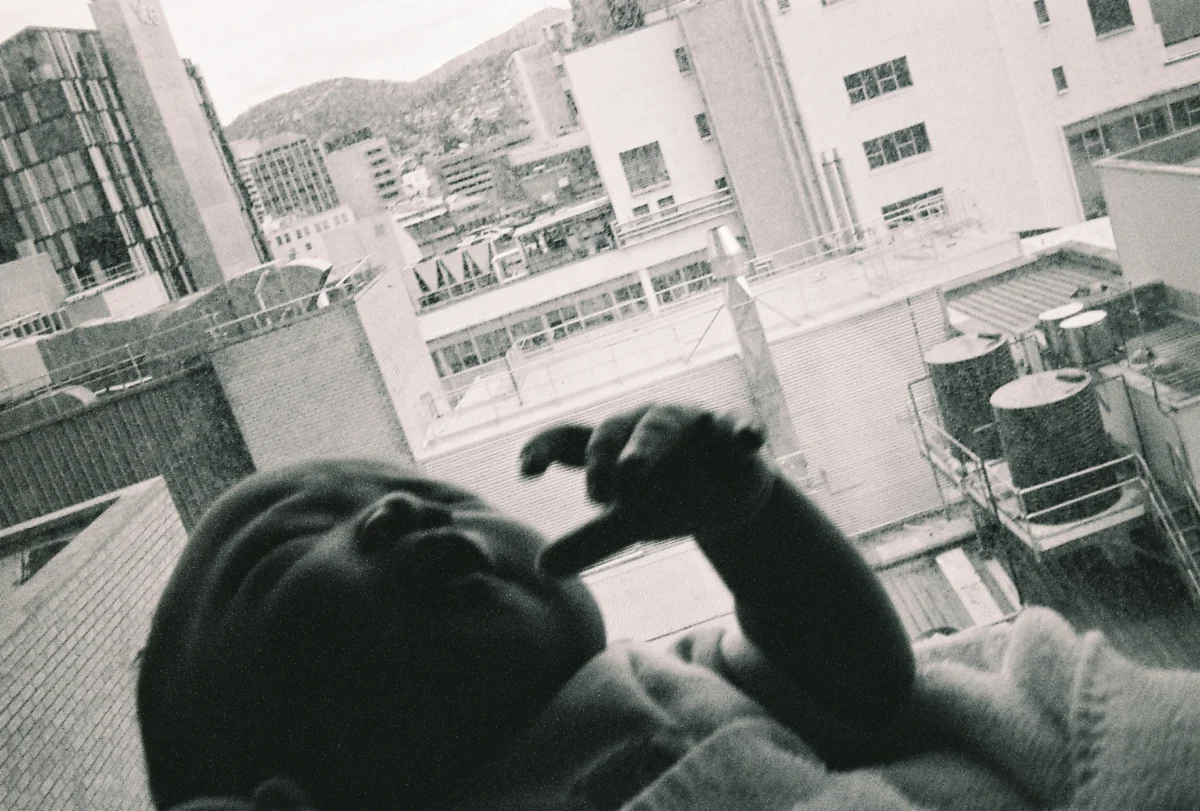
This temporal gap is frequently cited as a disadvantage of the analog medium. Unlike digital photography, where a Liquid Crystal Display (LCD) provides instant feedback, film requires a period of uncertainty. However, proponents of the "second birth" philosophy suggest that this delay is the medium’s greatest strength. It allows for a transition from the "descriptive" nature of photography—recording what happened—to an "emotional" interpretation—recording how the event felt. During the second birth, frames that were technically flawed, such as those with incorrect exposures or awkward compositions, are often rediscovered for their atmospheric qualities and emotional resonance.
Case Study: Documenting the Neonatal Period at Royal Hobart Hospital
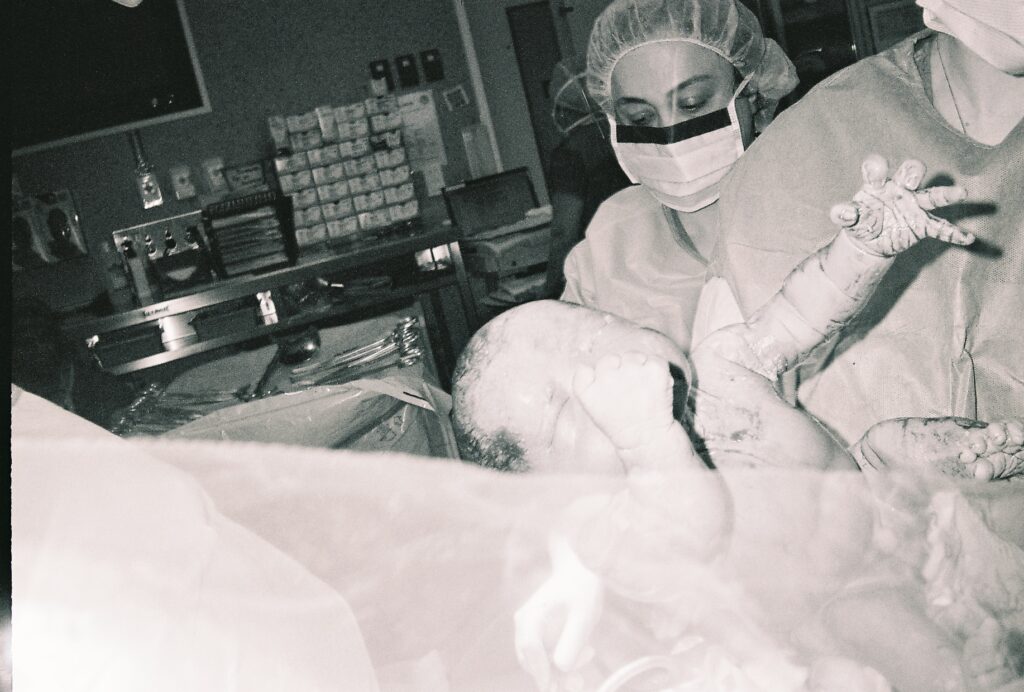
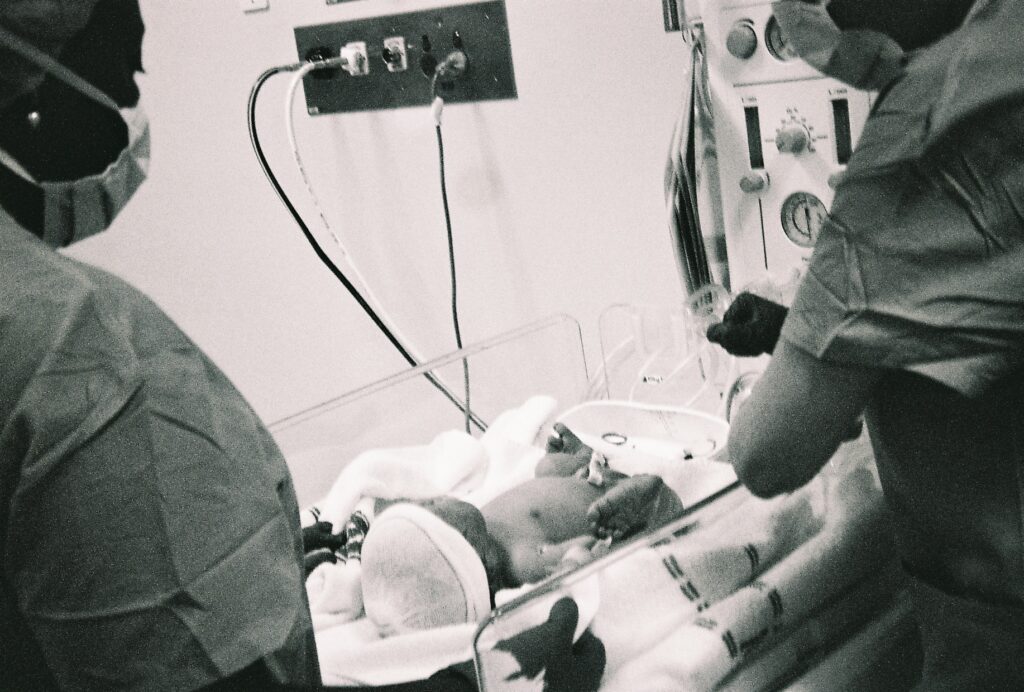
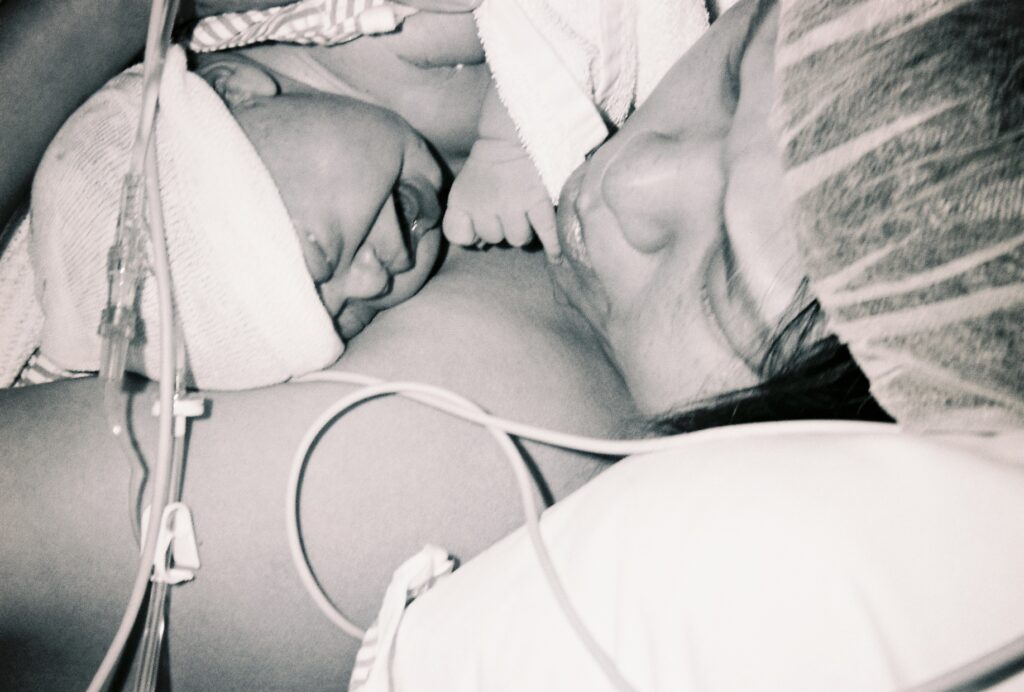
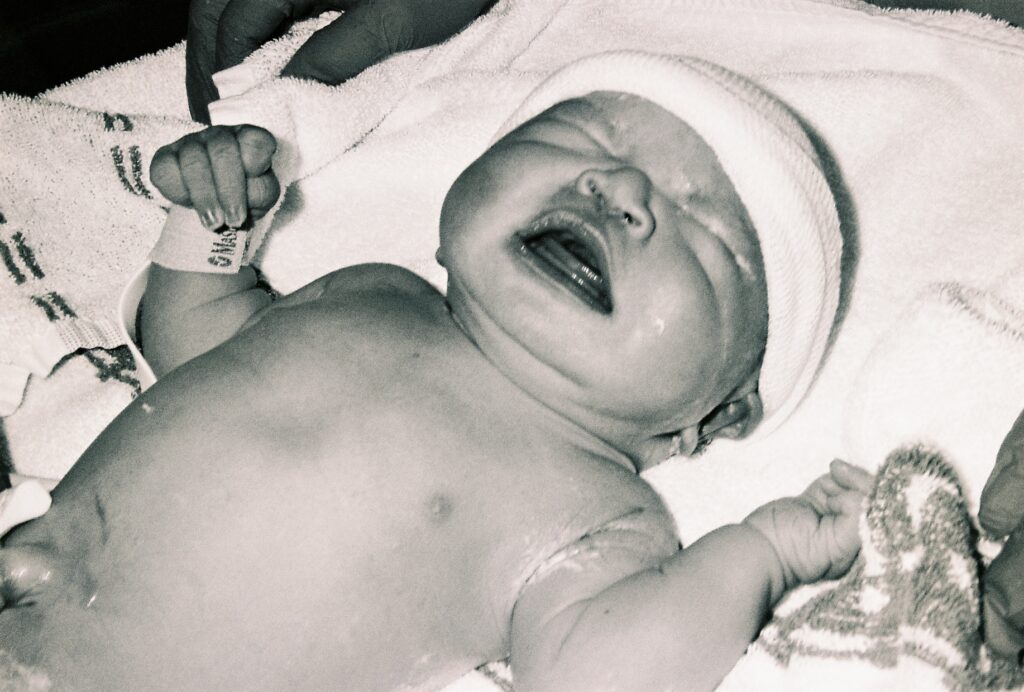
A recent documentary project involving the birth of Anastasia Omomuro at the Royal Hobart Hospital serves as a primary example of this philosophical approach. The documentation covered the critical period from the first seconds of life in the operating room through the first seven days of the neonatal experience.
The Royal Hobart Hospital (RHH), Tasmania’s largest hospital and the major referral center for the state, provided the clinical setting for the project. The facility, which manages high-risk pregnancies and neonatal intensive care, requires strict adherence to medical protocols. The documentary process was facilitated by the professionalism and cooperation of the RHH obstetricians and support staff, who allowed the presence of analog equipment in the operating theater to capture the safe arrival of the subject.
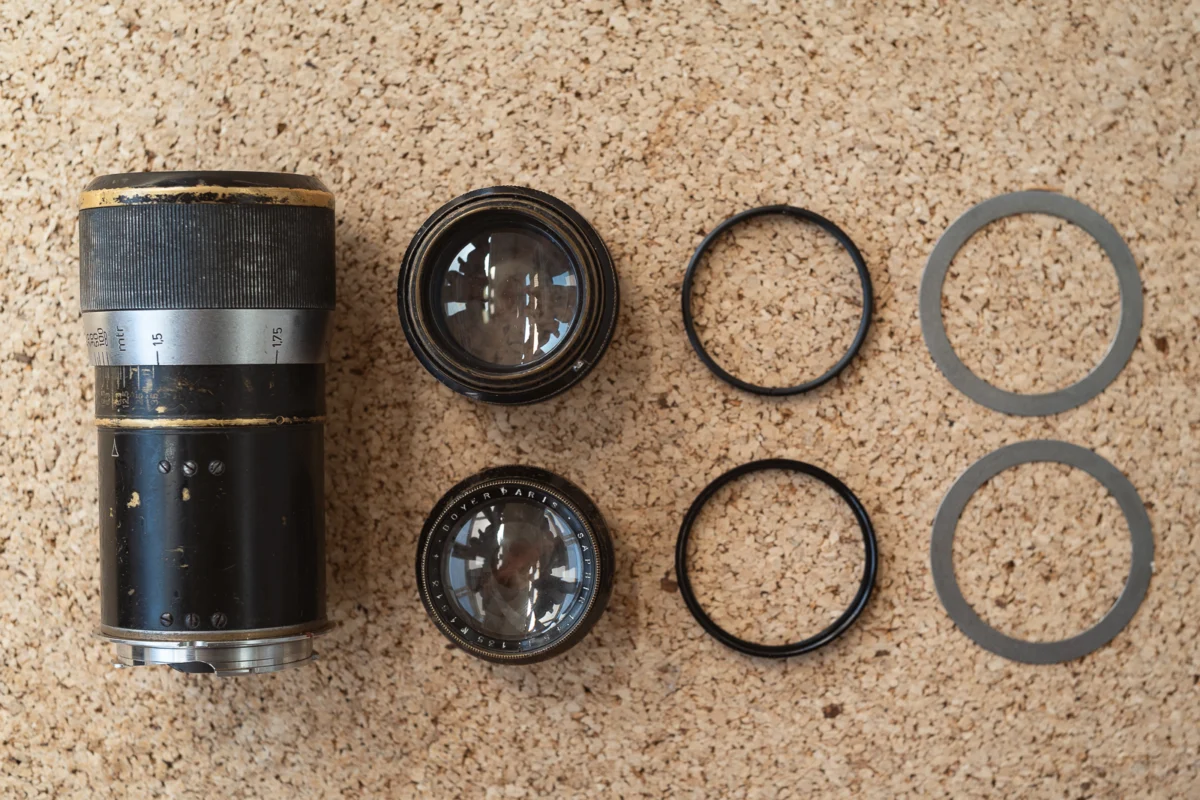
The choice of equipment for this documentary was unconventional: the Minolta Weathermatic Dual 35. This 1987-era underwater toy camera, known for its rugged yellow plastic casing and dual focal lengths (35mm and 50mm), was used to navigate the sterile and high-stakes environment of the operating room. The use of a "toy" camera in a serious clinical setting highlights a deliberate move away from technical perfection toward a focus on raw emotional narrative.
Technical Constraints and the Role of Unpredictability
The Minolta Weathermatic Dual 35 represents a specific era of consumer electronics where simplicity was prioritized over manual control. For a journalist or documentary photographer, using such a device involves a significant relinquishing of control. The camera features a basic autofocus system and an integrated flash, with limited override options.
In a professional documentary setting, this lack of control usually presents a risk. However, the "second birth" theory suggests that the "emotional sensor" of the photographer is better served by the unpredictability of the medium. When documenting a birth—a one-time event with no possibility of a "second take"—the instinct is often to over-prepare and over-capture. In the digital realm, a frame that does not perfectly reflect the original intent is often deleted seconds after its "first birth" to save space or reduce clutter. In contrast, the film frames from the Royal Hobart Hospital project remained dormant until development, allowing the photographer to judge them not by their technical accuracy, but by their ability to evoke the memory of the event.
Data and Trends: The Global Resurgence of Analog Film
The use of film in documenting significant life events is part of a broader global trend. Despite the ubiquity of high-resolution smartphone cameras, the analog film market has seen a sustained resurgence over the last decade.
- Market Growth: According to industry reports from Kodak Alaris and Fujifilm, demand for 35mm and 120-format film has increased by approximately 5% to 10% annually since 2015. This growth has occurred despite significant price increases for raw materials and processing.
- Demographic Shifts: Data suggests that the primary drivers of this resurgence are "digital natives"—individuals aged 18 to 35 who did not grow up using film as their primary medium. This demographic cites "tactility," "slower pace," and "authentic imperfection" as the primary reasons for choosing analog over digital.
- The "Second Birth" Appeal: Social media platforms like Instagram and TikTok have seen a surge in "film reveal" content, where users document the process of picking up developed rolls from laboratories. This confirms the cultural value placed on the "second birth" or the moment of discovery.
Clinical Documentation and the Ethics of the Operating Room
The documentation of medical procedures, particularly births, involves complex ethical considerations. The Royal Hobart Hospital maintains strict privacy and safety standards to protect both patients and staff. The success of the Anastasia Omomuro documentary highlights a successful integration of artistic documentation within a clinical framework.
Medical professionals at the RHH provided the necessary access, ensuring that the documentation did not interfere with the primary goal of maternal and neonatal safety. This collaboration underscores a growing recognition of the importance of "narrative medicine"—the practice of using storytelling and documentation to humanize the clinical experience. By capturing the first seven days of life on film, the project creates a tangible historical record that serves as a counter-narrative to the sterile, data-driven records typically found in hospital charts.
Analysis: From Descriptive to Emotional Storytelling
The shift from the "first birth" to the "second birth" represents a fundamental change in the intent of photography. Historically, photography was viewed as a tool for objective truth—a way to describe the world exactly as it appeared. However, the rise of AI-generated imagery and hyper-processed digital photos has led to a "crisis of truth" in the medium.
In this landscape, the "second birth" of film offers a form of subjective truth. When a photographer looks at a frame months later and finds that a "wrong" exposure actually captures the "mood" of a hospital room better than a perfectly lit digital shot, they are engaging in a form of emotional curation.
For the documentary of Anastasia, the "journalist instinct" to anticipate every moment and plan every composition was secondary to the realization that the film would eventually reveal its own story. This approach reduces the pressure on the photographer to be a perfect recording machine and allows them to be a witness. The "second birth" allows the photographer to accept the imperfections of the first birth, knowing that the final value of the work will be determined by how it feels, rather than how it looks.
Broader Implications and Conclusions
The documentation of the first week of life at Royal Hobart Hospital serves as a microcosm for the enduring relevance of analog media in an increasingly digital world. The concept of the "second birth" provides a framework for understanding why people continue to use "outdated" technology to record their most precious moments.
By choosing a medium that requires patience and allows for error, photographers are able to capture a version of reality that is more aligned with human memory than digital perfection. Memory is often blurry, selective, and emotionally charged; film, through its "second birth," mirrors these qualities.
As the industry continues to evolve, the distinction between "taking a photo" and "making a photograph" becomes clearer. The "first birth" is the act of taking; the "second birth" is the act of making. In the halls of the Royal Hobart Hospital, the birth of a child was matched by the birth of a narrative—one that will only continue to gain meaning as the film ages and the subject grows. This project reaffirms that in the age of instant gratification, there is still profound value in the wait, the discovery, and the emotional resonance of a life captured on silver halide.