The coastal town of Balchik, long celebrated as a sanctuary of historical significance and natural beauty on Bulgaria’s Black Sea shore, is currently navigating a complex period of economic transition and social uncertainty. Known colloquially as the "White City" due to its distinctive limestone cliffs, Balchik has historically relied on its unique blend of cultural heritage and quietude to attract a specific demographic of domestic and international visitors. However, recent field observations and economic data suggest that the town is facing a burgeoning crisis characterized by rising operational costs, a decline in traditional tourism, and the gradual erosion of the small-business infrastructure that defines its local character.
Historical Context and the Legacy of Queen Marie
The modern identity of Balchik is inextricably linked to the early 20th century, a period during which the town transitioned from a modest fishing village into a site of royal interest. Following the Second Balkan War and the subsequent Treaty of Bucharest in 1913, the region of Southern Dobruja, including Balchik, was ceded from Bulgaria to the Kingdom of Romania. It was during this Romanian administration that Queen Marie of Romania first encountered the settlement in the early 1920s.
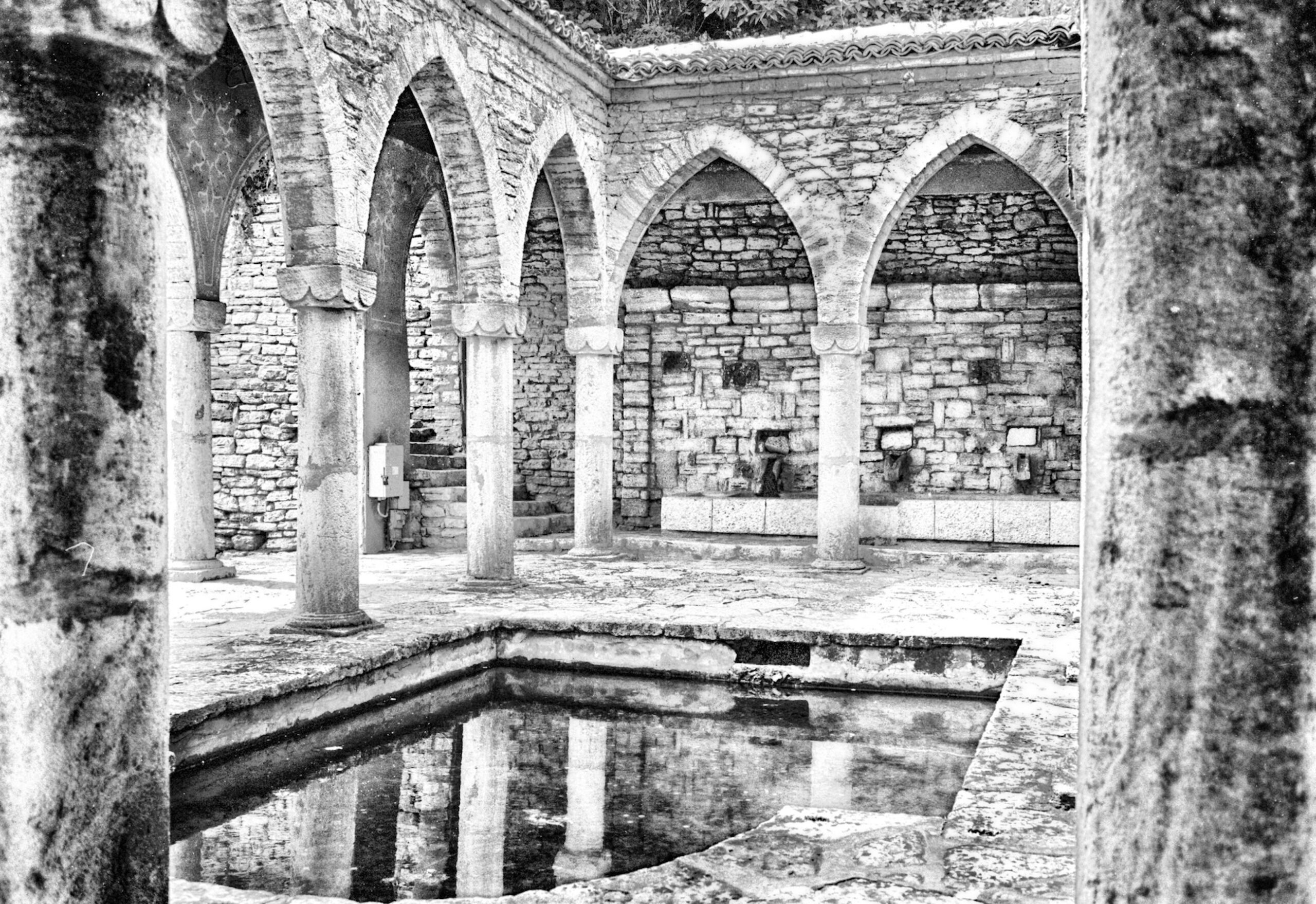
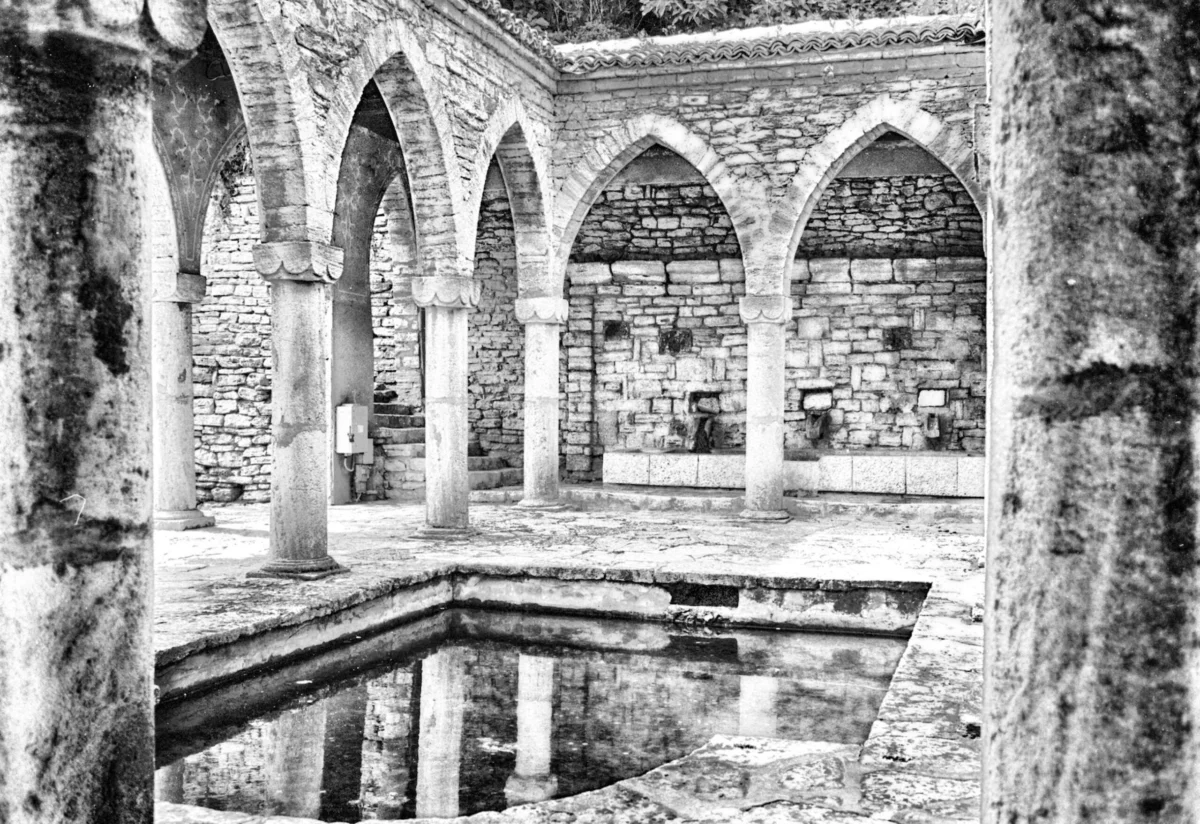
Charmed by the rugged coastline and the temperate climate, the Queen commissioned the construction of a summer residence, now famously known as the "Quiet Nest" Palace. The architectural complex, completed between 1924 and 1936, represents a unique synthesis of Balkan and Oriental styles, featuring a prominent minaret alongside a Christian chapel, reflecting the Queen’s eclectic spiritual and aesthetic interests.
The development of the palace grounds led to the establishment of the Balchik Botanical Garden in 1955, now managed by Sofia University. Today, the garden spans over 65,000 square meters and houses more than 3,000 species of plants, including a world-renowned collection of large-sized cacti and succulents. This site remains the primary economic driver for the town, serving as a focal point for the thousands of tourists who visit the region annually. Despite its return to Bulgarian sovereignty in 1940 under the Treaty of Craiova, the town’s association with Queen Marie remains its most marketable asset.
The Economic Landscape: Inflation and the Cost of Living
Despite its historical prestige, Balchik is currently grappling with the same macroeconomic pressures affecting much of Southeastern Europe. Bulgaria, while maintaining a steady path toward Eurozone integration, has faced significant inflationary pressures over the last 24 months. According to data from the National Statistical Institute (NSI) of Bulgaria, the annual inflation rate peaked in late 2022 and early 2023, driven largely by energy prices and food costs.
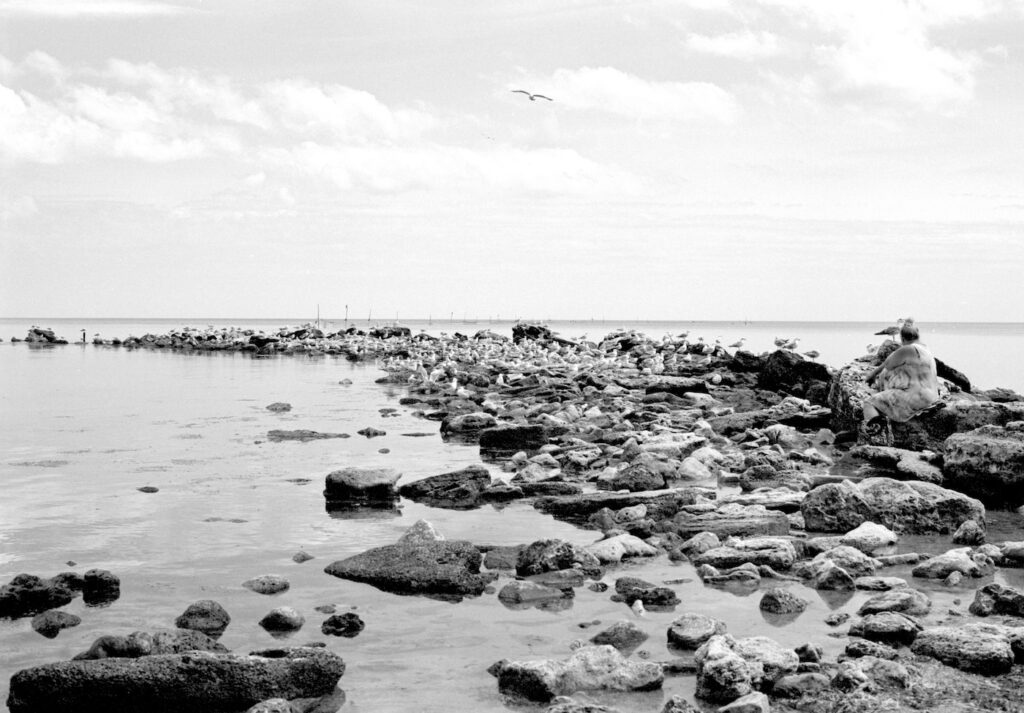
For a small town like Balchik, these figures translate into tangible hardships for local entrepreneurs. The "cost of living race," as described by local observers and business owners, is one where the average resident finds themselves at a disadvantage. Small-scale retailers and independent restaurateurs, who form the backbone of the town’s non-touristic neighborhoods, are increasingly forced to shutter their doors. The relentless assault of the economic crisis has led to a visible increase in vacant storefronts, a stark contrast to the town’s tranquil aesthetic.
Tourism Trends and Demographic Shifts
The tourism sector in Balchik is characterized by a departure from the "mass-market" model seen in larger resorts like Sunny Beach or Golden Sands. Balchik lacks the expansive sandy beaches and high-rise hotel infrastructure of its neighbors, opting instead for a "slow tourism" approach that emphasizes cultural exploration and relaxation.
However, recent data indicates a shift in visitor behavior. While the Palace and Botanical Gardens continue to draw crowds, the duration of stays is shortening, and discretionary spending within the town is declining. Several factors contribute to this trend:
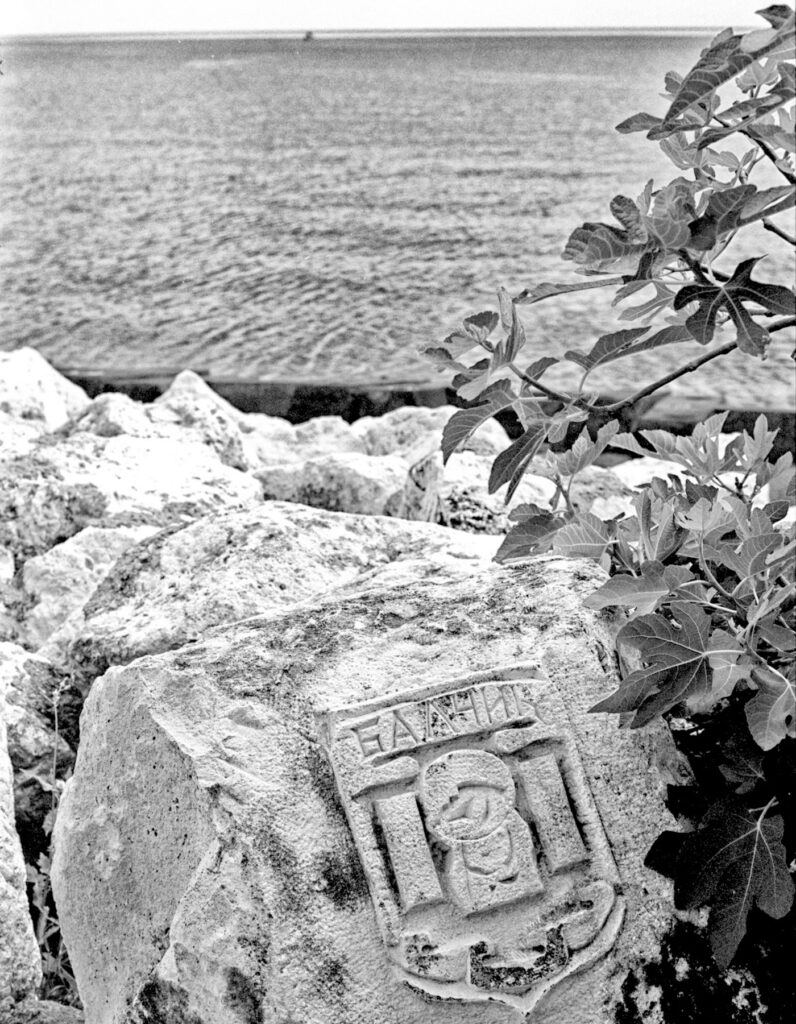
- Geopolitical Uncertainty: The ongoing conflict in Ukraine has had a psychological impact on Black Sea tourism. While the Bulgarian coast remains safe, the proximity to the maritime theater of war has deterred some international travelers, particularly those from Western Europe.
- Reduced Purchasing Power: The increase in the cost of living has forced domestic tourists—historically a staple for Balchik—to tighten their budgets. Many now opt for day trips rather than extended stays in local hotels.
- Infrastructure Limitations: While the town prides itself on clean streets and a welcoming atmosphere, the lack of modern transport links and the rising cost of maintenance for aging buildings present long-term challenges for the municipality.
Observations from the Field: The Photographer’s Perspective
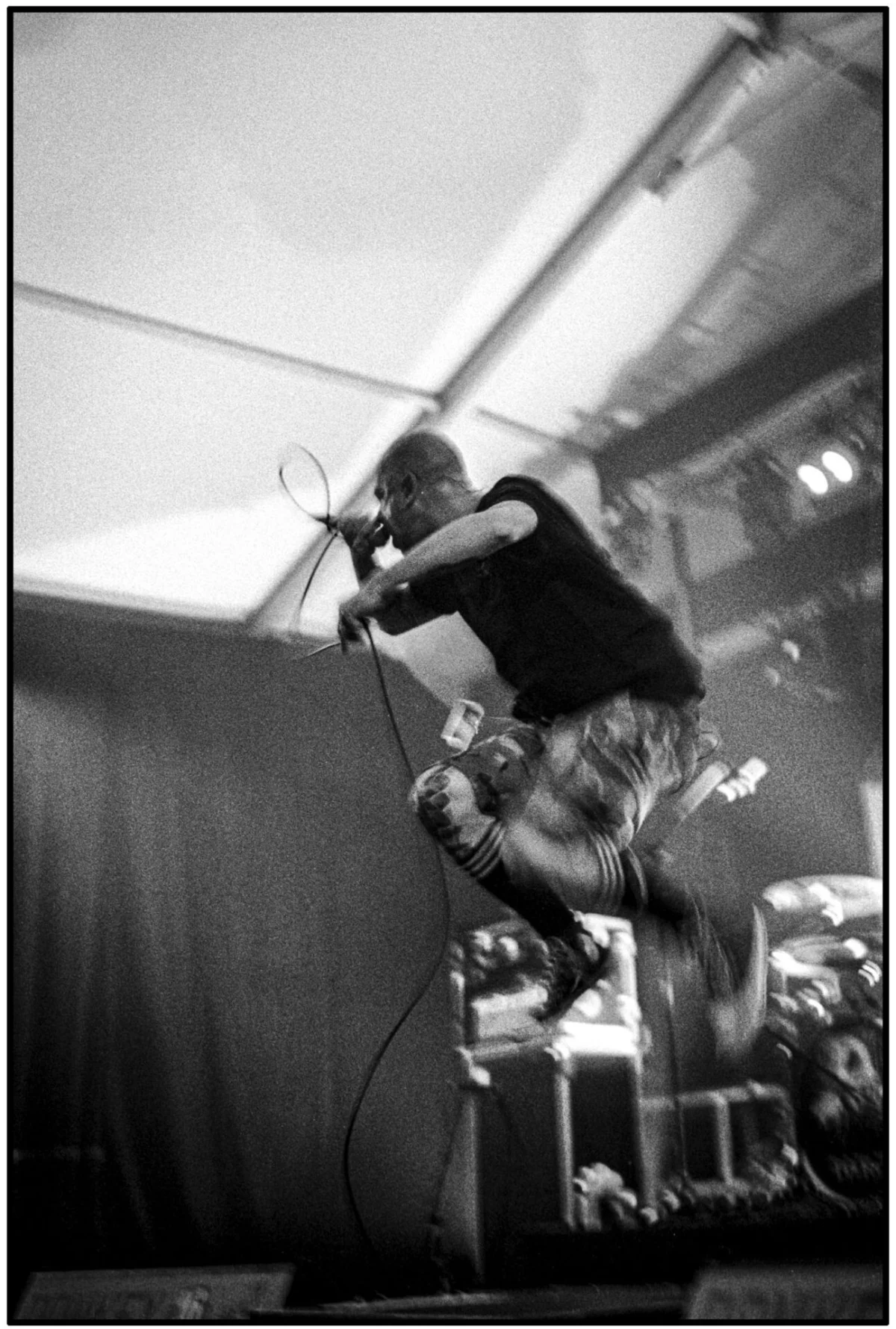
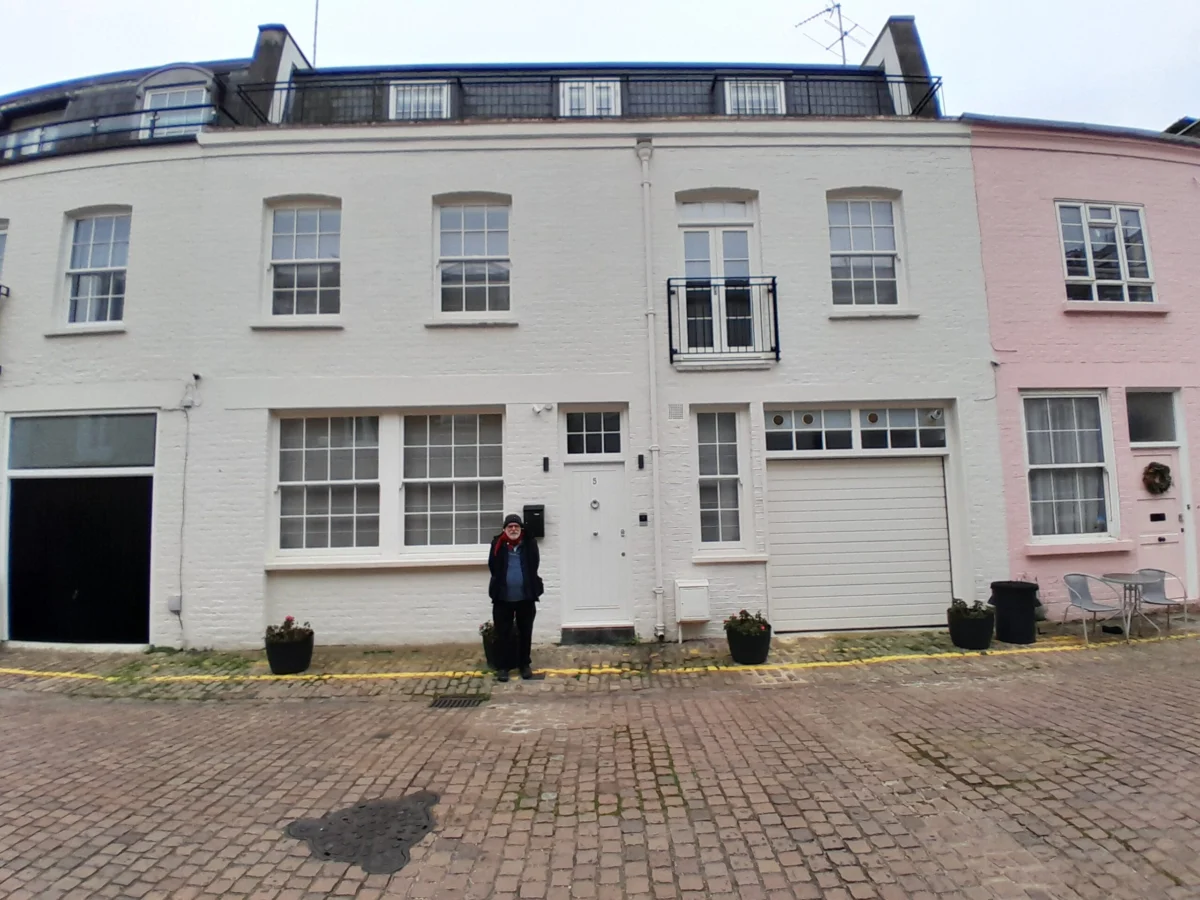
The current state of Balchik is perhaps best captured through the lens of documentary observation. Photojournalists visiting the area note a distinct "vibe" in the regular neighborhoods away from the seaside promenade. These areas, characterized by their "sun-kissed hills" and "hard-working people," offer a more authentic but sobering view of the town’s reality.
Using traditional film media, such as Ilford Delta 100 and 400, observers have documented a town that is "learning, observing, and understanding" its own survival. The imagery captured in these non-touristic zones reveals a community that remains friendly and unprejudiced despite the looming economic shadows. There is a sense of "unobtrusive mingling" between the few remaining visitors and the locals, yet the underlying anxiety regarding the future is palpable.
Official Responses and Future Outlook
The Bulgarian Ministry of Tourism has acknowledged the challenges facing smaller coastal municipalities. In recent policy discussions, there has been an emphasis on diversifying the tourism product of the Northern Black Sea coast. Strategies include promoting Balchik as a hub for "cultural and balneological (spa) tourism," leveraging the region’s mineral springs and historical sites to extend the tourist season beyond the summer months.
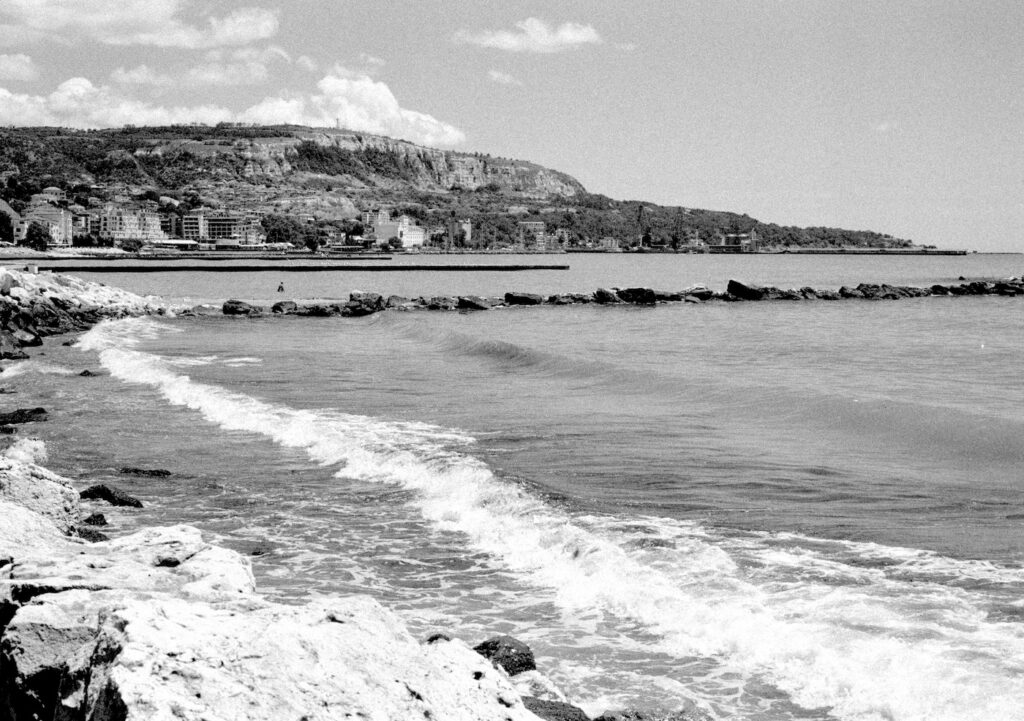
Local municipal authorities in Balchik have also focused on maintaining the town’s aesthetic appeal, ensuring that despite the economic downturn, the "heart-warming smile" of the service industry remains a primary draw. Efforts to digitize the history of the Queen Marie Castle and improve the accessibility of the Botanical Gardens are underway, aimed at attracting a younger, tech-savvy demographic.
However, independent analysts suggest that without significant targeted investment and a stabilization of regional energy costs, the "little gem of the Black Sea" may continue to see its small-business sector shrink. The threat of an "economic crisis without an ending in sight" remains the primary concern for the inhabitants of Balchik.
Broader Impact and Implications
The situation in Balchik is a microcosm of a larger European trend where small, culturally significant towns are struggling to compete with globalized resort models while simultaneously fighting the effects of inflation. The loss of small businesses in such areas does more than just damage the local economy; it threatens the "soul" of the community.
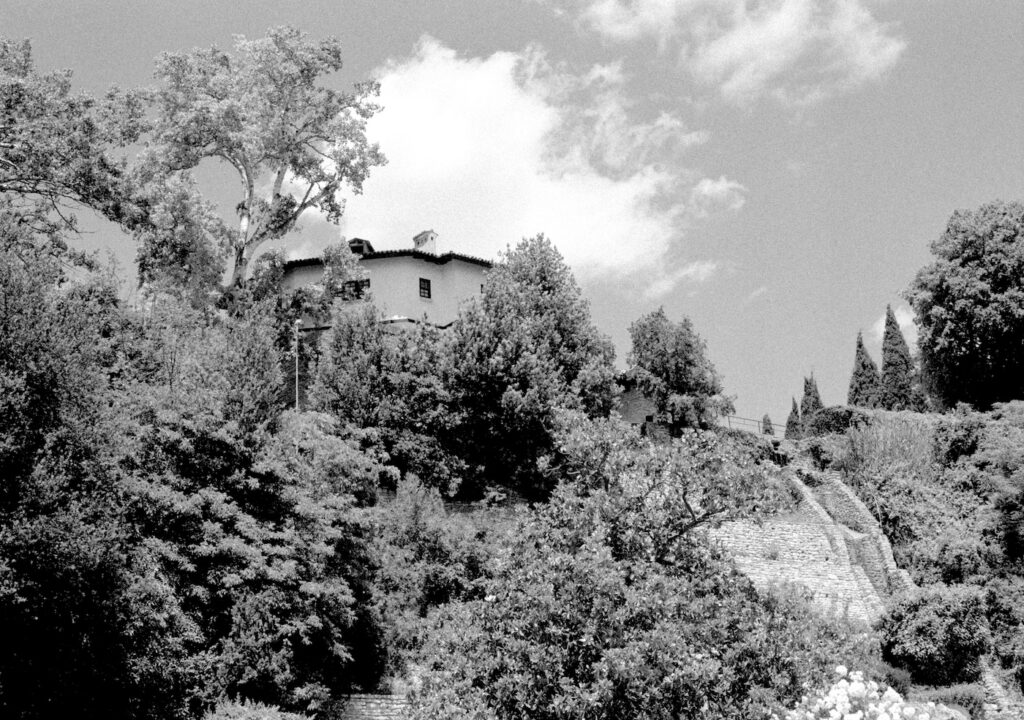
When a town like Balchik loses its local shops and independent cafes, it loses the "real gems" that seasoned travelers and documentary observers seek. The transition from a vibrant, living community to a mere "museum town" or a "seasonal resort" is a risk that many historical sites face in the 21st century.
As the town looks toward the next season, the hope remains that its status as a place where "heart and soul find themselves happy" will be enough to sustain it. The resilience of the local population, combined with the enduring legacy of Queen Marie and the natural beauty of the Bulgarian coast, provides a foundation for recovery. However, the path forward will require a delicate balance between preserving the silence and tranquility that makes Balchik unique and implementing the modern economic reforms necessary to ensure its survival.
Chronology of Balchik’s Development
- 1913: Balchik is ceded to Romania following the Second Balkan War.
- 1921: Queen Marie of Romania visits the town and begins purchasing land.
- 1924: Construction begins on the "Quiet Nest" Palace.
- 1936: The Palace complex and initial gardens are completed.
- 1940: The Treaty of Craiova returns Southern Dobruja and Balchik to Bulgaria.
- 1955: The University Botanical Garden is officially established on the palace grounds.
- 2022–2024: The town faces significant economic pressure due to regional inflation and a shift in Black Sea tourism dynamics.
In conclusion, Balchik stands at a crossroads. It remains a "gem" of the Black Sea, offering a cooling breeze and a sense of history that cannot be replicated by modern developments. Yet, the "torrid weather" of the current economic climate presents a real threat. The town’s ability to adapt while maintaining its "true-hearted" character will determine whether it remains a sanctuary for the soul or becomes a casualty of a relentless economic race.