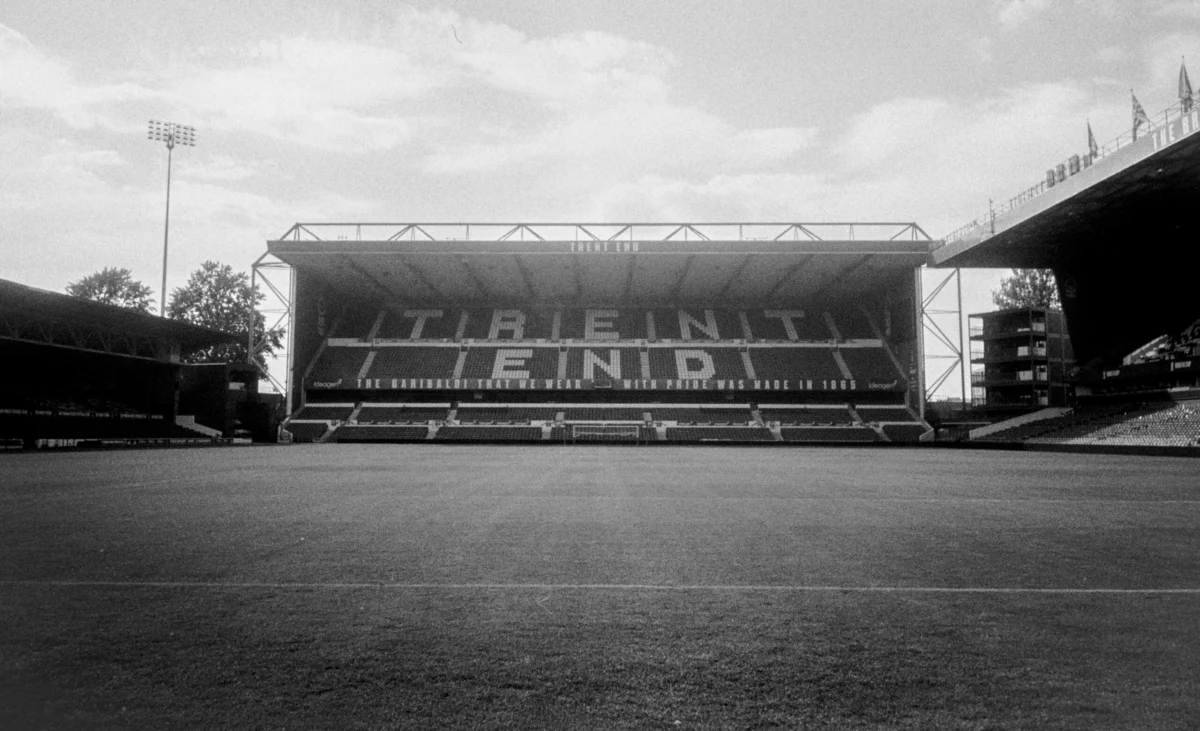
The City Ground, home to Nottingham Forest Football Club, recently became the site of a unique visual study during a rare interval of silence within its 30,000-seat capacity. While the stadium is globally recognized for its raucous atmosphere and its position on the banks of the River Trent, a professional videographer and lifelong supporter, Ed, provided a rare glimpse into the facility’s dormant state during a mid-week assignment. This intersection of professional media production and personal fandom offers a distinct perspective on the evolution of one of English football’s most historic venues.
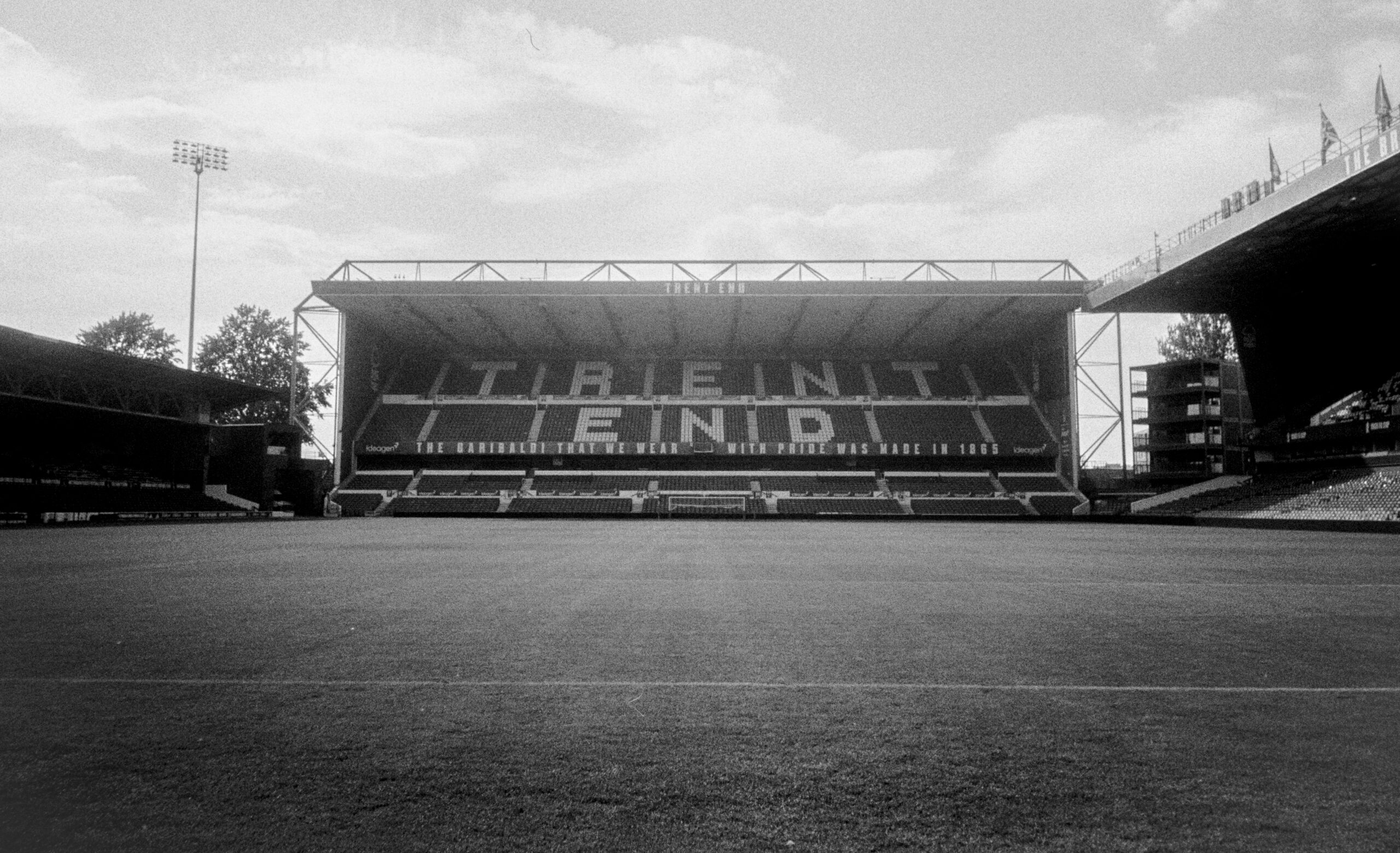
Professional Media Integration in Modern Football
The role of the freelance videographer has become increasingly vital in the landscape of Premier League and Championship football. As clubs seek to expand their digital footprints, the demand for high-quality video content—ranging from player interviews to "behind-the-scenes" matchday vlogs—has surged. In this instance, a local professional who has transitioned from a season-ticket holder in the Brian Clough Stand to a freelance contributor for the club’s media team illustrates the shifting dynamics of sports journalism.
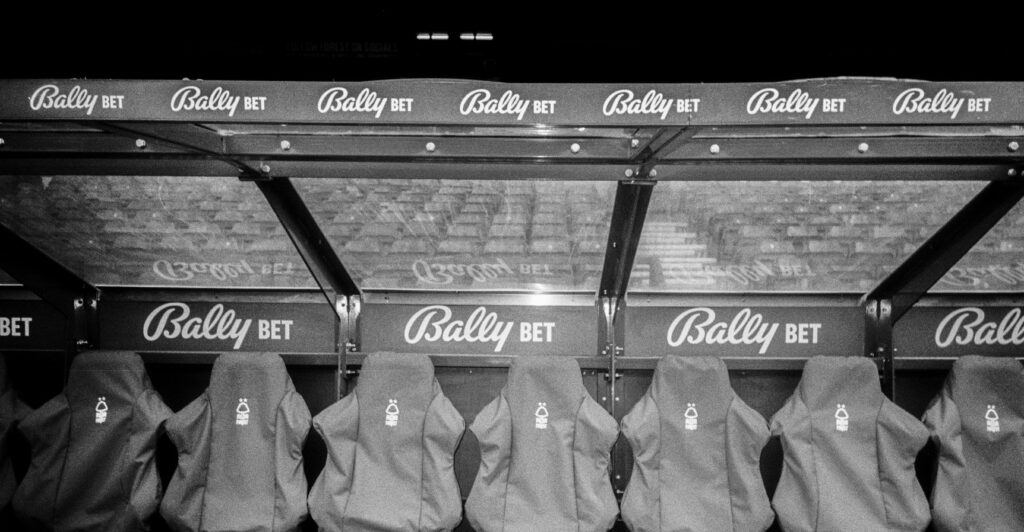
The assignment, which took place on a Thursday afternoon with temperatures exceeding 30 degrees Celsius, required the preparation of a video interview on the pitch. The logistics of professional videography often involve significant periods of "waiting time" as equipment is calibrated and subjects are briefed. During a 15-minute window of inactivity, the videographer utilized a point-and-shoot film camera loaded with Kodak Tri-X 400 black-and-white film to document the stadium’s infrastructure. This choice of medium, though dictated by circumstance, aligns with a broader trend in sports photography that favors the nostalgic, high-contrast aesthetic of analog film over the clinical precision of digital sensors.
Architectural Evolution: From Heritage to Temporary Innovation
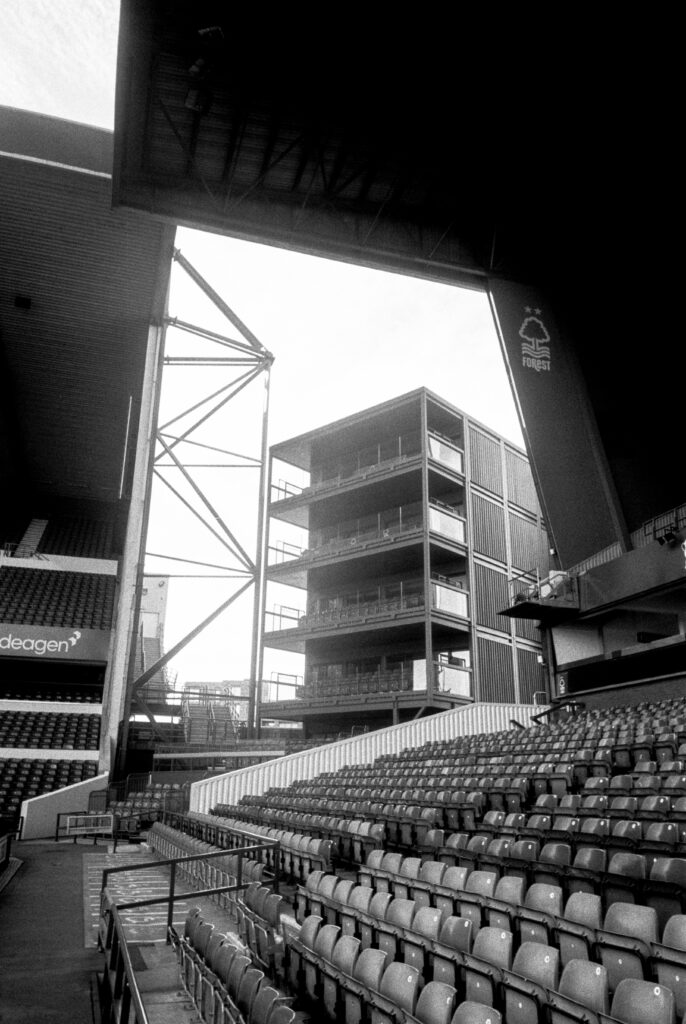
The City Ground has undergone several phases of modernization since its opening in 1898. One of the most notable contemporary additions is the "shipping container stand" located in the corner of the stadium. This structure represents a growing trend in stadium architecture: the use of modular, temporary solutions to address immediate capacity or hospitality needs without the long-term commitment of permanent brick-and-mortar construction.
Industry analysts note that such structures are often implemented during transitional periods as clubs evaluate broader redevelopment plans. For Nottingham Forest, a club that has recently navigated the complexities of returning to the Premier League, these temporary installations provide essential infrastructure while the club negotiates more permanent stadium expansions. The black-and-white documentation of this stand highlights its unique industrial aesthetic, which stands in stark contrast to the more traditional cantilever designs of the main stands.
The Brian Clough Stand: A Legacy of Sight and Sound
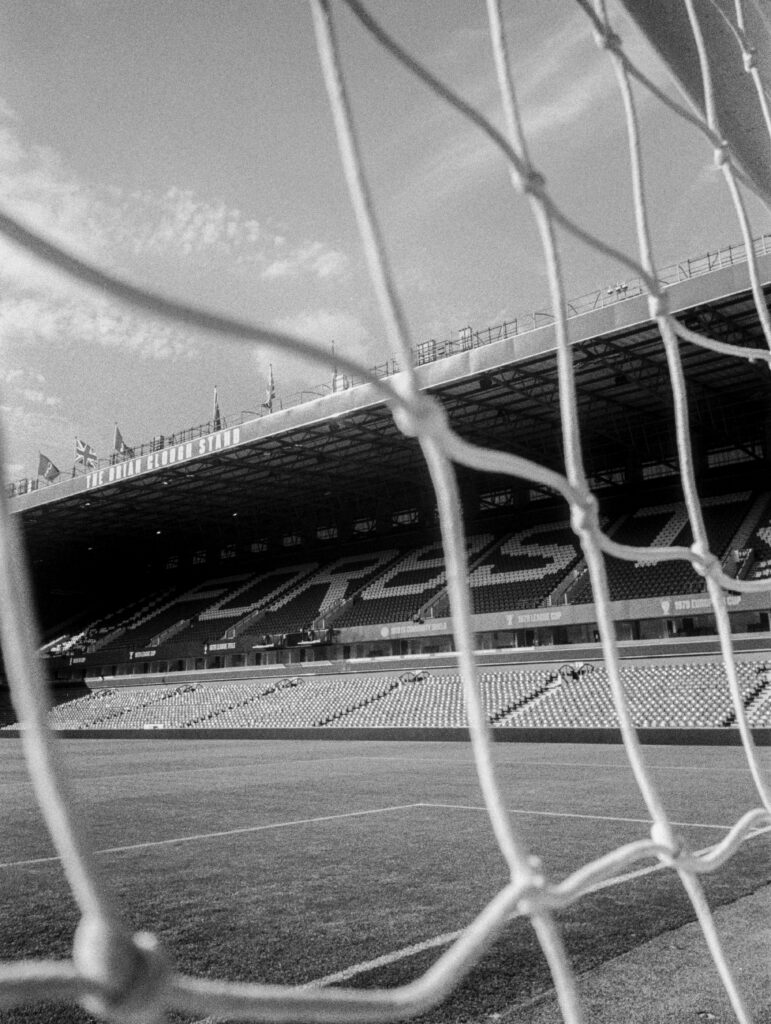
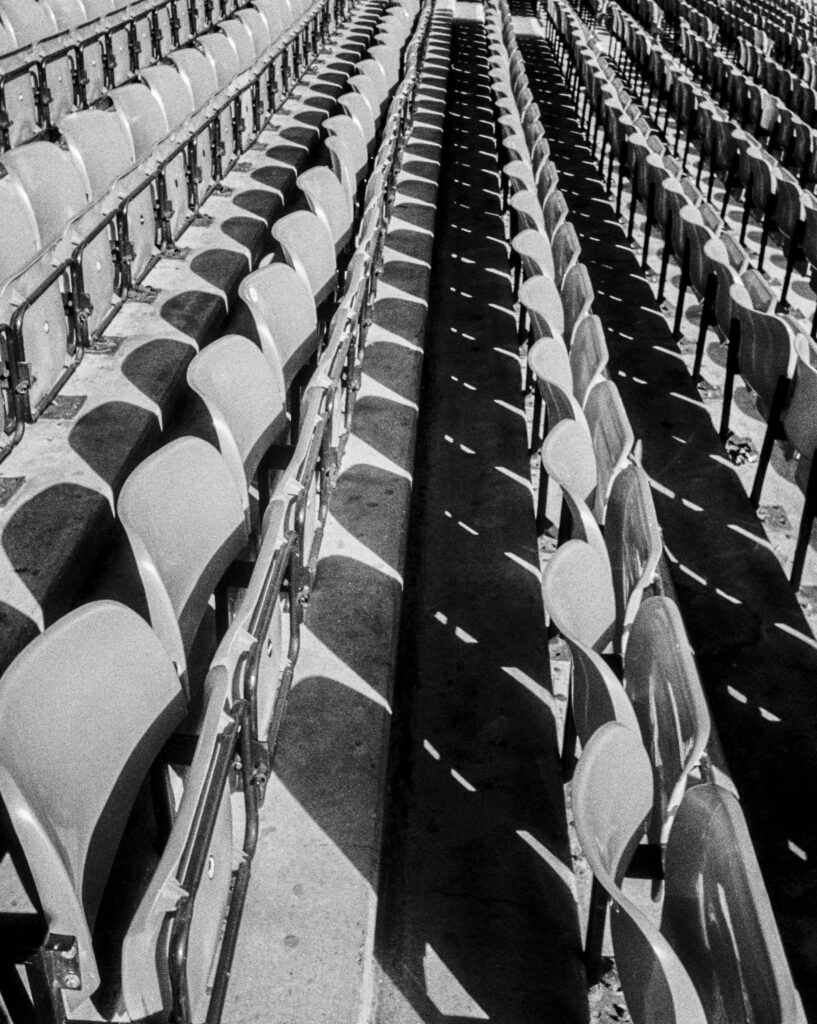
The Brian Clough Stand, named after the club’s most successful manager who led the team to two European Cups in 1979 and 1980, remains the heart of the stadium’s identity. For fans, the stand is synonymous with the club’s history, but it also presents specific physical challenges. The stand is famously exposed to direct sunlight during afternoon kick-offs, a factor that has become a staple of the local matchday experience.
The videographer’s documentation of the row of seats in this stand, cast in deep afternoon shadows, serves as a testament to the endurance of the "super fan." Historical data regarding the City Ground suggests that while the stand provides excellent sightlines, the orientation of the stadium means that spectators in the Brian Clough Stand often require headwear or improvised sunshades. This personal anecdote of fans using newspapers as makeshift caps is a common sight in Nottingham, illustrating the grassroots culture that persists even as the club moves into a more commercialized era.
Infrastructure Maintenance and the Impact of International Competition
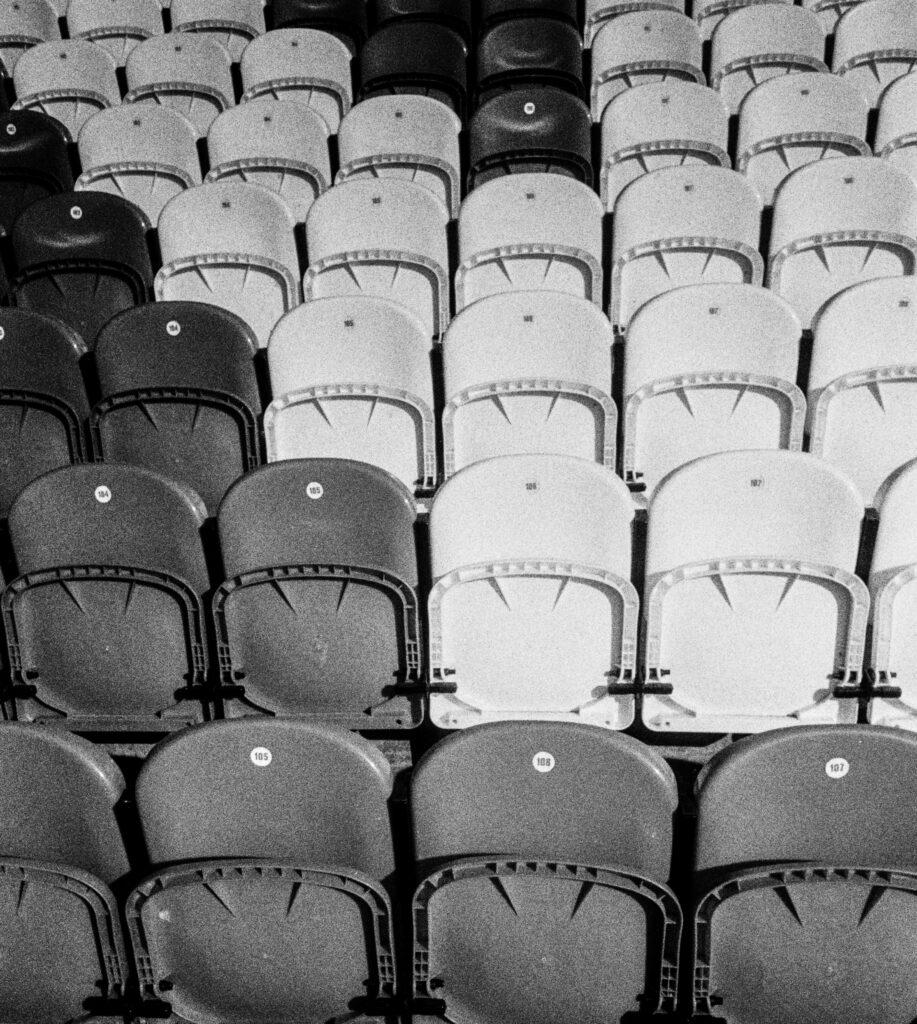
The John Robertson Stand, formerly known as the Bridgford End, has recently required maintenance following incidents during European competitions. Reports indicate that during a Europa League fixture in the previous season, a segment of seating was damaged by visiting supporters. The process of replacing these seats is a routine but necessary part of stadium management, ensuring that the facility meets the stringent safety standards required by the Sports Grounds Safety Authority (SGSA).
While the visual difference between the original and replacement seats is negligible to the untrained eye, the documentation of these minor details underscores the constant cycle of wear and tear that 30,000-seat stadiums undergo. The John Robertson Stand, named after the winger who provided the cross for the winning goal in the 1979 European Cup Final, remains a critical piece of the ground’s geometry, particularly as it houses the away supporters’ section, which is frequently subject to the highest levels of physical stress.
Landmark Status: The Floodlights of the Trent End
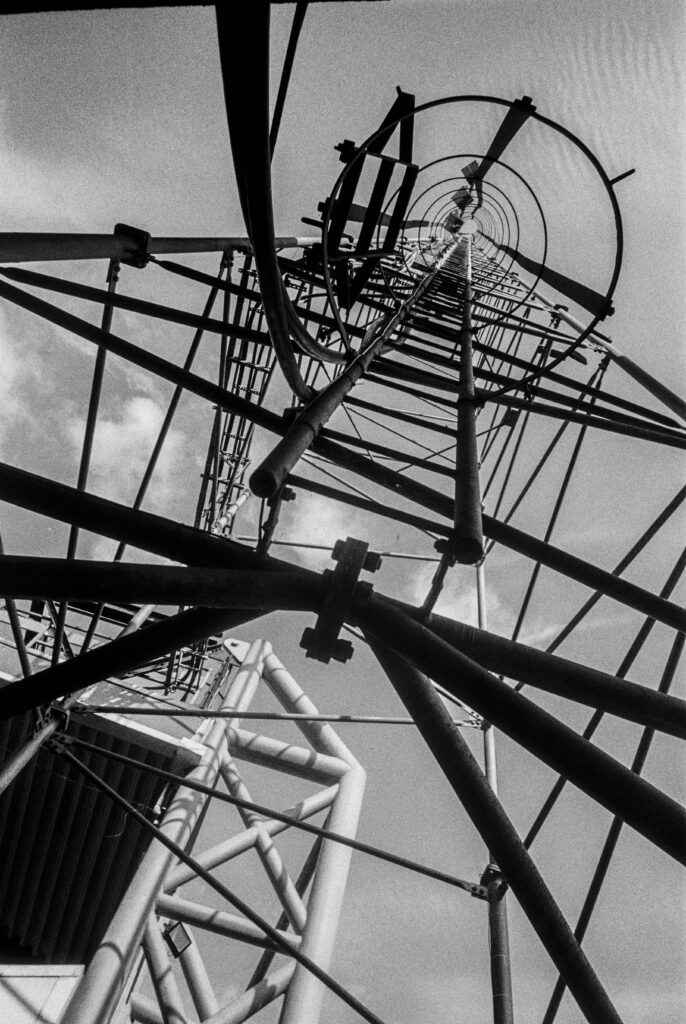
For many supporters and residents of Nottingham, the floodlights of the City Ground serve as a geographical and emotional landmark. Visible from several miles away, these structures signal the approach to the stadium and are particularly evocative during evening fixtures. The "lights of the City Ground" have been a recurring theme in local sports literature and fan media, symbolizing the "theatre" of evening football.
The technical documentation of these lights, captured on 35mm film, emphasizes their height and industrial complexity. In an era where many clubs are moving toward integrated LED lighting systems built into the roofline of stands, the traditional pylon-style floodlights at the City Ground represent a vanishing era of stadium design. These lights are not merely functional; they are part of the city’s skyline, anchoring the club to its location on the river.
Technical Analysis: Analog Documentation in a Digital Environment
The use of Kodak Tri-X 400 film in this context provides a specific analytical lens. Tri-X is known for its classic grain structure and wide latitude, making it suitable for the harsh lighting conditions of a high-sun afternoon. The videographer’s admission of a "smudge" on the lens, caused by the extreme heat and humidity of the day, adds a layer of "human error" that is often scrubbed from professional digital photography.
In the world of professional sports media, where images are typically polished and hyper-real, the raw quality of film photography offers a "truthful" representation of the environment. The 30-degree heatwave that affected the UK during this period created challenging working conditions for media personnel, often referred to as "human sprinklers" due to the physical exertion of moving heavy camera rigs across the pitch and stands.
Chronology of the Modern Matchday Media Cycle
The timeline of a modern media professional at a Premier League-adjacent club like Nottingham Forest is rigorous:
- Pre-Arrival: Coordination with the club’s communications department to establish security clearance and access points.
- Setup: Transporting "camera rigs"—complex assemblies of cinema cameras, monitors, and audio receivers—to the designated interview area, often pitch-side.
- The "Lull": A period of 15 to 30 minutes where the stadium is secured but the subjects have not yet arrived. This is the window where the documented photos were taken.
- Execution: The recording of high-definition video content intended for social media, broadcast partners, or internal club archives.
- Post-Production: The transition from the physical heat of the stadium to the editing suite, where the footage is color-graded and cut for public consumption.
Broader Implications and Stadium Future
The City Ground stands at a crossroads. As Nottingham Forest solidifies its position in the top tier of English football, the limitations of a 30,000-seat stadium become more apparent. There are ongoing discussions regarding the redevelopment of the Peter Taylor Stand, which would potentially increase the capacity to 35,000 or more. Such a move would involve significant capital investment and would likely alter the "intimate" feel that current photography captures.
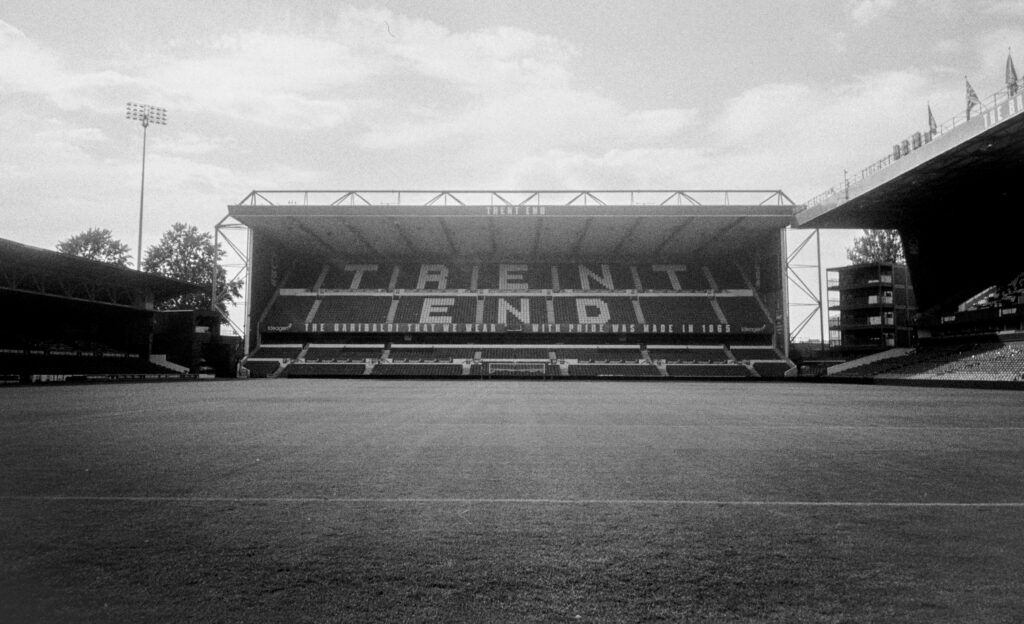
The silent, empty stadium documented in this report serves as a baseline for the club’s future. It captures the facility at a moment of transition—balancing the weight of its 20th-century glory under Brian Clough with the 21st-century requirements of global media rights and high-capacity hospitality. The juxtaposition of a modern video rig against the backdrop of the aging but iconic Trent End illustrates the duality of modern football: a sport that is simultaneously a high-tech global industry and a deeply personal, localized tradition.
Ultimately, the documentation of the City Ground in a state of repose reminds stakeholders and fans alike of the physical reality of the sport. Beyond the multi-million pound transfers and the digital spectacle, football remains a game played in a physical space—a space defined by shadows, heat, concrete, and the enduring presence of the supporters who fill it, whether they are there to cheer from the stands or to film from the touchline.