For over a century, the art of motion pictures has evolved through countless technological advancements, from silent black and white reels to today’s immersive digital experiences. This rich history has also given rise to an immense diversity of filmmaking equipment, offering creators unparalleled artistic freedom. However, this expansive toolkit, while creatively empowering, also presents a challenge: without established technical benchmarks, the quality and compatibility of content can vary wildly, potentially leading to a suboptimal viewing experience on modern televisions and digital screens. While the pursuit of unique visual styles, even those harkening back to analog formats like Super 8mm, remains a vital part of artistic expression, a foundational set of technical standards is increasingly crucial to guarantee that footage not only looks consistently excellent but also translates seamlessly across the myriad platforms and devices through which audiences consume media today.
It is within this context that Netflix, a global leader in streaming entertainment, has implemented a comprehensive set of seven distinct capture standards that cameras must satisfy to achieve "Netflix approved" status. These stringent requirements are designed to establish a benchmark for image quality across its vast library of original content, ensuring that all productions destined for the platform meet a consistent, high-fidelity technical specification. While such mandates might elicit debate from independent filmmakers striving for niche aesthetics or operating with constrained budgets, the overarching intent is unequivocally aimed at elevating the viewer experience. The proliferation of high-resolution displays makes the prospect of watching content produced at significantly lower resolutions, such as 480p, increasingly unpalatable for modern audiences. Consequently, understanding these seven technical prerequisites offers invaluable insight into the technical backbone of contemporary high-end digital production and Netflix’s commitment to visual excellence.
The Genesis of Digital Standards in a Streaming Era
The transition from film to digital capture, which gained significant momentum in the early 2000s, democratized filmmaking but also introduced a fragmented landscape of camera technologies, codecs, and workflows. As streaming platforms began to dominate content distribution in the 2010s, the challenge of maintaining a consistent, high-quality viewing experience across diverse user devices—ranging from smartphones to large 4K HDR televisions—became paramount. Netflix, investing billions annually in original content, recognized that a fundamental quality floor was essential not just for viewer satisfaction but also for brand reputation. Their camera approval program, first formally introduced in the mid-2010s and continually refined, represents a strategic move to standardize the technical baseline of production, thereby safeguarding image integrity from capture through post-production to final delivery. This proactive approach helps mitigate potential issues like poor color reproduction, pixelation, or lack of detail that could detract from the storytelling.
Resolution: The Foundation of Visual Detail
The most immediately apparent and arguably foundational requirement among Netflix’s standards pertains to resolution. The platform mandates a "minimum of 3840 photosite capture width (Spherical)." For content shot with standard spherical lenses and intended for a conventional 16:9 aspect ratio, this translates directly to a resolution of 3840 x 2160 pixels, universally recognized as Ultra High Definition (UHD) 4K. While many contemporary productions, particularly high-budget features and series, often opt for even higher resolutions like 6K or 8K to allow for reframing, digital stabilization, or future-proofing, 3840 pixels serves as the critical minimum "floor" for Netflix approval.
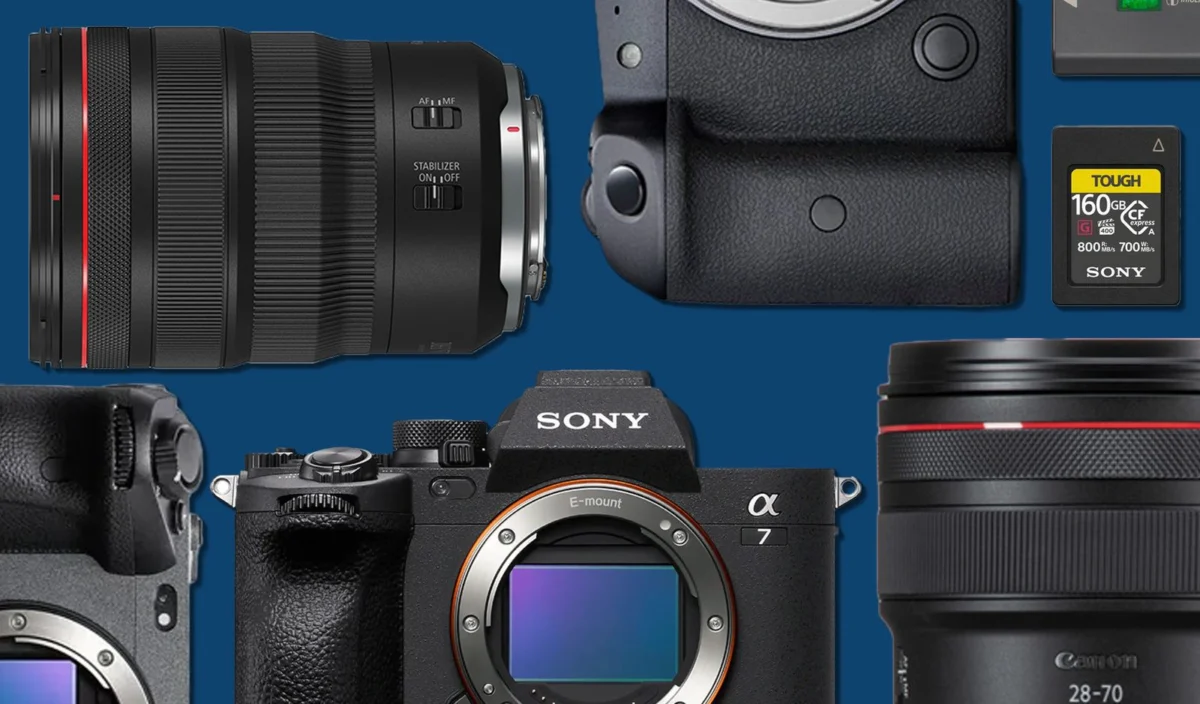
This 4K baseline reflects the widespread adoption of UHD televisions and monitors in consumer homes, which began gaining significant market penetration in the mid-2010s. By the late 2010s, 4K had become the de facto standard for new television purchases, making it a logical and necessary requirement for a platform like Netflix to deliver content that maximizes these display capabilities. Fortunately, the professional and even prosumer camera market has largely aligned with this standard over the past half-decade, meaning most modern digital cinema cameras from manufacturers like ARRI, RED, Sony, Canon, and Blackmagic Design easily meet or exceed this resolution threshold.
A crucial nuance arises when productions choose to employ anamorphic lenses. These specialized optics "squeeze" a wider field of view horizontally onto a standard sensor, which is then "de-squeezed" in post-production to achieve a cinematic widescreen aspect ratio (e.g., 2.39:1). Because the horizontal information is compressed, anamorphic projects inherently require a higher horizontal resolution at the point of capture to maintain comparable image clarity and detail once stretched. Consequently, not all cameras capable of spherical 4K capture are automatically approved for anamorphic work. Netflix provides specific guidelines and a curated list of cameras deemed suitable for anamorphic capture, highlighting the technical complexities involved in achieving consistent image quality across different optical systems. This distinction underscores Netflix’s meticulous attention to detail, ensuring that the unique characteristics of anamorphic cinematography are properly accommodated within their quality framework.
Codec: Preserving Image Data Integrity
Beyond raw pixel count, the method by which image data is encoded and stored—the codec—is equally critical for maintaining quality through the production pipeline. Netflix’s requirements for codecs generally fall into two categories, both of which are capably handled by modern professional cinema cameras.
The first option is "lightly compressed or uncompressed RAW." RAW data represents the purest form of image information, pulled directly from the camera’s sensor before any significant in-camera processing or compression. "True" uncompressed RAW offers maximum flexibility in post-production for color grading, exposure adjustments, and noise reduction, as it retains the fullest possible dynamic range and color information. However, the sheer volume of data generated by uncompressed RAW files can be prohibitively large, leading to massive storage and transfer requirements. To address this, most camera manufacturers have developed proprietary "Compressed RAW" formats, such as REDCODE RAW, Canon Cinema RAW Light, and Apple ProRes RAW. These formats apply sophisticated, visually lossless compression algorithms, significantly reducing file sizes while largely preserving the high-end flexibility and quality benefits associated with uncompressed RAW. This balance between data fidelity and practical file management is crucial for efficient high-volume production.
The second codec option permitted is an "intra-frame based codec with 4:2:2 chroma sub-sampling or greater." Unlike inter-frame codecs (like those used in highly compressed consumer video, which save space by only recording changes between frames), intra-frame codecs compress each frame independently. This makes them significantly more robust for professional editing and grading workflows. The "4:2:2 chroma sub-sampling" specification refers to how color information is recorded relative to luminance (brightness) information. In a 4:2:2 scheme, for every four pixels of luminance information, there are two pixels of chroma (color) information for each of the two color difference channels. This contrasts with 4:2:0, common in consumer formats, where color information is sampled even less frequently. The higher 4:2:2 (or 4:4:4, which is even better) sampling rate ensures that the file retains a sufficient amount of color data and tonal gradation, which is absolutely essential for professional color grading, visual effects, and avoiding artifacts like color banding, especially in challenging scenes with subtle gradients or high saturation. This technical detail directly impacts the ability of colorists to manipulate the image without introducing visual degradation, thereby preserving the director’s intended look and maximizing the impact of HDR delivery.
Bit Depth: The Spectrum of Color
Closely related to codecs and chroma subsampling is the requirement for "Bit depth: 10-bit or greater." Bit depth determines the number of discrete tonal values available for each color channel (red, green, and blue) per pixel. An 8-bit color depth, common in consumer video and older broadcast standards, allows for 256 shades per channel, totaling approximately 16.7 million distinct colors (256^3). While this may sound like a lot, it is often insufficient to represent subtle gradients in complex scenes or handle the demands of extensive color grading without introducing noticeable "banding"—visible steps or lines in what should be a smooth transition of color or luminance.
In contrast, a 10-bit color depth provides 1,024 shades per channel, dramatically increasing the total number of representable colors to over 1.07 billion (1024^3). This exponential increase in color information is fundamental for several reasons. Firstly, it virtually eliminates color banding, ensuring incredibly smooth transitions in skies, skin tones, and other areas of subtle gradation. Secondly, and perhaps most importantly in the modern context, 10-bit color depth is a prerequisite for High Dynamic Range (HDR) content. HDR delivers significantly brighter highlights, deeper blacks, and a broader range of colors than standard dynamic range (SDR). Without sufficient bit depth, the expanded color gamut and luminance range of HDR simply cannot be accurately captured, processed, or displayed, thus hindering the immersive experience HDR aims to provide. Therefore, Netflix’s 10-bit mandate is directly linked to its commitment to delivering premium HDR content, offering viewers richer colors, higher contrast, and a more vibrant visual experience.
Data Rate: The Flow of Information
While seemingly a consequence of other requirements, the "Minimum 240Mbps at 24FPS" data rate standard serves as an important safeguard for overall image quality. Data rate, or bitrate, refers to the amount of data processed or transferred per unit of time, typically measured in megabits per second (Mbps). It is inherently linked to resolution, codec, and bit depth: higher resolutions, less compressed codecs, and greater bit depths all demand higher data rates to accurately capture and store the increased information.
Netflix’s specified minimum of 240 Mbps at 24 frames per second ensures that even at the base resolution and codec requirements, there is sufficient data flow to prevent excessive compression artifacts. In practical terms, if a production meets the minimum resolution (UHD 4K), codec (lightly compressed RAW or intra-frame 4:2:2), and bit depth (10-bit) requirements, it is highly probable that the resulting data rate will naturally exceed 240 Mbps. This standard acts as a quality control mechanism, preventing producers from employing highly aggressive compression settings that might technically meet other requirements but would ultimately degrade image quality due to a lack of sufficient data. A robust data rate ensures that the visual fidelity captured by the camera’s sensor is adequately preserved throughout the recording process, making the footage suitable for the demanding post-production workflows required for high-end streaming content.
Color Space & Transfer Function: Maximizing Dynamic Range and Grading Flexibility
These two interconnected requirements—"Scene-referred Color Space (S.Gamut3, ALEXA Wide Gamut, REDWideGamut etc.)" and "Scene-referred Transfer Function (Slog3, Log C, Log3G10, VLog etc.)"—are fundamental to preserving the maximum possible dynamic range and color information from the camera sensor, providing optimal flexibility in post-production.
A "scene-referred" workflow, as opposed to a "display-referred" workflow (like Rec. 709, which is designed for standard definition displays), aims to capture and preserve the absolute light values and colors present in the original scene, independent of any specific display device. This is crucial because modern digital cinema cameras can capture a significantly wider range of light and color than standard displays can reproduce.
Color Space refers to the range of colors that a camera or display can capture or reproduce. Scene-referred color spaces like ARRI’s ALEXA Wide Gamut, RED’s REDWideGamutRGB, and Sony’s S.Gamut3 are expansive, proprietary color spaces designed to encompass virtually all colors the camera sensor can perceive. They are far larger than traditional display color spaces (e.g., Rec. 709) and even wider than DCI-P3 (used in digital cinema projectors) or Rec. 2020 (used in HDR displays). By capturing in such a wide color space, filmmakers ensure that the footage contains the richest possible color information, which can then be precisely mapped and graded for various target displays (SDR, HDR, theatrical) without losing nuance.
The Transfer Function, often referred to as a "gamma curve" or "log profile," dictates how light values are encoded. Traditional video uses a linear or standard gamma curve that compresses highlight and shadow detail to fit within a narrow dynamic range. Scene-referred transfer functions, such as Sony’s S-Log3, ARRI’s Log C, RED’s Log3G10, and Panasonic’s V-Log, are logarithmic curves. These log profiles are specifically engineered to capture and encode the camera’s full dynamic range, particularly preserving detail in extreme highlights and deep shadows that would otherwise be clipped or lost with standard gamma curves. This "flat" or desaturated appearance of log footage before grading is intentional; it contains the maximum amount of scene information, allowing colorists extensive latitude to shape the look, adjust exposure, and create stunning visual aesthetics while avoiding banding or loss of detail in critical areas. Together, scene-referred color spaces and transfer functions are the bedrock of a robust color pipeline, enabling the high-quality, flexible grading necessary to achieve the cinematic looks expected from Netflix’s premium content and facilitating seamless delivery across various viewing environments, including HDR.
Timecode: The Backbone of Production Synchronization
The final requirement for Netflix approval, though acknowledged to be less strictly enforced for certain non-fiction documentary projects, is proper timecoding. Netflix stipulates that the "System is capable of jamming to an external source" and that "Timecode should be written as metadata."
Timecode is an electronic signal that assigns a unique address (hour, minute, second, frame) to every frame of video and audio. Its importance in modern production, especially for complex projects involving multiple cameras, external audio recorders, and visual effects, cannot be overstated. Proper timecoding ensures perfect synchronization between all recorded elements. For instance, in a multi-camera shoot, each camera, along with any separate audio recorders, can be "jammed" (synchronized) to an external master timecode generator. This ensures that every device records identical timecode information, making the process of syncing footage in post-production nearly instantaneous and error-free. Without accurate timecode, editors would have to manually synchronize audio and video, a time-consuming and error-prone process that can significantly inflate post-production budgets and timelines.
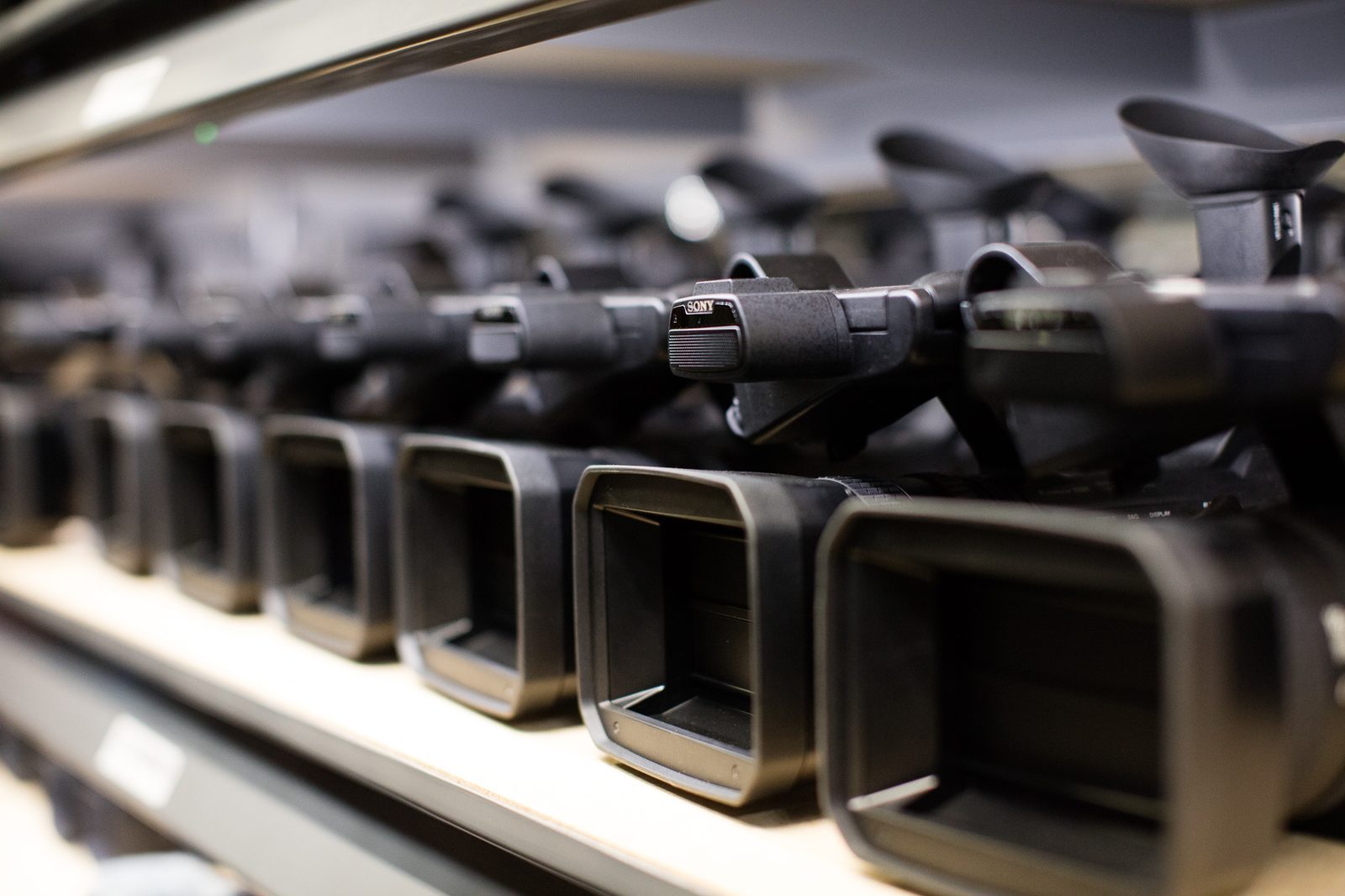
While many higher-end professional cinema cameras feature built-in timecode generators and input/output ports, some midrange camera systems may lack this functionality. In such cases, external timecode generators, like those offered by Tentacle Sync or Ambient Recording, can be used. These compact devices can be attached to cameras and audio recorders, providing a master timecode signal via Bluetooth or dedicated cables, ensuring all production assets are perfectly aligned. By mandating robust timecode practices, Netflix promotes organized workflows, reduces post-production overheads, and ensures the integrity of the project’s assets, ultimately contributing to a smoother and more efficient delivery pipeline.
Broader Industry Impact and Filmmaker Perspectives
Netflix’s rigorous camera approval standards have sent ripples throughout the global filmmaking industry. From a broad perspective, these standards have largely been a positive force, driving technological innovation and fostering a baseline of quality that elevates the entire content landscape. Camera manufacturers, keen to have their products on the "approved" list, now often design and market their cameras specifically to meet or exceed these specifications. This competition benefits filmmakers by ensuring a steady supply of high-performance, compliant equipment.
For audiences, the impact is unequivocally positive. The standards guarantee a consistently high-quality viewing experience, free from jarring technical inconsistencies that could detract from the narrative. As 4K HDR displays become the norm, audiences expect content that fully leverages these capabilities, and Netflix’s guidelines ensure this expectation is met.
However, the implementation of such strict technical parameters is not without its critics or challenges for filmmakers. For those pursuing highly stylized, non-traditional aesthetics—such as the deliberate grain and imperfections of Super 8mm or 16mm film, or the unique visual signatures of vintage lenses and low-resolution capture—these standards can be perceived as creatively restrictive. While Netflix’s guidelines primarily focus on the initial capture, allowing for extensive creative manipulation in post-production, there’s an inherent tension between technical mandates and artistic freedom. Filmmakers might argue that prioritizing a uniform technical baseline inadvertently stifles experimentation with formats that inherently fall outside these parameters but could serve a distinct artistic vision.
Furthermore, for independent filmmakers and smaller production companies, meeting these standards can pose a significant financial hurdle. While the market has seen an increase in more affordable cameras that meet many of the requirements, the cost of a full "Netflix-approved" camera package—including lenses, storage, and associated workflow tools—can still be substantial. This potentially creates a barrier to entry, favoring productions with larger budgets and established access to high-end equipment.
Despite these valid concerns, the prevailing sentiment among many industry professionals is that the benefits of these standards outweigh the drawbacks. They provide a clear roadmap for technical excellence, pushing the industry towards higher production values and ensuring that even independent productions can aim for a global audience with confidence in their technical delivery.
The "Netflix Effect" on Equipment and Production Workflows
The influence of Netflix’s camera approval program extends beyond individual projects, shaping the broader ecosystem of filmmaking technology and production workflows. The "Netflix Approved Camera List" has become a de facto industry reference, often guiding purchasing decisions for rental houses, production companies, and individual cinematographers worldwide. Cameras that make this list often see increased demand, reinforcing their market position. This, in turn, influences research and development roadmaps for camera manufacturers, driving them to prioritize features and capabilities that align with Netflix’s evolving technical requirements.
Moreover, these standards have fostered greater collaboration and knowledge sharing within the industry. Filmmakers, DITs (Digital Imaging Technicians), colorists, and post-production houses now have a common language and set of benchmarks when discussing acquisition formats and workflows for Netflix projects. This standardization streamlines technical processes, reduces ambiguities, and helps ensure that the creative vision is preserved from initial capture through final delivery. The guidelines also serve as a valuable educational tool, demystifying complex technical concepts for aspiring filmmakers and providing a clear path to achieving professional-grade image quality.
Conclusion: Balancing Artistic Vision with Technical Prowess
Netflix’s comprehensive camera approval standards represent a strategic and necessary evolution in an era dominated by digital content and global streaming. They are a testament to the platform’s commitment to delivering a premium viewing experience, ensuring that every frame consumed by its vast global audience meets a rigorous standard of technical excellence. While they undoubtedly present certain challenges and ignite discussions around creative freedom versus technical compliance, their primary objective is to establish a robust foundation for image quality, safeguarding content from the pitfalls of technical inconsistency.
By mandating specific resolutions, codecs, bit depths, data rates, color spaces, transfer functions, and timecode protocols, Netflix actively shapes the technical future of cinematic production. These standards compel filmmakers to embrace best practices, leverage advanced camera technologies, and engage in meticulous post-production workflows. Ultimately, they serve as a critical bridge between artistic intention and technical execution, ensuring that the stories brought to life on screen are presented with the clarity, vibrancy, and immersive quality that modern audiences expect from world-class entertainment. The ongoing dialogue between creative expression and technical benchmarks will undoubtedly continue to evolve, but Netflix’s influence has firmly established a new paradigm for digital content acquisition, pushing the boundaries of what is technically achievable in pursuit of an unparalleled cinematic experience.