The Lençóis Maranhenses National Park, a breathtaking expanse in the northeast of Brazil, has long captivated visitors with its unique and dynamic landscape. Characterized by vast, undulating white sand dunes that periodically fill with crystal-clear rainwater to form seasonal lagoons, this 600-square-mile ecosystem is a testament to nature’s artistry and resilience. While often approached as a fleeting stopover on journeys to more distant locales, the park’s profound beauty can transform a brief visit into an immersive artistic exploration, as demonstrated by the photographic endeavors within its borders.
A Recently Recognized World Heritage Site
Designated a UNESCO World Heritage Site in 2021, the Lençóis Maranhenses National Park is a region of extraordinary ecological and geological significance. Its eastern boundary is defined by over 40 miles of coastline, dotted with traditional fishing villages, that gently slopes into the vastness of the Atlantic Ocean. Inland, the park presents a mesmerizing mosaic of towering white sand dunes. These dunes are not static geological formations; they are constantly reshaped by the prevailing winds, creating an ever-changing panorama.
Seasonally, the landscape undergoes a dramatic transformation. During the rainy season, typically from January to June, abundant rainfall collects in the low-lying areas between the dunes, forming thousands of temporary freshwater lagoons. These lagoons, varying in color from vibrant turquoise to deep emerald, offer a stark and stunning contrast to the pristine white sand. The park’s geological composition is primarily composed of quartz sand, a result of millennia of erosion and deposition.
The park’s geography extends beyond the dunes. Winding, tannin-colored river systems, such as the Black River, snake through the sandy terrain, their dark waters a product of decaying vegetation leaching tannins from the surrounding environment. These rivers eventually merge with larger waterways like the Parnaíba River, flowing towards the sea. To the west, the landscape gradually transitions from the desert-like environment of dunes and wetlands into cerrado (savanna-like grasslands) and dense forest, before eventually giving way to agricultural lands. This ecological gradient showcases the diverse biodiversity that can thrive in close proximity.
The Evolution of Aerial Photography: Capturing Grandeur from Above
Traditionally, capturing the immense scale and intricate patterns of landscapes like Lençóis Maranhenses presented significant logistical challenges. Photographers often relied on cramped ultralight aircraft or small Cessnas, frequently with doors removed to allow for unobstructed shots. These methods, while effective, could be limiting in terms of maneuverability and the ability to achieve precise framing at low altitudes.
The advent of drone technology and Unmanned Aerial Vehicles (UAVs) has revolutionized aerial photography, opening up unprecedented creative possibilities. Drones offer a level of agility and control that allows photographers to hover, ascend, descend, and orbit with remarkable precision. This enables the capture of both sweeping panoramic vistas and intimate details of the terrain from a bird’s-eye perspective.
In the context of Lençóis Maranhenses, drones have proven to be an invaluable tool. By maintaining a low altitude, photographers can meticulously document the subtle textures of the sand, the intricate patterns carved by wind and water, and the vibrant hues of the lagoons. Simultaneously, the drone’s capability to ascend allows for the capture of the sheer immensity of the dune sea, revealing the interconnectedness of the landscape and its dramatic scale. The ability to move the drone fluidly across the terrain allows the lens to "roam freely," as if guided by an invisible hand, exploring the constantly shifting canvas of sand and water.
A Dynamic Canvas: The Ever-Changing Landscape
The visual impact of Lençóis Maranhenses is amplified by its inherent dynamism. The relentless sun, while contributing to the stark beauty of the dunes, also plays a role in the constant transformation of the landscape. Wind currents are a primary architect, sculpting the soft sand into delicate peaks and troughs, creating an ephemeral topography. The glassy surfaces of the lagoons reflect the sky, doubling the visual spectacle and adding layers of depth to the imagery.
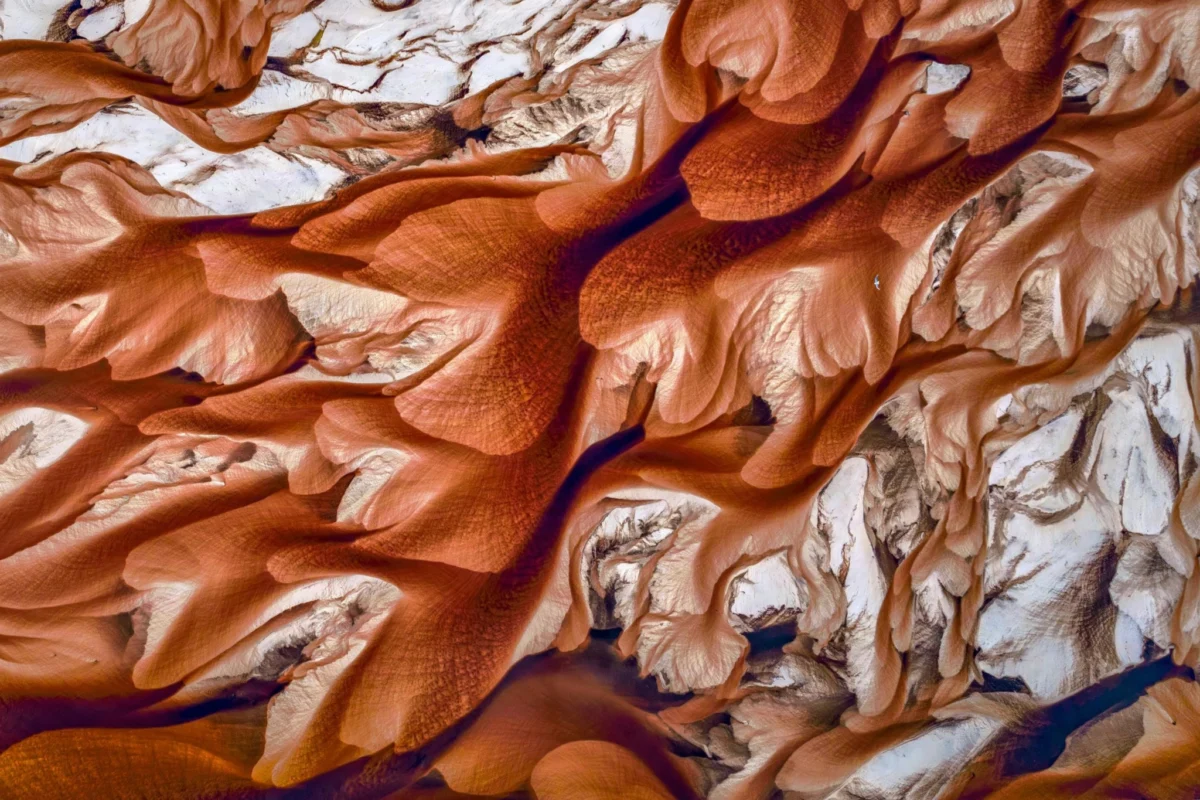
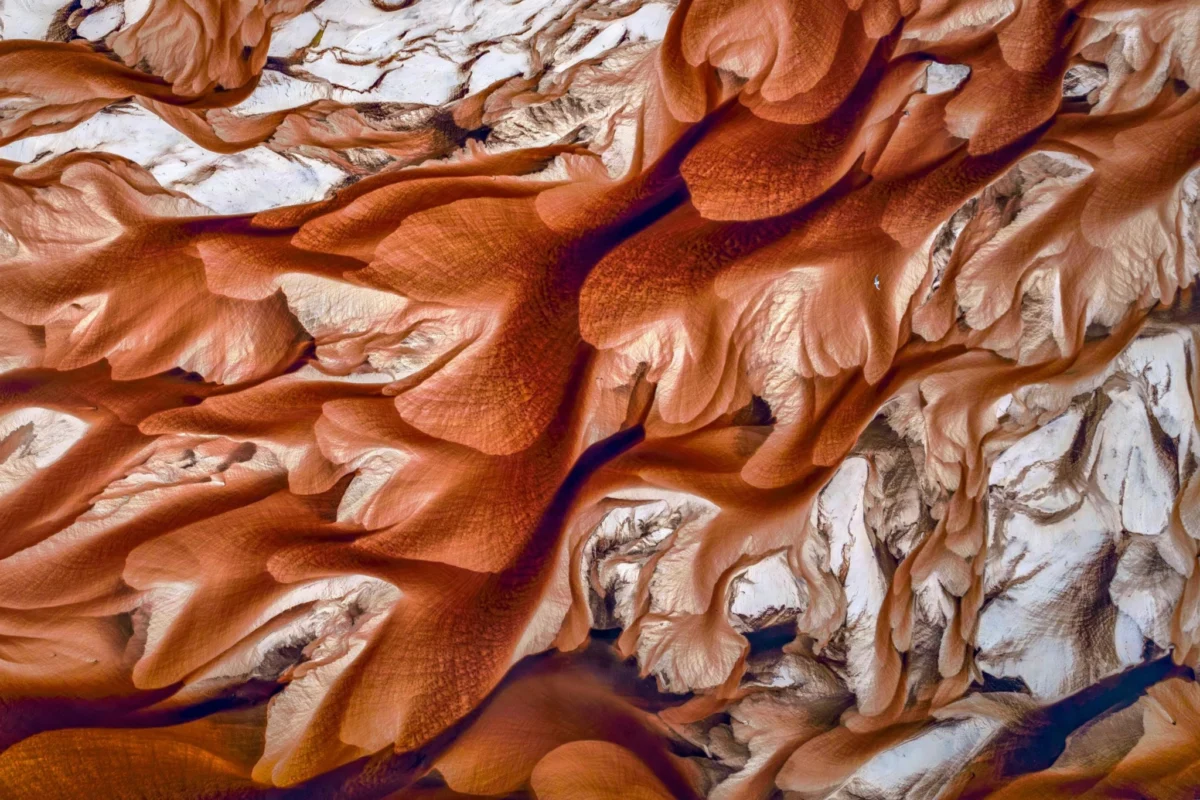
The colors within the park are a symphony of natural pigments. The dominant white of the quartz sand is punctuated by the earthy tones of the tannin-stained rivers – deep reds, rich browns, and rust hues. These colors are not merely superficial; they are integral to the ecosystem, indicative of the organic processes occurring within the water bodies. The juxtaposition of these warm, natural tones with the cool, refreshing blues and greens of the lagoons creates a visual feast that has inspired artists for generations.

The Black River, a prominent feature that winds its way through the coastal lowlands, serves as a striking example of this natural artistry. Its inky waters, a testament to the decomposition of organic matter, carve a sinuous path through the dunes, eventually joining the Parnaíba River. The sheer beauty and complexity of these natural formations can be overwhelming, prompting a desire to capture every angle and every nuance, a challenge that even advanced photographic technology strives to meet. Each shift in perspective, whether from a different altitude or a slight change in camera angle, reveals a new masterpiece etched across the Earth’s surface, a constant reminder of the planet’s creative power.
Nature as the Ultimate Artist: A Historical Perspective
The human impulse to replicate and interpret the beauty of the natural world is a phenomenon that spans millennia. Evidence of this deep-seated drive can be found in the earliest forms of human expression. The cave paintings of Chauvet Cave in France, dating back approximately 30,000 years to the Aurignacian period, feature remarkably detailed depictions of animals, showcasing an early and profound connection between humanity and the natural realm.
Throughout history, artists across diverse cultures and eras have dedicated their lives to studying and capturing nature’s intricate designs. From the Renaissance masters who meticulously rendered botanical studies and landscapes to contemporary artists who explore ecological themes, the natural world has served as an inexhaustible source of inspiration. This pursuit involves a deep engagement with observation, an attempt to understand the underlying structures, patterns, and forms that define life on Earth.
Even with the sophisticated tools of modern digital photography, the challenge of fully translating the profound beauty and complexity of nature into a static image remains. The question of how a single photograph can encapsulate the vastness of a planet or the intricate detail of a cell’s nucleus highlights the inherent limitations of representation. Nature’s artistry is not confined to visual aesthetics; it encompasses intricate biological processes, dynamic ecological systems, and the very essence of life itself. The attempt to capture this multifaceted beauty, even if imperfectly, has been described as a profound privilege, an ongoing dialogue between the observer and the observed.
The Significance of Lençóis Maranhenses
The Lençóis Maranhenses National Park is more than just a visually stunning location; it is a vital ecosystem that supports a unique array of flora and fauna adapted to its challenging environment. The seasonal lagoons, while temporary, provide crucial freshwater habitats for various fish species, amphibians, and aquatic invertebrates. These lagoons also attract migratory birds, contributing to the park’s biodiversity.
The park’s designation as a World Heritage Site underscores its global importance. This recognition is typically granted to sites that possess outstanding universal value, meaning they are of importance to all the people of the world. Such designation often leads to increased conservation efforts, greater public awareness, and the implementation of sustainable tourism practices.
Conservation and Future Implications
The ecological balance of Lençóis Maranhenses is sensitive to environmental changes, including shifts in rainfall patterns and rising global temperatures, which can impact the formation and duration of the seasonal lagoons. Human activities, particularly unregulated tourism, also pose potential risks to the fragile dune ecosystem.
The World Heritage status provides a framework for enhanced protection and management. This typically involves collaboration between national and international conservation organizations, local communities, and government agencies. The goal is to ensure that the park’s natural and cultural heritage is preserved for future generations while allowing for responsible ecotourism that benefits the local economy and fosters appreciation for the environment.
The ongoing efforts to document and share the beauty of Lençóis Maranhenses through photography and other media play a crucial role in raising awareness and advocating for its continued protection. By showcasing the park’s unique landscapes and ecological significance, these artistic endeavors contribute to a broader understanding of the importance of preserving such extraordinary natural wonders. The visual narratives created within the park serve as powerful reminders of the planet’s invaluable natural heritage and the urgent need for its stewardship.