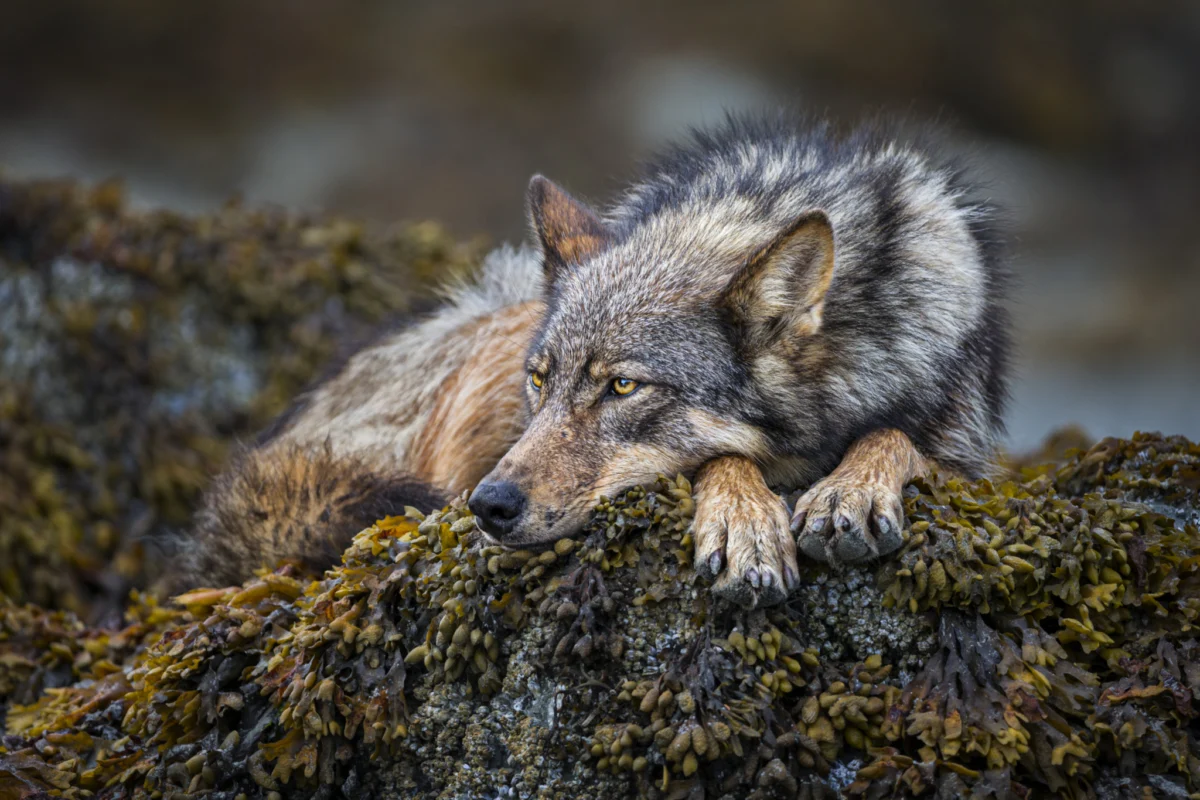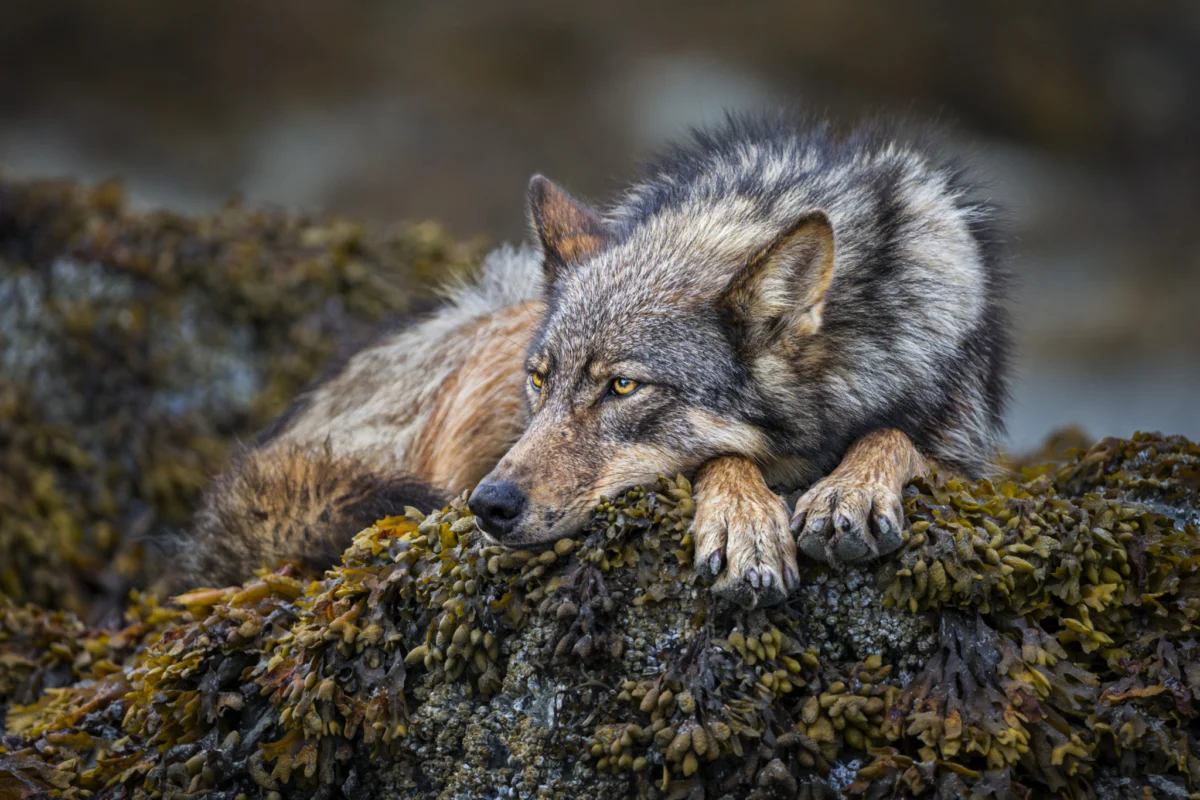
Thirty years ago, a journey into the remote Canadian wilderness, specifically the aptly named Barren Grounds, just 300 miles north of the Arctic Circle, marked the beginning of a profound connection with the natural world. This expedition, lasting three months and encompassing over 600 miles on foot and 2,000 miles by canoe, was initially driven by a desire to test personal limits and achieve survival in isolation. The primary objective, however, was to photograph tundra wolves. After weeks of unsuccessful observation, a breakthrough occurred: a solitary wolf was spotted, its tawny eyes and silver face emerging from the dense lupines. This initial encounter, born from meticulous patience and an hour of stealthy crawling, was the first of many, leading to a deeper understanding of these often-maligned creatures.
The archetype of the "big bad wolf," deeply ingrained in human culture through folklore, literature, and film, continues to cast a long shadow, despite scientific evidence to the contrary. While most individuals recognize that the sensationalized portrayals of wolves are fictional, a subconscious fear, amplified by childhood tales like "Little Red Riding Hood," persists. This deep-seated apprehension becomes particularly problematic in contemporary times, as biodiversity plummets across continents, and these apex predators are too often cast as convenient scapegoats for ecological imbalances.
The Wolf’s Ancient Role and Modern Misconceptions
Wolves have coexisted with the North American landscape for an estimated 30,000 to 50,000 years, predating human arrival. Their presence has historically been integral to maintaining healthy ecosystems, regulating prey populations, and promoting biodiversity through their role as apex predators. Yet, when populations of deer, elk, or other prey species decline, wolves are frequently the first to be blamed. This tendency to point fingers at wolves overlooks the far more significant and pervasive damage inflicted upon wildlife habitats by human activities such as deforestation, mining, drilling, and the extensive development of road networks.
The persistence of the "big bad wolf" narrative is not merely a matter of outdated fairy tales. It has tangible consequences, influencing public perception and, consequently, wildlife management policies. The notion that controlling and eradicating wolves is a viable solution for restoring nature is a fallacy that perpetuates a cycle of harm. Government-sanctioned wolf culls, presented as methods of wildlife "management," continue to be implemented in various regions. This approach stands in stark contrast to the ongoing environmental degradation driven by industrial activities, such as oil dredging and copper mining, which often receive less public scrutiny.
A Case Study in British Columbia: The Cost of Misguided Policy
The Canadian government’s current initiative to cull 4,000 wolves in British Columbia exemplifies the continuation of these misguided policies. This taxpayer-funded operation, justified under the banner of wildlife management, raises significant concerns among conservationists and scientists. The primary justification for such drastic measures is often the perceived impact of wolves on caribou populations, particularly in areas experiencing habitat fragmentation and human-induced pressures.
Timeline of Wolf Management Debates in British Columbia:
- Pre-2000s: Wolves have historically been subject to hunting and trapping, with population control measures often implemented to protect livestock and game species.
- Early 2000s: Growing concerns about declining caribou populations in certain regions of British Columbia lead to increased debate about the role of predators, including wolves.
- 2010s: Scientific studies and environmental assessments highlight the complex factors affecting caribou, including habitat loss, climate change, and predation. Conservation groups begin advocating for more holistic management approaches.
- 2015 onwards: Government programs, including aerial wolf culling, are implemented in specific areas to attempt to bolster caribou numbers. These programs face significant opposition from animal welfare organizations and some scientific communities who question their efficacy and ethical implications.
- Present Day: The debate continues, with ongoing calls for evidence-based, ecosystem-wide solutions that address habitat restoration and human impact, rather than focusing solely on predator reduction. The recent announcement of a significant cull in British Columbia has reignited these discussions.
The implications of such large-scale culling operations are far-reaching. While proponents argue for the necessity of these actions to prevent the extinction of vulnerable prey species, critics point to the potential for unintended ecological consequences. Removing a significant portion of the wolf population can disrupt the delicate balance of the ecosystem, potentially leading to overpopulation of other species, increased prevalence of disease, and cascading effects throughout the food web. Furthermore, the ethical considerations of systematically exterminating a species, particularly one that plays a vital role in ecological health, are a significant point of contention.
Data and Scientific Perspectives on Wolf Ecology
Scientific research consistently underscores the ecological importance of wolves. As apex predators, they exert top-down control on herbivore populations, preventing overgrazing and promoting plant diversity. This, in turn, benefits a wide array of other species, from insects to birds. Studies have demonstrated that the presence of wolves can lead to healthier forest ecosystems, as deer and elk are less likely to decimate young trees when facing predation pressure.
- Wolf Predation Rates: While wolves do prey on ungulates, their kill rates are often influenced by prey availability, environmental conditions, and the presence of other predators. In many cases, wolves target the old, sick, or weak, contributing to the overall health of prey populations.
- Ecosystem Services: The presence of wolves has been linked to increased biodiversity and improved ecosystem resilience. For example, the reintroduction of wolves to Yellowstone National Park has been credited with restoring riparian vegetation, improving beaver populations, and increasing songbird diversity.
- Human Impact vs. Wolf Impact: Data consistently show that habitat destruction, pollution, and climate change pose far greater threats to wildlife populations than wolf predation. For instance, the decline of caribou in British Columbia is multifactorial, with habitat loss due to logging and resource extraction playing a significant role alongside predation.
Expert Opinions and Conservationist Calls for Action
Conservation organizations and wildlife biologists have repeatedly called for a shift in approach, emphasizing the need for science-based, holistic conservation strategies. Dr. Sarah Peterson, a wildlife ecologist specializing in predator-prey dynamics, states, "Focusing solely on predator control as a solution to wildlife decline is a simplistic and often ineffective approach. We need to address the root causes of habitat degradation and human-wildlife conflict. Culling wolves can be a short-term measure, but it doesn’t solve the underlying issues that are driving species declines."
Many Indigenous communities, who have long coexisted with wolves and possess deep traditional knowledge of their ecological roles, also advocate for more respectful and integrated management practices. They often emphasize the spiritual and cultural significance of wolves and call for their protection.
The Path Forward: Embracing Understanding and Accountability
The enduring myth of the "big bad wolf" hinders our ability to implement effective conservation strategies. Instead of scapegoating predators that have maintained ecological balance for millennia, we must hold our own species accountable for the true damage inflicted upon our planet. This requires a fundamental shift in our relationship with nature, moving from a mindset of control and exploitation to one of understanding and stewardship.
The beauty and intrinsic value of animals like wolves lie not only in their own existence but also in the vital role they play within their ecosystems. Villainizing these predators only plunges us deeper into a cycle of destruction. Every creature, regardless of how it is perceived, contributes to the intricate tapestry of life on Earth.
Broader Implications:
The current approach to wolf management in regions like British Columbia has significant implications beyond the immediate conservation of specific species. It highlights a broader societal challenge in reconciling human development with ecological preservation. The continued reliance on reactive, often punitive, measures like culling risks:
- Undermining Ecosystem Health: Disrupting natural predator-prey dynamics can have unforeseen and long-lasting negative consequences on ecosystem stability.
- Eroding Public Trust: Controversial management decisions can lead to a loss of public confidence in government wildlife agencies.
- Perpetuating Misinformation: The persistence of outdated narratives about wolves can hinder progress towards more informed and effective conservation efforts.
- Ignoring Systemic Issues: Focusing on wolves diverts attention and resources from addressing the larger systemic threats, such as climate change and habitat destruction, that endanger biodiversity on a global scale.
Shifting our focus to addressing these broader systemic threats is the crucial first step toward facing the truth and healing our fractured relationship with the natural world. It requires acknowledging our impact, embracing scientific understanding, and fostering a deeper appreciation for the interconnectedness of all living beings. Only then can we hope to move beyond the persistent myths and toward a future where both humans and wildlife can thrive.