The release of the Nippon Kogaku W-Nikkor 3.5cm f/1.8 in 1956 marked a transformative moment in the history of optical engineering, signaling Japan’s emergence as a global leader in high-performance lens manufacturing. Often described by contemporary collectors and optical historians as a "mid-century masterpiece," this lens represented the pinnacle of the rangefinder era, blending innovative materials with a design philosophy that challenged the long-standing dominance of German manufacturers such as Zeiss and Leica. While the lens is celebrated for its technical specifications, its enduring legacy lies in its unique "Sonnar-like" rendering—a characteristic driven by the strategic use of rare-earth lanthanum glass and a revolutionary optical formula designed by Hideo Azuma.
The Genesis of Nippon Kogaku and German Influence
To understand the significance of the W-Nikkor 3.5cm f/1.8, one must examine the institutional foundations of Nippon Kogaku Kogyo Kabushiki Kaisha. Founded in July 1917 through the merger of three smaller optical firms under the Mitsubishi Group, the company was initially tasked by the Japanese government to achieve domestic self-sufficiency in optical glass. This necessity was born of the supply chain disruptions of World War I, which severed Japan’s access to German-made military optics.
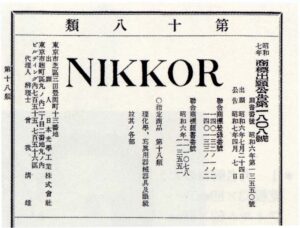
In the early 1920s, the company took a decisive step by recruiting eight German engineers, including specialists from the renowned C.P. Goerz firm. These engineers, led by Heinrich Acht, introduced rigorous European methodologies for lens design, computation, and precision grinding. By the early 1930s, Nippon Kogaku had registered the "Nikkor" trademark, though its output remained largely restricted to military and scientific applications. It was during this period that the company refined the manufacturing processes that would later allow it to exceed the standards of its European mentors.
The 1950 Breakthrough: From Military Secret to Global Sensation
The global reputation of Nikkor optics was forged not in a laboratory, but on the battlefields of the Korean War. In June 1950, prominent photojournalists David Douglas Duncan of LIFE magazine and Horace Bristol of Fortune encountered the work of Japanese photographer Jun Miki. Struck by the exceptional sharpness and clarity of Miki’s images, Duncan and Bristol visited the Nippon Kogaku factory, where they were invited to test the lenses against their own German optics.
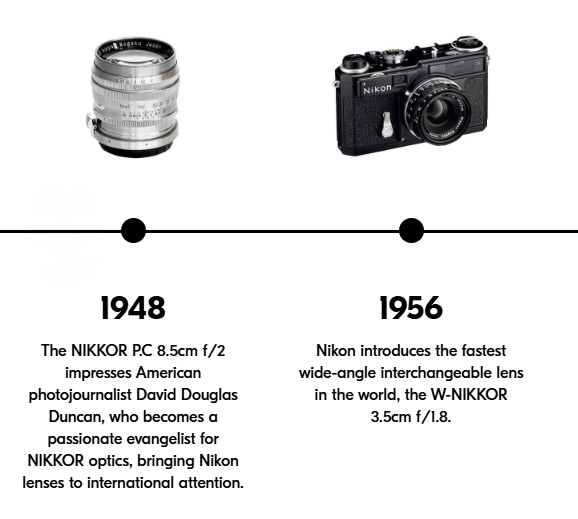
The results were paradigm-shifting. Upon receiving Duncan’s negatives in New York, LIFE’s lab technicians reported that they were the sharpest 35mm images the lab had ever processed. Testing conducted by Eastern Optical Company confirmed that the Nikkor lenses possessed superior resolving power and color correction. This period marked the first time that working professionals began to seek out Japanese optics over the established German standards of Leitz and Zeiss, setting the stage for the introduction of the W-Nikkor 3.5cm f/1.8 six years later.
Technical Innovation: Hideo Azuma and Lanthanum Glass
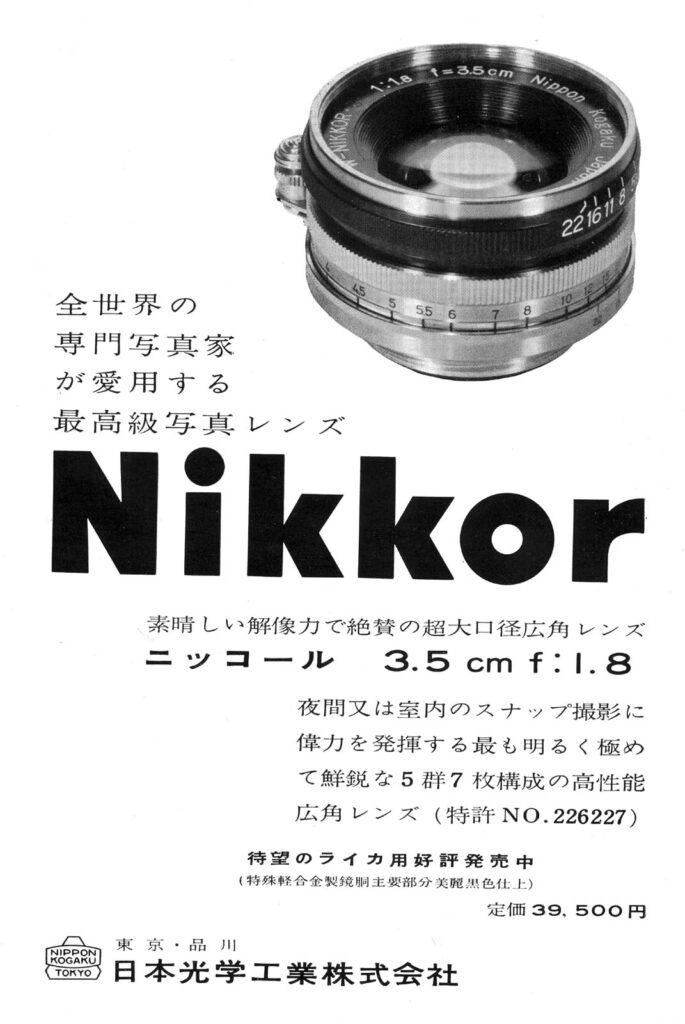
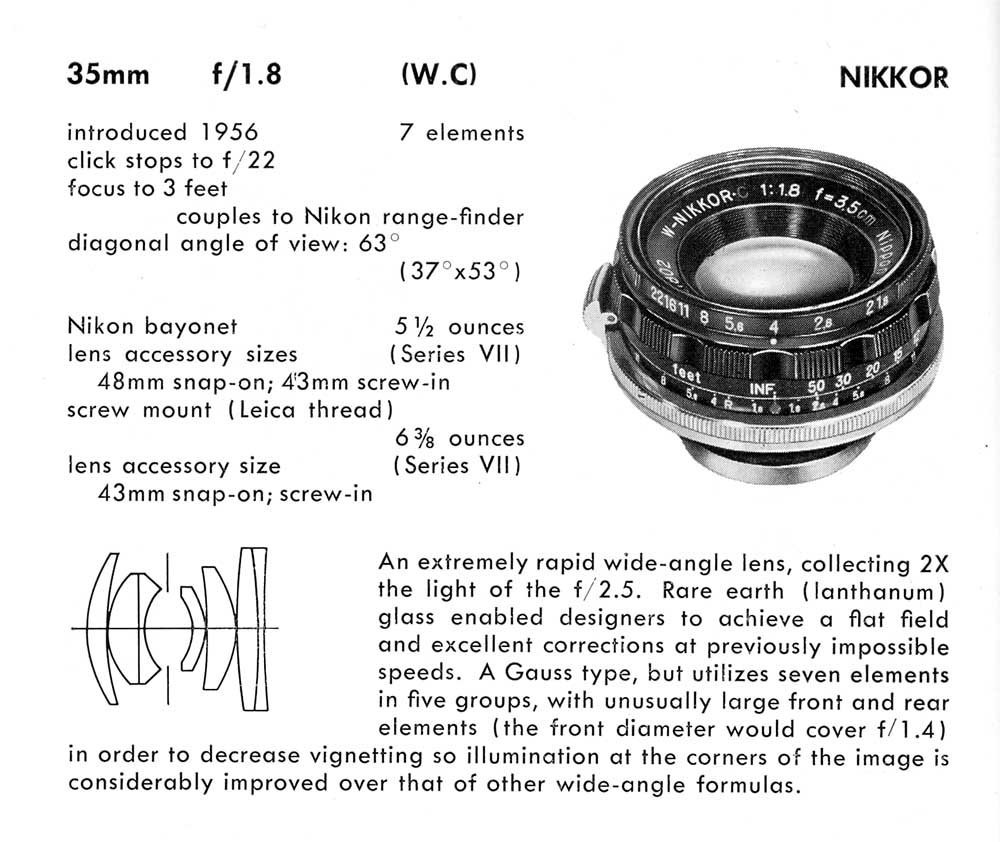
By the mid-1950s, the race to produce faster wide-angle lenses was intensifying. In 1956, Nippon Kogaku released the W-Nikkor 3.5cm f/1.8, designed by Hideo Azuma. It was the first 35mm lens in the world to surpass the f/2.0 aperture threshold, a feat achieved through a radical departure from traditional Gauss-type designs.
The Optical Formula
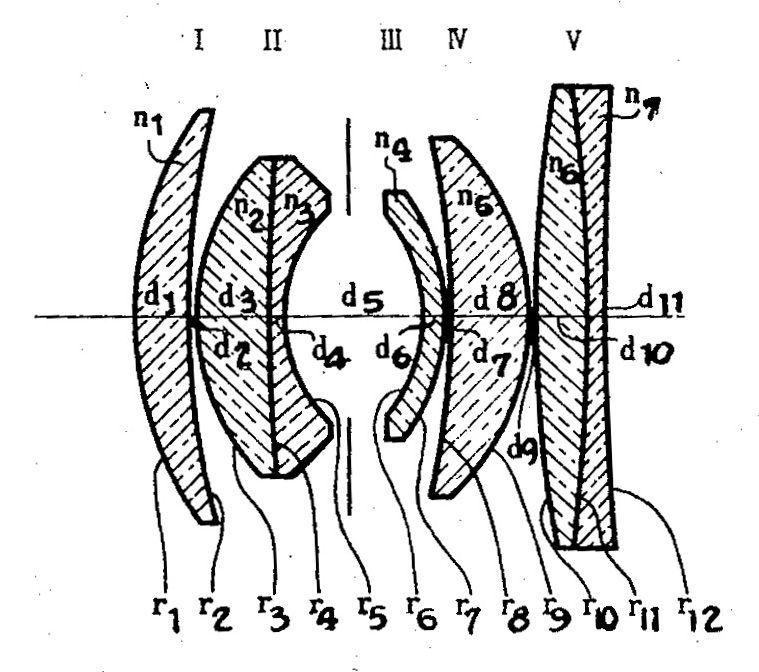
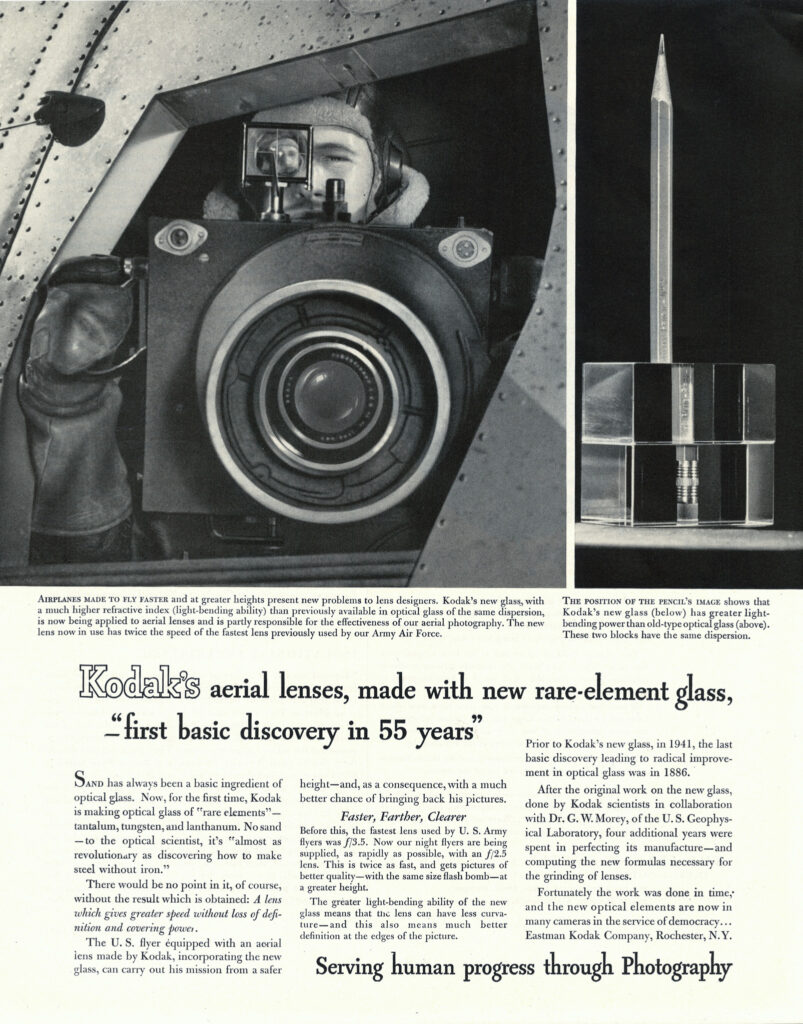
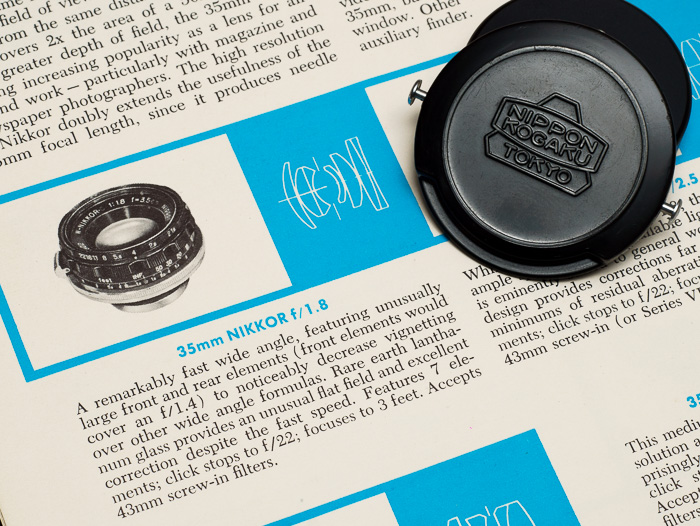
Azuma’s design utilized a seven-element, five-group configuration. The innovation lay in the use of newly developed lanthanum crown glass for all convex elements. Lanthanum, a rare-earth element, allows for a high refractive index with low dispersion. This enabled the design of thinner lens elements with shallower curves, which significantly reduced spherical aberration and field curvature.

The lens featured a pivotal cemented doublet at the rear of the formula. This specific arrangement functioned as a field flattener, ensuring that the lens maintained sharpness across the entire frame, even when shooting wide open. Modern engineers, including Chris Andreyo of Skyllaney Opto-Mechanics, have noted that the rear lanthanum element is the source of the lens’s "magic," providing a level of corner-to-corner resolution that Leica would not match in a 35mm lens until the introduction of the Aspherical Summilux in 1991.

Rendering and Aberration Balance
Unlike modern lenses that prioritize clinical, high-contrast sharpness through the total elimination of aberrations, the W-Nikkor 3.5cm f/1.8 utilizes what experts call "aberration balance." Zeiss originally referred to this as "rounded sharpness," while modern users describe it as "organic."

By retaining a controlled amount of spherical aberration, the lens creates a smooth transition between in-focus and out-of-focus areas. This results in a "three-dimensional pop" where the subject appears to melt away from the background. Wide open, the lens exhibits a gentle "glow" around highlights—a byproduct of its vintage coatings and formula—but remains resolve-heavy, making it compatible even with modern 60-megapixel digital sensors.
Historical Chronology and Market Evolution
The trajectory of the W-Nikkor 3.5cm f/1.8 reflects the broader shifts in the photography industry during the 20th century.

- 1917: Nippon Kogaku is founded to provide military optics for Japan.
- 1921: German engineers arrive in Tokyo, elevating Japanese optical standards.
- 1950: David Douglas Duncan popularizes Nikkor lenses in the West during the Korean War.
- 1954: Leica introduces the M-mount, fundamentally changing the rangefinder market.
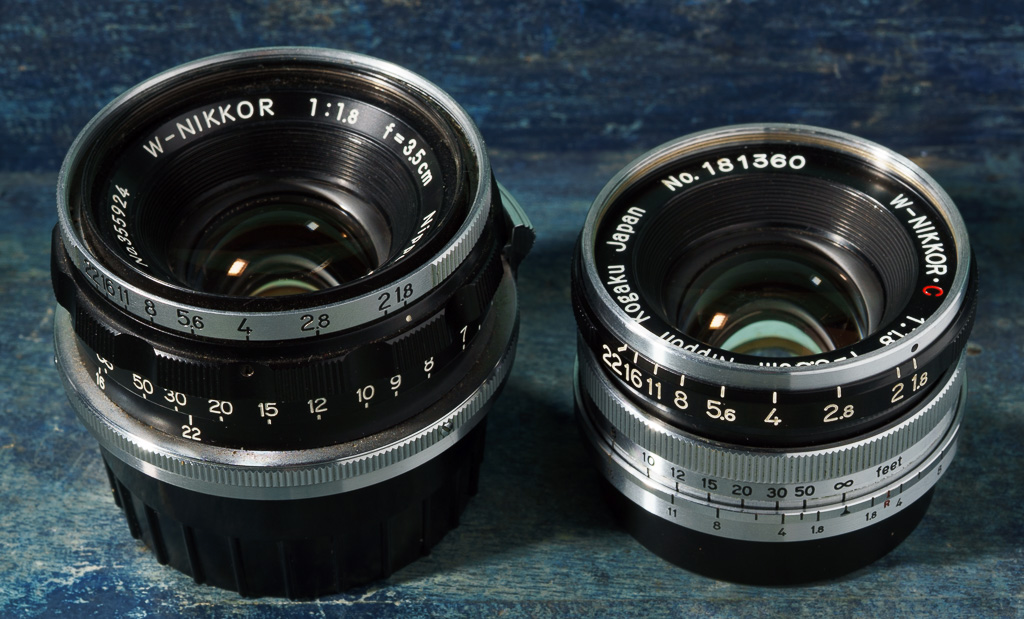
- 1956: The W-Nikkor 3.5cm f/1.8 is released in S-mount for Nikon rangefinders.
- 1957: A rare Leica Thread Mount (LTM) version is released for use on Leica bodies.
- 1959: The Nikon F SLR is introduced, leading to a decline in rangefinder production.
- 1964: Production of the original W-Nikkor 3.5cm f/1.8 ceases as the industry shifts to SLRs.
- 2005: Nikon releases a limited-edition reissue of the lens (without lanthanum glass).
- 2020s: Modern conversion services like Omnar Lenses begin rehousing S-mount optics for M-mount digital cameras.
Comparative Market Data and Rarity
The W-Nikkor 3.5cm f/1.8 is currently one of the most sought-after vintage lenses for rangefinder enthusiasts, particularly those using digital Leica M bodies. Its market value is dictated by mount type and condition.
Production Numbers
The disparity in production numbers has created a significant price gap between versions. According to archival data from the Nikon Historical Society (NHS) and researcher Roland Vink:
- S-Mount (Nikon/Contax): Approximately 6,901 units produced. These are common but difficult to adapt to modern Leica M bodies due to a protruding rear element that interferes with the rangefinder cam.
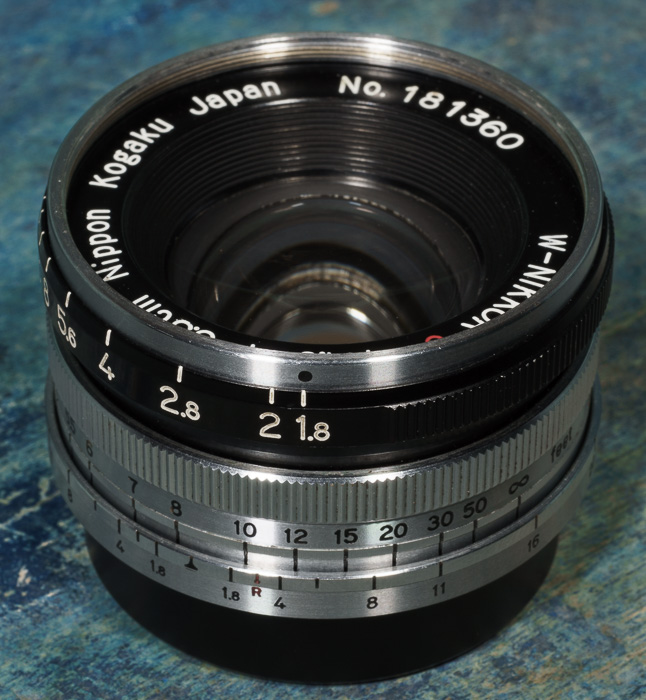
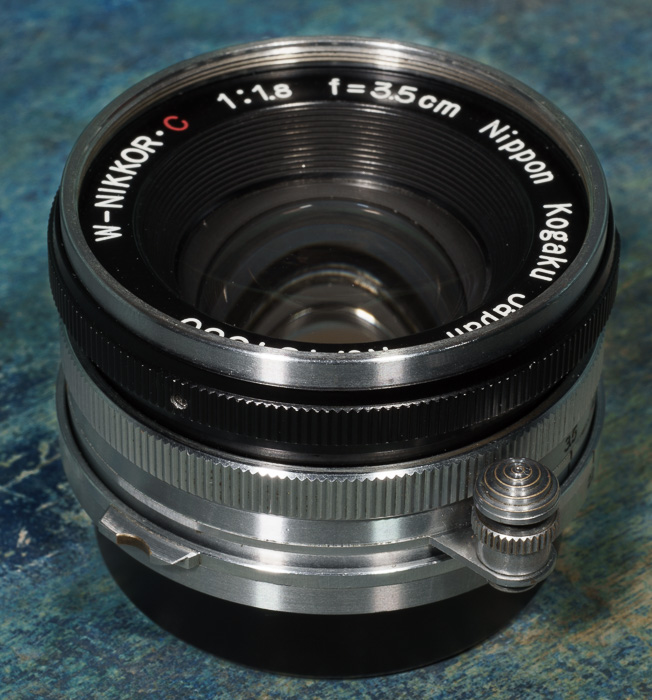
- LTM (Leica Thread Mount): Between 1,470 and 1,580 units produced. These are highly prized as they can be easily adapted to any Leica M camera with a simple ring.
Valuation (2024-2025 Data)
Recent auctions and dealer listings reflect the lens’s status as a blue-chip collectible:
- LTM Versions: Prices typically range from $4,000 to $7,000 for clean examples, with rare "mint" specimens reaching as high as $13,000 on platforms like eBay.
- S-Mount Versions: Generally available for $800 to $1,500.
- Omnar Conversions: A rehoused S-mount lens in a modern M-mount body often commands between $2,500 and $4,000, offering a more functional alternative to the rare original LTM version.
The Modern Revival: Omnar and Digital Compatibility
The resurgence of interest in the W-Nikkor 3.5cm f/1.8 is largely due to its performance on high-resolution mirrorless and digital rangefinder cameras. While many vintage lenses "fall apart" when faced with 40 or 60-megapixel sensors, the W-Nikkor’s high resolving power allows it to remain sharp.
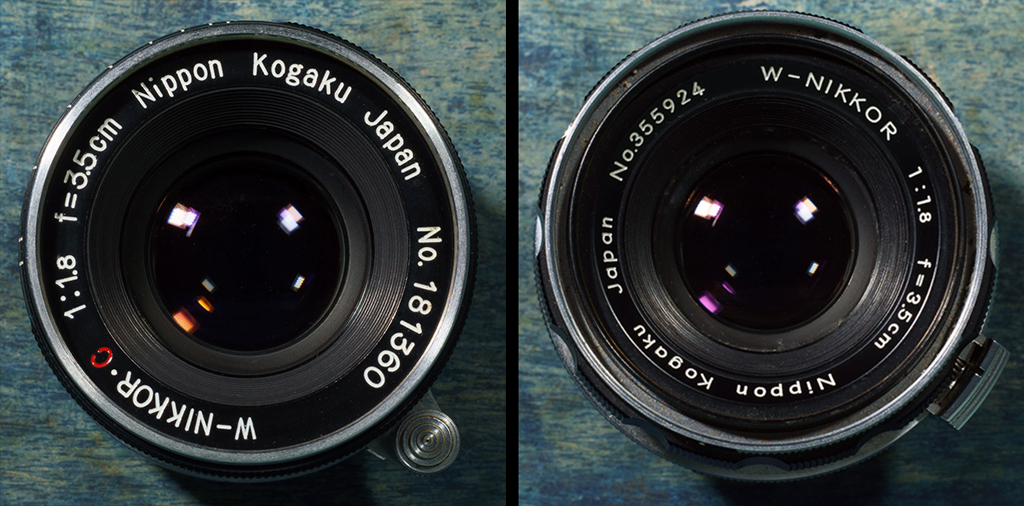
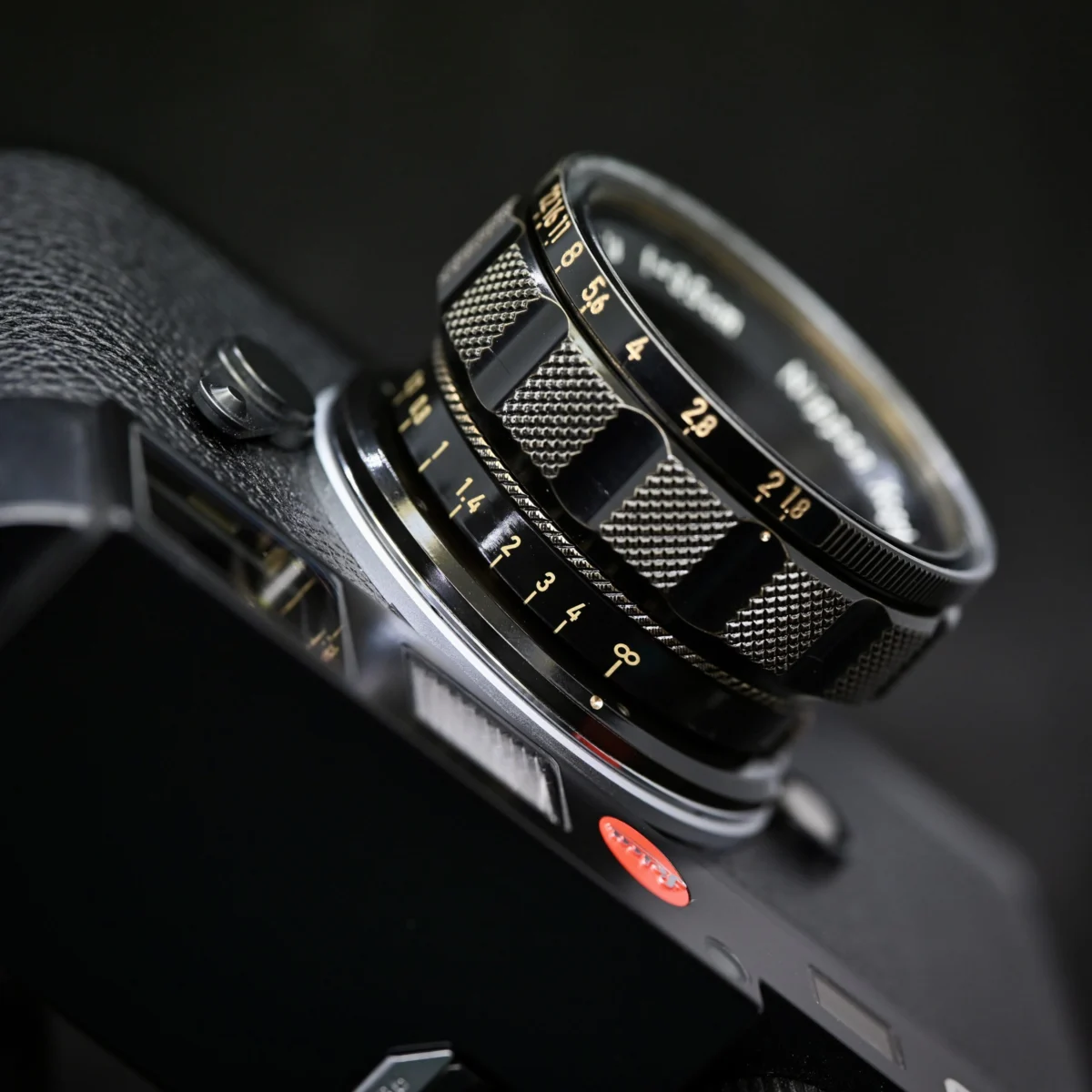
However, the physical limitations of the S-mount version—specifically the rear element flange—have historically prevented Leica users from enjoying the lens. This led to the formation of Omnar Lenses, a joint venture between optical engineers and rangefinder enthusiasts. By rehousing the original 1950s optical blocks into precision-engineered, Scottish-made brass housings, Omnar has allowed a new generation of photographers to experience Hideo Azuma’s design. These conversions feature modern amenities such as a 0.67m close-focus distance (compared to the original 0.9m or 1m) and laser-perfect rangefinder coupling.
Broader Implications for Optical History
The W-Nikkor 3.5cm f/1.8 serves as a reminder that "progress" in optical design is not always linear. While modern lenses offer near-perfect correction of flare, distortion, and chromatic aberration, they often do so at the expense of character and "feeling." The unique rendering of the W-Nikkor—attributed to its rare-earth glass that can no longer be manufactured under modern environmental regulations—represents a specific moment in time when engineering was as much an art as a science.
As photographers increasingly look for ways to distinguish their work from the clinical perfection of smartphone AI and modern hyper-corrected optics, the W-Nikkor 3.5cm f/1.8 remains a vital tool. It stands as a testament to Hideo Azuma’s genius and Nippon Kogaku’s legacy, proving that a lens designed with logarithmic tables and an abacus in 1956 can still outperform the most expensive modern optics in the eyes of those seeking a truly unique visual signature.