The landscape of digital imaging has undergone a seismic shift over the last decade, transitioning from a reliance on heavy, specialized equipment to the high-performance sensors found within modern smartphones. As of 2024, the iPhone remains at the forefront of this revolution, utilizing sophisticated computational photography to bridge the gap between amateur snapshots and professional-grade portraiture. The democratization of photography means that technical mastery is no longer confined to those with expensive DSLR kits, but is instead available to anyone capable of leveraging the advanced optics and software processing integrated into mobile devices. To achieve compelling results, photographers must move beyond the basic "point-and-shoot" mentality and adopt deliberate techniques involving light manipulation, structural posing, and narrative styling.
The Technological Evolution of the Mobile Portrait
The journey of iPhone photography, often referred to as "iPhoneography," began in earnest with the introduction of the iPhone 7 Plus in 2016, which debuted "Portrait Mode." This feature utilized dual-lens technology to create a synthetic depth-of-field effect, or bokeh, simulating the aesthetic of a wide-aperture prime lens. Since then, Apple’s development of the Photonic Engine and Smart HDR 5 has significantly enhanced the device’s ability to resolve fine detail in varied lighting conditions. Current market data suggests that over 90% of consumers now use their smartphones as their primary camera, leading to a surge in demand for professional-level techniques adapted for the mobile interface.
High-Contrast Lighting and the Chiaroscuro Effect
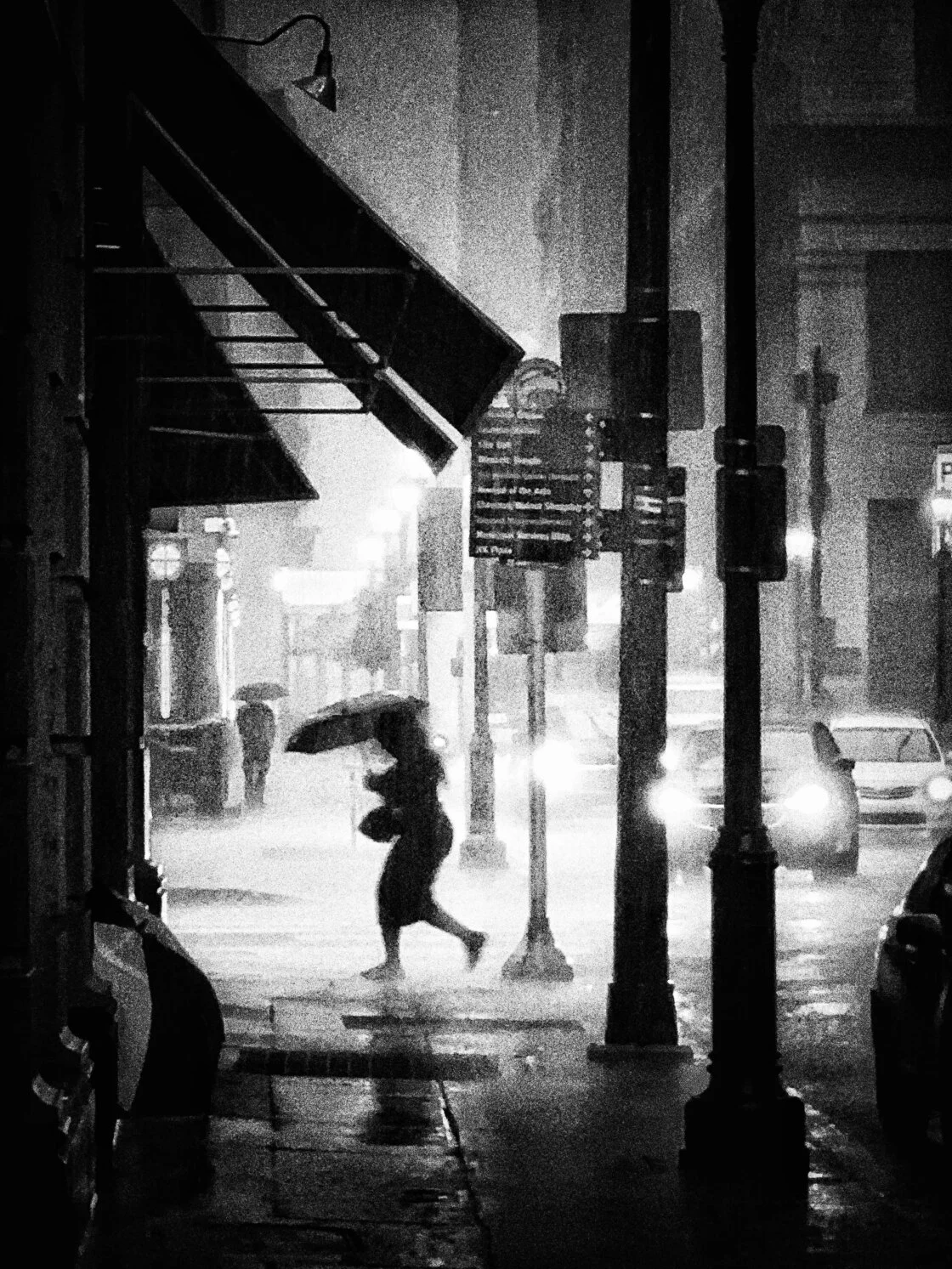
One of the most effective methods for elevating a mobile portrait is the intentional use of high-contrast light. In professional circles, this is often associated with the "Chiaroscuro" technique, a term derived from the Italian words for "light" and "dark." By seeking out environments where bright illumination meets deep shadow, photographers can create a sense of three-dimensional volume and dramatic tension.
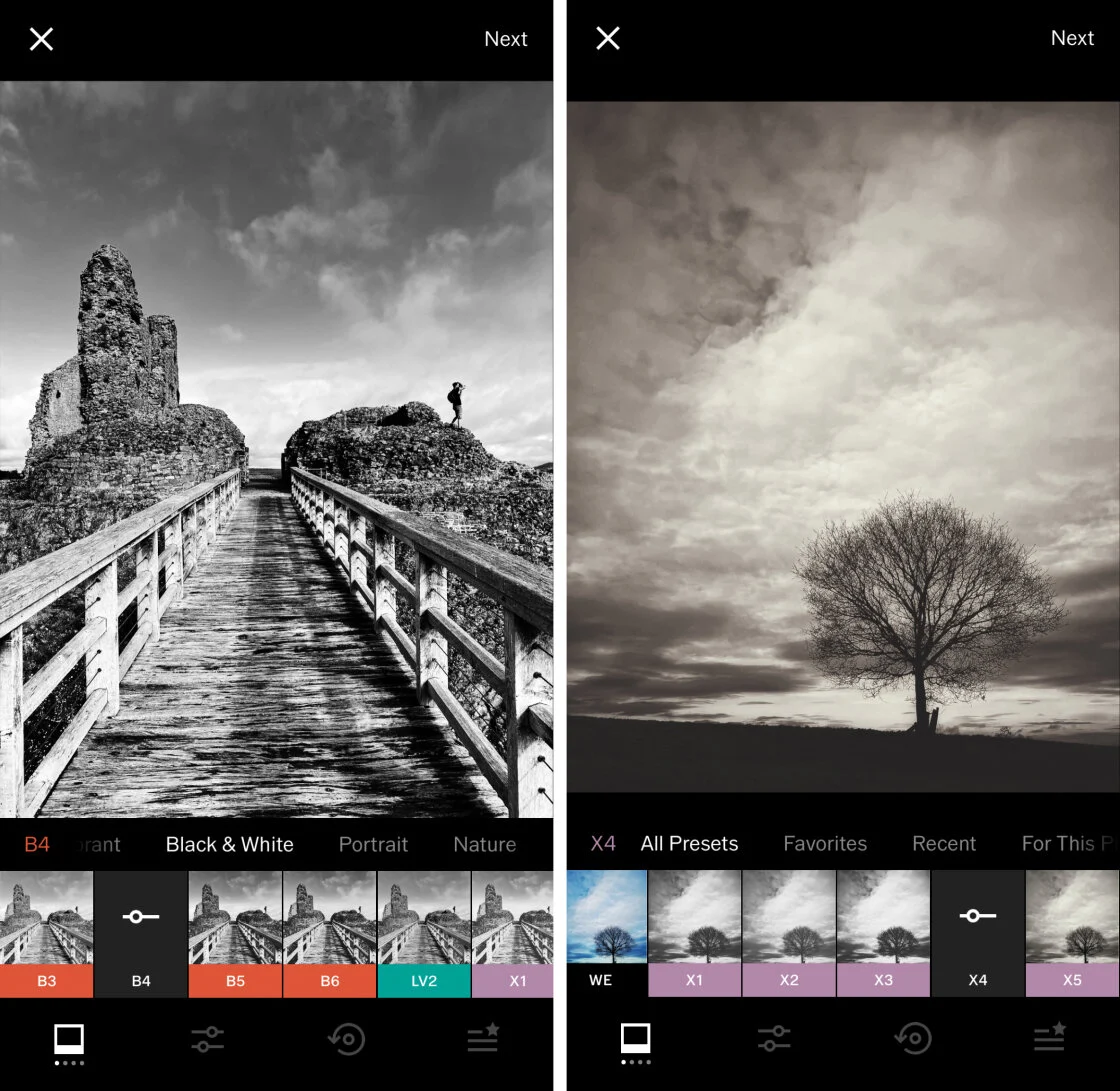
On a technical level, the iPhone’s camera app allows for precise control over exposure. When a subject is positioned in high-contrast light—such as the harsh midday sun filtered through an architectural gap—the photographer should tap on the subject’s face to lock focus and then manually adjust the exposure slider downward. This action forces the software to prioritize the highlights, allowing the shadows to clip into deep blacks. This method is particularly effective for black-and-white conversions, as it emphasizes form and texture over color information. Industry analysts note that high-contrast imagery consistently performs better on visual-centric social platforms due to its high "stopping power" or ability to catch a viewer’s eye during a scroll.
Geometric Light Patterns and Texture Manipulation
Beyond simple contrast, the introduction of light patterns adds a layer of sophistication to portraiture. This technique involves using "gobos" (go-betweens) to cast specific shadows onto the subject. Indoors, this can be achieved through window blinds, lace curtains, or beveled glass. Outdoors, natural elements like foliage or man-made structures like chain-link fences provide ready-made textures.
The creative application of light patterns serves two purposes: it provides visual interest and acts as a form of "digital makeup," breaking up the uniformity of the subject’s skin. To maximize the impact of these patterns, photographers are encouraged to experiment with household objects. A simple kitchen strainer, for example, can cast a complex grid of light across a model’s features, creating a high-fashion aesthetic with zero financial investment in studio gear.
Advanced Posing and the Physics of Perspective
A common pitfall in amateur portraiture is the "static pose," which often results in a flat, unengaging image. Professional mobile photographers utilize specific posing techniques to create leading lines and natural frames within the composition.
- Manual Framing: Encouraging a subject to use their hands to frame their face provides a natural focal point. This technique, often used in editorial photography, creates a closed circuit of interest that keeps the viewer’s eye on the subject’s expression.
- Sensual and Emotional Tilt: Asking a subject to tilt their head or place a hand on their neck alters the lines of the body, creating a more elegant silhouette.
- Low-Angle Distortion: Utilizing the iPhone’s wide-angle lens (typically the 1x or 0.5x settings) from a low perspective can drastically change the viewer’s perception of the subject. By shooting upward, the photographer can make the subject appear more powerful or "larger than life." This technique is frequently employed in sports and fashion photography to emphasize movement and stature.
Evoking Mood Through Motion and Computational Tools
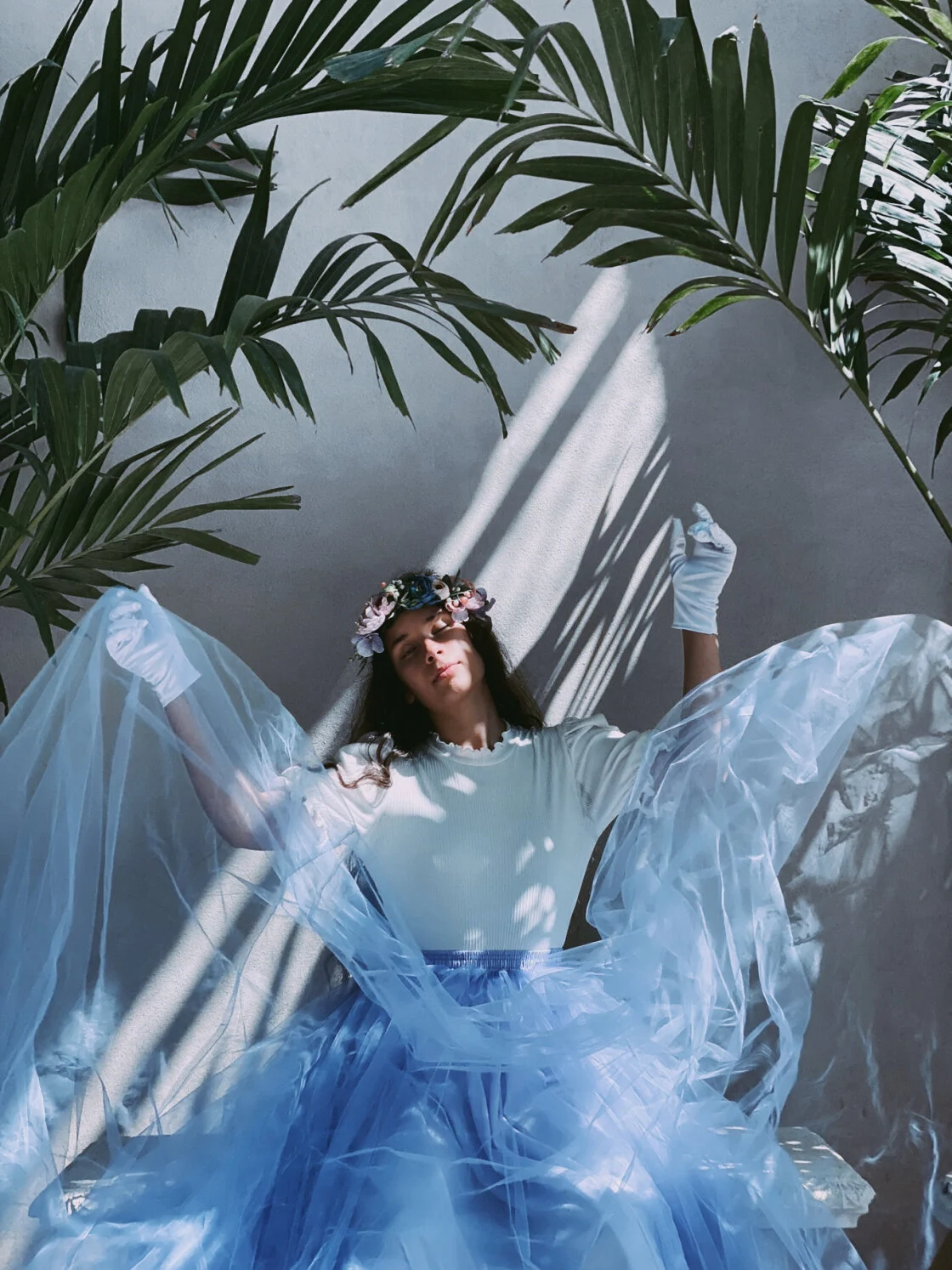
The "dreamy" aesthetic is a perennial favorite in portraiture, characterized by soft edges, flowing fabrics, and a sense of ethereal calm. Achieving this on an iPhone requires a combination of physical direction and the use of the device’s "Burst Mode."
Movement is the primary catalyst for a dreamy mood. When a subject wears flowing garments, the photographer can capture the kinetic energy of the fabric as it falls. Because the human eye cannot always predict the perfect moment of a fabric’s descent, Burst Mode—activated by sliding the shutter button to the left on newer models—allows the camera to capture a rapid sequence of images. The user can then select the frame where the light and material align perfectly.
Furthermore, facial expressions play a critical role. Directing a subject to close their eyes or look away from the lens removes the direct "confrontation" of a standard portrait, inviting the viewer to wonder about the subject’s internal state. This shift from "looking at" to "looking with" is a hallmark of high-end fine art photography.
Spatial Dynamics in Multi-Subject Composition
Posing two people—whether for engagement photos, sibling portraits, or professional headshots—introduces the challenge of balancing two focal points. The most successful mobile photographers avoid symmetrical, side-by-side positioning in favor of depth-based arrangements.
By placing subjects at different distances from the lens, the photographer creates a sense of scale. The iPhone’s "Portrait Mode" is essential here; by using a shallow depth of field, the device can keep one subject in sharp focus while gently blurring the other. This creates a narrative hierarchy within the image. Additionally, encouraging physical connection, such as a shared embrace with eyes closed, leverages the "emotional sensor" of the viewer, making the photograph feel like a captured moment rather than a staged event.
Narrative Storytelling Through Props and Semiotics
In the context of visual communication, every object in a frame carries a symbolic weight. This is known as semiotics. The use of props is perhaps the most direct way to transition from a simple "picture of a person" to a "story about a person."
- Natural Elements: Flowers can symbolize growth, beauty, or, if wilted, the passage of time.
- Vintage Objects: Incorporating an old car or period-specific clothing can transport the viewer to a different era, a technique often used in high-concept advertising.
- Lifestyle Props: Simple items like a coffee cup or a book evoke feelings of domesticity and comfort.
The key to successful prop usage is integration. The prop should not look like an afterthought but should be a functional part of the subject’s environment. This creates a "lived-in" feel that resonates more deeply with audiences than a sterile studio shot.
Wardrobe Styling and Environmental Harmony
The final pillar of a compelling iPhone portrait is styling. The color and texture of a subject’s clothing must be considered in relation to the background to ensure visual harmony or intentional discord.
According to color theory, matching a subject’s outfit to the dominant tones of their environment (analogous colors) creates a soothing, professional look. Conversely, using a color that sits opposite the background on the color wheel (complementary colors)—such as a blue dress against an orange sunset—creates a vibrant "pop" that is highly effective for commercial work.
Industry experts suggest that styling should also reflect the location’s "vibe." A city shoot benefits from structured, "grungy" or trendy attire, whereas a forest or field setting is better suited for soft, neutral fabrics. This attention to detail ensures that the photograph feels cohesive and intentional.
Analysis of Broader Industry Impact
The rise of high-quality iPhone portraiture has forced a re-evaluation of professional photography standards. While high-end DSLR and mirrorless cameras still hold an advantage in large-format printing and extreme low-light scenarios, the iPhone’s ability to produce "good enough" or even "excellent" results for digital consumption has shifted the market. Professional photographers are increasingly incorporating mobile devices into their workflows for "behind-the-scenes" content and social media management.
Furthermore, the accessibility of these techniques has empowered a new generation of creators. The ability to produce a high-impact portrait with a device that fits in a pocket has lowered the barrier to entry for the creative arts. As computational photography continues to advance—with rumors of larger sensors and AI-driven lighting adjustment on the horizon—the line between the smartphone and the professional studio will only continue to blur. The true "lens" of the future is not just the glass on the back of the phone, but the creative vision of the individual holding it.