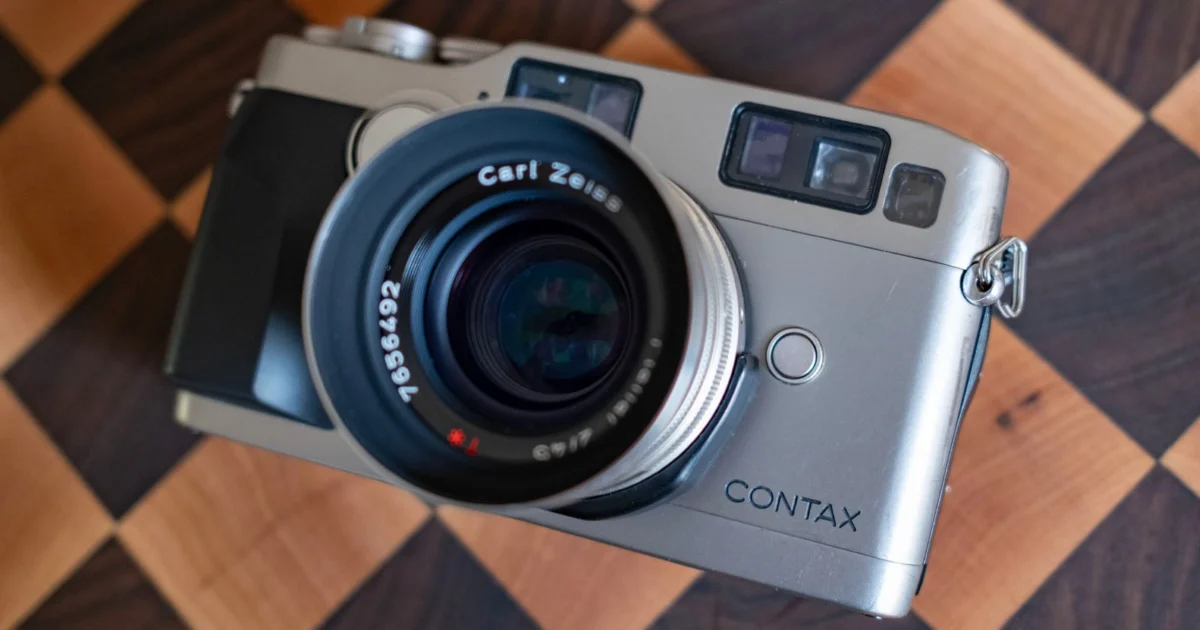
The Contax G2, a camera that ceased production nearly two decades ago, continues to command significant attention and high prices in the contemporary photography market. Its recent resurgence in popularity, fueled by a general revival of film photography and endorsements from public figures, prompts a closer examination of whether the widespread acclaim for this camera is genuinely warranted or merely the product of fleeting hype. An investigation into its design, historical context, and unique capabilities reveals a sophisticated instrument that, even today, stands apart in the photographic landscape.
Historical Context: A Legacy Forged in Innovation
To understand the Contax G2, it is essential to trace the lineage of the Contax brand itself. Originally a creation of Zeiss Ikon in Germany, Contax became synonymous with precision optics and engineering excellence. Following World War II, the brand split, with a portion eventually being revived in Japan through a partnership between Carl Zeiss and Yashica. This collaboration, which began in 1974, aimed to combine German optical prowess with Japanese manufacturing efficiency. The subsequent acquisition of Yashica by Kyocera in 1983 further cemented Contax’s position as a premium camera manufacturer, known for innovative film SLR and medium format systems.
The mid-1990s marked a pivotal period for Contax and the broader camera industry. While autofocus single-lens reflex (SLR) cameras were rapidly advancing, and early digital cameras were beginning to emerge, Kyocera, under the Contax banner, chose a different path. In 1994, they introduced the Contax G1, an ambitious camera that broke traditional molds. It was an interchangeable lens system with an optical rangefinder, a feature typically associated with manual focus cameras, but crucially, it incorporated an advanced autofocus system. This fusion of classic rangefinder aesthetics with modern automation set the stage for its successor, the Contax G2, launched in 1996. The G2 was not merely an iteration but a significant refinement, addressing some of the G1’s limitations and elevating the concept to a new level of performance and user experience. Production of the G2 continued until Kyocera’s eventual withdrawal from the camera market in 2005, marking the end of an era for the Contax brand.
The Contax G2: A Hybrid Marvel of Design and Engineering
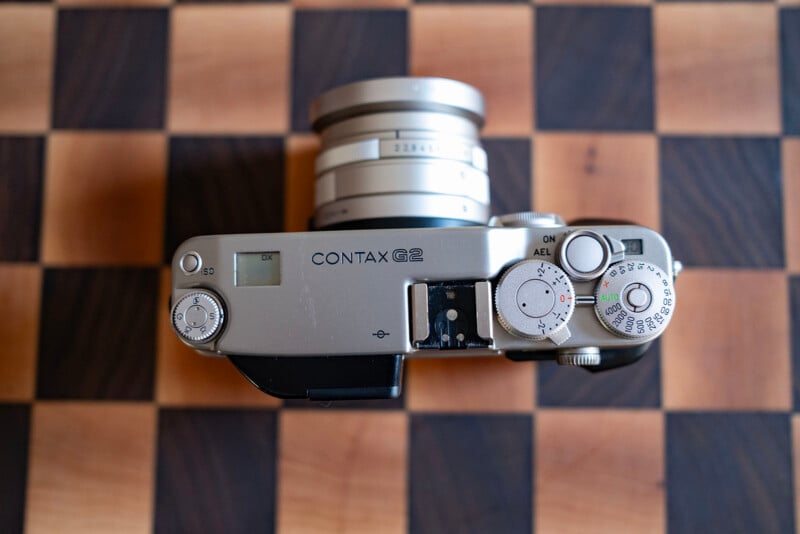
The Contax G2 remains, to the best of current industry knowledge, the only interchangeable lens, autofocus-equipped rangefinder camera system ever produced. This unique blend places it in a category of its own, distinct from fixed-lens point-and-shoots and traditional manual-focus rangefinders. It deftly marries the intuitive ease of a sophisticated point-and-shoot with the versatility and manual control expected by an enthusiast photographer.
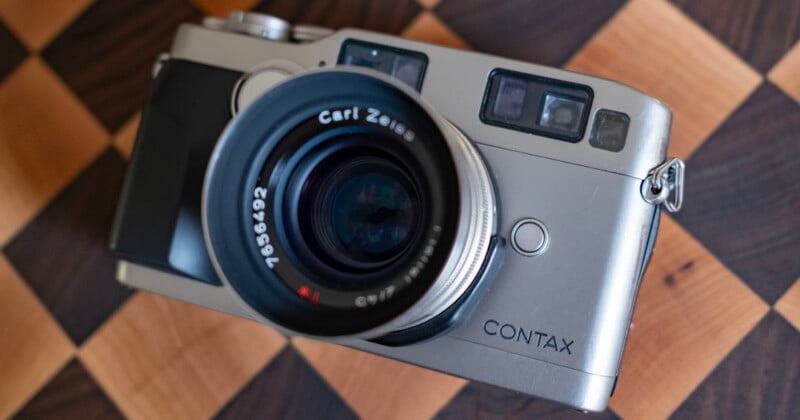
At its core, the G2 features a body-driven autofocus system, a departure from modern lenses where the motor resides within the lens itself. This system utilizes a sophisticated combination of infrared triangulation and a passive external twin-window optical sensor. The infrared emitter projects a beam, and its reflection is read by the sensor, allowing the camera to precisely determine the subject’s distance. This method provides highly accurate and remarkably fast autofocus, especially for a film camera of its vintage. Users can select between single-point and continuous autofocus modes, though many photographers find single-point autofocus, coupled with the "focus and recompose" technique, to be most effective for achieving precise compositions. The camera’s rear autofocus button facilitates this workflow, allowing photographers to lock focus independently before finalizing their framing and capturing the shot. This operational fluidity makes the G2 particularly well-suited for dynamic environments like street photography.
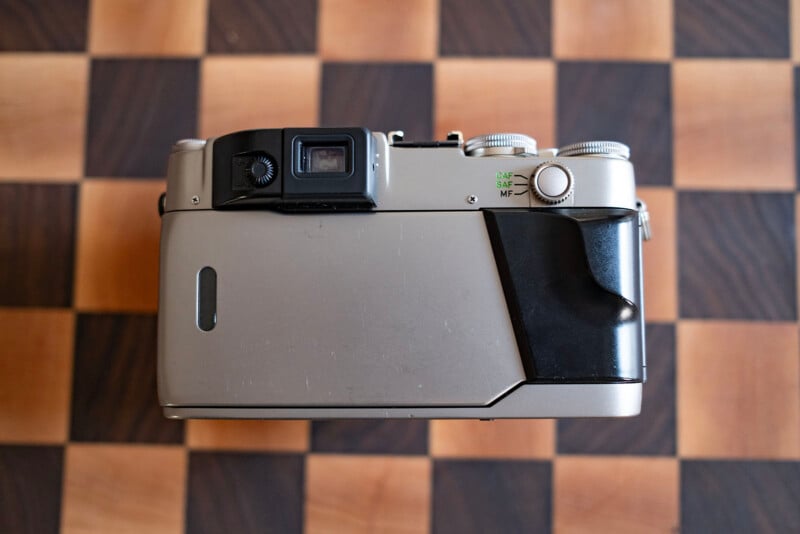
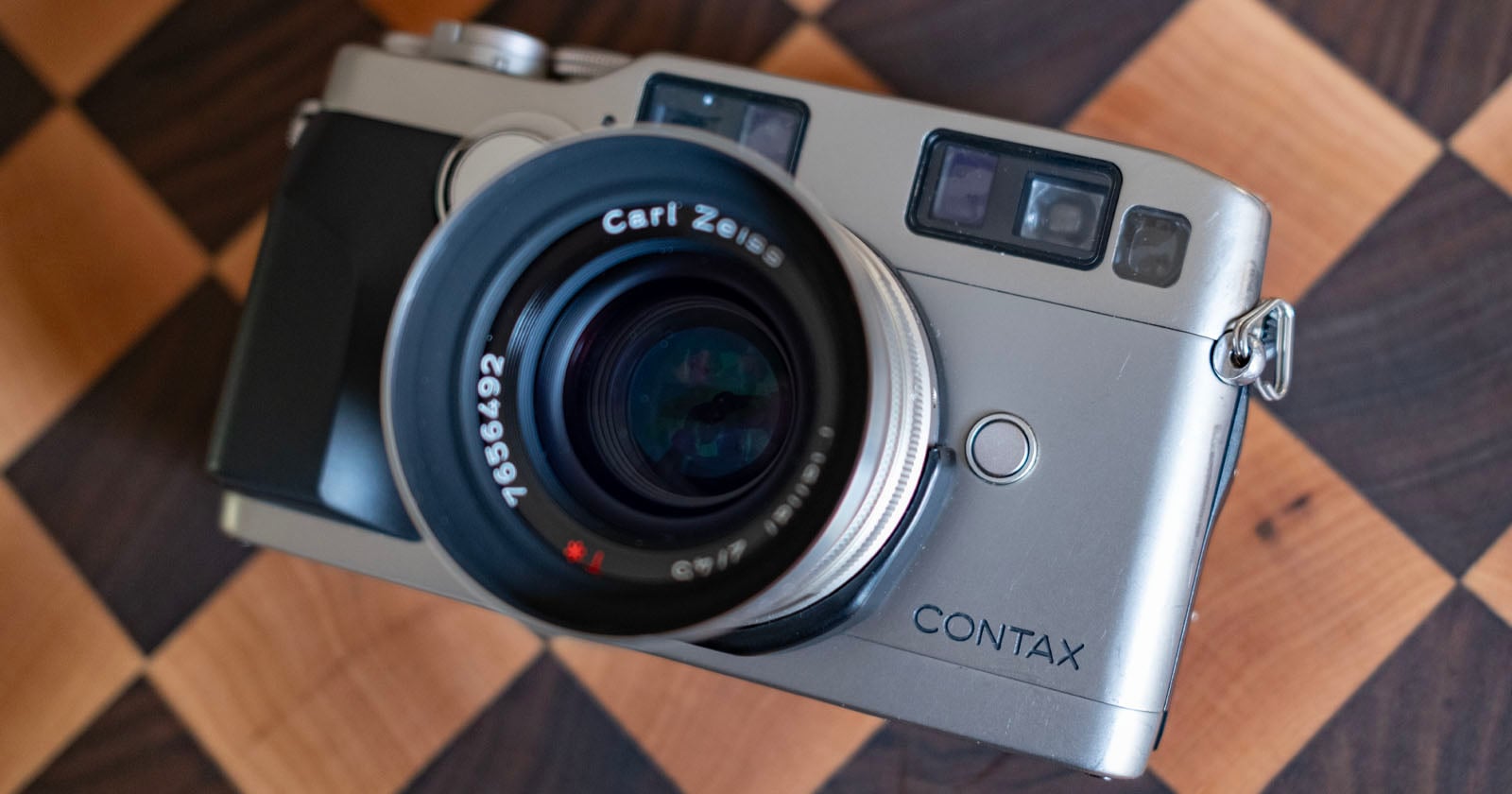
The G2’s interchangeable lens system is another hallmark of its advanced design. Unlike many camera systems where the entire lens barrel twists onto the mount, Contax G-series lenses feature a distinctive black collar that remains stationary during mounting. Only the internal metal components of the lens rotate and lock into place. This unique mechanism, while initially counter-intuitive for users accustomed to conventional lens mounts, speaks to the bespoke engineering of the system. Furthermore, the optical viewfinder automatically adjusts its frame lines to correspond with the field of view of the attached lens, a thoughtful design element that enhances the shooting experience and maintains the rangefinder’s inherent compositional advantages.
While the G2 offers a fully manual shooting mode, including manual focus driven by a small front wheel, many experienced users advocate for leveraging its sophisticated automation. The camera’s "Auto mode" is, in essence, aperture priority, allowing the photographer to control depth of field while the camera manages shutter speed for optimal exposure. This semi-automatic approach liberates the photographer to concentrate on composition and subject interaction, a significant advantage for capturing fleeting moments without being bogged down by technical adjustments. This level of reliable automation in a film camera, especially one with interchangeable lenses, was revolutionary at the time and remains highly valued.

The Luminous Legacy of Carl Zeiss Optics
A crucial component of the Contax G2’s legendary status is its exclusive partnership with Carl Zeiss for its lens lineup. Zeiss, a name synonymous with unparalleled optical quality, designed seven dedicated lenses for the G-series system. These lenses are universally praised for their exceptional sharpness, contrast, and color rendition. Popular choices include the compact and versatile 45mm f/2 Planar and the portrait-friendly 90mm f/2.8 Sonnar.

The Zeiss optics for the G-series are not only optically brilliant but also remarkably light and compact, perfectly complementing the G2’s sleek titanium body. This combination creates a portable and powerful photographic tool, capable of delivering images with a distinctive "Zeiss look" characterized by its micro-contrast and resolution, even when shooting wide open. The optical performance of these lenses contributes significantly to the G2’s enduring appeal, cementing its reputation as a serious photographic instrument capable of producing professional-grade results on film.
User Experience and Practicalities
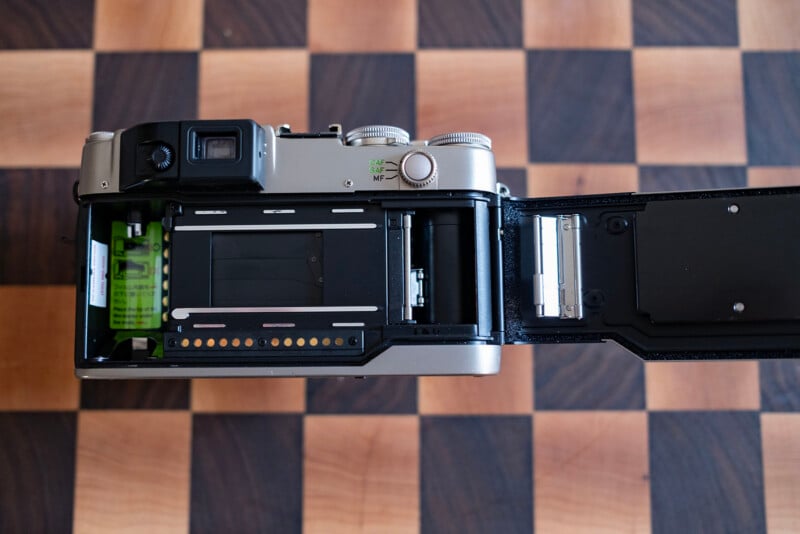
Holding the Contax G2 reveals a camera meticulously designed for ergonomic comfort and intuitive handling. The contoured grips, both front and rear, allow for a secure and comfortable hold, with the thumb naturally nesting into the rear indentation and the index finger poised over the shutter button. This tactile feedback reinforces the premium feel of the titanium body, available in both titanium and black finishes, with the former often favored for its aesthetic pairing with the titanium-colored Zeiss lenses.
Despite its many strengths, the G2 is not without its minor imperfections. Some users note that the optical viewfinder, while functional, can be small and relatively dim compared to modern standards. Furthermore, the indicators for minimum focus distance within the viewfinder can be subtle and easily overlooked in fast-paced shooting situations. Over time, the viewfinder can also become susceptible to haze, a common issue with older optical systems, necessitating careful inspection when purchasing on the secondhand market.

The Price of Prestige: Market Dynamics and Rarity
The most significant barrier to entry for aspiring Contax G2 owners is its current market value. The camera and its dedicated lenses are remarkably expensive, a direct consequence of several converging factors. The global resurgence of interest in film photography, coupled with the camera’s unique feature set, has driven demand to unprecedented levels. Adding to its allure is its occasional appearance in the hands of celebrities, further amplifying its desirability and cult status.
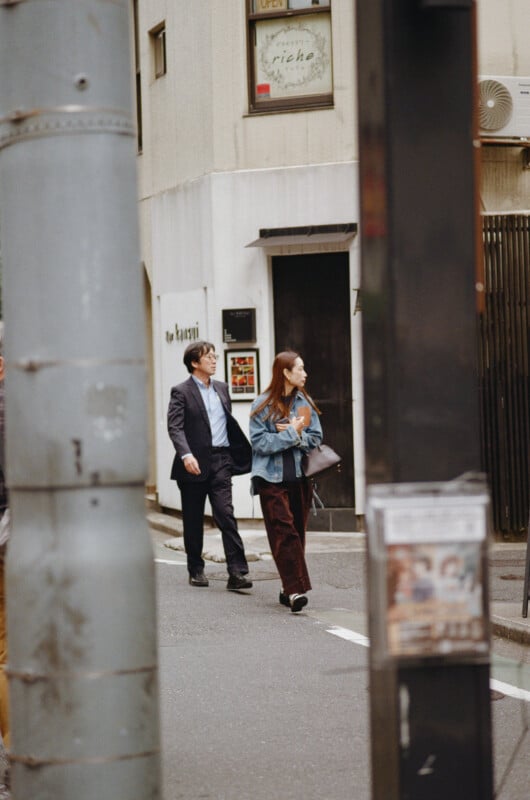
As a discontinued model, the supply of Contax G2 bodies and lenses is finite. While production numbers were likely in the tens of thousands, their uniqueness and reputation for enjoyable use mean that existing owners are often reluctant to part with them. This limited availability on the secondhand market, particularly for bodies in excellent condition, translates into premium pricing. A Contax G2 camera body alone can easily fetch around $3,000, while individual Zeiss lenses range from $800 to $1,500. The 45mm f/2 Planar is generally the most accessible lens, often found for under $900, but acquiring a complete set of the seven G-series optics can be a substantial financial undertaking.
The Unanswered Question: Why No Successors?

The enduring popularity and timeless design of the Contax G2 raise a compelling question: why has no other camera manufacturer attempted to replicate its unique formula? Two decades have passed since Kyocera ceased production, yet the market has seen no direct successor to an interchangeable lens, autofocus-equipped rangefinder, either in film or digital format.
The closest modern parallels often cited are Fujifilm’s X-Pro series and, to a lesser extent, its fixed-lens X100 series. These digital cameras adopt a rangefinder-style aesthetic and offer hybrid viewfinders, but they operate on fundamentally different digital platforms with distinct autofocus systems and lens mounts. While popular, they do not perfectly mirror the G2’s specific blend of mechanical precision, optical rangefinder focus, and interchangeable autofocus lenses in a film body.
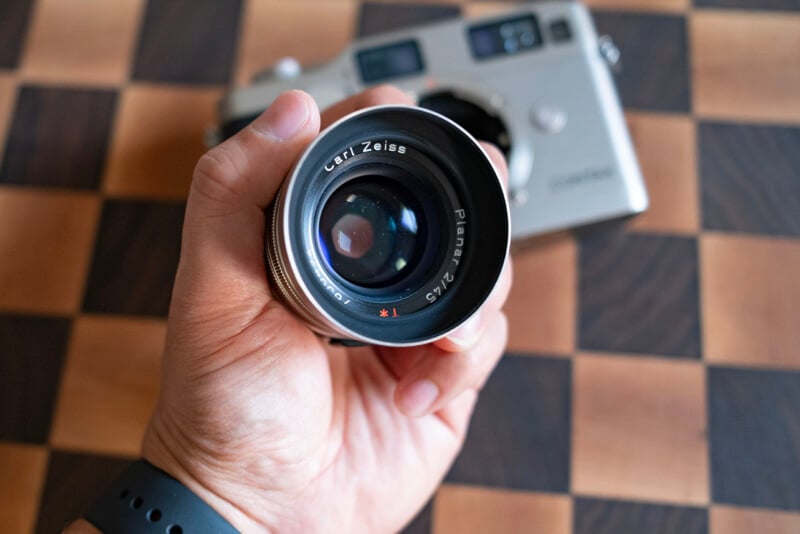
Industry analysts suggest several reasons for this void. The complexity of integrating precise optical rangefinder mechanics with a robust autofocus system and an interchangeable lens mount likely presents significant engineering challenges. Furthermore, the camera market has largely shifted towards digital SLR and mirrorless systems, with development resources concentrated on these more mainstream formats. The niche appeal of such a hybrid design, despite the G2’s success, might be perceived as too risky for major manufacturers in a competitive landscape.
Nonetheless, the Contax G2 stands as a testament to innovative camera design and a compelling argument for exploring hybrid approaches. Its ability to free photographers from constant technical adjustments, allowing them to immerse themselves in the creative process, is a powerful draw. The fact that a camera from the late 20th century continues to inspire and challenge modern photographic norms speaks volumes about its enduring legacy and the potential for new designs that could draw inspiration from its titanium-clad brilliance. The Contax G2 is not just a relic of the past; it is a vibrant piece of photographic history that continues to shape discussions about camera design and user experience in the present day.