Stepping onto a professional photography or videography set for the first time marks a pivotal moment in a creative’s career. It is an environment characterized by both immense pressure and unparalleled opportunity, demanding peak performance and meticulous preparation. For those new to the high-stakes world of commercial production, the lead-up to a shoot day can be particularly daunting, fraught with unknowns and the expectation of seamless execution. Seasoned professionals, having navigated hundreds of diverse sets, underscore the critical importance of understanding underlying dynamics and adopting strategic approaches. This article synthesizes key lessons learned from extensive commercial production experience, offering vital perspectives and actionable advice for individuals embarking on their initial forays into this dynamic industry.
The Evolving Landscape of Professional Production
The professional photography and videography industry has witnessed significant transformation over the past two decades. Driven by the burgeoning demand for high-quality visual content across digital platforms, advertising, and corporate communications, the market has expanded exponentially. Industry analyses project continued growth, with the global photography services market, for instance, expected to reach values upwards of $150 billion by the mid-2020s. This expansion fuels a constant need for skilled professionals, from cinematographers and photographers to grips, gaffers, and creative directors. Modern sets, whether for a national advertising campaign or a high-end product launch, are intricate ecosystems requiring precise coordination, specialized equipment, and a cohesive team. Understanding this broader context is crucial for newcomers to appreciate the stakes involved and the professional standards expected.
Diverse Production Environments: Beyond the Studio Archetype
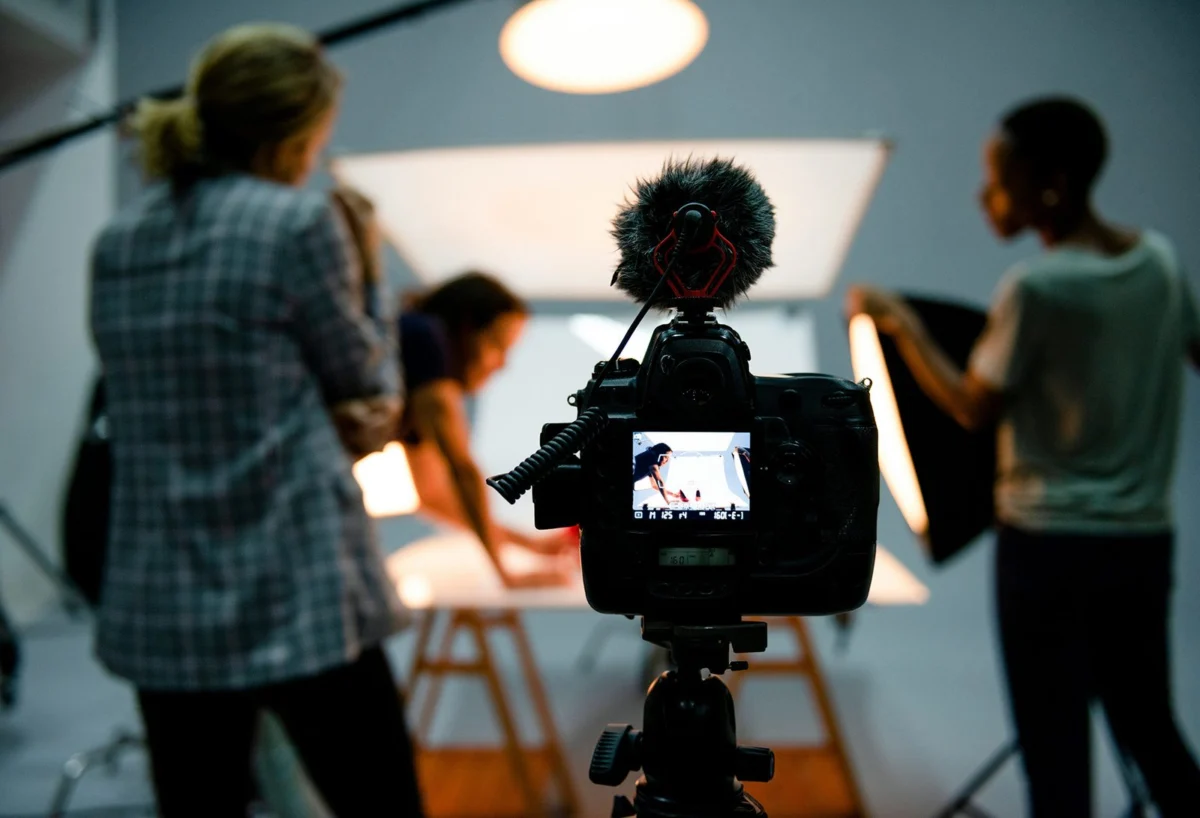
One of the most immediate realities confronting a new professional on set is the sheer variability of production environments. Contrary to common preconceptions of vast, purpose-built sound stages, commercial shoots frequently unfold in an astonishing array of locations. A production might find itself operating within a compact, improvised "studio" carved out of a modest strip mall unit one day, and the next, command a multi-million-dollar sound stage replete with extensive grip and lighting infrastructure. This spectrum highlights the absence of a universal standard across production houses and professional studios. While pre-production documents often provide location details, the actual on-site conditions can present unforeseen challenges and opportunities. This fluidity necessitates an adaptable mindset, as even seemingly minor details, like power accessibility or available space, can significantly impact setup and shooting logistics. For instance, shooting on location often introduces variables such as ambient light conditions, background noise, and public interference, which are meticulously controlled in a dedicated studio. The implication for new professionals is clear: flexibility and resourcefulness are as critical as technical proficiency.
The Imperative of Preparedness: Expecting the Unexpected
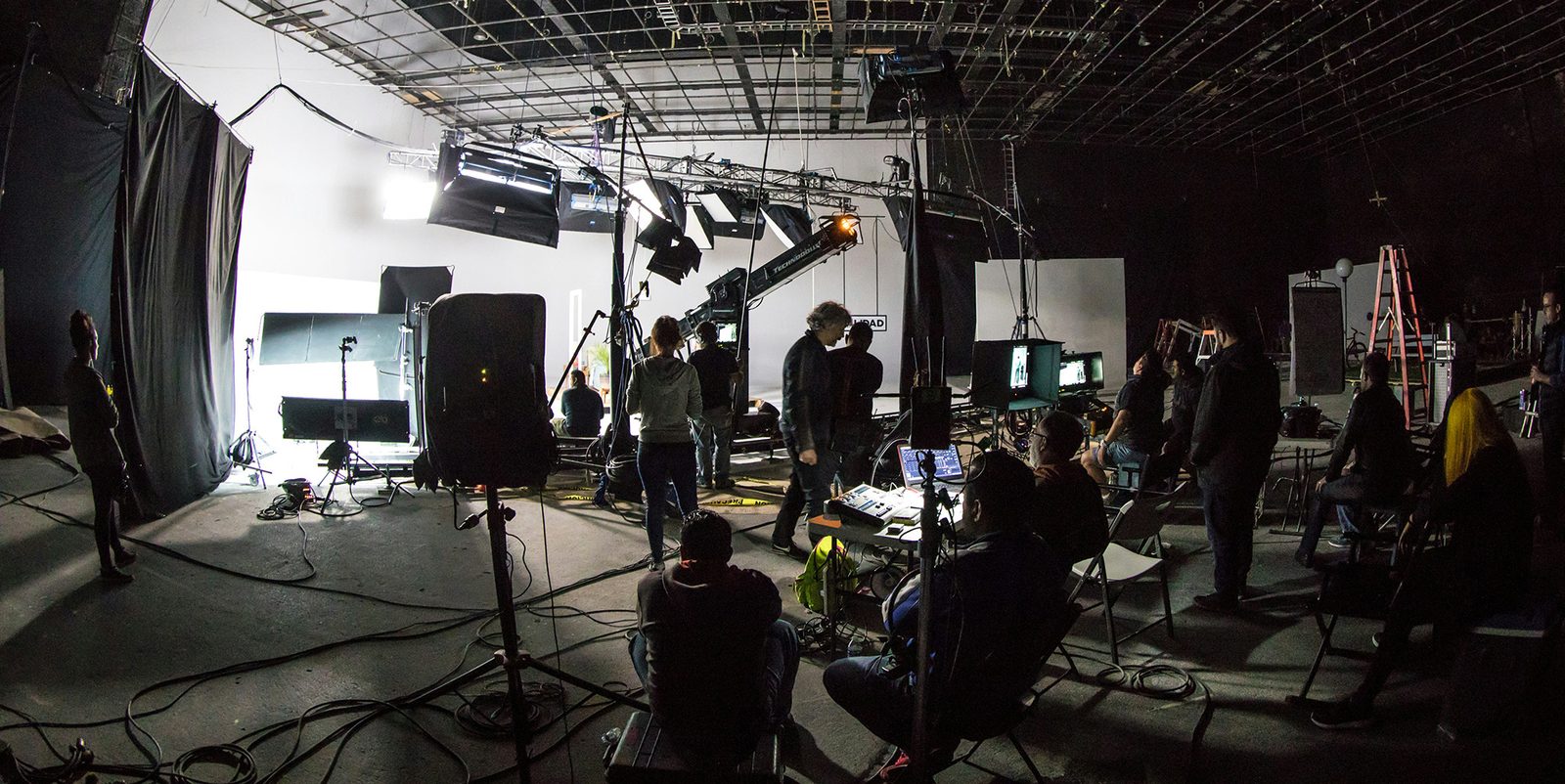
In the fast-paced realm of commercial production, Murphy’s Law often reigns supreme: anything that can go wrong, will go wrong, typically at the most inconvenient moment. This makes comprehensive preparedness not merely advisable but essential. Veteran practitioners universally advocate for redundant systems and thorough pre-shoot checks. Cameras can malfunction, flash tubes can fail, and cables can fray. When dozens of eyes, often including high-level clients and creative executives, are observing and awaiting results, equipment failure translates directly into costly delays and potential reputational damage.
For professionals providing their own gear, the practice of bringing backups for every critical component is non-negotiable. This includes spare camera bodies and lenses, extra wireless triggers, backup strobes, a plentiful supply of fully charged batteries, and an ample stock of memory cards. Industry estimates suggest that unexpected equipment failure can lead to production delays costing anywhere from hundreds to thousands of dollars per hour, depending on the scale of the shoot. Consequently, the marginal cost of bringing backup gear is dwarfed by the potential losses from a stalled production.
When production houses supply equipment, proactive communication with the rental or grip house is paramount. Discussing available replacements for requested items is a standard procedure. It is not uncommon for a specific item, such as a particular size of octobox, to be unavailable on the day of the shoot due to prior booking or maintenance. Experienced professionals often prepare a prioritized itinerary of optional replacements, streamlining the morning gear check-out process and mitigating potential delays. This level of foresight demonstrates professionalism and problem-solving capabilities, crucial attributes for long-term success in the industry.
Cultivating a Professional Demeanor: Attitude as a Force Multiplier
The psychological atmosphere on a professional set can vary dramatically, ranging from intensely stressful to remarkably collegial. This emotional tenor, however, rarely arises organically from the ground up. Instead, it is predominantly a top-down phenomenon, emanating directly from key leadership roles such as the creative director, project coordinator, or lead producer. A tense marketing team or an anxious creative director can inadvertently permeate the entire room with stress, impacting crew morale and efficiency. Conversely, a calm, confident, and approachable creative lead can significantly ease tension, fostering an environment conducive to creativity and collaboration.
For any professional on set, regardless of their role, maintaining a positive and proactive attitude is a strategic imperative. While the primary objective is to achieve the day’s goals, the manner in which those goals are pursued significantly influences the overall experience and future opportunities. Newcomers might find themselves asked to perform tasks beyond their immediate job description or to assist in areas outside their specialized domain. Approaching these requests with a positive outlook and a willingness to assist not only contributes to a smoother workflow but also projects a highly valued sense of teamwork and dedication.
Studies in organizational psychology consistently demonstrate that positive work environments enhance productivity, foster innovation, and reduce staff turnover. On a creative set, a friendly and fun atmosphere, while maintaining professional rigor, can significantly improve creative output and problem-solving capabilities. Beyond the immediate project, a positive attitude is a powerful determinant of re-hire potential. Producers and creative directors are far more likely to engage individuals who are not only technically proficient but also contribute positively to the team dynamic, making the long, demanding hours more enjoyable for everyone involved. This personal brand building is an often-underestimated aspect of professional longevity in the creative industries.
Navigating Dynamic Schedules and Fluid Shot Lists
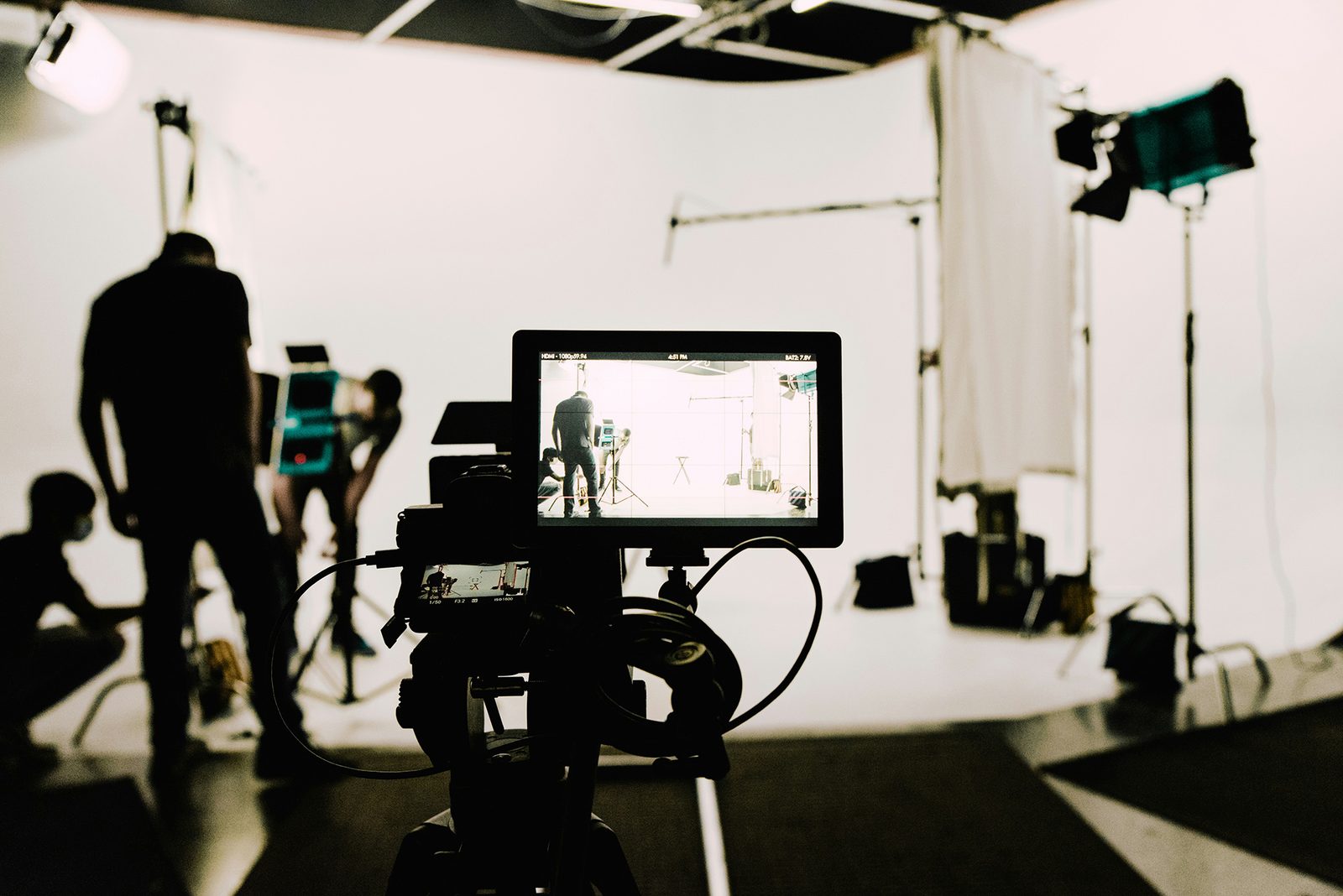
A cornerstone of pre-production for any commercial shoot is the development of a detailed shot list and a creative deck. These documents, typically distributed a day or two before the shoot, outline all necessary images, stylistic guidelines, and a tightly structured shooting schedule. While these serve as essential blueprints, experienced professionals recognize their inherently fluid nature. The most effective approach upon receiving these documents is not merely to absorb them but to critically review and re-organize them into a streamlined workflow that maximizes efficiency. For instance, grouping all product still life shots together, rather than interleaving them with lifestyle portraits, minimizes setup and breakdown times, preserving precious on-set hours.
Furthermore, schedules often prove to be optimistic, particularly when developed by creative directors or project coordinators who may lack extensive on-set experience in estimating the time required for complex lighting setups, camera adjustments, or talent changes. It is a universal truth on professional sets that exact adherence to the minute-by-minute schedule is a rarity. Productions frequently find themselves either ahead of or behind schedule. The key is not to stress over minor deviations but to maintain adaptability. Significant delays, spanning hours, naturally warrant concern and require proactive communication and problem-solving.
This fluidity stems from the intricate interplay of numerous factors: unexpected technical challenges, prolonged creative discussions, talent availability, or even environmental changes. Acknowledging this dynamic nature allows professionals to remain calm and focused, adjusting their approach as circumstances evolve. The schedule is a guide, not an immutable law, and the ability to adapt to its shifts gracefully is a hallmark of an experienced and valued team member.
The Rhythm of Production: "Slowly, Then All At Once"
Perhaps one of the most counter-intuitive aspects of professional production, particularly for newcomers, is its peculiar pacing: long periods of apparent inactivity punctuated by intense, rapid-fire bursts of work. A single day on set can involve an individual walking tens of thousands of steps, carrying hundreds of pounds of equipment, and capturing an exhaustive volume of images. Yet, these intensely active phases are often interspersed with significant downtime, where crew members find themselves waiting, looking for tasks, or simply standing by while preparations for the next look or setup unfold.
This rhythm is inherent to the production process. Setting up complex photography or videography gear—adjusting lights, staging props, refining camera angles, and testing exposures—is inherently time-consuming. Creative teams frequently engage in impromptu meetings to refine artistic goals, discuss minor adjustments, or troubleshoot unforeseen visual challenges. Talent might be in wardrobe or makeup, or taking a mandated break. All these elements contribute to periods where the pace appears to slow to a crawl, even when the overall project might be behind schedule.
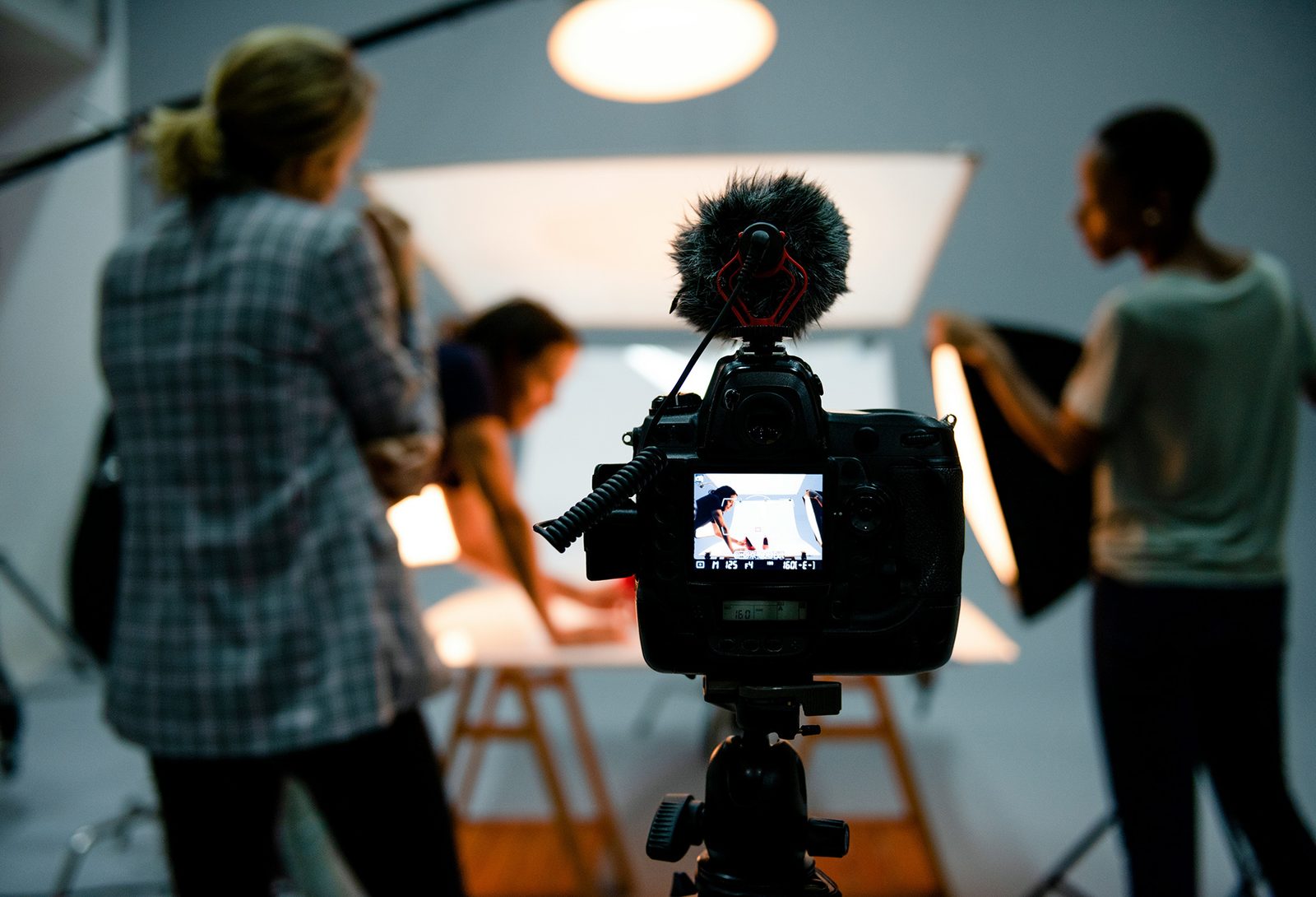
However, these lulls are invariably followed by sudden, high-energy sprints. Once all elements align—the lighting is perfect, the talent is ready, and the creative vision is locked—the expectation is to execute the shot list with maximum speed and precision. Professionals might find themselves "speedrunning" through a creative deck, capturing a multitude of images as quickly and efficiently as possible before the next setup or break.
For a newcomer, understanding this "slowly, then all at once" dynamic is crucial for managing expectations and personal energy levels. Panicking during slow periods, especially if the day feels busy, is counterproductive. These moments are often essential for meticulous preparation, creative refinement, and technical adjustments that ensure the success of the subsequent rapid shooting phases. They also offer valuable opportunities for personal replenishment—grabbing a drink of water, resting tired feet, or mentally preparing for the next intense segment. Embracing this unique tempo allows professionals to conserve energy, maintain focus, and deliver consistently high-quality work throughout the demanding schedule.
Broader Implications and Career Longevity
The insights derived from extensive experience on professional sets collectively point to a foundational truth: success in this industry transcends mere technical skill. While mastery of equipment and artistic vision are non-negotiable, equally vital are adaptability, meticulous preparation, a positive attitude, and a deep understanding of production dynamics. For aspiring photographers and videographers, internalizing these lessons early in their careers can significantly impact their professional trajectory.
The implications extend to career longevity and reputation. Producers and creative directors are constantly evaluating not just the output but also the process. A professional who consistently demonstrates preparedness, a problem-solving mindset, a collaborative spirit, and an understanding of the production rhythm is an invaluable asset. Such individuals are not only more likely to be re-hired but also to receive recommendations for new projects, fostering a robust professional network that is critical in a project-based industry.
As the demand for visual content continues to grow and production methodologies evolve with technological advancements, the core tenets of professionalism remain constant. The ability to navigate varied environments, anticipate challenges, contribute positively to team morale, adapt to fluid schedules, and understand the inherent pacing of a set forms the bedrock of a successful and enduring career in professional photography and videography. These aren’t just tips; they are foundational principles for thriving in a demanding yet profoundly rewarding creative field.