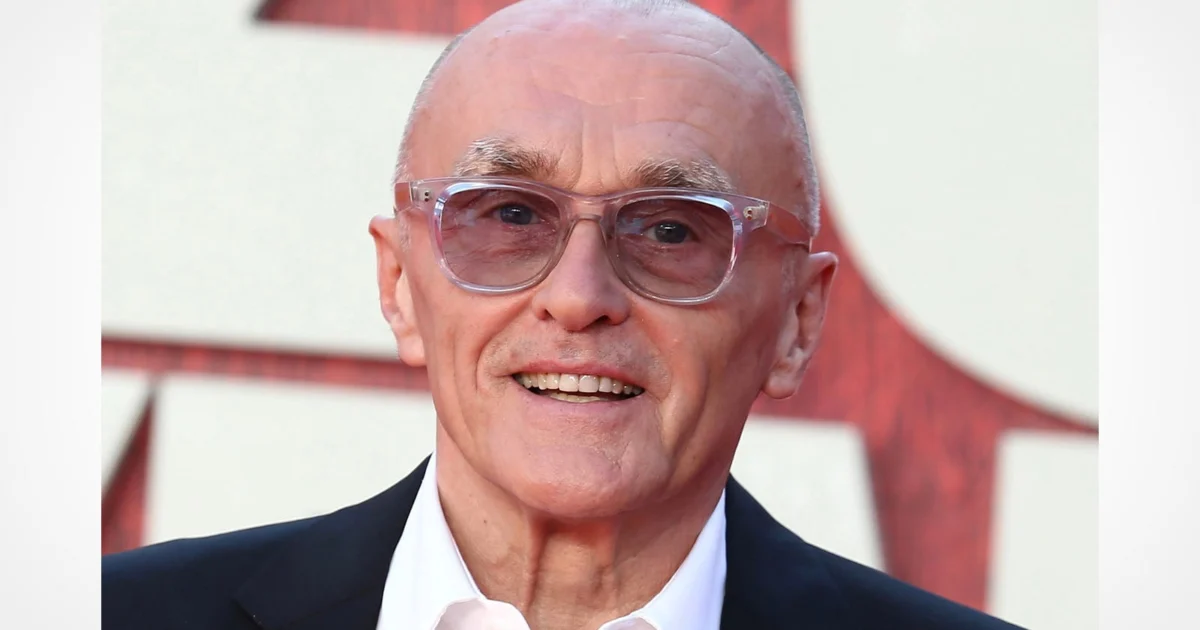
Famed British director Danny Boyle, known for his dynamic and often groundbreaking cinematic style in films such as 28 Days Later and the Oscar-winning Slumdog Millionaire, has taken the unusual and remarkably transparent step of publicly admitting the use of generative artificial intelligence (AI) in his latest movie, Ink. This disclosure, made at the prestigious Telluride Film Festival in Colorado, marks a significant moment in the ongoing, often contentious, debate surrounding AI’s role in Hollywood and the broader creative industries. Boyle’s candor stands in stark contrast to the prevailing silence and apprehension many in the industry maintain regarding their adoption of AI technologies, positioning him as a reluctant but important figure in the conversation about technological advancement and ethical practice in filmmaking.
The revelation came during an interview where Boyle detailed specific instances of AI integration within Ink, a film chronicling the ascent of media magnate Rupert Murdoch and his acquisition of the British tabloid newspaper The Sun. According to Boyle, approximately "30 seconds" of the movie feature AI-animated old photographs. While he did not explicitly name the figures, Deadline reported, based on early screenings at both the Venice Film Festival and Telluride, that these animated images included those of former U.K. Prime Minister Margaret Thatcher and the infamous Kray brothers. This particular application of AI, transforming static historical photographs into dynamic visual elements, represents a novel approach to bringing archival material to life, potentially offering filmmakers new avenues for historical narrative.
Beyond the animation of historical figures, Boyle also highlighted another, perhaps more whimsical, application of generative AI in Ink: the creation of animals. He specifically mentioned using AI to generate mice scurrying across the newsroom floor of The Sun. This detail connects directly to a past ethical dilemma Boyle faced during the production of his 2002 horror film, 28 Days Later. In that movie, Boyle utilized real chimpanzees, a decision that drew criticism from People for the Ethical Treatment of Animals (PETA). Recalling the incident, Boyle stated, "They wrote to me and said ‘you must never do that again,’ and I haven’t." His experience with PETA evidently influenced his choice for Ink, where generative AI offered a humane and efficient alternative to live animal actors. He lauded the technology’s proficiency in this domain, noting, "AI is very very good at creating animals. We’ve got some mice in this one." This application underscores AI’s potential to address ethical concerns related to animal welfare in film production, a long-standing issue within the industry.
A Timeline of Boyle’s AI Journey and Ink‘s Reception
Danny Boyle’s relationship with cutting-edge technology and cinematic innovation is well-documented throughout his career. From the gritty realism of Trainspotting (1996) to the visually stunning spectacle of the London 2012 Olympic opening ceremony, Boyle has consistently pushed boundaries. His early 2000s encounter with PETA regarding 28 Days Later (2002) served as a formative moment, highlighting the ethical responsibilities inherent in filmmaking. This experience arguably laid the groundwork for his openness to AI as a solution for certain production challenges.
The development and production of Ink itself likely spanned several years, with generative AI tools becoming increasingly sophisticated and accessible during this period. The film’s subject matter, the rise of Rupert Murdoch, is a timely and significant historical narrative, requiring extensive use of archival material. The decision to animate old photographs using AI would have been made during post-production, a phase where creative teams often explore various technological enhancements.
Ink premiered to audiences at the Venice Film Festival, one of the world’s oldest and most prestigious film festivals, followed by a screening at the Telluride Film Festival, renowned for its intimate atmosphere and focus on significant cinematic works. It was at these early showings that astute viewers began to speculate about the use of AI. The subtle, yet discernible, animation of historical photographs, combined with disclosures in the film’s credits, prompted initial discussions among critics and attendees. Boyle’s subsequent confirmation at Telluride transformed these whispers into a public statement, adding considerable weight to the ongoing industry discourse. The acknowledgment in the credits is particularly noteworthy, indicating a conscious decision by the filmmakers to maintain transparency with their audience, a practice not yet universally adopted across Hollywood.
The Broader Context: AI in Hollywood and the Transparency Divide
Boyle’s admission arrives at a critical juncture for Hollywood. The year 2023 saw unprecedented strikes by both the Writers Guild of America (WGA) and the Screen Actors Guild – American Federation of Television and Radio Artists (SAG-AFTRA), with AI emerging as a central point of contention. Labor unions voiced serious concerns about the potential for AI to displace human jobs, devalue creative work, and exploit performers’ likenesses without fair compensation or consent. The WGA successfully secured protections against AI generating literary material from existing scripts and established that AI-generated content would not be considered "source material" that could dilute writers’ credits. Similarly, SAG-AFTRA negotiated safeguards regarding the use of AI and digital replicas of actors, emphasizing the need for consent and compensation.
These strikes underscored a pervasive anxiety within the creative community about AI’s rapid advancement and its implications for human artistry and livelihood. In this environment, many studios and filmmakers have been notably reluctant to publicly discuss their use of AI, fearing backlash from audiences, unions, and even their own creative teams. A recent industry report, for instance, highlighted that while Hollywood has increasingly embraced AI behind the scenes for tasks ranging from script analysis to deepfake creation, there is a widespread "fear of admitting it publicly." This reticence stems from a complex mix of concerns: avoiding accusations of job displacement, navigating intellectual property complexities, and maintaining an image of artistic integrity.
Boyle’s openness thus serves as a stark contrast to this industry-wide hush. By candidly admitting AI’s integration into Ink, he has inadvertently initiated a more direct public conversation, challenging the prevailing culture of secrecy. His approach could be seen as a template for responsible AI adoption: acknowledging its utility while simultaneously advocating for ethical frameworks.
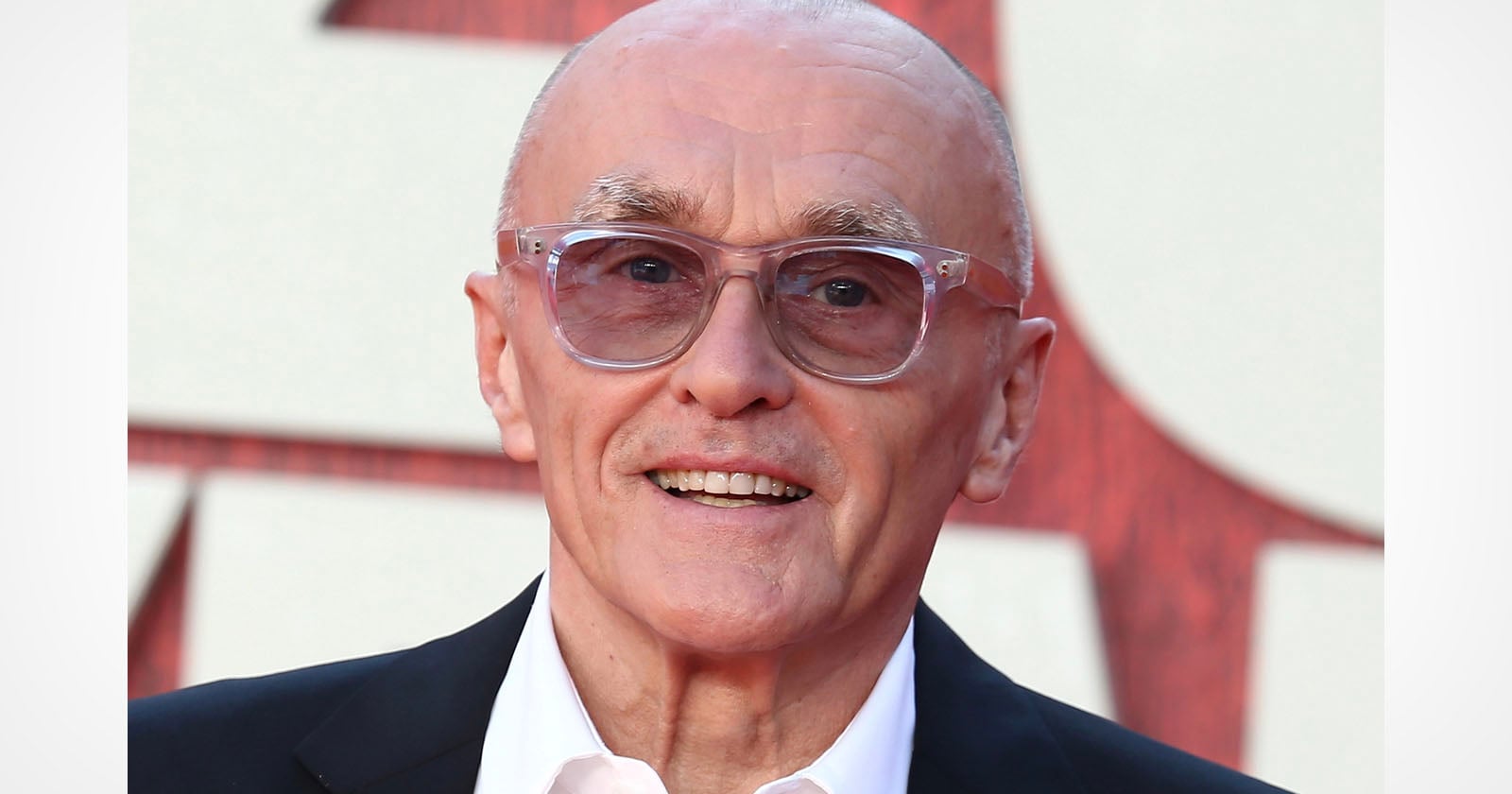
Danny Boyle’s Philosophy on AI: A Tool, Not a Replacement
When pressed for his broader views on artificial intelligence, Boyle offered a pragmatic and forward-looking perspective. He wisely deferred to the younger generation, stating, "It doesn’t really matter what I think about AI, it matters what 20 year olds think about it is the honest truth." This remark highlights his recognition of AI’s generational adoption curve; younger creatives and audiences, having grown up in an era of rapid technological change, may possess a more intuitive understanding and acceptance of these tools. Boyle’s statement suggests that the future direction of AI in filmmaking will ultimately be shaped by those who are most adept at integrating it into their creative processes.
However, Boyle did not shy away from expressing his own considered opinion. He acknowledged the technology as "a very useful tool in many ways," but crucially appended this with significant caveats: "provided you use it respectfully and provided you pay actors if you’re going to replace them with some kind of AI embodiment." This balanced view aligns with the demands of the WGA and SAG-AFTRA, emphasizing respect for human creativity, fair compensation, and ethical usage. Boyle’s stance suggests a model where AI serves as an augmentative force, enhancing creative possibilities without undermining the human element or exploiting labor. His explicit mention of paying actors for AI-generated likenesses directly addresses a core concern of the SAG-AFTRA strike, indicating a thoughtful engagement with the ethical dimensions of the technology.
Implications and Broader Impact on Filmmaking
Danny Boyle’s forthrightness regarding AI in Ink carries several significant implications for the film industry:
-
Increased Transparency and Disclosure: Boyle’s actions may set a precedent, encouraging other filmmakers and studios to be more transparent about their use of AI. This could lead to more widespread disclosures in film credits, promotional materials, or even dedicated "AI advisories" for audiences. Such transparency is crucial for building trust and allowing audiences to engage critically with the content they consume.
-
Shifting Perceptions of AI: By presenting AI as a tool for specific, practical, and ethically-driven purposes (animating old photos, creating animals without harm), Boyle helps to demystify the technology. This could move the conversation beyond fear and toward a more nuanced understanding of AI’s capabilities and limitations in a creative context. It also highlights the potential for AI to solve long-standing production challenges, such as ethical animal handling or bringing historical images to life in new ways.
-
Ethical Guidelines and Industry Standards: Boyle’s emphasis on "respectful" use and fair compensation underscores the urgent need for comprehensive industry-wide ethical guidelines. As AI tools become more prevalent, discussions around intellectual property rights, data provenance (what data AI models are trained on), and labor agreements will intensify. Boyle’s comments could contribute to the development of robust frameworks that protect creators and workers while harnessing AI’s potential.
-
Audience Reception and Expectations: How audiences react to disclosed AI use will be a crucial factor. Will they embrace it as a creative innovation, or will it detract from their perception of authenticity and artistic merit? Early reactions to Ink suggest a growing awareness among viewers, who are increasingly attuned to the visual nuances that might indicate AI generation. This evolving audience sophistication will likely push filmmakers toward higher standards of integration and disclosure.
-
The Future of Visual Effects and Animation: The use of generative AI for animating photographs and creating animals points to a transformative future for visual effects and animation departments. While some fear job displacement, others foresee AI as a powerful assistant, automating tedious tasks and allowing artists to focus on higher-level creative work. The demand for new skill sets, blending traditional artistry with AI proficiency, will undoubtedly grow.
-
Artistic Integrity vs. Technological Efficiency: The debate surrounding AI often pits artistic integrity against technological efficiency. Boyle’s pragmatic approach suggests that these two forces are not mutually exclusive. AI can be integrated in ways that serve the artistic vision, provided it is wielded thoughtfully and ethically. His film Ink will serve as an early case study for how these technologies can be woven into a narrative feature.
In conclusion, Danny Boyle’s candid revelation about using generative AI in Ink is more than just a footnote in his illustrious career; it is a significant moment for the film industry. By openly discussing his choices, he has challenged the prevailing silence surrounding AI adoption in Hollywood, offering a glimpse into a future where technology and ethics must coexist. His pragmatic yet principled stance — viewing AI as a "useful tool" that demands "respectful" use and fair compensation — provides a valuable starting point for an industry grappling with transformative change. As Ink makes its way to wider audiences, it will undoubtedly spark further discussion, not only about the film’s narrative but also about the evolving landscape of filmmaking itself, driven by the powerful, yet challenging, advent of artificial intelligence.