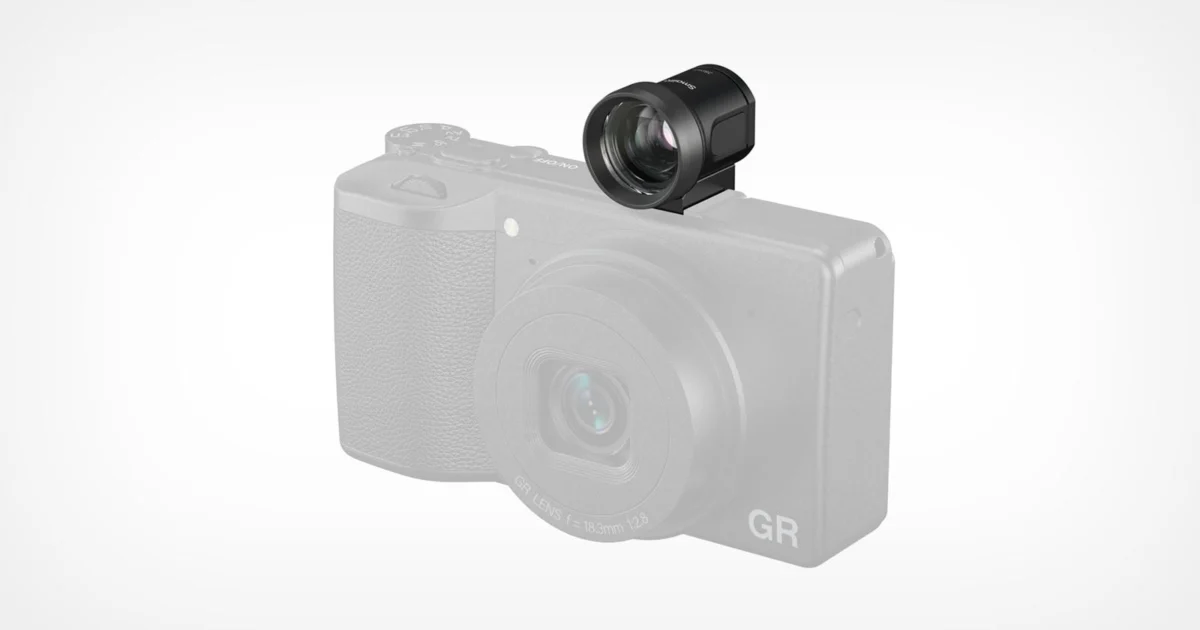
SmallRig, a prominent innovator in camera accessories, has officially unveiled a new line of external optical viewfinders, providing photographers with expanded options for precise composition across a diverse range of camera systems. The new offerings include a 28mm External Optical Viewfinder and a 35mm External Optical Viewfinder, each meticulously engineered to deliver a dedicated field of view for specific focal lengths. This launch signifies SmallRig’s continued commitment to addressing niche demands within the photographic community, particularly for those who prioritize a traditional, optical framing experience or whose cameras lack integrated electronic viewfinders.
The Return to Optical Purity: SmallRig’s New Offerings
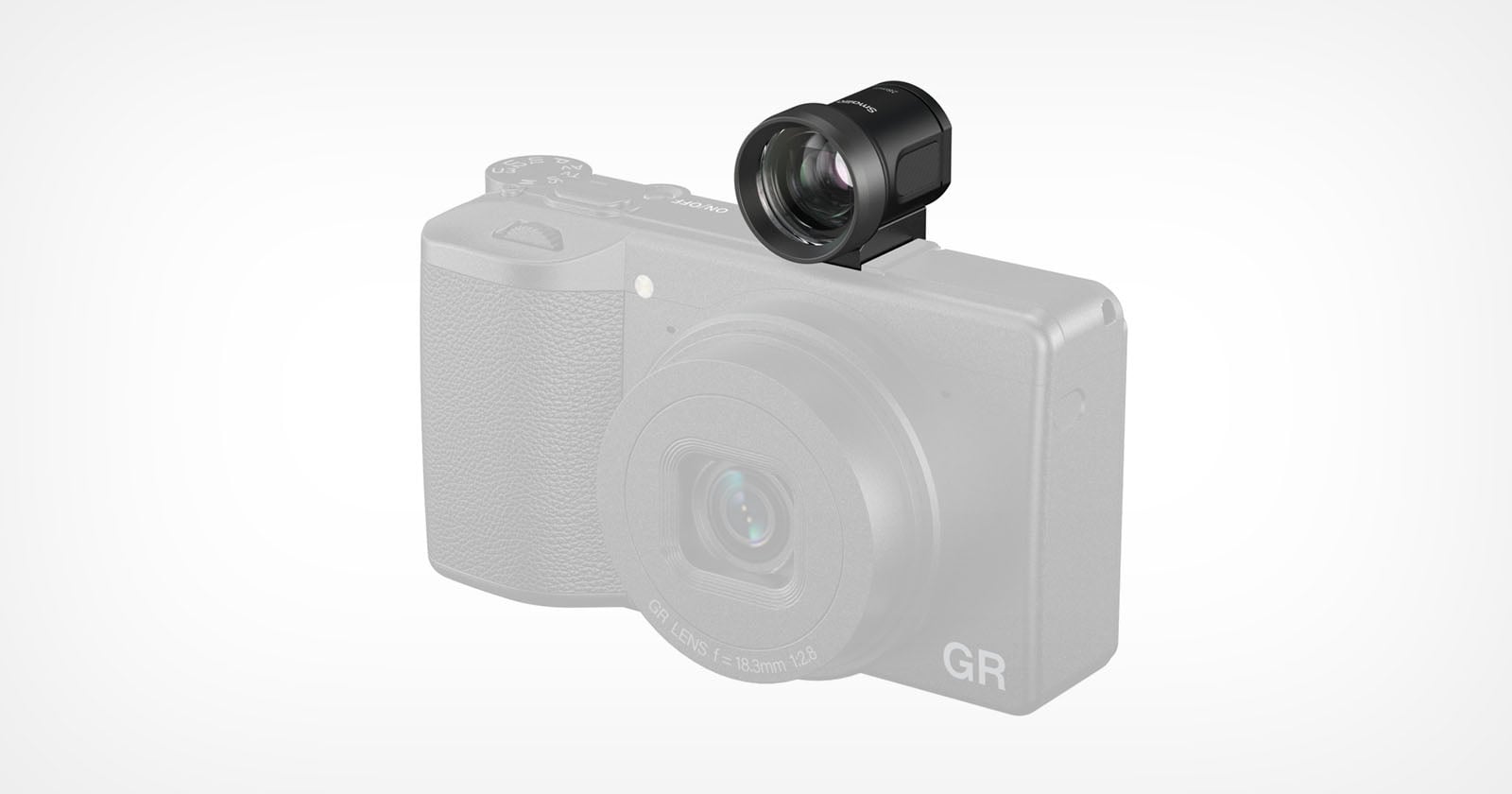
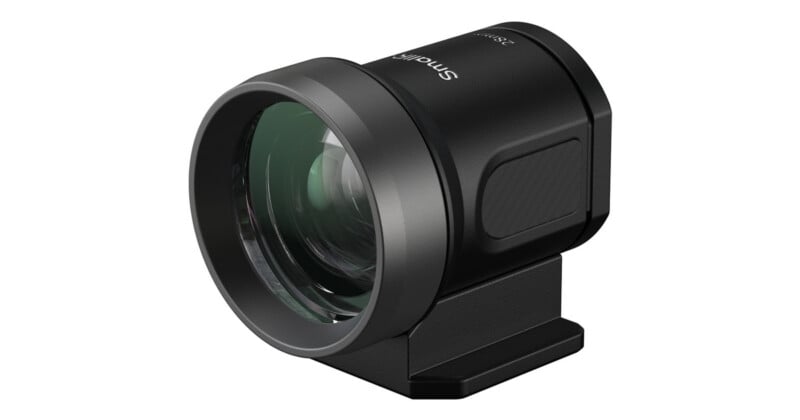
The headline product, the SmallRig 28mm External Optical Viewfinder, is designed to provide a 28mm full-frame equivalent field of view. Its optical construction is carefully calibrated to ensure clarity and accuracy, a critical factor for photographers who rely on direct visual framing. A key feature of this 28mm model is the inclusion of built-in 3:2 aspect ratio frame lines. These etched guidelines assist photographers in composing their shots, making it particularly suitable for cameras equipped with a fixed 28mm equivalent lens or those utilizing a prime lens of that focal length. The design philosophy behind this accessory caters to a segment of the market that values the simplicity and immediacy of an optical viewfinder over the increasingly prevalent electronic alternatives.
Complementing the 28mm model, SmallRig also introduced a new 35mm External Optical Viewfinder. While its primary applications might appear somewhat narrower given the current landscape of camera technology, it caters to specific creative preferences and existing equipment configurations. Both viewfinders are designed for universal compatibility, attaching via a standard hot shoe mount, which means they do not rely on electronic communication with the camera body. This makes them versatile additions for a vast array of photographic devices, transcending brand ecosystems.
A Historical Perspective: The Enduring Appeal of Optical Viewfinders
The introduction of these optical viewfinders by SmallRig resonates with a long-standing tradition in photography, predating the digital era. Historically, optical viewfinders (OVFs) were the primary means of composing images, offering a direct, unimpeded view of the scene. Rangefinder cameras, in particular, championed the OVF, providing a bright, clear view often preferred by street photographers for its ability to show subjects outside the frame, anticipating movement. The transition to digital photography saw the rise of through-the-lens (TTL) optical viewfinders in DSLRs, and subsequently, electronic viewfinders (EVFs) in mirrorless cameras. EVFs offer the distinct advantage of "what you see is what you get" previews, displaying exposure, white balance, and various shooting data in real-time. However, they can suffer from lag, resolution limitations, and higher power consumption.
The debate between OVF purists and EVF proponents continues to simmer, with each camp advocating for their preferred method. OVFs, by their nature, consume no battery power, offer a truly lag-free experience, and can be exceptionally bright even in challenging lighting conditions, such as direct sunlight where an LCD screen might wash out. They also foster a more immersive, less distracting shooting experience, allowing photographers to focus purely on composition and the moment unfolding before them. SmallRig’s latest offerings tap into this enduring preference for an unmediated optical view, bridging the gap between traditional photographic aesthetics and modern digital convenience.
The Ricoh GR Series: A Primary Beneficiary
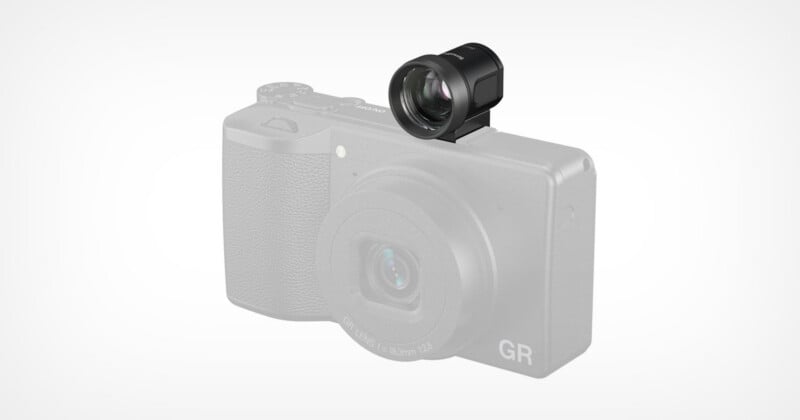
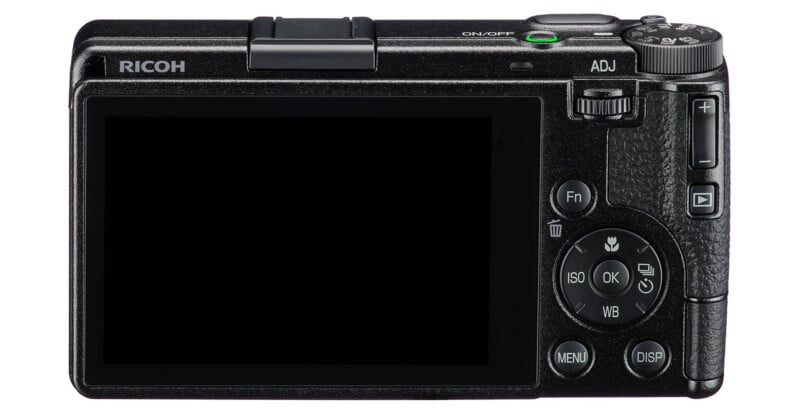
Among the myriad cameras compatible with SmallRig’s new 28mm External Optical Viewfinder, the Ricoh GR series stands out as a particularly obvious and significant target audience. The Ricoh GR III, GR IIIx, GR IV (and their respective HDF variants) are highly acclaimed premium compact cameras, celebrated for their exceptional image quality, pocketable dimensions, and fixed prime lenses. Critically, these cameras—designed for ultimate portability—intentionally omit a built-in electronic viewfinder to maintain their svelte profile and lightweight design.
For many photographers, especially those engaged in street photography or discreet documentary work, a viewfinder is an indispensable tool for stable, precise, and immersive composition. While the Ricoh GR series offers excellent rear LCD screens, using an eye-level viewfinder provides superior stability, aids in concentration, and reduces glare in bright conditions. Ricoh itself produces external optical viewfinders for its GR cameras, such as the GV-1 (featuring dual 21mm/28mm frame lines) and the GV-2. However, these proprietary accessories come at a premium, with the GV-2 typically retailing for around $246.95. This significant price point often deters potential buyers, leaving a void for more affordable alternatives. SmallRig’s new 28mm OVF, positioned at a fraction of the cost, directly addresses this market need, offering a compelling and accessible solution for GR users seeking an eye-level framing experience without the substantial investment in an OEM accessory. This strategic pricing makes the OVF experience available to a much broader segment of the popular GR user base.
Broader Compatibility and Niche Applications
While the Ricoh GR series represents a clear-cut case for the 28mm viewfinder, SmallRig lists a broad spectrum of compatible cameras from leading manufacturers, including Fujifilm, Sony, Nikon, Canon, and Leica. The universal hot shoe design ensures that these optical viewfinders can theoretically be mounted on any camera possessing such a mount, irrespective of brand or electronic communication protocols. This non-electronic nature simplifies integration, as there are no firmware updates or compatibility patches to worry about.
For interchangeable lens cameras (ILCs), the utility of these viewfinders can vary. For instance, a photographer using a mirrorless camera that does have a built-in EVF, but prefers the "analog feel" or the direct view of an OVF when shooting with a wide-angle prime lens, might find the SmallRig viewfinders appealing. This caters to a stylistic preference, offering an alternative shooting method that emphasizes simplicity and direct observation over digital readouts. For ILCs that might be paired with a small 28mm or 35mm prime lens, the external OVF could offer a compact and minimalist setup, reducing reliance on the camera’s often larger, power-hungry EVF or LCD.
The 35mm External Optical Viewfinder, however, presents a somewhat more niche use case. Most modern digital cameras with built-in 35mm equivalent lenses, or those frequently paired with 35mm primes, typically already feature integrated electronic viewfinders. This leads to a scenario where the 35mm OVF might be seen as a "solution in search of a problem" for many contemporary digital setups. Nevertheless, specific applications exist. Some photographers might use it with older digital ILCs that genuinely lack an EVF (though these are rare in today’s market) or with specific compact camera models that feature a 35mm equivalent lens but no viewfinder.
Beyond modern digital cameras, these viewfinders also hold significant potential for the burgeoning community of analog photography enthusiasts. Many vintage film cameras, particularly older point-and-shoots or certain rangefinders, either lack viewfinders entirely, feature rudimentary ones, or have viewfinders that have degraded over time due (e.g., fogging, dust, internal damage). For these cameras, SmallRig’s affordable external optical viewfinders offer a viable and cost-effective alternative, breathing new life into classic photographic equipment and providing a practical means for accurate composition. This application taps into the growing nostalgia for film photography and the desire to restore or enhance older camera systems.
Technical Specifications and Design Philosophy
SmallRig’s reputation for robust and functional camera accessories is reflected in the construction of these new viewfinders. While specific details on the internal optical elements are not fully disclosed, the company emphasizes "carefully designed optics," suggesting an effort to minimize distortion and ensure a clear, bright image through the viewfinder. The 3:2 frame lines in the 28mm model are a practical addition, aligning with the common aspect ratio of digital camera sensors and film formats, thus aiding in accurate composition. The viewfinders are constructed from durable materials, typical of SmallRig’s accessory line, ensuring longevity and resilience to the rigors of field use.
The non-electronic nature of these viewfinders simplifies their design and operation. There are no batteries to charge, no firmware to update, and no complex settings to navigate. They are purely optical devices, offering a direct window to the scene. This minimalist approach is a deliberate design choice, appealing to photographers who seek a less cluttered and more intuitive shooting experience. The hot shoe mount is standardized, ensuring broad compatibility without the need for specialized adapters, further underscoring SmallRig’s commitment to user-friendly design.
Market Impact and Affordability
The most compelling aspect of SmallRig’s new external optical viewfinders is their aggressive pricing. Both the 28mm and 35mm models are available for $46.99 each. This affordability stands in stark contrast to OEM alternatives, such as Ricoh’s GV-2 viewfinder, which costs over five times as much. This pricing strategy positions SmallRig as a disruptor in the external viewfinder market, making these essential tools accessible to a much broader demographic of photographers.
Industry analysts suggest that SmallRig’s move is a shrewd strategic play, catering to a distinct market segment that values both functionality and cost-effectiveness. The company has a proven track record of delivering high-quality, budget-friendly accessories, from camera cages and grips to mounting solutions. The introduction of these viewfinders aligns perfectly with this brand identity, reinforcing SmallRig’s position as a go-to provider for accessible photographic enhancements.
The accessibility offered by these viewfinders could also stimulate interest in cameras that typically lack built-in viewfinders, potentially influencing future camera purchasing decisions for budget-conscious photographers. Furthermore, it validates the existence of a robust market for traditional optical framing, even in an era dominated by advanced electronic displays. While the market size for the 35mm variant for cameras with existing EVFs remains to be fully quantified, the overall appeal of an affordable, quality optical viewfinder for specific camera models and shooting styles is undeniable. SmallRig’s ability to offer these accessories at such a competitive price point highlights their efficient manufacturing processes and understanding of market demand.
Conclusion: A Niche Filled with Precision and Value
SmallRig’s introduction of the 28mm and 35mm External Optical Viewfinders represents a significant development for photographers seeking practical, affordable, and high-quality framing solutions. The 28mm model, in particular, serves as an ideal companion for popular cameras like the Ricoh GR series, providing a much-desired eye-level composition option without the prohibitive cost of proprietary accessories. While the 35mm model may cater to a more specialized niche or an aesthetic preference for an analog shooting experience, both viewfinders underscore SmallRig’s commitment to innovation and accessibility within the camera accessory market.
By offering these well-engineered optical tools at a price point under $50, SmallRig not only broadens the creative possibilities for a diverse array of photographers but also reaffirms the enduring value and appeal of traditional optical viewing in an increasingly digital world. These viewfinders are more than just accessories; they are gateways to a different, often more immersive, photographic experience, reinforcing the fundamental joy of precise composition and direct observation. The availability of these products through major retailers like B&H and KEH.com ensures wide reach for photographers looking to enhance their creative toolkit with these minimalist yet powerful additions.