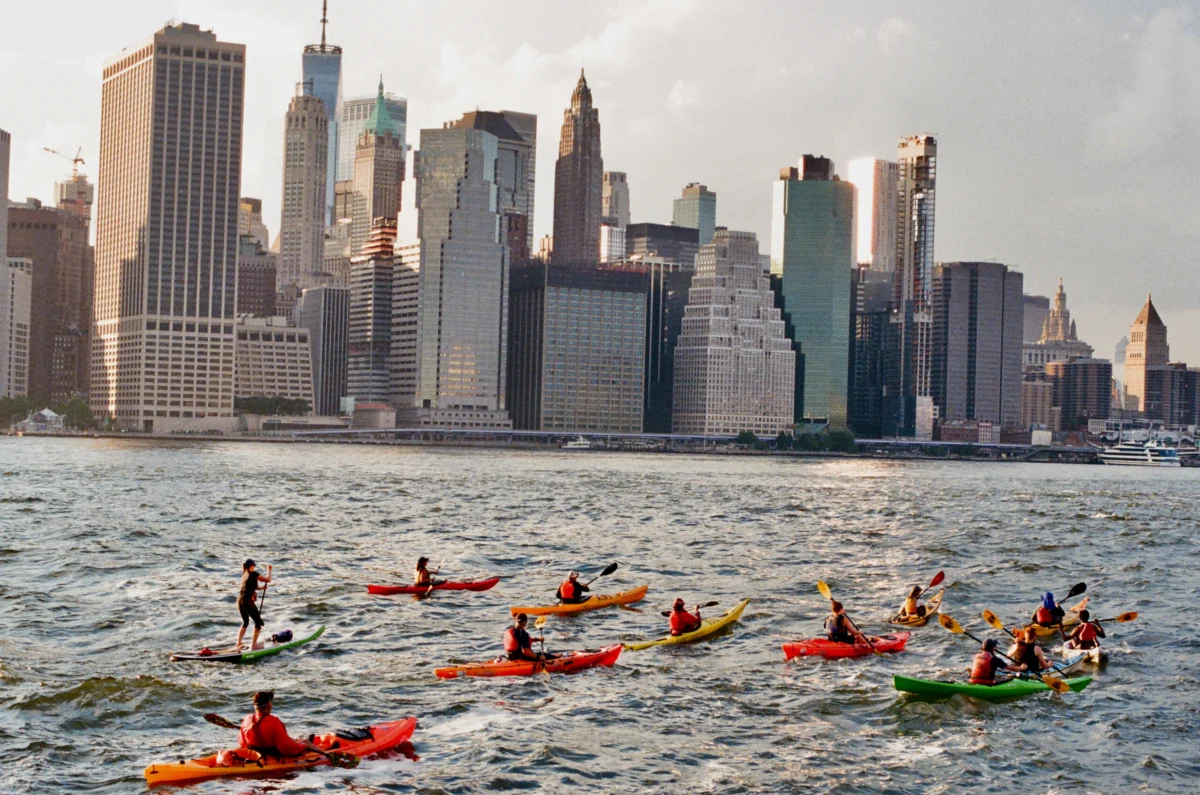
In the late summer of 2026, the resurgence of analog film photography has moved beyond a niche hobby into a documented cultural and economic trend, exemplified by recent photographic surveys of the New York City waterfront. On an evening in August 2026, photographer David Pauley utilized a Nikon FE paired with a Nikkor 50mm f/1.4 lens to document sea kayakers on the East River, highlighting a shift in contemporary workflows from labor-intensive large-format black-and-white processing toward the spontaneity of 35mm color film. This transition reflects broader industry movements where practitioners are increasingly balancing technical precision with the utilitarian ease of mid-century electronic SLR systems.
The Technical Legacy and Market Viability of the Nikon FE
The Nikon FE, originally introduced in 1978 as a successor to the Nikon EL2, remains a cornerstone of the vintage camera market due to its robust construction and the inclusion of an electronic focal-plane shutter. In the current 2026 secondary market, a functional Nikon FE body paired with a fast prime lens commands a price point of approximately $240. This valuation represents a stable investment for photographers seeking the "FM-series" aesthetic with the added functionality of aperture-priority autoexposure.
The aperture-priority mode, a central feature of the FE, utilizes a gallium photo-diode (GPD) metering system that allows for seamless exposure adjustments in rapidly changing light conditions, such as the "golden hour" transitions observed along the Manhattan skyline. For the documentation of moving subjects like kayakers on the East River, this automation provides a critical advantage over fully manual systems, ensuring that the exposure remains consistent even as the sun dips behind the high-rise architecture of Lower Manhattan.
Supporting the FE’s versatility is the Nikkor lens ecosystem. While the 50mm f/1.4 provides a "normal" perspective—roughly equivalent to the human eye’s field of view—the secondary market for specialized optics remains robust. The Nikkor H 85mm f/1.8, a telephoto lens cited by practitioners for its portraiture and compression capabilities, currently carries an additional market premium of approximately $145. The ability to swap these vintage optics on a modern-day shoot allows photographers to manipulate depth of field and perspective without the digital artifacts associated with modern sensor cropping.
Chronology of the Analog Resurgence (2020–2026)
The utilization of the Nikon FE in 2026 is the result of a decade-long trajectory in the imaging industry.
- 2020–2022: A significant spike in film photography interest occurred during global lockdowns, leading to a shortage of 35mm film stocks and a 300% increase in the price of vintage SLR bodies.
- 2023–2024: Major manufacturers, including Pentax (Ricoh Imaging), announced the development of new analog cameras to meet the demand of a younger demographic. During this period, professional labs in urban centers like Brooklyn saw a 40% increase in color C-41 processing orders.
- 2025: The "Slow Photography" movement gained traction, encouraging artists to move away from the hyper-saturated, AI-enhanced imagery of mobile devices in favor of the organic grain and color science of emulsion.
- August 2026: Photographers like Pauley document the New York Harbor, utilizing Fujicolor 400—a film stock known for its versatility—rated at ISO 200 to achieve higher shadow detail and finer grain in high-contrast sunset environments.
The Geography of the East River and Urban Recreation
The subject matter of the August 2026 photographs—sea kayakers navigating the East River—serves as a visual testament to the success of the New York City Water Trail initiative. Over the last decade, the East River has transitioned from a strictly industrial maritime corridor into a shared recreational space. The presence of kayakers beating upstream against the current reflects the ongoing revitalization of the Brooklyn and Manhattan waterfronts.
From a compositional standpoint, the line of kayaks provides a horizontal counterpoint to the verticality of the Lower Manhattan skyline. The use of Fujicolor 400 in this context is significant; the film’s ability to render the "gilded" tones of a sunset provides a warmth that is often difficult to replicate in digital post-processing without significant manipulation. By utilizing professional labs such as Photo Life in Brooklyn for development and scanning, photographers are able to maintain a high-fidelity digital output while retaining the physical negative as a permanent archive.
Comparative Dynamics: 35mm vs. Large Format
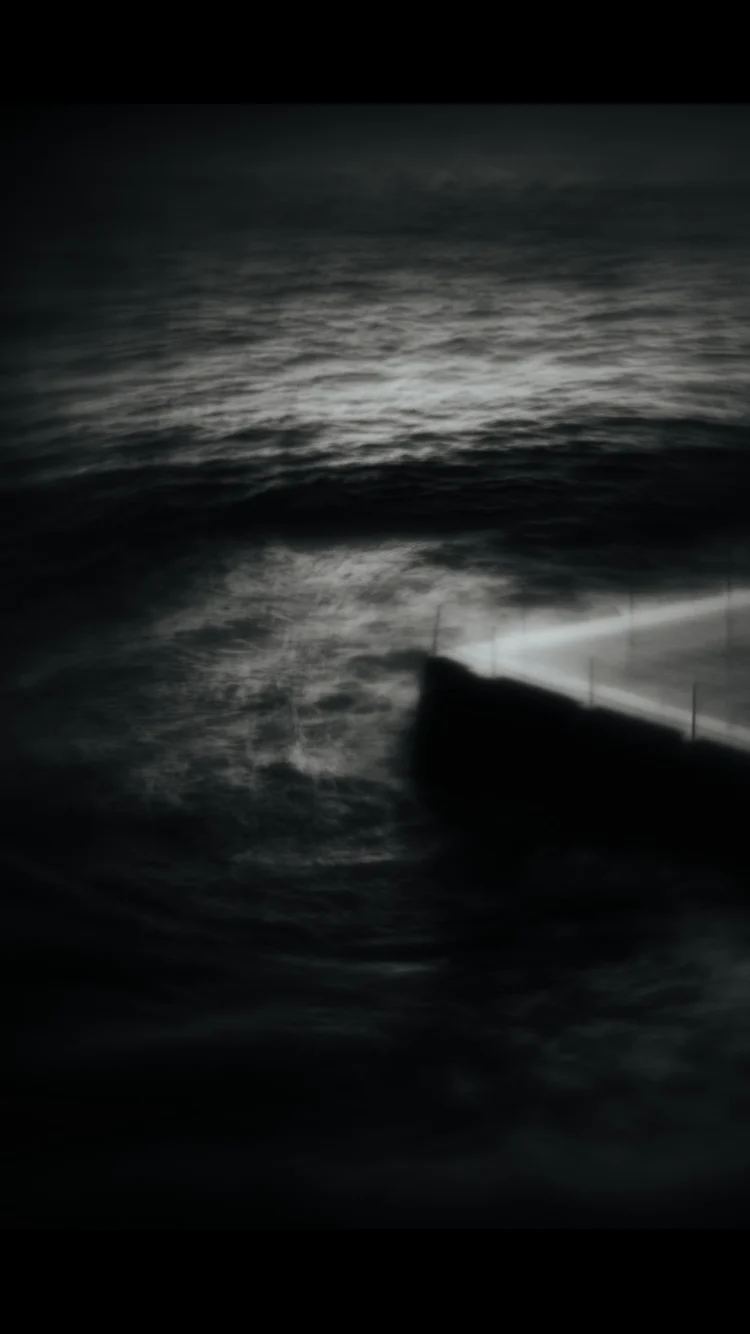
A critical aspect of the current photographic landscape is the divergence between "effortful" and "effortless" workflows. Throughout 2026, there has been a noted trend of professional photographers alternating between large format (4×5 or 8×10) black-and-white photography and 35mm color film.
Large format photography involves the "Zone System," a technical framework for determining optimal exposure and development to achieve a specific range of grays. This process is time-consuming, requiring heavy tripods, darkroom chemistry, and significant manual labor. In contrast, the 35mm format, as utilized with the Nikon FE, represents a "simplicity" that allows for a more reactionary form of documentation.
Industry analysts suggest that this "sinful ease" of 35mm photography is not a lack of rigor but rather a different philosophical approach. It allows the photographer to engage with the environment rather than the equipment. This shift is particularly relevant in urban street photography, where the window of opportunity to capture a specific light or a fleeting movement is measured in seconds.
Market Data and Economic Implications
The economic impact of the analog revival is measurable through the growth of specialized service providers. In the New York metropolitan area, the number of independent film labs has grown by 15% since 2024. These labs provide essential services, including:
- C-41 and E-6 Processing: Standardized chemical development for color negative and slide films.
- High-Resolution Scanning: Utilizing Noritsu or Frontier scanners to bridge the gap between analog capture and digital distribution.
- Vintage Gear Maintenance: A growing sector of technicians specializing in the repair of electronic shutters like those found in the Nikon FE.
The cost of entry for a high-quality analog setup in 2026 remains lower than that of professional-grade digital mirrorless systems. A complete Nikon FE kit with two prime lenses can be acquired for under $400, whereas a modern digital equivalent often exceeds $2,000. This lower barrier to entry has democratized high-end optics for a new generation of documentarians.
Official Responses and Professional Analysis
While camera manufacturers have largely focused on mirrorless digital technology, the "hybrid workflow"—shooting film and scanning to digital—has received tacit support through the continued production of high-quality film scanners and the release of new film emulsions.
"The return to 35mm color film in urban environments is about the preservation of a specific aesthetic memory," says a representative from a leading Brooklyn-based imaging collective. "Digital sensors are designed for perfection, but film is designed for feeling. When you see a Nikon FE on the waterfront in 2026, you aren’t seeing a relic; you’re seeing a tool that is perfectly calibrated for the human experience of light."
Furthermore, the decision to "rate" Fujicolor 400 at an exposure index (EI) of 200—effectively overexposing the film by one stop—is a common professional technique. This practice saturates the color layers more deeply and reduces the appearance of grain in the shadows, a technique that demonstrates the technical proficiency required even in "simple" photography.
Broader Impact and Future Outlook
As the summer of 2026 concludes, the integration of vintage SLRs like the Nikon FE into regular photographic rotations suggests a permanent place for analog technology in the professional’s toolkit. The ease of use provided by aperture-priority systems, combined with the timeless quality of Nikkor glass, ensures that the documentation of urban life remains both accessible and aesthetically rich.
The future of this medium appears tied to the balance of "the simple and the pretty" against the "toiling" of the darkroom. By embracing both, photographers are able to capture the evolving narrative of cities like New York with a depth that transcends the limitations of any single format. The East River kayakers, framed against the towers of Manhattan through a 50mm lens, represent more than a passing moment; they represent the enduring relevance of the decisive moment in the age of the algorithm.