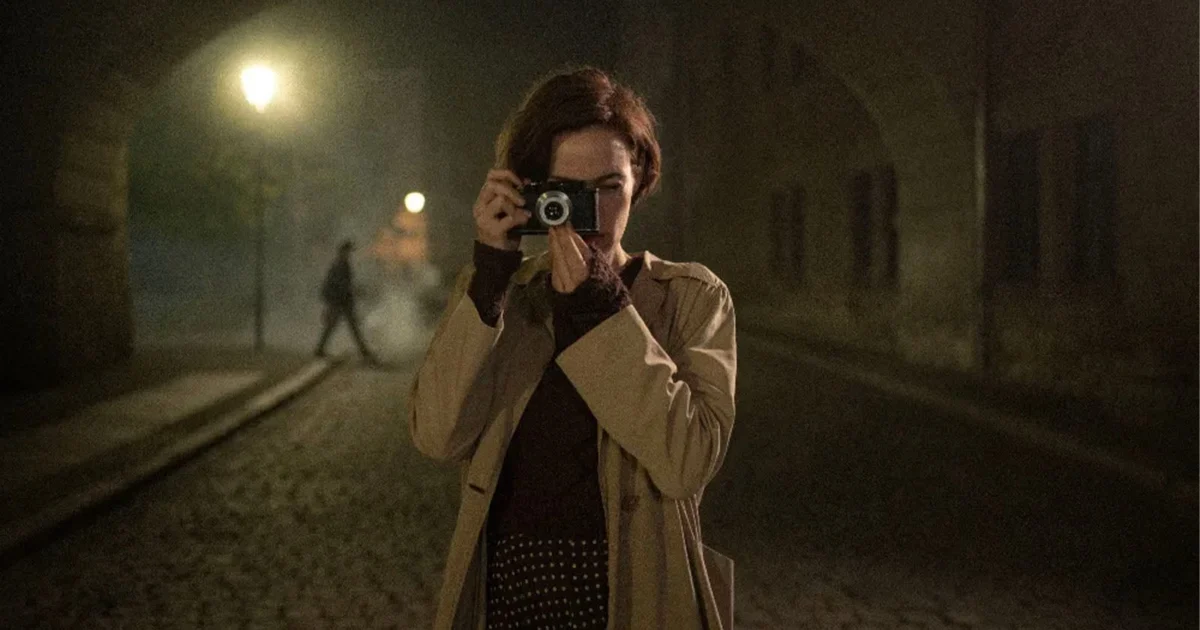
The 83rd Venice International Film Festival this week hosted the world premiere of "The Girl With The Leica," a highly anticipated feature film chronicling the extraordinary life of Gerda Taro, the pioneering German photojournalist who holds the tragic distinction of being the first woman photojournalist killed while covering a war. The film, directed by Italian filmmaker Alina Marazzi and starring German actress Emilia Schüle, draws its narrative from Helena Janeczek’s acclaimed 2018 novel of the same name, offering a cinematic exploration into the life, loves, and revolutionary spirit of a figure whose contributions to wartime photography were historically overshadowed.
The Film’s Debut and Vision at Venice
The selection of "The Girl With The Leica" for its global debut at the prestigious Venice Film Festival underscores the enduring cultural and historical significance of Gerda Taro’s narrative. Held annually on the Lido di Venezia, the festival is one of the "Big Three" European film festivals, alongside Cannes and Berlin, renowned for showcasing groundbreaking cinema and offering a vital platform for artistic expression. The premiere event was met with considerable anticipation, as it brings to the silver screen a story that not only illuminates a crucial period in 20th-century history but also reclaims the legacy of a remarkable woman.
Alina Marazzi’s direction promises a nuanced portrayal of Taro, moving beyond the mere historical facts to delve into her motivations, relationships, and internal struggles. German actress Emilia Schüle embodies Taro, a role that demands a portrayal of intellectual depth, political conviction, and personal charisma. Early reports from the festival suggest the film centers around Bastille Day, July 14, 1937, a pivotal moment that serves as a narrative anchor, depicting Taro’s interactions with friends and her renowned photographic partner, Endre Friedmann, later known as Robert Capa. Through a series of carefully interwoven flashbacks, the film meticulously reconstructs Taro’s formative years: her childhood in Leipzig, her burgeoning left-wing political activism, her subsequent arrest by Nazi authorities, and her forced exile from Germany following Adolf Hitler’s ascent to power.
Director Marazzi articulated her vision for the film, emphasizing the complexity of Taro’s character. "She was a young, lively, pretty, seductive woman, so she’s not giving up her personal life in order to become a strong, politically committed photographer," Marazzi stated. "It’s the combination of these two aspects that I thought was important to tell." This directorial approach suggests a film that will not merely present a historical account but rather a deeply human story, exploring the intersection of personal ambition, political conviction, and the profound sacrifices demanded by a life dedicated to documenting truth amidst conflict. While it remains to be confirmed if the film explicitly depicts Taro’s final moments in Spain, the narrative reportedly delves into her profound motivations for documenting the unfolding Spanish Civil War, providing critical insight into her unwavering commitment to photojournalism.
Unveiling a Legacy: Who Was Gerda Taro?
Born Gerta Pohorylle on August 1, 1910, in Stuttgart, Germany, to a family of Polish-Jewish descent, Gerda Taro’s early life was marked by intellectual curiosity and a growing political awareness. Her family later relocated to Leipzig, where Gerta immersed herself in progressive circles. The early 1930s in Germany were a crucible of political ferment, and Gerta, a keen observer and participant, quickly became involved in anti-Nazi activism. Her commitment to socialist and anti-fascist ideals led to her arrest in 1933, a stark testament to the escalating political repression under the newly established Nazi regime. Upon her release, recognizing the dire threat posed by Hitler’s consolidation of power, Gerta made the difficult decision to flee her homeland, seeking refuge in Paris.
Paris in the mid-1930s was a vibrant hub for artists, intellectuals, and political exiles from across Europe, particularly those escaping the rising tide of fascism. It was in this dynamic environment that Gerta Pohorylle’s life took a decisive turn. She encountered a community of like-minded individuals, forging connections that would shape her destiny. Her intellectual curiosity, combined with a fierce sense of justice, positioned her perfectly for the burgeoning field of photojournalism, a medium increasingly vital for documenting the rapidly changing political landscape.
The Genesis of "Robert Capa": A Collaborative Masterstroke
In 1935, Gerta Pohorylle met Endre Friedmann, a Hungarian-Jewish photographer who had also sought refuge in Paris from political persecution. Their connection was immediate and profound, blossoming into both a passionate romantic relationship and a groundbreaking professional partnership. Friedmann, already possessing photographic skills, began to teach Pohorylle the intricacies of the craft. Together, they embarked on a remarkable creative endeavor that would not only launch their careers but also forever alter the landscape of war photography.
Facing significant challenges in the highly competitive and increasingly anti-Semitic European photojournalism market, the pair conceived a brilliant, albeit audacious, strategy. They invented a fictional American celebrity photographer named "Robert Capa." The motivation behind this ruse was multifaceted. Firstly, it allowed them to circumvent the pervasive anti-Jewish sentiment prevalent in Europe at the time, which often hindered the professional opportunities of Jewish artists and journalists. Secondly, the allure of an American persona, particularly one associated with wealth and influence, was believed to grant them greater access to lucrative assignments and more prominent publications, especially within the American market. The myth of Capa was carefully constructed: a sophisticated, well-connected American photographer whose work commanded higher prices.
Initially, both Taro and Friedmann contributed photographs under the singular "Robert Capa" byline. This period of collaborative output saw images taken by both individuals credited to their joint invention, making it difficult retrospectively to attribute specific early works solely to one or the other. This shared identity was a testament to their deep collaboration and mutual support. As Manuel Sechi noted in PetaPixel several years ago, "In order to overcome the increasing political intolerance prevailing in Europe and get access to the lucrative American market, they decided to get rid of their Jewish surnames and started to sell their pictures using the fictional name ‘Robert Capa’."
The "Robert Capa" identity proved highly successful, quickly gaining recognition for its powerful and unflinching portrayal of conflict. However, the true identities of the photographers eventually became an open secret within their professional circles. Despite this, the partnership continued, evolving into the distinct "Capa-Taro" brand, under which they sold their images, acknowledging their joint contributions while also allowing Taro to cultivate her own burgeoning photographic identity. This period marked a crucial transition, as Taro began to step out from under the shadow of the collective "Capa" persona, developing a unique vision and photographic style that would soon distinguish her.
From Paris Exile to Spanish Frontlines: Taro’s War Photography
The outbreak of the Spanish Civil War in July 1936 provided Gerda Taro and Endre Friedmann with a critical opportunity to apply their photojournalistic skills to a conflict they deeply believed in. For them, the struggle against fascism in Spain was not merely a professional assignment but a moral imperative. They traveled to Spain, immersing themselves in the brutal realities of the conflict, driven by a shared commitment to exposing the atrocities of war and supporting the Republican cause.
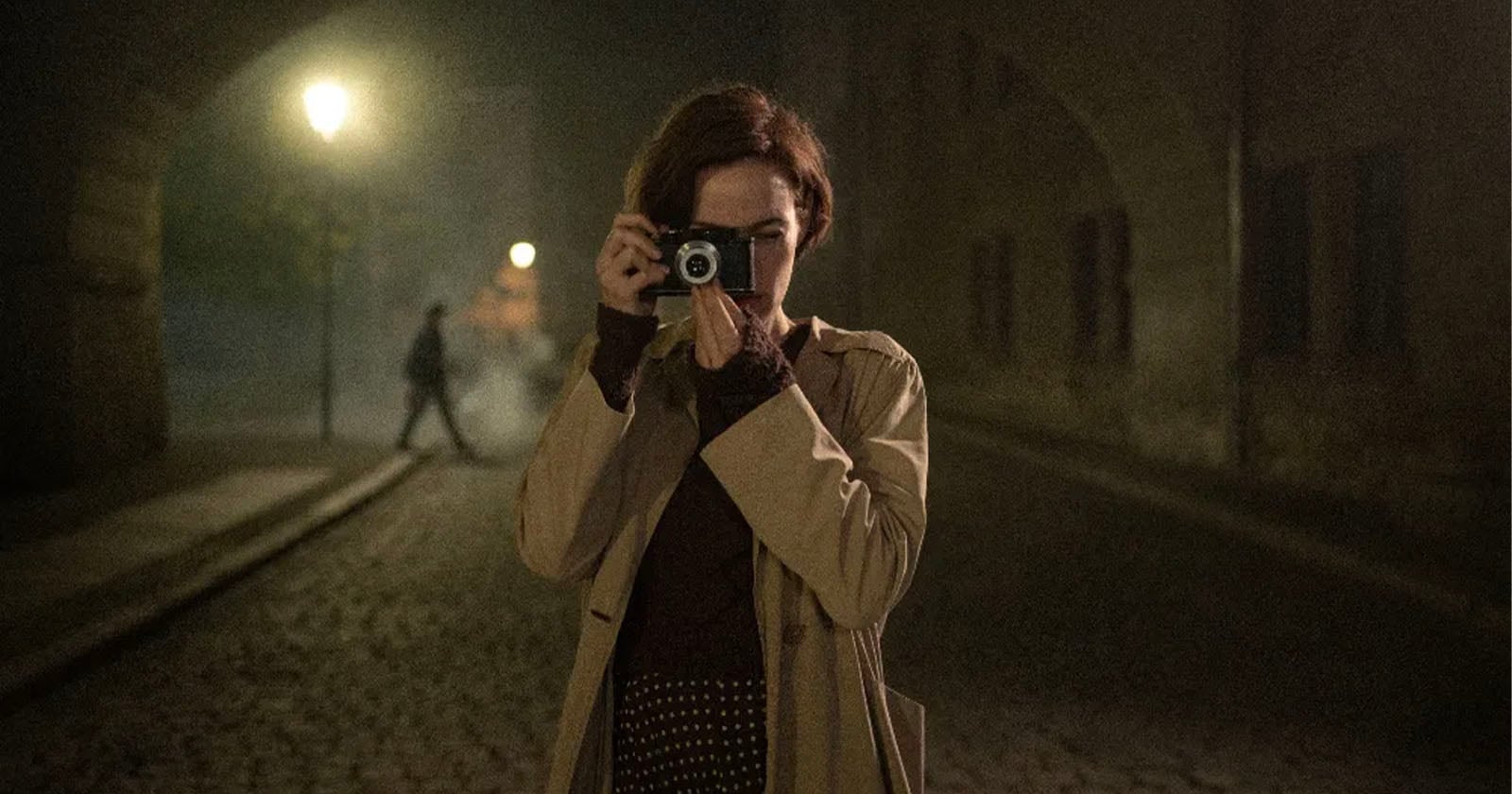
Taro’s photographic style rapidly evolved on the battlefields of Spain. While initially influenced by Friedmann, she developed a distinct approach characterized by its dynamism, immediacy, and a profound focus on the human element of war. Unlike some of her contemporaries who maintained a more detached perspective, Taro moved closer to the action, often placing herself in perilous situations to capture intimate and visceral images of soldiers, civilians, and the devastating impact of conflict. Her photographs from Madrid, the Aragon Front, and other key locations portrayed the courage and suffering of those caught in the war, offering a powerful counter-narrative to the sanitized reports often disseminated by official channels.
Her work distinguished itself through its unflinching honesty and empathetic lens. Taro often focused on the faces of soldiers, the resilience of civilians, and the stark landscapes of war-torn Spain. Her compositions were often tight, bringing the viewer into the heart of the moment, a technique that would later become a hallmark of what is now known as "street photography" or "concerned photography." She was known for her small, lightweight Leica camera, which allowed her unparalleled mobility and discretion in fast-moving and dangerous environments. This choice of equipment, combined with her courage and determination, enabled her to capture candid, impactful images that conveyed the raw reality of the war.
A Tragic End: The Battle of Brunete and Enduring Impact
Gerda Taro’s unwavering dedication to documenting the Spanish Civil War ultimately led to her tragic and untimely death. In July 1937, she was covering the Battle of Brunete, a significant and fiercely contested engagement on the outskirts of Madrid. This battle was characterized by intense fighting, heavy casualties, and rapidly shifting front lines. On July 26, 1937, while returning from the front in a car carrying wounded soldiers, Taro was involved in a devastating accident. Her vehicle was struck by an out-of-control Republican tank, an ironic and cruel twist of fate given her commitment to the Republican cause. She sustained severe injuries and died a few hours later, becoming the first female photojournalist to be killed while covering a war. She was just 26 years old.
Her death sent shockwaves through the anti-fascist and journalistic communities. Her funeral, held in Paris on August 1, 1937, which would have been her 27th birthday, was a monumental event. Organized by the French Communist Party, it was attended by thousands of mourners, including prominent artists, intellectuals, and political figures, all paying tribute to her bravery and sacrifice. Her coffin was carried through the streets of Paris, draped in a Republican flag, culminating in her burial at Père Lachaise Cemetery, a site traditionally reserved for France’s most esteemed figures. Pablo Neruda and Louis Aragon delivered eulogies, cementing her status as a martyr for freedom and truth.
Taro’s death served as a stark reminder of the extreme dangers faced by war correspondents, particularly those committed to documenting conflict from the front lines. Her legacy, though initially overshadowed by that of Robert Capa (who continued to use the name and achieved immense fame), has steadily gained recognition over the decades. Her pioneering spirit, her courage, and her distinctive photographic vision have been increasingly celebrated, ensuring her rightful place in the pantheon of significant photojournalists.
Rediscovering a Pioneer: Historical Context and Modern Relevance
Gerda Taro’s story is inextricably linked to the tumultuous political landscape of 1930s Europe. The rise of fascism in Germany, Italy, and Spain created an environment of unprecedented political and social upheaval. The Spanish Civil War, in particular, was not merely a localized conflict but a dress rehearsal for World War II, attracting international volunteers and journalists who understood its global implications. In this era, photojournalism emerged as a powerful tool for shaping public opinion, providing visual evidence that could either expose atrocities or serve as propaganda.
For women like Taro, pursuing a career in photojournalism during this period presented formidable challenges. The field was overwhelmingly male-dominated, dangerous, and often unwelcoming to women. Yet, Taro, alongside other remarkable women such as Lee Miller and Margaret Bourke-White, defied societal expectations, breaking barriers and demonstrating that women could operate with equal, if not greater, skill and courage in the most demanding environments. Taro’s story, therefore, is not only one of individual bravery but also a testament to the broader struggle for gender equality in professional spheres.
The renewed interest in Gerda Taro’s life, evidenced by Helena Janeczek’s novel and now Marazzi’s film, reflects a contemporary imperative to revisit and re-evaluate historical narratives, particularly those that have marginalized female contributions. Her story resonates today as a powerful reminder of the importance of an independent press, the risks undertaken by journalists in conflict zones, and the enduring human cost of war. In an age of pervasive visual media, her commitment to capturing authentic, unfiltered moments of human experience remains profoundly relevant.
Critical Reception and Broader Implications
The premiere of "The Girl With The Leica" at the Venice Film Festival is a significant cultural event that promises to introduce Gerda Taro’s remarkable life to a wider international audience. While full critical reviews will emerge following the festival, the very act of a major festival selecting her story for a premiere suggests a recognition of its artistic merit and historical importance. The film’s ability to blend personal drama with historical context, as suggested by Marazzi’s statements, is likely to contribute to its impact.
The broader implications of this film extend beyond cinematic achievement. It serves as an essential act of historical reclamation, ensuring that Taro’s pioneering spirit and tragic sacrifice are not forgotten. For aspiring photojournalists, especially women, her story offers an inspiring, albeit sobering, example of dedication to craft and truth. Furthermore, in a world grappling with new forms of conflict and the challenges to journalistic integrity, Taro’s unwavering commitment to documenting war underscores the vital role of photojournalism in shaping public understanding and conscience.
The timing of "The Girl With The Leica"’s release also aligns with a growing interest in stories centered around war photographers. PetaPixel recently reported on another upcoming film, Zack Snyder’s "The Last Photograph," which also explores themes related to war photography. This trend suggests a cultural moment receptive to narratives that delve into the complex lives and profound impact of those who bear witness to conflict through the lens.
The Future of Her Story
"The Girl With The Leica" is poised to be more than just a historical drama; it is a powerful tribute to a woman who defied conventions, challenged expectations, and paid the ultimate price for her commitment to truth. By bringing Gerda Taro’s story to the forefront, the film contributes significantly to her posthumous recognition, cementing her place not just as an associate of Robert Capa, but as a formidable and independent force in the history of photojournalism. Her legacy will continue to inspire generations, reminding us of the courage required to document history as it unfolds, and the enduring power of a single photograph to tell a thousand truths.